
Fuel-Efficient Tractor Powertrain: Which Specs Matter Most for Total Operating Cost?
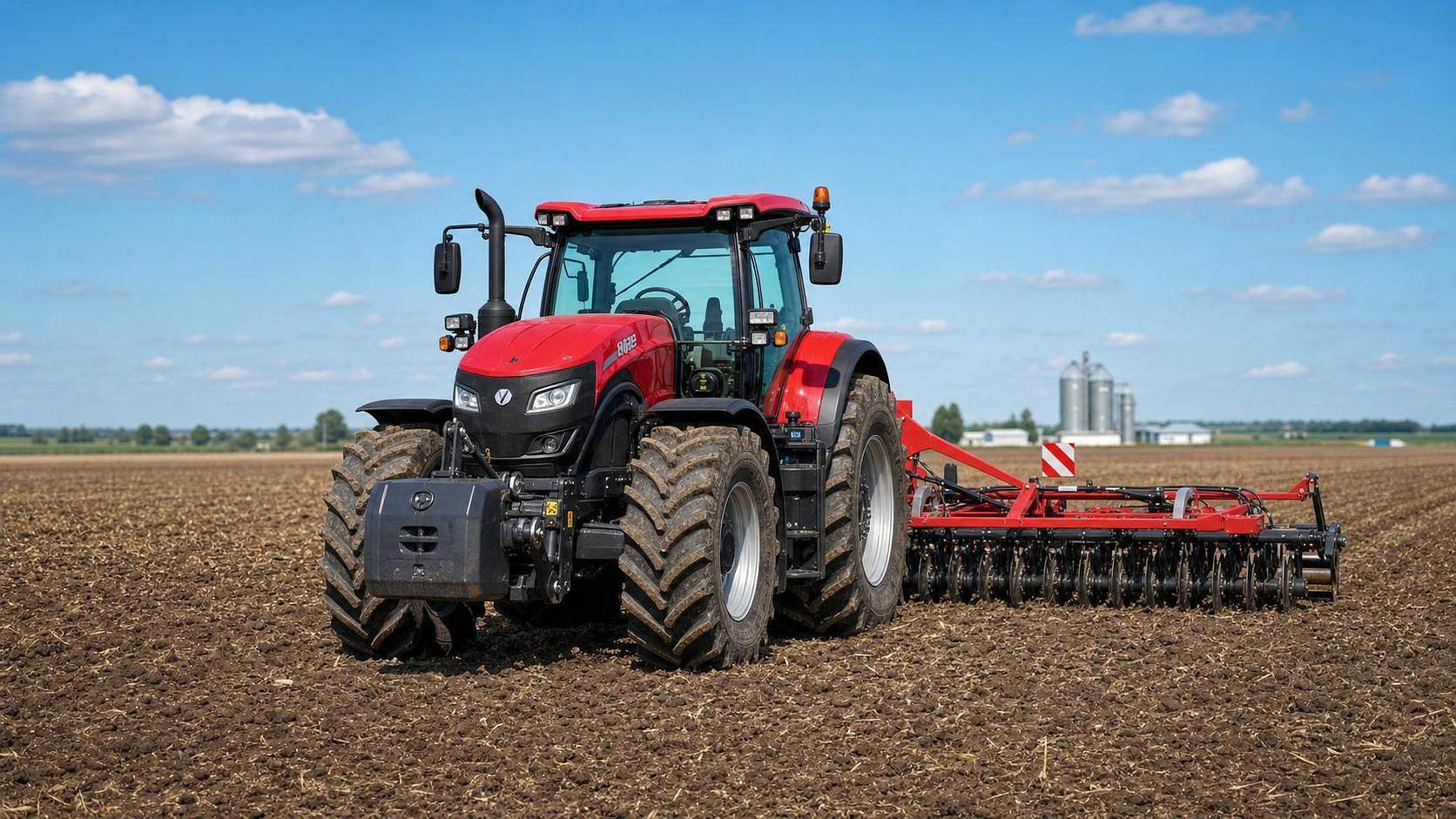




Fuel-Efficient Tractor Powertrain: Which Specs Matter Most for Total Operating Cost?
For finance approvers, a fuel efficient tractor powertrain is more than a technical selling point. It directly shapes cost per hectare, annual fuel spend, and residual value.
That matters even more in large-scale farming, where tractors run long hours under variable load. A small difference in fuel burn becomes a major budget line.
The challenge is straightforward. Many specifications look important on paper, but only a few truly move total operating cost in daily field use.
In practice, the best buying decisions come from linking engine, transmission, hydraulics, and duty cycle. Looking at one spec alone usually leads to the wrong conclusion.
This guide focuses on the powertrain details that most affect ownership economics, especially when comparing high-horsepower tractors for broad-acre operations.
Why the Powertrain Has the Biggest Cost Impact
Fuel is usually one of the largest controllable operating expenses in a tractor fleet. The powertrain decides how efficiently fuel becomes useful drawbar or PTO work.
A fuel efficient tractor powertrain also affects labor productivity. Better load handling means fewer gear changes, steadier ground speed, and less lost time in difficult field conditions.
From a finance view, that creates a double benefit. Lower liters per hour reduce direct cost, while stronger utilization improves capital efficiency.
This is why AP-Strategy tracks tractor chassis, harvesting systems, and precision field operations together. Real savings rarely come from isolated machine features.
Spec 1: Usable Torque Curve Matters More Than Peak Horsepower
Peak horsepower gets attention because it is easy to market. Yet for total operating cost, the more useful number is torque across the working rpm band.
A broad torque plateau lets the tractor hold performance without constant high-rpm operation. That usually improves fuel use during tillage, seeding, and heavy transport.
Look for strong torque rise and torque backup. These characteristics help the engine recover under sudden load, especially in variable soils or rolling terrain.
A fuel efficient tractor powertrain should deliver required pull at lower engine speed. If the machine must stay near rated rpm to work properly, fuel cost usually increases.
When reviewing supplier data, ask for:
- Torque curve maps, not only brochure horsepower
- Specific fuel consumption at common field loads
- Engine performance at reduced rpm under draft demand
- PTO efficiency at target implement operating points
Spec 2: Transmission Efficiency Often Separates Similar Tractors
Two tractors with similar engines can show very different fuel bills. The reason is often transmission loss rather than engine design alone.
Power shift, CVT, and eAutoPowr-style systems each have tradeoffs. The right choice depends on whether the machine spends more time in draft work, PTO work, or transport.
For heavy draft applications, mechanical efficiency under sustained pull is critical. For mixed operations, smooth ratio control can reduce wasted fuel and operator fatigue.
A fuel efficient tractor powertrain should keep the engine in its most efficient rpm zone while matching speed precisely to field demand. That is where transmission design earns its value.
Useful procurement questions include:
- What is the transmission efficiency under drawbar load?
- How often does the system force higher engine rpm?
- Is there documented fuel data for transport cycles?
- How does the control logic behave with changing soil resistance?
Spec 3: Hydraulic Load Matching Is a Hidden Fuel Driver
Hydraulics are easy to underestimate in cost modeling. Yet on air seeders, planters, sprayers, and smart implements, hydraulic demand can materially change fuel burn.
The key issue is matching pump output to actual implement demand. Oversized or inefficient hydraulic systems can waste power continuously.
Closed-center load-sensing systems usually perform better when hydraulic demand changes during field work. They reduce parasitic loss compared with less adaptive setups.
A fuel efficient tractor powertrain is therefore not only engine and gearbox. It also includes hydraulic architecture, control response, and flow management under real implement duty.
This becomes more important as Agriculture 4.0 tools add sensors, section control, variable-rate actuation, and automated implement functions.
Spec 4: Real-World Fuel Burn Beats Test-Cycle Claims
Brochure numbers can be directionally useful, but field conditions decide the actual budget impact. Soil type, implement width, ballast, tire setup, and operator behavior all matter.
That means a fuel efficient tractor powertrain should be judged by liters per hectare, liters per ton, or liters per productive hour, not by a single lab figure.
Ask suppliers for local demonstration data or fleet references with similar implements and similar field conditions. Generic claims create too much approval risk.
Better still, compare candidate models using a common workload. Use the same field window, operator standard, ballast approach, and tire pressure policy.
Without that discipline, procurement teams may overpay for horsepower that never converts into lower operating cost.
Spec 5: Ballasting, Tire or Track Setup, and Slip Control
The powertrain can only be efficient if power reaches the ground effectively. Poor traction setup turns fuel into wheel slip and unnecessary wear.
This is why powertrain review should include integrated traction management. Engine efficiency alone will not protect total operating cost.
Check whether the tractor supports flexible ballast options, central tire inflation compatibility, and slip monitoring within its precision management system.
A fuel efficient tractor powertrain performs best when drivetrain output, axle load, and ground contact are tuned as one system.
How to Evaluate Total Operating Cost Before Approval
A disciplined approval model should move past purchase price. The better lens is cost per productive unit over the planned service life.
Build comparisons around these variables:
- Annual operating hours by task type
- Expected liters per hour and liters per hectare
- Transmission-related productivity differences
- Hydraulic demand from planned implements
- Maintenance intervals and driveline service cost
- Residual value under local resale conditions
In many cases, the lowest-cost machine to own is not the cheapest unit to buy. It is the model with the best balance of fuel use, uptime, and field output.
Common Procurement Mistakes
Several errors appear repeatedly in tractor approvals.
- Choosing by rated horsepower without checking the torque curve
- Ignoring transmission losses in mixed field and transport use
- Underestimating hydraulic demand from precision implements
- Accepting lab fuel figures without comparable field validation
- Treating tires, ballast, and slip as setup issues instead of cost drivers
Each mistake makes it harder to identify a truly fuel efficient tractor powertrain. More importantly, each one weakens confidence in long-term return.
What Deserves the Most Weight in Final Selection
If priorities must be narrowed, focus first on real fuel consumption in matched workloads. Then review torque delivery, transmission efficiency, and hydraulic load handling.
That order reflects how costs appear in actual operations. It also aligns better with large-farm capital discipline than headline performance claims.
A fuel efficient tractor powertrain should help the machine do more work per liter, maintain output under changing conditions, and support precision tools without excessive loss.
When those factors are verified together, the procurement case becomes stronger. The investment is easier to defend because the economics are visible, not assumed.
For buyers navigating the Agriculture 4.0 transition, that is the practical standard. Select the powertrain that lowers cost under real load, not the one that only looks efficient in a specification sheet.
That approach creates better fleet utilization today and a more resilient operating model over the full asset life.
Related News
Choosing a Digital Farming Platform Provider: Compatibility and Data Ownership
Compare digital farming platforms providers on equipment compatibility, data ownership, and export rights. Discover practical checks to avoid lock-in and choose with confidence.
How Large-Scale Farm Telematics Cuts Downtime Across Mixed Fleets
Large-scale farm equipment telematics cuts mixed-fleet downtime with real-time alerts, smarter maintenance, and stronger operational control. Learn how to protect critical farm workflows.
How to Size Low-Pressure Water-Saving Irrigation Systems for Uneven Fields
Low pressure water-saving irrigation systems for uneven fields: learn zoning, pressure mapping, pipe sizing, and pump selection to improve uniformity and reduce water waste.
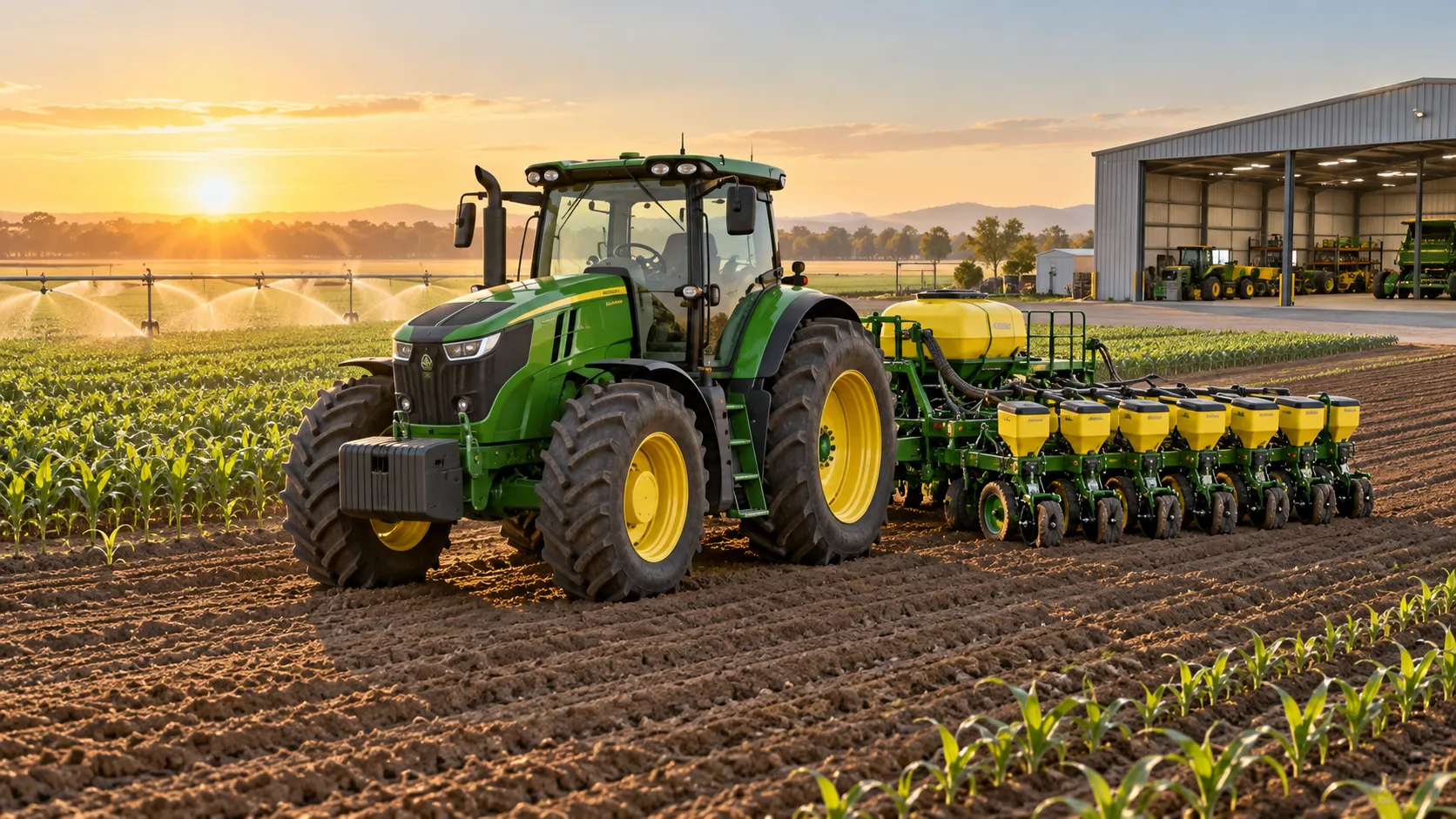
Farm Machinery Sourcing: How to Vet Suppliers, Specs, and Lifecycle Costs
Farm machinery information for sourcing: learn to vet suppliers, compare specifications, control lifecycle costs, and secure reliable uptime for smarter equipment purchases.
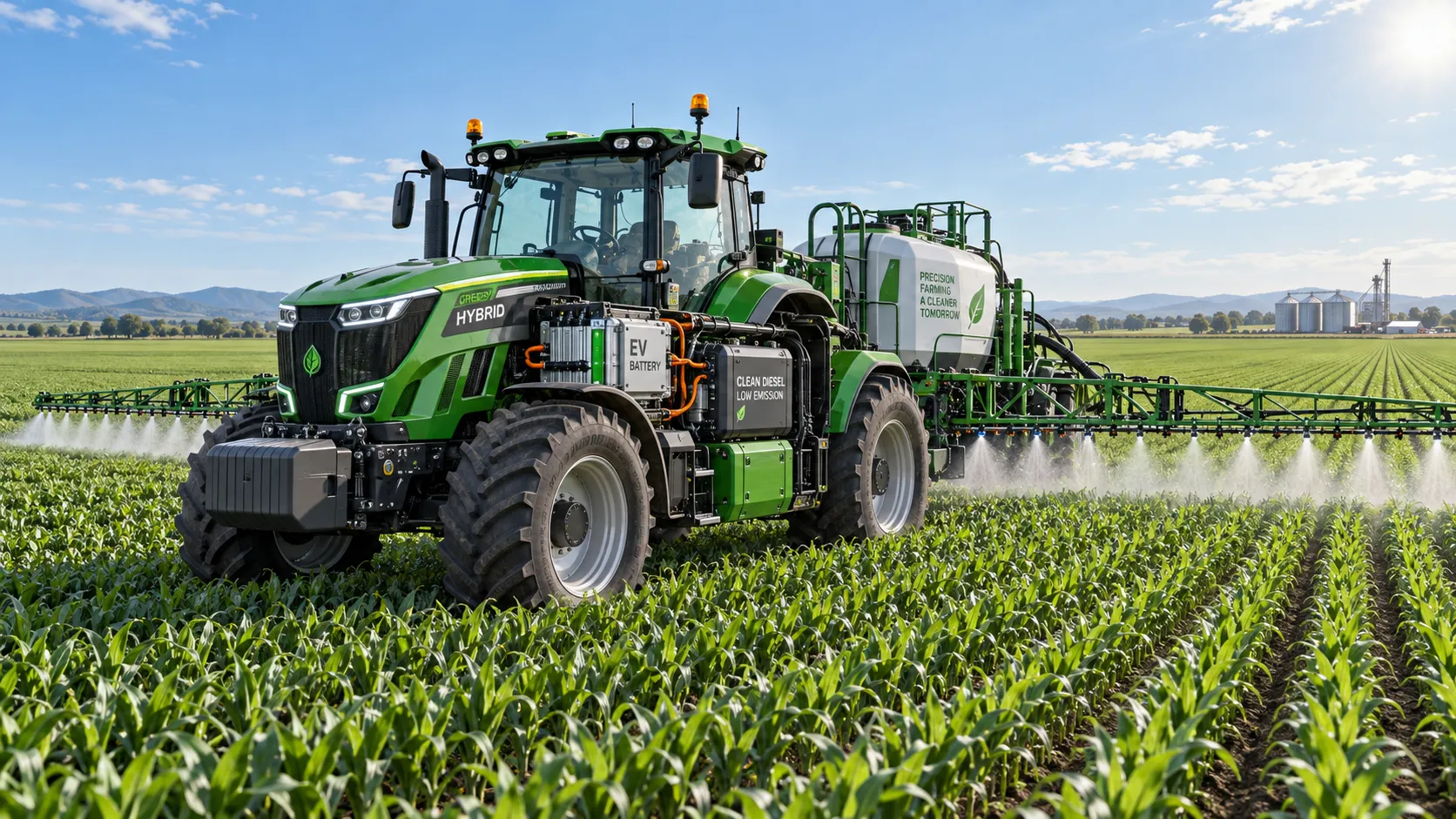
Can hybrid propulsion systems reduce fuel use in farm machinery?
Hybrid propulsion systems for agricultural machinery can cut fuel use and boost productivity. Explore savings potential, key trade-offs, and smart investment factors.
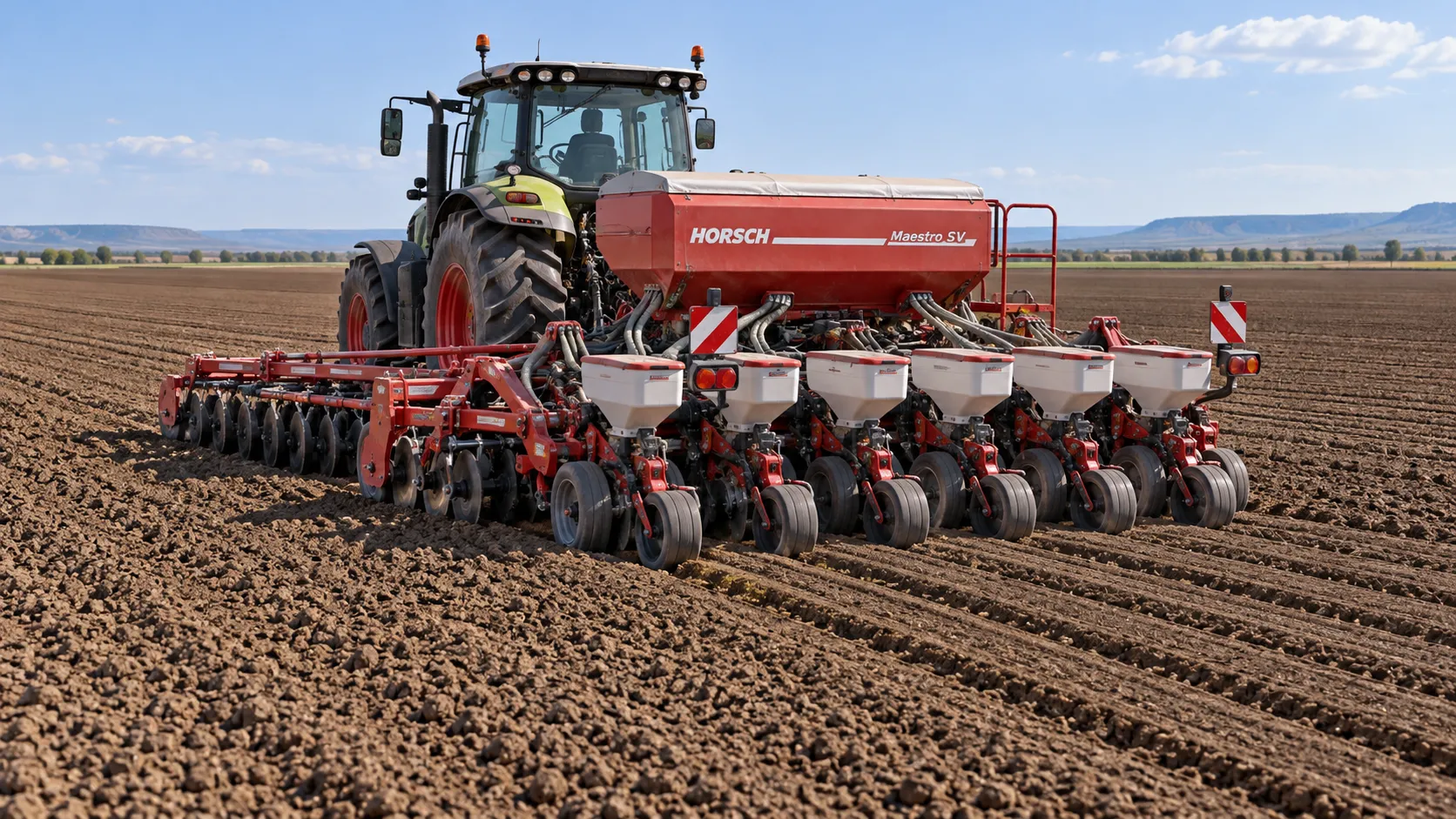
What to compare in integrated seeding combinations for heavy soils
Compare integrated seeding combinations for heavy soils: depth control, residue flow, consolidation, traction, and field capacity for more uniform crop establishment.
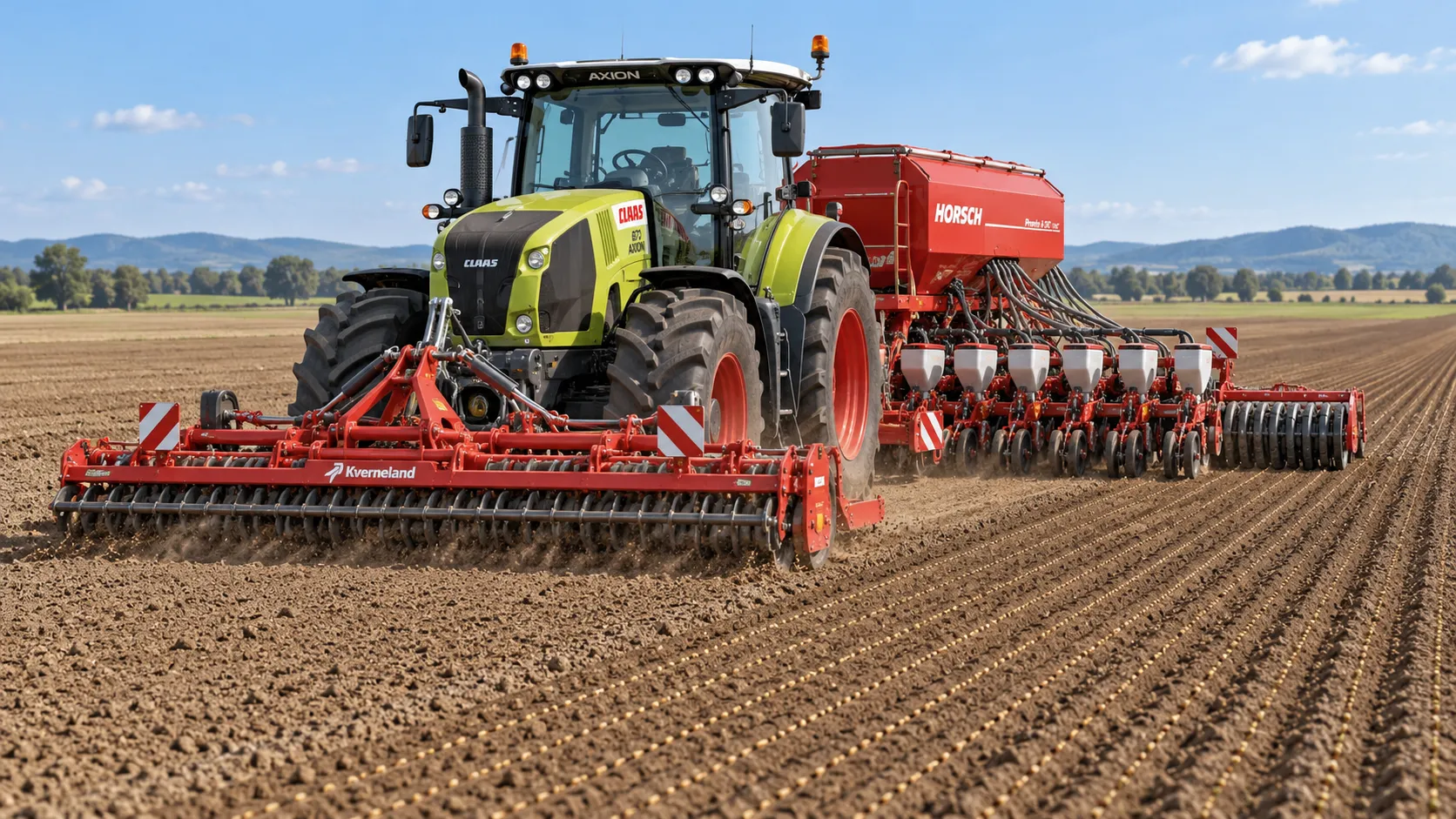
When an integrated seeding combination improves field efficiency
Integrated seeding combination improves field efficiency, protects planting windows, and balances speed with seedbed quality, tractor capacity, and reliable establishment.
Which costs matter most when calculating precision agriculture ROI?
Calculating ROI on precision agriculture equipment? Discover the costs that shape returns, from installation and subscriptions to downtime, labor, and data integration.
How to calculate ROI on precision agriculture equipment before buying
Calculating ROI on precision agriculture equipment: learn to assess total ownership costs, savings, payback, NPV, risks, and farm-scale value before you buy.
Related News
- 00
0000-00
Fuel-Efficient Tractor Powertrain: Which Specs Matter Most for Total Operating Cost? - 00
0000-00
CVT Transmissions Price Explained: What Drives Cost in Agricultural Machinery? - 00
0000-00
Dedicated CVT Rail Link Signals New Export Execution Standard - 00
0000-00
TUV Rheinland Sets New ASIL-B Rule for CVT Systems - 00
0000-00
ANVISA Clears First China-Made Bio-Based CVT Fluid for Brazil
Popular Tags
Tractor Power Architect
Weekly Insights
Stay ahead with our curated technology reports delivered every Monday.