
ANVISA Clears First China-Made Bio-Based CVT Fluid for Brazil





On June 27, 2026, Brazil’s ANVISA approved a compatibility certification for a China-made biodegradable hydraulic oil designed for CVT Transmissions, marking a notable compliance step for exporters targeting the Brazilian market. The decision matters not only to transmission manufacturers, but also to aftersales service networks, lubricant supply partners, and procurement teams, because it addresses a key issue in market access: whether an environmentally compliant fluid can work with existing seals, friction materials, and control valves without creating downstream service risk.
What the approval confirms
According to the information provided, ANVISA approved Process No. 2026-ANV-0884 submitted by a leading Chinese transmission system manufacturer. The approval confirms that the dedicated biodegradable hydraulic oil for CVT Transmissions is compatible with existing CVT seals, friction plates, and control valves, and that it meets the environmental standard ABNT NBR 16939:2025.
The same information indicates that this approval removes a key lubricant-related compliance barrier for complete CVT equipment exports from China to Brazil. It is also expected to shorten local market-entry timelines by four to six months and reduce the cost of localized aftersales oil supply by more than 30%.
Where the impact is likely to be felt first
Export-oriented transmission manufacturers
From an industry perspective, manufacturers shipping CVT-related equipment to Brazil may be directly affected because lubricant compliance can influence whether an export program moves smoothly from shipment planning to local entry. The main impact is likely to appear in certification sequencing, delivery planning, and aftersales preparation. What deserves closer attention is whether this approval changes how companies package fluid-related documentation within broader export files.
Aftersales and service-channel operations
Service providers and local support networks may see practical effects in maintenance planning and parts-and-fluid availability. If localized aftersales oil supply costs do fall as indicated, the impact would be most visible in replenishment arrangements, service pricing, and inventory management. Observably, the issue is not only price, but whether approved fluid supply can be aligned with installed equipment without creating compatibility disputes later.
Procurement and supply-chain teams
For procurement functions, the development matters because compliance status can affect sourcing decisions, supplier screening, and lead-time assumptions. The key business link is the transition from technical approval to repeatable supply execution. Teams should watch for changes in documentation requirements, approved product matching, and timing assumptions for Brazil-bound orders.
What companies should monitor now
Keep technical and compliance files aligned
Companies involved in Brazil exports should pay close attention to how compatibility claims are documented in product files, service manuals, and customer-facing technical materials. The approval concerns compatibility with seals, friction plates, and control valves, so document consistency will matter in both commercial discussions and service support.
Separate approval scope from broader market readiness
Analysis shows that one approval can remove a specific obstacle without automatically resolving every local market-entry requirement. Firms should distinguish between lubricant compatibility certification and the wider set of commercial, registration, delivery, and support steps needed for Brazil business execution.
Review aftersales supply planning
Because the provided information points to lower localized oil supply costs, aftersales teams should reassess stocking logic, replenishment cycles, and local service commitments. The practical question is not only whether supply becomes cheaper, but whether it becomes more predictable for ongoing customer support.
Prepare customer communication around compliance
Sales and account teams may need clearer explanations for customers and channel partners on what has been approved and what that approval means in operational terms. The most useful communication focus is likely to be compatibility scope, environmental standard alignment, and any effect on delivery or support timing.
Why this looks like more than a single certification event
Analysis shows that this development can be read as both a short-term operational change and a longer-term signal. In the short term, it addresses a defined compliance issue tied to lubricant use in exported CVT equipment. More broadly, it suggests that fluid compatibility and environmental standard alignment are becoming part of the commercial threshold for serving overseas markets, rather than a secondary aftersales detail.
At the same time, it is more appropriate to understand this as a targeted regulatory and technical milestone rather than a full market outcome. The approval is clear, but the broader commercial effect will still depend on how companies convert that clearance into stable supply, service execution, and customer acceptance.
How this news is best understood at this stage
The immediate significance of the ANVISA approval is that it removes a concrete bottleneck in the Brazil pathway for China-made CVT equipment tied to compliant lubricant use. For the industry, the development is best viewed as a practical market-access improvement with direct implications for timing, servicing, and cost structure.
Still, a measured reading is warranted. The current information supports the view that this is an actionable near-term change and a useful strategic signal, but not a standalone indicator of broader market expansion. The next phase to watch is how quickly companies translate the approval into real export, aftersales, and local supply-chain routines.
Basis of this report and points for follow-up
This article is based on the user-provided news title, event date, and event summary. For this type of industry update, relevant source categories would typically include official regulatory notices, company announcements, industry association materials, authoritative media coverage, and standard-setting organization documents.
No specific official source link was provided in the input, so the exact primary publication path still requires ongoing verification. Follow-up attention should focus on any subsequent official wording, implementation-related updates, and whether additional documentation or market-practice clarifications emerge around Brazil-bound CVT export and aftersales support.
Related News

How Sensor Feedback Enables Accurate Variable-Rate Fertilization in Field Conditions
Precision fertilization systems with sensor feedback improve variable-rate accuracy by verifying flow, managing latency, and ensuring reliable field application.

How to Select Precision Crop Protection Equipment for Variable Field Conditions
Precision crop protection equipment selection made simple: compare terrain, canopy, weather, control accuracy, and data workflows for reliable applications.

When Does Agricultural Machinery Leasing Cost Less Than Owning Equipment?
Agricultural machinery leasing can lower farm costs when use is seasonal or uncertain. Compare utilization, maintenance, cash flow, and risk to make a smarter equipment decision.

How to Evaluate Precision Fertilization System Suppliers for Farm-Scale Deployment
Precision fertilization systems suppliers: learn how to compare accuracy, integration, uptime, service, and total cost for confident farm-scale deployment.
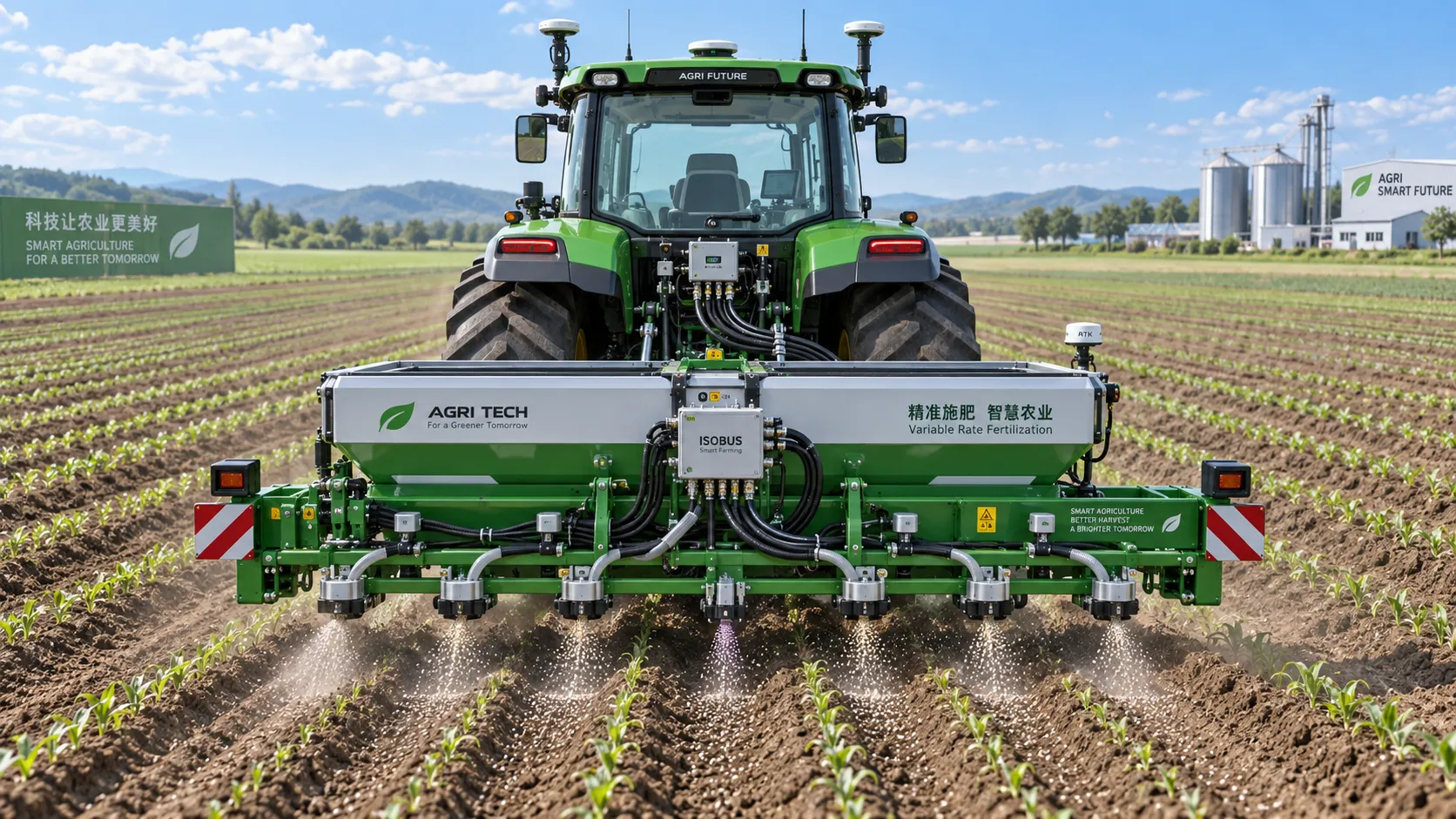
ISOBUS for Smart Agriculture: How It Connects Tractors, Implements, and Farm Data
ISOBUS for smart agriculture connects tractors, implements, terminals, and farm data—helping growers improve precision, documentation, and smarter field decisions.

Automated Water-Saving Irrigation: How to Cut Water Use Without Reducing Crop Yields
Automated water-saving irrigation helps farms cut water use, protect crop yields, improve scheduling, and gain reliable control with sensors, flow monitoring, and smart zones.

Selecting Grain Farm Equipment by Acreage, Crop Mix, and Harvest Window
Agricultural equipment selection for grain farming: match machinery to acreage, crop mix, and harvest windows to improve uptime, efficiency, and returns.
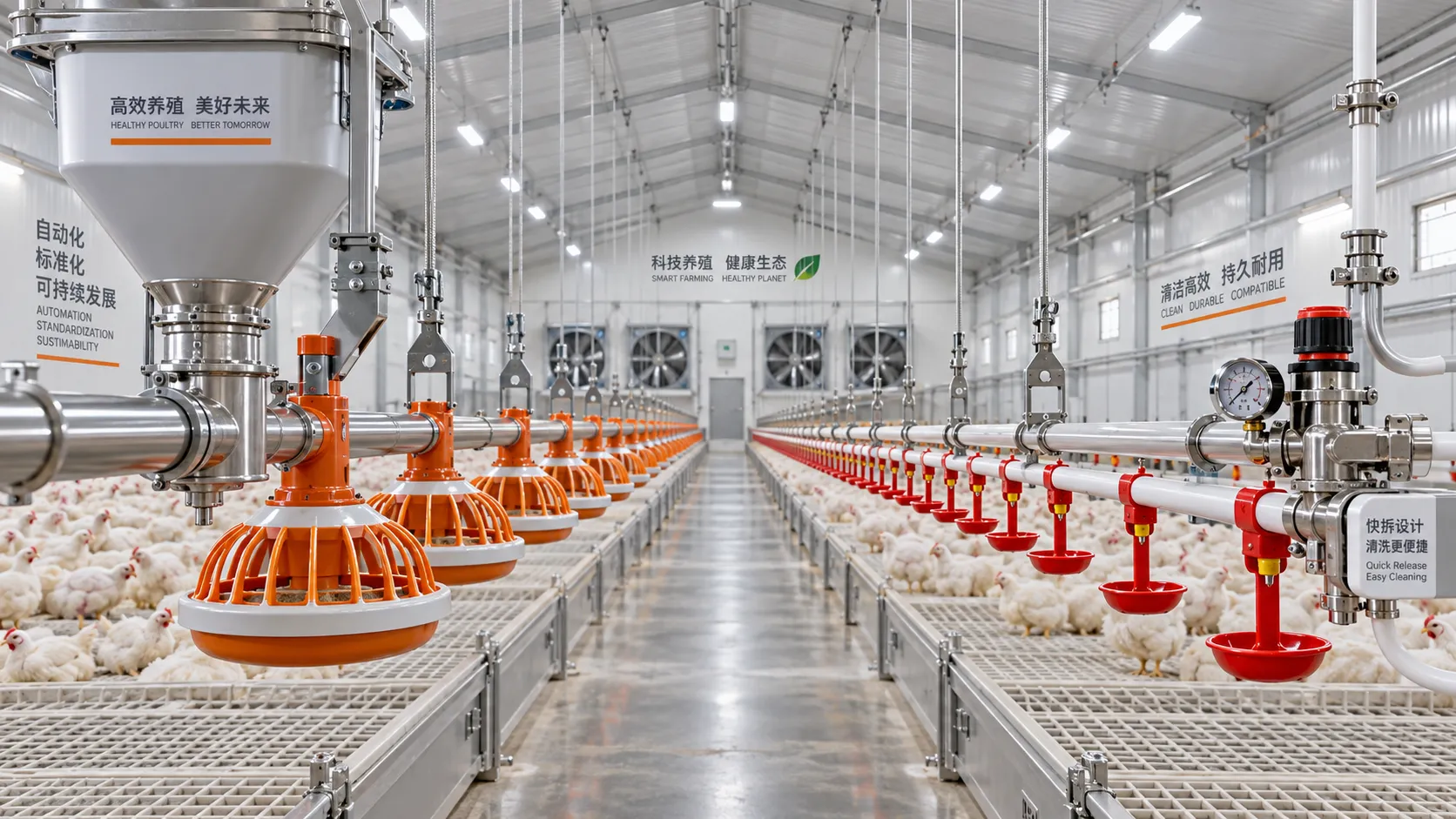
Poultry Equipment Selection: Evaluating Durability, Cleaning, and Compatibility
Poultry equipments selection guide: evaluate durability, cleaning access, and system compatibility to improve hygiene, reduce downtime, and support efficient flock management.
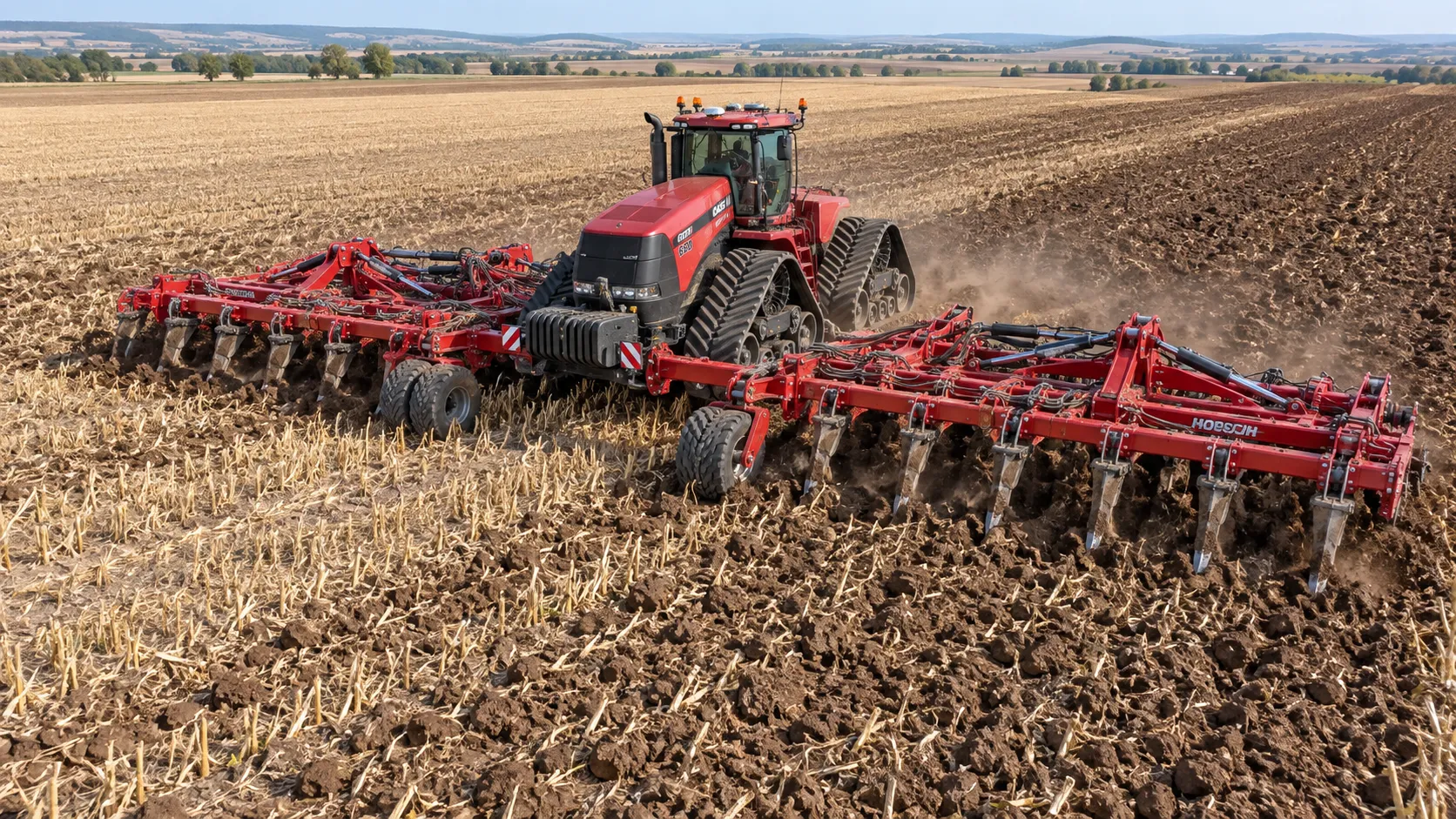
How to Select Heavy-Duty Farm Implements for High-Acreage, High-Horsepower Operations
Heavy duty farm implements: learn how to match draft, hydraulics, hitch capacity, frame strength, and field conditions for reliable high-acreage performance.
Related News
- 00
0000-00
Fuel-Efficient Tractor Powertrain: Which Specs Matter Most for Total Operating Cost? - 00
0000-00
CVT Transmissions Price Explained: What Drives Cost in Agricultural Machinery? - 00
0000-00
Dedicated CVT Rail Link Signals New Export Execution Standard - 00
0000-00
TUV Rheinland Sets New ASIL-B Rule for CVT Systems - 00
0000-00
ANVISA Clears First China-Made Bio-Based CVT Fluid for Brazil
Popular Tags
Tractor Power Architect
Weekly Insights
Stay ahead with our curated technology reports delivered every Monday.