
ANVISA Clears First China-Made CVT Biodegradable Fluid





On June 26, 2026, Brazil's ANVISA signaled a concrete compliance change for the agricultural machinery aftermarket by recognizing a China-made biodegradable hydraulic oil developed for CVT Transmissions as meeting NR-12 industrial safety requirements. For transmission system suppliers, exporters, aftermarket distributors, procurement teams, and compliance service providers, the development matters less as a product story and more as a market-entry signal tied to certification, technical documentation, and green-access positioning in Brazil.
What the June 26 notice confirmed
According to the information provided, ANVISA issued Technical Circular No. 044/2026 on June 26, 2026 and formally recognized that a biodegradable hydraulic oil for CVT Transmissions supplied by a leading Chinese transmission system manufacturer complies with the NR-12 industrial safety standard. The recognition is described as opening a green access channel for Chinese CVT equipment entering Brazil's agricultural machinery aftermarket.
Where the practical effect may appear first
Aftermarket equipment and transmission suppliers
From an industry perspective, the immediate relevance for suppliers is that fluid compatibility and safety recognition can become part of the market-access conversation, especially where aftermarket acceptance depends on whether a supporting consumable or operating fluid aligns with local compliance expectations. What deserves closer attention is whether companies can present consistent technical files, product descriptions, and conformity materials when discussing Brazil-bound CVT applications.
Export and channel-side operators
For exporters, import-side partners, and distribution channels, the change may affect how products are positioned in tenders, distributor onboarding, and aftermarket service offerings. Analysis shows that the commercial impact is likely to depend on whether recognition of the biodegradable hydraulic oil is reflected in procurement language, technical specifications, or channel acceptance criteria. Businesses involved in delivery planning should therefore watch for changes in supporting documents, declarations, and product-matching requirements tied to CVT systems.
Procurement and service networks
Procurement teams and after-sales service providers may also be affected because recognized fluid compatibility can influence parts-and-fluids selection, supplier screening, and maintenance documentation. Observably, the issue is not only whether a product can be sold, but whether maintenance and replacement workflows in the aftermarket can be supported with compliant and traceable materials. That makes document readiness, service manuals, and supplier qualification more relevant than usual.
Testing, certification, and compliance support functions
For testing bodies, certification advisers, and compliance-focused service firms, the notice may create demand for closer review of how technical evidence is prepared and presented for products associated with Brazil's agricultural machinery aftermarket. It is more appropriate to understand this as a signal that recognition pathways tied to safety standards and specialized operating fluids can shape commercial access, even where broader execution details are still not stated in the input.
What companies should monitor now
Consistency between certification language and product documents
Analysis shows that companies connected to CVT equipment or related fluids should review whether product datasheets, technical descriptions, and compliance statements use language that is consistent with the recognized application scope described in the notice. Where documentation is inconsistent, commercial and compliance discussions can become harder even if the underlying product position appears favorable.
Changes in procurement wording and technical specifications
What deserves closer attention is whether buyers, distributors, or service networks in Brazil begin to reference biodegradable hydraulic oil compatibility, NR-12 alignment, or similar specification language in their technical requirements. The current input does not confirm that such changes have already occurred, so this remains a watchpoint rather than an established execution outcome.
Supplier qualification and delivery planning
Companies involved in cross-border supply or aftermarket delivery should monitor whether supplier approval processes begin to ask for additional supporting materials related to the recognized fluid, its intended CVT application, or product traceability. Since no detailed enforcement workflow is provided in the input, businesses should treat this as a practical preparation issue rather than assume a uniform market requirement already exists.
After-sales risk control and traceability
Observably, after-sales operations should pay attention to how service records, maintenance recommendations, and product traceability are handled when biodegradable hydraulic oils are linked to compliance-sensitive applications. This does not mean the market has adopted one fixed standard of execution, but it does suggest that documentation discipline may matter more in warranty, service, and replacement scenarios.
Why this looks more like an execution signal than a broad rule rewrite
Analysis shows that the news is best read as a targeted execution signal rather than proof of a fully expanded regulatory framework. The confirmed fact is a formal recognition issued through an ANVISA technical circular, tied to NR-12 compliance for a specific biodegradable hydraulic oil used in CVT Transmissions. What remains to be observed is how far this recognition will shape procurement wording, channel acceptance, service practices, and future certification expectations across Brazil's agricultural machinery aftermarket.
How the market should read this development
At this stage, the event is more appropriately understood as a landed compliance development with potential commercial implications, not as a basis for broad conclusions about all products, all suppliers, or all market segments. For industry participants, the practical takeaway is to track whether this recognition begins to influence document requirements, qualification discussions, and aftermarket execution in Brazil, while keeping expectations grounded in the limited confirmed facts available so far.
Basis of this article and points for continued verification
This article is based on the user-provided news title, event date, and event summary. For developments of this kind, relevant source types typically include official notices, releases from regulatory authorities, trade or customs authorities, industry association updates, standard-setting documents, and reporting from established professional media. A specific official source link was not provided in the input, so the underlying notice and any later implementation materials still need continued verification. What also requires ongoing observation includes follow-up regulatory wording, certification interpretation, changes in tender or specification documents, market feedback, and how enterprises actually implement related compliance and after-sales practices.
Related News

How to Select Precision Crop Protection Equipment for Variable Field Conditions
Precision crop protection equipment selection made simple: compare terrain, canopy, weather, control accuracy, and data workflows for reliable applications.

When Does Agricultural Machinery Leasing Cost Less Than Owning Equipment?
Agricultural machinery leasing can lower farm costs when use is seasonal or uncertain. Compare utilization, maintenance, cash flow, and risk to make a smarter equipment decision.
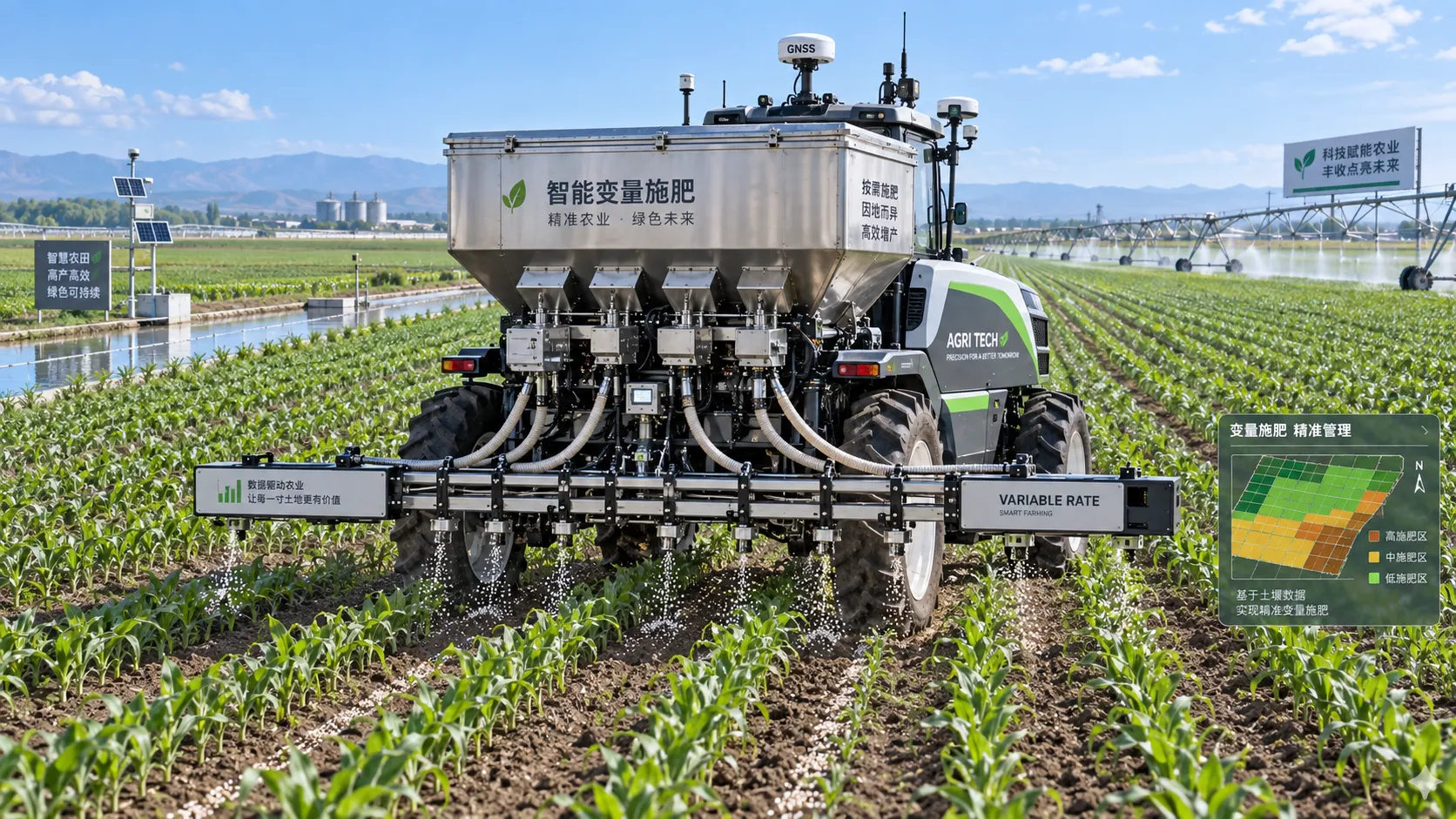
How to Evaluate Precision Fertilization System Suppliers for Farm-Scale Deployment
Precision fertilization systems suppliers: learn how to compare accuracy, integration, uptime, service, and total cost for confident farm-scale deployment.
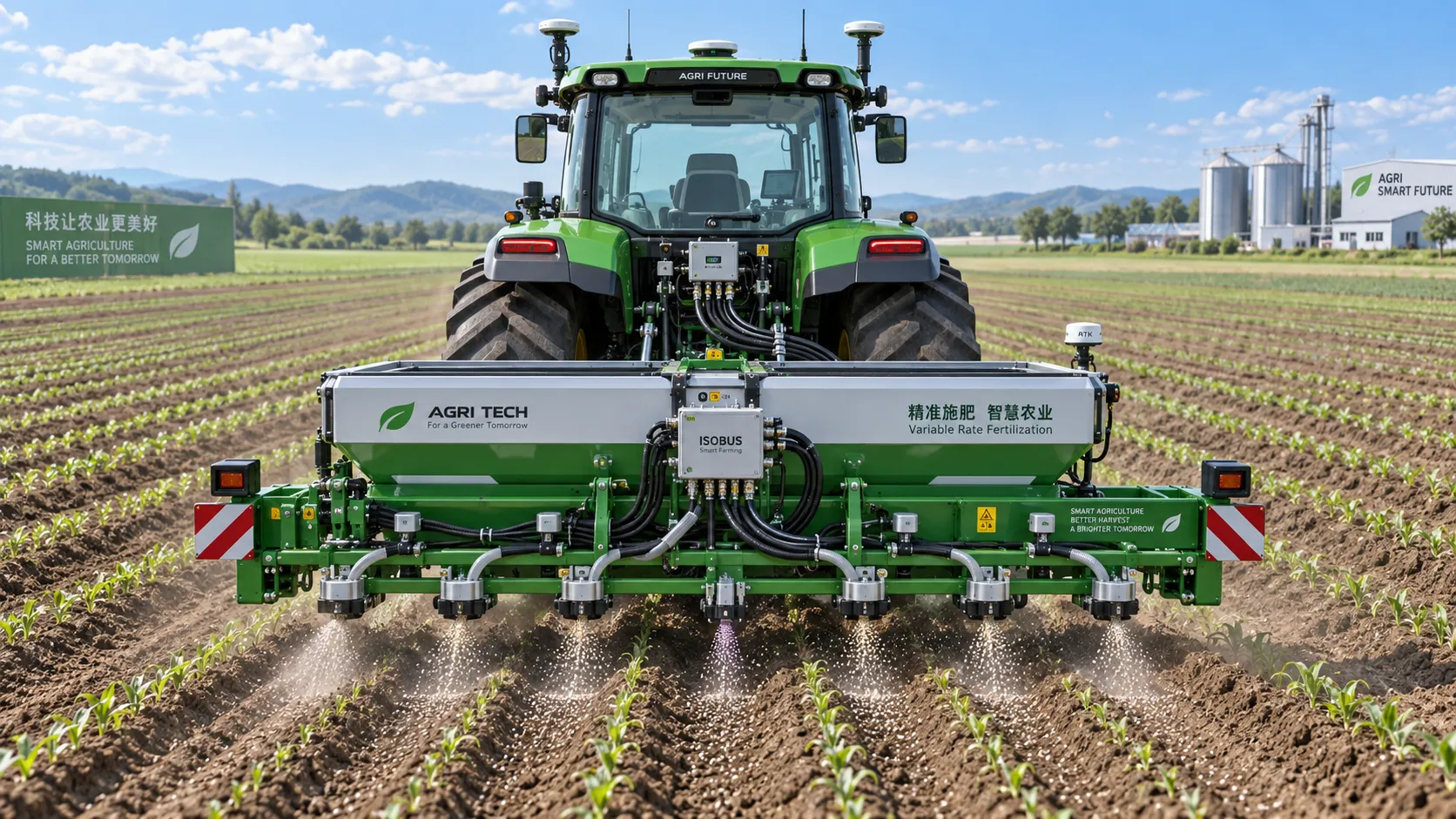
ISOBUS for Smart Agriculture: How It Connects Tractors, Implements, and Farm Data
ISOBUS for smart agriculture connects tractors, implements, terminals, and farm data—helping growers improve precision, documentation, and smarter field decisions.
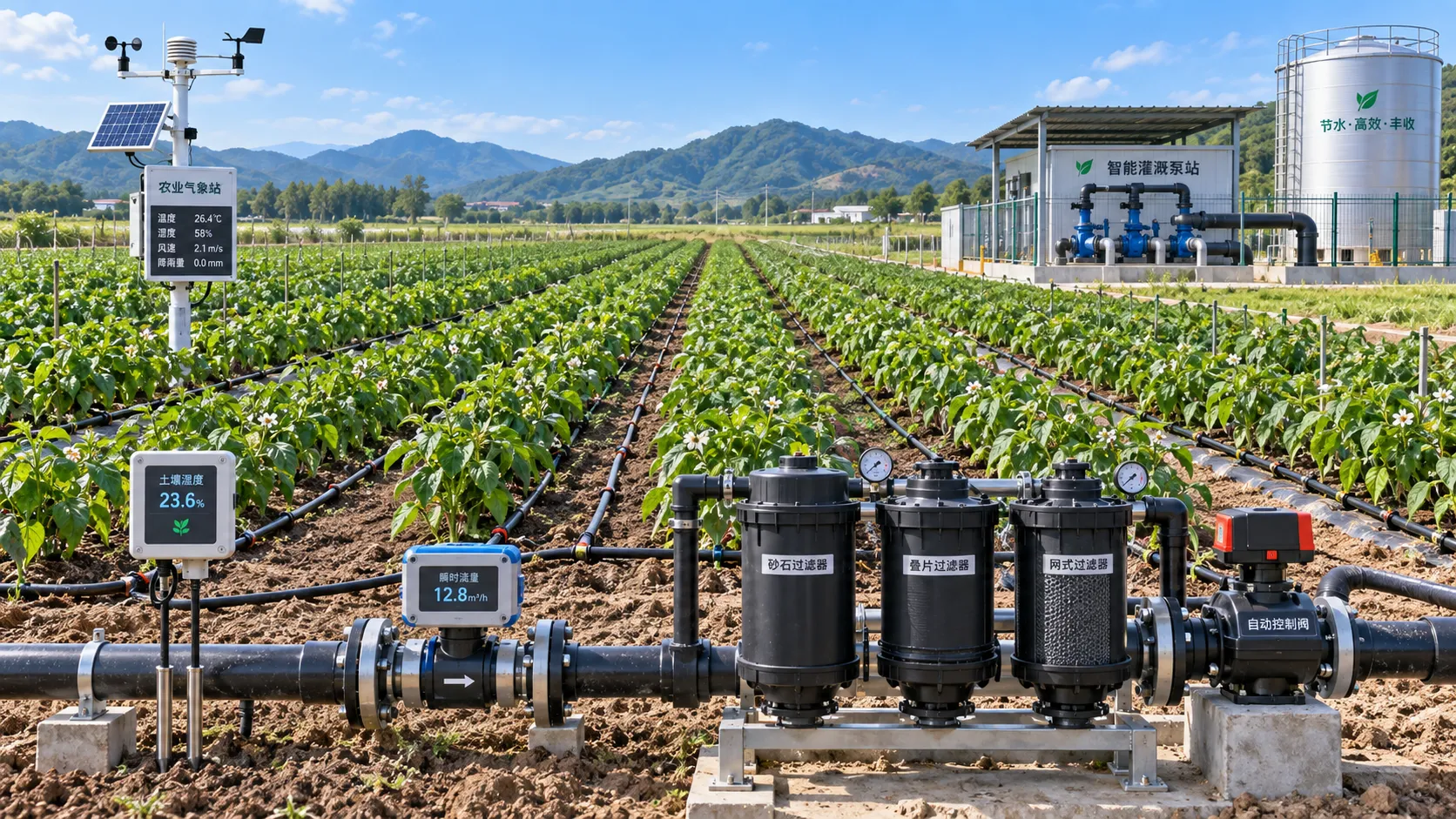
Automated Water-Saving Irrigation: How to Cut Water Use Without Reducing Crop Yields
Automated water-saving irrigation helps farms cut water use, protect crop yields, improve scheduling, and gain reliable control with sensors, flow monitoring, and smart zones.

Selecting Grain Farm Equipment by Acreage, Crop Mix, and Harvest Window
Agricultural equipment selection for grain farming: match machinery to acreage, crop mix, and harvest windows to improve uptime, efficiency, and returns.
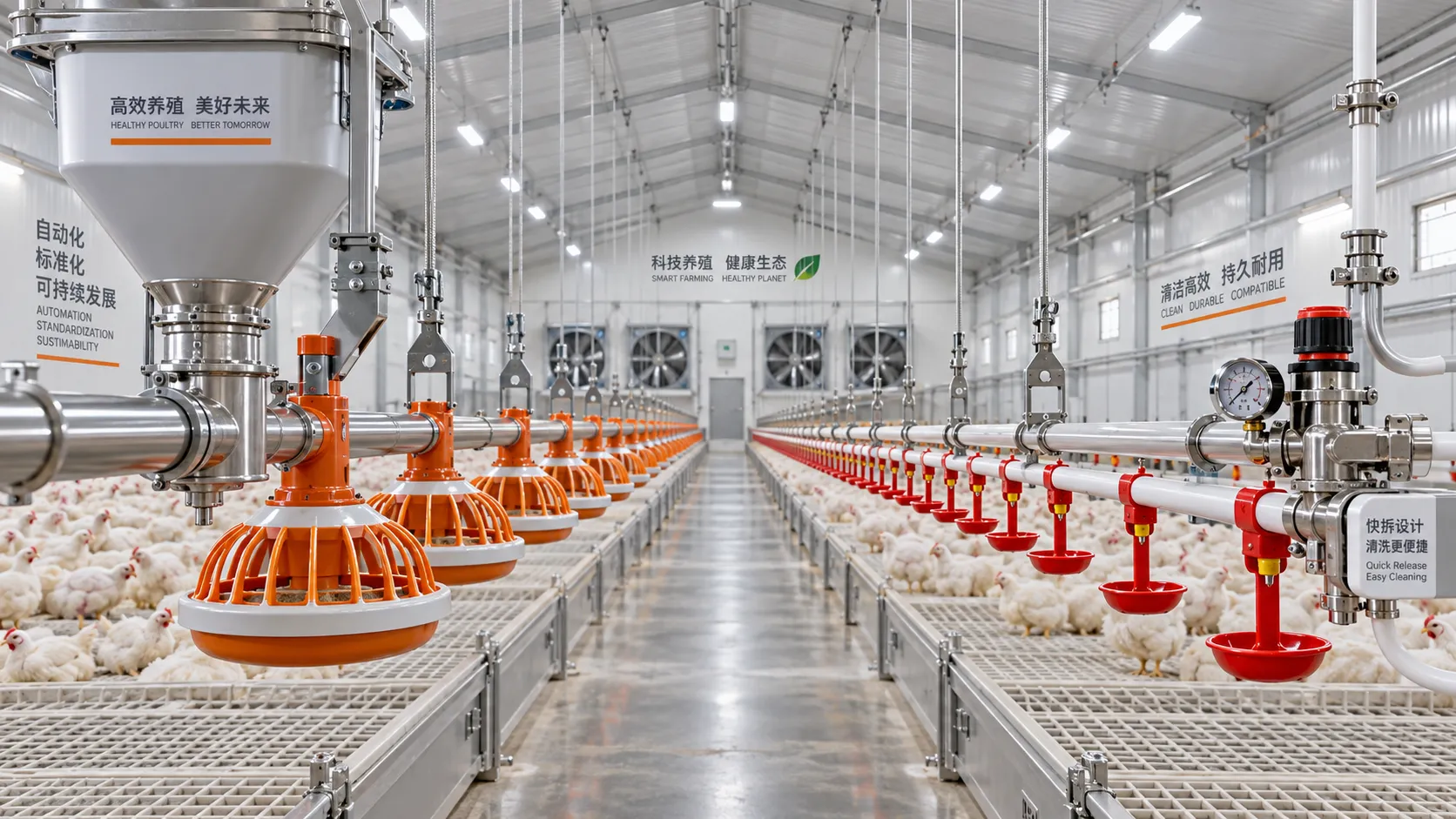
Poultry Equipment Selection: Evaluating Durability, Cleaning, and Compatibility
Poultry equipments selection guide: evaluate durability, cleaning access, and system compatibility to improve hygiene, reduce downtime, and support efficient flock management.
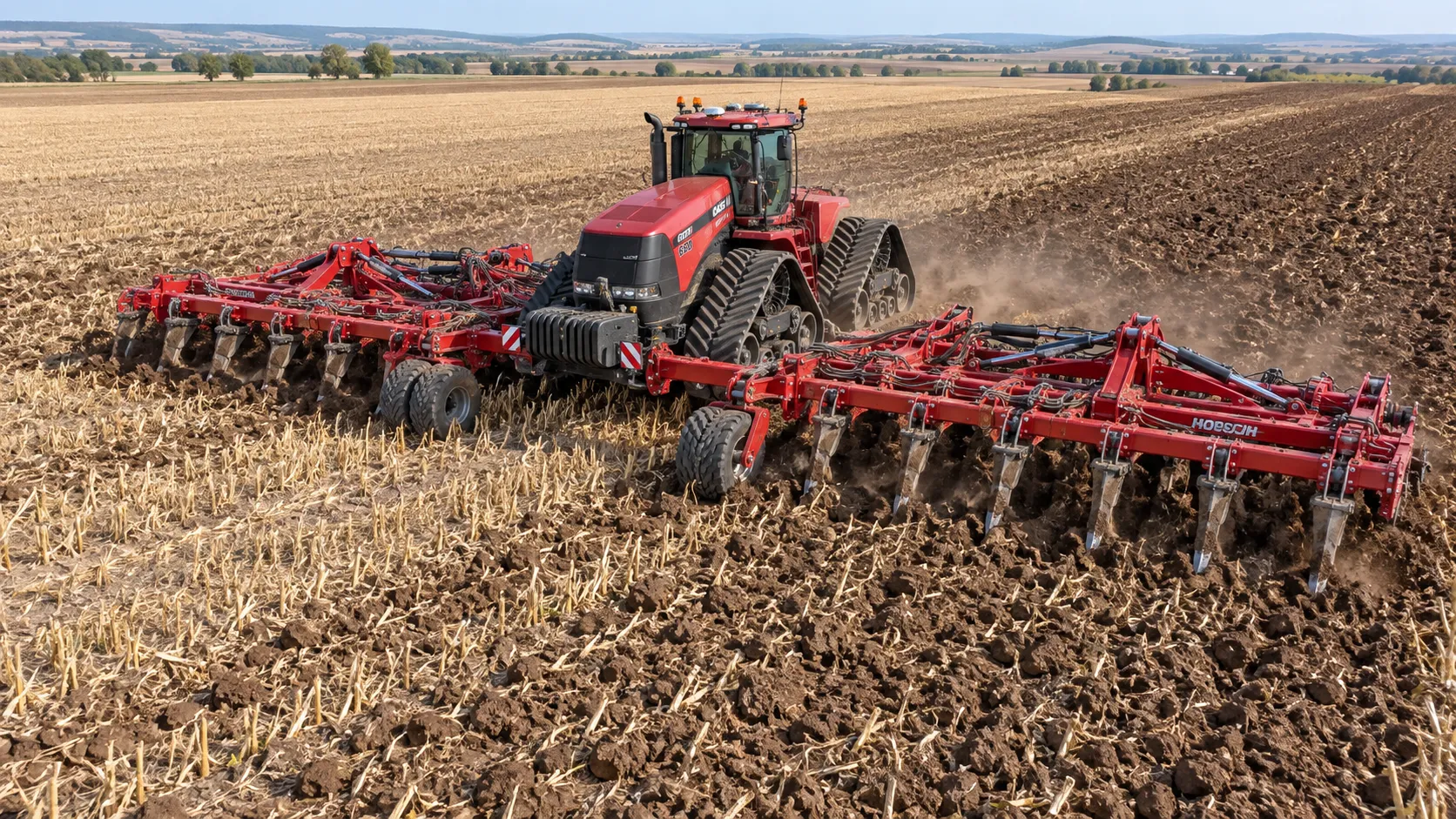
How to Select Heavy-Duty Farm Implements for High-Acreage, High-Horsepower Operations
Heavy duty farm implements: learn how to match draft, hydraulics, hitch capacity, frame strength, and field conditions for reliable high-acreage performance.
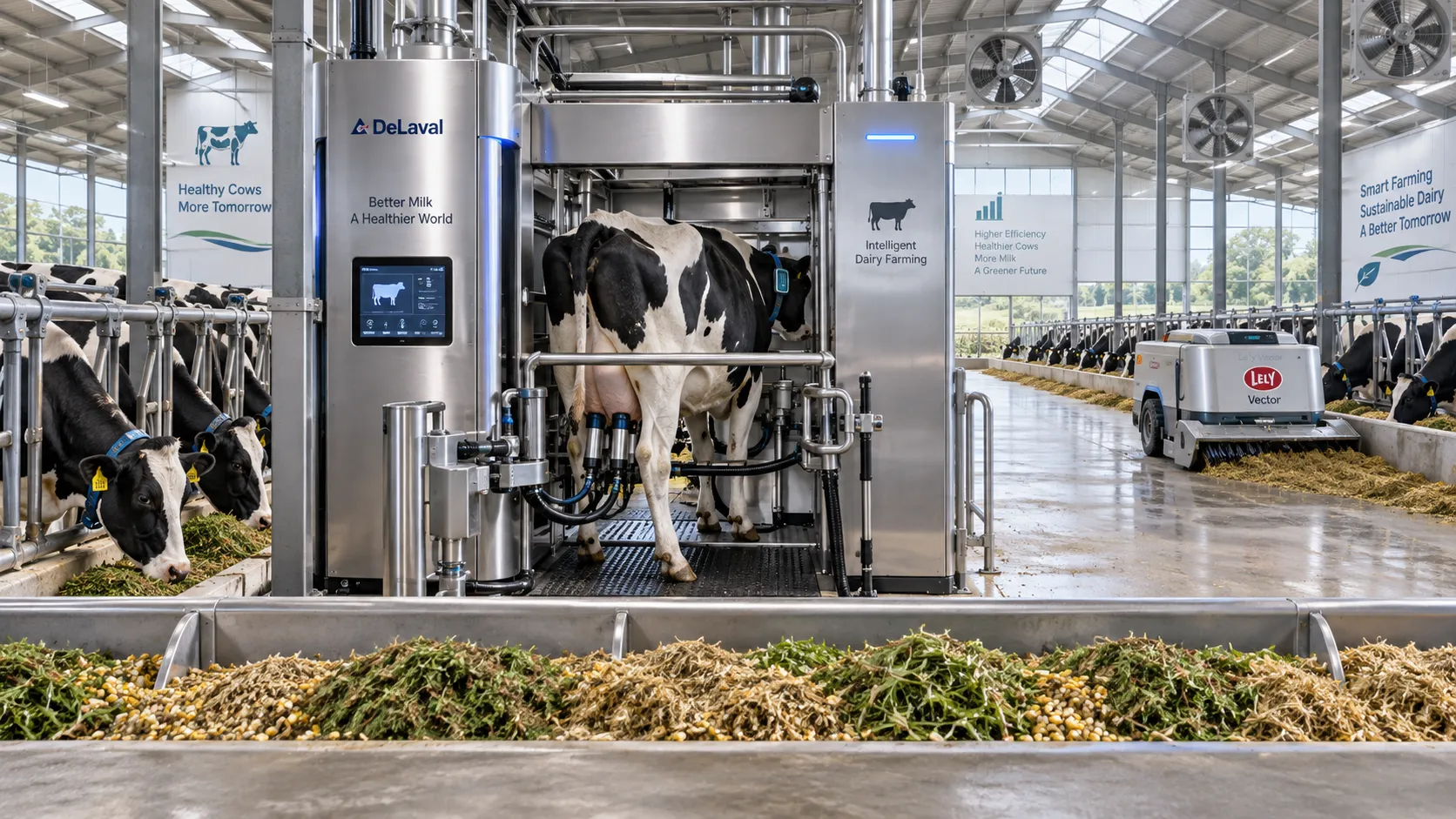
Smart Farming Technology for Dairy Farms: Where Automation Delivers Measurable ROI
Smart farming technology for dairy farms delivers measurable ROI through automation, precision feeding, health monitoring, and data-driven cost control.
Related News
- 00
0000-00
Fuel-Efficient Tractor Powertrain: Which Specs Matter Most for Total Operating Cost? - 00
0000-00
CVT Transmissions Price Explained: What Drives Cost in Agricultural Machinery? - 00
0000-00
Dedicated CVT Rail Link Signals New Export Execution Standard - 00
0000-00
TUV Rheinland Sets New ASIL-B Rule for CVT Systems - 00
0000-00
ANVISA Clears First China-Made Bio-Based CVT Fluid for Brazil
Popular Tags
Tractor Power Architect
Weekly Insights
Stay ahead with our curated technology reports delivered every Monday.