
Agricultural Equipment Guide Standards: Which Safety and Performance Documents Matter Most?
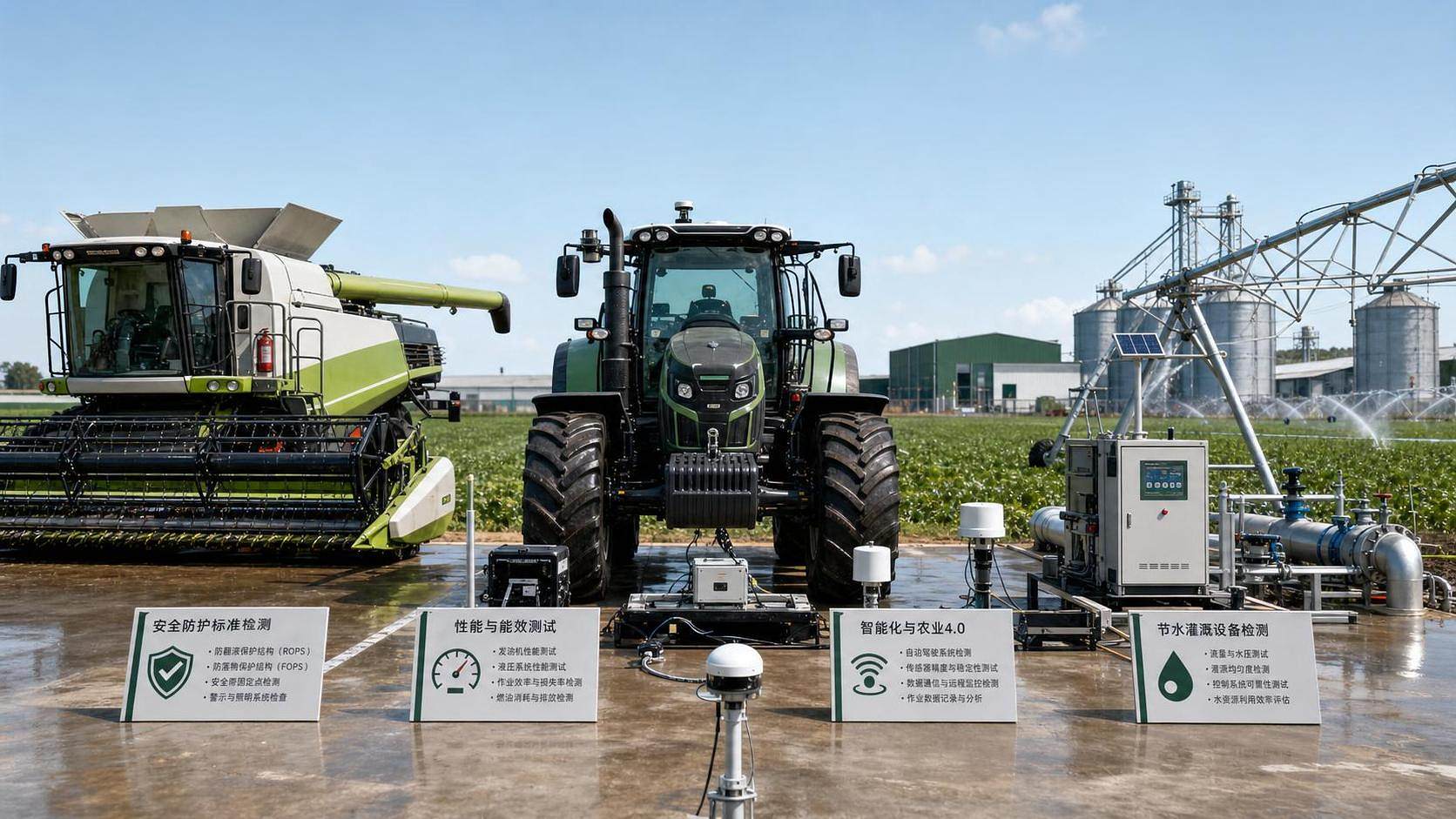




Agricultural equipment guide standards sit at the intersection of compliance, machine uptime, and field safety. They are not just reference documents for audits. They influence equipment selection, operator exposure, maintenance planning, and even the long-term value of mechanized assets.
That matters more now because Agriculture 4.0 has expanded the risk profile of farm systems. A tractor is no longer judged only by drawbar power. Harvesters, smart implements, and irrigation platforms now combine mechanics, electronics, software logic, and environmental obligations.
In that setting, the most useful agricultural equipment guide standards are the ones that clarify safety boundaries, verify core performance, and make cross-border comparisons easier. For any operation tracking modern agri-machinery, those documents become a practical decision framework.
What these standards actually cover
The term sounds broad because it is broad. Agricultural equipment guide standards may include formal international standards, regional directives, test codes, certification schemes, and manufacturer conformance documents.
Some focus on operator protection. Others define how performance should be measured. A separate group deals with environmental exposure, electronic control behavior, hydraulic reliability, or guarding around moving parts.
A useful way to read them is by asking two simple questions. What hazard or function is this document controlling? And what evidence does it require before equipment enters service or procurement review?
The core document families
Seen this way, agricultural equipment guide standards are not one file in a drawer. They are a layered evidence set that follows the machine from design review to field operation.
Why some documents carry more weight than others
Not every standard has equal operational value. Some are mandatory for market entry. Some are technically sound but less relevant to a specific farm profile. The priority depends on hazard severity, machine complexity, and local enforcement.
Documents tied to high-consequence hazards should rise first. That includes rollover protection, PTO guarding, hydraulic failure control, braking performance, and lockout procedures around stored energy.
For combines and self-propelled equipment, standards linked to fire prevention, visibility, residue handling, and dynamic stability deserve close attention. These systems operate under dust, vibration, heat, and changing loads.
For smart tools, the heavier issue is often system integrity. A precise applicator can still create a serious compliance problem if sensor calibration drifts or control software fails to respond predictably.
Documents that usually matter most
- Machine safety standards covering guarding, operator access, stability, and stopping functions.
- Regional conformity records proving the equipment can be legally placed on the market.
- Performance test reports using recognized methods rather than vendor-defined metrics.
- Hydraulic, electrical, and software-related documents for machines with advanced controls.
- Inspection and maintenance instructions detailed enough to support actual field checks.
Where safety and performance standards diverge
One common mistake is treating safety and performance as the same thing. They overlap, but they answer different questions. Safety standards ask whether harm has been systematically reduced. Performance standards ask whether the machine delivers stated output under defined conditions.
A harvester may meet throughput expectations while failing to provide strong evidence on dust exposure or emergency access. An irrigation controller may meet water distribution targets while lacking robust electrical protection or communications security.
The most effective agricultural equipment guide standards combine both views during evaluation. That is especially important when equipment appears efficient on paper but generates hidden operational instability.
Examples across the equipment landscape
Large-scale tractors should be checked against rollover protection, braking, hitch safety, hydraulic containment, and vibration exposure. Performance records then add value by clarifying traction, fuel use, and transmission behavior under load.
Combine harvesters need stronger focus on header guarding, service access, fire suppression considerations, grain loss testing, and cleaning efficiency validation. Poorly interpreted loss data can distort real operating performance.
Intelligent farm tools bring another layer. Positioning accuracy, section control response, application precision, and interface compatibility should be reviewed alongside electrical safety and fail-safe behavior.
Water-saving irrigation systems require attention to pressure performance, filtration reliability, backflow prevention, electrical protection, and water-use efficiency claims. In dry regions, those performance documents directly affect compliance and resource planning.
How to judge whether a standard is useful in practice
A document may look authoritative and still offer weak procurement value. The key is not the label alone. It is the traceability of methods, the relevance of the test conditions, and the match between stated scope and field reality.
Start with the date and edition. Agricultural equipment guide standards evolve as control systems, emissions rules, and automation features change. Outdated references can hide gaps in software safety or compatibility.
Then look at the testing boundary. Was the machine tested in a base configuration, or with the attachment package actually used in operation? That distinction matters for chassis balance, hydraulic demand, and stopping distance.
Also check whether the report uses independent validation. Internal claims are useful, but third-party testing gives stronger support when inspections, claims disputes, or cross-market distribution questions arise.
A practical review lens
- Confirm the standard matches the exact equipment category and attachment setup.
- Verify the edition is current enough for digital controls and present regulations.
- Check whether the test method reflects real operating loads and environments.
- Look for measurable pass criteria, not broad marketing language.
- Review whether maintenance and inspection tasks are clearly translated into field routines.
Why the Agriculture 4.0 context changes the reading of standards
AP-Strategy tracks large-scale agri-machinery, combine technology, tractor chassis, intelligent tools, and water-saving irrigation as linked pillars rather than isolated product classes. That framing reflects the current reality of standards management.
Mechanical performance still matters, but it no longer tells the full story. Precision farming algorithms, sensor feedback, and connected controls can improve output while also creating new failure modes.
This is where agricultural equipment guide standards become strategically important. They help connect classic engineering checks with digital reliability, sustainability targets, and global market expectations.
In other words, the relevant document set for a modern machine often spans structure, hydraulics, electronics, software behavior, resource use, and operator interface quality. Reviewing only the mechanical side is no longer enough.
Common gaps that create hidden exposure
The first gap is assuming certification equals fitness for a specific operating environment. A machine may be compliant in one jurisdiction yet poorly aligned with dust load, slope conditions, water quality, or crop residue patterns elsewhere.
Another gap appears when procurement reviews emphasize engine or capacity figures but skip attachment compatibility and service documentation. Many field incidents trace back to interface points, not headline specifications.
A third gap is weak document integration. Safety files, performance test reports, maintenance instructions, and operator manuals are often reviewed separately. That can conceal contradictions between declared limits and service practice.
Good review discipline links them together. If a control system requires calibration intervals to sustain precision, that requirement should appear clearly in both performance and maintenance documents.
A sound next step for equipment evaluation
The most effective starting point is a standards map by equipment type. Separate tractors, combines, intelligent implements, and irrigation systems. Then rank documents by legal necessity, injury severity, operational criticality, and verification strength.
From there, compare each machine against the same decision set: required safety evidence, recognized performance testing, environmental conformity, digital control documentation, and maintenance traceability.
That approach makes agricultural equipment guide standards easier to use as a working management tool rather than a compliance archive. It also improves consistency when evaluating suppliers across regions and technology levels.
For organizations following AP-Strategy intelligence on mechanization, harvesting, chassis systems, precision tools, and smart irrigation, the next useful move is to refine this standards map around actual field scenarios. The strongest decisions usually come from linking document quality with machine behavior, local regulation, and the operating risks that matter most.
Related News
Choosing a Digital Farming Platform Provider: Compatibility and Data Ownership
Compare digital farming platforms providers on equipment compatibility, data ownership, and export rights. Discover practical checks to avoid lock-in and choose with confidence.
How Large-Scale Farm Telematics Cuts Downtime Across Mixed Fleets
Large-scale farm equipment telematics cuts mixed-fleet downtime with real-time alerts, smarter maintenance, and stronger operational control. Learn how to protect critical farm workflows.
How to Size Low-Pressure Water-Saving Irrigation Systems for Uneven Fields
Low pressure water-saving irrigation systems for uneven fields: learn zoning, pressure mapping, pipe sizing, and pump selection to improve uniformity and reduce water waste.
Farm Machinery Sourcing: How to Vet Suppliers, Specs, and Lifecycle Costs
Farm machinery information for sourcing: learn to vet suppliers, compare specifications, control lifecycle costs, and secure reliable uptime for smarter equipment purchases.
What to compare in integrated seeding combinations for heavy soils
Compare integrated seeding combinations for heavy soils: depth control, residue flow, consolidation, traction, and field capacity for more uniform crop establishment.
When an integrated seeding combination improves field efficiency
Integrated seeding combination improves field efficiency, protects planting windows, and balances speed with seedbed quality, tractor capacity, and reliable establishment.
Which costs matter most when calculating precision agriculture ROI?
Calculating ROI on precision agriculture equipment? Discover the costs that shape returns, from installation and subscriptions to downtime, labor, and data integration.
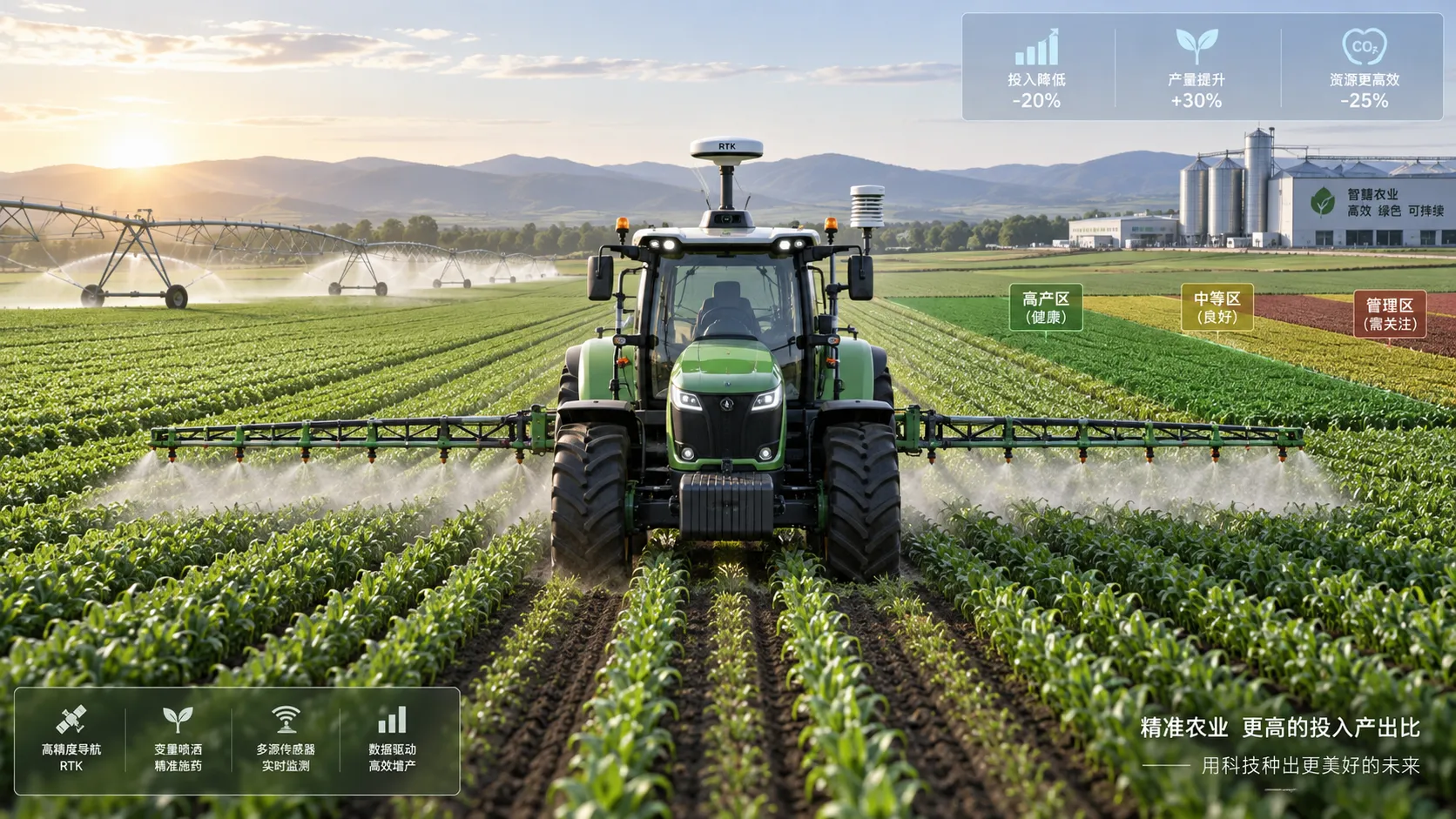
How to calculate ROI on precision agriculture equipment before buying
Calculating ROI on precision agriculture equipment: learn to assess total ownership costs, savings, payback, NPV, risks, and farm-scale value before you buy.
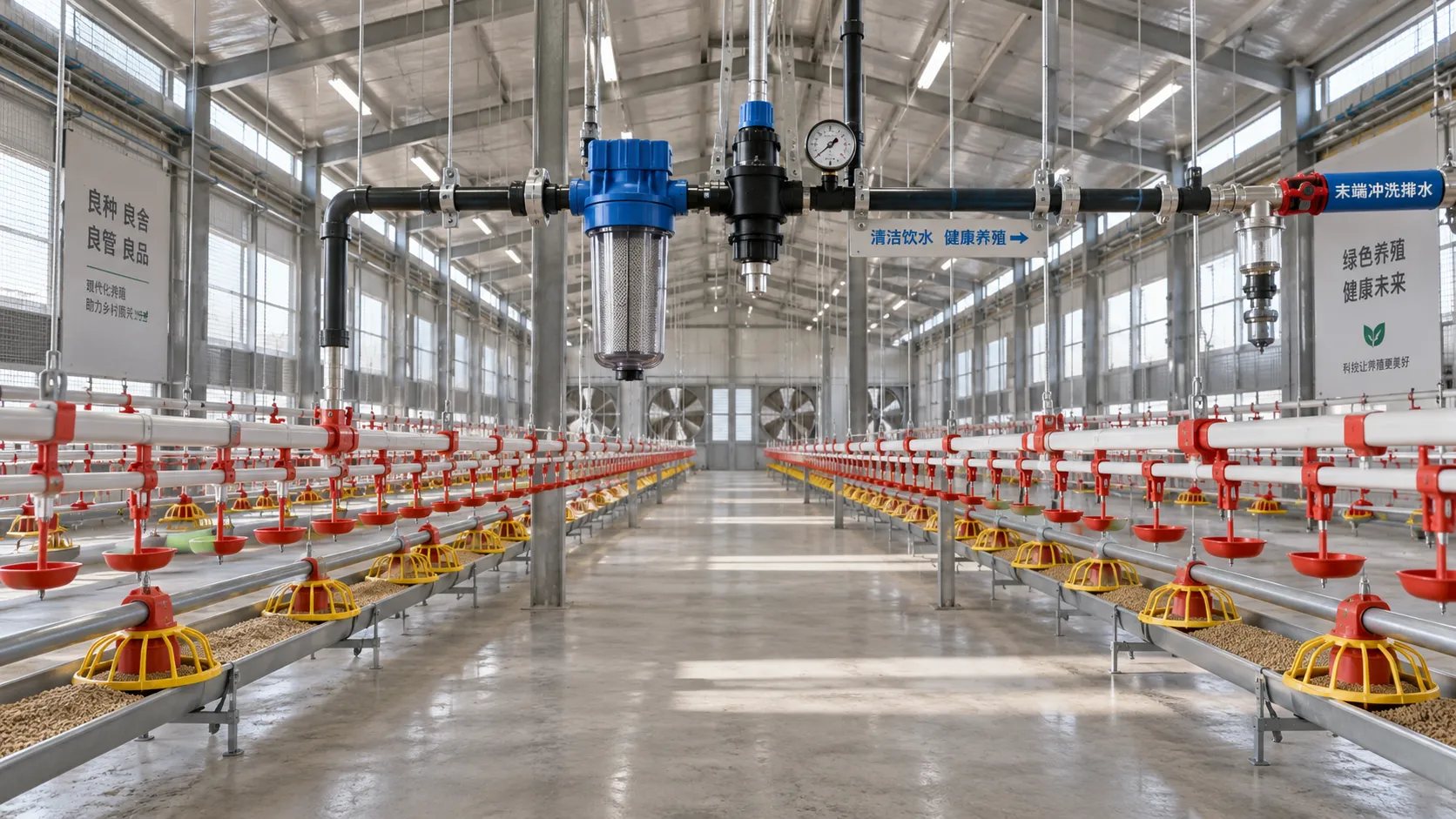
Planning Nipple Drinker Installation for Different Chicken House Layouts
How to install nipple drinker for chicken houses: plan line layouts, pressure control, flushing access, and maintenance for reliable water delivery.
Related News
- 00
0000-00
Choosing a Digital Farming Platform Provider: Compatibility and Data Ownership - 00
0000-00
How Large-Scale Farm Telematics Cuts Downtime Across Mixed Fleets - 00
0000-00
Farm Machinery Sourcing: How to Vet Suppliers, Specs, and Lifecycle Costs - 00
0000-00
Which costs matter most when calculating precision agriculture ROI? - 00
0000-00
How to calculate ROI on precision agriculture equipment before buying
Popular Tags
Ms. Elena Rodriguez
Weekly Insights
Stay ahead with our curated technology reports delivered every Monday.