
Vietnam Ends Import Quotas for Drip Irrigation Logic, Starts New Energy Labels
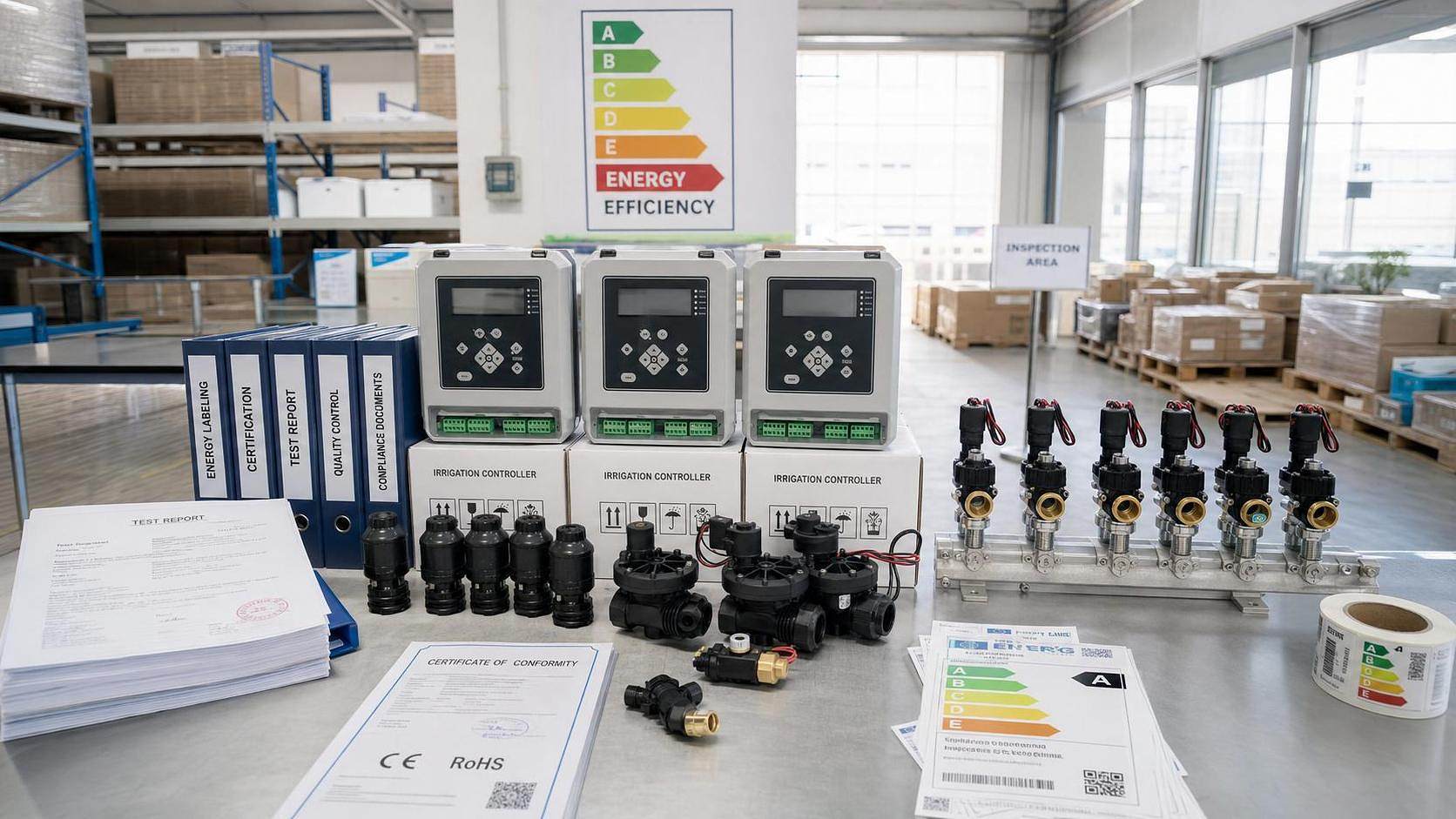




On July 12, 2026, Vietnam moved to remove import quota limits for Drip Irrigation Logic while introducing a mandatory new energy-efficiency labeling regime at the same time. For exporters, manufacturers, distributors, and compliance teams involved in drip irrigation controllers, pressure compensators, and logic valve assemblies, this is worth close attention because the market access barrier is no longer centered only on quantity restrictions, but also on certification and labeling readiness.
What the new measure formally changes
According to the information provided, Vietnam’s Ministry of Industry and Trade (MOIT) signed Notice No. 18/MOIT-TCNL on July 12, 2026. The measure takes immediate effect and fully removes import quota restrictions for Drip Irrigation Logic.
At the same time, Vietnam has launched the mandatory “GreenDrop” energy-efficiency labeling system under QCVN 129:2026/BCT. The requirement applies to drip irrigation controllers, pressure compensators, and logic valve assemblies. These products must obtain VINAQUA certification and carry an energy-efficiency grade label.
The information provided also indicates that the new rules will significantly raise localization-related compliance costs and timing thresholds for Chinese exporters.
Why the impact extends beyond import licensing
For exporters, the compliance gate shifts to certification and labeling
From an industry perspective, the direct impact on trading companies is not simply the removal of quotas. The more immediate operational issue is that products entering Vietnam now face a compulsory certification and labeling process. This may affect shipment planning, product documentation, market entry timing, and the coordination needed before goods can move under the new rules.
For manufacturers, product preparation may become more front-loaded
Processing and manufacturing businesses connected to the covered product categories may be affected because market access now appears tied to VINAQUA certification and energy-efficiency labeling. What deserves closer attention is whether existing product files, technical specifications, and labeling workflows are organized well enough to support compliance without delaying orders.
For distributors and channel operators, delivery commitments may need tighter control
Channel and distribution businesses may be affected in the order-confirmation and delivery stages. Even if quota restrictions have been removed, product circulation may still depend on whether certification and labeling conditions are completed in time. Observably, this creates a need for closer checks on document status, sellable inventory readiness, and communication with downstream buyers.
For supply chain service providers, timing risk becomes more visible
Service providers involved in customs handling, documentation support, and cross-border delivery may need to pay closer attention to implementation details around the new regime. Analysis shows that once compliance steps become mandatory, delays are more likely to emerge through paperwork, product classification, or coordination gaps rather than through the former quota mechanism itself.
What companies should watch now
Track how the mandatory regime is described in follow-up official wording
Businesses should closely review any follow-up official language related to Notice No. 18/MOIT-TCNL, QCVN 129:2026/BCT, the GreenDrop label, and VINAQUA certification. The practical burden often depends on how implementation details are expressed, especially for covered product scope, documentation expectations, and procedural timing.
Confirm whether each product line falls within the covered categories
Companies handling drip irrigation controllers, pressure compensators, or logic valve assemblies should focus on product-by-product checks. The immediate issue is not only whether quotas are gone, but whether each item intended for the Vietnam market is prepared for certification and labeling under the new framework.
Prepare for longer compliance lead times in cross-border fulfillment
The information provided already points to higher localization compliance costs and longer timing thresholds for Chinese exporters. In practical terms, this means procurement, production scheduling, shipping arrangements, and customer delivery promises may all need to be reviewed against the added compliance sequence.
Align supplier files, certificates, and customer communication early
What deserves closer attention is the handoff between suppliers, exporters, and customers. Businesses may need to verify technical files, product identity information, certification progress, and label readiness earlier in the order cycle so that contract execution is not disrupted by missing compliance steps.
How this should be understood at this stage
Analysis shows that this development is not just a trade-liberalization signal, even though the quota removal is important on its face. Because the change arrives together with a mandatory energy-efficiency labeling system, the policy effect is better understood as a restructuring of market-entry conditions rather than a simple easing of access.
Observably, the short-term issue for market participants is execution: whether they can adapt documentation, certification, and labeling workflows quickly enough. It is more appropriate to understand this as both an immediate operational change and a longer-term regulatory signal that compliance depth in this product segment is becoming more important.
At the same time, this remains a development that requires continued observation. The current information confirms the policy change and the compliance direction, but practical business effects will depend on how implementation is carried out in real transactions and product approvals.
What this means for the market now
At this point, the most balanced reading is that Vietnam has removed one form of import restriction while simultaneously strengthening another layer of market-access requirements. For businesses linked to the affected irrigation product categories, the key issue is no longer only whether the market is open in principle, but whether compliance preparation is sufficient in practice.
Current industry attention should therefore focus on timing, certification readiness, labeling execution, and communication across the supply chain. It is more appropriate to understand this development as a concrete regulatory shift with immediate operational consequences, while still keeping watch on how the new system is applied in follow-up practice.
Basis of this article
This article is based on the user-provided news title, event date, and event summary. The summary states that Vietnam’s MOIT signed Notice No. 18/MOIT-TCNL on July 12, 2026, removed import quota restrictions for Drip Irrigation Logic with immediate effect, and simultaneously introduced the mandatory GreenDrop energy-efficiency labeling regime under QCVN 129:2026/BCT, including VINAQUA certification and energy-efficiency grade labeling requirements for the specified product categories.
For this type of industry update, source types that are typically relevant include official government notices, regulatory announcements, standard documents, industry association releases, company disclosures, and reporting by authoritative trade media. A specific official source link was not provided in the input, so the underlying documents and any follow-up implementation details still require ongoing verification. Continued attention should be paid to later official wording, scope clarification, and compliance procedures tied to certification and labeling.
Related News
Choosing a Digital Farming Platform Provider: Compatibility and Data Ownership
Compare digital farming platforms providers on equipment compatibility, data ownership, and export rights. Discover practical checks to avoid lock-in and choose with confidence.
How Large-Scale Farm Telematics Cuts Downtime Across Mixed Fleets
Large-scale farm equipment telematics cuts mixed-fleet downtime with real-time alerts, smarter maintenance, and stronger operational control. Learn how to protect critical farm workflows.
How to Size Low-Pressure Water-Saving Irrigation Systems for Uneven Fields
Low pressure water-saving irrigation systems for uneven fields: learn zoning, pressure mapping, pipe sizing, and pump selection to improve uniformity and reduce water waste.

Farm Machinery Sourcing: How to Vet Suppliers, Specs, and Lifecycle Costs
Farm machinery information for sourcing: learn to vet suppliers, compare specifications, control lifecycle costs, and secure reliable uptime for smarter equipment purchases.
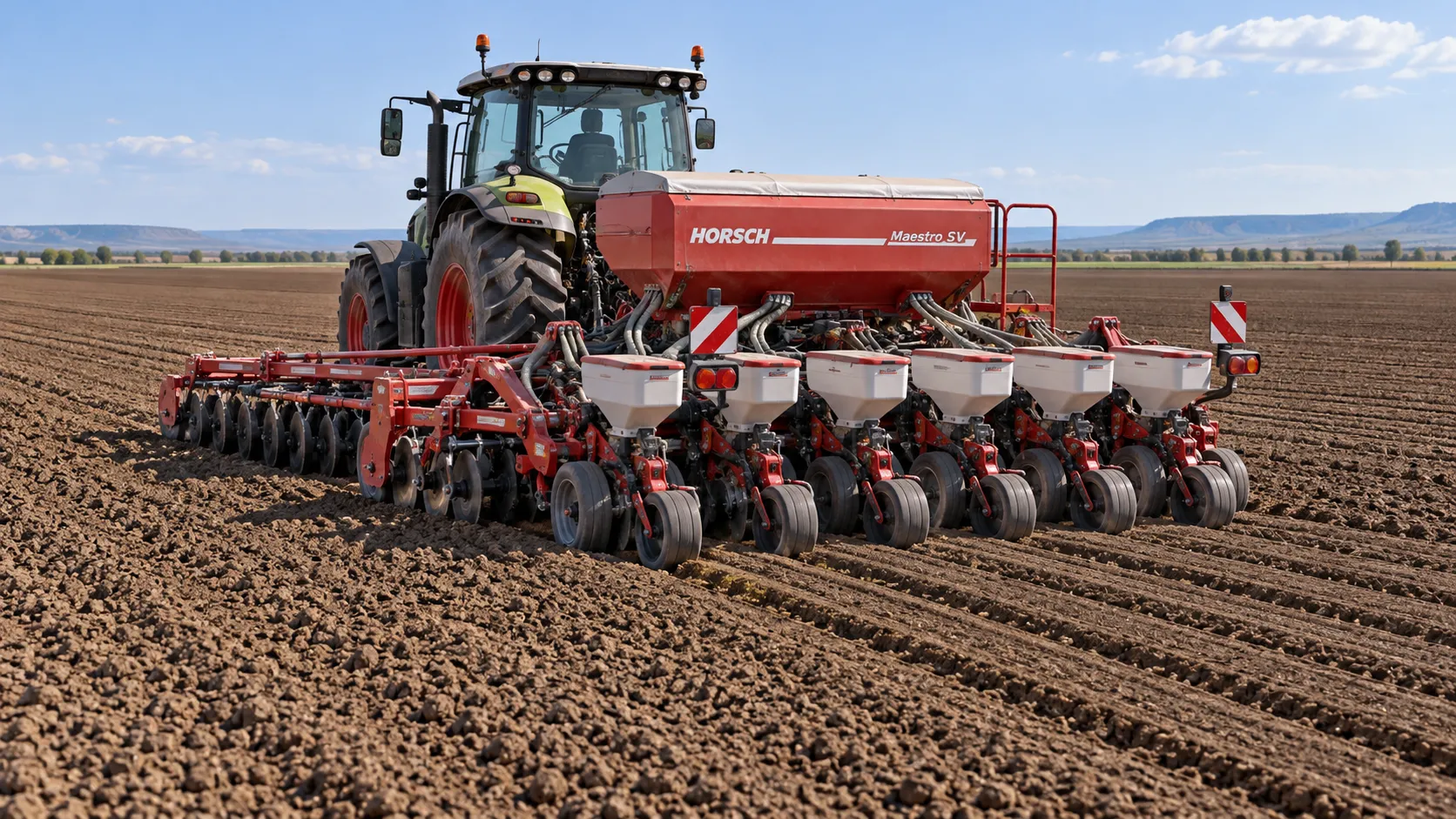
What to compare in integrated seeding combinations for heavy soils
Compare integrated seeding combinations for heavy soils: depth control, residue flow, consolidation, traction, and field capacity for more uniform crop establishment.

When an integrated seeding combination improves field efficiency
Integrated seeding combination improves field efficiency, protects planting windows, and balances speed with seedbed quality, tractor capacity, and reliable establishment.
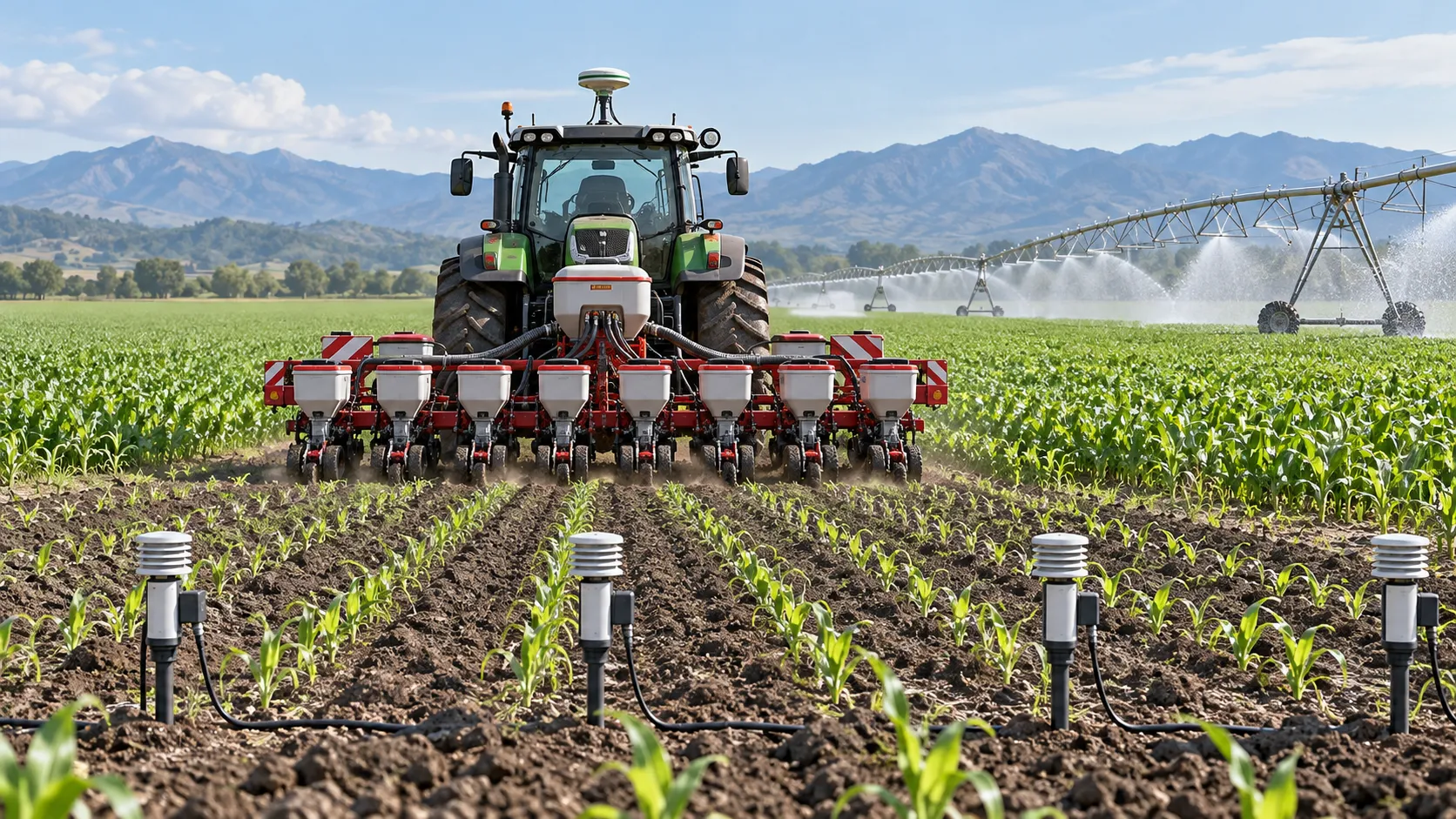
Which costs matter most when calculating precision agriculture ROI?
Calculating ROI on precision agriculture equipment? Discover the costs that shape returns, from installation and subscriptions to downtime, labor, and data integration.
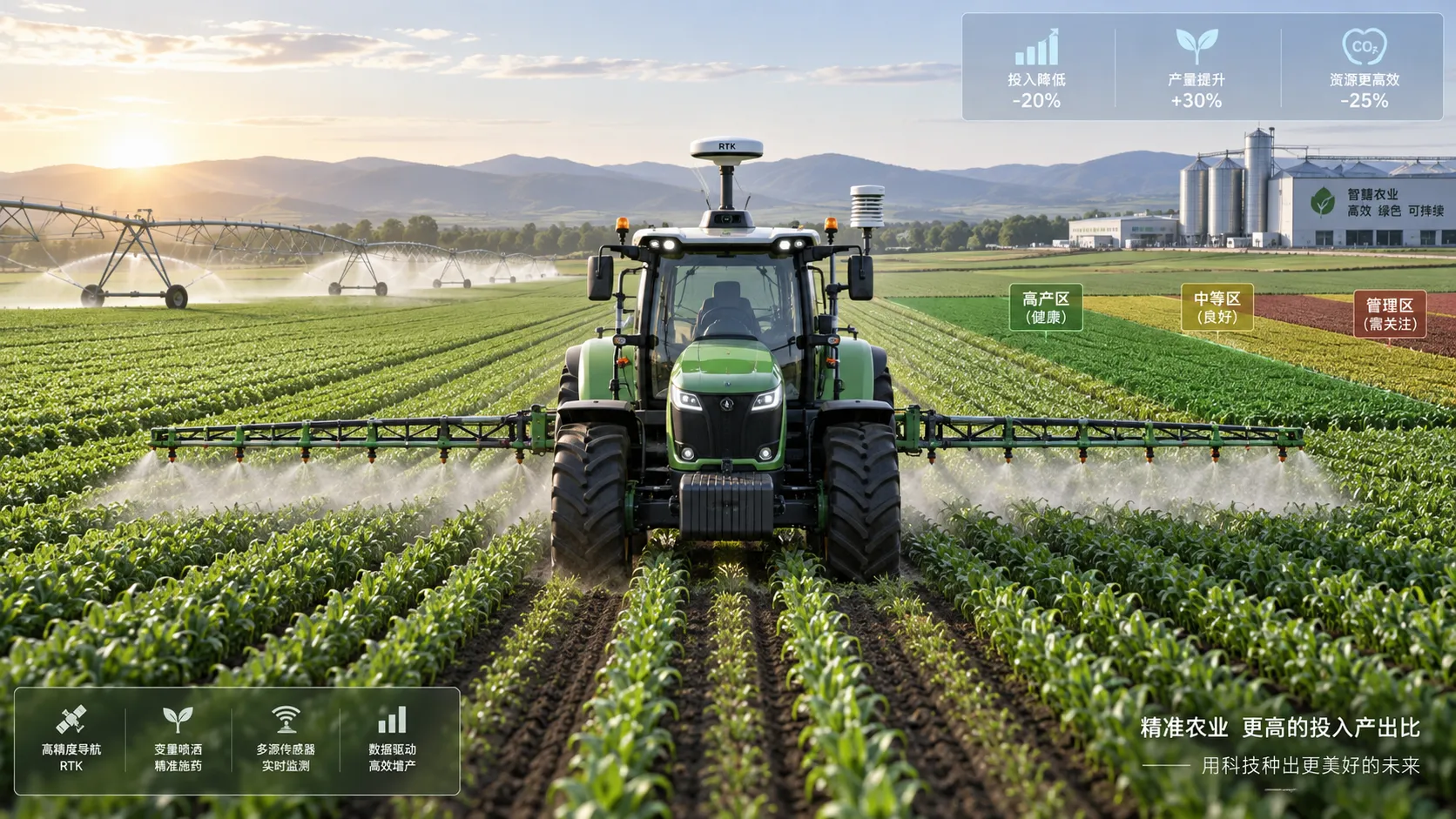
How to calculate ROI on precision agriculture equipment before buying
Calculating ROI on precision agriculture equipment: learn to assess total ownership costs, savings, payback, NPV, risks, and farm-scale value before you buy.
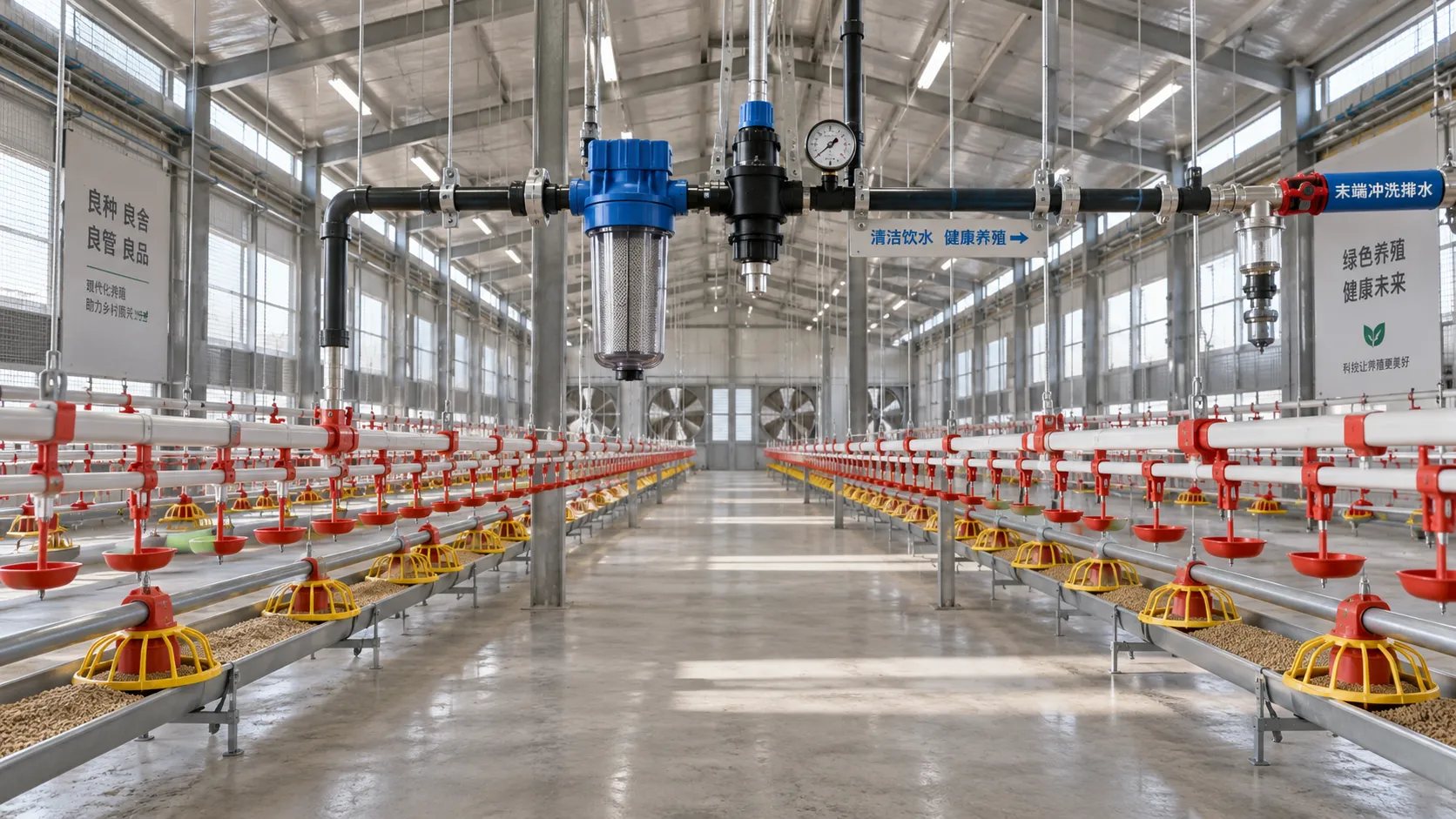
Planning Nipple Drinker Installation for Different Chicken House Layouts
How to install nipple drinker for chicken houses: plan line layouts, pressure control, flushing access, and maintenance for reliable water delivery.
Related News
- 00
0000-00
How to Size Low-Pressure Water-Saving Irrigation Systems for Uneven Fields - 00
0000-00
Drip vs. Micro-Sprinkler Irrigation: Which System Fits Your Orchard? - 00
0000-00
How to Select Smart Irrigation Valves for Multi-Zone Water Management? - 00
0000-00
Automated Water-Saving Irrigation: How to Cut Water Use Without Reducing Crop Yields - 00
0000-00
How to Evaluate Drip Irrigation System Manufacturers for Large Farm Projects
Popular Tags
Hydrological Resource Strategist
Weekly Insights
Stay ahead with our curated technology reports delivered every Monday.