
Red Sea Risk Pushes Saudi Freight Up 18% in a Week
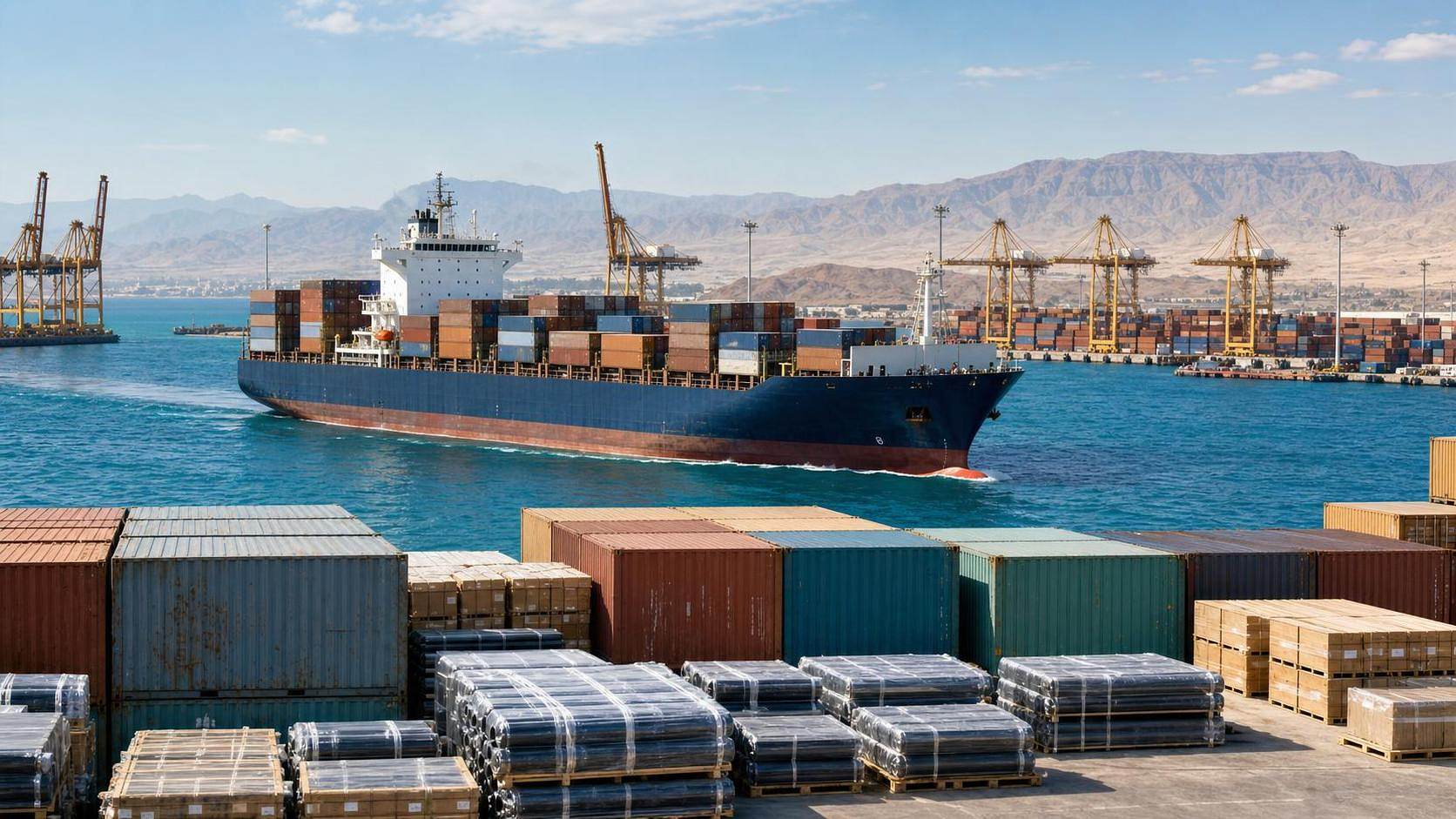




On July 11, 2026, a new pricing and delivery disruption took effect on direct container shipments for Drip Irrigation Logic into Jeddah, Saudi Arabia, after Maersk and Hapag-Lloyd announced freight increases tied to a new wave of attacks on vessels in the Red Sea. For exporters, import distributors, procurement teams, and logistics providers, the development matters not only because transport costs rose again, but because additional security charges and longer transit expectations now affect booking decisions, inventory turnover, and peak-season replenishment timing.
What the carriers have already confirmed
According to a joint notice from Maersk and Hapag-Lloyd, direct container freight for Drip Irrigation Logic on the Red Sea-Jeddah route increased by 18% from July 11, 2026, compared with the previous period. The announced level is also 76% higher than the same period last year. Multiple bookings that had already been placed are facing an added security surcharge of USD 420 per TEU, and expected arrival times are being pushed back by 5 to 9 days.
Where the pressure is likely to appear first
Export planning is moving from price control to delivery control
From an industry perspective, exporters shipping Drip Irrigation Logic to the Saudi market are likely to feel the impact first in quotation validity, freight allocation, and shipment scheduling. The immediate issue is not only a higher freight line item, but the need to reassess whether existing offers, delivery commitments, and contract execution assumptions still match current shipping conditions. What deserves closer attention is whether booking-related documents, shipment timelines, and customer-facing delivery promises need to be updated to reflect the new surcharge and longer ETA window.
Channel distributors face tighter inventory rotation
For channel distributors in the Middle East, the confirmed 5-9 day delay matters because inventory turnover and seasonal stocking rhythms depend on predictable replenishment. Analysis shows that even when product demand remains unchanged, an unexpected extension in transit time can shift reorder timing, warehouse planning, and sell-through assumptions. In practical terms, distributors and buyers should pay attention to incoming shipment schedules, replenishment sequencing, and any procurement terms linked to arrival dates or stocking obligations.
Supply chain service providers must manage execution risk more closely
Freight forwarders, customs support teams, and other supply chain service providers may be affected through booking execution, schedule communication, and exception handling. Observably, once a security surcharge is applied and ETA reliability weakens, the operational burden often shifts to cargo tracking, shipment status confirmation, and revised coordination with buyers and sellers. The main point to monitor is not a new formal regulation in the legal sense, but a live change in carrier execution conditions that can alter trade documentation flow, delivery coordination, and customer notifications.
What companies should review now
Recheck shipment commitments already made to customers
Analysis shows that companies with booked or near-term shipments should review whether existing delivery commitments still reflect current route conditions. Where order documents, sales confirmations, or procurement schedules were built on earlier freight assumptions, the combination of an 18% weekly increase, a USD 420 per TEU security charge, and a 5-9 day ETA extension may require immediate internal reconciliation.
Update procurement and replenishment timing assumptions
For buyers and distributors, what deserves closer attention is whether peak-season procurement plans still align with the revised arrival window. The issue is less about broad strategy and more about near-term execution: purchase timing, replenishment sequencing, and safety stock assumptions may need to be reviewed in light of the confirmed delay risk.
Track carrier wording and downstream contract references
Observably, companies should continue monitoring how carriers describe the surcharge, timing impact, and route conditions in subsequent notices. If downstream contracts, tenders, or customer documents refer to delivery windows, freight assumptions, or shipment responsibilities, those references may need closer scrutiny. The current information does not establish a broader regulatory regime, so companies should treat this as an execution change that may still evolve in wording and application.
Preserve document consistency across trade and service teams
Where logistics, sales, and after-sales teams work against the same shipment timeline, consistency in booking records, delivery communication, and customer acknowledgments becomes more important. From an industry perspective, this is especially relevant when a shipment delay affects installation planning, handover scheduling, or service commitments tied to cargo arrival.
Why this matters beyond one freight adjustment
Analysis shows that this development is more appropriately understood as an operational rule signal from carriers rather than a standalone freight headline. The confirmed surcharge and ETA extension indicate that route security conditions are now shaping not only transport cost, but also execution expectations across trade and delivery chains. At the same time, it is still too early to treat the situation as a fully settled long-term rule set, because the current input confirms a specific pricing and timing change, while the broader implementation path still depends on later notices and market response.
How to read the current signal
At this stage, the event is best understood as a confirmed near-term change in shipping execution conditions for the Red Sea-Jeddah Drip Irrigation Logic route. The immediate implications are clearer freight pressure, an explicit security surcharge, and a measurable delivery delay risk. A neutral reading is that the market now has a live execution signal to work with, but not yet a complete picture of how long these conditions will persist or how downstream trading practices will fully adjust.
About the basis of this article
This article is based on the user-provided news title, event date, and event summary. For events of this type, relevant source categories commonly include carrier notices, regulatory or trade authority releases, customs or trade administration updates, industry association communications, standards-related documents, and reporting from established media. A specific official source link was not provided in the input, so the underlying notice and any later updates still require ongoing verification. It remains necessary to monitor any further carrier wording, execution guidance, procurement document changes, market feedback, and company-level implementation responses.
Related News
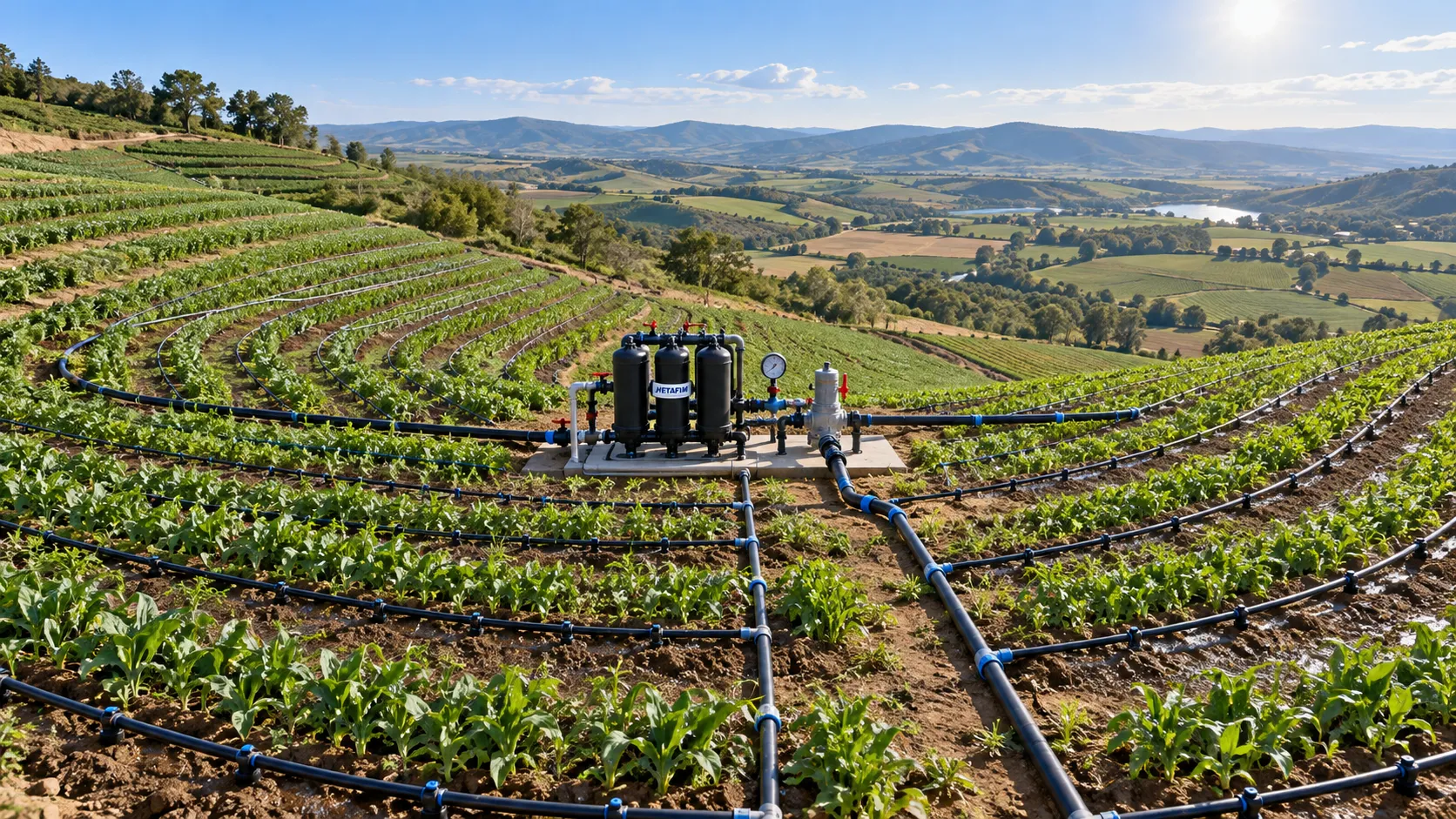
How to Size Low-Pressure Water-Saving Irrigation Systems for Uneven Fields
Low pressure water-saving irrigation systems for uneven fields: learn zoning, pressure mapping, pipe sizing, and pump selection to improve uniformity and reduce water waste.

Farm Machinery Sourcing: How to Vet Suppliers, Specs, and Lifecycle Costs
Farm machinery information for sourcing: learn to vet suppliers, compare specifications, control lifecycle costs, and secure reliable uptime for smarter equipment purchases.

Which costs matter most when calculating precision agriculture ROI?
Calculating ROI on precision agriculture equipment? Discover the costs that shape returns, from installation and subscriptions to downtime, labor, and data integration.

How to calculate ROI on precision agriculture equipment before buying
Calculating ROI on precision agriculture equipment: learn to assess total ownership costs, savings, payback, NPV, risks, and farm-scale value before you buy.

Tractor Specification Sheets: Matching PTO, Hydraulics, and Weight to Farm Tasks
Specification-oriented articles for tractors: match PTO, hydraulics, lift capacity, ballast, and weight to real farm tasks for safer, more efficient equipment choices.

How to Evaluate Dynamic Feedback Algorithm Suppliers for Precision Farming Systems
Dynamic feedback algorithms supplier evaluation guide for precision farming—compare validation, integration, safety, and pilots to choose with confidence.

How to Specify Combine Harvester Systems for High-Moisture Grain and Variable Field Conditions
Combine harvester systems for high-moisture grain: learn how to specify threshing, cleaning, headers, traction, and automation for reliable harvests in variable fields.
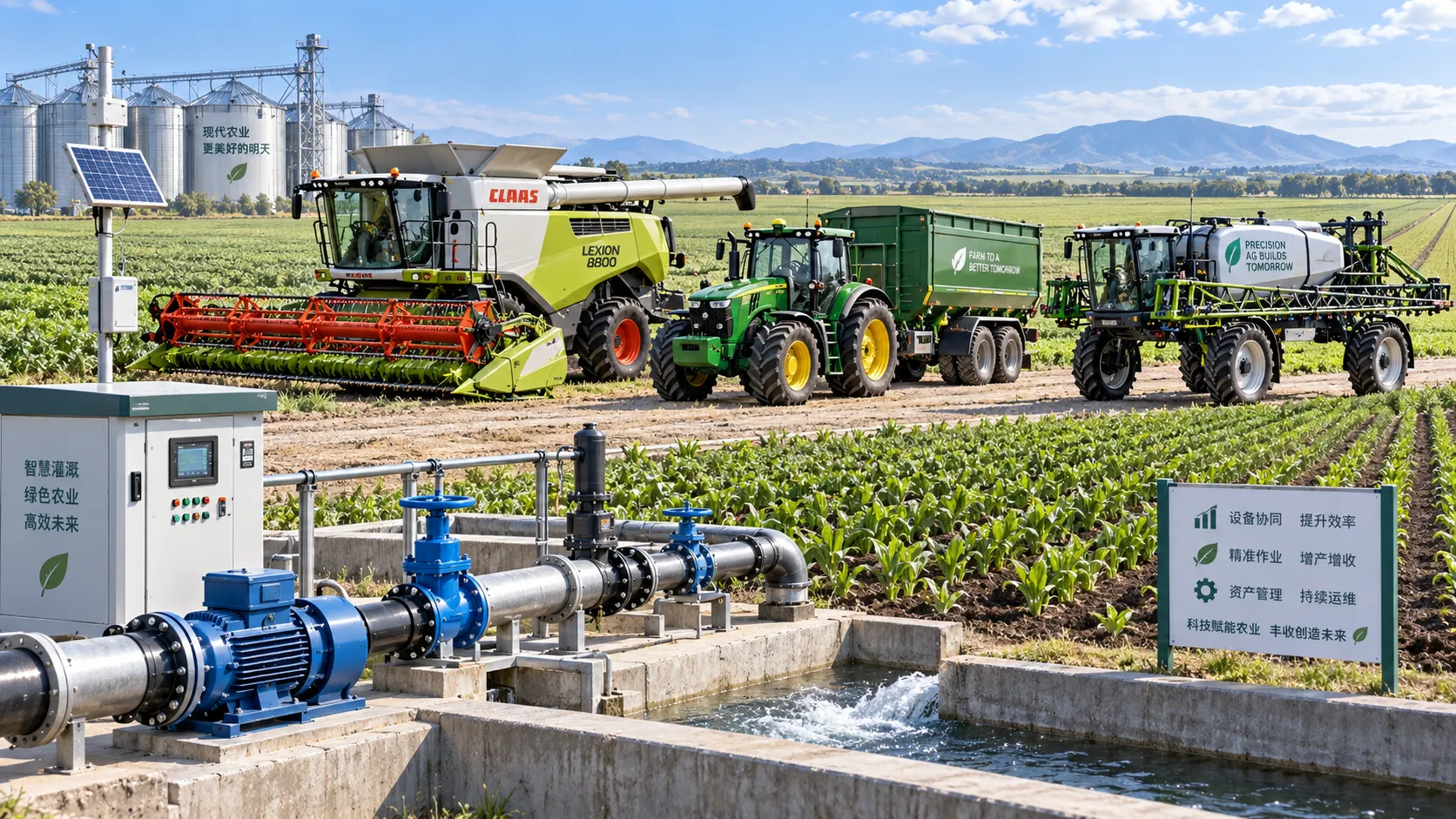
How to Compare Agricultural Equipment Platforms for Fleet Management and ROI
Agricultural equipment platform comparison: evaluate fleet data, maintenance, precision workflows, and ROI to choose a system that delivers measurable results.
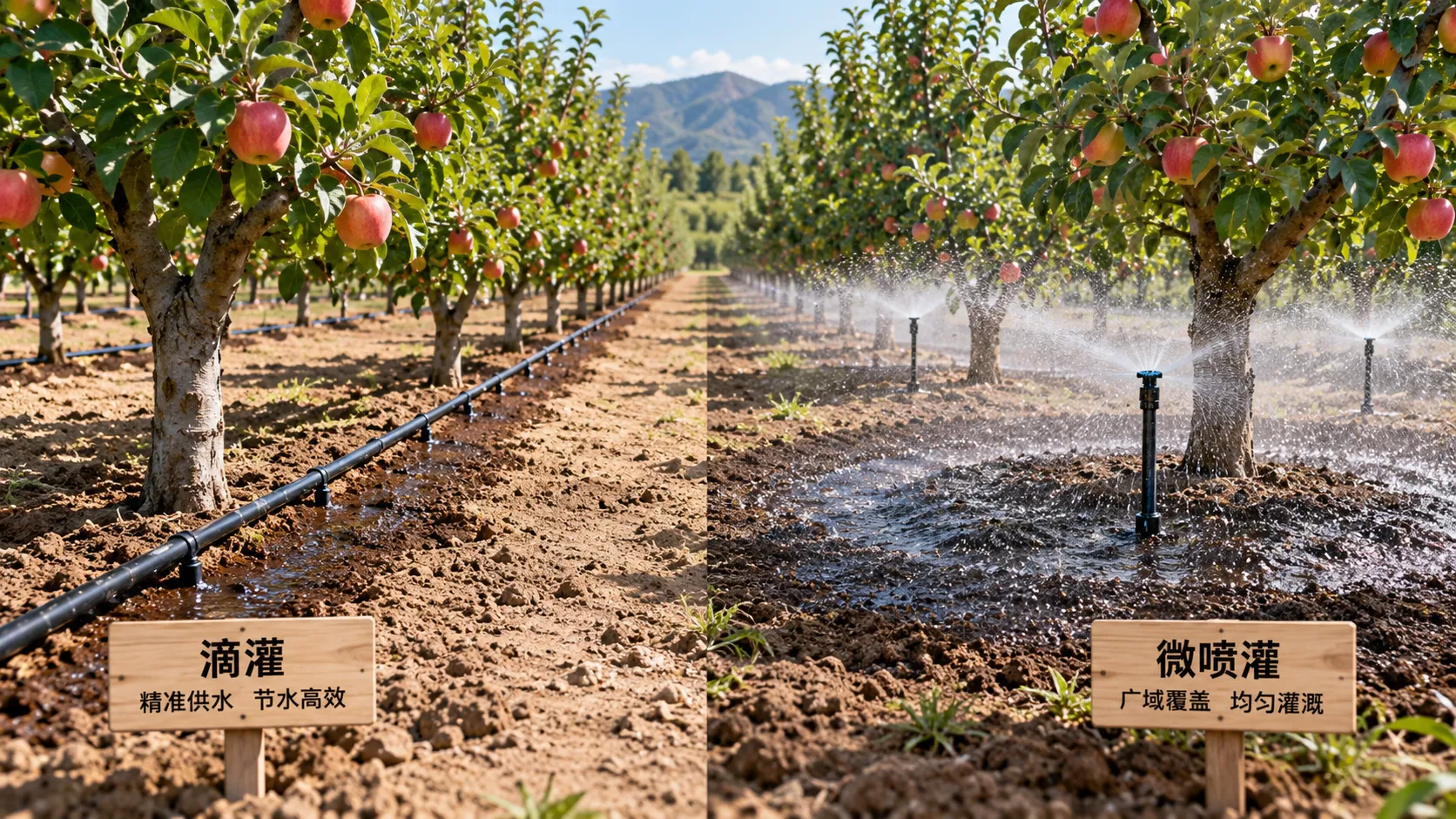
Drip vs. Micro-Sprinkler Irrigation: Which System Fits Your Orchard?
Irrigation solution comparison for orchards: discover whether drip or micro-sprinklers best match your water, soil, roots, fertigation, and frost needs.
Related News
- 00
0000-00
How to Size Low-Pressure Water-Saving Irrigation Systems for Uneven Fields - 00
0000-00
Drip vs. Micro-Sprinkler Irrigation: Which System Fits Your Orchard? - 00
0000-00
How to Select Smart Irrigation Valves for Multi-Zone Water Management? - 00
0000-00
Automated Water-Saving Irrigation: How to Cut Water Use Without Reducing Crop Yields - 00
0000-00
How to Evaluate Drip Irrigation System Manufacturers for Large Farm Projects
Popular Tags
Hydrological Resource Strategist
Weekly Insights
Stay ahead with our curated technology reports delivered every Monday.