
EU Rule Takes Effect for Variable Rate Tech Safety Certification
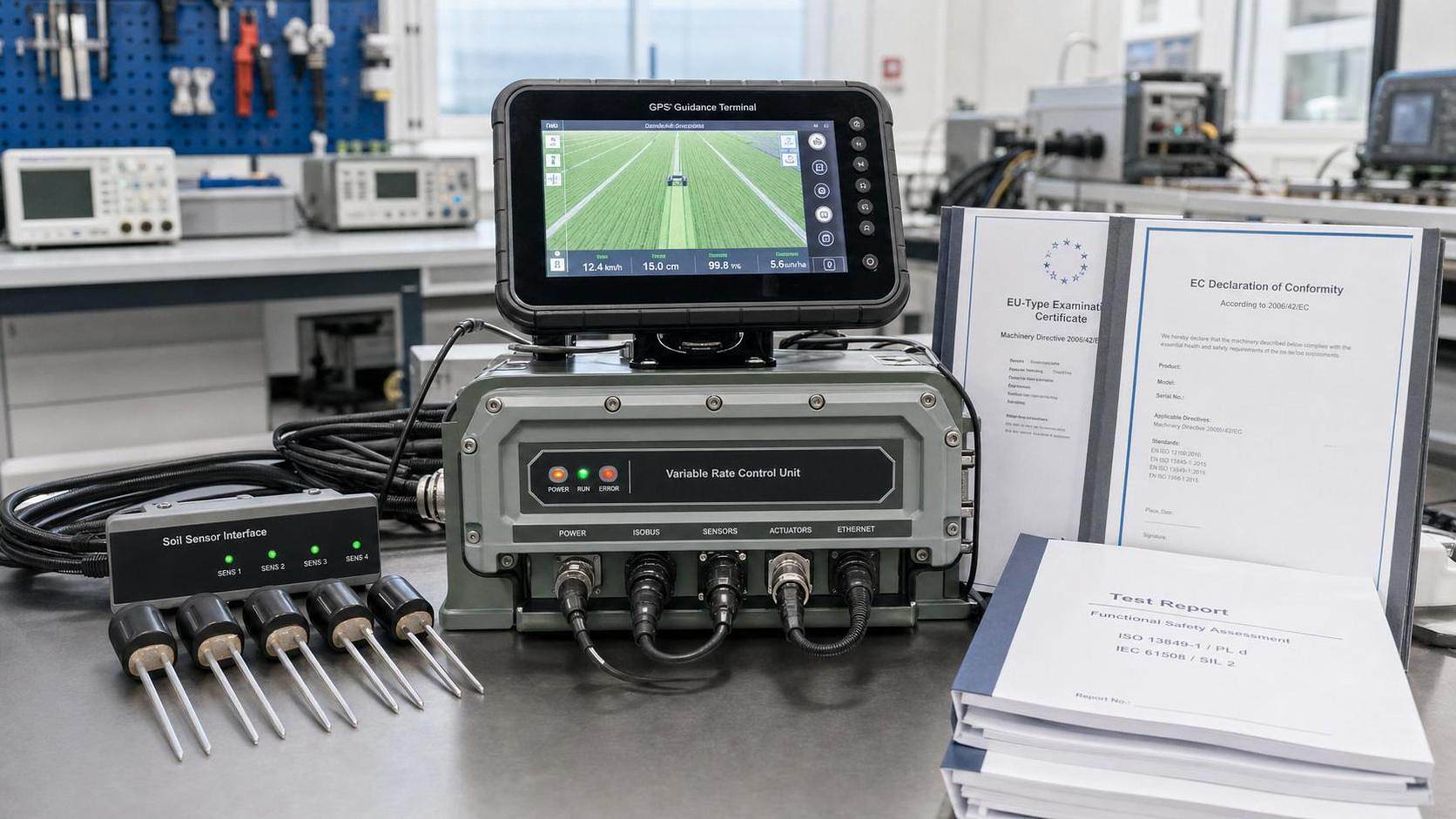




From 12 July 2026, market access conditions in the EU have changed for Variable Rate Tech systems used in variable-rate fertilizing and seeding. Equipment entering the market must now complete assessment against EN IEC 62061:2026 and provide a third-party SIL2 certification report. Because the requirement covers closed-loop control modules linked to GPS Guidance Systems and soil sensors, the change deserves attention from OEM exporters, buyers, certification-related service providers, and supply chain teams managing compliance files and delivery schedules.
What the new entry requirement now covers
The confirmed change is that, effective 12 July 2026, the EU requires all Variable Rate Tech equipment entering the market to pass EN IEC 62061:2026 functional safety assessment and to provide a third-party SIL2 certification report.
The scope described in the event summary includes closed-loop control modules based on linkage between GPS Guidance Systems and soil sensors.
The event summary also states that the requirement directly affects the export compliance pathway and delivery cycle of Chinese OEM manufacturers.
Where the immediate pressure is likely to appear
Export-facing OEM workflows move closer to certification timing
From an industry perspective, manufacturers supplying Variable Rate Tech equipment into the EU market are likely to feel the impact first because market entry is now tied to a functional safety assessment and third-party SIL2 documentation. The main pressure point is no longer only product completion, but whether the relevant compliance file is ready in time for shipment, customs-facing documentation review, buyer acceptance, or final delivery arrangements. What deserves closer attention is whether technical documents for the covered control modules are organized in a way that supports the required assessment path.
Procurement and buyer review may shift toward document readiness
For procurement teams and buyers, the rule change may affect how supplier qualification is checked before ordering or accepting delivery. Analysis shows that where systems include the covered GPS-and-soil-sensor closed-loop control functions, purchasing decisions may increasingly depend on whether the supplier can present the required SIL2 report and related technical compliance materials at the expected stage of the transaction. In practice, this can influence tender review, supplier screening, and handover timing.
Certification and testing-related services may become part of delivery planning
Certification-related companies and testing service providers may also become more closely tied to commercial schedules. Observably, when a market entry condition requires third-party certification, document issuance and review can become part of the delivery critical path. For businesses relying on contract manufacturing or multi-party supply chains, this raises the importance of checking who is responsible for assessment coordination, report ownership, and consistency between product configuration and submitted compliance materials.
After-sales and traceability teams may need cleaner product records
Where shipped products fall within the covered scope, after-sales and quality traceability functions may need clearer records linking the delivered configuration to the certified control architecture. Analysis shows this matters less as a general quality topic and more as a documentation continuity issue, especially when customers, distributors, or compliance reviewers ask whether a delivered system matches the version supported by the third-party SIL2 certification report.
Practical points companies should track now
Check whether the controlled functions fall within the stated scope
The first practical issue is product scoping. Companies should review whether their Variable Rate Tech configuration includes the closed-loop control modules described in the event summary, especially where GPS Guidance Systems and soil sensors operate in linked control logic. If the covered function is present, certification planning becomes a front-end compliance issue rather than a post-shipment formality.
Review the completeness of certification and technical files
Analysis shows that businesses should pay attention to whether the required third-party SIL2 report, functional safety assessment materials, and supporting technical documents are aligned with the product version intended for the EU market. The input does not provide detailed enforcement steps, so it would be premature to describe a fixed review sequence. What is reasonable at this stage is to treat documentation readiness as a key variable in export and delivery planning.
Build more time into procurement and delivery schedules
Because the event summary explicitly points to an effect on delivery cycles, companies involved in export, sourcing, and project scheduling should watch for timing pressure around compliance review and report availability. Observably, even without further published detail in the input, the presence of a mandatory assessment and third-party certification requirement is enough to justify closer checks on order lead times, shipment commitments, and supplier qualification milestones.
Continue monitoring how the requirement is reflected in commercial documents
The input does not include detailed language on implementation in tenders, contracts, or market surveillance practice. For that reason, companies should continue watching how the requirement appears in technical specifications, procurement documents, acceptance conditions, and customer compliance requests. It is more appropriate to understand this as an area requiring ongoing verification rather than a fully settled execution pattern based on the current input alone.
Why this reads as a compliance signal, not just a technical update
Analysis shows that this development is better read as a market-access rule taking operational form. The notable point is not only the reference to EN IEC 62061:2026 itself, but the combination of mandatory functional safety assessment and a third-party SIL2 certification report for covered equipment. That shifts the discussion from product capability to entry compliance.
Observably, the event also points to a narrower but commercially important issue: control modules that connect GPS Guidance Systems and soil sensors are now part of the compliance conversation, which may affect how suppliers define scope, prepare files, and communicate product readiness to customers.
At the same time, the input does not provide fuller detail on enforcement practice, review procedures, or transaction-stage checkpoints. For that reason, this should be understood as a confirmed rule change with further execution signals still worth monitoring.
How the market is likely to interpret this change for now
The immediate industry meaning lies in a higher compliance threshold for Variable Rate Tech equipment entering the EU market from 12 July 2026 onward. For affected businesses, the issue is not abstract regulatory change but a practical requirement tied to certification, documentation, and delivery sequencing.
From an industry perspective, it is more appropriate to understand this event as an implemented compliance change with direct implications for export preparation and buyer-facing documentation, while still leaving room for continued observation on detailed execution, document review expectations, and market feedback.
Basis of this article and what still needs verification
This article is based on the user-provided news title, event date, and event summary. For developments of this type, commonly relevant source categories may include official announcements, regulator publications, customs or trade authority information, industry association notices, standards organization documents, and reporting by established professional media.
No specific official source link was provided in the input, so the underlying official publication path still needs to be verified on an ongoing basis. Observably, the points that remain worth tracking include detailed policy wording, certification enforcement interpretation, changes in tender and procurement documents, market feedback from affected participants, and how companies implement the requirement in practice.
Related News
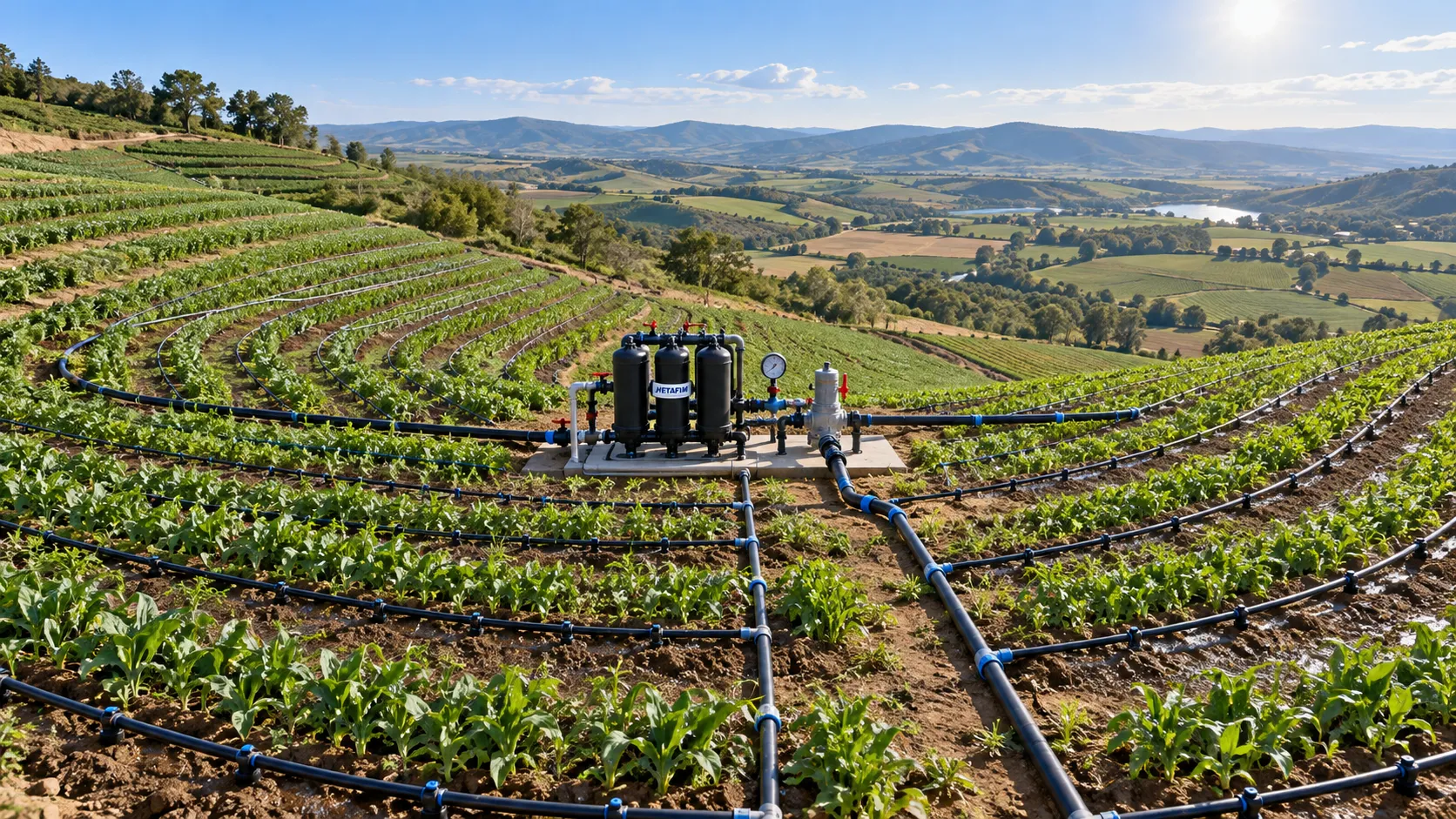
How to Size Low-Pressure Water-Saving Irrigation Systems for Uneven Fields
Low pressure water-saving irrigation systems for uneven fields: learn zoning, pressure mapping, pipe sizing, and pump selection to improve uniformity and reduce water waste.

Farm Machinery Sourcing: How to Vet Suppliers, Specs, and Lifecycle Costs
Farm machinery information for sourcing: learn to vet suppliers, compare specifications, control lifecycle costs, and secure reliable uptime for smarter equipment purchases.
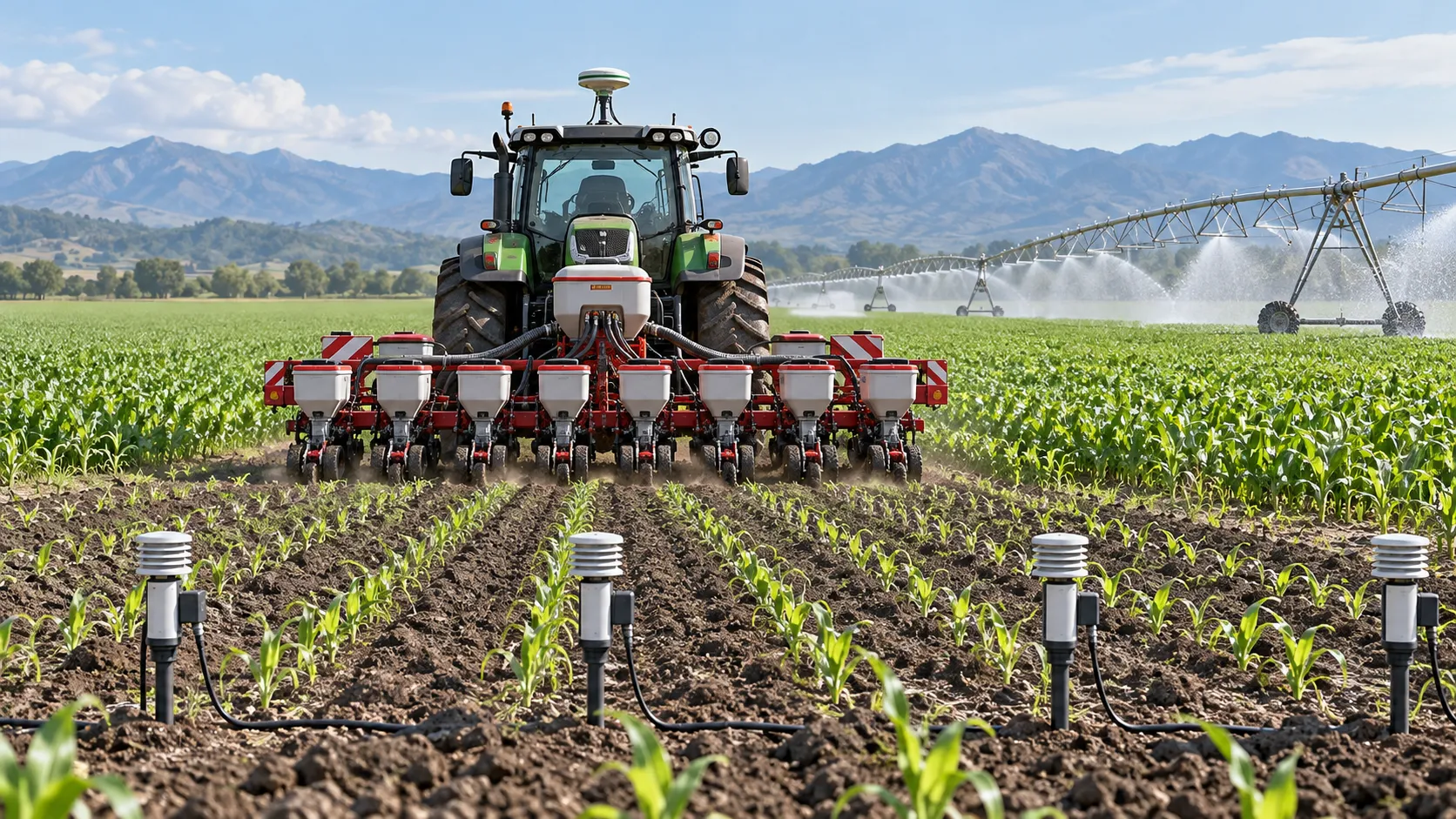
Which costs matter most when calculating precision agriculture ROI?
Calculating ROI on precision agriculture equipment? Discover the costs that shape returns, from installation and subscriptions to downtime, labor, and data integration.
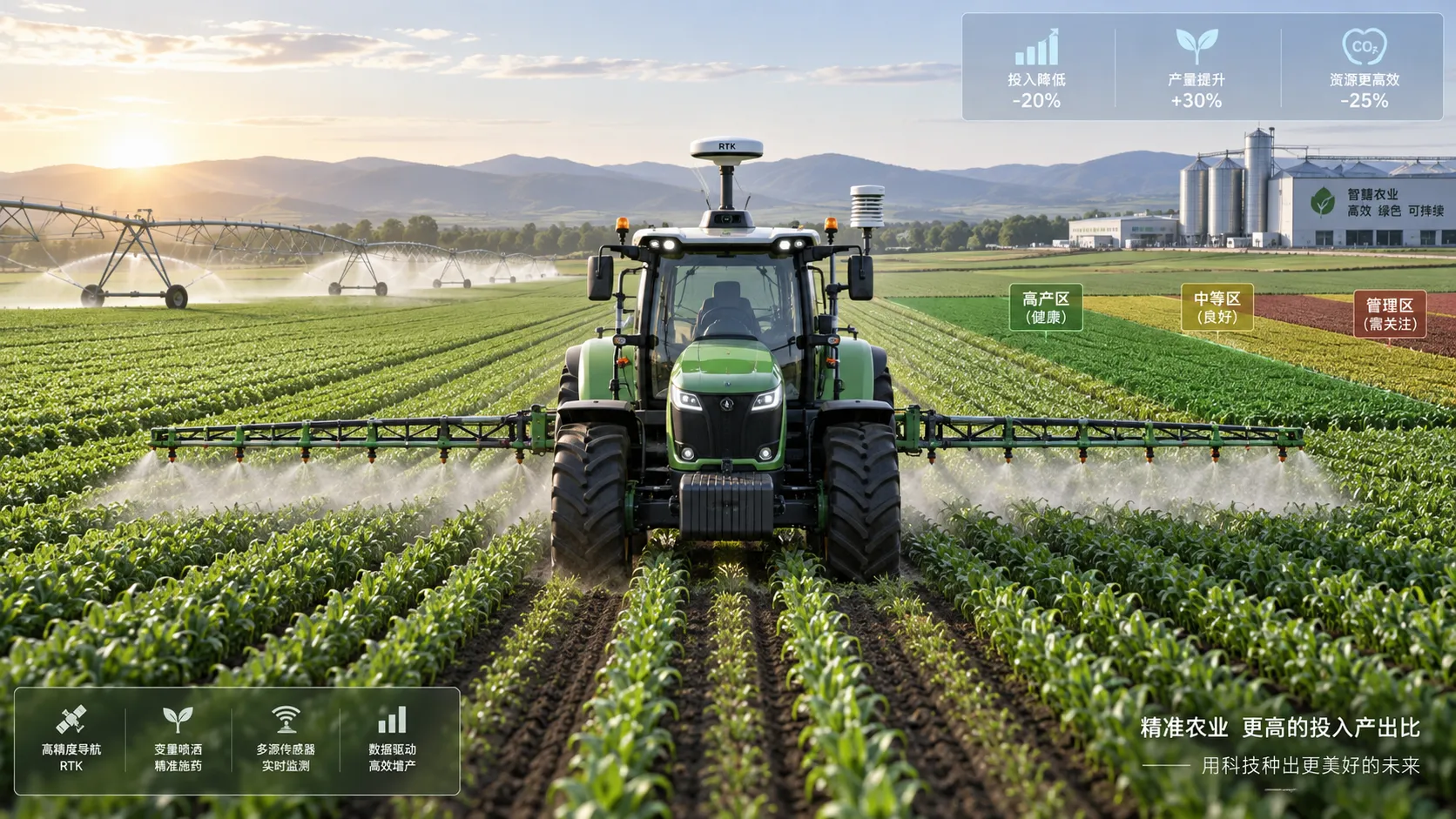
How to calculate ROI on precision agriculture equipment before buying
Calculating ROI on precision agriculture equipment: learn to assess total ownership costs, savings, payback, NPV, risks, and farm-scale value before you buy.

Tractor Specification Sheets: Matching PTO, Hydraulics, and Weight to Farm Tasks
Specification-oriented articles for tractors: match PTO, hydraulics, lift capacity, ballast, and weight to real farm tasks for safer, more efficient equipment choices.
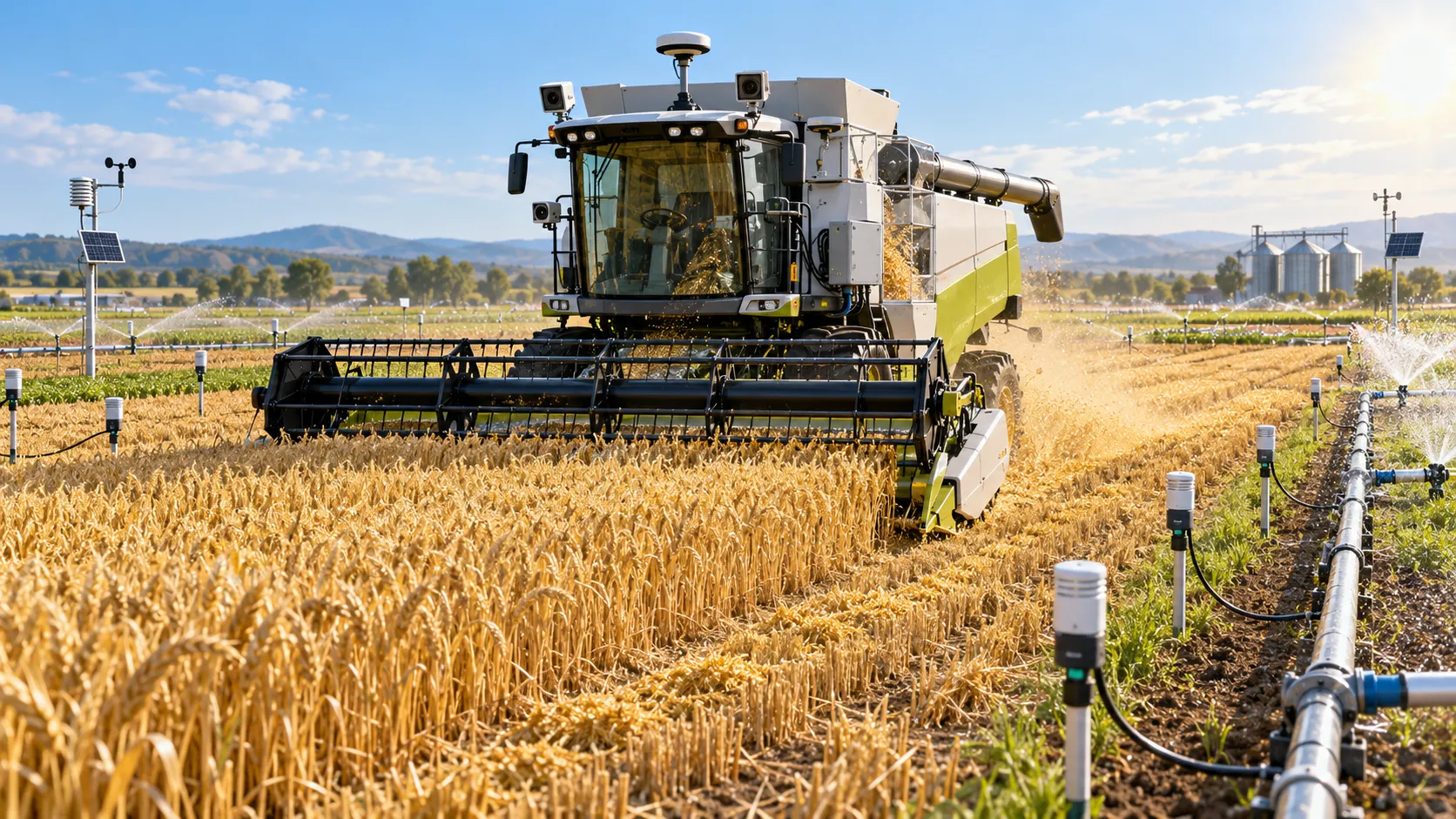
How to Evaluate Dynamic Feedback Algorithm Suppliers for Precision Farming Systems
Dynamic feedback algorithms supplier evaluation guide for precision farming—compare validation, integration, safety, and pilots to choose with confidence.

How to Specify Combine Harvester Systems for High-Moisture Grain and Variable Field Conditions
Combine harvester systems for high-moisture grain: learn how to specify threshing, cleaning, headers, traction, and automation for reliable harvests in variable fields.
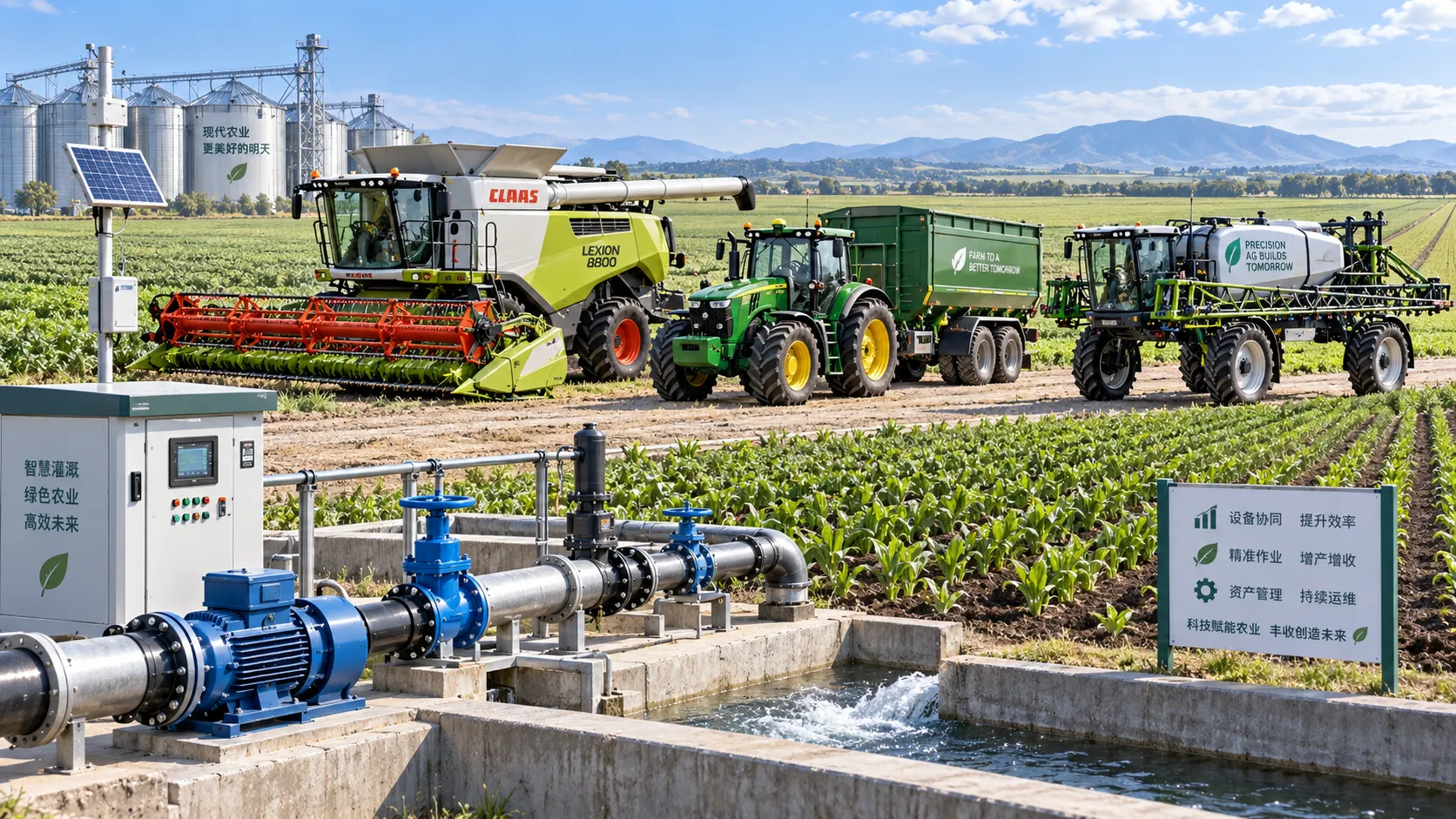
How to Compare Agricultural Equipment Platforms for Fleet Management and ROI
Agricultural equipment platform comparison: evaluate fleet data, maintenance, precision workflows, and ROI to choose a system that delivers measurable results.
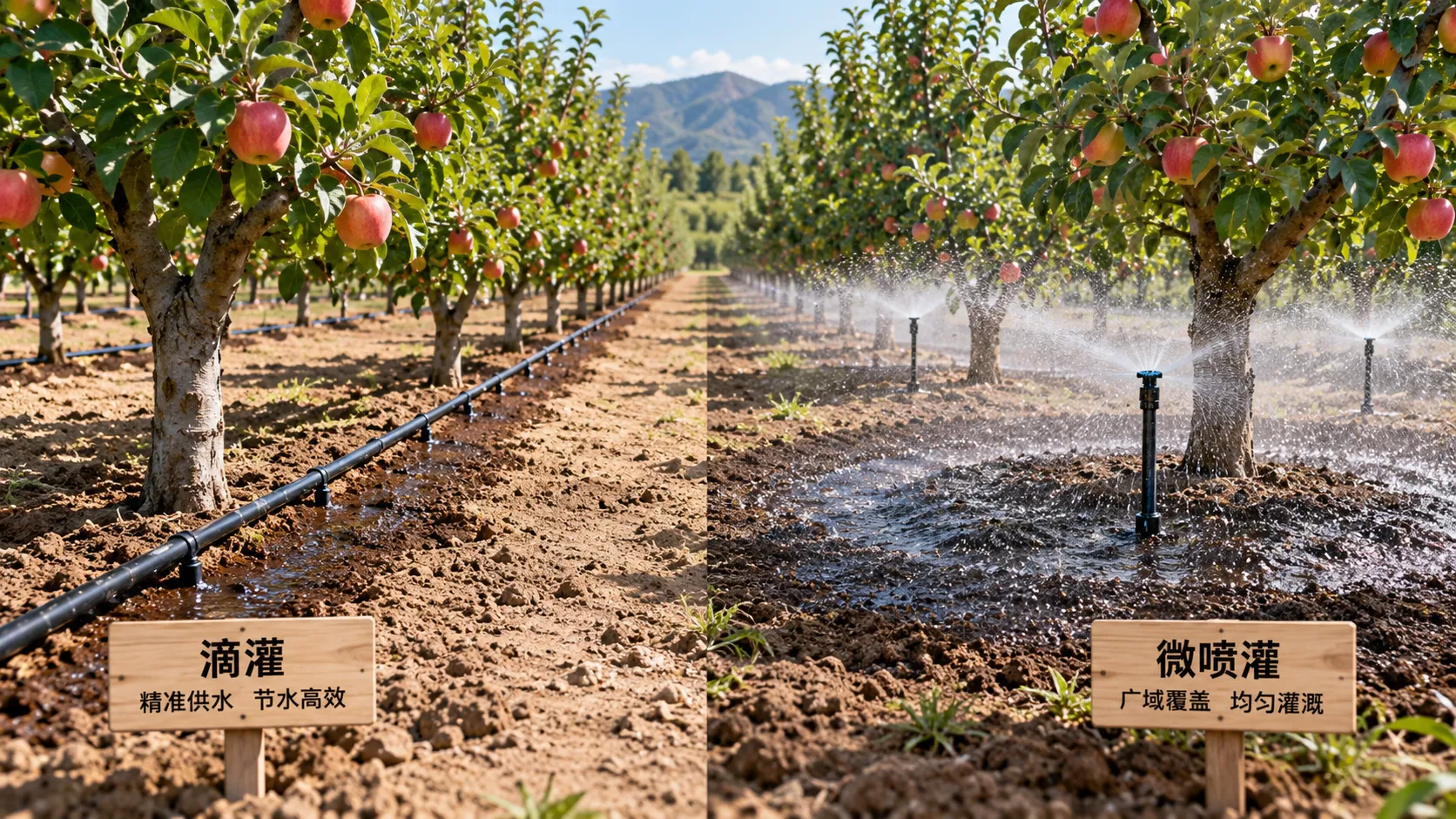
Drip vs. Micro-Sprinkler Irrigation: Which System Fits Your Orchard?
Irrigation solution comparison for orchards: discover whether drip or micro-sprinklers best match your water, soil, roots, fertigation, and frost needs.
Related News
- 00
0000-00
How to Evaluate Dynamic Feedback Algorithm Suppliers for Precision Farming Systems - 00
0000-00
How Sensor Feedback Enables Accurate Variable-Rate Fertilization in Field Conditions - 00
0000-00
How to Select Precision Crop Protection Equipment for Variable Field Conditions - 00
0000-00
How to Evaluate Precision Fertilization System Suppliers for Farm-Scale Deployment - 00
0000-00
How to Select a Precision Fertilization System for Variable Corn Field Conditions
Popular Tags
Tractor Power Architect
Weekly Insights
Stay ahead with our curated technology reports delivered every Monday.