
Precision Control on Large-Scale Farm Equipment: Key Features That Improve Field Accuracy
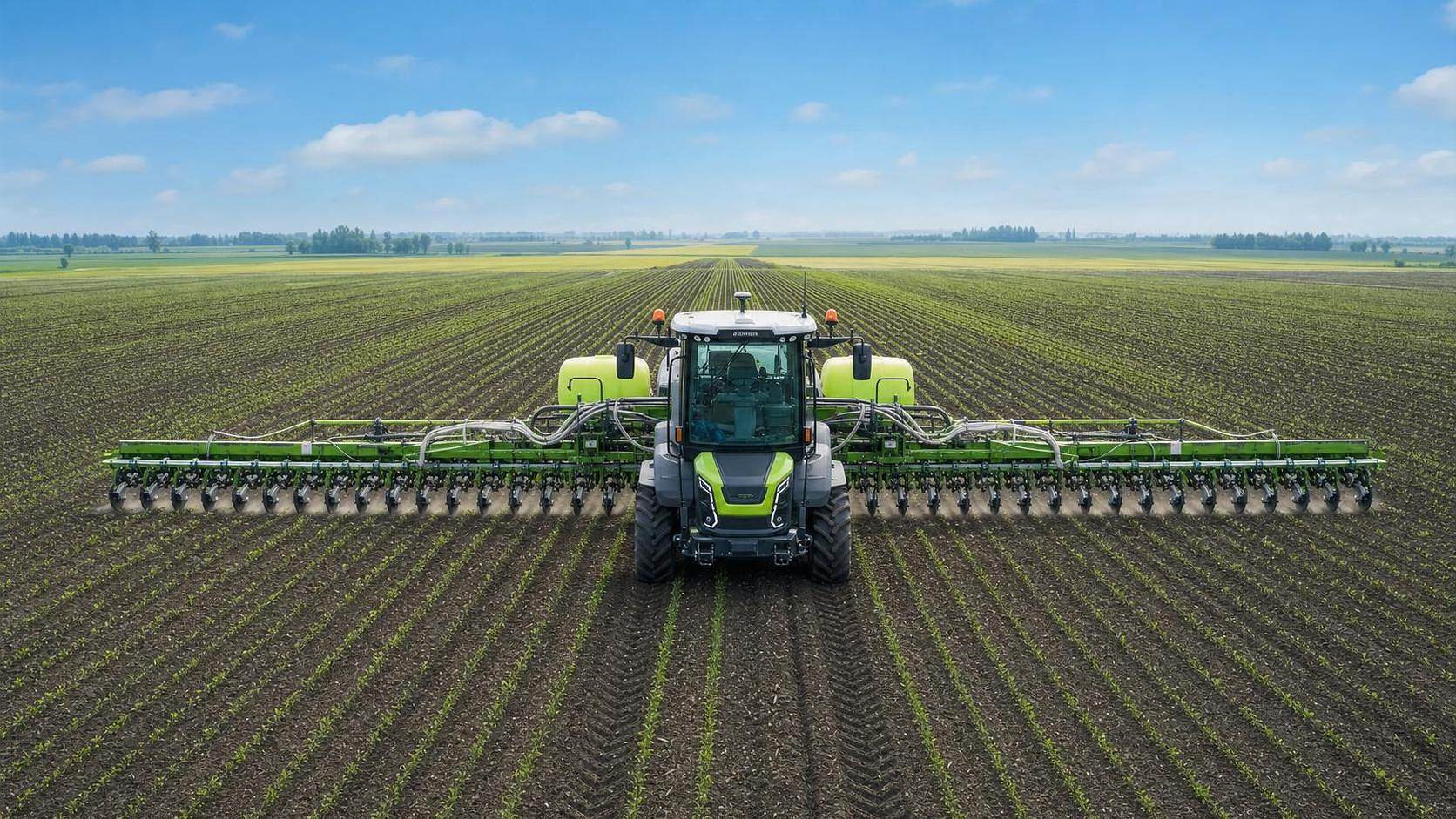




Precision Control on Large-Scale Farm Equipment: Key Features That Improve Field Accuracy
For technical evaluators, large-scale farm equipment precision control is now a core performance benchmark.
It directly affects field efficiency, input placement, machine stability, and repeatable task quality.
That shift matters because acreage is growing, labor is tighter, and every pass carries a measurable cost.
In practical terms, large-scale farm equipment precision control reduces overlap, missed zones, drift, and delayed response.
It also helps align machine output with prescription maps, crop conditions, and changing field geometry.
The most useful evaluations go beyond headline accuracy claims.
They test how guidance, sensing, hydraulic behavior, and implement control perform under real operating loads.
That is where meaningful differences appear between systems that look similar on paper.
Why Precision Control Has Become a Field Accuracy Standard
A large machine magnifies small control errors.
A few centimeters of drift can translate into visible skips, double-application zones, or header losses over long runs.
This is especially true in wide-planter, high-capacity sprayer, and combine harvesting operations.
Large-scale farm equipment precision control also supports input discipline.
Seed, fertilizer, crop protection products, and water are expensive enough that placement accuracy now changes margin outcomes.
A stronger signal is that sustainability targets are becoming operational targets.
Precision control helps reduce waste without forcing a drop in work rate.
That makes it relevant to both productivity reviews and compliance-oriented equipment selection.
GNSS Guidance and Correction Stability
Guidance quality remains the foundation of large-scale farm equipment precision control.
The real question is not whether a machine has GNSS guidance.
The real question is how stable that guidance stays during field interruptions, terrain shifts, and varying satellite conditions.
Evaluation should focus on pass-to-pass repeatability and long-term line retention.
Correction source matters, but controller behavior matters just as much.
- Fast line acquisition after turns and headland entry
- Stable steering under side slope and draft load
- Low oscillation at transport and working speeds
- Reliable recovery after signal degradation
If these points are weak, theoretical positioning accuracy will not produce field accuracy.
For high-value row crops, that difference becomes visible very quickly.
Auto-Steering Response and Chassis Control
Auto-steering is only as good as its response logic and chassis integration.
Large-scale farm equipment precision control depends on how quickly steering corrections become smooth machine movement.
Machines with heavy implements often react differently from bare-chassis test conditions.
That is why steering valve tuning, axle feedback, and speed-adaptive control deserve close attention.
In actual operations, poor tuning shows up as hunting, late correction, and wave-like tracking.
A stronger system feels calm rather than aggressive.
It reaches the line quickly, holds it steadily, and avoids overcorrecting after small disturbances.
This is especially important for tractors pulling wide air seeders, strip-till bars, or nutrient applicators.
Section Control and Overlap Reduction
Section control is one of the clearest value drivers in large-scale farm equipment precision control.
It cuts duplicate application in irregular boundaries, point rows, and wedge-shaped zones.
But effectiveness depends on more than the number of sections.
Latency between position, command, and physical actuation is critical.
A system with many sections and slow response may still leave overlap or untreated gaps.
The better benchmark is shutoff timing under field speed.
Technical reviews should verify turn compensation, boundary handling, and mixed-rate transitions across zones.
This matters for sprayers, planters, and spreaders alike.
What to verify in section control tests
- Command delay from map trigger to valve or clutch action
- Consistency across different boom widths or row counts
- Accuracy at higher working speeds
- Performance near curved borders and narrow re-entry areas
Sensor Feedback and Closed-Loop Implement Control
The next layer of large-scale farm equipment precision control comes from sensor-driven feedback.
Open-loop commands can work in stable conditions.
Field conditions are rarely stable for long.
Closed-loop control uses real feedback from flow sensors, downforce sensors, header height systems, or pressure sensors.
That feedback allows the machine to adjust output while work is happening.
For planters, this can stabilize seed depth and row-unit performance.
For sprayers, it helps maintain rate accuracy despite speed changes or boom dynamics.
For combines, it supports header position and cleaner harvesting through terrain-responsive adjustment.
This also means evaluations should track sensor quality, calibration drift, and signal filtering.
Bad data can make a sophisticated control system behave unpredictably.
Hydraulic Response, Actuation Speed, and Load Compensation
Hydraulic behavior is often underestimated in field accuracy discussions.
Yet many precision functions still depend on hydraulic execution.
Large-scale farm equipment precision control can only be as accurate as the actuator that carries out the command.
Slow spool response, pressure lag, or uneven load compensation can distort intended outcomes.
This becomes more obvious in contour following, boom height management, and variable-depth tillage.
It also affects multi-function tasks where steering, lift, and flow control happen at once.
Strong systems keep response predictable under heat, changing viscosity, and sustained operating loads.
Key hydraulic checks
- Actuation time under normal and peak load
- Repeatability after long duty cycles
- Response consistency across temperature changes
- Interaction between hydraulic demand and steering stability
Variable Rate Execution and Prescription Accuracy
Precision maps only create value when execution matches the prescription.
That is why variable rate performance is central to large-scale farm equipment precision control.
The control system must translate digital targets into stable physical output.
In practice, lag at zone edges is one of the most common weak points.
Another issue is poor rate stability when travel speed changes quickly.
Evaluators should compare commanded rate, delivered rate, and location timestamp alignment.
This approach reveals whether the system is truly precise or simply digitally connected.
A Practical Evaluation Framework
A useful review process should test large-scale farm equipment precision control as a working system.
Single-feature checks are not enough.
- Measure guidance performance in straight runs, curves, and headland transitions.
- Record actuation delay for sections, rate changes, and hydraulic movements.
- Validate sensor calibration drift during full working days.
- Compare commanded data with actual delivered output by location and time.
- Repeat tests under different loads, speeds, and field surfaces.
This method gives a clearer view of accuracy durability, not just showroom performance.
It also supports better equipment comparison across brands, platforms, and implement combinations.
Final Takeaway
The best large-scale farm equipment precision control systems are balanced systems.
They combine stable guidance, responsive steering, fast section control, reliable sensing, and predictable hydraulic execution.
When those features work together, field accuracy becomes measurable, repeatable, and scalable.
That also means fewer hidden losses across seed placement, chemical application, harvesting, and water management.
For equipment selection and technical validation, the most practical move is simple.
Test large-scale farm equipment precision control under real field load, verify response timing, and judge the entire control chain rather than one advertised feature.
Related News
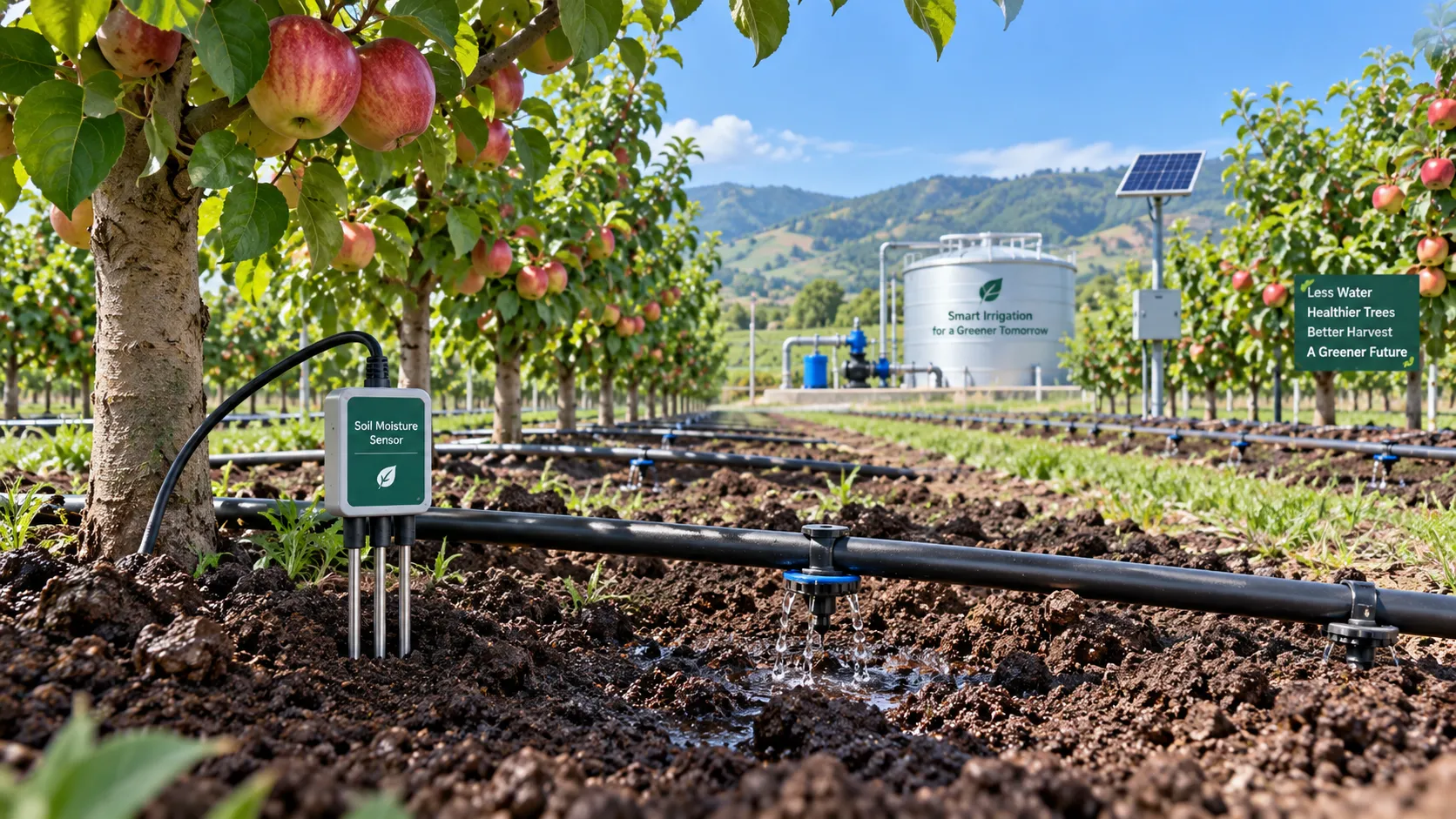
Orchard Water Management: Using Soil Moisture Data to Schedule Irrigation
Agricultural water management for orchards made practical: use soil moisture data to optimize irrigation timing, protect yield, reduce costs, and improve resilience.
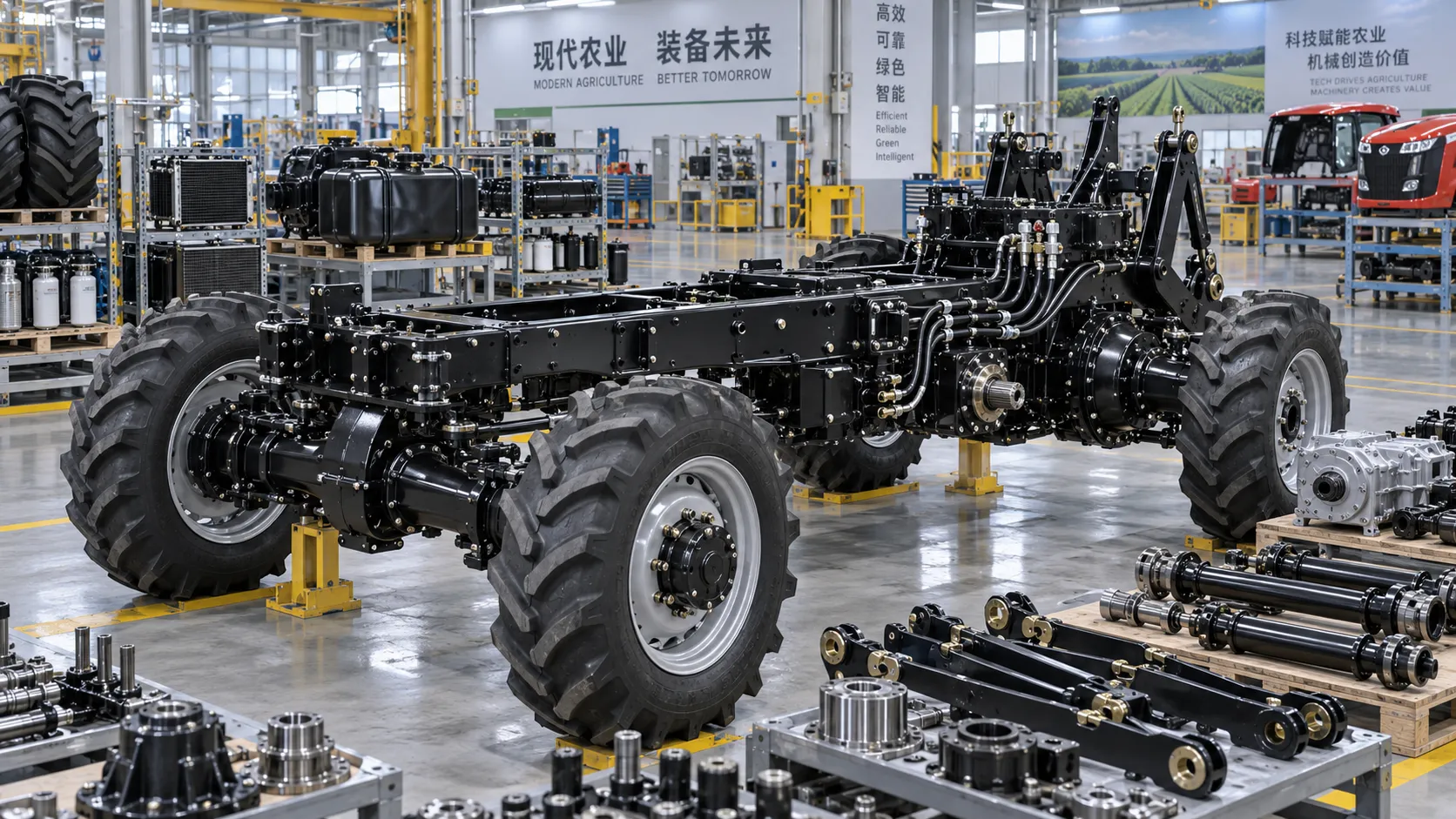
Tractor Chassis Price: What Buyers Should Compare Beyond the Initial Quote
Tractor chassis price is only the start. Compare load capacity, compatibility, durability, and lifecycle costs to choose a reliable, high-value chassis.
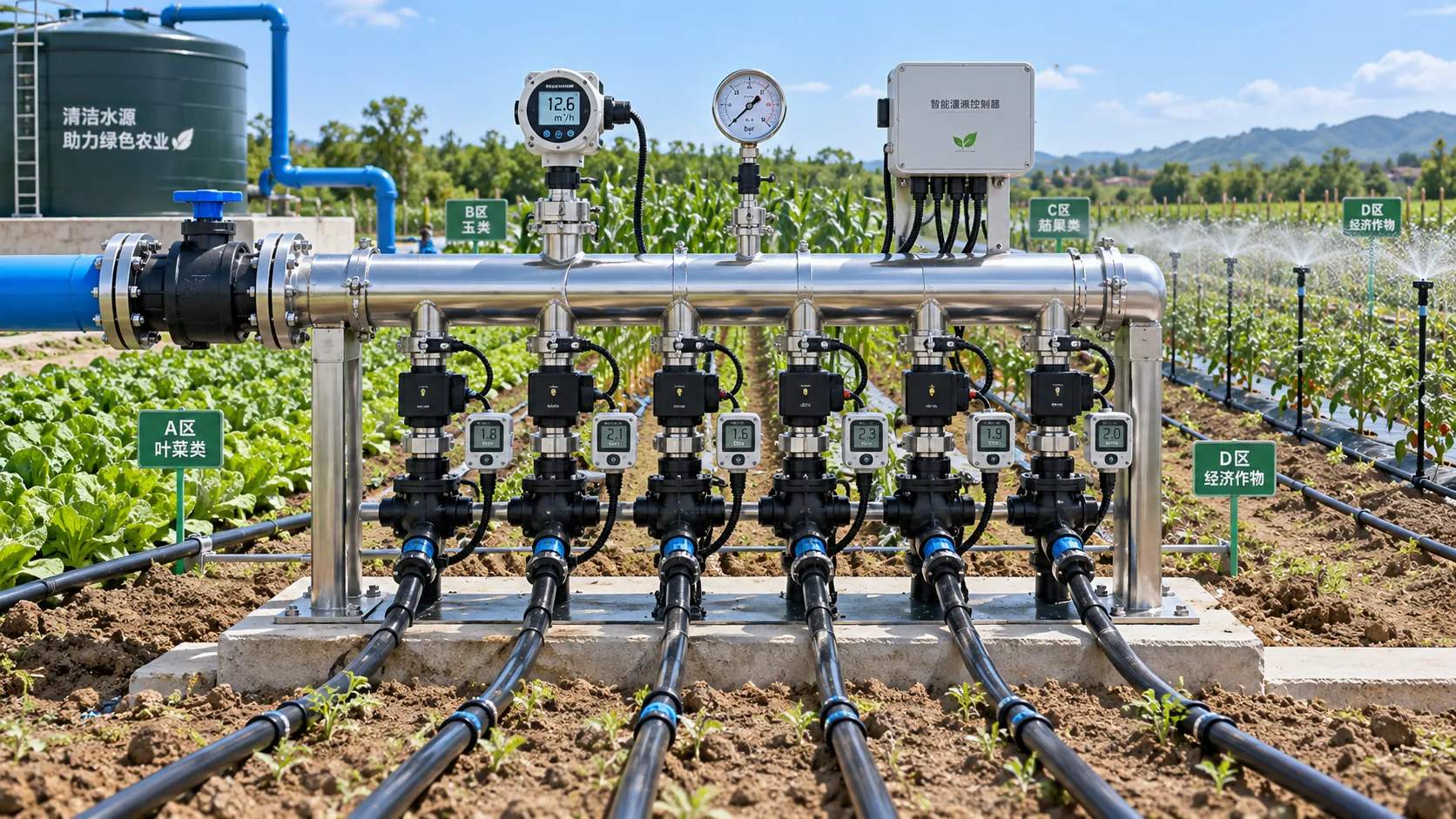
How to Select Smart Irrigation Valves for Multi-Zone Water Management?
Intelligent irrigation systems valves: learn how to match smart valves with multi-zone flow, pressure, control, feedback, and communication needs for reliable water management.
Climate-Smart Farming for Drought: A Practical Plan for Protecting Yields
Climate-smart farming for drought: build smarter water budgets, protect critical crop stages, improve irrigation uniformity, and safeguard yields with practical field-proven strategies.
How Digital Agriculture Platforms Turn Field Data Into Better Input Decisions
Digital agriculture platforms turn field data into smarter fertilizer, water, seed, and equipment decisions—helping farms cut risk, improve margins, and scale sustainability.
GPS-Guided Farm Machinery: Where It Delivers Measurable Field Efficiency Gains
Agri-mechanization GPS guided systems deliver measurable field efficiency gains through reduced overlap, precise planting, smarter inputs, and reliable farm data.
How Sensor Feedback Enables Accurate Variable-Rate Fertilization in Field Conditions
Precision fertilization systems with sensor feedback improve variable-rate accuracy by verifying flow, managing latency, and ensuring reliable field application.
How to Select Precision Crop Protection Equipment for Variable Field Conditions
Precision crop protection equipment selection made simple: compare terrain, canopy, weather, control accuracy, and data workflows for reliable applications.

When Does Agricultural Machinery Leasing Cost Less Than Owning Equipment?
Agricultural machinery leasing can lower farm costs when use is seasonal or uncertain. Compare utilization, maintenance, cash flow, and risk to make a smarter equipment decision.
Related News
- 00
0000-00
How Sensor Feedback Enables Accurate Variable-Rate Fertilization in Field Conditions - 00
0000-00
How to Select Precision Crop Protection Equipment for Variable Field Conditions - 00
0000-00
How to Evaluate Precision Fertilization System Suppliers for Farm-Scale Deployment - 00
0000-00
How to Select a Precision Fertilization System for Variable Corn Field Conditions - 00
0000-00
When does equipment for sustainable farming justify a higher capital spend?
Popular Tags
Tractor Power Architect
Weekly Insights
Stay ahead with our curated technology reports delivered every Monday.