
EU CE Rule Requires Water-Efficiency QR Labels
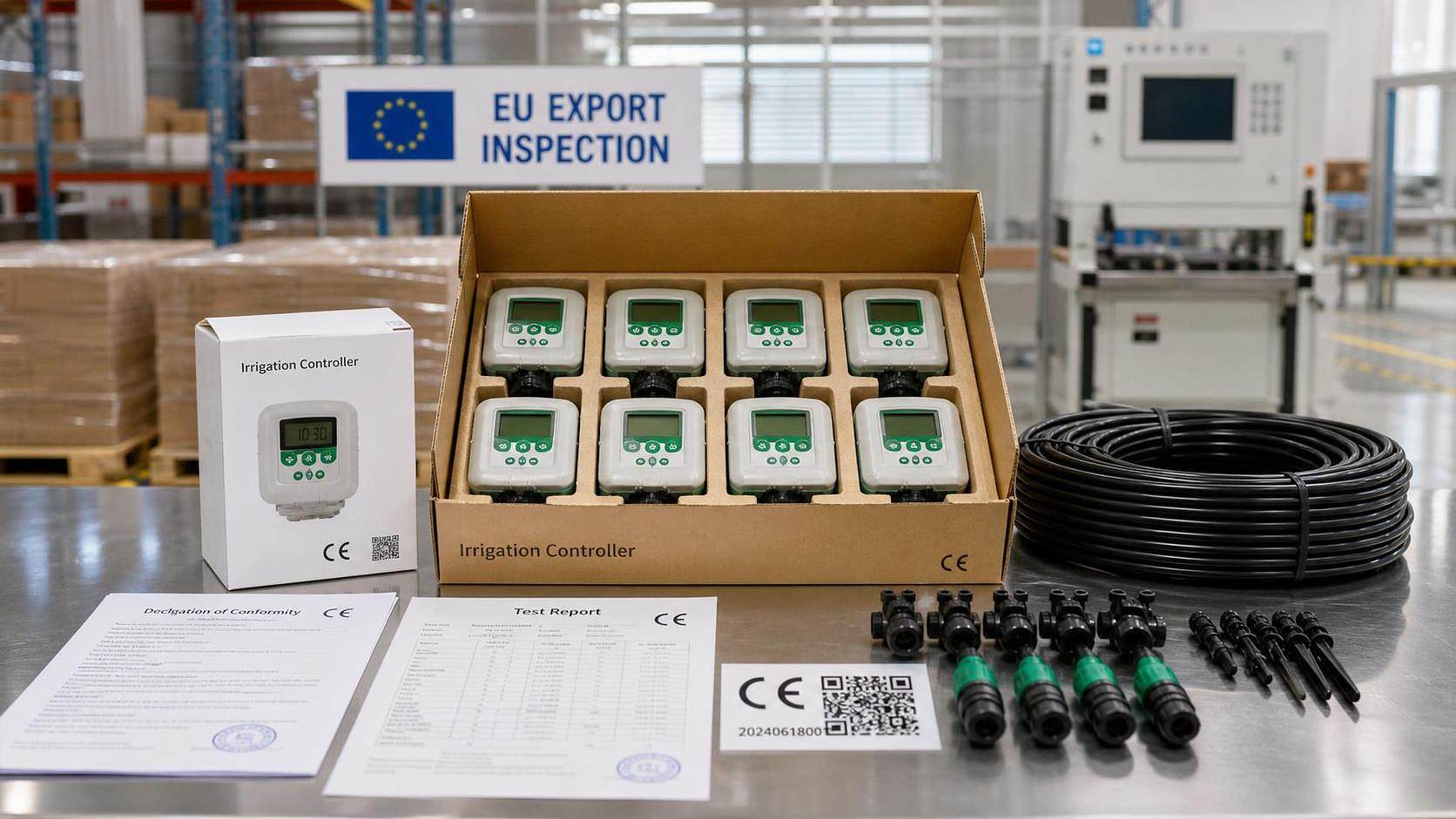




On July 6, 2026, the EU market entered a new compliance phase for Drip Irrigation Logic products after the European Commission issued Implementing Decision (EU) 2026/1347 on July 5. The measure requires a dynamic QR label on each minimum sales unit, linking water-efficiency information and verification data directly to the EU EcoDesign database. For exporters, manufacturers, distributors, and compliance teams serving the EU market, the immediate issue is not only label content but also whether the required data connection is already in place, because companies that have not completed the labeling system interface cannot finalize CE self-declaration.
What the new requirement confirms
According to the provided information, the European Commission published Implementing Decision (EU) 2026/1347 on July 5, 2026. The decision requires all Drip Irrigation Logic products sold in the EU market, from July 6, 2026 onward, to carry a dynamic QR code label on the minimum sales unit.
The required label must include water-efficiency grade, flow accuracy, and a pressure compensation verification code, in line with EN 17173:2026 Annex F. The label must also connect directly to the EU EcoDesign database for real-time verification.
The provided information further states that Chinese export companies that have not completed integration with the label system will be unable to complete CE self-declaration.
Where the operational impact is likely to appear
Export-facing manufacturers may face an immediate packaging and compliance checkpoint
From an industry perspective, manufacturers supplying the EU market are likely to feel the first impact at the product release and packaging stage. Because the requirement applies to the minimum sales unit and links directly to CE self-declaration, the label is no longer a purely visual packaging element. The affected business steps are likely to include label generation, packaging confirmation, product documentation matching, and shipment readiness for EU-bound goods.
What deserves closer attention is whether internal compliance and production processes can support the dynamic QR requirement in a way that aligns with the stated data fields and real-time verification connection.
Export trading companies may be affected through documentation and market access timing
Analysis shows that trading companies handling Drip Irrigation Logic exports to the EU may be affected even if they do not manufacture the goods themselves. The main reason is that the inability to complete CE self-declaration, as stated in the provided information, can directly affect transaction execution. In practice, the pressure point is likely to fall on document readiness, supplier coordination, shipment scheduling, and customer communication around compliance status.
For this group, the key change to watch is whether upstream suppliers have already completed the necessary system interface for the QR label requirement.
Distributors and channel operators may need to recheck sellable stock units
Observably, channel participants focused on EU sales may need to pay attention to the minimum sales unit requirement itself. Since the rule is tied to the unit placed on the market, the operational effect may extend to SKU-level packaging review, inbound acceptance standards, and product listing continuity where CE-related documentation is required.
The relevant concern is not a broad market trend by itself, but whether individual sale units meet the newly stated labeling condition from the effective date.
Compliance and system service providers may see greater execution pressure
From an industry perspective, service providers supporting labeling, compliance documentation, and product data connectivity may also be pulled into a tighter delivery cycle. The immediate issue indicated by the provided information is system integration with the required label framework and database verification path. The effect is likely to appear in implementation timelines, data matching accuracy, and coordination across packaging, compliance, and export documentation workflows.
What companies should watch now
Separate the legal requirement from internal readiness
Analysis shows that the rule itself is already defined in the provided information, but operational readiness is a different matter. Companies should focus on whether their current labeling process can actually produce the required dynamic QR code and whether the supporting data structure matches the stated fields of water-efficiency grade, flow accuracy, and pressure compensation verification.
Check whether EU-bound units are mapped at the minimum sales unit level
What deserves closer attention is the application scope at the minimum sales unit level. For businesses with multiple packaging formats, the practical issue may not be only product compliance in general, but whether each specific unit intended for EU sale carries the correct label format and verification path.
Review supplier and partner coordination before shipment commitments
Observably, exporters and traders should pay close attention to whether suppliers, packers, and compliance support partners have already completed the required system connection. The provided information makes clear that failure to complete the label system interface can block CE self-declaration. That means supplier qualification review, document checks, and delivery scheduling may all need closer verification before outbound commitments are made.
Continue tracking any follow-up clarification around implementation language
Analysis shows that businesses should distinguish between the confirmed requirement and any later clarification that may emerge through official wording, technical interpretation, or implementation guidance. At this stage, the confirmed point is the mandatory label, its required contents, the database connection, and the consequence for CE self-declaration where system integration is incomplete.
Why this looks bigger than a packaging update
Observation: this development is more appropriately understood as a compliance execution signal rather than a simple labeling adjustment. The requirement described in the provided information links physical packaging, product performance disclosure, and database-based verification in a single compliance step. That changes the practical meaning of a label from static information display to a live compliance interface.
Observation: it is also more appropriate to understand this as an immediate operational change, while its broader market implications still need continued monitoring. The effective date begins on July 6, 2026, which points to short-term execution pressure. At the same time, any wider impact on procurement models, supplier selection, or channel standards should still be treated as an area for observation rather than a confirmed outcome.
How this update should be read at this stage
At this stage, the clearest industry significance is that Drip Irrigation Logic products sold in the EU now face a more explicit connection between labeling and CE compliance completion. For companies active in EU-bound manufacturing, export trade, packaging, and compliance support, the issue is immediate and operational.
From an editorial standpoint, it is more appropriate to understand this development as a confirmed near-term compliance requirement with potential longer-term implications, rather than as a fully settled market trend. The current priority is execution: label content, database linkage, and CE self-declaration readiness.
Basis of this article and what still needs verification
This article is based on the user-provided news title, event date, and event summary. The confirmed factual basis used here is limited to the stated publication of Implementing Decision (EU) 2026/1347, the July 6, 2026 effective date, the QR label requirement for Drip Irrigation Logic products sold in the EU, the reference to EN 17173:2026 Annex F, the required connection to the EU EcoDesign database, and the statement regarding CE self-declaration for Chinese exporters that have not completed system integration.
For this type of industry update, relevant source categories typically include official regulatory notices, company compliance notices, industry association releases, authoritative media reports, and standards organization documents. A specific official source link was not provided in the input, so further verification remains necessary. Continued attention should focus on any follow-up official clarification, technical implementation wording, and practical guidance related to system integration and market execution.
Related News
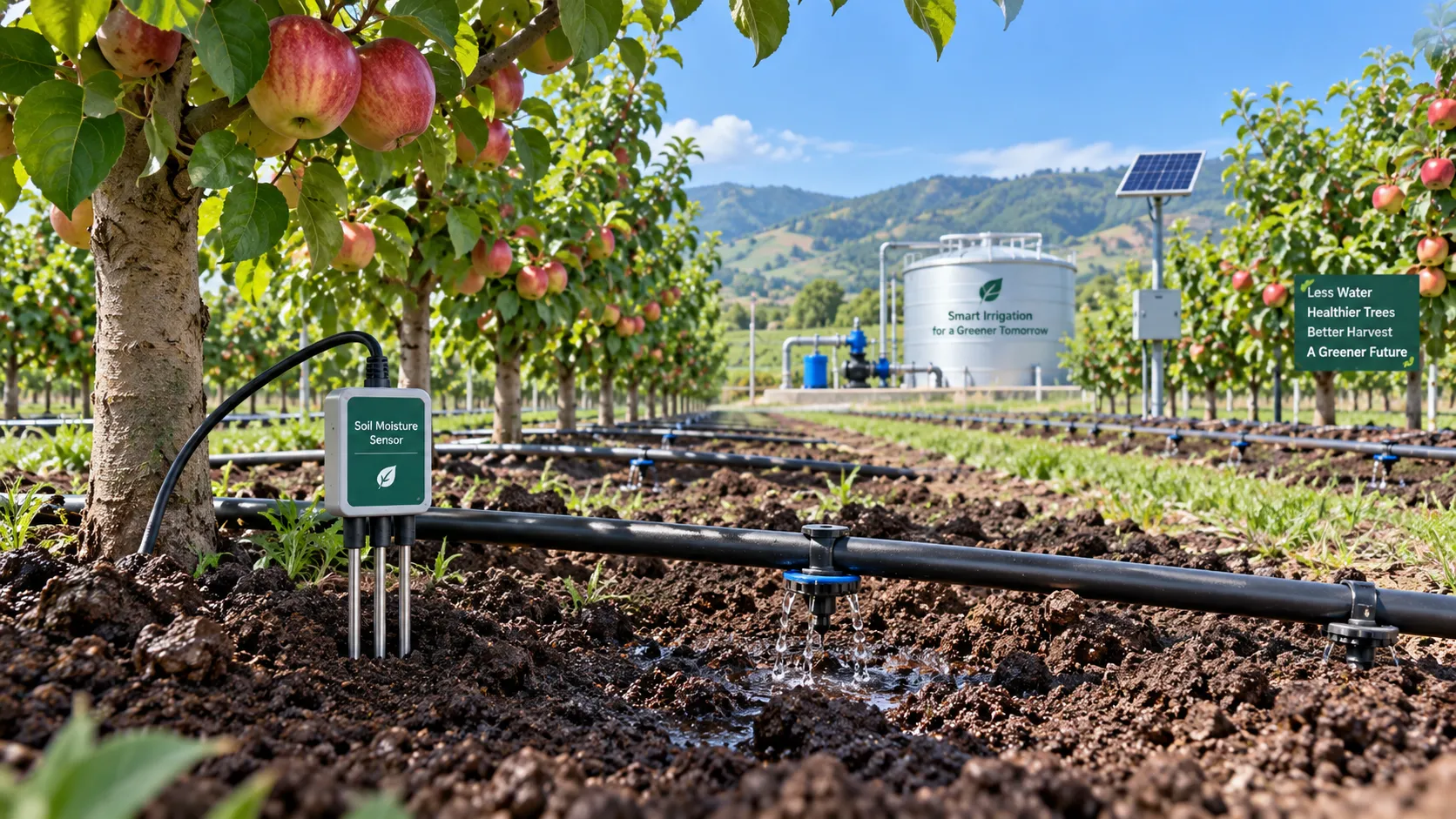
Orchard Water Management: Using Soil Moisture Data to Schedule Irrigation
Agricultural water management for orchards made practical: use soil moisture data to optimize irrigation timing, protect yield, reduce costs, and improve resilience.

Tractor Chassis Price: What Buyers Should Compare Beyond the Initial Quote
Tractor chassis price is only the start. Compare load capacity, compatibility, durability, and lifecycle costs to choose a reliable, high-value chassis.
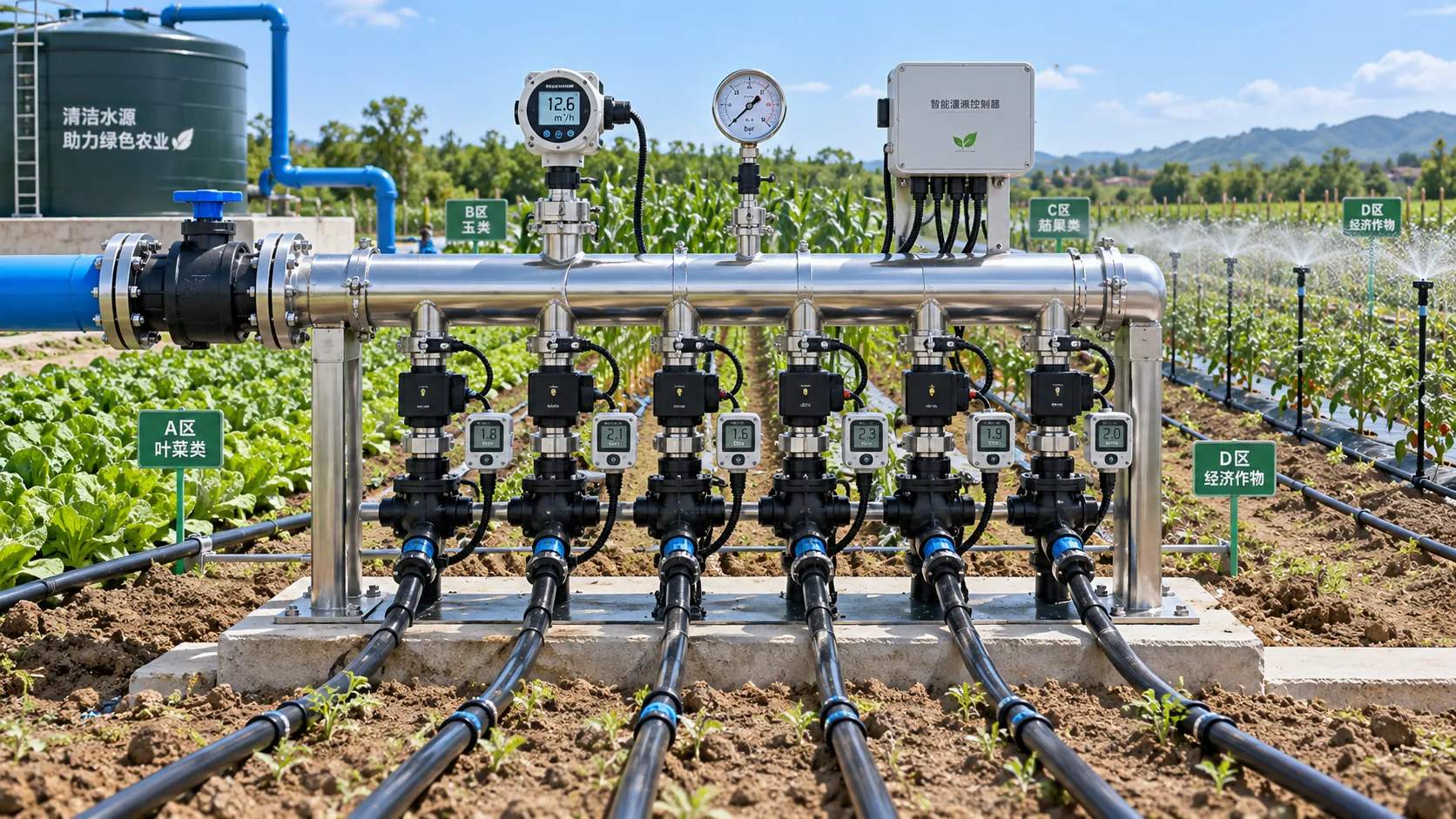
How to Select Smart Irrigation Valves for Multi-Zone Water Management?
Intelligent irrigation systems valves: learn how to match smart valves with multi-zone flow, pressure, control, feedback, and communication needs for reliable water management.
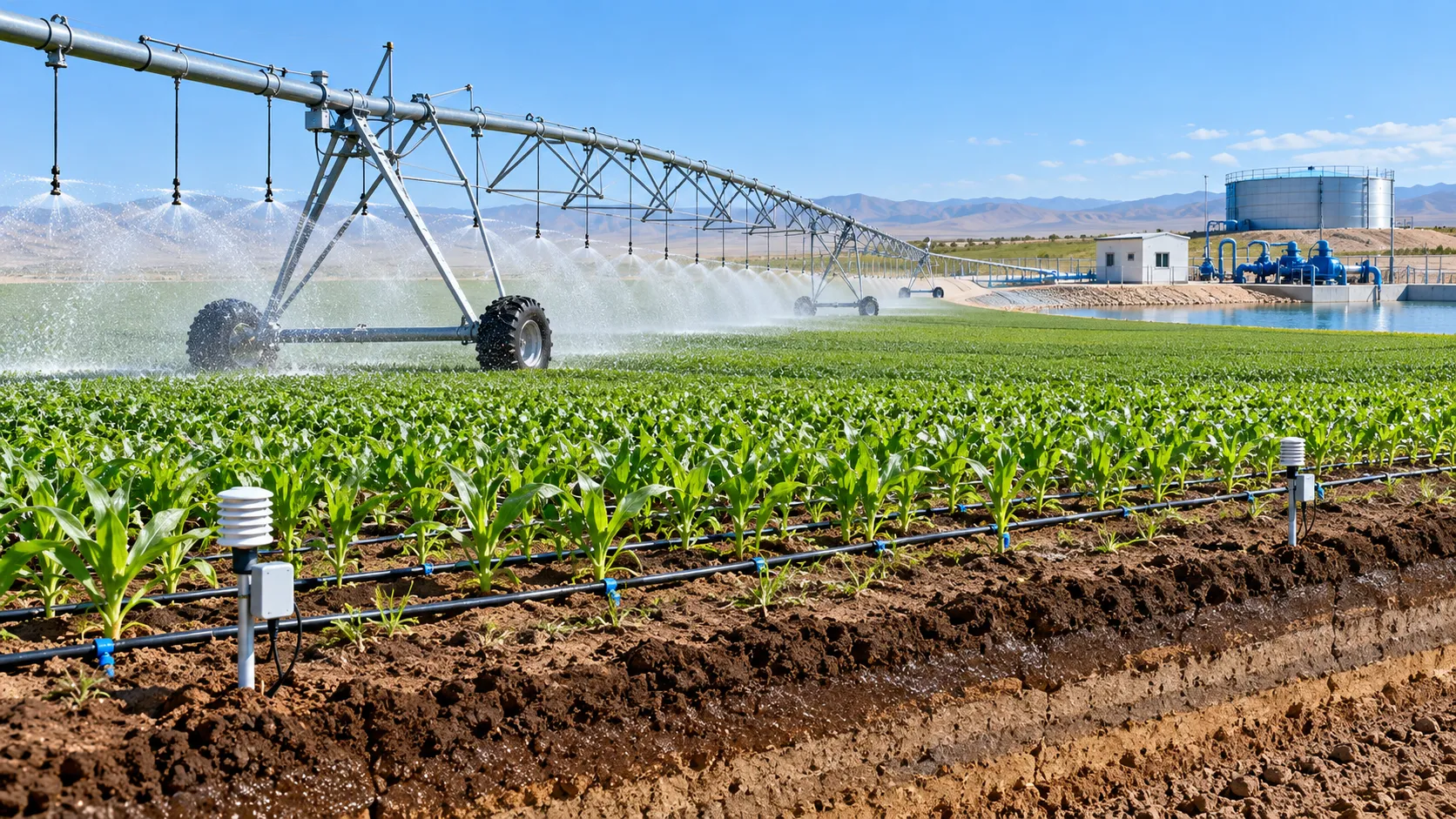
Climate-Smart Farming for Drought: A Practical Plan for Protecting Yields
Climate-smart farming for drought: build smarter water budgets, protect critical crop stages, improve irrigation uniformity, and safeguard yields with practical field-proven strategies.
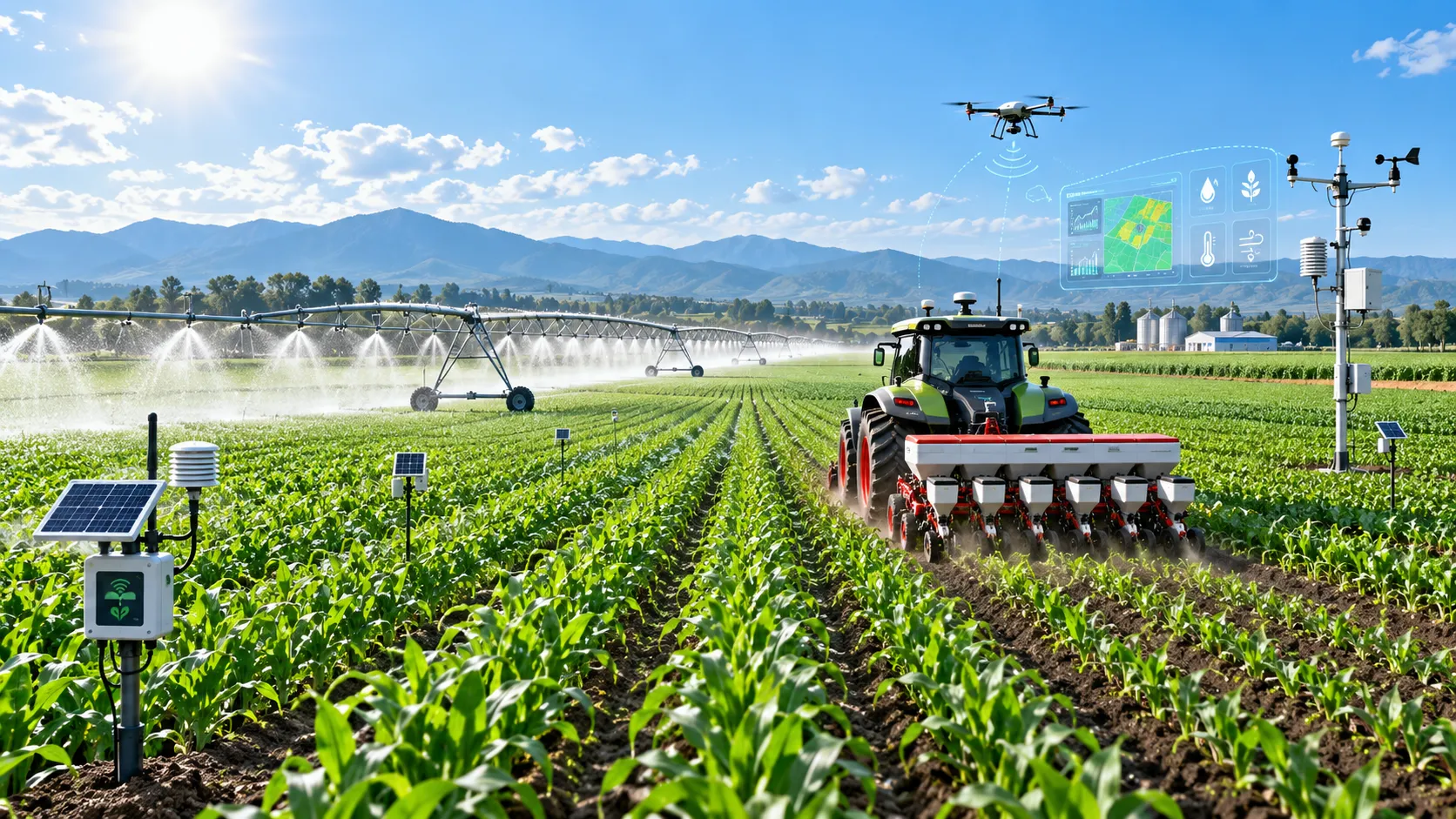
How Digital Agriculture Platforms Turn Field Data Into Better Input Decisions
Digital agriculture platforms turn field data into smarter fertilizer, water, seed, and equipment decisions—helping farms cut risk, improve margins, and scale sustainability.
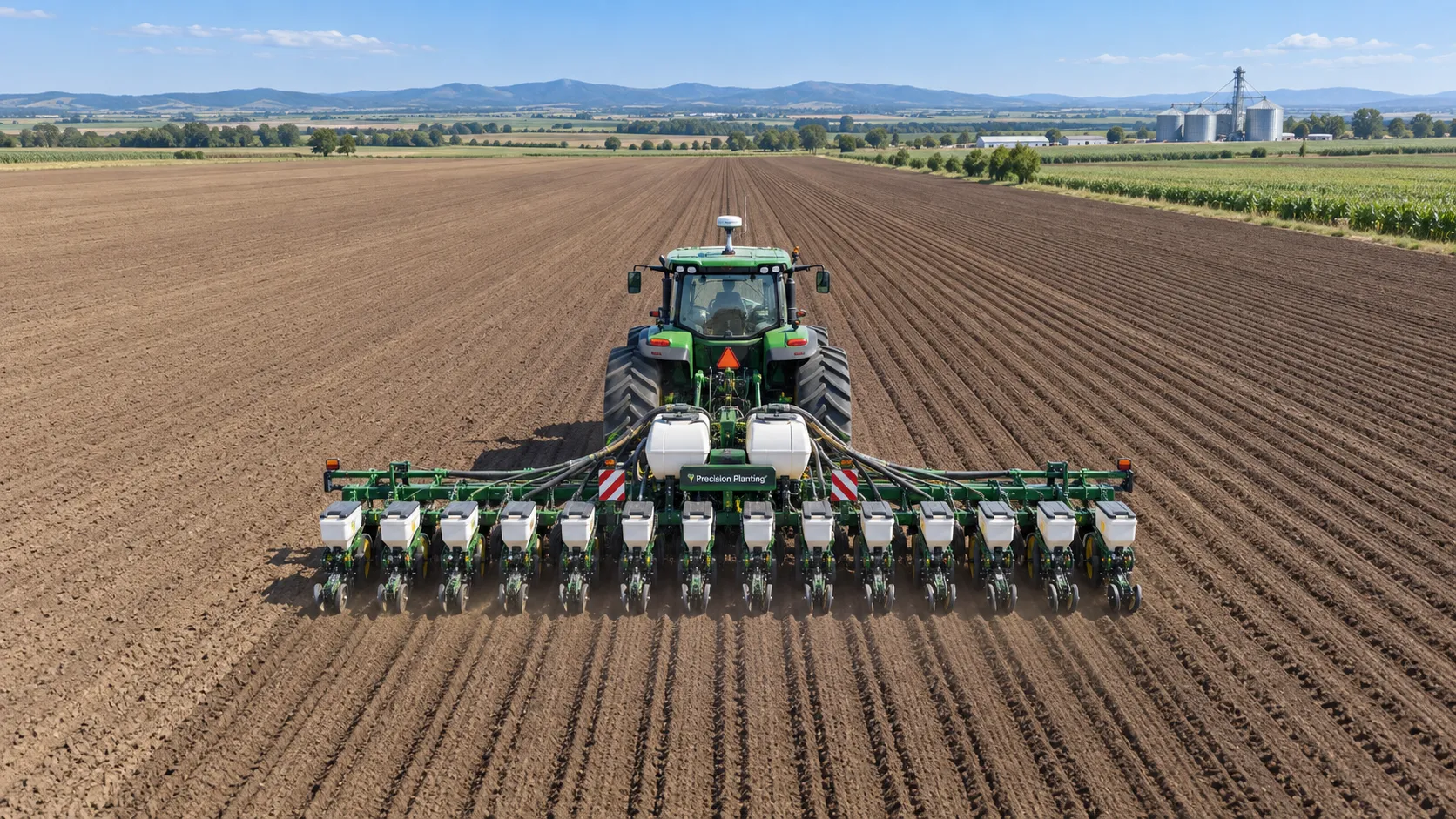
GPS-Guided Farm Machinery: Where It Delivers Measurable Field Efficiency Gains
Agri-mechanization GPS guided systems deliver measurable field efficiency gains through reduced overlap, precise planting, smarter inputs, and reliable farm data.

How Sensor Feedback Enables Accurate Variable-Rate Fertilization in Field Conditions
Precision fertilization systems with sensor feedback improve variable-rate accuracy by verifying flow, managing latency, and ensuring reliable field application.

How to Select Precision Crop Protection Equipment for Variable Field Conditions
Precision crop protection equipment selection made simple: compare terrain, canopy, weather, control accuracy, and data workflows for reliable applications.

When Does Agricultural Machinery Leasing Cost Less Than Owning Equipment?
Agricultural machinery leasing can lower farm costs when use is seasonal or uncertain. Compare utilization, maintenance, cash flow, and risk to make a smarter equipment decision.
Related News
- 00
0000-00
How to Select Smart Irrigation Valves for Multi-Zone Water Management? - 00
0000-00
Automated Water-Saving Irrigation: How to Cut Water Use Without Reducing Crop Yields - 00
0000-00
How to Evaluate Drip Irrigation System Manufacturers for Large Farm Projects - 00
0000-00
Wireless Agricultural Automation for Remote Irrigation and Field Monitoring - 00
0000-00
Designing Water-Saving Drip Irrigation Systems for High-Value Orchards
Popular Tags
Hydrological Resource Strategist
Weekly Insights
Stay ahead with our curated technology reports delivered every Monday.