
How to Evaluate Precision Fertilization Equipment for Latin America Farms
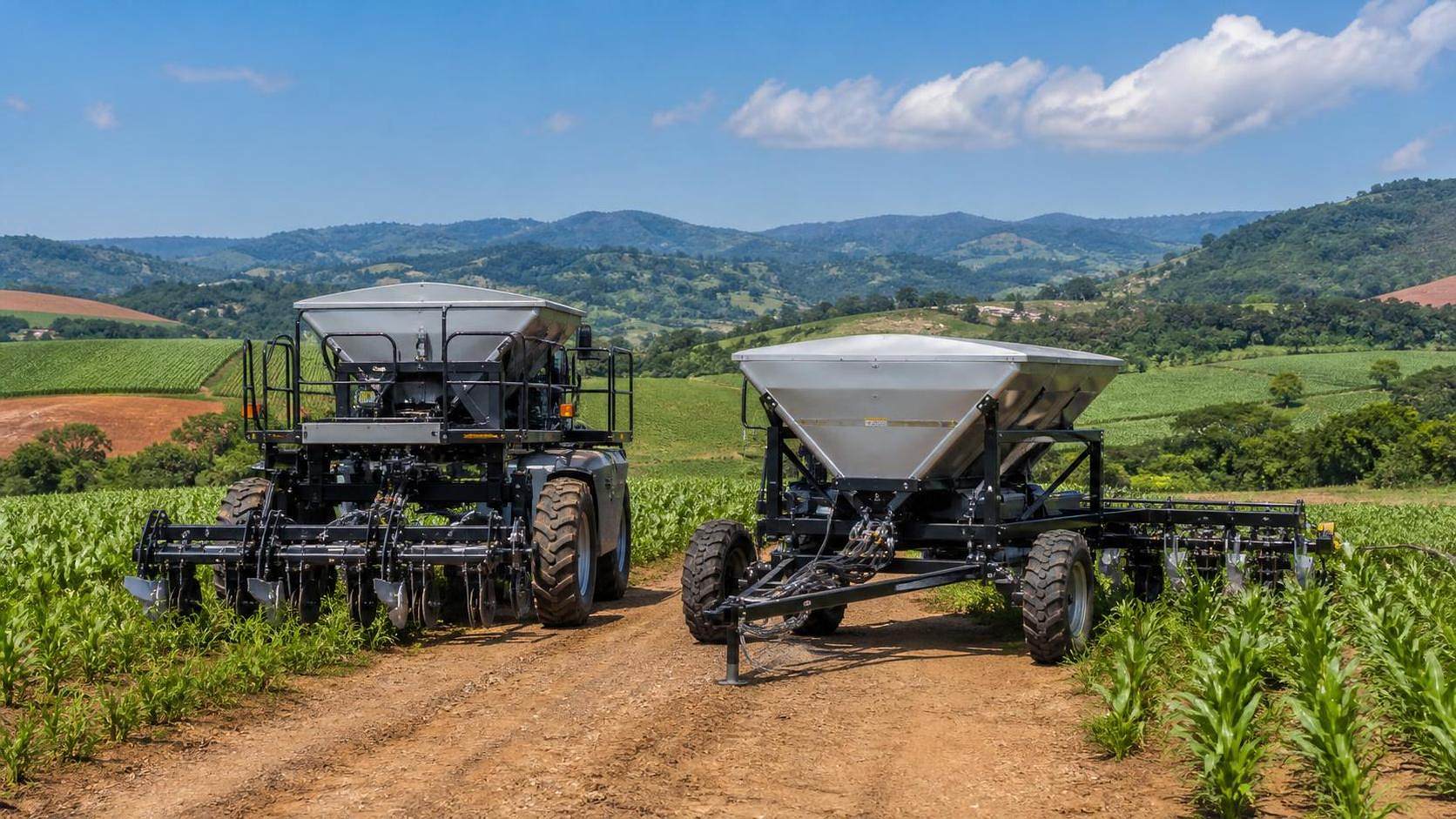




How to Evaluate Precision Fertilization Equipment for Latin America Farms
Evaluating precision fertilization equipment Latin America farms can rely on takes more than reading a brochure or comparing hopper size. For technical assessors, the harder question is whether a machine can keep nutrient placement stable across uneven terrain, variable soils, long operating hours, and mixed digital environments. A spreader or applicator may look capable on paper but still struggle once field speed changes, GNSS signal quality drops, or local service teams cannot support calibration and parts replacement.
That matters even more in Latin America, where operating conditions vary sharply: large row-crop farms in Brazil and Argentina, sugarcane and specialty systems in different subregions, highland conditions in Andean areas, and logistics constraints that can reshape maintenance planning. The right equipment decision is rarely about buying the most advanced unit. It is about choosing a system whose agronomic logic, mechanical design, and data architecture match the farm’s real operating model.
At AP-Strategy, this is exactly the kind of evaluation lens that defines Agriculture 4.0 in practice. The platform’s work across large-scale agri-machinery, tractor chassis, intelligent farm tools, and water-saving systems reflects a simple reality: precision only delivers value when mechanical performance and digital prescription control are stitched together under field conditions, not just in software demos.
Start with the application model, not the machine category
“Precision fertilization equipment” covers several very different systems: variable-rate broadcast spreaders, pneumatic applicators, side-dress units, liquid fertilizer toolbars, and integrated planters with nutrient placement control. The first screening step is to define what the farm actually needs to vary, and where.
If the agronomic program depends on prescription maps for broadacre grains, response time and section control behavior will matter more than simple tank volume. If the priority is consistent placement near the root zone, then toolbar stability, opener depth control, and flow matching across rows become more important than top-field capacity. For operations that switch among crops, the equipment also has to tolerate different products, rates, and field speeds without excessive recalibration.
This sounds basic, but many poor purchases begin with a mismatch between nutrient strategy and hardware logic. A machine built for wide-area broadcast efficiency is not automatically strong at site-specific placement. A system optimized for controlled liquid delivery may become cumbersome where dry blends dominate local supply.
Check rate-control accuracy under dynamic field conditions
Technical evaluation should focus less on advertised precision and more on how the machine holds target rate while conditions change. In Latin America, many large farms operate long passes, variable slopes, changing traction, and uneven traffic patterns. That means the controller must react well to speed variation, turns, and partial-width operation.
Key questions include:
- How fast does the metering system respond when the target rate changes?
- Does the machine maintain stability at both low and high application rates?
- How accurate is application during acceleration, deceleration, and headland turns?
- Can it compensate for terrain effects or product flow variation?
- Is there documented calibration procedure for the fertilizer types actually used locally?
Different fertilizer materials behave differently in the bin and metering path. Granule size distribution, moisture sensitivity, and bulk density all affect consistency. A controller may be sophisticated, but if the metering mechanism bridges, pulses, or drifts with local blends, field accuracy will not match the prescription file. This is one reason why bench calibration alone is not enough. Evaluators usually need to confirm performance with the specific nutrient products expected in operation.
Mechanical reliability still decides the outcome
Precision agriculture discussions often jump straight to sensors and maps. In practice, mechanical reliability still decides whether the system earns trust on large farms. Fertilizer is abrasive, corrosive, and unforgiving. Stainless protection, sealing quality, agitator design, chain or belt durability, bearing protection, and chute cleanout access all deserve close inspection.
For assessors, the question is not whether parts can eventually be replaced. It is whether wear points are easy to inspect, whether service intervals are realistic during peak season, and whether maintenance complexity will reduce operating discipline. A machine with excellent digital control but poor corrosion resistance can become an expensive calibration problem after one or two heavy campaigns.
This is where AP-Strategy’s cross-sector view is useful. Evaluating intelligent farm tools in isolation misses the dependence on tractor hydraulic stability, chassis vibration behavior, and broader machine uptime culture. Precision fertilization performance often reflects the quality of the entire field platform.
Terrain adaptability is not a secondary issue
Latin America is not one agronomic environment. Equipment that performs well on flat, high-capacity fields may become inconsistent in rolling or fragmented areas. Terrain affects spread pattern, toolbar tracking, row alignment, traction, and even the timing of rate changes.
For mounted or trailed units, look at weight distribution, frame rigidity, center of gravity, and how the implement behaves when the tractor moves across terraces or irregular contours. For broadcast systems, assess whether field width claims depend on ideal conditions. Wind, slope, and granule quality can narrow the usable operating window faster than sales literature suggests.
In some projects, the practical question is less about maximum theoretical coverage and more about repeatable performance in the worst 20 percent of fields. That is often where nutrient waste, overlap, and yield inconsistency become visible.
Data compatibility should be treated as an operational risk item
A growing share of precision fertilization equipment Latin America operations consider is marketed around connectivity. Yet technical evaluation should distinguish between “can import a file” and “can fit the farm’s working data environment.” Prescription maps, guidance systems, task logs, and agronomic software do not always speak the same language cleanly.
Before approval, confirm at least four things:
If the farm uses multiple brands of tractors, displays, and agronomic software, integration friction can quietly erase the value of advanced application features. A technically strong machine that requires constant file repair, repeated USB handling, or controller workarounds is usually a weak long-term fit.
Do not separate agronomic intelligence from service reality
Precision fertilization is often sold as a closed loop: soil data, prescription map, variable application, yield response. In real operations, the loop is only as strong as local execution. Assessors should ask who calibrates the machine before season, who validates spread pattern or row delivery, who replaces sensors, and how quickly wear parts arrive during peak windows.
A technically elegant system with weak regional support can be riskier than a simpler platform with stronger field service. This is especially relevant in large territories where dealer networks, spare stock, and technician training vary by country and by crop region. When evaluating suppliers, support documentation, service escalation process, and technician competence deserve almost as much attention as control architecture.
AP-Strategy’s Strategic Intelligence Center often frames this as a decision-chain problem rather than a machine problem. Nutrient efficiency depends on mechanics, algorithms, hydrological context, and logistics at the same time. That broader perspective helps prevent a narrow, feature-led purchase decision.
Evaluate ownership economics through utilization, not sticker price
For selection and decision-making, total cost should be tied to hectares covered, seasonal uptime, recalibration frequency, and error reduction potential. Technical assessors usually need to compare more than purchase price:
- Expected wear under the fertilizers actually used
- Downtime risk during the narrow application window
- Operator training burden
- Software licensing or display dependency
- Compatibility with existing tractors and hydraulic capacity
- Future flexibility if agronomic strategy shifts toward more prescription-based management
A lower-cost unit may be more expensive over time if it requires frequent part changes, inconsistent application rework, or a separate display ecosystem. On the other hand, not every farm benefits from the highest level of automation. If the agronomic data layer is still immature, a robust mid-complexity system can be the more rational stepping stone.
A practical shortlist for technical assessors
When comparing candidates, it helps to reduce the decision to a few non-negotiables:
- Can the machine apply the required nutrient type and rate range accurately in the farm’s real field conditions?
- Is its mechanical design durable enough for corrosive inputs and long seasonal use?
- Will it integrate with current guidance, controller, and agronomic data workflows without excessive manual handling?
- Can local teams maintain, calibrate, and troubleshoot it within the season?
- Does its complexity level match the farm’s present digital maturity, not just its future ambition?
If one of those answers is weak, the evaluation is not finished, no matter how strong the rest of the specification looks.
The best decisions in precision fertilization equipment for Latin America usually come from field-centered comparison, not feature accumulation. Technical teams should insist on calibration transparency, material-specific testing, integration checks, and a realistic view of service support. That is also where intelligence platforms such as AP-Strategy add value: not by treating precision tools as isolated products, but by reading them in the larger system of machinery performance, agronomic prescription, water management, and operational resilience. Before final approval, it is worth confirming one more time how the shortlisted equipment will behave with local fertilizer products, existing tractor platforms, target data formats, and the actual maintenance capacity available during the busiest weeks of the season.
Related News
Orchard Water Management: Using Soil Moisture Data to Schedule Irrigation
Agricultural water management for orchards made practical: use soil moisture data to optimize irrigation timing, protect yield, reduce costs, and improve resilience.
Tractor Chassis Price: What Buyers Should Compare Beyond the Initial Quote
Tractor chassis price is only the start. Compare load capacity, compatibility, durability, and lifecycle costs to choose a reliable, high-value chassis.
How to Select Smart Irrigation Valves for Multi-Zone Water Management?
Intelligent irrigation systems valves: learn how to match smart valves with multi-zone flow, pressure, control, feedback, and communication needs for reliable water management.
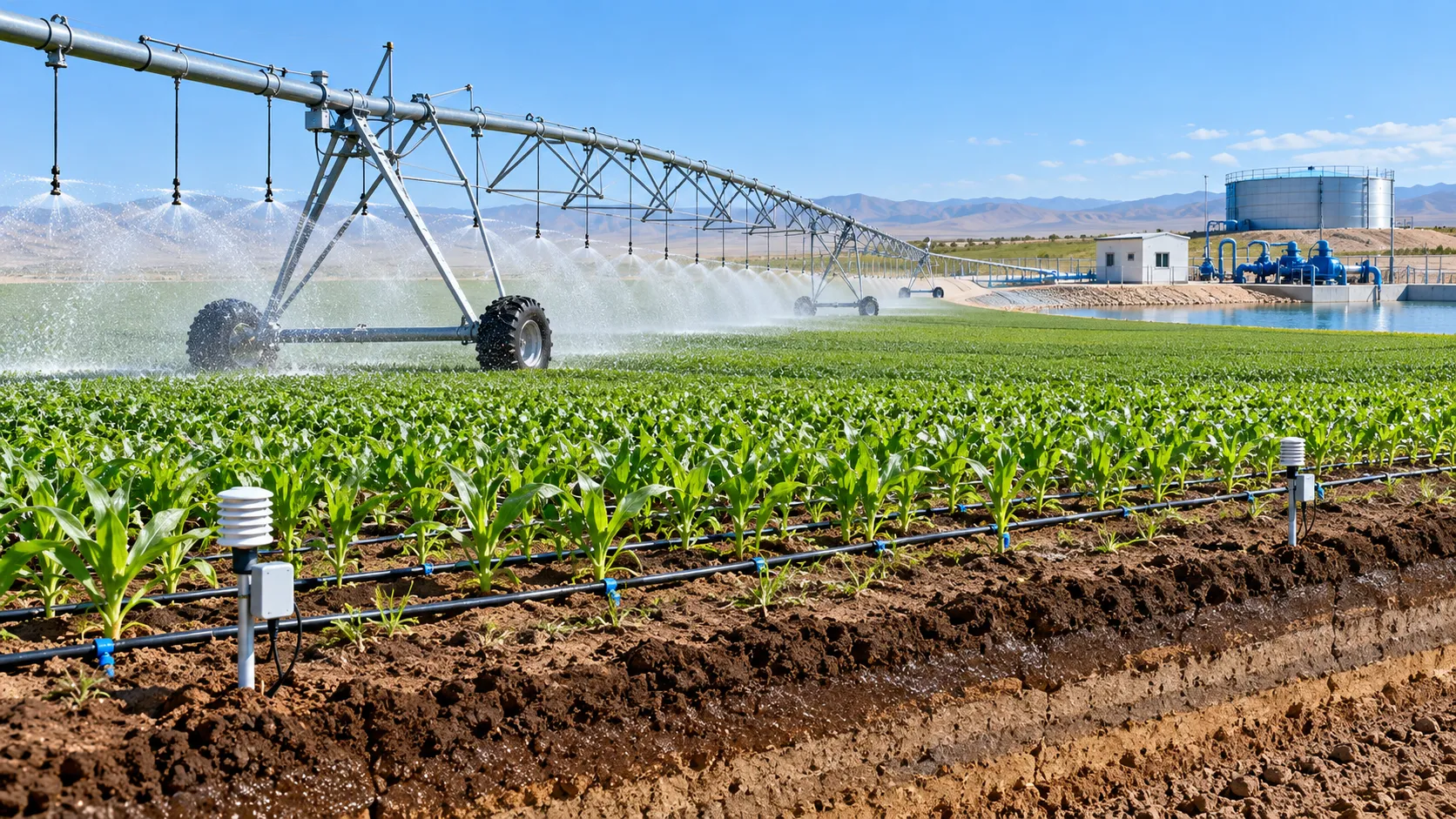
Climate-Smart Farming for Drought: A Practical Plan for Protecting Yields
Climate-smart farming for drought: build smarter water budgets, protect critical crop stages, improve irrigation uniformity, and safeguard yields with practical field-proven strategies.
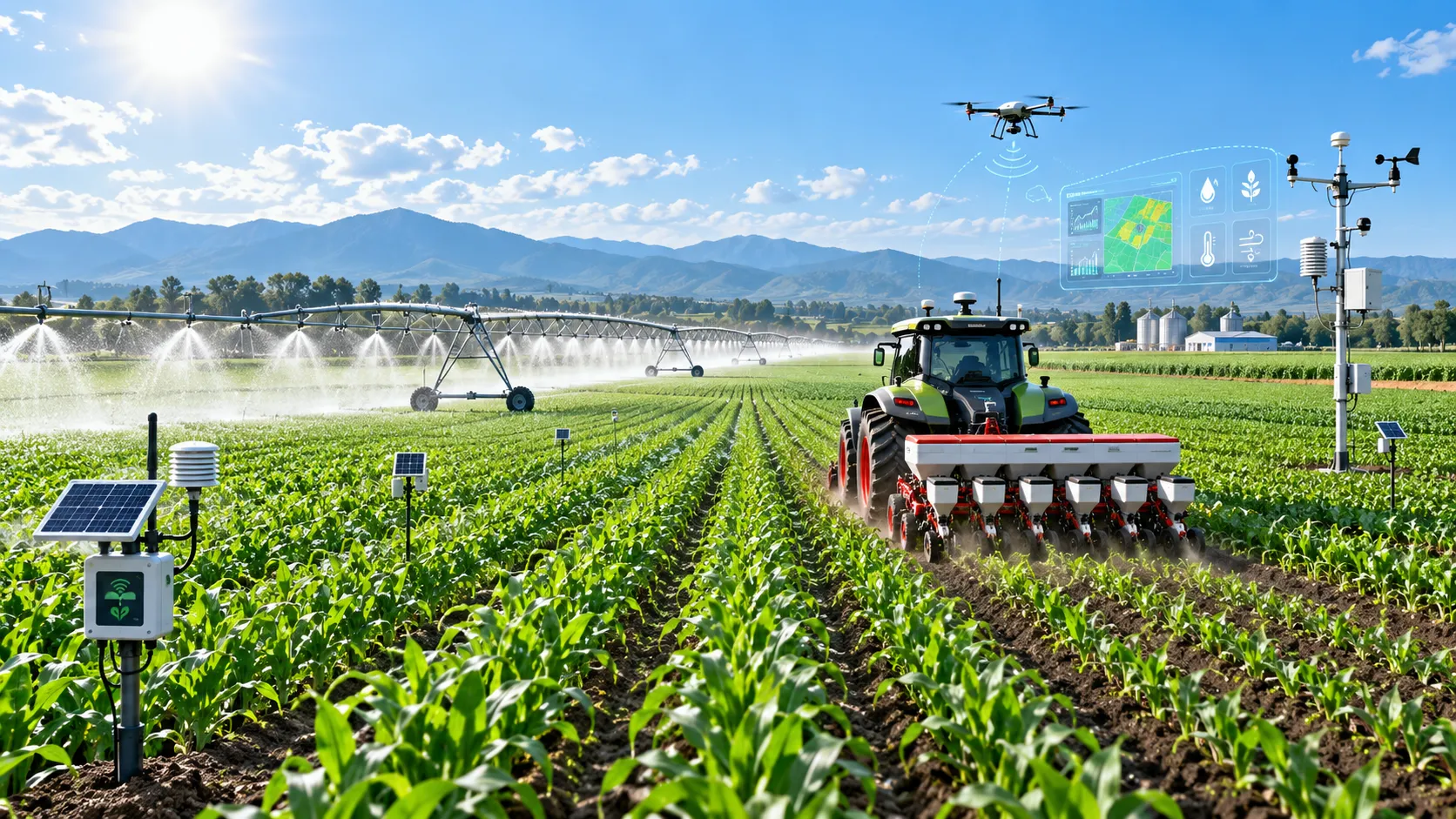
How Digital Agriculture Platforms Turn Field Data Into Better Input Decisions
Digital agriculture platforms turn field data into smarter fertilizer, water, seed, and equipment decisions—helping farms cut risk, improve margins, and scale sustainability.
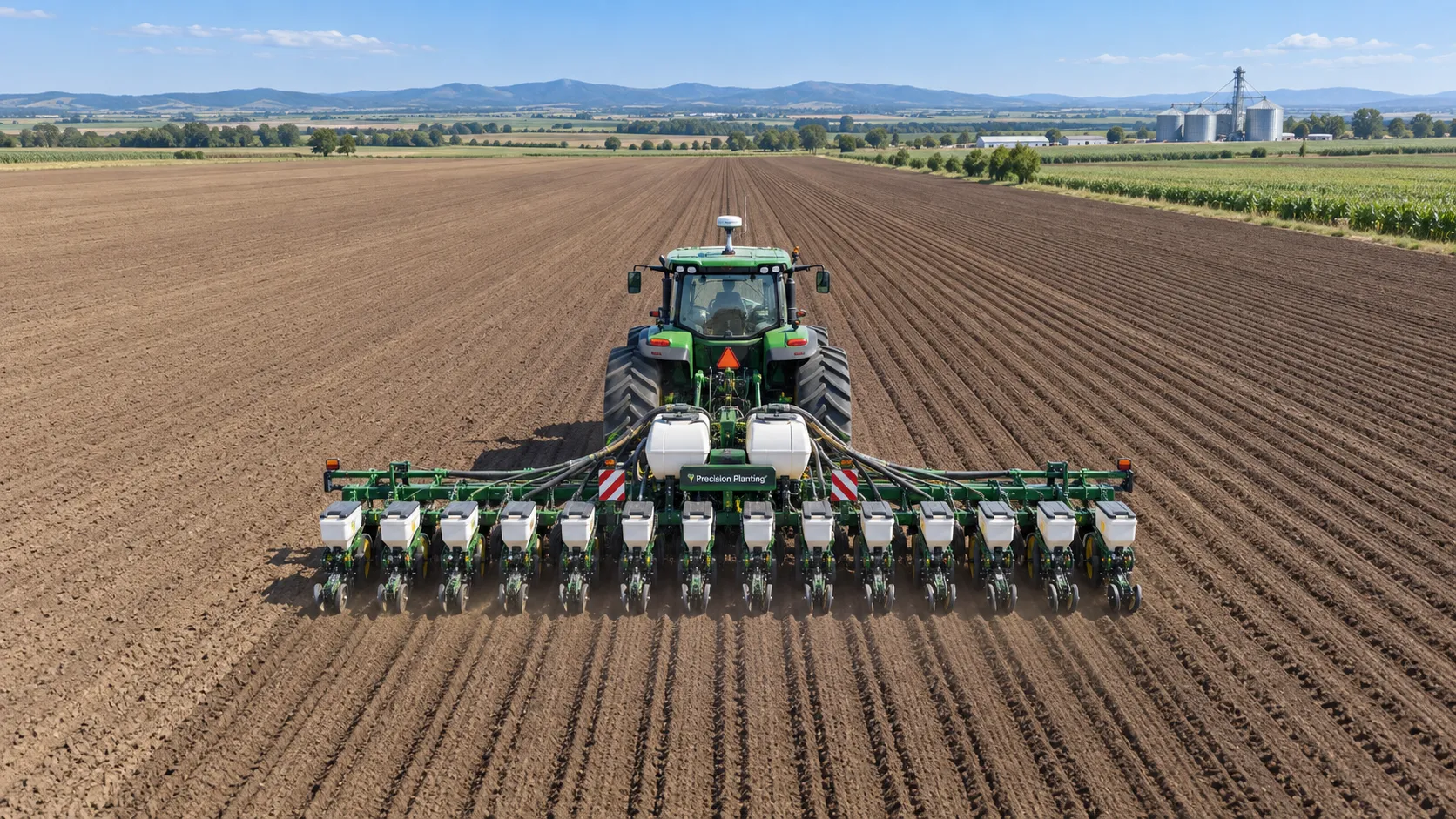
GPS-Guided Farm Machinery: Where It Delivers Measurable Field Efficiency Gains
Agri-mechanization GPS guided systems deliver measurable field efficiency gains through reduced overlap, precise planting, smarter inputs, and reliable farm data.
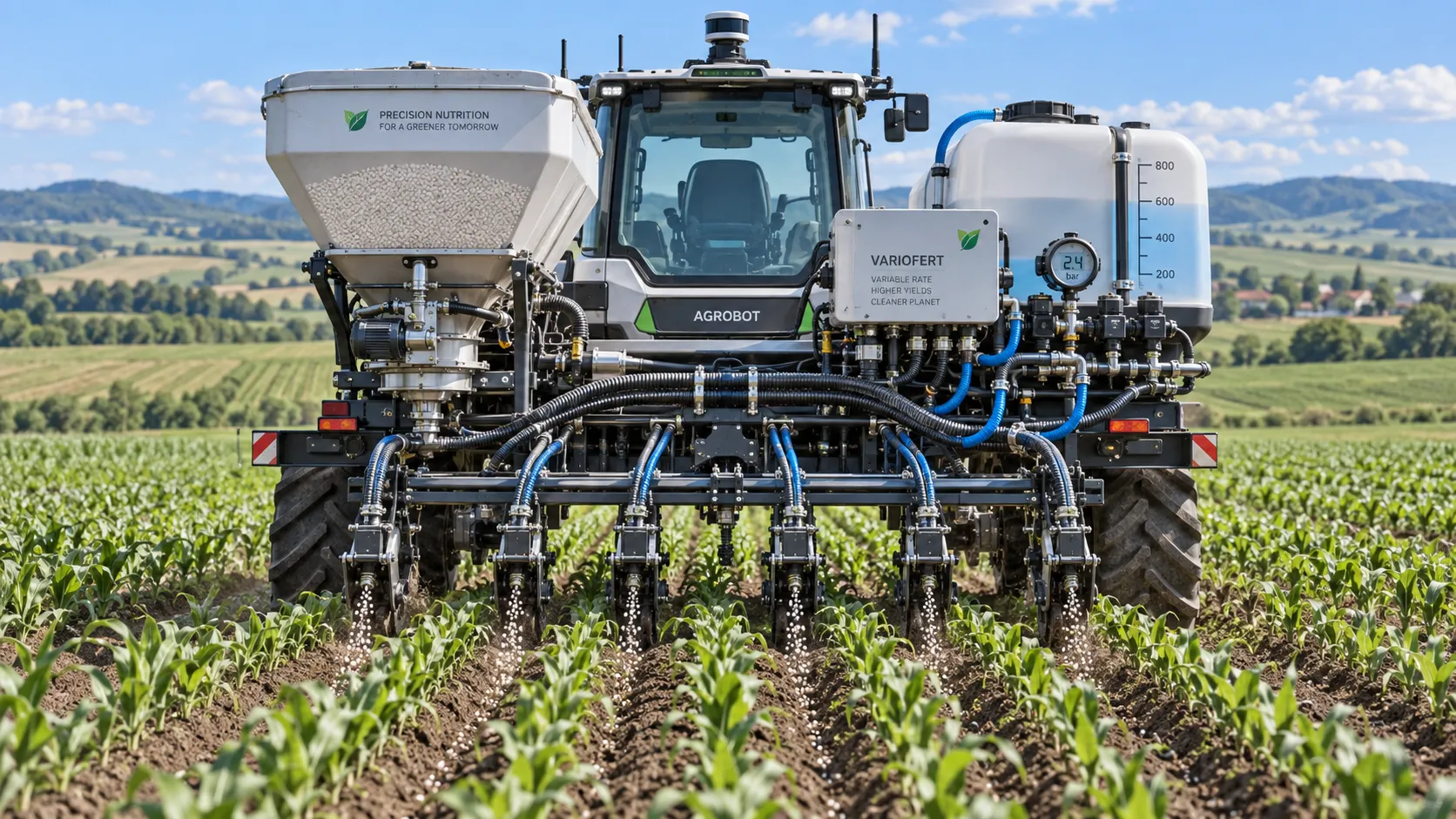
How Sensor Feedback Enables Accurate Variable-Rate Fertilization in Field Conditions
Precision fertilization systems with sensor feedback improve variable-rate accuracy by verifying flow, managing latency, and ensuring reliable field application.
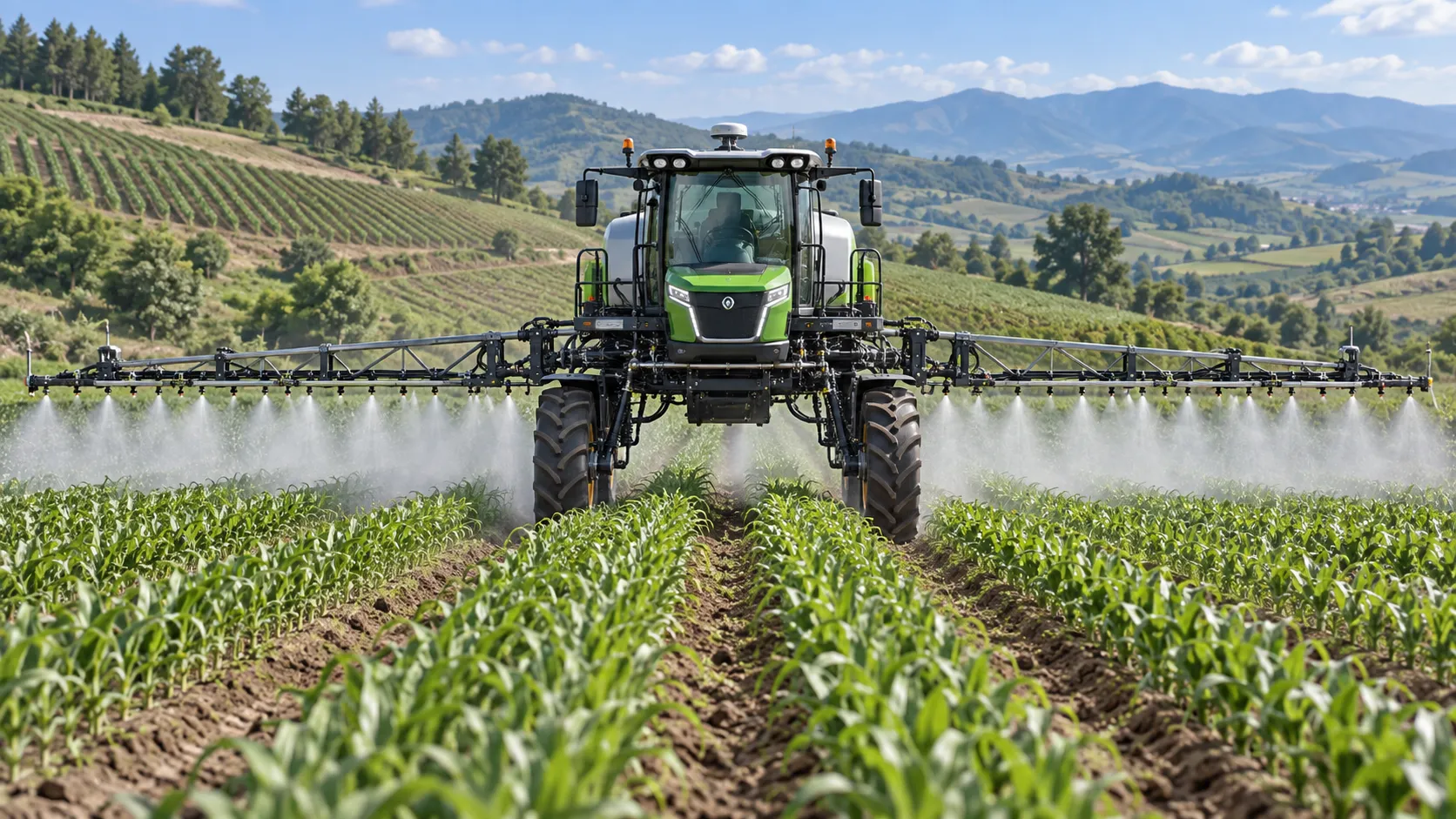
How to Select Precision Crop Protection Equipment for Variable Field Conditions
Precision crop protection equipment selection made simple: compare terrain, canopy, weather, control accuracy, and data workflows for reliable applications.
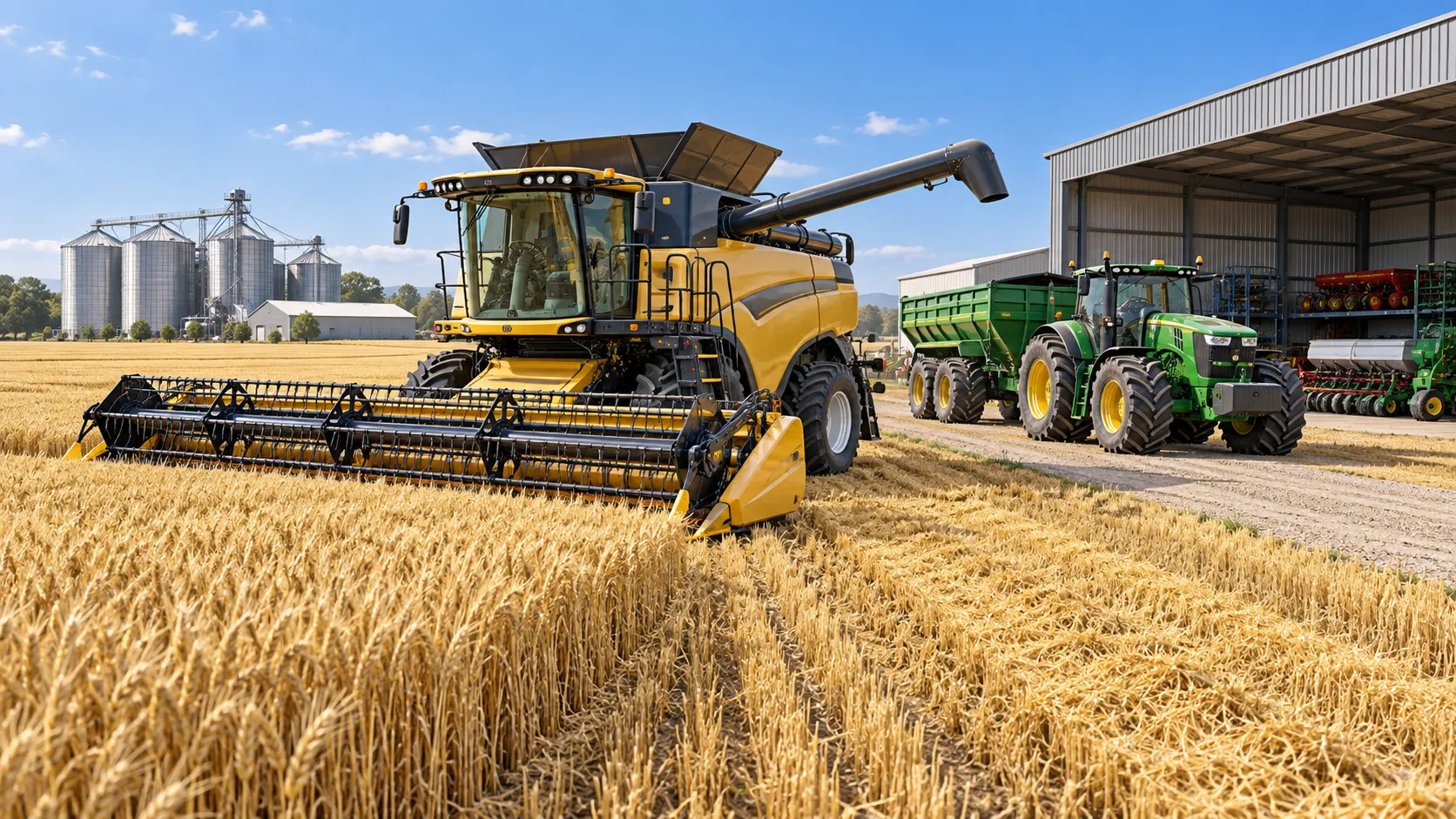
When Does Agricultural Machinery Leasing Cost Less Than Owning Equipment?
Agricultural machinery leasing can lower farm costs when use is seasonal or uncertain. Compare utilization, maintenance, cash flow, and risk to make a smarter equipment decision.
Related News
- 00
0000-00
How Sensor Feedback Enables Accurate Variable-Rate Fertilization in Field Conditions - 00
0000-00
How to Select Precision Crop Protection Equipment for Variable Field Conditions - 00
0000-00
How to Evaluate Precision Fertilization System Suppliers for Farm-Scale Deployment - 00
0000-00
How to Select a Precision Fertilization System for Variable Corn Field Conditions - 00
0000-00
When does equipment for sustainable farming justify a higher capital spend?
Popular Tags
Tractor Power Architect
Weekly Insights
Stay ahead with our curated technology reports delivered every Monday.