
Canada Enforces New CSA Certification for Drip Irrigation Logic
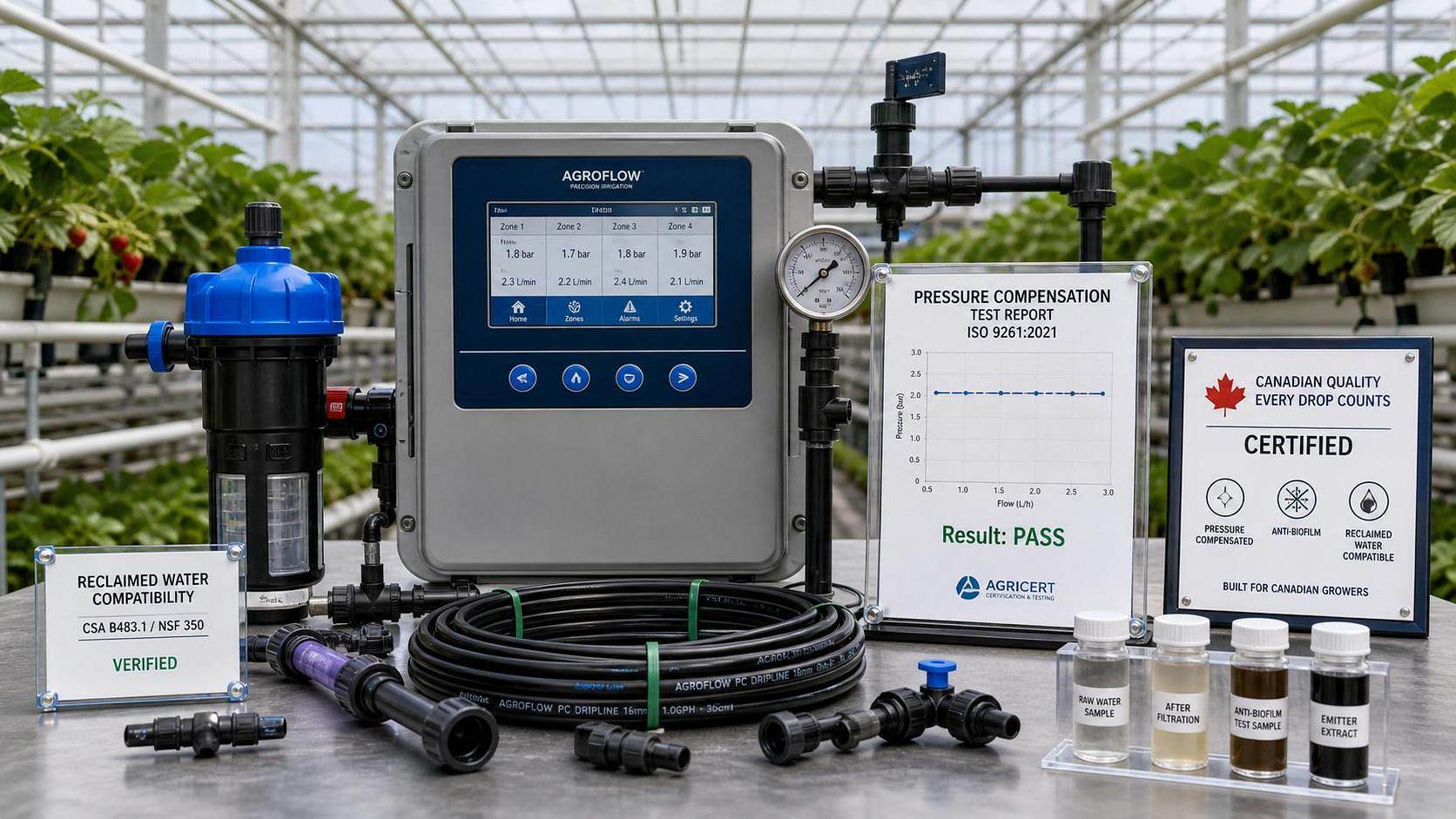




Effective July 4, 2026, Canada has put a new compliance threshold in place for imported Drip Irrigation Logic equipment by requiring certification under CAN/CSA-ISO 9001:2026-Agri. For exporters, distributors, customs-facing supply chain operators, and buyers serving the Canadian agricultural market, this is not a routine labeling update: it directly affects market access, clearance timing, and the cost of non-compliance.
What the rule now requires
According to the provided information, the Canadian Standards Association (CSA) has made the updated dual-track water-efficiency and quality certification CAN/CSA-ISO 9001:2026-Agri mandatory from July 4, 2026. The requirement applies to all imported Drip Irrigation Logic equipment.
The new rule adds three specific compliance elements: pressure compensation consistency testing, biofilm anti-clogging grading, and reclaimed water compatibility verification. Products that do not obtain the required certification may either be denied entry by Canadian customs or face a 25% compliance surcharge.
The information provided also states that the change directly affects Chinese exporters in terms of access to Canadian distribution channels and customs clearance efficiency.
Where the pressure will be felt across the chain
Export shipments now face a harder border threshold
From an industry perspective, direct trading companies are likely to feel the impact first because the rule is tied to import access. The most immediate exposure is at the shipment and customs stage, where certification status can influence whether goods are admitted or subjected to additional cost. What deserves closer attention is whether current export batches, product documentation, and customer commitments align with the new requirement now that the rule is already in force.
Manufacturing and product compliance move closer together
For manufacturers of Drip Irrigation Logic equipment, the added testing and verification items suggest that product readiness is no longer only a production issue but also a certification issue. Analysis shows that pressure compensation consistency, anti-clogging performance, and reclaimed water compatibility now matter as formal compliance points for the Canadian market. That can affect product qualification workflows, test preparation, and export scheduling.
Distributors and channel operators must reassess admissibility risk
Canadian channel partners and distribution-side operators may be affected because product entry conditions are now more explicit. The operational concern is not only whether a product can be sold, but whether it can enter the market without delay or added charges. Observably, distributors will need to pay closer attention to certification status before committing to inventory intake, replenishment, or delivery timing.
Supply chain service providers face document and timing sensitivity
Customs brokers, logistics coordinators, and other supply chain service providers may see greater pressure around file completeness and timing control. The rule connects compliance directly to border treatment, so document review, declaration preparation, and shipment sequencing become more sensitive. For these service roles, the practical issue is not technical testing itself, but whether supporting certification materials are in place when goods move.
What companies should review now
Check whether affected products fall within the mandatory scope
Companies handling Drip Irrigation Logic equipment for Canada should first confirm which imported products are covered by the new certification requirement. The key practical question is whether all relevant items intended for the Canadian market are already aligned with CAN/CSA-ISO 9001:2026-Agri, rather than assuming previous compliance arrangements remain sufficient.
Re-examine certification files against the newly added test items
Analysis shows that the new pressure points are the added compliance clauses: pressure compensation consistency testing, biofilm anti-clogging grading, and reclaimed water compatibility verification. Businesses should focus on whether their current technical files and certification materials clearly address these items, because the rule change is tied to admissibility and surcharge risk.
Prepare for customs and delivery disruption scenarios
What deserves closer attention is the gap between a policy requirement and its operational execution. Even when commercial demand remains unchanged, shipments may still face entry refusal or added cost if certification is incomplete. Exporters, logistics teams, and channel partners should therefore review customs documentation readiness, delivery lead-time assumptions, and contingency arrangements for goods already planned for Canada.
Align customer communication with compliance status
For companies supplying Canadian distributors or buyers, customer communication now becomes a practical control point. The issue is not general relationship management, but whether counterparties understand the certification status of each shipment and the possible implications for clearance timing and landed cost. This is especially relevant where channel access depends on uninterrupted import flow.
Why this reads as more than a routine standards update
Analysis shows that this development is better understood as an immediate market-access requirement rather than a distant policy signal, because the rule is already in effect and carries explicit border and cost consequences. At the same time, it is also a broader compliance signal: the new clauses indicate that water-efficiency and quality-related performance checks are becoming more specific in how imported agricultural irrigation equipment is assessed.
Observably, the current information does not support broader claims about market size, long-term pricing impact, or how quickly all exporters will adapt. What it does support is a clear conclusion that certification status has become a more direct commercial factor for companies shipping Drip Irrigation Logic equipment into Canada.
How to interpret the development at this stage
At this stage, it is more appropriate to understand the rule as a confirmed compliance change with immediate operational implications, while some downstream business effects still require continued observation. The confirmed part is the mandatory certification requirement, the added testing and verification items, and the risk of customs refusal or a 25% compliance surcharge for uncertified products. The variable part is how individual exporters, distributors, and service providers adjust their processes in response.
For industry participants, the practical significance lies in market entry discipline rather than headline impact. Companies connected to Canada-bound Drip Irrigation Logic trade should treat this as a live execution issue affecting qualification, documentation, shipment planning, and channel continuity.
Basis of this article
This article is based on the user-provided news title, event date, and event summary. The content has been written from the confirmed information that, from July 4, 2026, CSA requires imported Drip Irrigation Logic equipment to comply with CAN/CSA-ISO 9001:2026-Agri, with added provisions covering pressure compensation consistency testing, biofilm anti-clogging grading, and reclaimed water compatibility verification, alongside the stated customs refusal or 25% compliance surcharge consequences for uncertified products.
For this type of industry update, relevant source categories would usually include official notices, standards organization documents, company disclosures, industry association updates, and reporting by authoritative trade media. A specific official source link was not provided in the input, so further verification remains necessary. Continued attention should focus on any subsequent official clarification, implementation wording, and practical customs enforcement details related to the certification requirement.
Related News
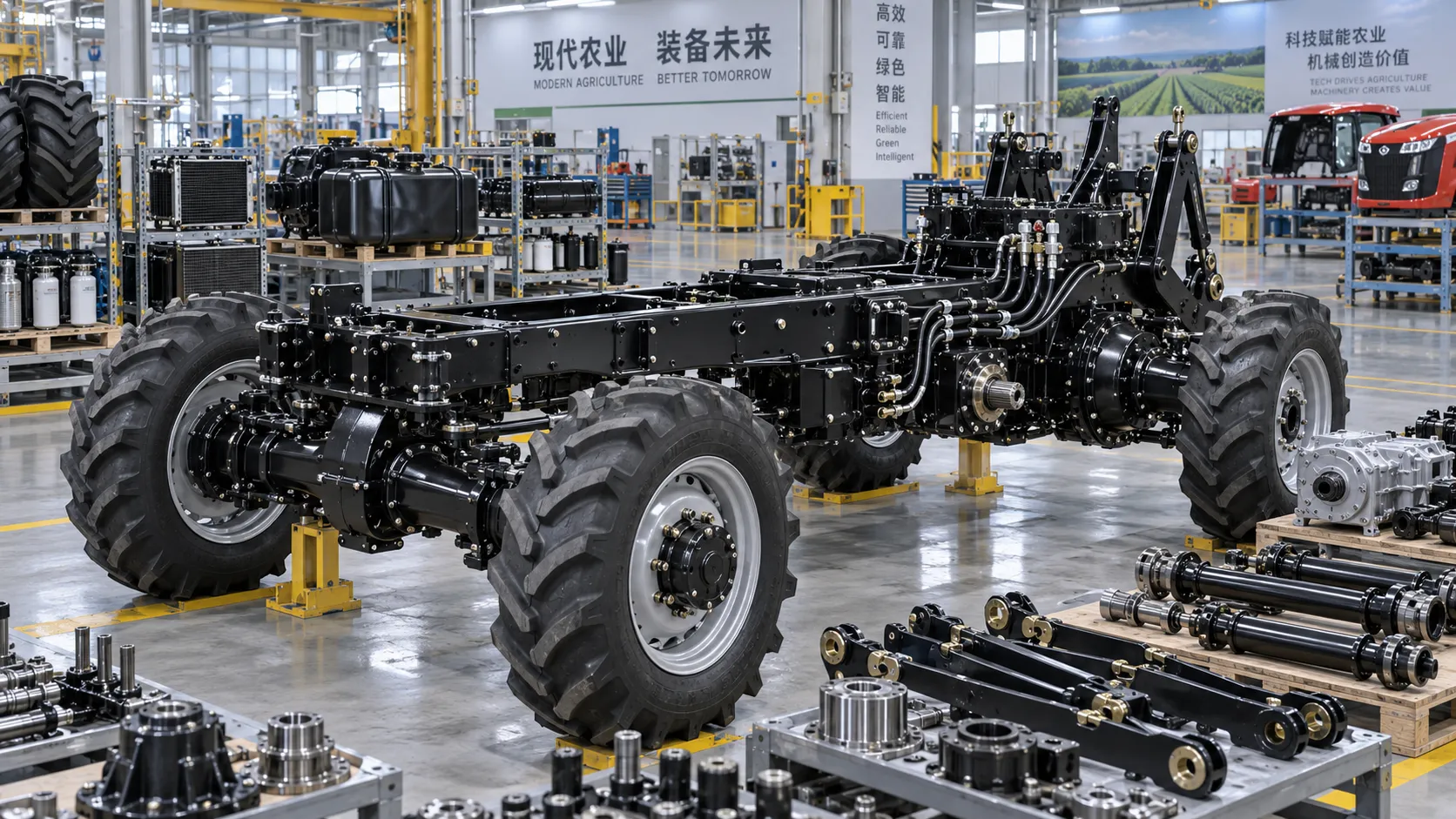
Tractor Chassis Price: What Buyers Should Compare Beyond the Initial Quote
Tractor chassis price is only the start. Compare load capacity, compatibility, durability, and lifecycle costs to choose a reliable, high-value chassis.
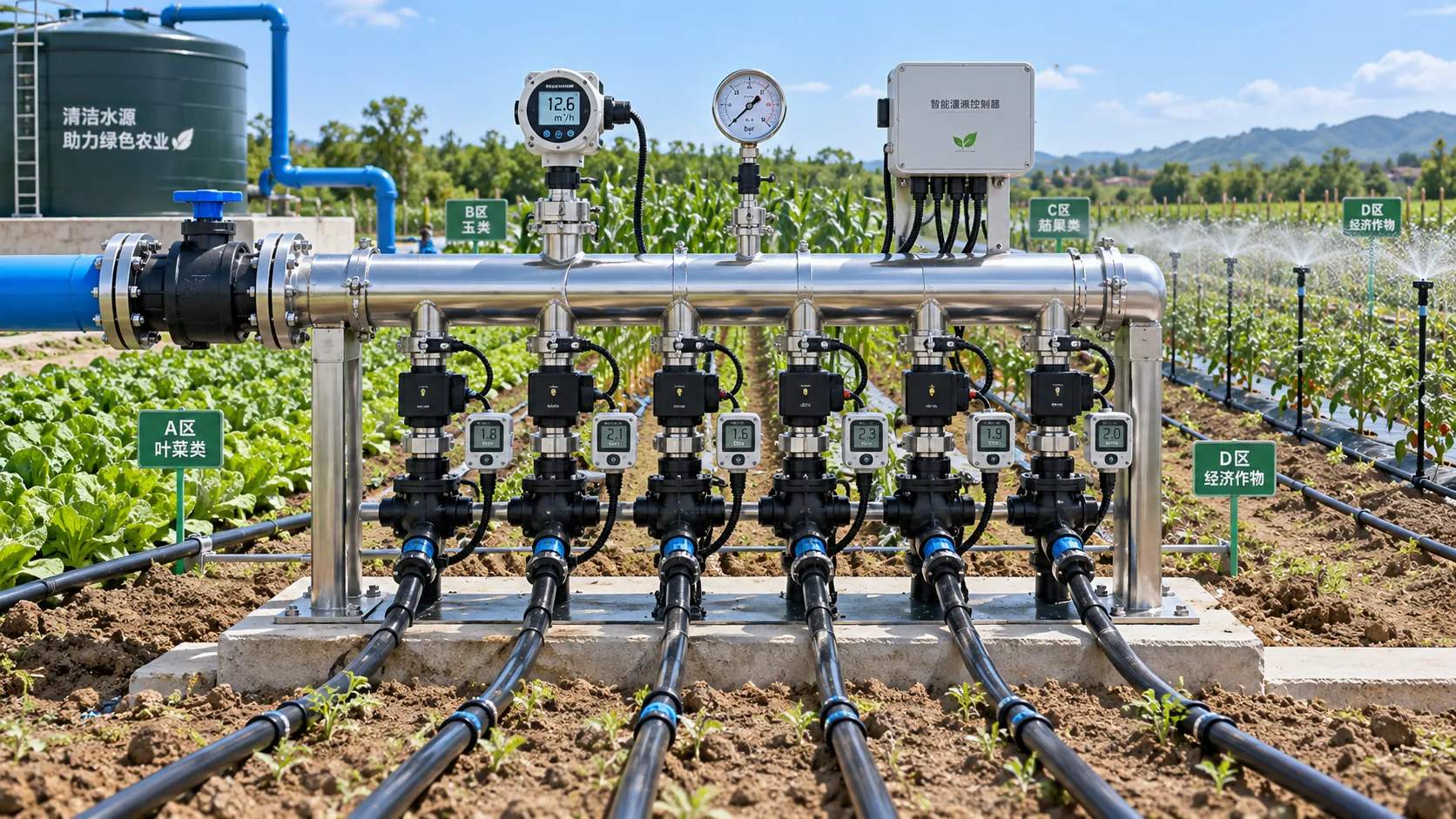
How to Select Smart Irrigation Valves for Multi-Zone Water Management?
Intelligent irrigation systems valves: learn how to match smart valves with multi-zone flow, pressure, control, feedback, and communication needs for reliable water management.
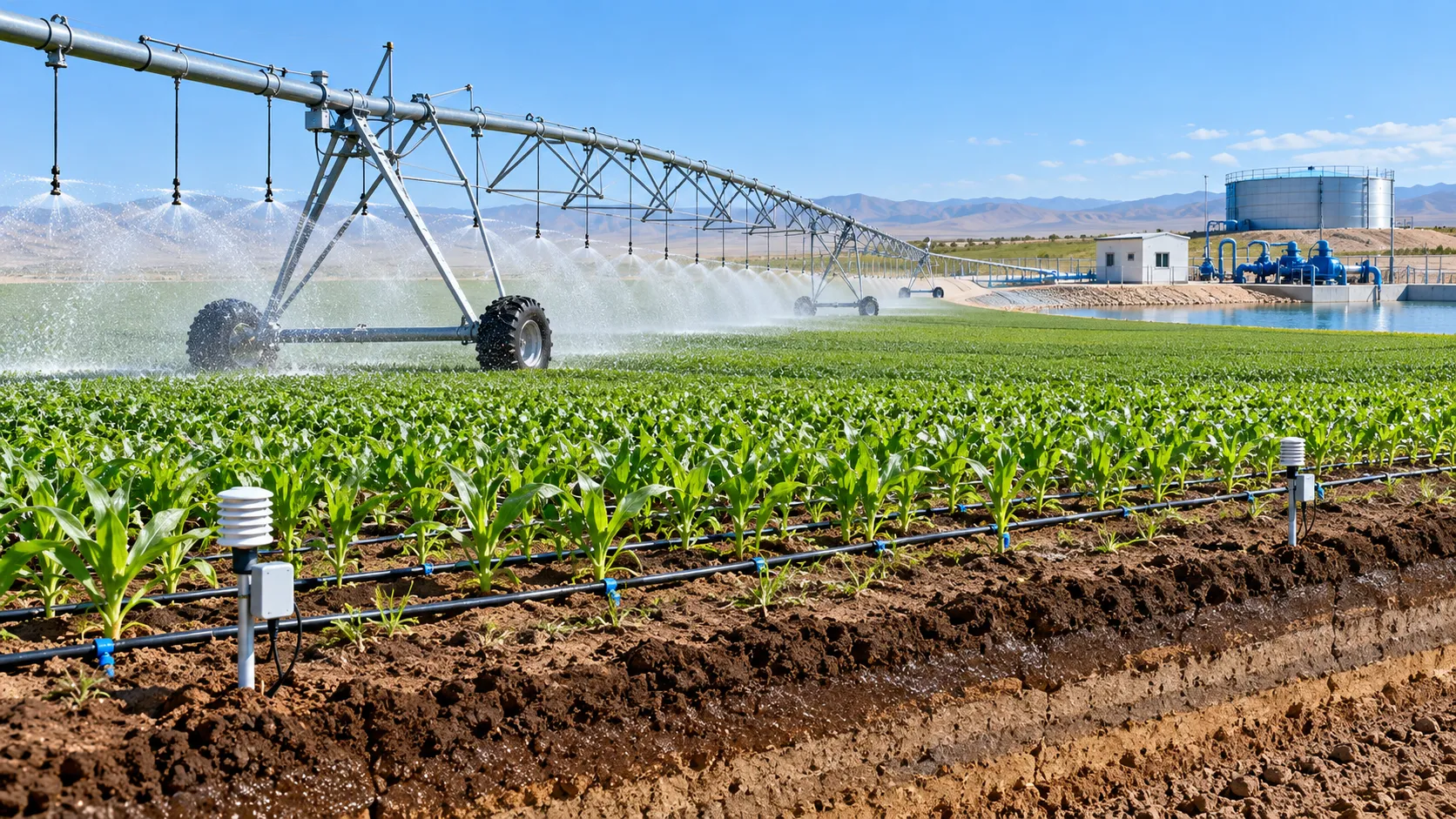
Climate-Smart Farming for Drought: A Practical Plan for Protecting Yields
Climate-smart farming for drought: build smarter water budgets, protect critical crop stages, improve irrigation uniformity, and safeguard yields with practical field-proven strategies.
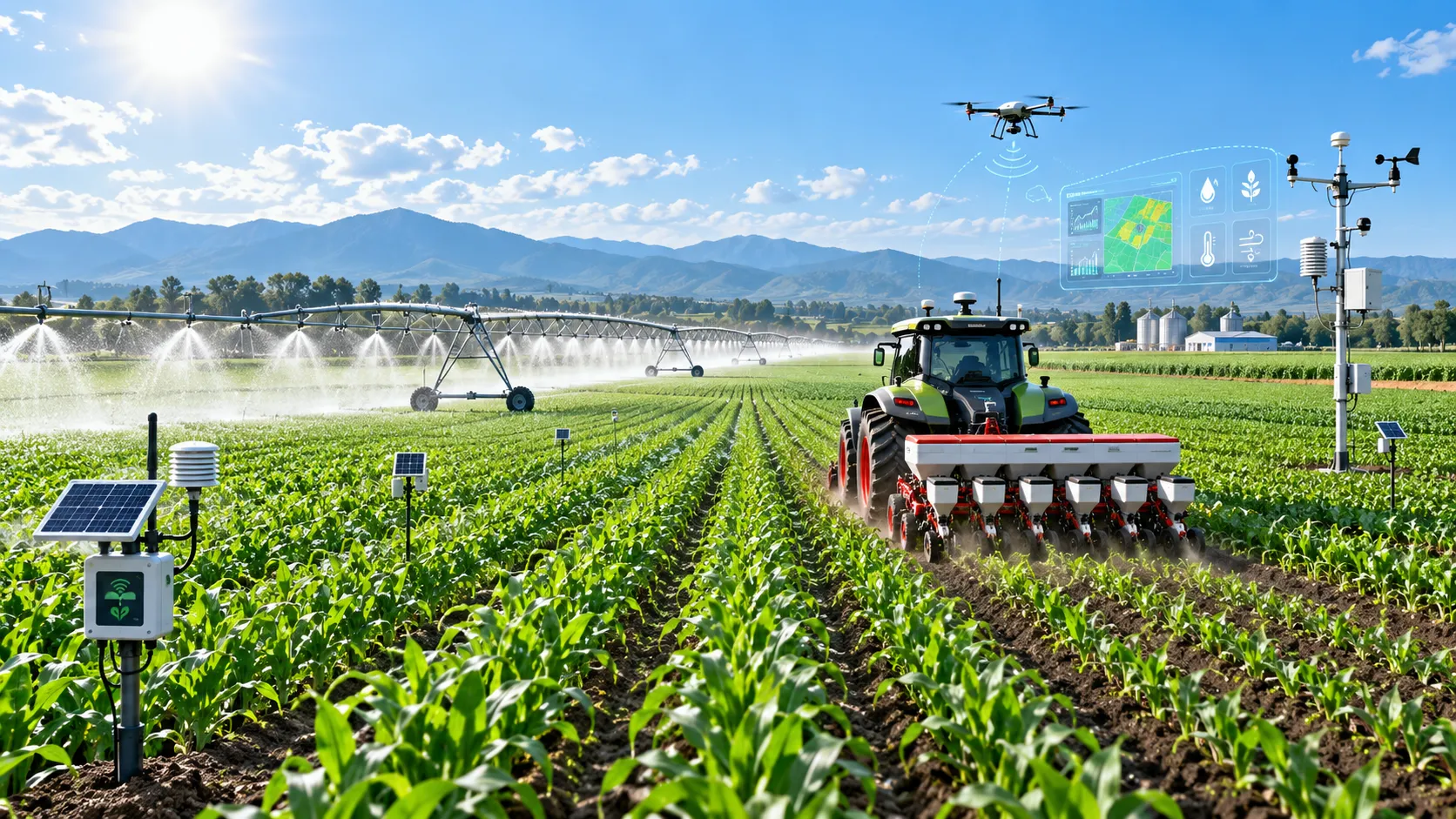
How Digital Agriculture Platforms Turn Field Data Into Better Input Decisions
Digital agriculture platforms turn field data into smarter fertilizer, water, seed, and equipment decisions—helping farms cut risk, improve margins, and scale sustainability.
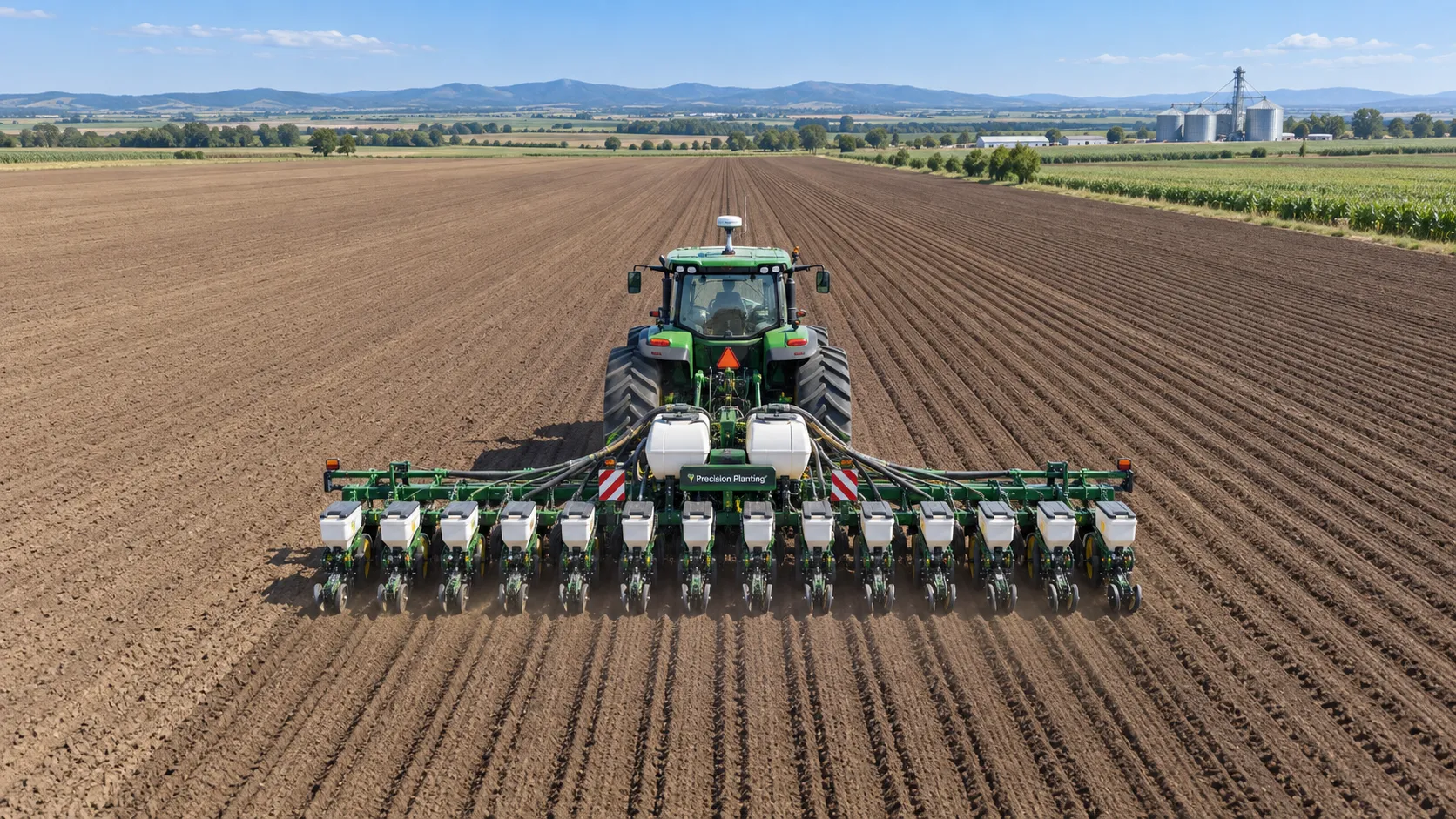
GPS-Guided Farm Machinery: Where It Delivers Measurable Field Efficiency Gains
Agri-mechanization GPS guided systems deliver measurable field efficiency gains through reduced overlap, precise planting, smarter inputs, and reliable farm data.
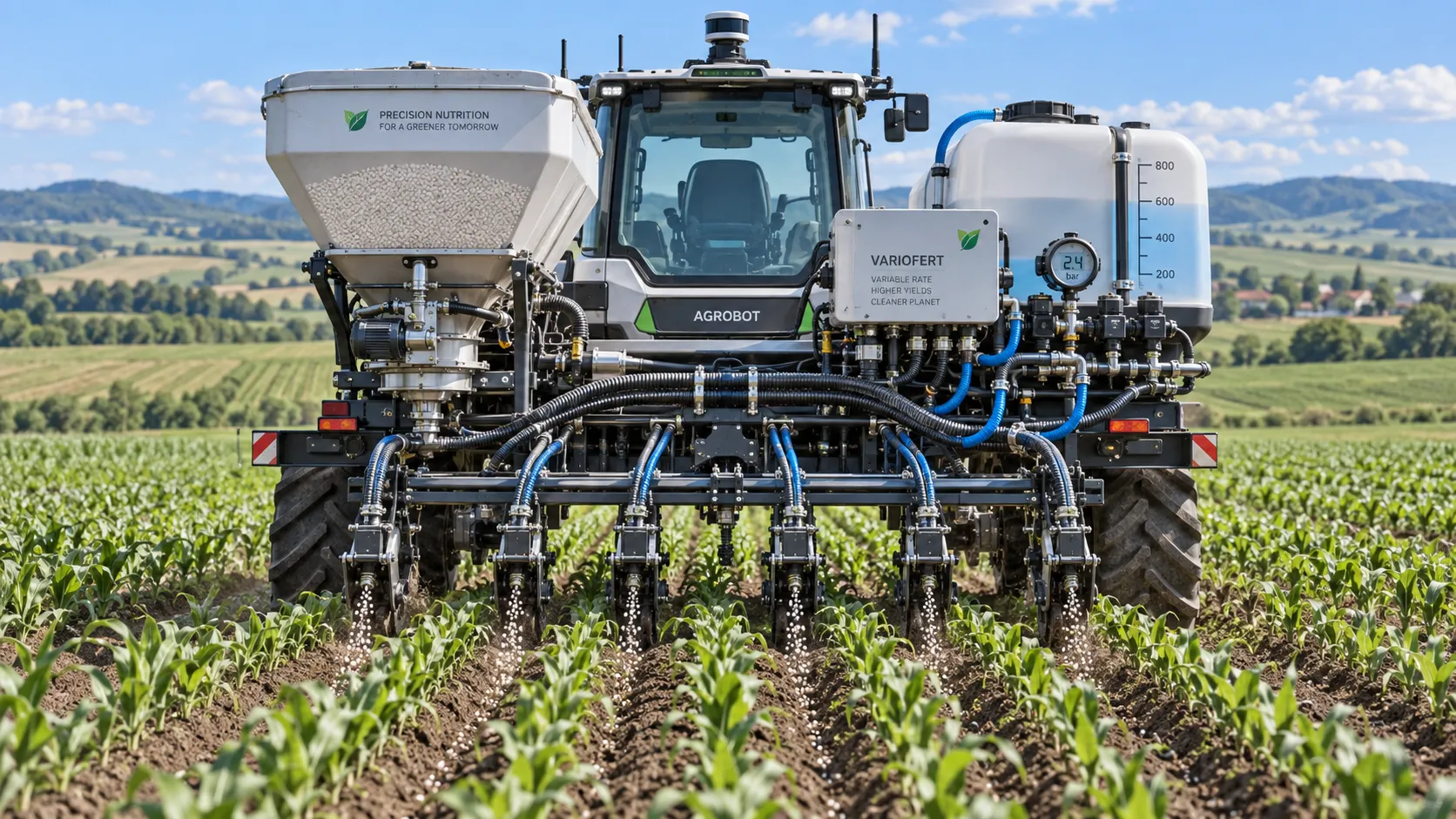
How Sensor Feedback Enables Accurate Variable-Rate Fertilization in Field Conditions
Precision fertilization systems with sensor feedback improve variable-rate accuracy by verifying flow, managing latency, and ensuring reliable field application.
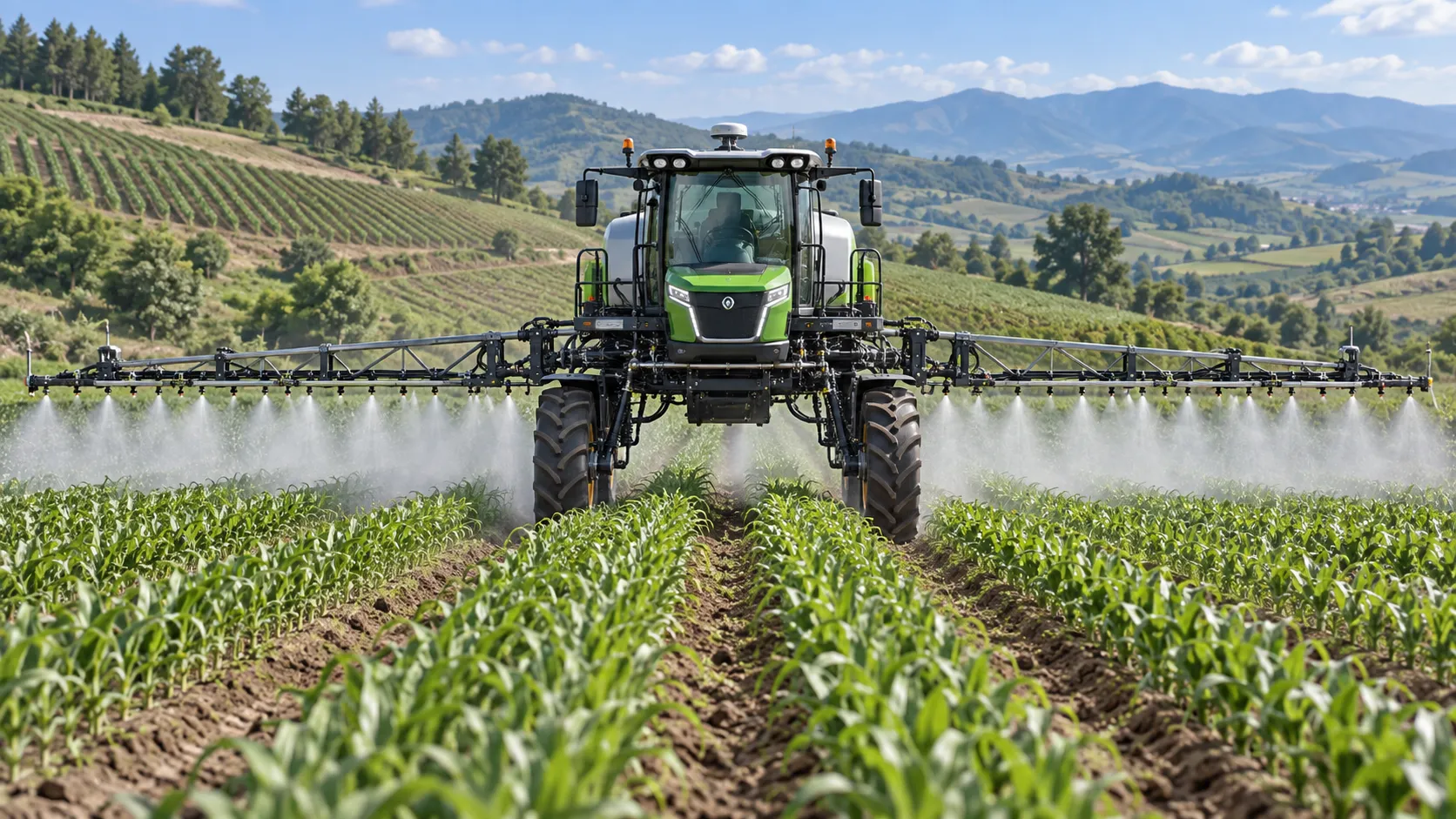
How to Select Precision Crop Protection Equipment for Variable Field Conditions
Precision crop protection equipment selection made simple: compare terrain, canopy, weather, control accuracy, and data workflows for reliable applications.

When Does Agricultural Machinery Leasing Cost Less Than Owning Equipment?
Agricultural machinery leasing can lower farm costs when use is seasonal or uncertain. Compare utilization, maintenance, cash flow, and risk to make a smarter equipment decision.

How to Evaluate Precision Fertilization System Suppliers for Farm-Scale Deployment
Precision fertilization systems suppliers: learn how to compare accuracy, integration, uptime, service, and total cost for confident farm-scale deployment.
Related News
- 00
0000-00
How to Select Smart Irrigation Valves for Multi-Zone Water Management? - 00
0000-00
Automated Water-Saving Irrigation: How to Cut Water Use Without Reducing Crop Yields - 00
0000-00
How to Evaluate Drip Irrigation System Manufacturers for Large Farm Projects - 00
0000-00
Wireless Agricultural Automation for Remote Irrigation and Field Monitoring - 00
0000-00
Designing Water-Saving Drip Irrigation Systems for High-Value Orchards
Popular Tags
Hydrological Resource Strategist
Weekly Insights
Stay ahead with our curated technology reports delivered every Monday.