
EU Revises EN 15439:2026 for AI-Verified Drip Irrigation Logic





On July 5, 2026, CEN released a revised version of EN 15439:2026 that adds a new requirement for dynamic water-efficiency logic verification in drip irrigation controllers. The update is relevant not only to manufacturers of drip irrigation logic, but also to exporters, importers, compliance teams, AI-related service providers, and buyers serving the EU market, because it links product conformity more directly to how controllers process soil moisture data and adjust irrigation prescription maps in real time.
What the revised standard now requires
According to the information provided, the revised EN 15439:2026 introduces Clause 7.3, titled dynamic water-efficiency logic verification. Under this revision, drip irrigation controllers must integrate a CE-recognized AI algorithm, respond in real time to soil moisture sensor inputs, and automatically correct irrigation prescription maps.
The new rule is scheduled to become mandatory on October 1, 2026. During the transition period, products exported to the EU must provide a third-party AI model traceability report.
Where the impact is likely to be felt first
Product design and manufacturing workflows
From an industry perspective, manufacturers of drip irrigation controllers are the most directly affected because the revision changes the compliance baseline for the product itself. The impact is likely to appear in controller design, embedded logic validation, sensor-response testing, and technical documentation tied to market access.
EU-bound trade and export operations
Direct trade companies and export teams may also face immediate pressure during the transition period. The reason is straightforward: products shipped to the EU will need third-party AI model traceability reports, so shipment planning, documentation readiness, and communication with distributors or importers may become more sensitive points in the transaction process.
Compliance, testing, and supporting service roles
Service providers involved in conformity preparation, technical assessment, and document management may see a more active role as companies try to align AI-related materials with the revised standard. What deserves closer attention is that the requirement is not limited to hardware performance alone; it now also touches the traceability and recognized status of the AI element used in the controller logic.
Procurement and downstream buyers
Buyers sourcing drip irrigation controllers for EU-facing business may need to reassess supplier qualification criteria. The likely impact is not only on product selection, but also on lead times, acceptance checks, and the review of supporting files before procurement decisions are finalized.
What companies should review now
Check whether the AI component can be evidenced clearly
Analysis shows that one practical issue is whether the AI algorithm integrated into the controller can be documented in a way that supports CE-recognized status and third-party traceability expectations. Companies involved in design, sourcing, or export should verify what evidence is already available and what may still be missing.
Separate standard language from shipment readiness
What deserves closer attention is the difference between the wording of the revised standard and actual readiness for market delivery. A product may appear technically aligned in concept, yet still face friction if the traceability report, supporting model records, or related compliance files are incomplete during the transition period.
Review supplier and partner communication early
For businesses relying on external algorithm providers, contract manufacturers, or component partners, the immediate task is often less about broad strategy and more about information flow. Companies should clarify who holds the relevant model records, who is responsible for third-party reporting support, and how quickly those materials can be prepared for EU-bound orders.
Watch for further clarification around implementation
Observably, this revision creates a new compliance direction, but businesses should continue to monitor how official wording, market interpretation, and documentation practices are expressed in follow-up materials. That is especially relevant for teams managing customer commitments, delivery schedules, and technical declarations.
Why this reads as more than a narrow technical revision
Analysis shows that this development can be read as a signal that functional logic inside irrigation control products is receiving more direct scrutiny within standard-setting. Based on the information provided, it is more appropriate to understand this as a concrete compliance change with broader implications for product documentation and validation, rather than as a purely theoretical policy signal.
At the same time, it would be premature to treat every downstream business effect as settled fact. Several practical consequences, such as how different market participants interpret traceability expectations in day-to-day transactions, still require observation.
How to interpret the development at this stage
At this stage, the revision to EN 15439:2026 is best understood as an immediate operational issue for EU-facing drip irrigation controller business, and as a longer-term signal that AI-enabled control logic is moving closer to the center of product conformity review. The clearest near-term takeaway is that companies linked to design, export, procurement, and compliance should focus on implementation details, document readiness, and supply-chain coordination rather than assuming the change is limited to technical wording alone.
Basis of this article and points for continued verification
This article is based on the user-provided news title, event date, and event summary. For developments of this kind, relevant source categories often include official announcements, standard organization documents, industry association releases, company statements, and reporting by authoritative trade media.
No specific official source link was provided in the input, so the exact official document path still needs ongoing verification. Continued attention should focus on any further official clarification related to implementation language, transition-period documentation expectations, and how third-party AI model traceability reporting is applied in practice.
Related News
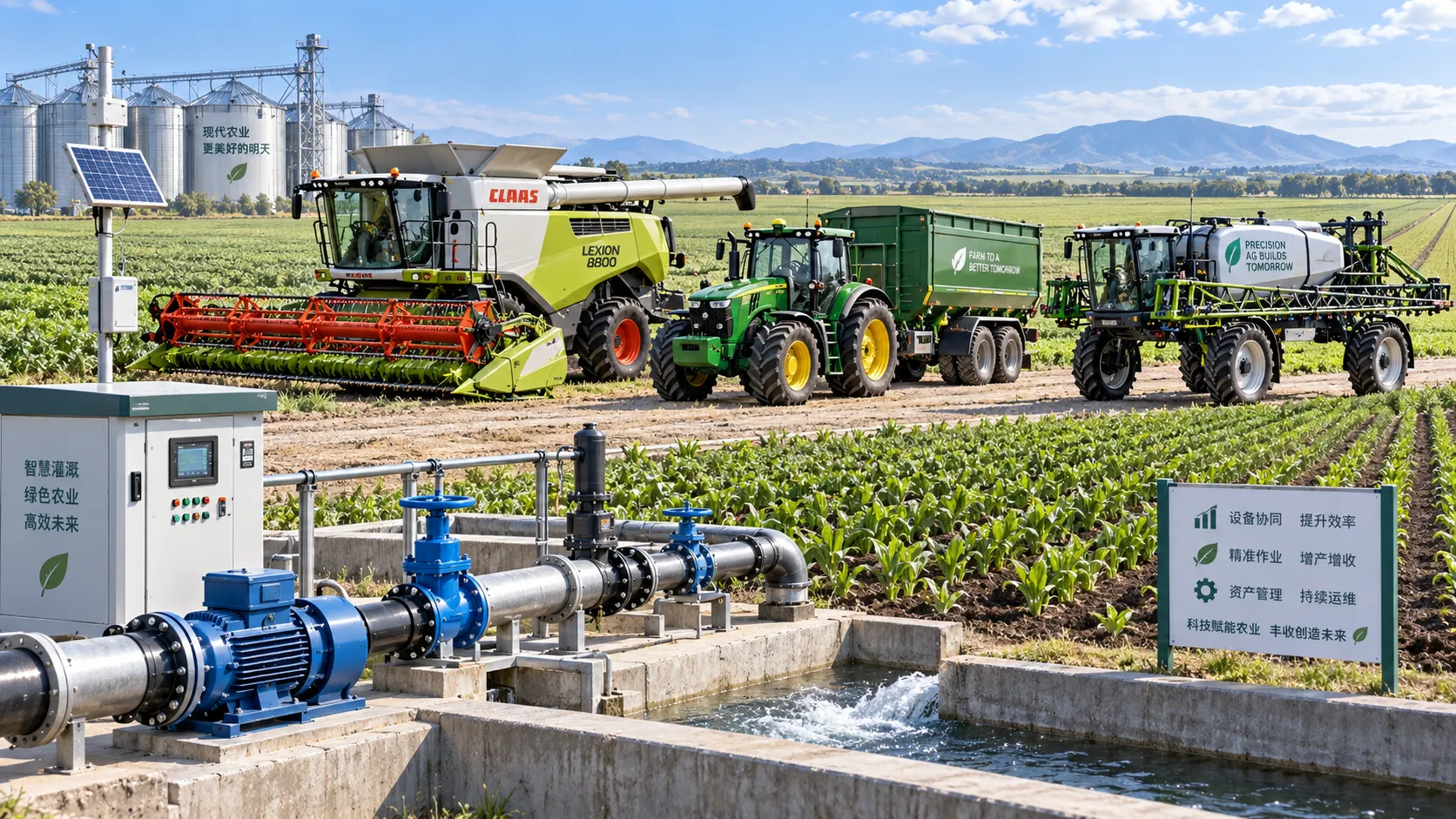
How to Compare Agricultural Equipment Platforms for Fleet Management and ROI
Agricultural equipment platform comparison: evaluate fleet data, maintenance, precision workflows, and ROI to choose a system that delivers measurable results.
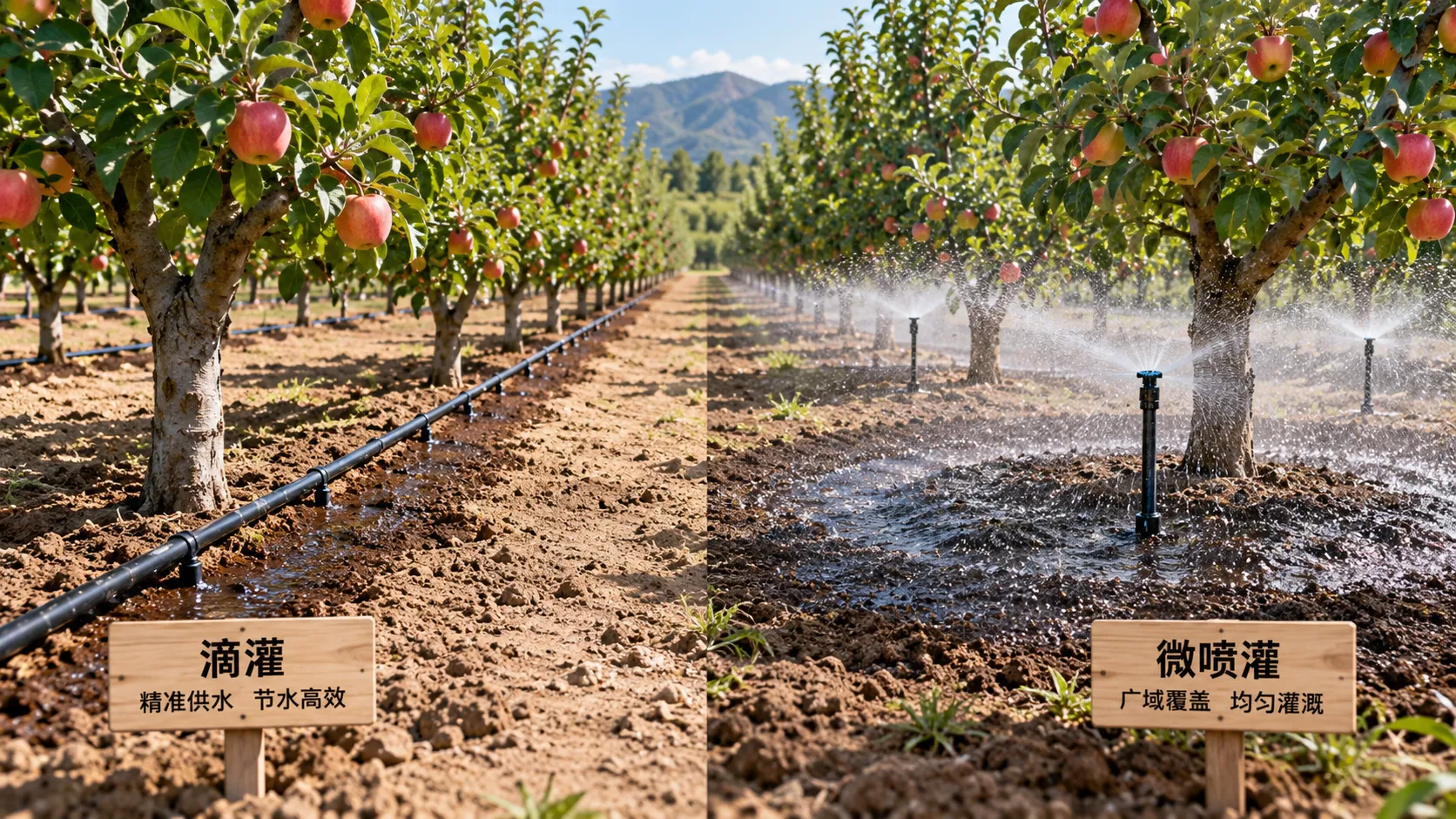
Drip vs. Micro-Sprinkler Irrigation: Which System Fits Your Orchard?
Irrigation solution comparison for orchards: discover whether drip or micro-sprinklers best match your water, soil, roots, fertigation, and frost needs.
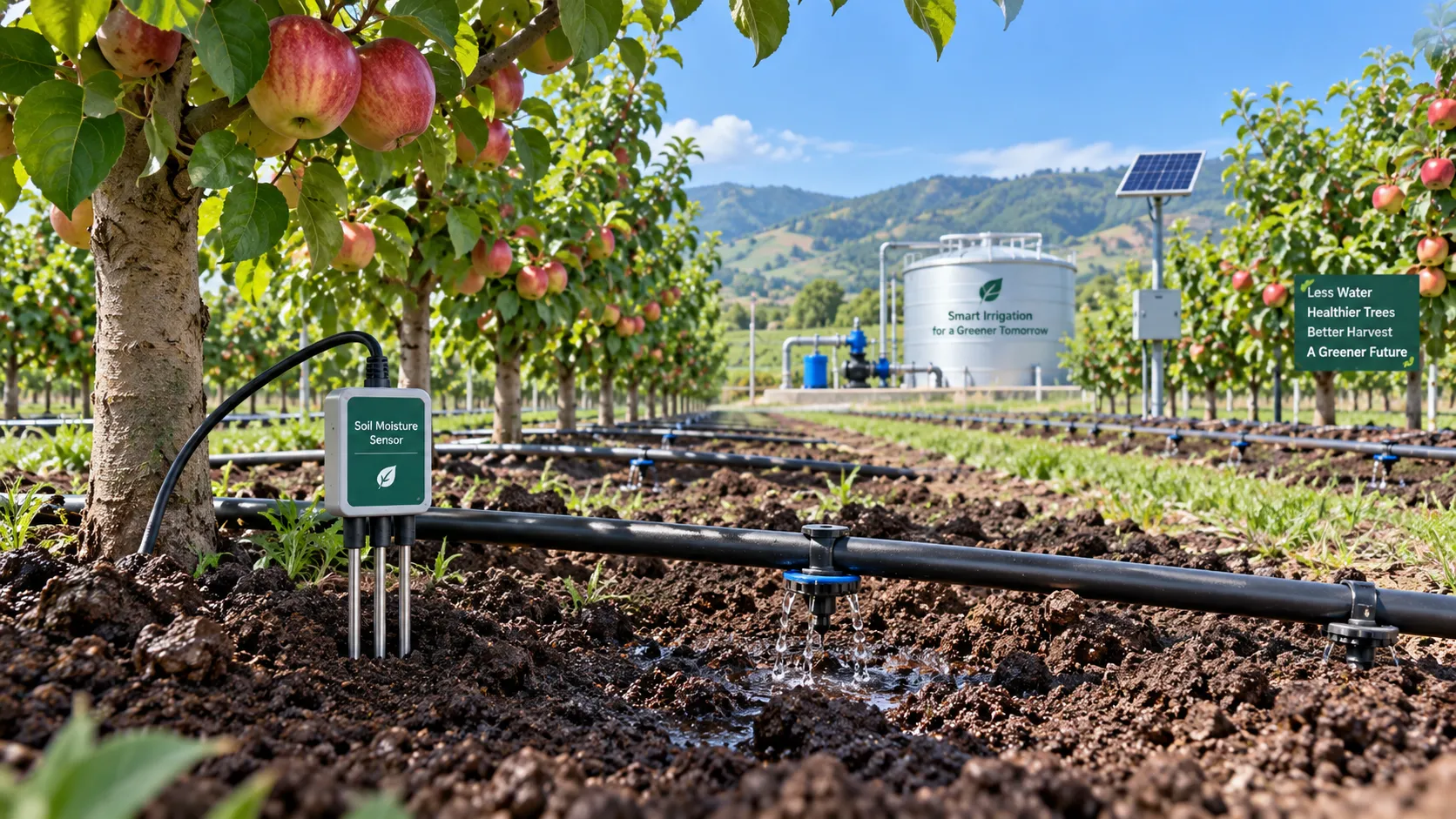
Orchard Water Management: Using Soil Moisture Data to Schedule Irrigation
Agricultural water management for orchards made practical: use soil moisture data to optimize irrigation timing, protect yield, reduce costs, and improve resilience.
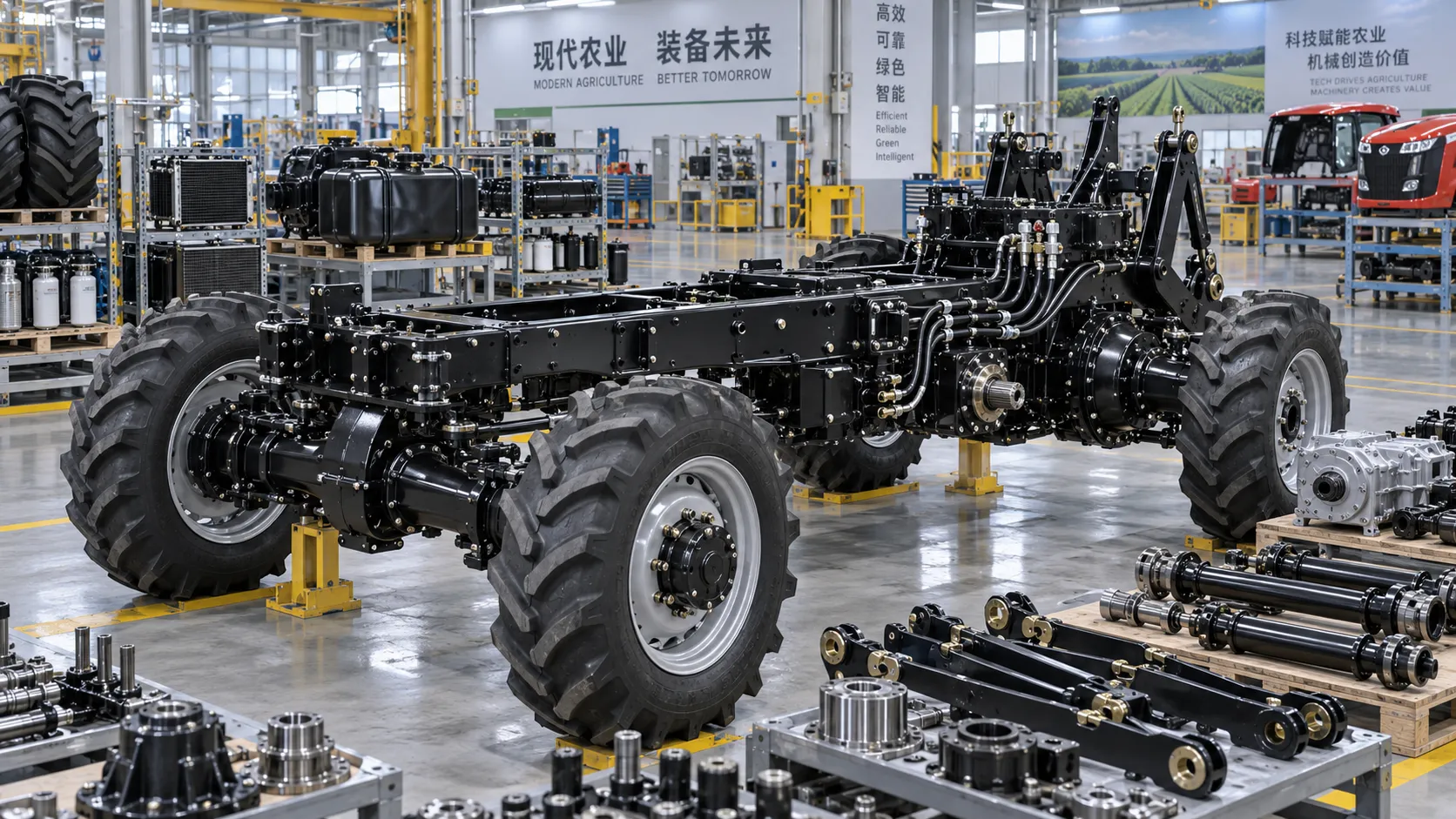
Tractor Chassis Price: What Buyers Should Compare Beyond the Initial Quote
Tractor chassis price is only the start. Compare load capacity, compatibility, durability, and lifecycle costs to choose a reliable, high-value chassis.
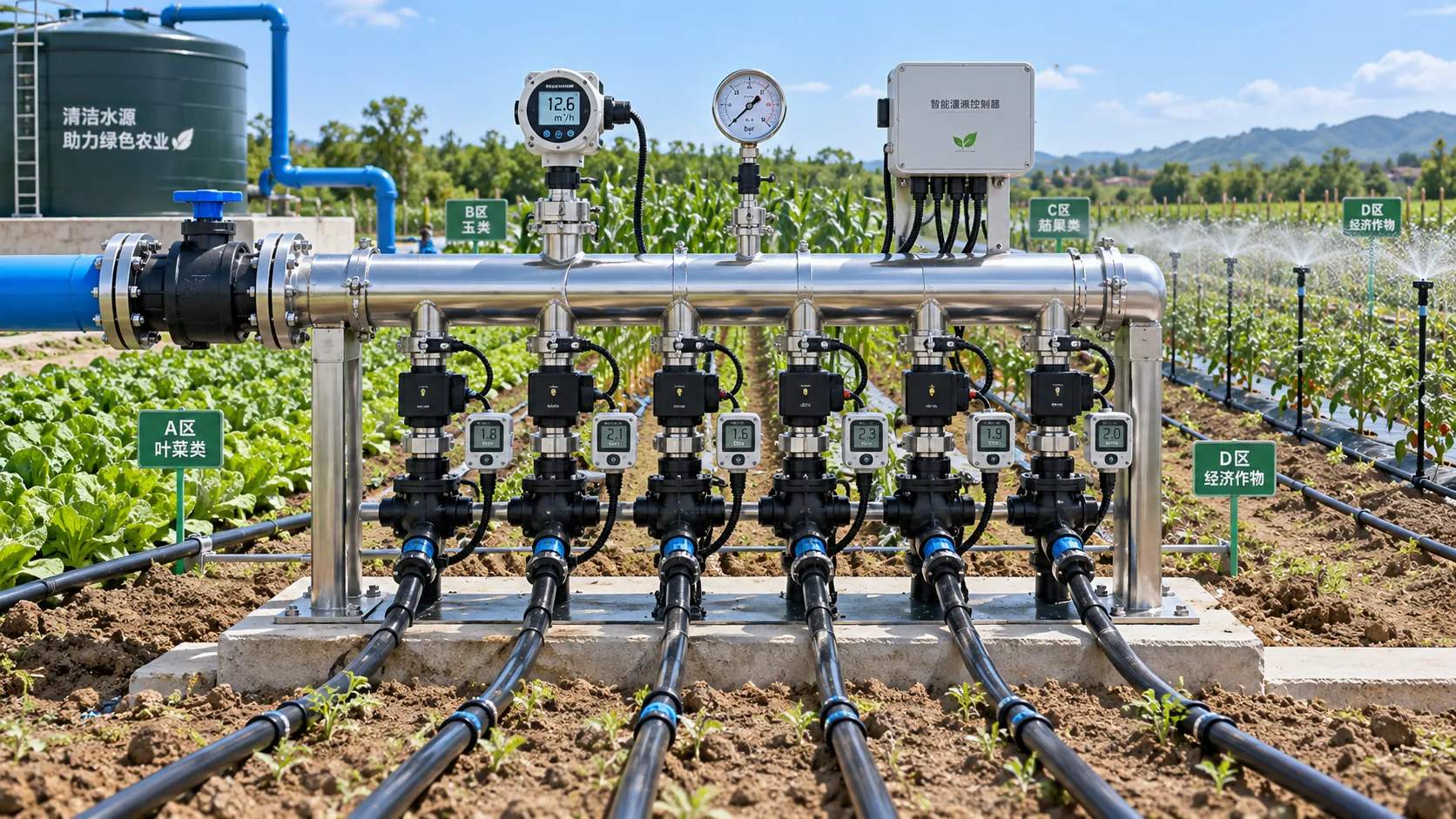
How to Select Smart Irrigation Valves for Multi-Zone Water Management?
Intelligent irrigation systems valves: learn how to match smart valves with multi-zone flow, pressure, control, feedback, and communication needs for reliable water management.
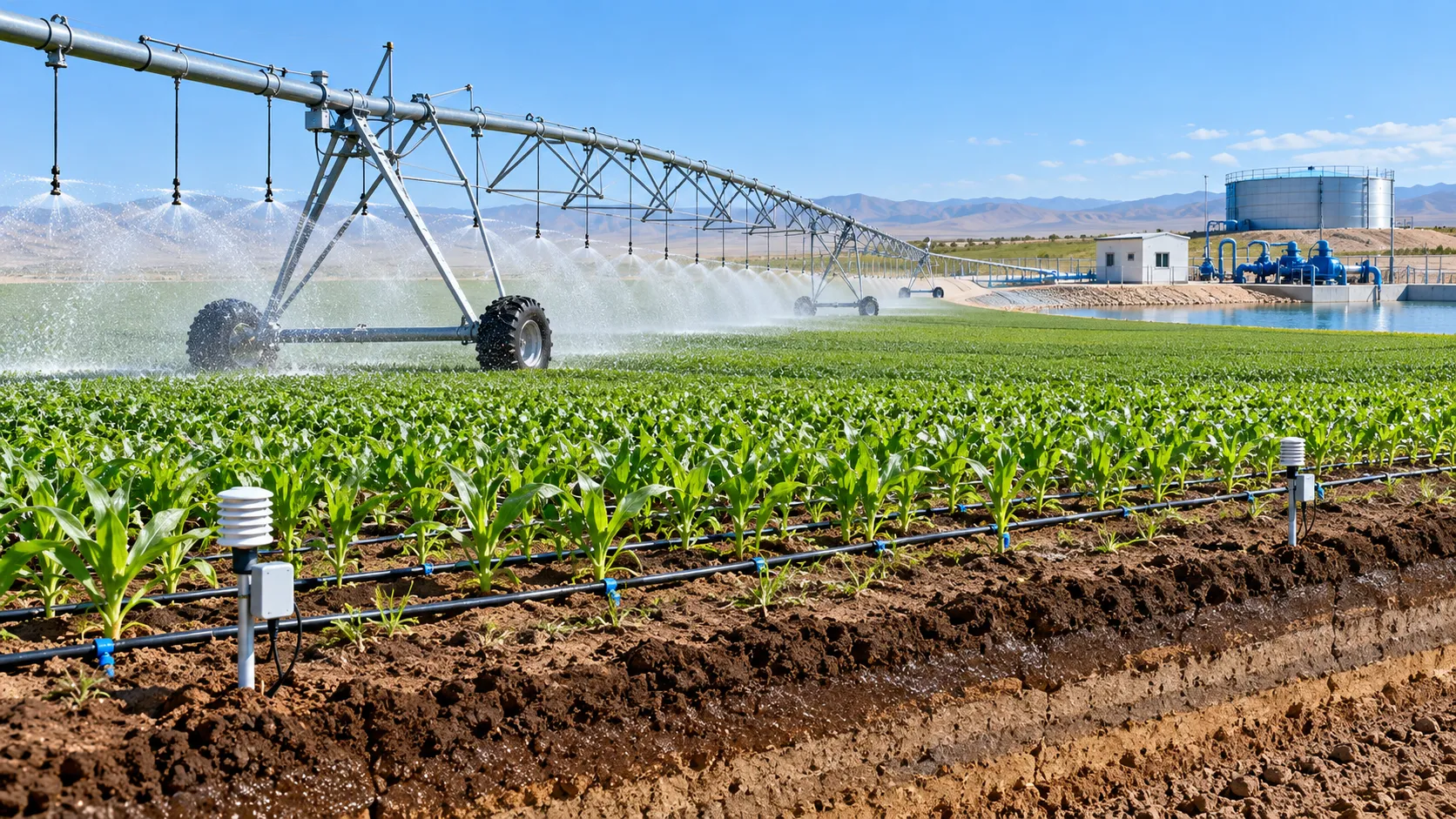
Climate-Smart Farming for Drought: A Practical Plan for Protecting Yields
Climate-smart farming for drought: build smarter water budgets, protect critical crop stages, improve irrigation uniformity, and safeguard yields with practical field-proven strategies.
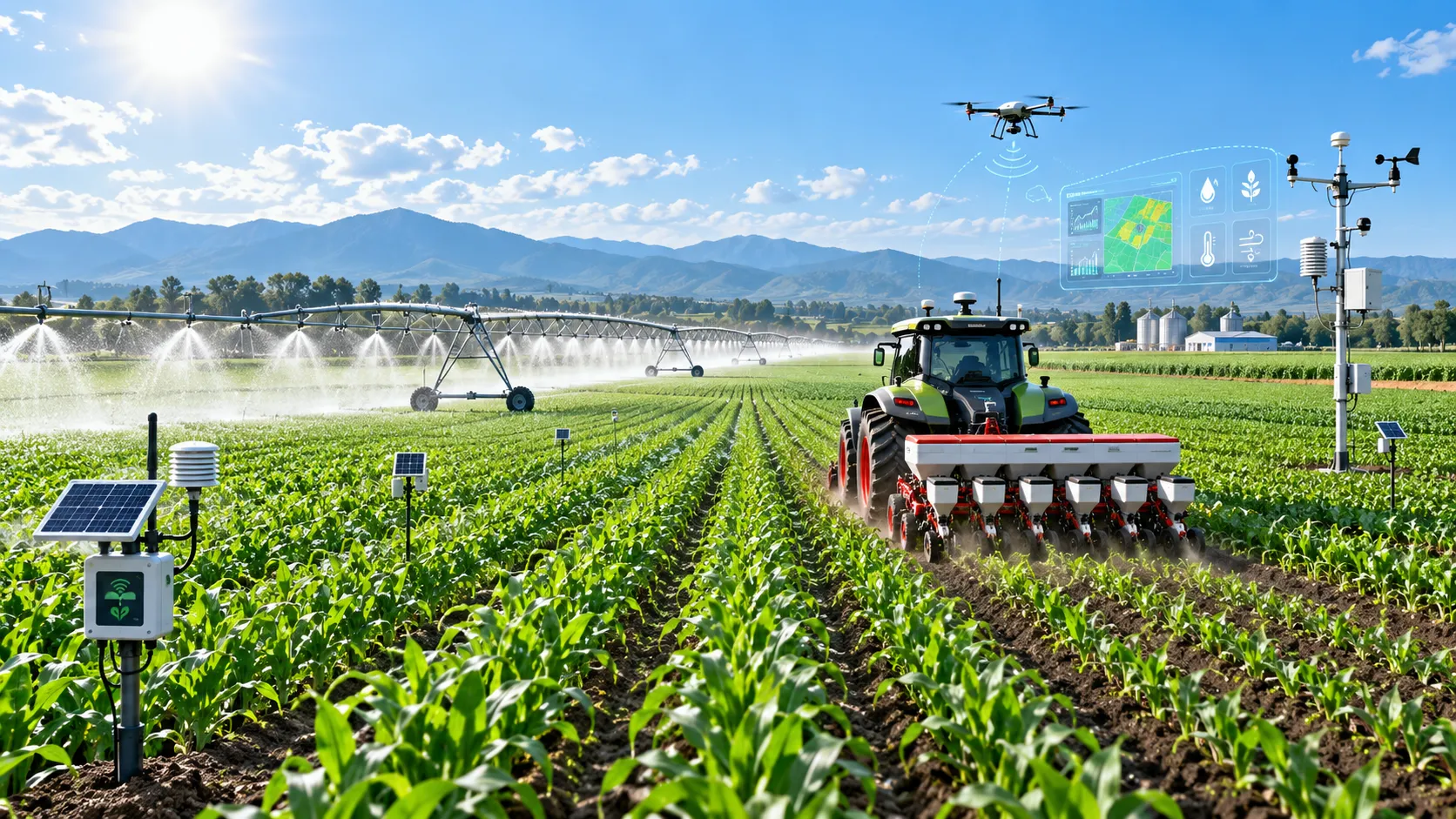
How Digital Agriculture Platforms Turn Field Data Into Better Input Decisions
Digital agriculture platforms turn field data into smarter fertilizer, water, seed, and equipment decisions—helping farms cut risk, improve margins, and scale sustainability.
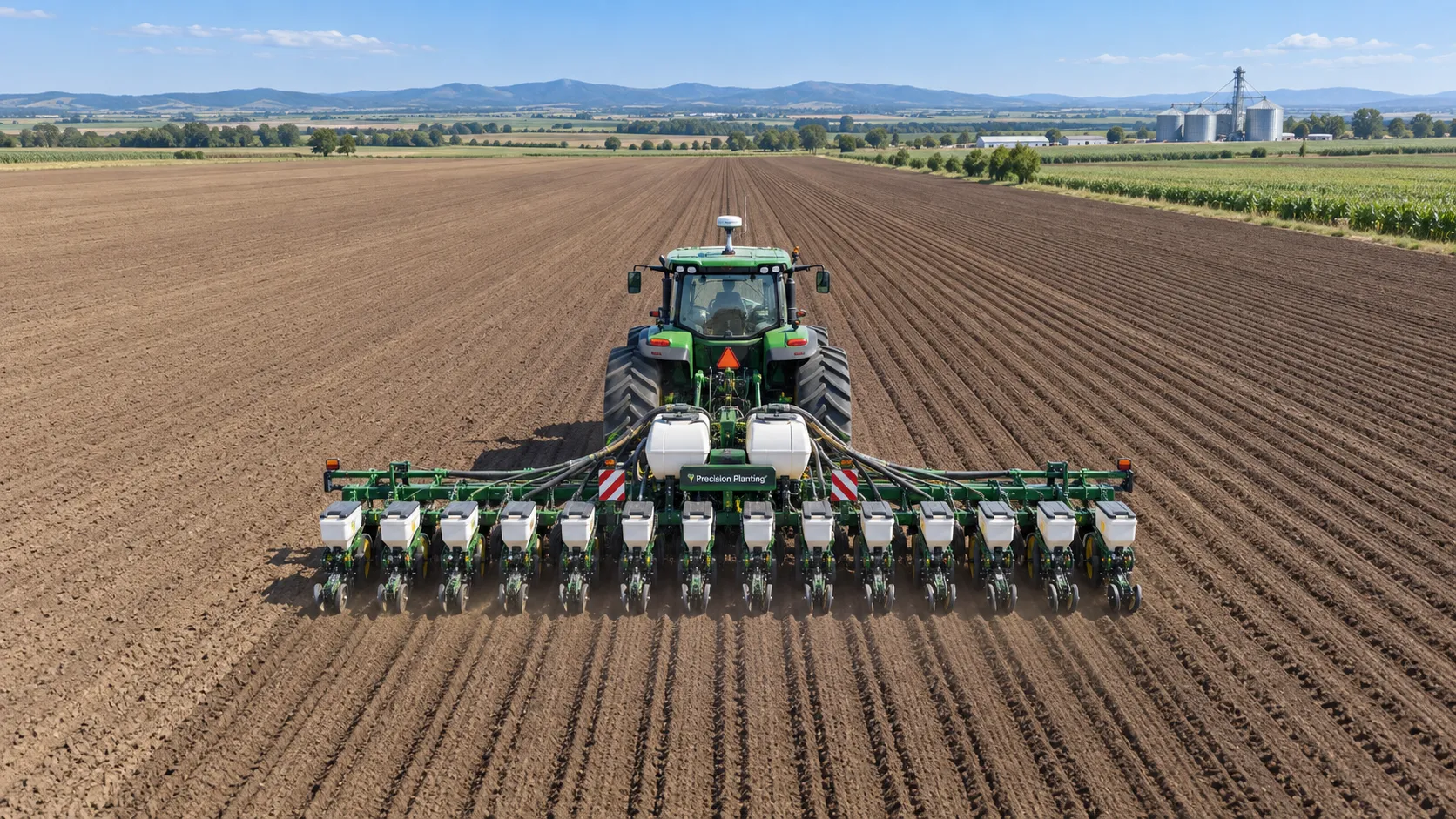
GPS-Guided Farm Machinery: Where It Delivers Measurable Field Efficiency Gains
Agri-mechanization GPS guided systems deliver measurable field efficiency gains through reduced overlap, precise planting, smarter inputs, and reliable farm data.
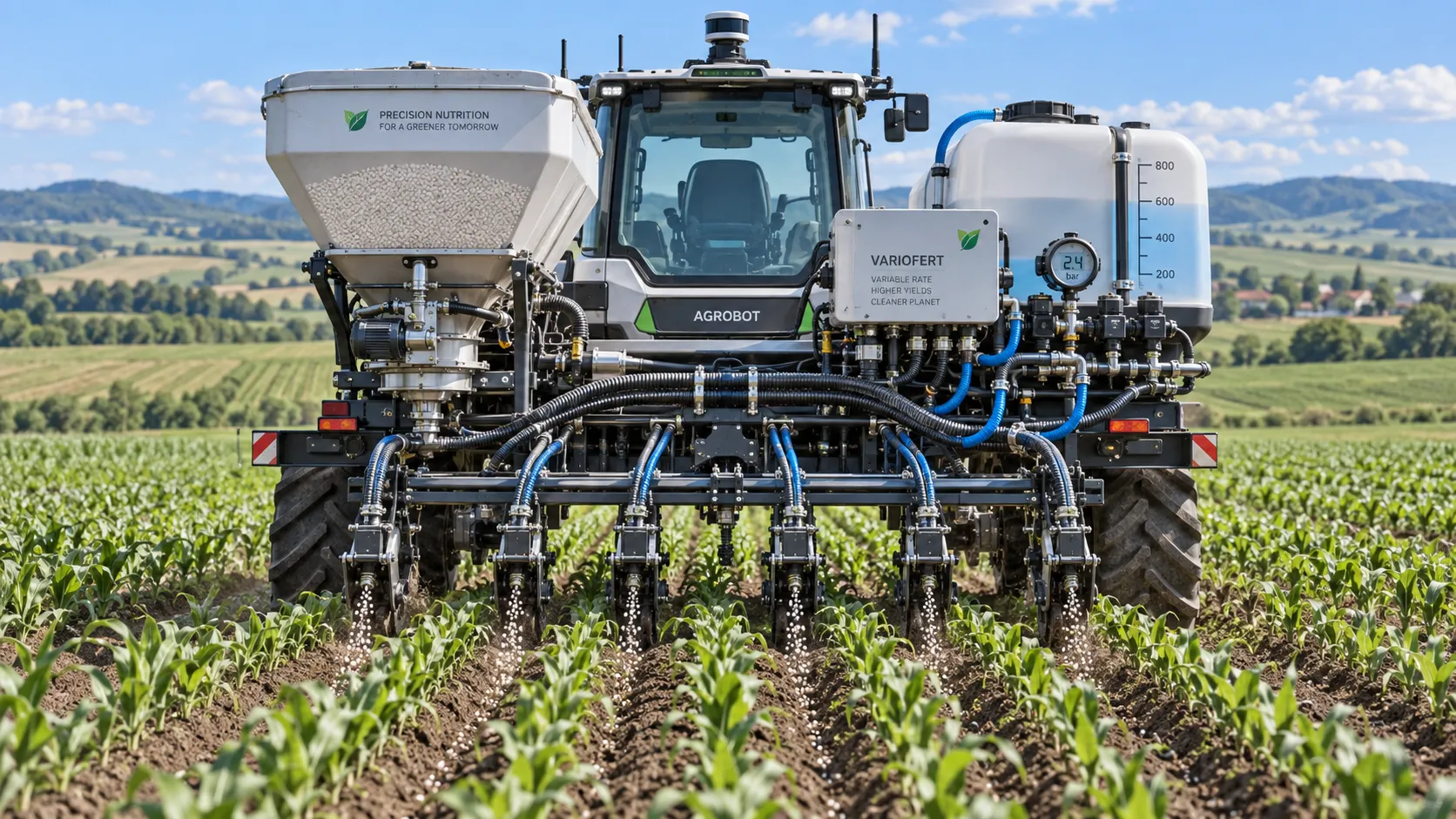
How Sensor Feedback Enables Accurate Variable-Rate Fertilization in Field Conditions
Precision fertilization systems with sensor feedback improve variable-rate accuracy by verifying flow, managing latency, and ensuring reliable field application.
Related News
- 00
0000-00
Drip vs. Micro-Sprinkler Irrigation: Which System Fits Your Orchard? - 00
0000-00
How to Select Smart Irrigation Valves for Multi-Zone Water Management? - 00
0000-00
Automated Water-Saving Irrigation: How to Cut Water Use Without Reducing Crop Yields - 00
0000-00
How to Evaluate Drip Irrigation System Manufacturers for Large Farm Projects - 00
0000-00
Wireless Agricultural Automation for Remote Irrigation and Field Monitoring
Popular Tags
Hydrological Resource Strategist
Weekly Insights
Stay ahead with our curated technology reports delivered every Monday.