
How to Choose Drip Irrigation Systems for Orchards Based on Tree Spacing and Water Demand





Choosing drip irrigation systems for orchards is rarely a matter of picking a brand or copying a neighboring block. The real starting point is spatial and hydraulic fit.
Tree spacing determines how water should be distributed across the root zone. Water demand determines how much must be delivered, how often, and under what pressure conditions.
For orchard projects, those two variables shape capital efficiency, pumping load, emitter layout, filtration needs, and long-term maintenance exposure.
That is why drip irrigation systems for orchards have become a strategic topic across Agriculture 4.0, where water-saving performance now has to work alongside precision control and scalable field operations.
From the AP-Strategy perspective, irrigation design no longer sits apart from mechanization strategy. It belongs in the same decision frame as power systems, automation, field data, and sustainability metrics.
Why spacing and water demand matter first
Orchard irrigation behaves differently from row-crop irrigation because each tree represents a semi-permanent production unit with a distinct canopy, root footprint, and seasonal demand curve.
Wide spacing often means larger wetted areas per tree, longer lateral runs, and more variation in pressure loss across the block.
Narrow spacing usually increases tree count per hectare. That raises total emitter quantity and can shift the design challenge toward flow balance, clogging risk, and operational scheduling.
Water demand adds another layer. A young orchard with modest canopy size needs frequent but lower-volume applications. A mature orchard under heat stress may need much higher daily replenishment.
If spacing and demand are mismatched to system design, the result is uneven growth, localized salinity buildup, unnecessary pumping costs, and weak irrigation uniformity.
What a suitable orchard drip system actually includes
When evaluating drip irrigation systems for orchards, the core elements are familiar, but the design logic must stay site-specific.
- Water source and pumping unit sized for peak block demand
- Filtration selected around water quality, sediment load, and biological risk
- Mainline and submain network designed for stable pressure distribution
- Laterals and emitters matched to tree spacing and rooting pattern
- Control valves, fertigation interface, and monitoring points for operational flexibility
The difference between average and high-performing systems usually comes from how these parts interact under real field conditions, not from any single component in isolation.
Matching emitter layout to tree spacing
Tree spacing influences whether one lateral line is enough, whether two lines are justified, and how many emitters each tree should receive.
High-density orchards
In tightly spaced orchards, root zones often overlap more quickly. A continuous wetting strip can support uniform establishment and simplify installation.
In these layouts, pressure-compensating emitters may be useful where topography changes or long rows create delivery variation.
Medium-spacing orchards
This is where many orchard projects require a balance between localized wetting and efficient pipe use.
Two to four emitters per tree may be enough early on, but future canopy expansion should already be part of the layout plan.
Wide-spacing orchards
Large trees with broad root spread often need larger wetted footprints. That can require more emitters, higher flow per tree, or dual laterals.
A design that only wets a small zone may save pipe at installation, but it can limit root development and reduce resilience during high evapotranspiration periods.
Water demand is not just a crop number
Many irrigation errors come from using a generic crop water value without adjusting for orchard age, soil texture, climate exposure, and irrigation interval strategy.
Water demand should be translated into system flow requirement at block level. That means asking how much water the orchard needs per day, per irrigation set, and per peak season window.
This is where intelligent irrigation thinking becomes practical. Good design uses demand models, field measurements, and operating constraints together.
Current industry signals behind the decision
The market is paying closer attention to drip irrigation systems for orchards because orchard water management now carries financial, regulatory, and environmental weight.
Water allocation pressure is rising in many producing regions. Energy costs also make overdesigned pumping and long runtimes harder to justify.
At the same time, higher-value fruit production depends on consistent moisture delivery, especially where quality grading and export standards are strict.
AP-Strategy tracks this shift through its focus on water-saving irrigation systems and precision farming intelligence. The direction is clear: irrigation hardware must support data-led operation, not just water delivery.
How to compare system options in practice
A practical comparison should move beyond headline flow rates. The better question is how each option performs under the orchard’s actual spacing, terrain, and operating calendar.
Check hydraulic uniformity
Pressure loss across laterals and submains should stay within the tolerance needed for consistent emitter output. Sloped sites need extra attention.
Check expandability
An orchard planted this year will not have the same demand profile in year five. Drip irrigation systems for orchards should accommodate canopy growth without forcing a full redesign.
Check water quality resilience
Emitter clogging is still one of the most expensive hidden failures. Filtration, flushing design, and chemical treatment capacity should match the source water reality.
Check operating labor
A technically sound system can still become inefficient if valve sequencing, flushing, and repairs demand too much manual intervention.
Common configuration paths by orchard condition
There is no single template, but some patterns appear repeatedly across orchard projects.
- High-density blocks often favor simpler wetting geometry and frequent irrigation cycles.
- Traditional spaced orchards often need more tree-specific emitter planning and staged expansion.
- Large commercial blocks benefit from zoning that reflects both hydraulic limits and crop scheduling priorities.
- Uneven terrain usually justifies stronger pressure management and more monitoring points.
In mixed-condition estates, separate irrigation zones are often more efficient than forcing one compromise design across all blocks.
Where mistakes usually happen
The most common mistake is undersizing the system for peak seasonal demand while assuming average conditions.
Another is selecting emitter spacing from catalog convenience instead of soil wetting behavior and tree geometry.
Some projects also overfocus on initial pipe cost and underweight pressure stability, flushing access, and future maintenance logistics.
For drip irrigation systems for orchards, a lower upfront number can become a higher lifecycle cost if it increases replacement frequency or reduces irrigation uniformity.
A stronger basis for the next decision
The most reliable selection process starts with a simple discipline: map tree spacing accurately, calculate seasonal water demand honestly, and test the hydraulic consequences before final procurement.
From there, compare drip irrigation systems for orchards through five filters: wetting suitability, pressure uniformity, water quality tolerance, expansion capacity, and operating efficiency.
That approach creates a more dependable foundation for yield stability, energy control, and water productivity.
It also fits the broader direction of AP-Strategy’s intelligence model, where irrigation decisions are treated as part of integrated farm performance rather than isolated hardware selection.
Before moving to final design, it is worth reviewing block-by-block spacing data, peak evapotranspiration periods, water quality reports, and future orchard growth assumptions. Those inputs usually reveal the right system faster than any brochure can.
Related News
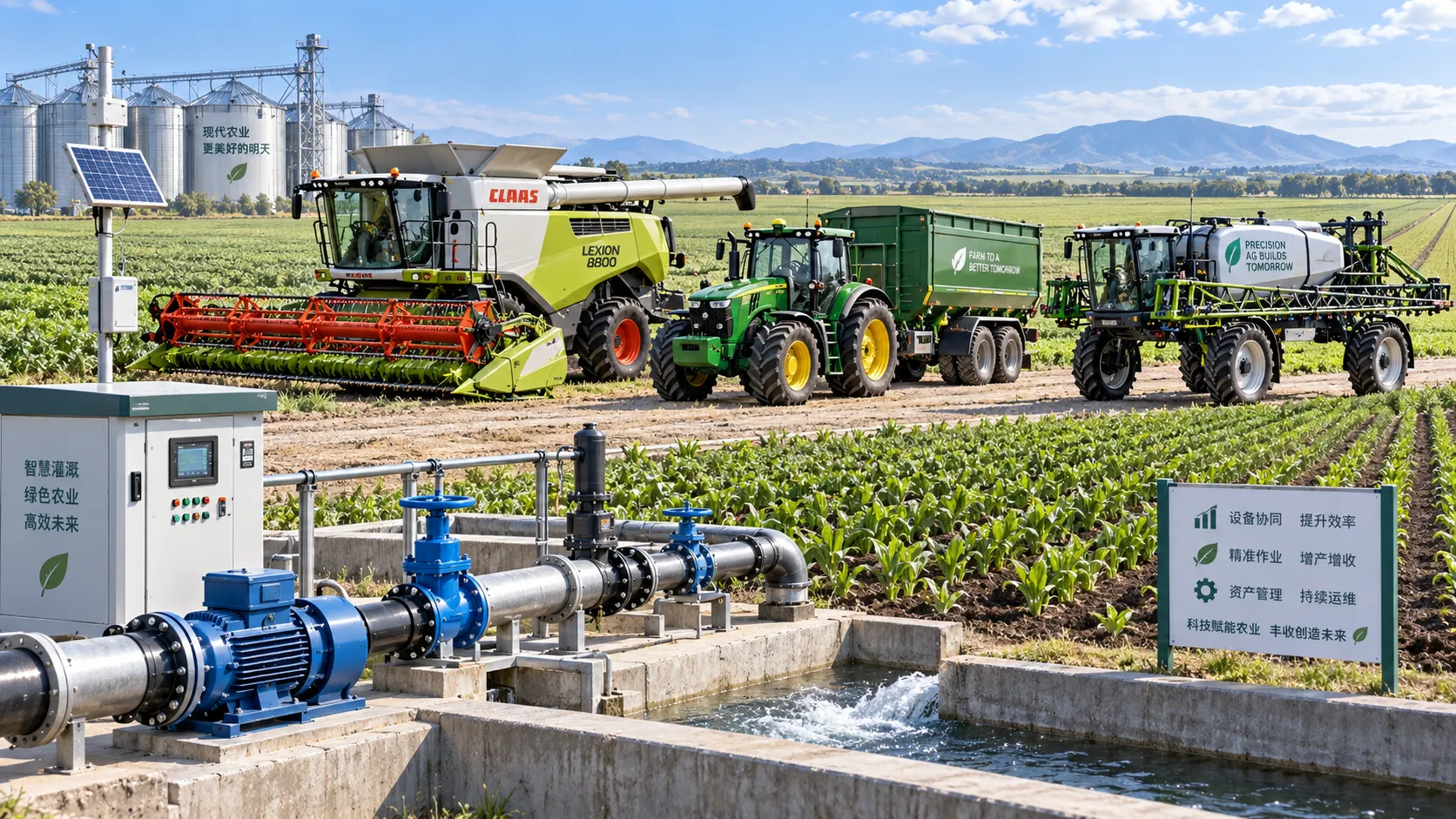
How to Compare Agricultural Equipment Platforms for Fleet Management and ROI
Agricultural equipment platform comparison: evaluate fleet data, maintenance, precision workflows, and ROI to choose a system that delivers measurable results.
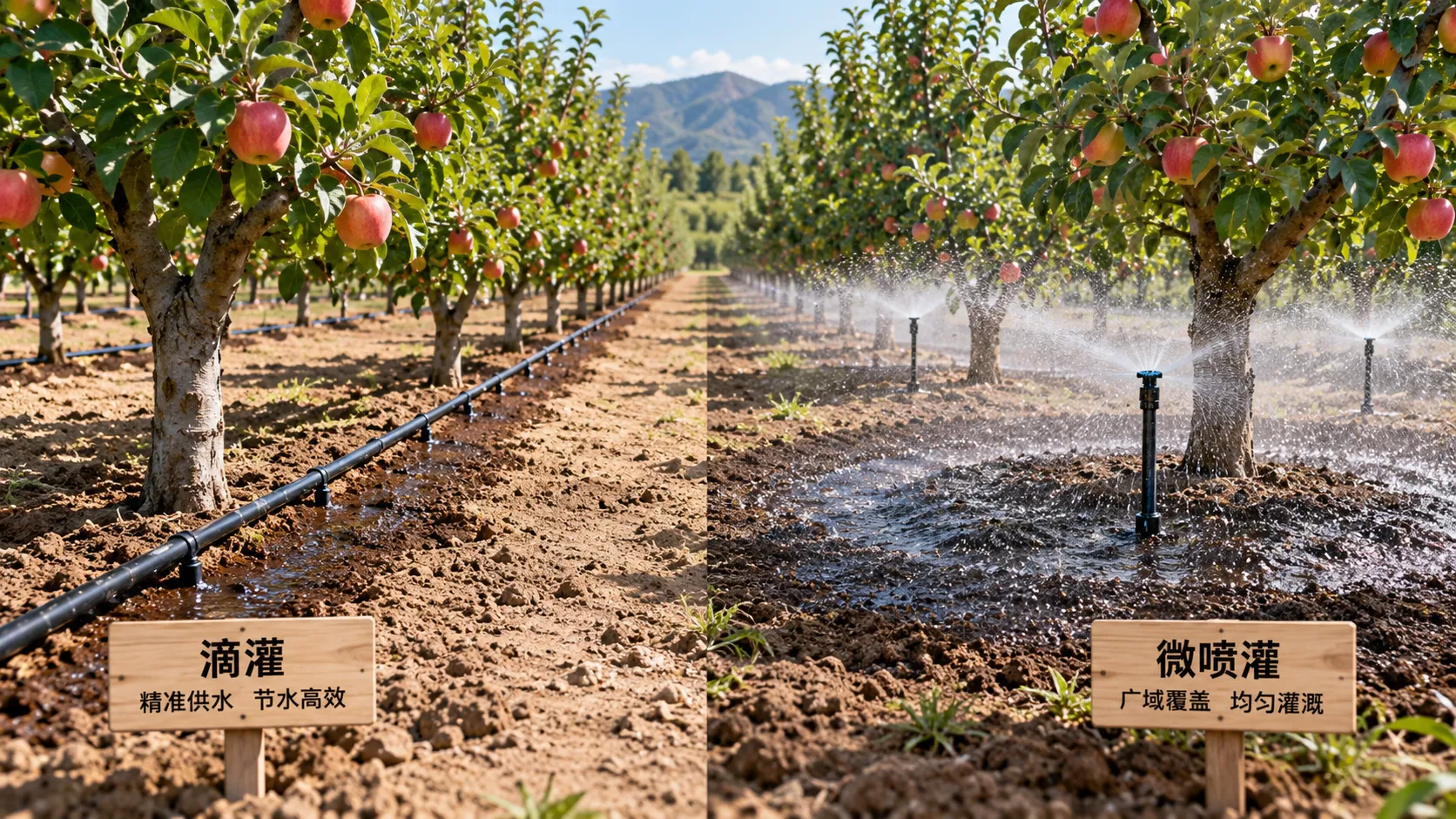
Drip vs. Micro-Sprinkler Irrigation: Which System Fits Your Orchard?
Irrigation solution comparison for orchards: discover whether drip or micro-sprinklers best match your water, soil, roots, fertigation, and frost needs.
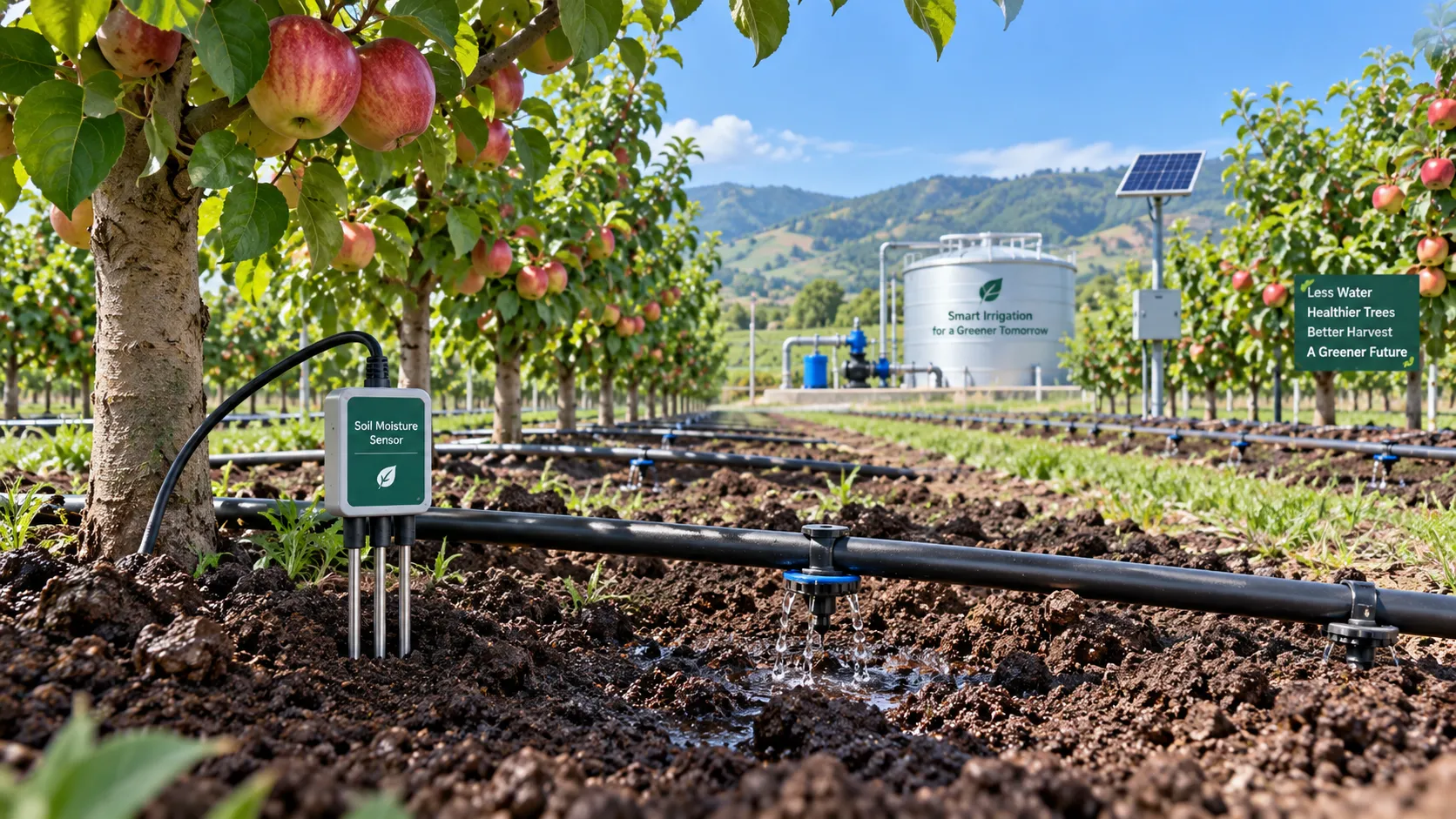
Orchard Water Management: Using Soil Moisture Data to Schedule Irrigation
Agricultural water management for orchards made practical: use soil moisture data to optimize irrigation timing, protect yield, reduce costs, and improve resilience.
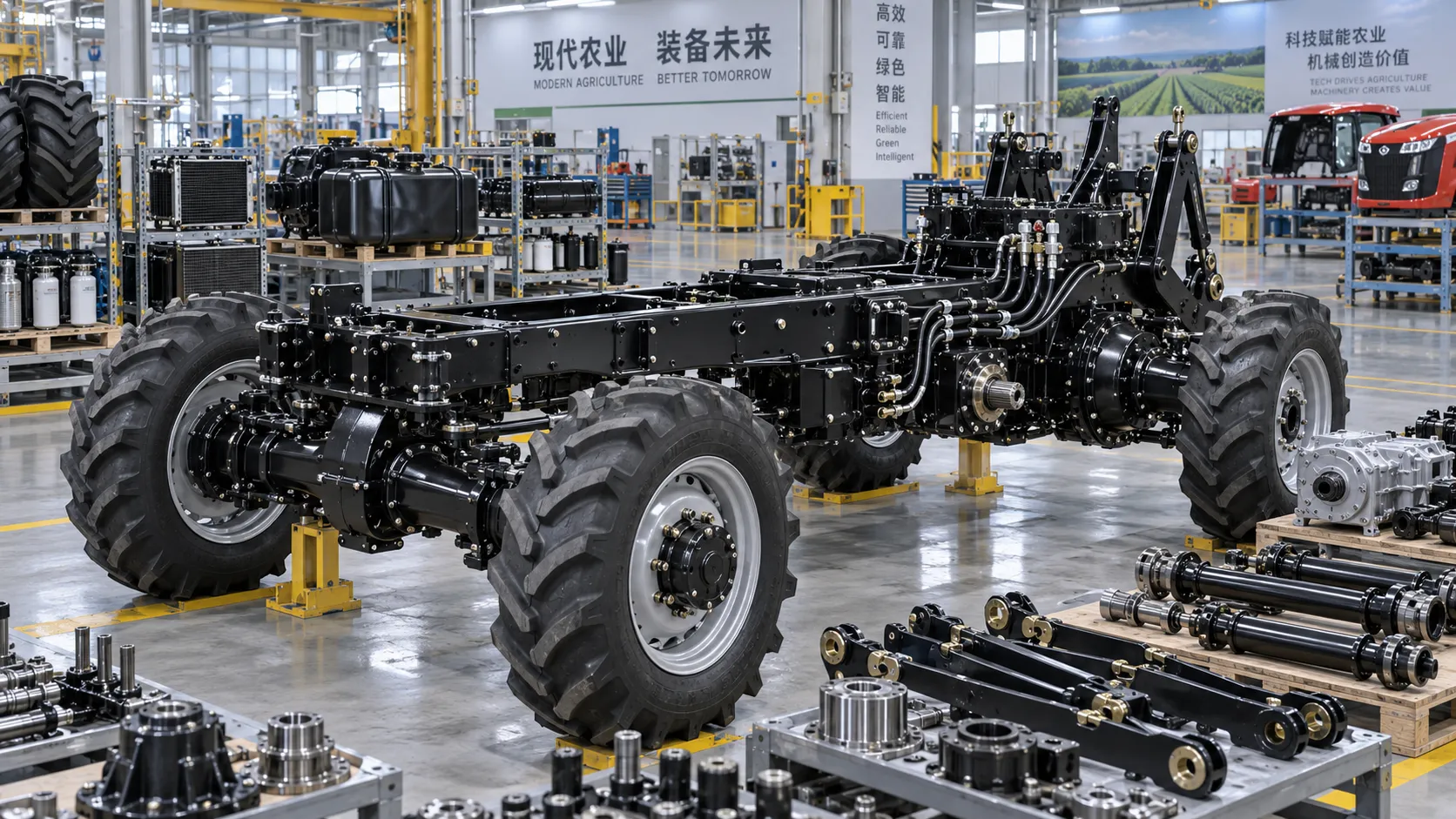
Tractor Chassis Price: What Buyers Should Compare Beyond the Initial Quote
Tractor chassis price is only the start. Compare load capacity, compatibility, durability, and lifecycle costs to choose a reliable, high-value chassis.
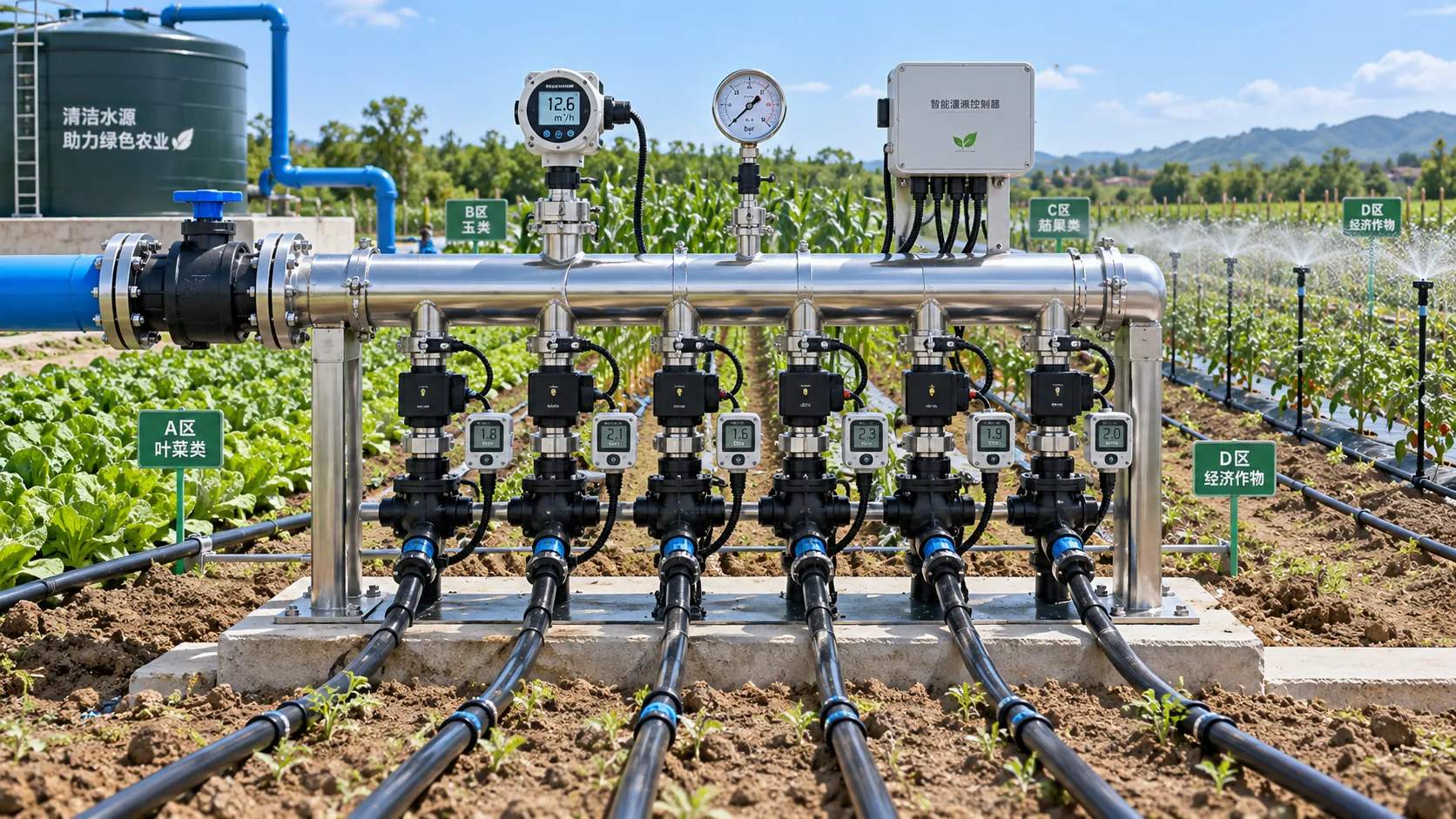
How to Select Smart Irrigation Valves for Multi-Zone Water Management?
Intelligent irrigation systems valves: learn how to match smart valves with multi-zone flow, pressure, control, feedback, and communication needs for reliable water management.
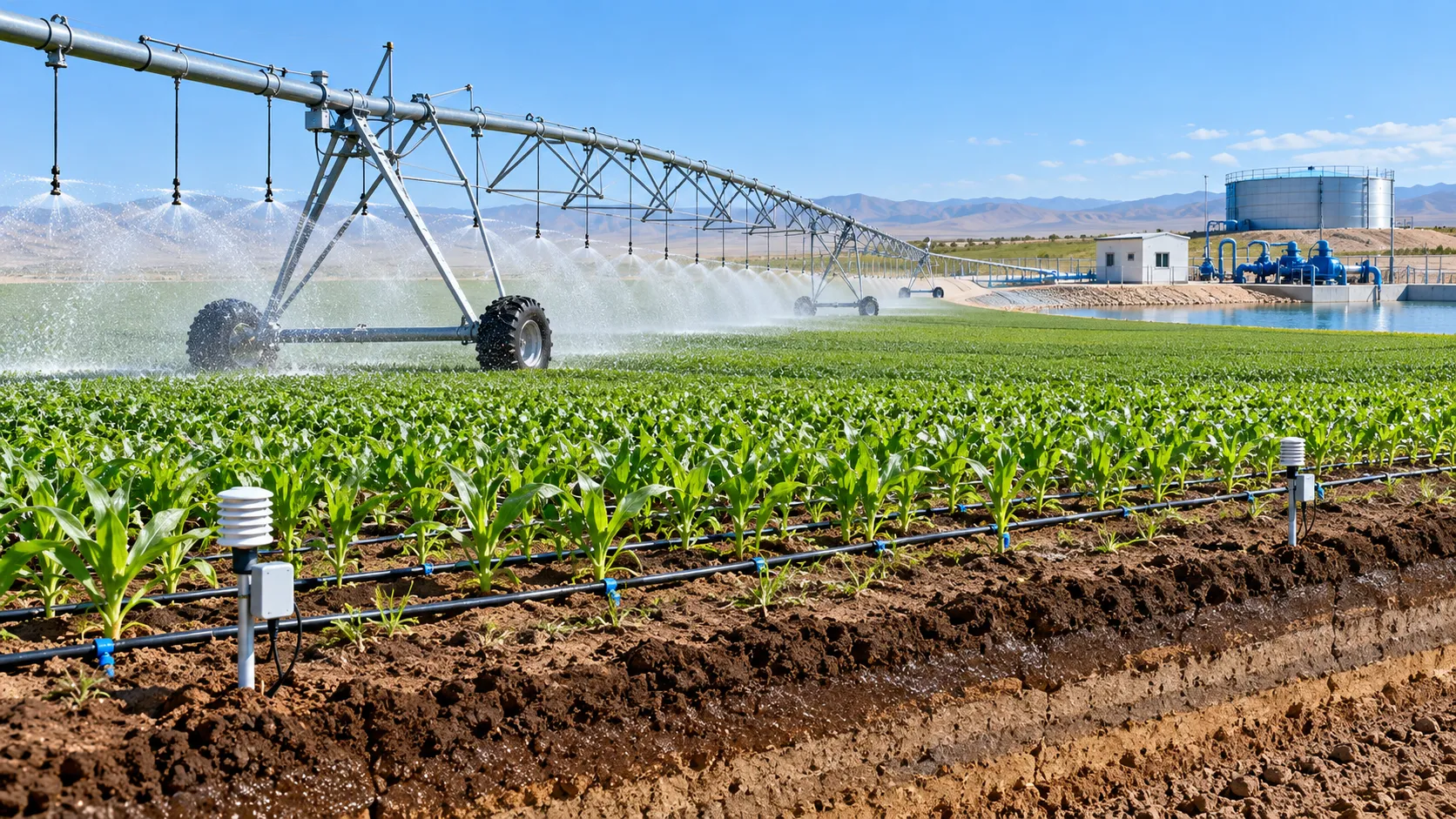
Climate-Smart Farming for Drought: A Practical Plan for Protecting Yields
Climate-smart farming for drought: build smarter water budgets, protect critical crop stages, improve irrigation uniformity, and safeguard yields with practical field-proven strategies.
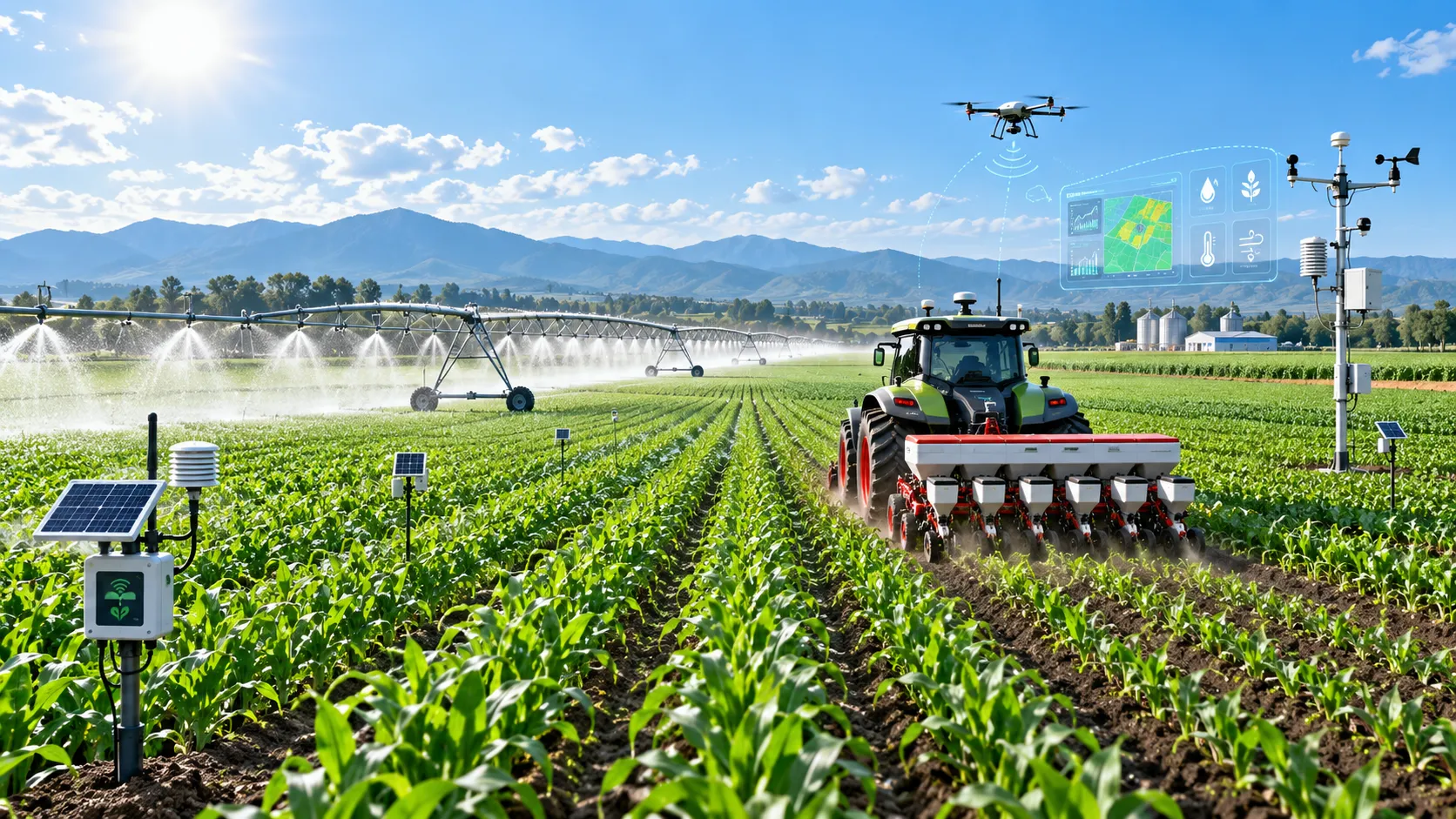
How Digital Agriculture Platforms Turn Field Data Into Better Input Decisions
Digital agriculture platforms turn field data into smarter fertilizer, water, seed, and equipment decisions—helping farms cut risk, improve margins, and scale sustainability.
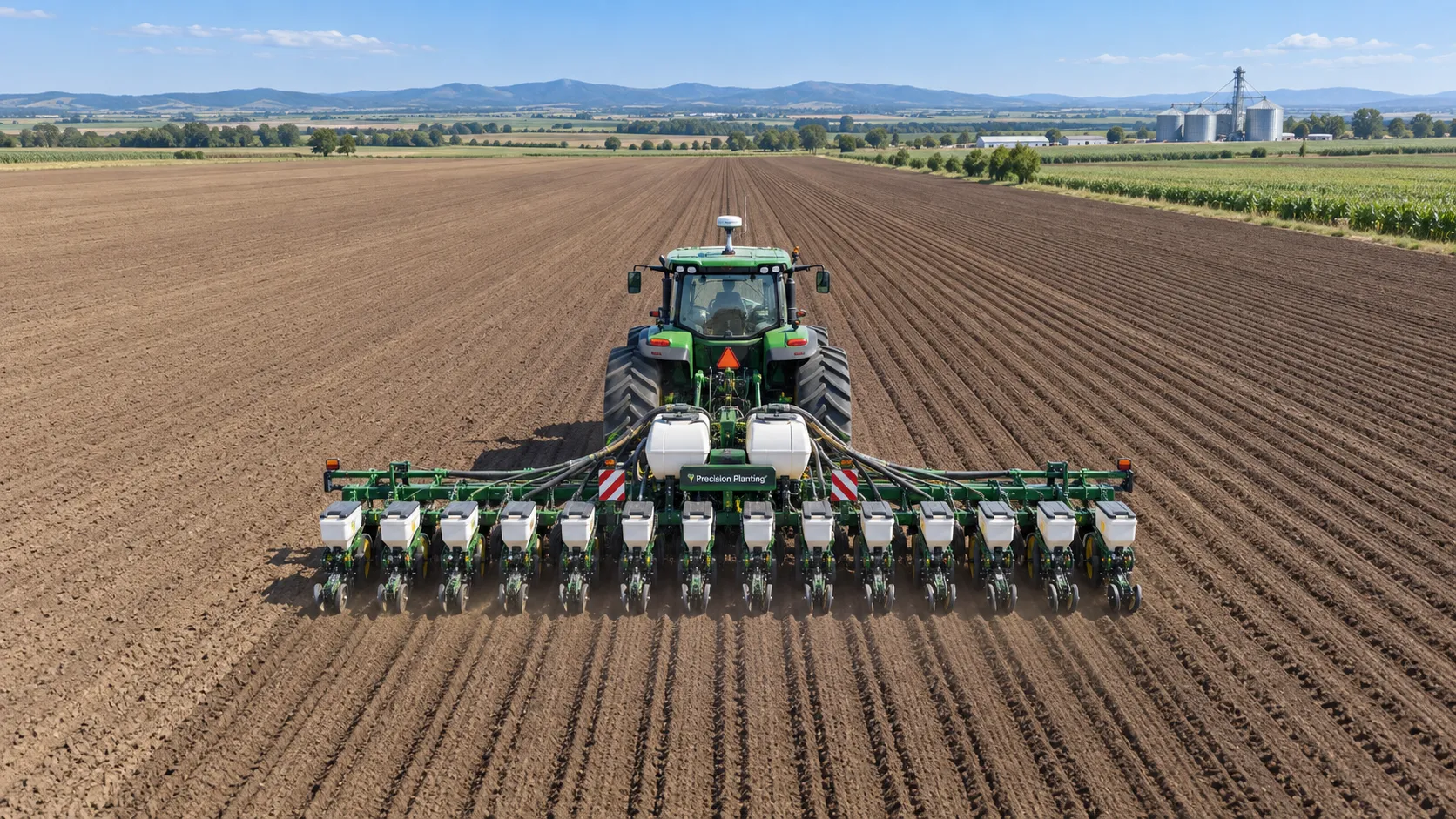
GPS-Guided Farm Machinery: Where It Delivers Measurable Field Efficiency Gains
Agri-mechanization GPS guided systems deliver measurable field efficiency gains through reduced overlap, precise planting, smarter inputs, and reliable farm data.
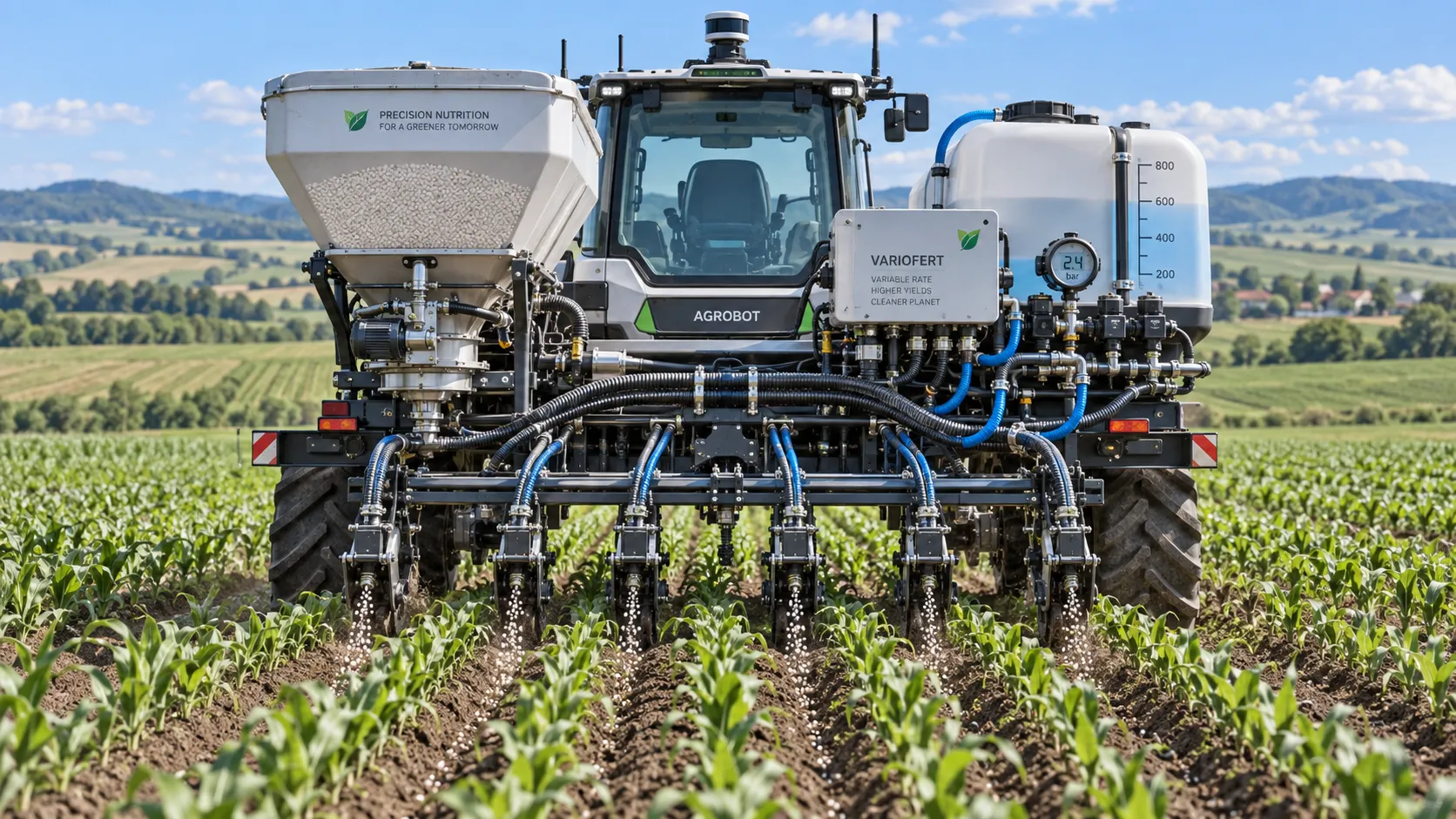
How Sensor Feedback Enables Accurate Variable-Rate Fertilization in Field Conditions
Precision fertilization systems with sensor feedback improve variable-rate accuracy by verifying flow, managing latency, and ensuring reliable field application.
Related News
- 00
0000-00
Drip vs. Micro-Sprinkler Irrigation: Which System Fits Your Orchard? - 00
0000-00
How to Select Smart Irrigation Valves for Multi-Zone Water Management? - 00
0000-00
Automated Water-Saving Irrigation: How to Cut Water Use Without Reducing Crop Yields - 00
0000-00
How to Evaluate Drip Irrigation System Manufacturers for Large Farm Projects - 00
0000-00
Wireless Agricultural Automation for Remote Irrigation and Field Monitoring
Popular Tags
Hydrological Resource Strategist
Weekly Insights
Stay ahead with our curated technology reports delivered every Monday.