
EU Rule Takes Effect: EN 16842-2:2026 Required for Drip Irrigation Logic Exports





On July 8, 2026, the European Commission formally put EN 16842-2:2026 into effect for irrigation equipment, creating a new compliance threshold for Drip Irrigation Logic entering the EU market. The change is noteworthy for exporters, certification-related service providers, buyers, and delivery teams because market access now depends on third-party water-efficiency test evidence and certified pressure-flow dynamic response curves, with direct implications for customs clearance timing and the validity of CE marking.
What the rule change now requires
According to the information provided, the European Commission implemented the revised irrigation equipment energy-efficiency standard EN 16842-2:2026 on July 8, 2026. The rule requires all Drip Irrigation Logic products entering the EU market to provide a third-party measured water-efficiency report and certification covering pressure-flow dynamic response curves. The same information states that this requirement directly affects customs clearance efficiency for Chinese exporters and the effectiveness of CE marking, and that products failing to meet the requirement may be refused clearance or removed from the market.
Where the immediate pressure is likely to appear
Export shipments facing a stricter documentation gate
From an industry perspective, exporters are likely to feel the effect first because the rule links market entry to specific technical evidence. The practical pressure point is not only product performance itself, but whether supporting compliance files are complete, current, and acceptable for market entry and shipment release. What deserves closer attention is the connection between testing documentation, certification status, customs timing, and the continued usability of CE marking in export transactions.
Manufacturing and technical teams under closer pre-shipment review
Analysis shows that manufacturers of Drip Irrigation Logic may need to pay closer attention to how product performance is documented before shipment. The requirement for third-party water-efficiency testing and pressure-flow dynamic response curve certification suggests that technical files, product validation records, and submission materials may become more central in pre-delivery review. For this group, the operational impact is likely to appear in compliance preparation, release approval, and coordination between engineering and export documentation.
Buyers and channels may tighten acceptance conditions
Observably, procurement teams, distributors, and downstream channel participants may need to review whether purchase conditions, acceptance documents, and delivery terms reflect the new compliance threshold. Because non-compliant products may be refused customs clearance or removed from the market, commercial participants may pay more attention to whether suppliers can present valid reports and certification materials before order confirmation, shipment, or listing.
Testing and certification-related services may become a critical checkpoint
From an industry perspective, service providers involved in testing, certification support, and compliance review may become a more visible part of the export process for affected products. The change matters because the rule specifically refers to third-party testing and certification evidence, making document quality, technical consistency, and submission readiness more important in the path from factory release to EU market entry.
What companies should review now
Check whether current files match the new entry requirement
Analysis shows that companies dealing in Drip Irrigation Logic should first review whether existing compliance files already include the third-party water-efficiency test report and the required pressure-flow dynamic response curve certification referenced in the new standard. Where these materials are missing, outdated, or not aligned with current product configurations, the export process could face added friction.
Reassess CE-related compliance support documents
What deserves closer attention is the stated link between the new requirement and CE marking effectiveness. Based on the information provided, businesses should treat technical documentation, certification records, and supporting shipment files as a connected compliance package rather than separate paperwork streams. The current information does not provide a detailed enforcement method, so this should be understood as a practical review priority rather than a confirmed procedural outcome in every case.
Build more time into shipment and procurement planning
Observably, companies may need to recheck delivery schedules, procurement timing, and supplier readiness for affected product lines. Because customs clearance timing is explicitly mentioned in the provided information, businesses should watch for pressure on dispatch planning, contract milestones, and handover arrangements where documentation completion depends on third-party verification.
Track changes in tender language and downstream acceptance criteria
From an industry perspective, another point worth monitoring is whether technical bid documents, buyer specifications, or channel onboarding conditions begin to reflect the new standard more directly. The current input does not confirm how quickly this will happen, but it is reasonable to monitor whether compliance references begin to appear more clearly in purchasing and delivery-related documentation.
Why this looks like an execution signal, not just a policy headline
Analysis shows that this development is better understood as an already effective market-entry rule change rather than a distant policy direction. The reason is that the provided information ties the standard directly to entry into the EU market, required third-party verification, customs clearance timing, and CE marking effectiveness. At the same time, observably, several practical details still require continued attention, including how consistently the requirement is applied in documentation review, how certification expectations are interpreted in practice, and how buyers and channels adjust their own acceptance standards.
How to read the change at this stage
At this stage, it is more appropriate to understand the July 8, 2026 development as a compliance threshold that has already moved into execution for Drip Irrigation Logic exports to the EU. The confirmed facts point to a narrower path for non-compliant products, especially where testing evidence and certification support are incomplete. The broader commercial effect still depends on how market participants, certification processes, and delivery practices respond, so the most rational reading is that this is both a landed rule change and a continuing area for operational observation.
Basis of this article and what still needs verification
This article is based on the user-provided news title, event date, and event summary. For developments of this type, commonly relevant source categories may include official announcements, regulator publications, customs or trade authority information, industry association notices, standard-setting documents, and reporting by established trade media. No specific official source link was provided in the input, so the precise official reference still needs to be verified on an ongoing basis. Further observation is also needed on detailed implementation language, certification interpretation, tender document updates, market feedback, and how affected companies carry out compliance in practice.
Related News

How to Specify Combine Harvester Systems for High-Moisture Grain and Variable Field Conditions
Combine harvester systems for high-moisture grain: learn how to specify threshing, cleaning, headers, traction, and automation for reliable harvests in variable fields.
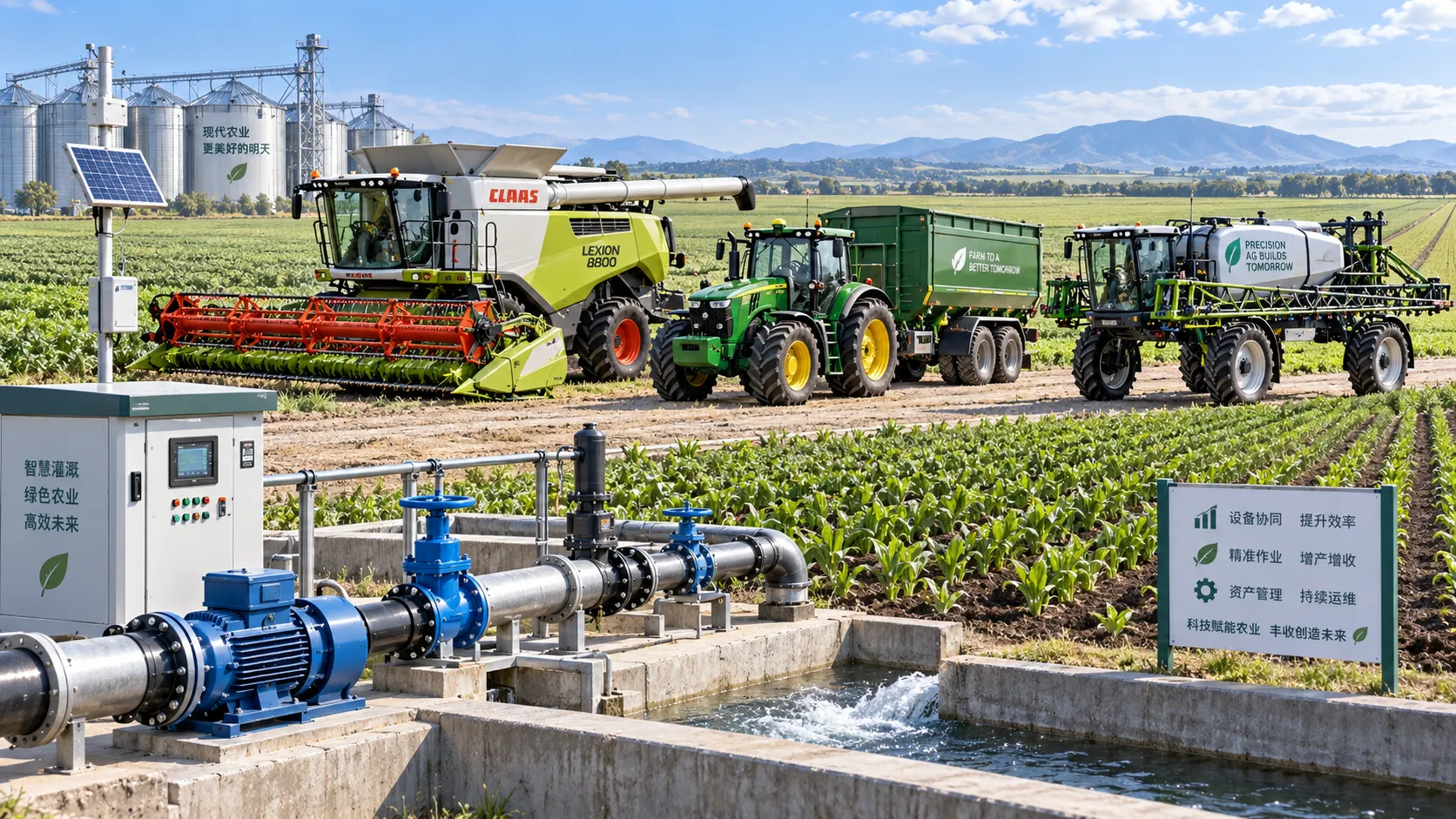
How to Compare Agricultural Equipment Platforms for Fleet Management and ROI
Agricultural equipment platform comparison: evaluate fleet data, maintenance, precision workflows, and ROI to choose a system that delivers measurable results.
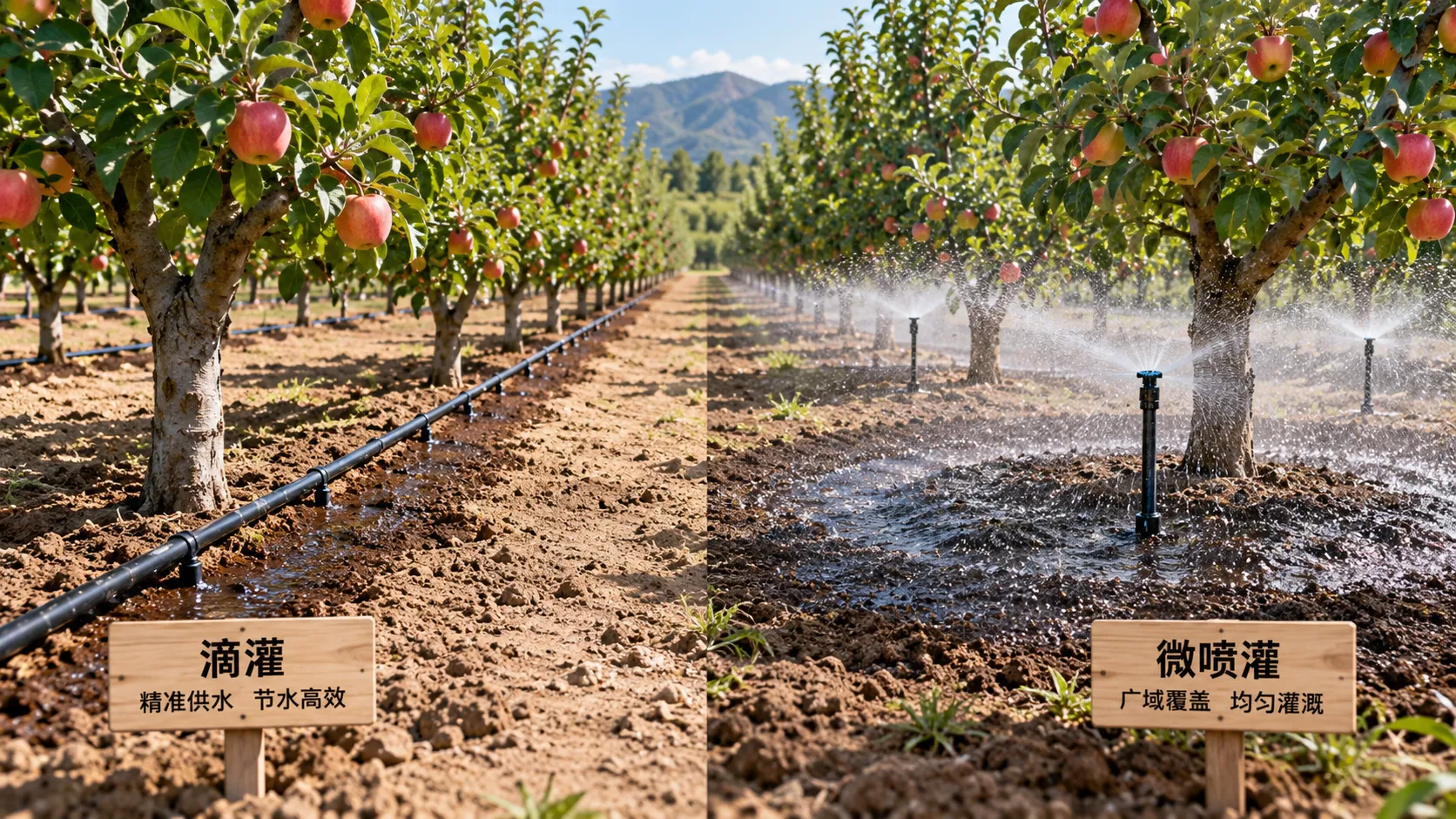
Drip vs. Micro-Sprinkler Irrigation: Which System Fits Your Orchard?
Irrigation solution comparison for orchards: discover whether drip or micro-sprinklers best match your water, soil, roots, fertigation, and frost needs.
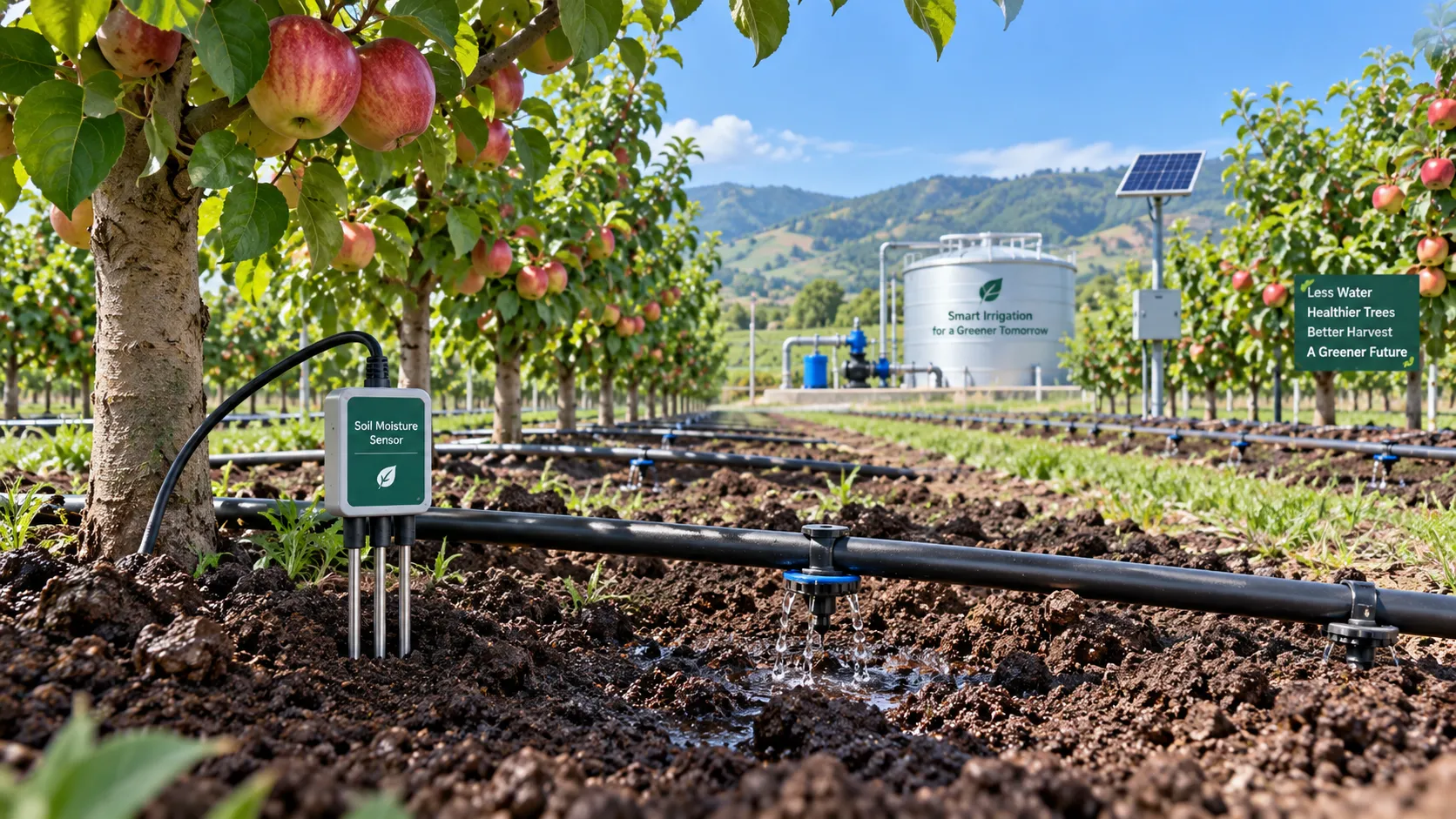
Orchard Water Management: Using Soil Moisture Data to Schedule Irrigation
Agricultural water management for orchards made practical: use soil moisture data to optimize irrigation timing, protect yield, reduce costs, and improve resilience.

Tractor Chassis Price: What Buyers Should Compare Beyond the Initial Quote
Tractor chassis price is only the start. Compare load capacity, compatibility, durability, and lifecycle costs to choose a reliable, high-value chassis.
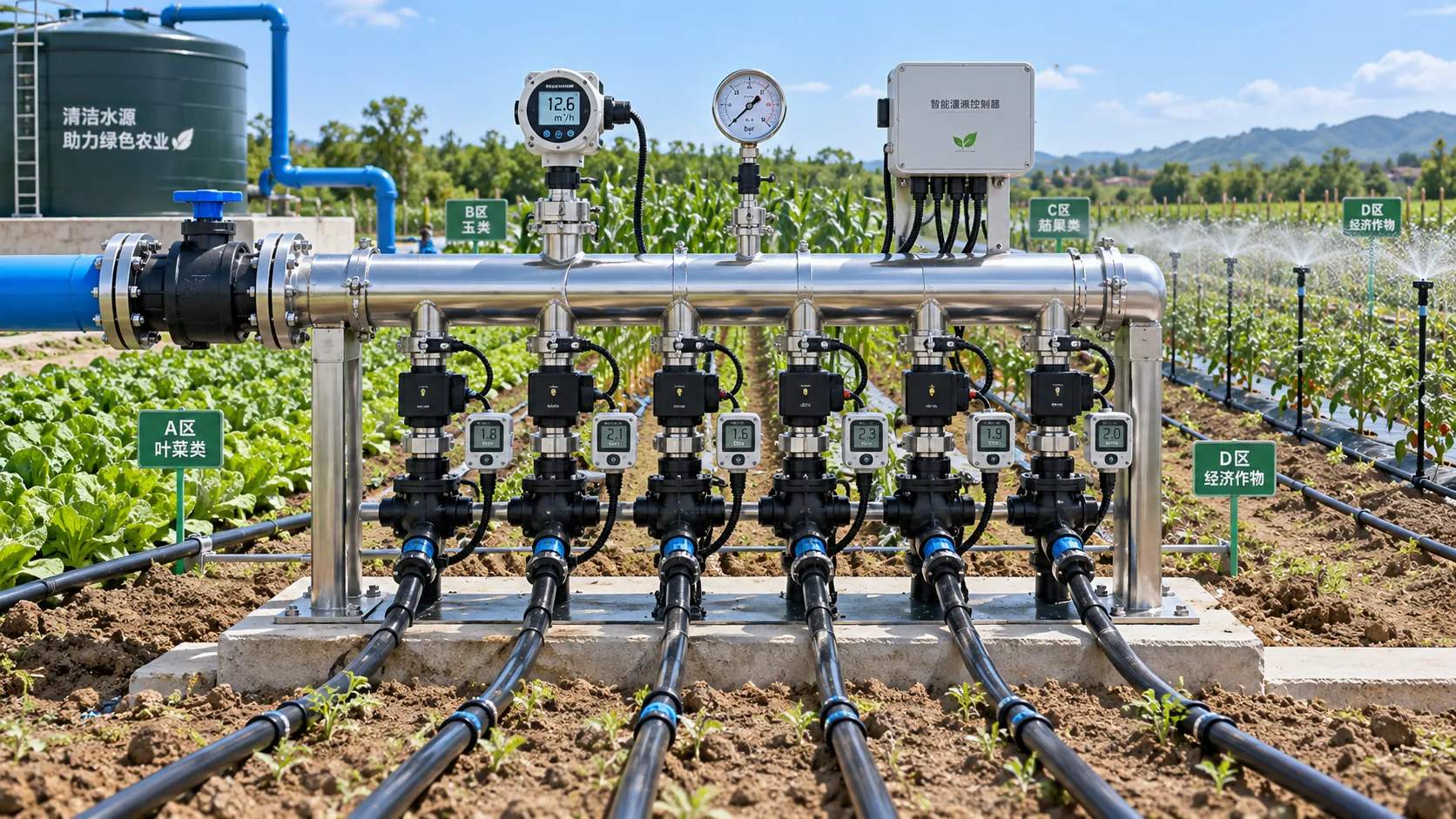
How to Select Smart Irrigation Valves for Multi-Zone Water Management?
Intelligent irrigation systems valves: learn how to match smart valves with multi-zone flow, pressure, control, feedback, and communication needs for reliable water management.
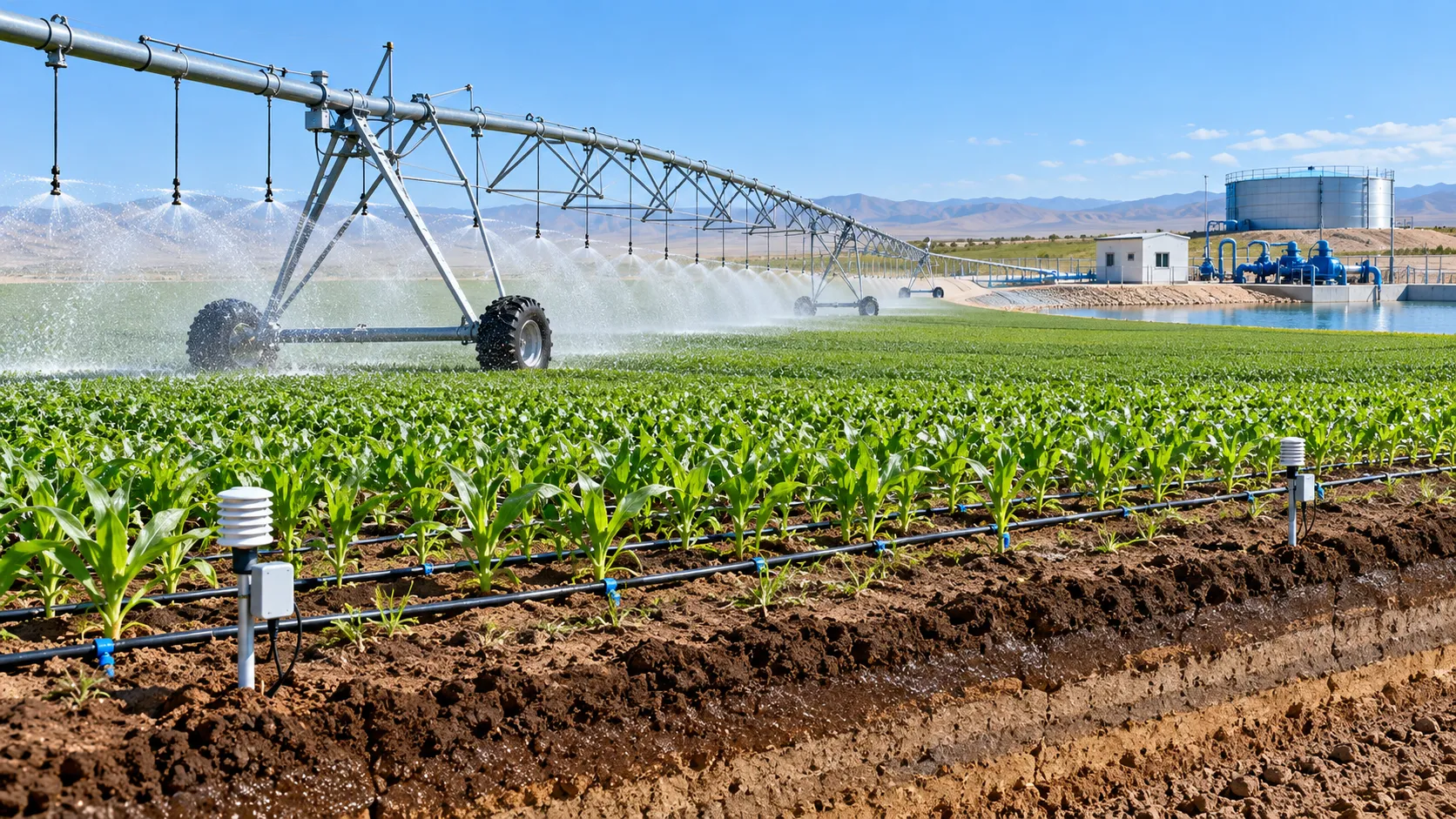
Climate-Smart Farming for Drought: A Practical Plan for Protecting Yields
Climate-smart farming for drought: build smarter water budgets, protect critical crop stages, improve irrigation uniformity, and safeguard yields with practical field-proven strategies.
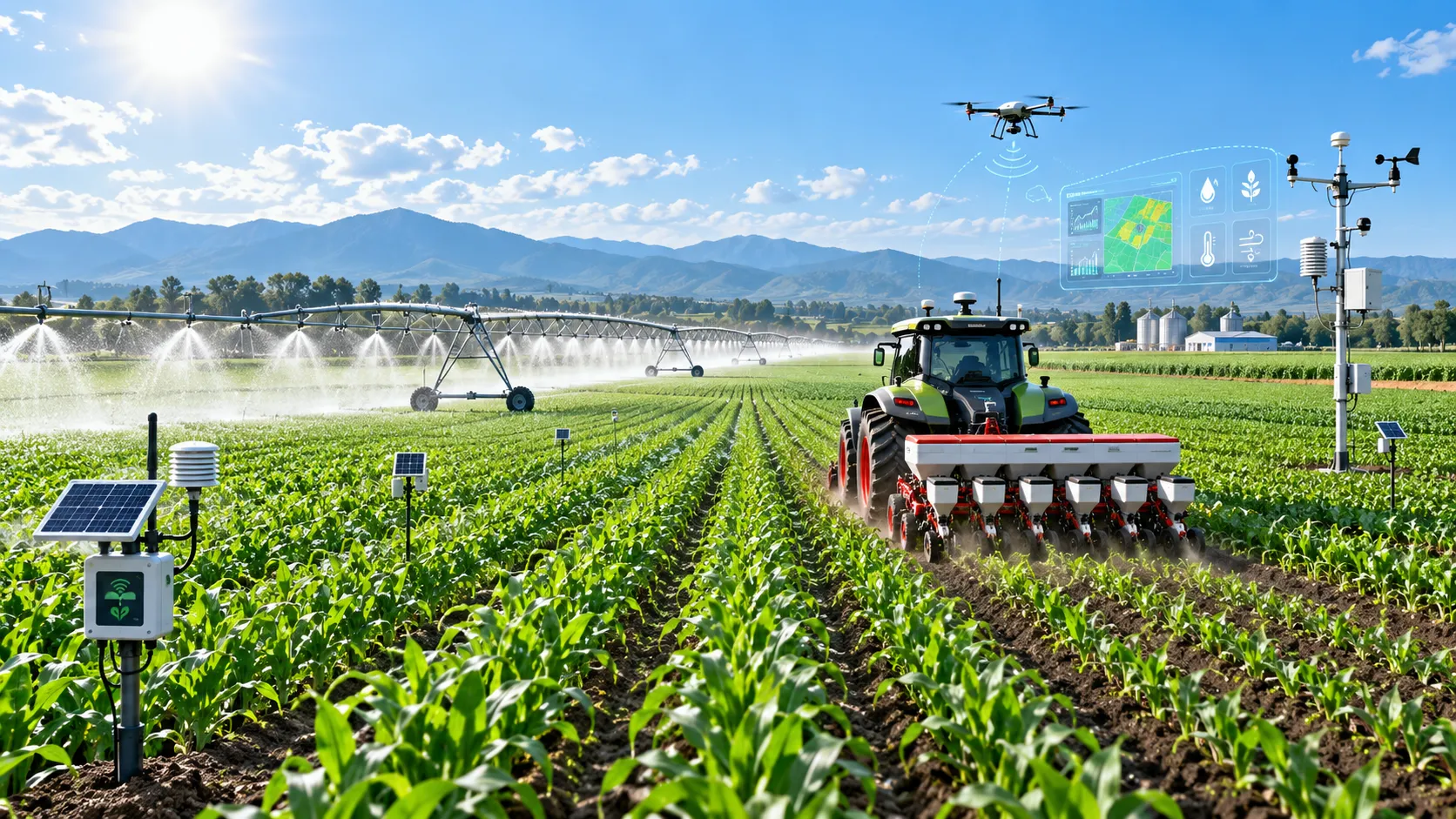
How Digital Agriculture Platforms Turn Field Data Into Better Input Decisions
Digital agriculture platforms turn field data into smarter fertilizer, water, seed, and equipment decisions—helping farms cut risk, improve margins, and scale sustainability.
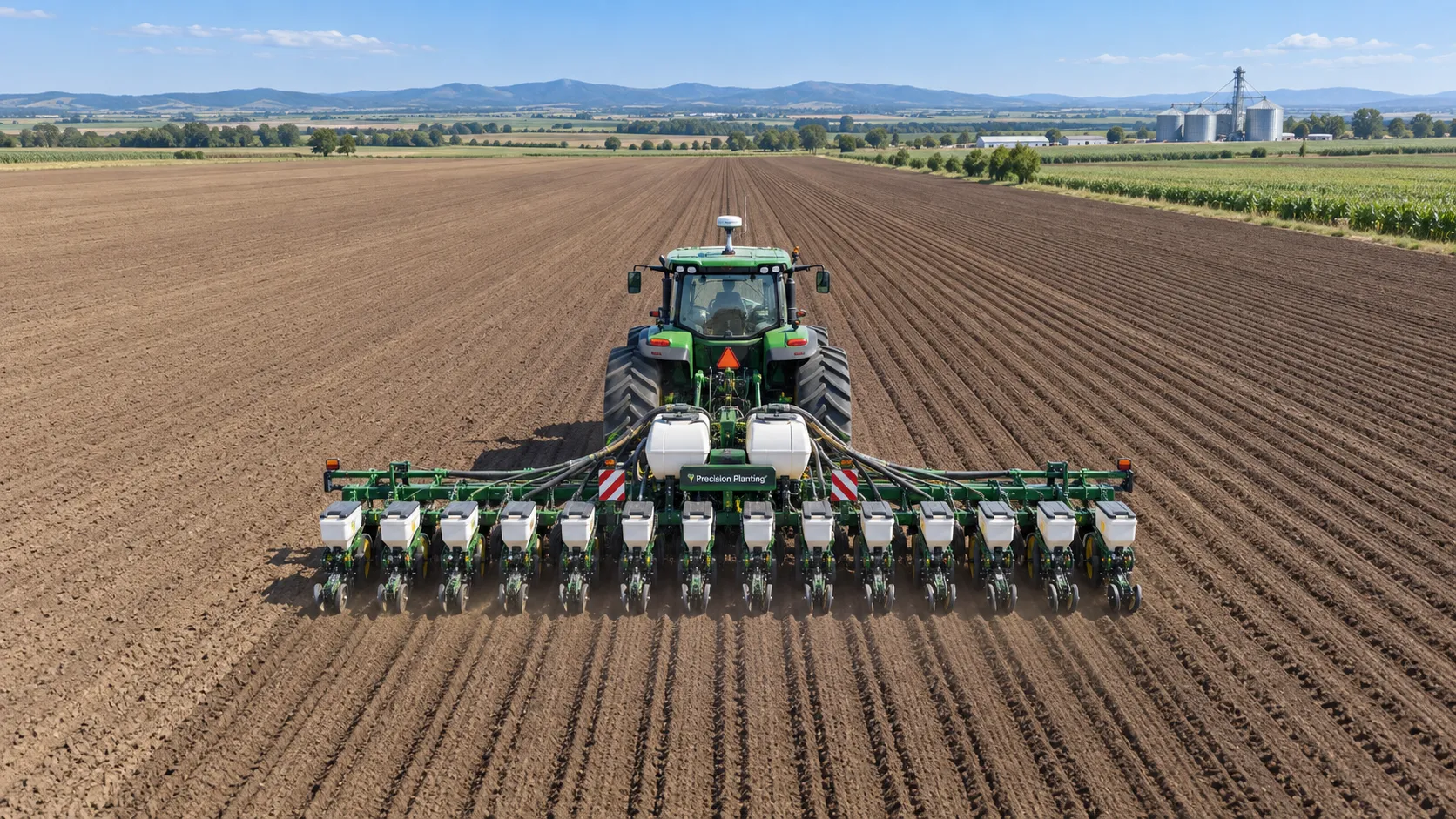
GPS-Guided Farm Machinery: Where It Delivers Measurable Field Efficiency Gains
Agri-mechanization GPS guided systems deliver measurable field efficiency gains through reduced overlap, precise planting, smarter inputs, and reliable farm data.
Related News
- 00
0000-00
Drip vs. Micro-Sprinkler Irrigation: Which System Fits Your Orchard? - 00
0000-00
How to Select Smart Irrigation Valves for Multi-Zone Water Management? - 00
0000-00
Automated Water-Saving Irrigation: How to Cut Water Use Without Reducing Crop Yields - 00
0000-00
How to Evaluate Drip Irrigation System Manufacturers for Large Farm Projects - 00
0000-00
Wireless Agricultural Automation for Remote Irrigation and Field Monitoring
Popular Tags
Hydrological Resource Strategist
Weekly Insights
Stay ahead with our curated technology reports delivered every Monday.