
Sensor-Based Irrigation Systems for Row Crops: Which Data and Field Conditions Matter Most?
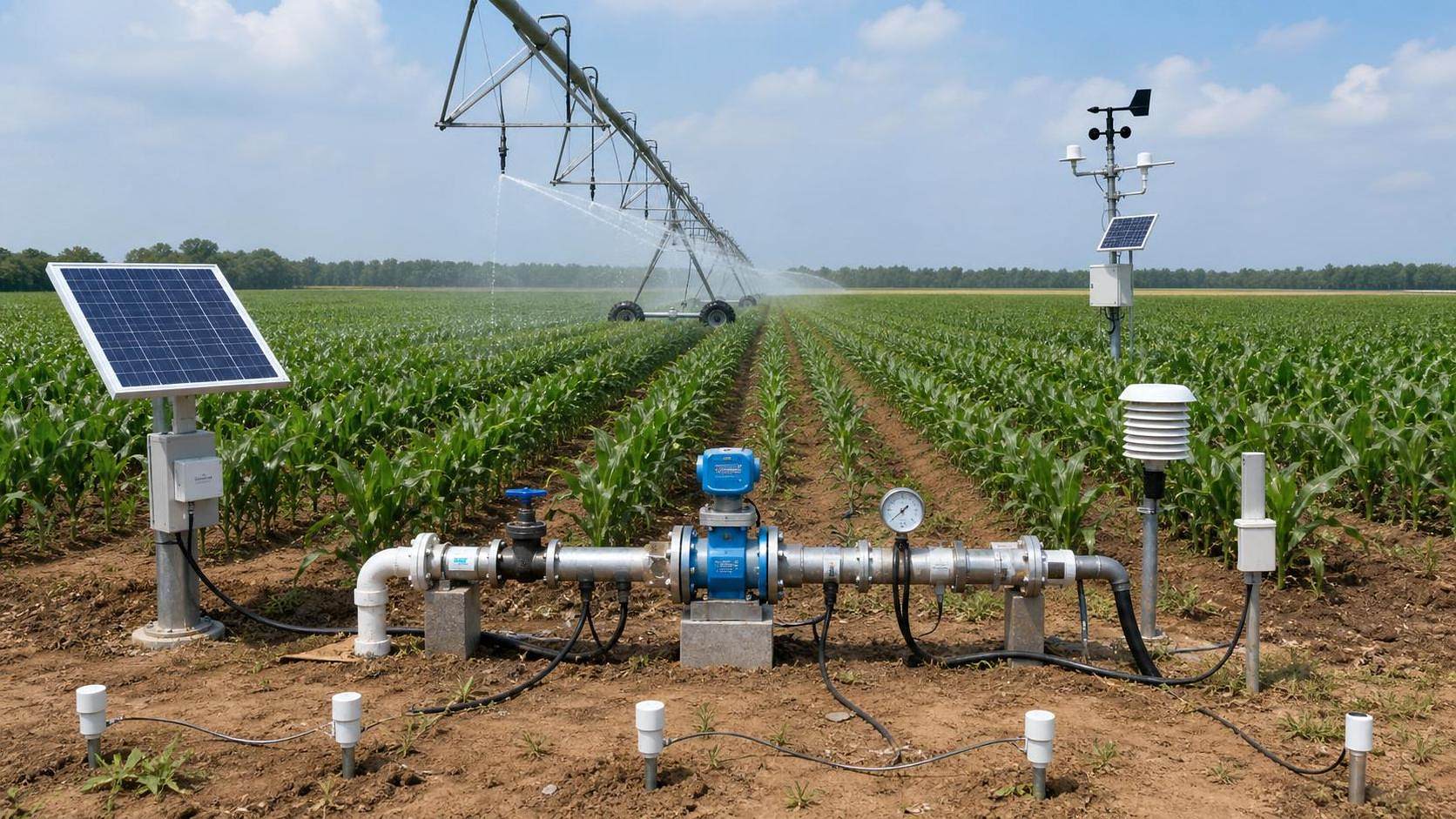




For row-crop irrigation, the core question is rarely whether more sensors can be installed. The harder question is which signals actually improve decisions. When evaluating sensor-based irrigation systems for row crops, performance depends on how well the system interprets soil variation, crop demand, and changing field conditions, not on sensor count alone.
That makes this topic especially relevant in the Agriculture 4.0 environment tracked by AP-Strategy, where irrigation is no longer a stand-alone utility. It is part of a larger operating system linking machinery efficiency, agronomic timing, water constraints, and data-led field management.
Why the data hierarchy matters
Sensor-based irrigation systems for row crops are designed to convert field measurements into irrigation timing, run duration, or zone-specific application rates. In practice, not all inputs carry equal value.
Some data streams directly affect crop water balance. Others only provide context. A strong evaluation starts by ranking inputs according to their influence on irrigation accuracy, response speed, and economic outcome.
This distinction matters at scale. A system may look advanced on a specification sheet, yet still miss root-zone depletion, ignore infiltration limits, or overreact to surface conditions that do not reflect crop stress.
The sensor inputs that usually matter most
In most row-crop settings, the most valuable signals are the ones closest to crop water availability. That usually puts soil moisture data near the top, provided it is measured at the correct depth and interpreted against soil texture.
Soil moisture is foundational, but placement decides value
Volumetric water content and soil water tension are often treated as interchangeable. They are not. Water content shows how much water is present. Tension shows how hard roots must work to extract it.
For coarse soils, water content can shift quickly after irrigation and drainage. For finer soils, tension data often reveals stress earlier. The better choice depends on root architecture, soil type, and management goals.
Depth selection is equally important. Sensors installed too shallow may reflect evaporation more than plant uptake. Sensors placed too deep may confirm percolation losses after the damage is already done.
Weather data matters when it supports evapotranspiration logic
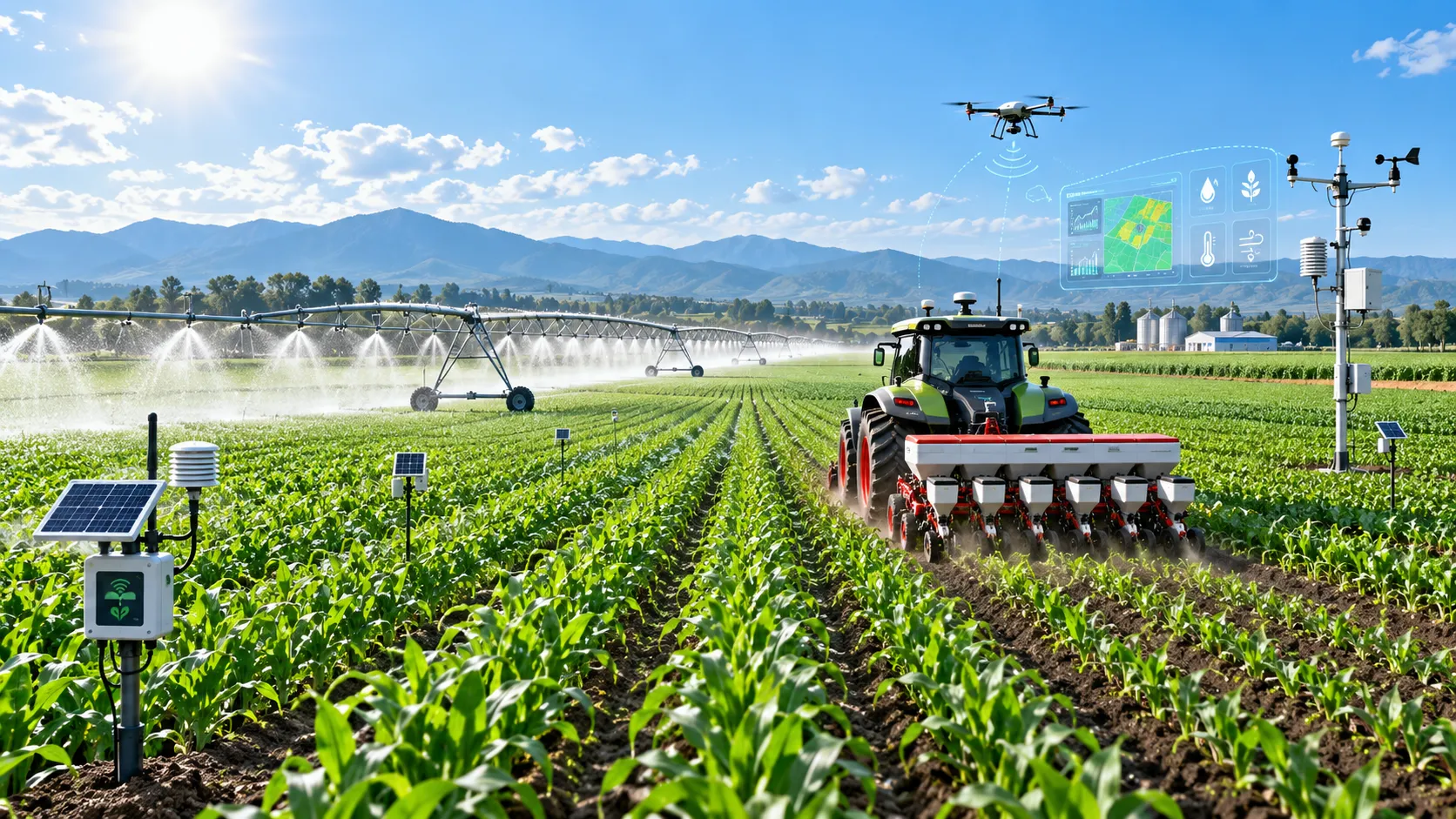
Air temperature alone is rarely enough. The useful weather package includes solar radiation, relative humidity, wind speed, and rainfall, because these drive evapotranspiration estimates and irrigation replacement calculations.
Rainfall data needs caution. A station may record a meaningful event, while canopy interception, runoff, or uneven distribution prevents effective recharge in the root zone. Rain gauges support decisions, but they do not replace soil sensing.
Crop-stage signals improve timing more than generic schedules
Corn at early vegetative growth does not justify the same trigger threshold as corn near tasseling. Cotton, soybean, and sunflower also shift in sensitivity across development stages.
Effective sensor-based irrigation systems for row crops account for root depth expansion, canopy closure, and critical reproductive windows. Without crop-stage logic, the system may apply water efficiently yet still at the wrong time.
Pressure, flow, and valve feedback protect execution quality
Decision quality is only half the story. A sound recommendation fails if pivots, drip blocks, filters, or valves do not perform as expected.
Flow meters, line pressure sensors, and pump feedback reveal whether the commanded irrigation event actually happened. For technical validation, this operational layer is often underrated.
Field conditions that change the interpretation of every sensor
The same data stream can mean different things under different field conditions. That is why evaluation should focus on context, not isolated readings.
Among these factors, soil heterogeneity usually drives the largest error. A single probe rarely represents an entire row-crop block. Even within one field, lighter ridges and heavier depressions can behave like separate irrigation environments.
This is where AP-Strategy’s broader view of intelligent farm tools becomes relevant. Sensor feedback has value only when it is aligned with equipment capability, variable-rate logic, and field segmentation that fits operational reality.
What strong system evaluation looks like
A useful comparison does not begin with interface design or dashboard aesthetics. It begins with whether the system can maintain a reliable water balance under field variability and operational constraints.
- Check whether sensor readings are calibrated for local soil conditions rather than factory defaults alone.
- Review how the platform handles missing data, communication gaps, and sensor drift.
- Confirm that irrigation recommendations can be traced back to measurable triggers.
- Test whether the model adjusts for crop stage instead of using one seasonal threshold.
- Compare recommended events with pump capacity, set times, and field traffic realities.
That last point is often decisive. A technically elegant system may fail in commercial use if it assumes irrigation flexibility that the farm cannot physically deliver. Decision support must match machinery windows and labor patterns.
Where sensor-based irrigation systems for row crops create the most value
The strongest business case usually appears where water is constrained, energy costs are visible, and yield losses from mistimed irrigation are meaningful. High-value row crops are obvious candidates, but staple crops also justify adoption when scale magnifies small errors.
Value shows up in several ways. Water application becomes more consistent with actual root demand. Leaching losses can be reduced. Peak stress during reproductive stages is easier to avoid. Pumping hours may fall without sacrificing output.
There is also a strategic effect. Better irrigation data supports broader decisions around fertigation timing, equipment sizing, and sustainability reporting. In global agri-equipment markets, that linkage increasingly influences investment and procurement priorities.
Common failure points behind disappointing results
Many weak outcomes come from interpretation errors rather than sensor defects. Systems are often expected to solve agronomic uncertainty that was never encoded properly.
Too few representative locations
If sensor placement ignores management zones, one installation can dominate decisions for conditions it does not represent. This is a common issue in large row-crop blocks with mixed soils.
Overweighting surface responses
Surface layers respond quickly to heat, wind, and light rainfall. That does not always indicate root-zone depletion. Evaluations should distinguish between evaporation signals and plant-available water decline.
Weak integration with irrigation hardware
A recommendation engine is only as useful as its control path. If telemetry, valves, pivot panels, or pump stations are loosely connected, the system becomes advisory rather than operational.
Ignoring validation after installation
Sensor-based irrigation systems for row crops require seasonal validation. Soil pits, root checks, flow verification, and yield map review are still needed to confirm that the digital model matches field behavior.
A practical framework for next-step decisions
A disciplined review should start with three questions. Which water decisions cause the largest economic swings? Which field conditions create the most uncertainty? Which data streams can realistically improve those decisions?
From there, narrow the evaluation to a few measurable outcomes: root-zone accuracy, event timing, application uniformity, and yield stability during sensitive growth periods. This keeps the comparison grounded in field performance rather than marketing claims.
For organizations following AP-Strategy’s intelligence approach, the strongest path is to assess irrigation systems as part of a wider mechanization and sustainability stack. The useful question is not only which platform collects more data, but which one turns field variability into repeatable operational control.
That is where sensor-based irrigation systems for row crops become more than a digital add-on. They become decision infrastructure. The next step is to map field zones, rank the most influential variables, and test whether each candidate system can respond to those variables with traceable, field-ready logic.
Related News
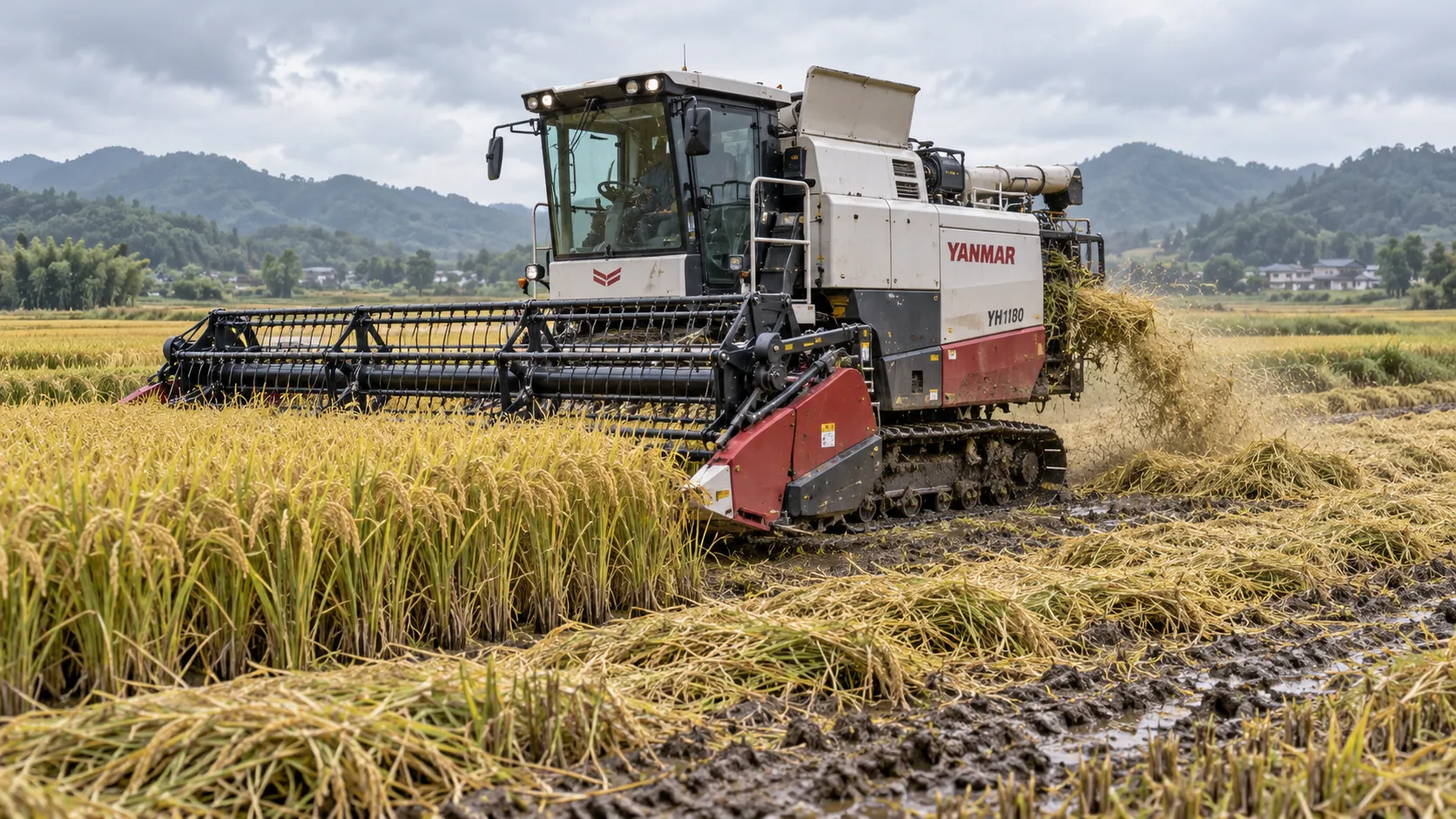
How to Specify Combine Harvester Systems for High-Moisture Grain and Variable Field Conditions
Combine harvester systems for high-moisture grain: learn how to specify threshing, cleaning, headers, traction, and automation for reliable harvests in variable fields.
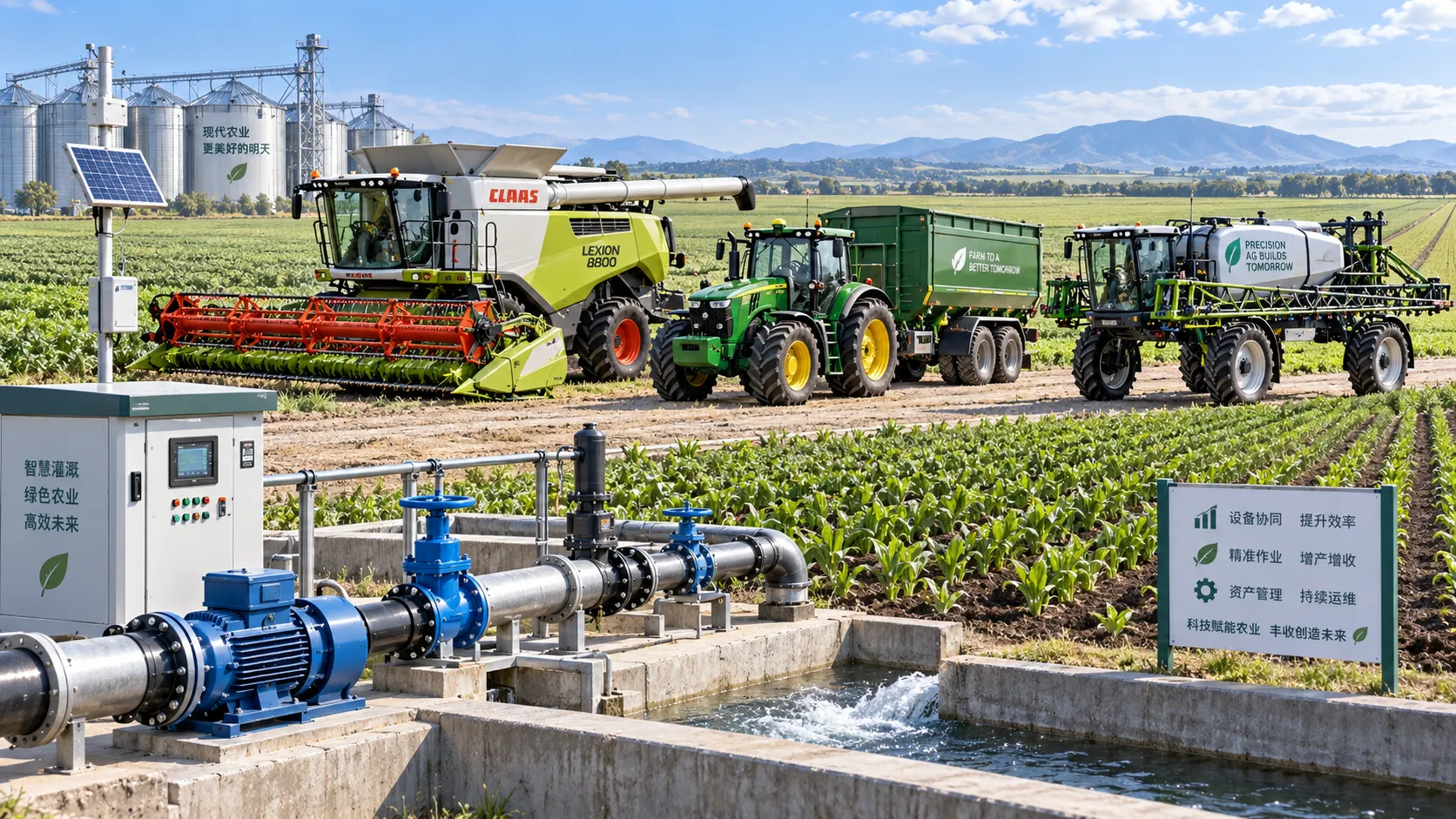
How to Compare Agricultural Equipment Platforms for Fleet Management and ROI
Agricultural equipment platform comparison: evaluate fleet data, maintenance, precision workflows, and ROI to choose a system that delivers measurable results.
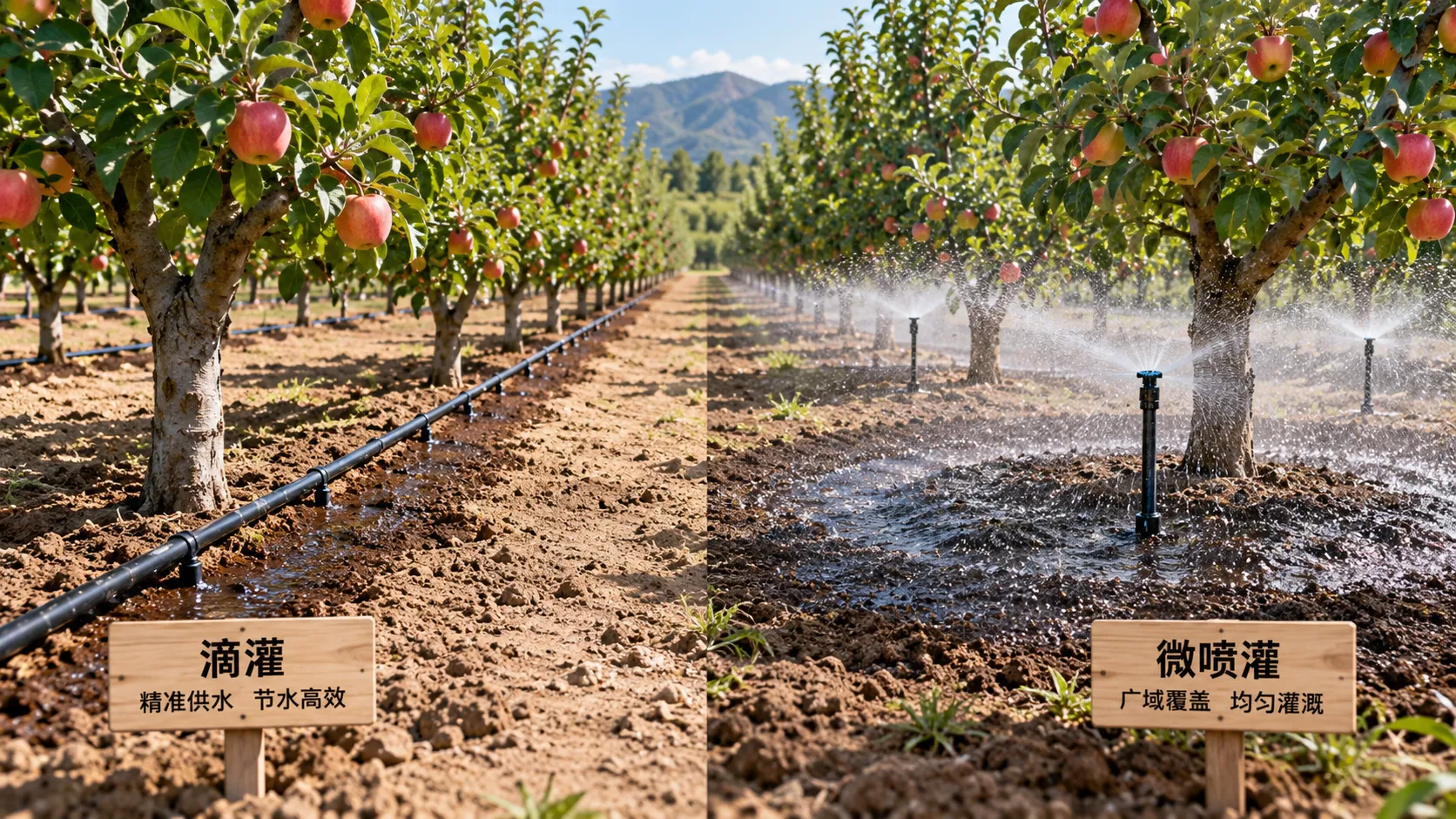
Drip vs. Micro-Sprinkler Irrigation: Which System Fits Your Orchard?
Irrigation solution comparison for orchards: discover whether drip or micro-sprinklers best match your water, soil, roots, fertigation, and frost needs.
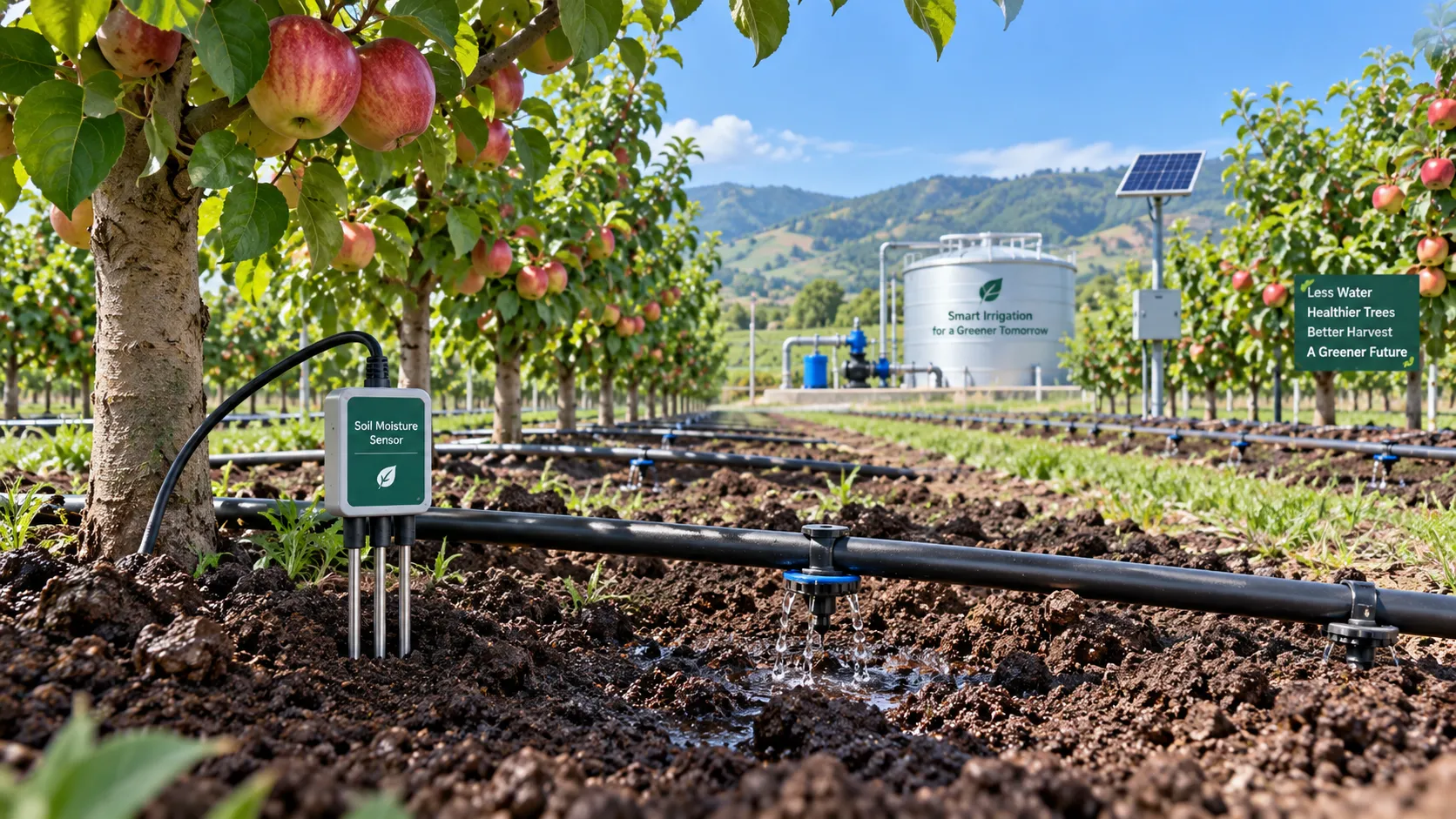
Orchard Water Management: Using Soil Moisture Data to Schedule Irrigation
Agricultural water management for orchards made practical: use soil moisture data to optimize irrigation timing, protect yield, reduce costs, and improve resilience.
Tractor Chassis Price: What Buyers Should Compare Beyond the Initial Quote
Tractor chassis price is only the start. Compare load capacity, compatibility, durability, and lifecycle costs to choose a reliable, high-value chassis.
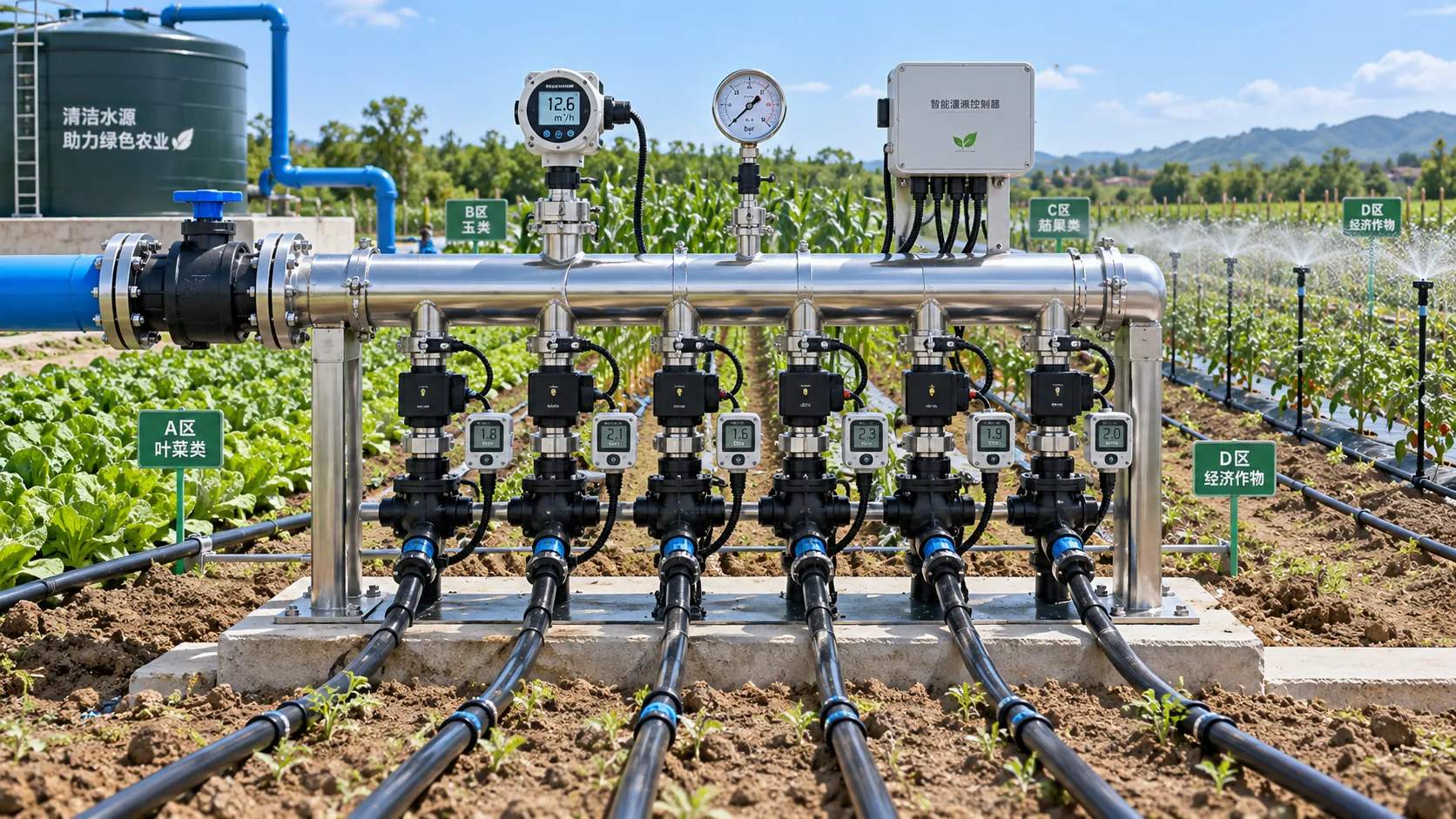
How to Select Smart Irrigation Valves for Multi-Zone Water Management?
Intelligent irrigation systems valves: learn how to match smart valves with multi-zone flow, pressure, control, feedback, and communication needs for reliable water management.
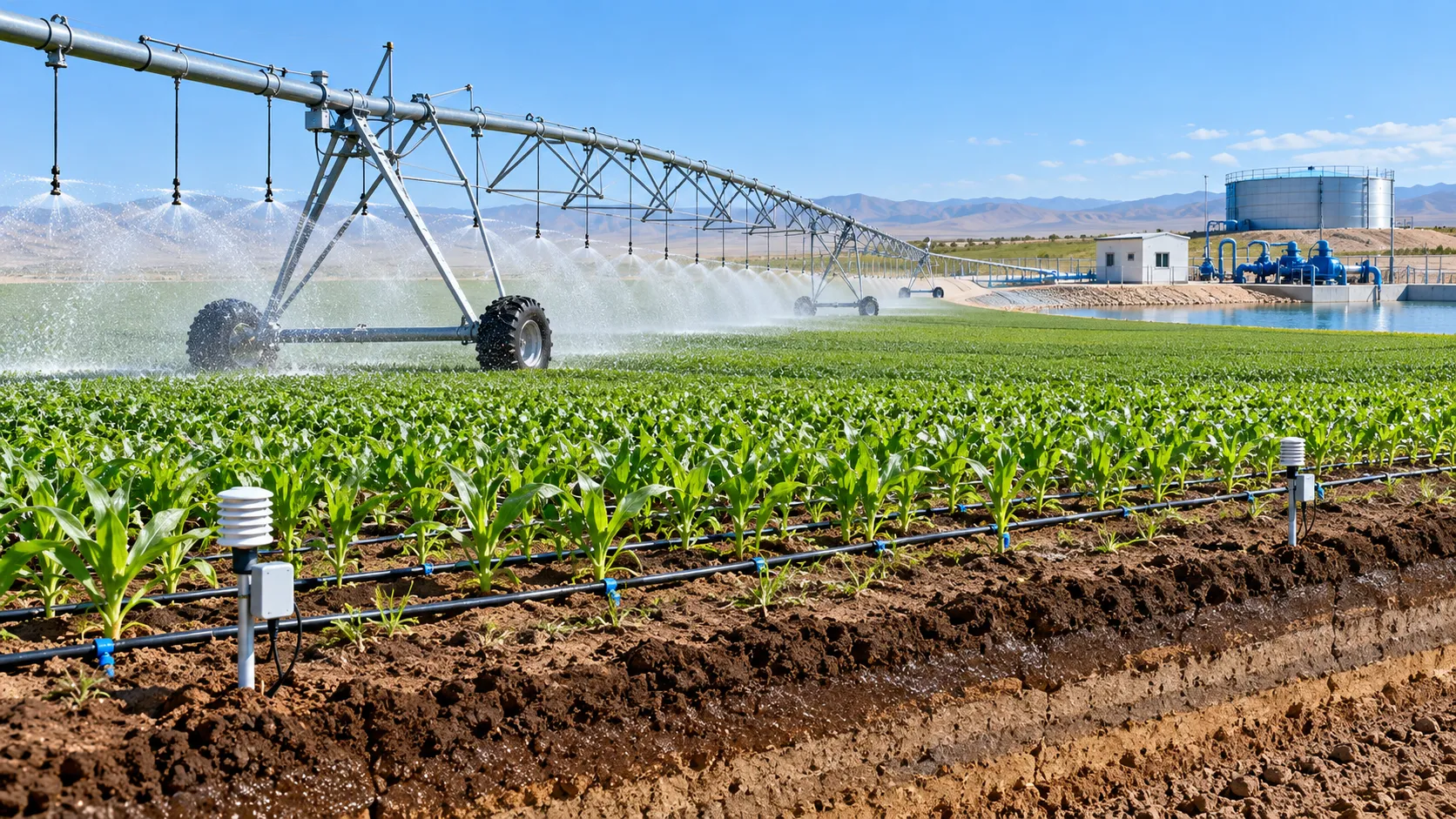
Climate-Smart Farming for Drought: A Practical Plan for Protecting Yields
Climate-smart farming for drought: build smarter water budgets, protect critical crop stages, improve irrigation uniformity, and safeguard yields with practical field-proven strategies.
How Digital Agriculture Platforms Turn Field Data Into Better Input Decisions
Digital agriculture platforms turn field data into smarter fertilizer, water, seed, and equipment decisions—helping farms cut risk, improve margins, and scale sustainability.
GPS-Guided Farm Machinery: Where It Delivers Measurable Field Efficiency Gains
Agri-mechanization GPS guided systems deliver measurable field efficiency gains through reduced overlap, precise planting, smarter inputs, and reliable farm data.
Related News
- 00
0000-00
Orchard Water Management: Using Soil Moisture Data to Schedule Irrigation - 00
0000-00
Climate-Smart Farming for Drought: A Practical Plan for Protecting Yields - 00
0000-00
Selecting Real-Time Soil Moisture Sensors for Irrigation Zone Control - 00
0000-00
How Does Climate-Smart Farming Reduce Water Use in Semi-Arid Areas? - 00
0000-00
USDA Rule Takes Effect: Dual FCC and NRCS Approval for Soil Moisture Sensors
Popular Tags
Hydrological Resource Strategist
Weekly Insights
Stay ahead with our curated technology reports delivered every Monday.