
Vietnam Requires Vietnamese Warning Labels for Imported Soil Tillers
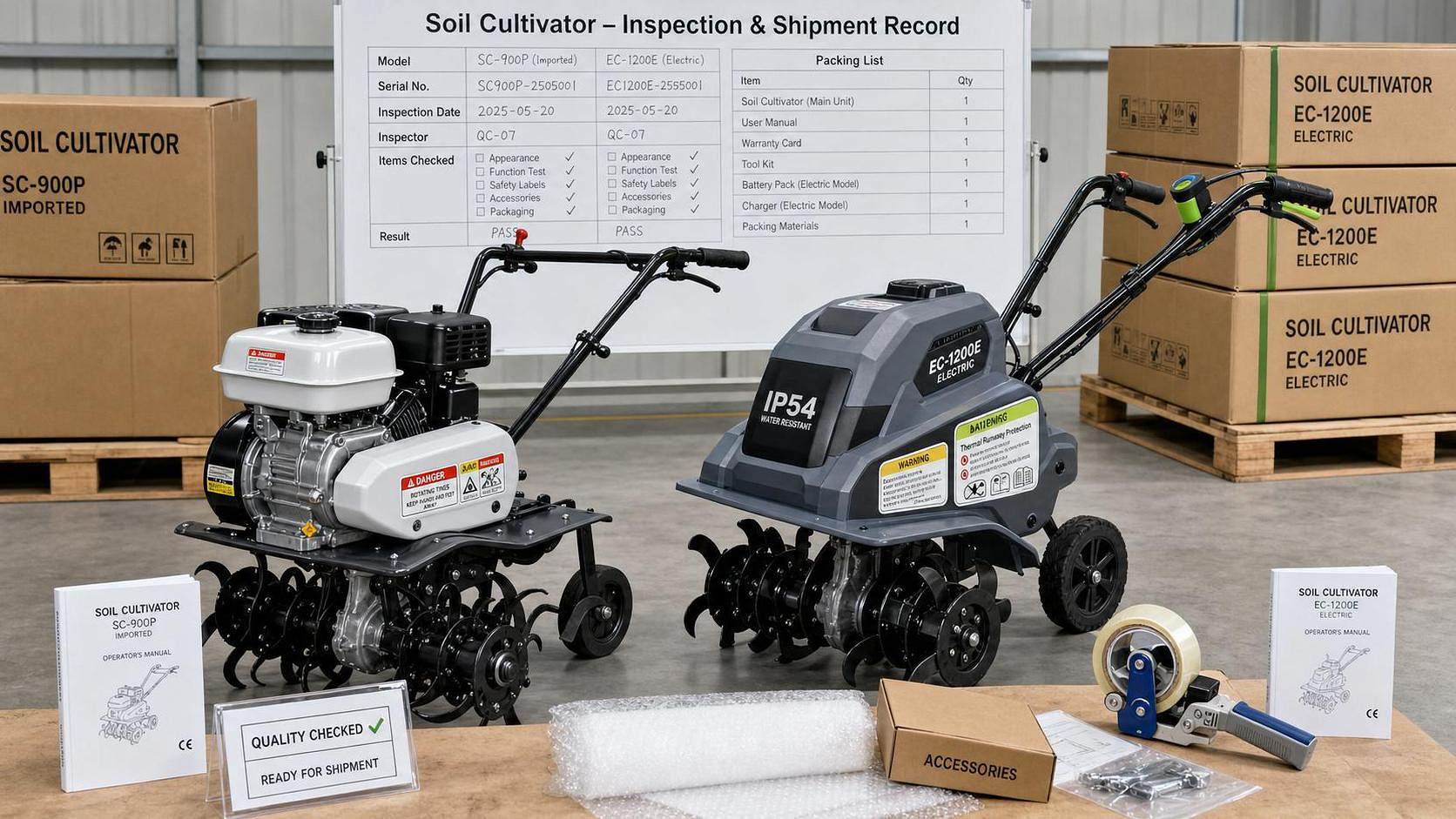




On July 8, 2026, Vietnam’s Ministry of Industry and Trade (MOIT) issued Circular 12/2026/TT-BCT, introducing a new labeling requirement for imported soil tillers. From October 1, 2026, these products must carry Vietnamese-language safety warnings and operating instructions in a prominent position on the machine, while electric models must also show an IP rating and a battery thermal runaway protection marking. The change matters not only for exporters, but also for packaging, documentation, procurement, delivery, and after-sales coordination across the supply chain, because compliance is shifting from a document-only issue to a product-facing requirement.
What the new Vietnam rule specifically requires
The confirmed facts are limited but clear. MOIT released Circular 12/2026/TT-BCT on July 8, 2026. The rule takes effect on October 1, 2026. It applies to all imported soil tillers, regardless of origin. Under the new requirement, imported units must display Vietnamese-language safety warning and operating instruction labels in a conspicuous location on the machine body. For electric models, the label content must also include the IP rating and a marking related to battery thermal runaway protection. The input information also states that Chinese exporters need to update localized versions of packaging and instruction manuals accordingly.
Where the pressure is likely to appear across the trade chain
Export shipments will be affected at the product presentation stage
For exporters of soil tillers, the immediate impact is that compliance now extends to the physical machine label, not only to outer packaging or accompanying paperwork. From an industry perspective, this means shipment readiness may depend on whether the Vietnamese-language warning and operating label has been incorporated into the final product configuration before dispatch or before market entry. Export teams should therefore pay close attention to label content consistency across the machine body, packaging, and instruction manuals.
Packaging and documentation workflows will need tighter alignment
The requirement to update localized packaging and manuals means documentation teams, packaging suppliers, and product managers may all be drawn into the compliance process. What deserves closer attention is that the rule links on-product labeling with localized written materials, which can create practical pressure in artwork control, translation approval, version management, and release timing for export batches.
Electric models face an added layer of compliance review
For electric soil tillers, the rule adds two specific information points: the IP rating and a battery thermal runaway protection marking. Analysis shows that this creates a more detailed compliance checkpoint for electric variants than for non-electric products. In practical terms, manufacturers, importers, and buyers will need to confirm that technical specifications, label design, and product documentation reflect the same information set, especially where multiple model versions are supplied into the same market.
Importers, distributors, and service teams may need earlier coordination
Importers and downstream distributors may be affected because labeling compliance can influence whether goods are ready for sale and handover. After-sales and service teams may also need to work with the updated Vietnamese-language operating information, particularly if user guidance, warning content, and machine markings must remain consistent in the local market. Observably, this is the kind of rule change that can move compliance work earlier in the delivery cycle rather than leaving it to the final sales stage.
Practical points companies should review now
Check whether current labels meet the on-machine requirement
Companies shipping soil tillers to Vietnam should review whether existing products already carry the required safety and operating information in Vietnamese on the machine body itself. If the current approach relies mainly on cartons, inserts, or manuals, the new rule may require a redesign of the physical labeling arrangement.
Verify consistency between machine labels, packaging, and manuals
The input information expressly notes that packaging and instruction manuals need localized updates. Analysis shows that a mismatch between on-product labels and supporting materials could become a practical compliance risk, even if the rule summary does not provide detailed enforcement language. Businesses should therefore review translation accuracy, terminology consistency, and version control across all product-facing materials.
Separate electric and non-electric compliance tracks
Because electric models require additional markings for IP rating and battery thermal runaway protection, companies should avoid treating all soil tillers as one uniform compliance category. A model-by-model review is more appropriate, especially where a product family includes both electric and non-electric versions or where one platform is supplied into different markets with different labeling layouts.
Watch for execution details that are not yet provided here
The supplied information confirms the rule, the effective date, and the core labeling requirements, but it does not provide full operational detail on enforcement practice, document format expectations, or market-side verification methods. It is more appropriate to understand this stage as one that requires close monitoring of official wording, customer requirements, and market implementation signals rather than assuming all execution details are already settled.
How this change is best understood at this stage
As an editorial observation, this development looks less like a distant policy direction and more like a concrete market-entry compliance signal with a defined implementation date. At the same time, it should not be overstated as a fully mapped enforcement regime based on the information currently available here. The clearer reading is that Vietnam is specifying what product-facing information must accompany imported soil tillers, and the market now needs to watch how that requirement is interpreted in procurement documents, import practice, and downstream distribution workflows.
What the update means for near-term market practice
In summary, the July 8, 2026 MOIT circular introduces a clear new obligation tied directly to imported soil tillers: visible Vietnamese-language warning and operating labels on the machine, with additional markings for electric models. For industry participants, the main significance is not just the wording of the rule, but the operational effect on labeling design, localized materials, product classification, and delivery preparation. At present, this is best understood as a confirmed rule change with immediate compliance planning value, while some aspects of execution and market response still warrant continued observation.
Basis of this article and what still needs verification
This article is generated on the basis of the user-provided news title, event date, and event summary. For developments of this kind, relevant source categories usually include official government notices, releases from regulatory authorities, customs or trade administration information, industry association updates, standards-related documents, and reporting by established trade media. No specific official source link was provided in the input, so the exact official publication link still needs to be verified on an ongoing basis. Further observation is also needed regarding detailed implementation language, certification or compliance interpretation, procurement document changes, industry feedback, and how companies execute the requirement in packaging, manuals, and product labeling practice.
Related News
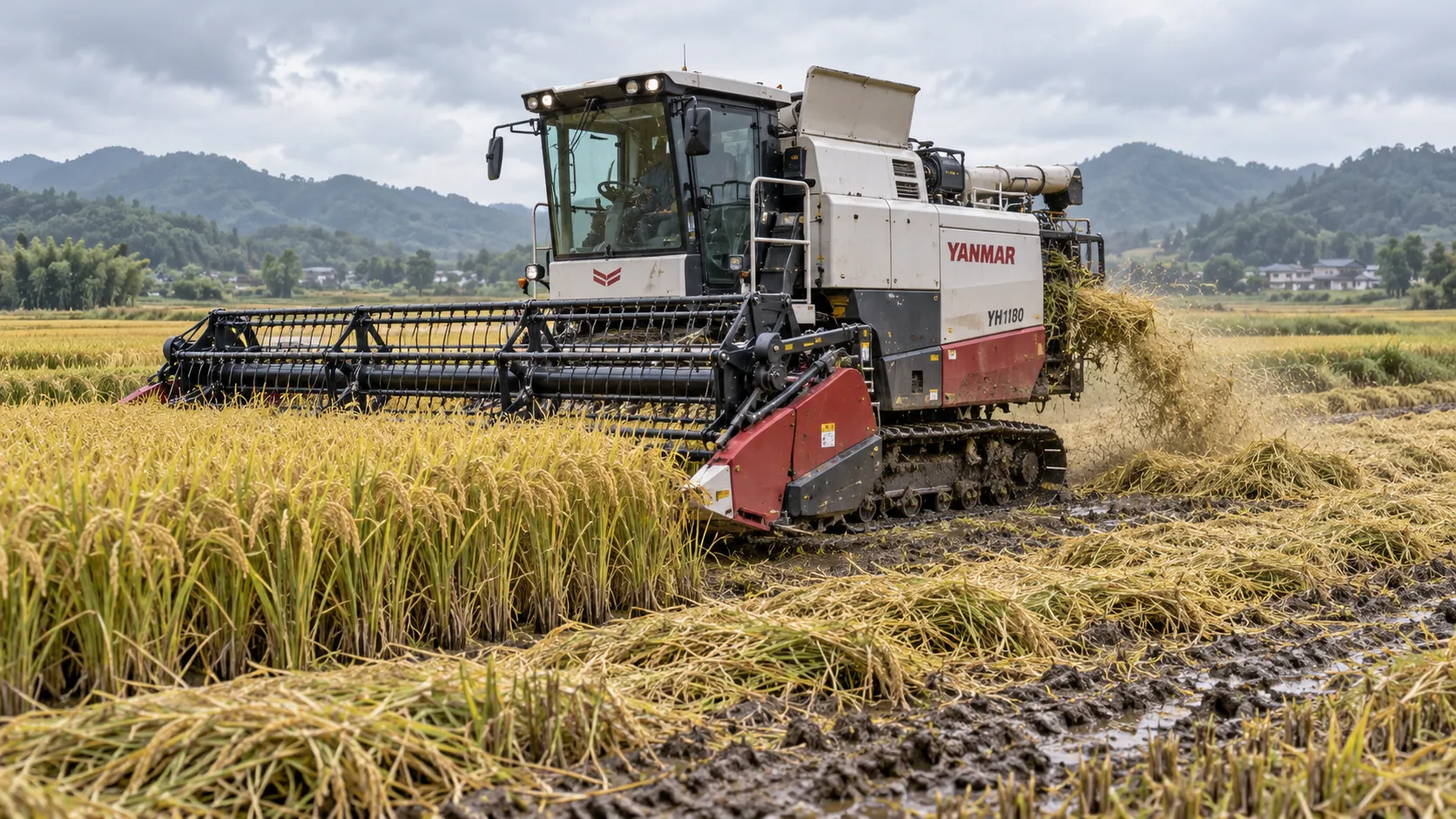
How to Specify Combine Harvester Systems for High-Moisture Grain and Variable Field Conditions
Combine harvester systems for high-moisture grain: learn how to specify threshing, cleaning, headers, traction, and automation for reliable harvests in variable fields.
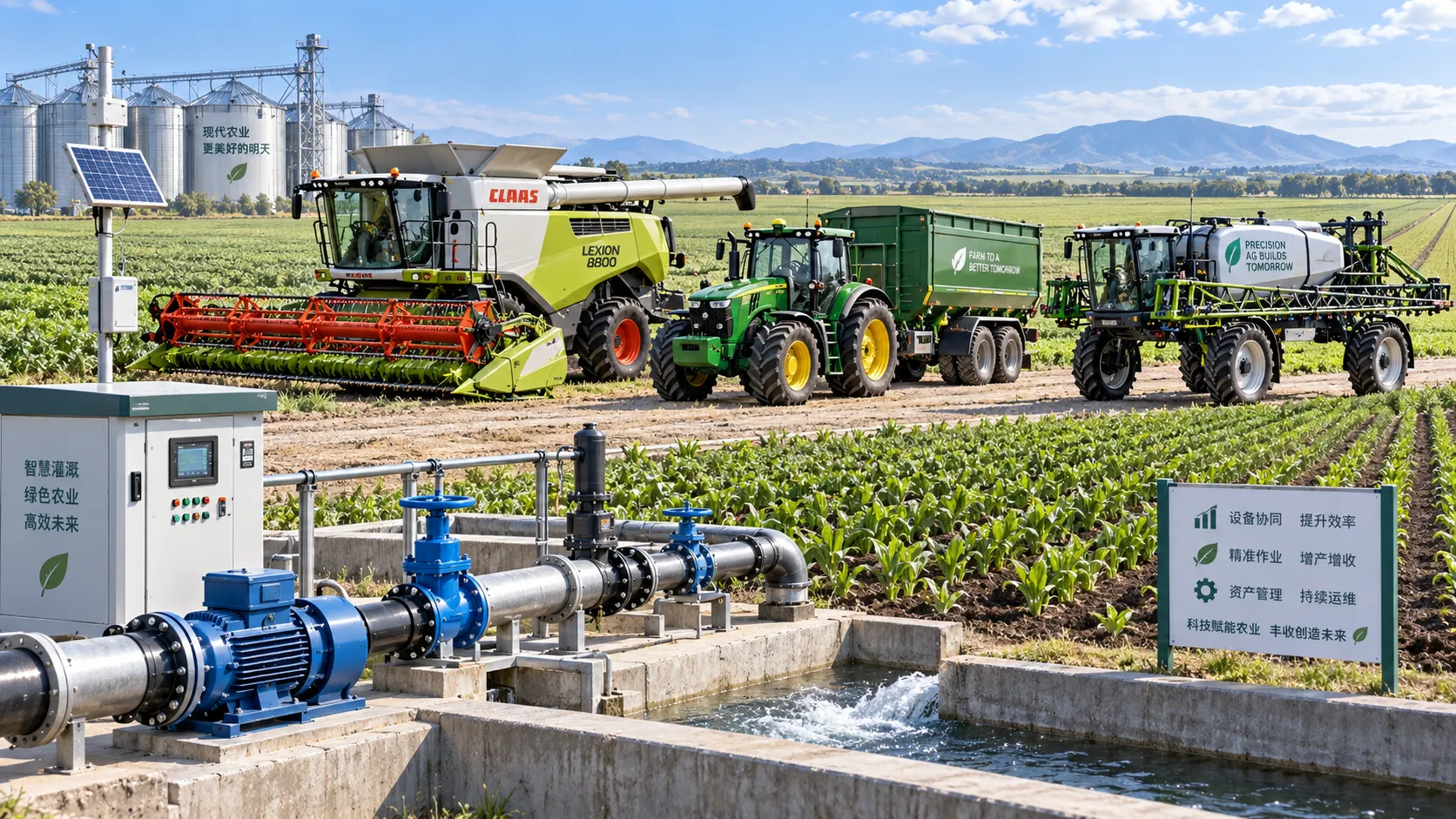
How to Compare Agricultural Equipment Platforms for Fleet Management and ROI
Agricultural equipment platform comparison: evaluate fleet data, maintenance, precision workflows, and ROI to choose a system that delivers measurable results.
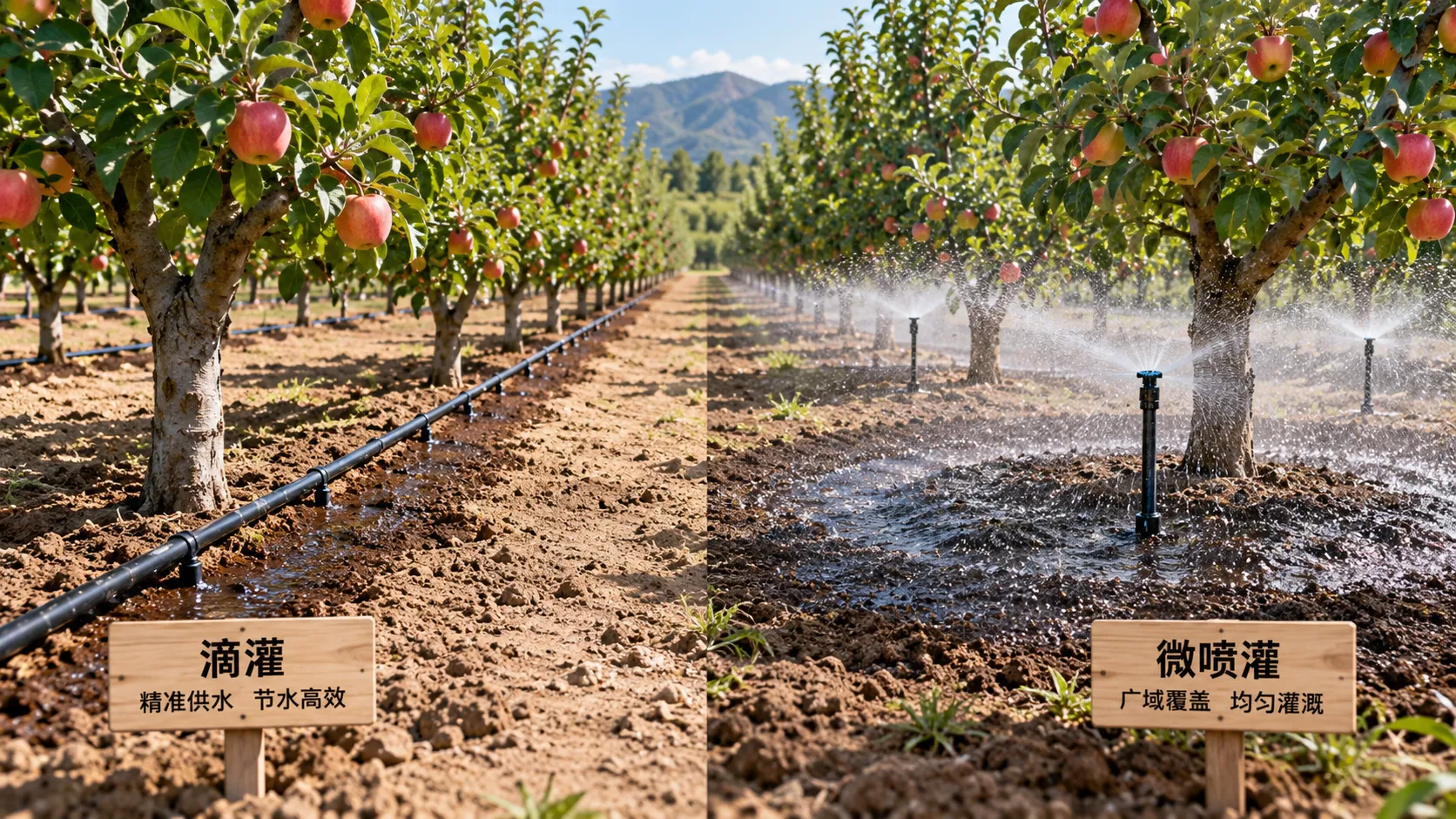
Drip vs. Micro-Sprinkler Irrigation: Which System Fits Your Orchard?
Irrigation solution comparison for orchards: discover whether drip or micro-sprinklers best match your water, soil, roots, fertigation, and frost needs.
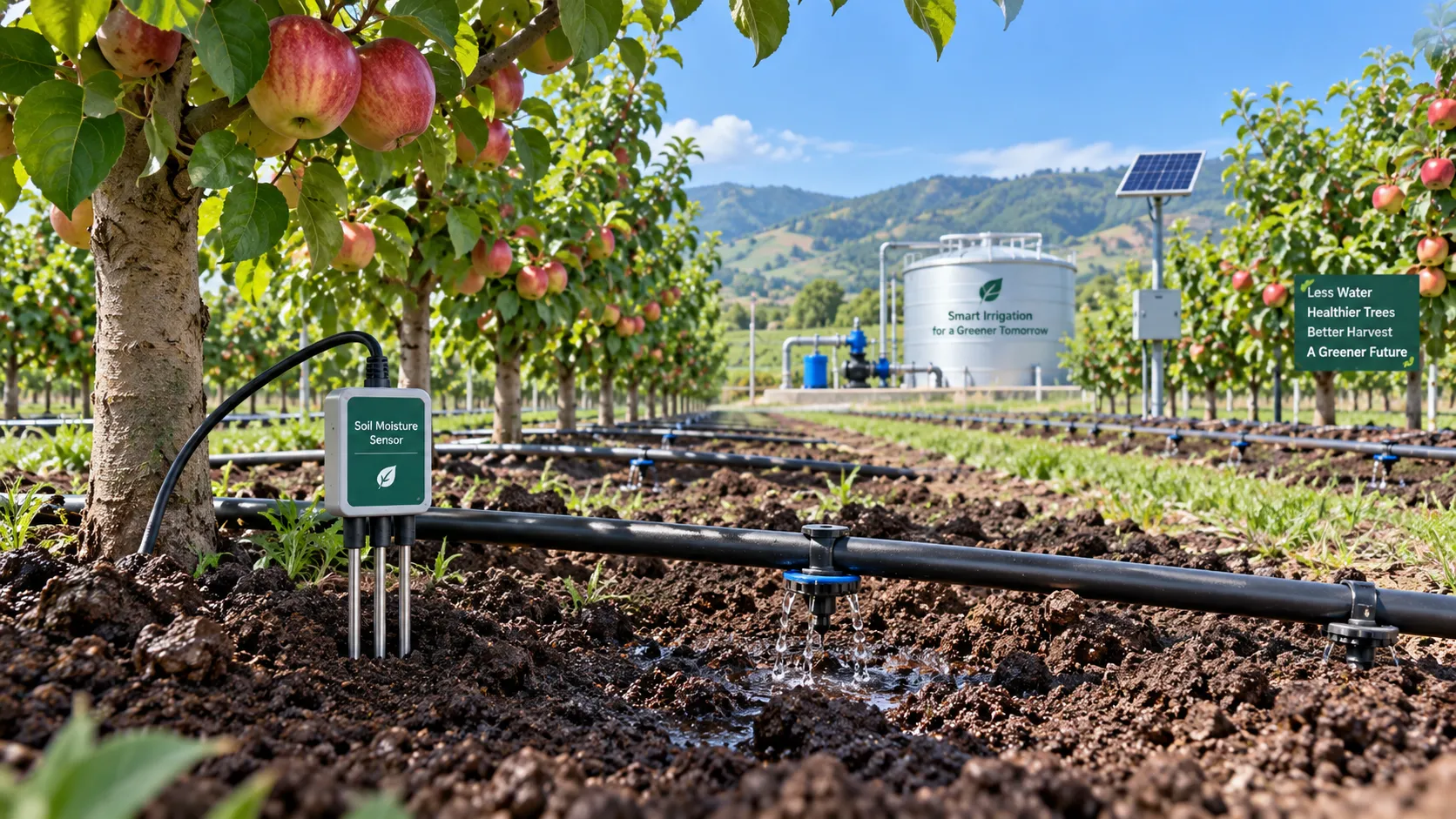
Orchard Water Management: Using Soil Moisture Data to Schedule Irrigation
Agricultural water management for orchards made practical: use soil moisture data to optimize irrigation timing, protect yield, reduce costs, and improve resilience.
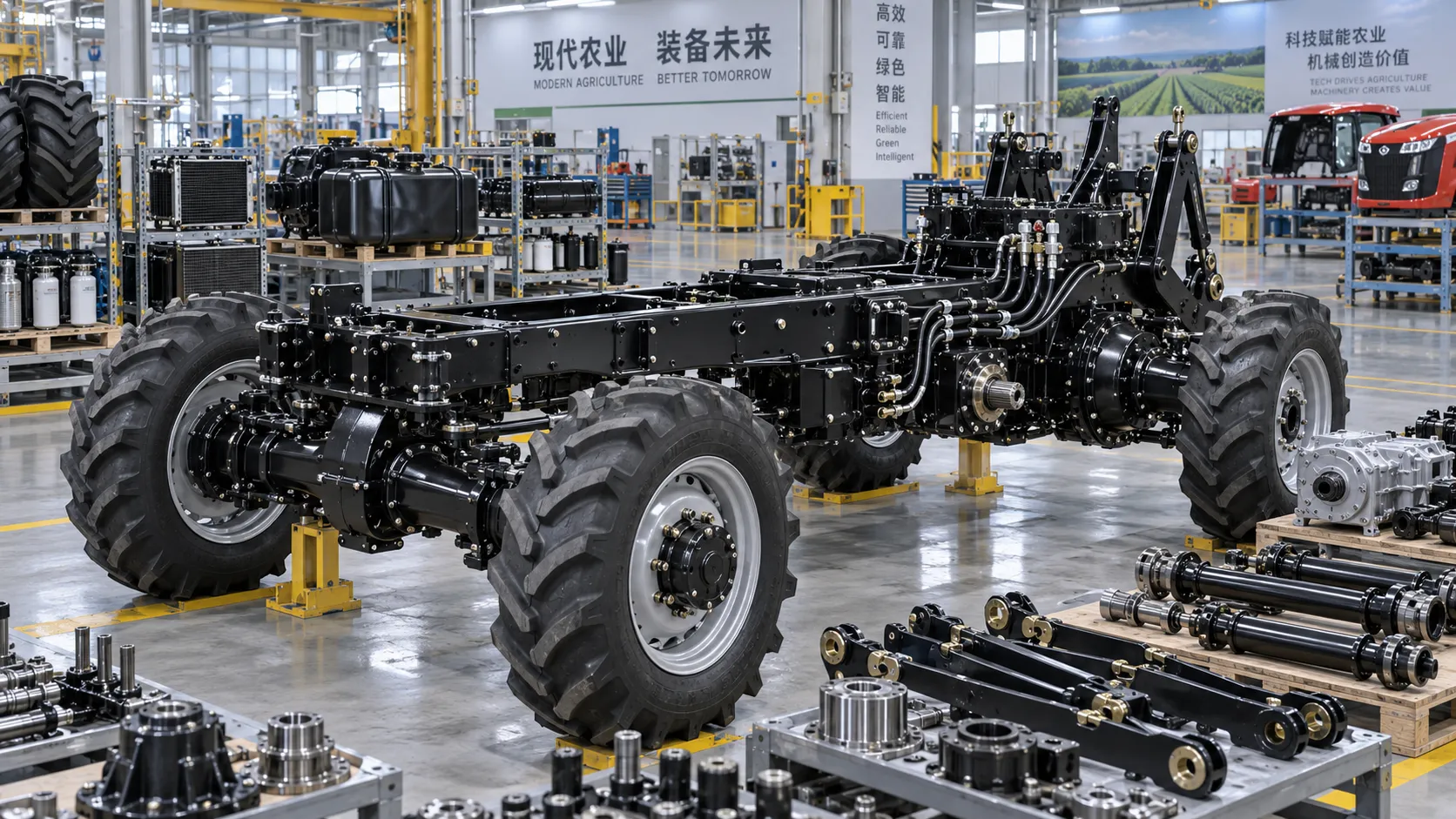
Tractor Chassis Price: What Buyers Should Compare Beyond the Initial Quote
Tractor chassis price is only the start. Compare load capacity, compatibility, durability, and lifecycle costs to choose a reliable, high-value chassis.
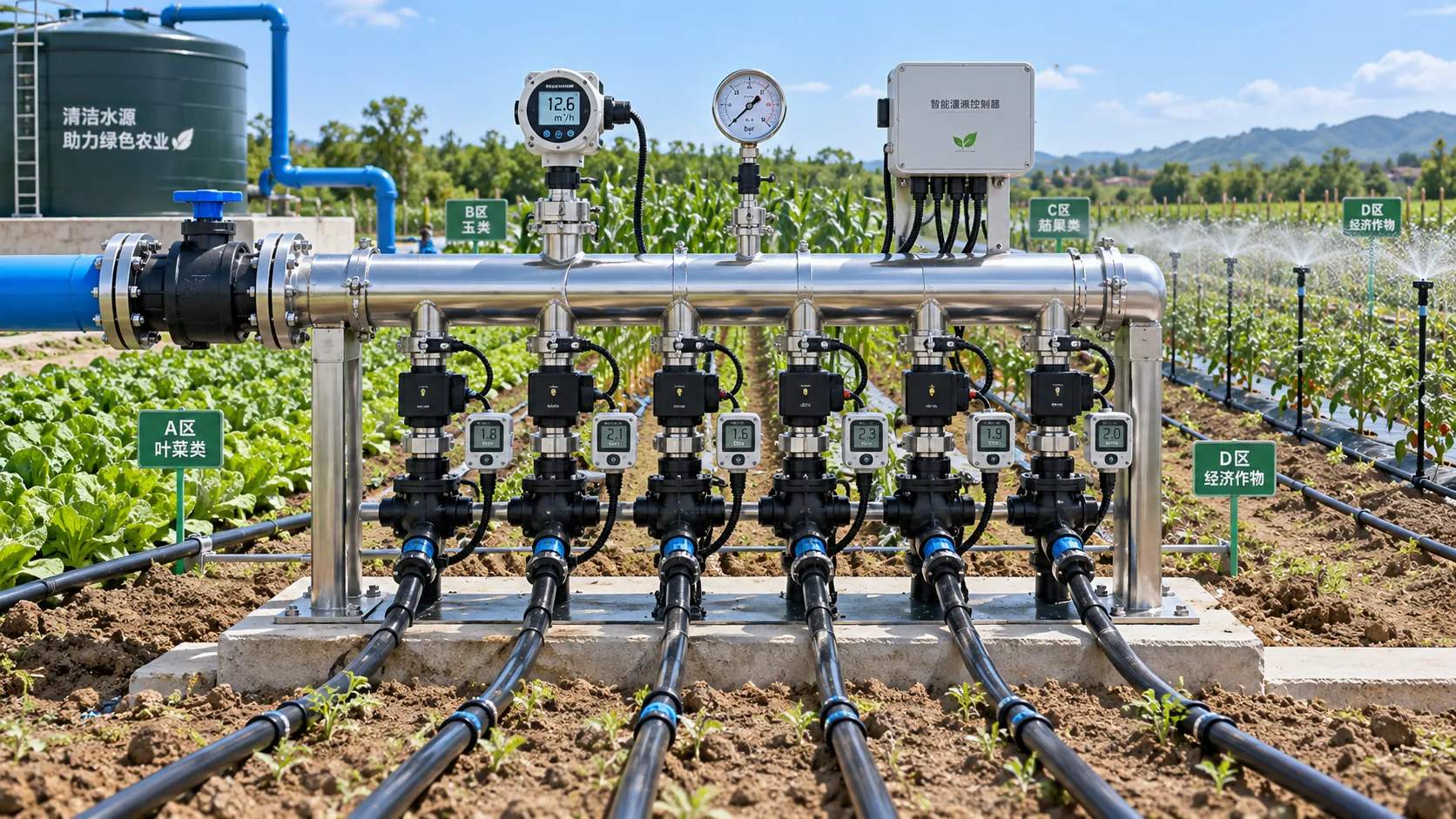
How to Select Smart Irrigation Valves for Multi-Zone Water Management?
Intelligent irrigation systems valves: learn how to match smart valves with multi-zone flow, pressure, control, feedback, and communication needs for reliable water management.
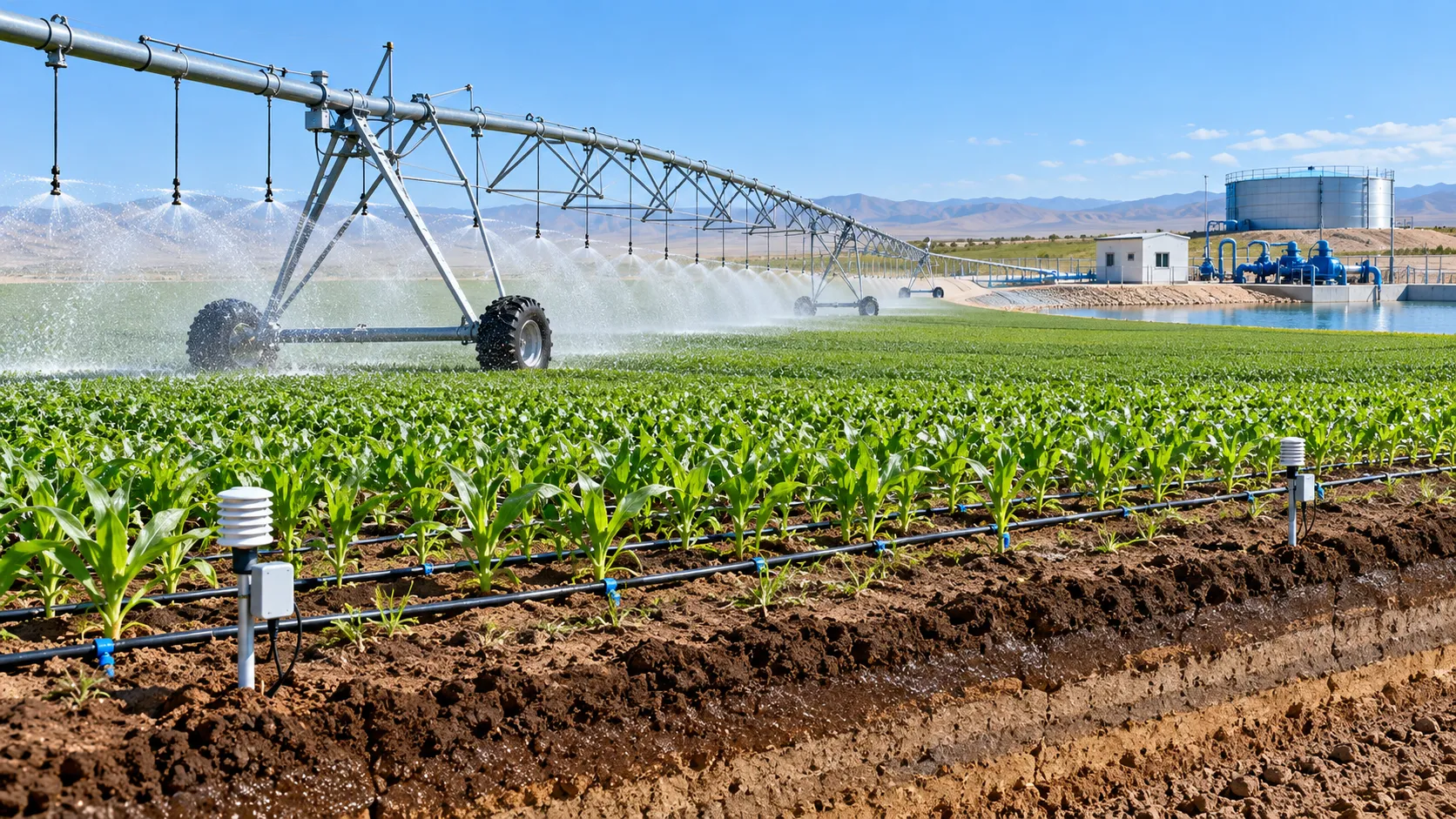
Climate-Smart Farming for Drought: A Practical Plan for Protecting Yields
Climate-smart farming for drought: build smarter water budgets, protect critical crop stages, improve irrigation uniformity, and safeguard yields with practical field-proven strategies.
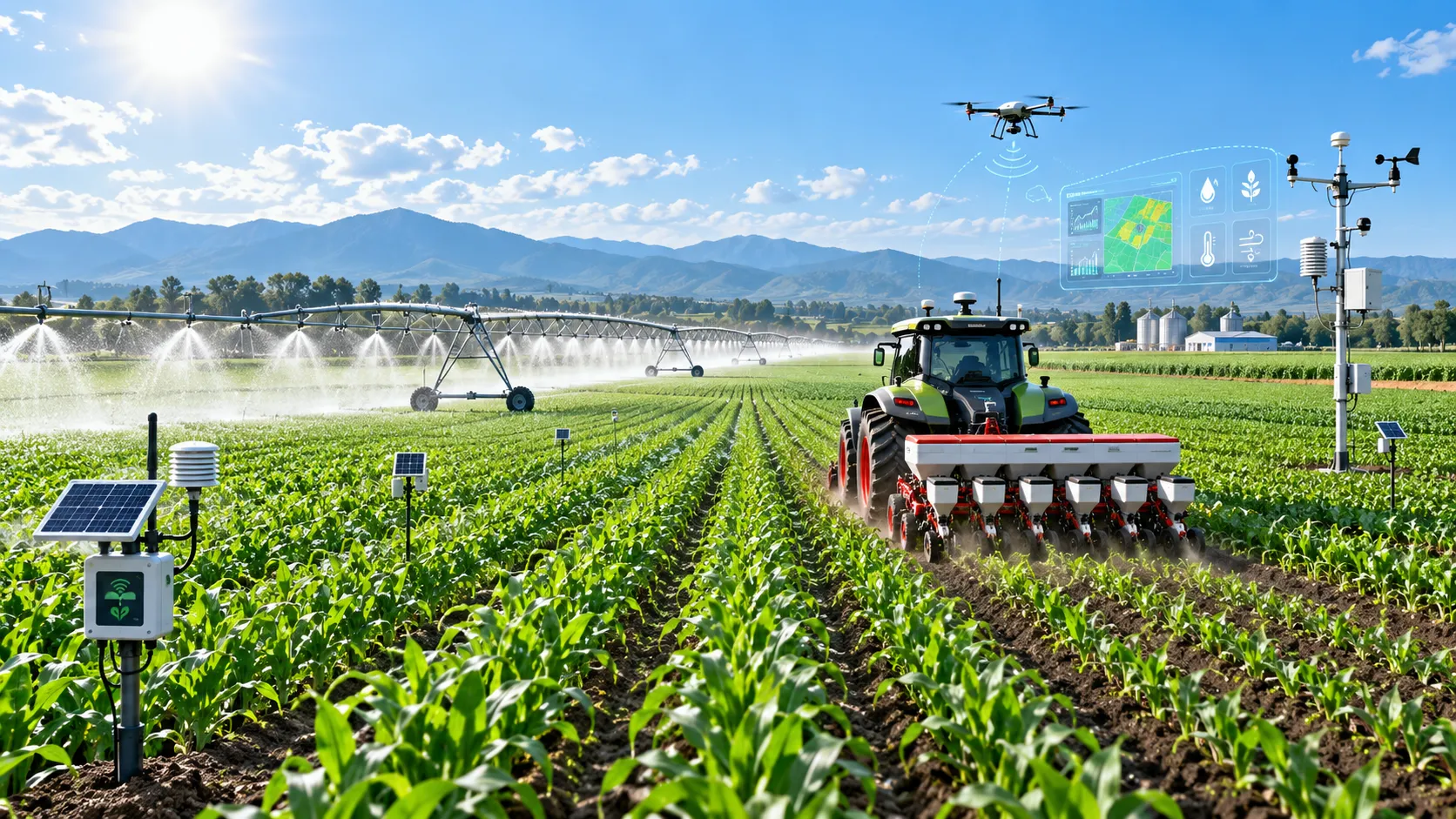
How Digital Agriculture Platforms Turn Field Data Into Better Input Decisions
Digital agriculture platforms turn field data into smarter fertilizer, water, seed, and equipment decisions—helping farms cut risk, improve margins, and scale sustainability.
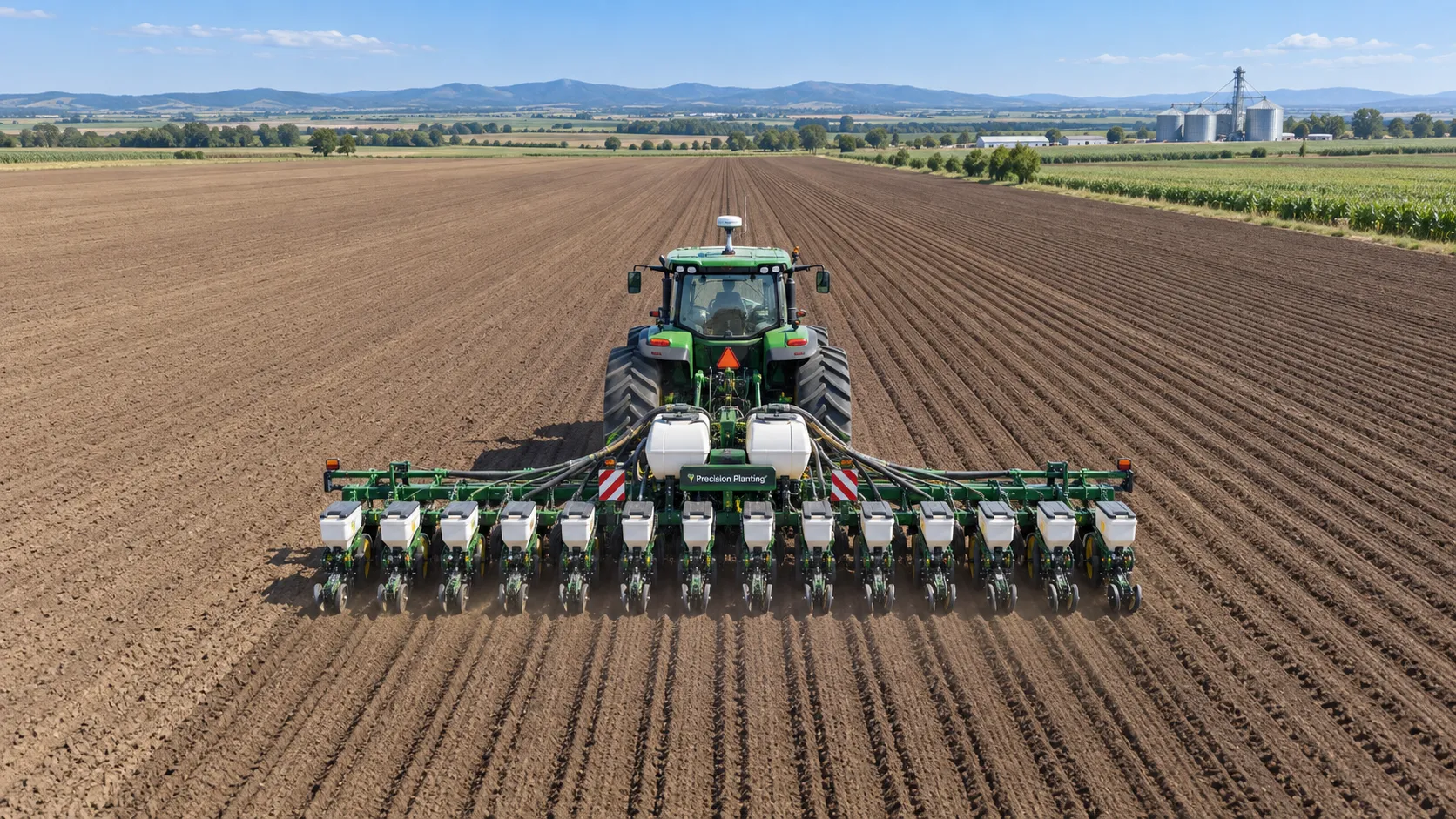
GPS-Guided Farm Machinery: Where It Delivers Measurable Field Efficiency Gains
Agri-mechanization GPS guided systems deliver measurable field efficiency gains through reduced overlap, precise planting, smarter inputs, and reliable farm data.
Related News
- 00
0000-00
What Tractor Horsepower Is Needed for a Three-Bottom Moldboard Plow? - 00
0000-00
What Is the Difference Between No-Till and Conventional Tillage? - 00
0000-00
Does No-Till Farming Reduce Erosion on Hilly Farmland? - 00
0000-00
India BIS Tightens Soil Tiller Labeling for Imports - 00
0000-00
Vietnam Requires Vietnamese Warning Labels for Imported Soil Tillers
Popular Tags
Agri-Mechanization Fellow
Weekly Insights
Stay ahead with our curated technology reports delivered every Monday.