
Soil Tillage Preparation Machinery: Key Machine Types, Working Depth, and Field Conditions Explained
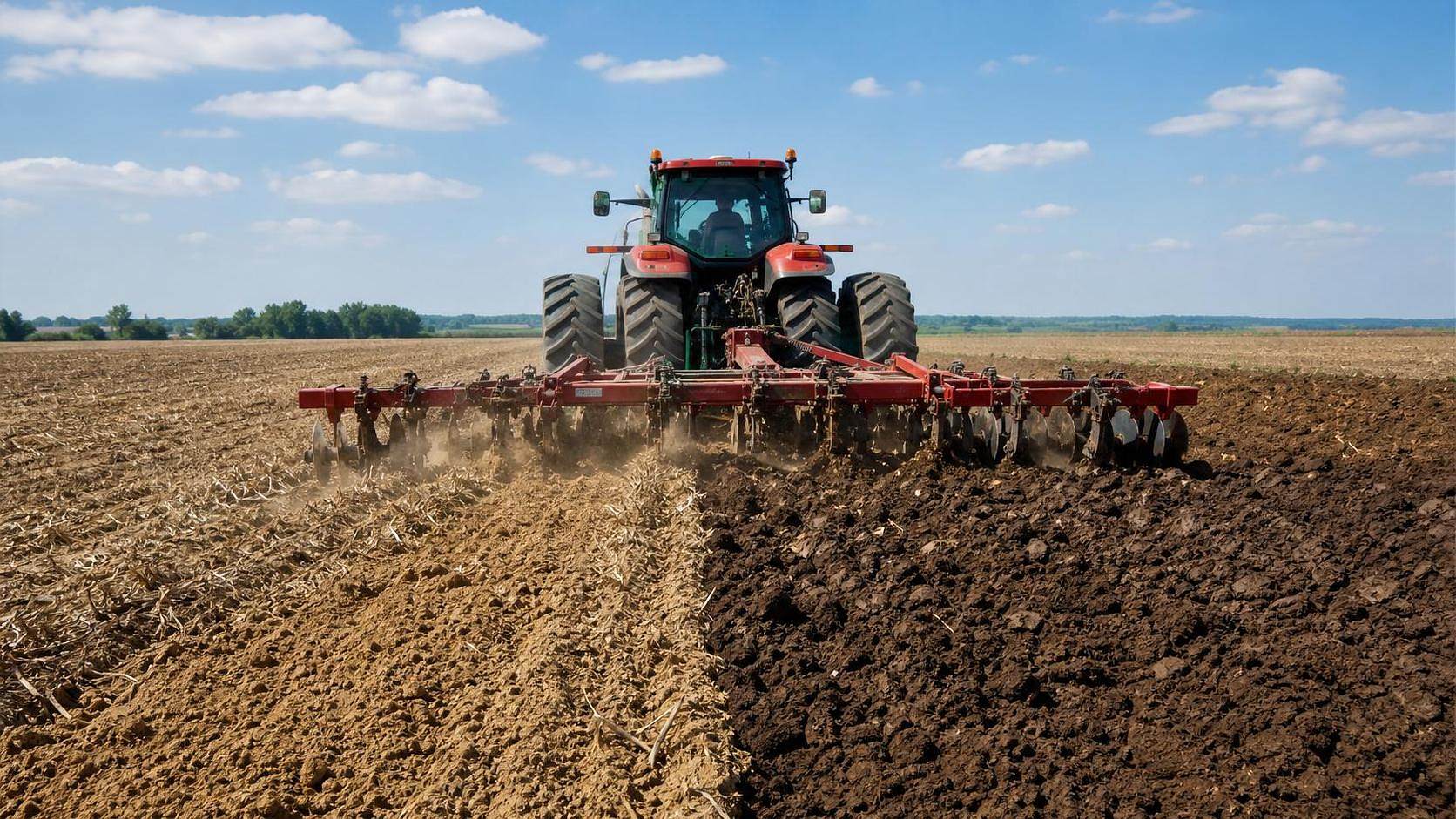




Soil Tillage Preparation Machinery: Key Machine Types, Working Depth, and Field Conditions Explained
Choosing the right soil tillage preparation machinery can change the whole pace of field preparation.
Good matches create a uniform seedbed, stable traction, and lower fuel use.
Poor matches often lead to compaction, clods, wheel slip, and missed planting windows.
That is why soil tillage preparation machinery should never be selected by horsepower alone.
Machine type, working depth, residue flow, and field moisture all shape actual performance.
In practical field work, operators need clear rules, not vague equipment claims.
This guide breaks down common soil tillage preparation machinery, realistic depth ranges, and the field conditions each machine handles best.
Why Soil Tillage Preparation Machinery Still Matters
Even with more reduced-till systems, soil tillage preparation machinery still solves real agronomic and operational problems.
It breaks dense layers, manages residue, levels rough surfaces, and prepares the upper root zone.
More importantly, it helps create consistent seed placement conditions across uneven fields.
The goal is not simply to disturb soil.
The goal is to prepare the field with the least passes, the lowest stress on the tractor, and the best planting result.
Main Types of Soil Tillage Preparation Machinery
Moldboard Plows
Moldboard plows fully invert the soil and bury residue effectively.
They are useful where weed pressure is high or where surface trash must be buried.
This soil tillage preparation machinery works best in fields needing full reset after heavy residue or sod.
The tradeoff is higher draft demand, slower speed, and greater risk of moisture loss.
Chisel Plows
Chisel plows loosen and fracture soil without complete inversion.
They leave more residue on the surface than moldboard plows.
That makes them a balanced soil tillage preparation machinery option for erosion-sensitive ground.
They are common where operators want deep loosening with moderate residue cover retained.
Disc Harrows and Tandem Discs
Disc harrows cut residue, mix the topsoil, and break medium clods.
They fit many secondary tillage programs and some shallow primary tillage jobs.
As soil tillage preparation machinery, discs are flexible, but they can smear wet soil.
They also lose efficiency when residue is extremely heavy and gang angle is poorly set.
Field Cultivators
Field cultivators refine the seedbed after deeper tillage or after winter weathering.
They level ridges, size clods, and smooth the upper layer for planting.
This type of soil tillage preparation machinery is effective where the field already has some looseness.
It is not the right tool for hard pans or deep compaction.
Subsoilers and Rippers
Subsoilers target compacted layers below normal tillage depth.
They lift and crack the profile with limited surface disturbance.
This soil tillage preparation machinery is useful where traffic pans limit root growth and drainage.
Because draft demand is high, depth control and tractor ballast must be right.
Power Harrows and Rotary Tillers
These machines use driven components to break and mix the surface layer.
They can create a fine finish quickly, especially in horticulture or smaller blocks.
Still, overly fine soil can crust after rain.
For broad-acre operations, this soil tillage preparation machinery is more selective in its use.
Working Depth: How Deep Is Deep Enough
Working depth should match the problem layer, not operator habit.
Going deeper than needed burns fuel and can pull up wet, unstable soil.
Going too shallow leaves compaction and poor residue incorporation behind.
- Shallow tillage: about 5 to 10 cm for surface mixing, weed flushes, and light seedbed correction.
- Medium tillage: about 10 to 20 cm for residue incorporation and general root-zone loosening.
- Deep tillage: about 20 to 35 cm for compacted layers, drainage issues, or heavy traffic damage.
- Very deep ripping: beyond 35 cm, used only when verified subsoil restriction justifies the cost.
Depth should also stay consistent across the implement width.
Uneven depth creates uneven emergence later, even when the planter performs well.
Matching Soil Tillage Preparation Machinery to Field Conditions
Light Sandy Soils
Sandy soils are easy to move but easy to overwork.
Shallow field cultivators or light discs are often enough.
Aggressive soil tillage preparation machinery can leave the surface loose and vulnerable to drying.
Heavy Clay Soils
Clay soils demand timing more than force.
If worked wet, they smear and seal.
If worked too dry, they form hard clods.
Chisel plows, deep rippers, and follow-up finishing tools often suit this soil tillage preparation machinery challenge.
High Residue Fields
Corn stalks, cover crops, and tough trash need strong clearance and smooth residue flow.
Discs, vertical tillage tools, and high-clearance chisels usually perform better than close-frame machines.
Plugging is a field signal that the soil tillage preparation machinery does not match residue volume.
Compacted Traffic Zones
Headlands and grain-cart lanes often need targeted deep loosening.
A full-field pass may be unnecessary.
In that case, subsoilers are the more efficient soil tillage preparation machinery choice.
Wet or Narrow Operating Windows
When weather pressure is high, speed and pass count matter more.
Combination implements can reduce trips across the field.
Still, no soil tillage preparation machinery performs well when the profile is beyond workable moisture.
Common Setup Mistakes That Reduce Performance
- Running too fast for the tool, causing bounce, ridge formation, and uneven finish.
- Running too slow, reducing soil fracture and leaving trash poorly mixed.
- Ignoring front-to-rear leveling, which changes true working depth.
- Using worn points, blades, or shanks that cut poorly and raise draft.
- Choosing one soil tillage preparation machinery setup for every field regardless of moisture or texture.
- Skipping checks on tire pressure, ballast, and hydraulic response.
Small setup corrections often deliver bigger gains than one more tillage pass.
A Practical Selection Checklist
- Identify the main field problem: residue, compaction, leveling, weeds, or seedbed finish.
- Check soil moisture by depth, not only at the surface.
- Measure where the restrictive layer starts before choosing deep soil tillage preparation machinery.
- Match tractor power, lift capacity, and ballast to real draft demand.
- Consider residue clearance, frame design, and risk of plugging.
- Aim for the fewest passes needed to reach the target seedbed condition.
- Review fuel use and field speed after the first pass, then adjust settings.
This approach keeps soil tillage preparation machinery decisions tied to field evidence instead of routine.
Final Takeaway
The best soil tillage preparation machinery is the one that solves the actual soil problem with the least unnecessary disturbance.
Machine type, working depth, and field condition must be considered together.
When those three factors align, tillage becomes more predictable, fuel use becomes easier to manage, and seedbed quality improves.
For operators, the practical rule is simple: inspect the field, verify the limiting layer, and set the soil tillage preparation machinery to fit that reality.
That is how better preparation starts, and how avoidable tillage cost stays out of the season.
Related News
Climate-Smart Farming for Drought: A Practical Plan for Protecting Yields
Climate-smart farming for drought: build smarter water budgets, protect critical crop stages, improve irrigation uniformity, and safeguard yields with practical field-proven strategies.
How Digital Agriculture Platforms Turn Field Data Into Better Input Decisions
Digital agriculture platforms turn field data into smarter fertilizer, water, seed, and equipment decisions—helping farms cut risk, improve margins, and scale sustainability.
GPS-Guided Farm Machinery: Where It Delivers Measurable Field Efficiency Gains
Agri-mechanization GPS guided systems deliver measurable field efficiency gains through reduced overlap, precise planting, smarter inputs, and reliable farm data.
How Sensor Feedback Enables Accurate Variable-Rate Fertilization in Field Conditions
Precision fertilization systems with sensor feedback improve variable-rate accuracy by verifying flow, managing latency, and ensuring reliable field application.
How to Select Precision Crop Protection Equipment for Variable Field Conditions
Precision crop protection equipment selection made simple: compare terrain, canopy, weather, control accuracy, and data workflows for reliable applications.
When Does Agricultural Machinery Leasing Cost Less Than Owning Equipment?
Agricultural machinery leasing can lower farm costs when use is seasonal or uncertain. Compare utilization, maintenance, cash flow, and risk to make a smarter equipment decision.
How to Evaluate Precision Fertilization System Suppliers for Farm-Scale Deployment
Precision fertilization systems suppliers: learn how to compare accuracy, integration, uptime, service, and total cost for confident farm-scale deployment.
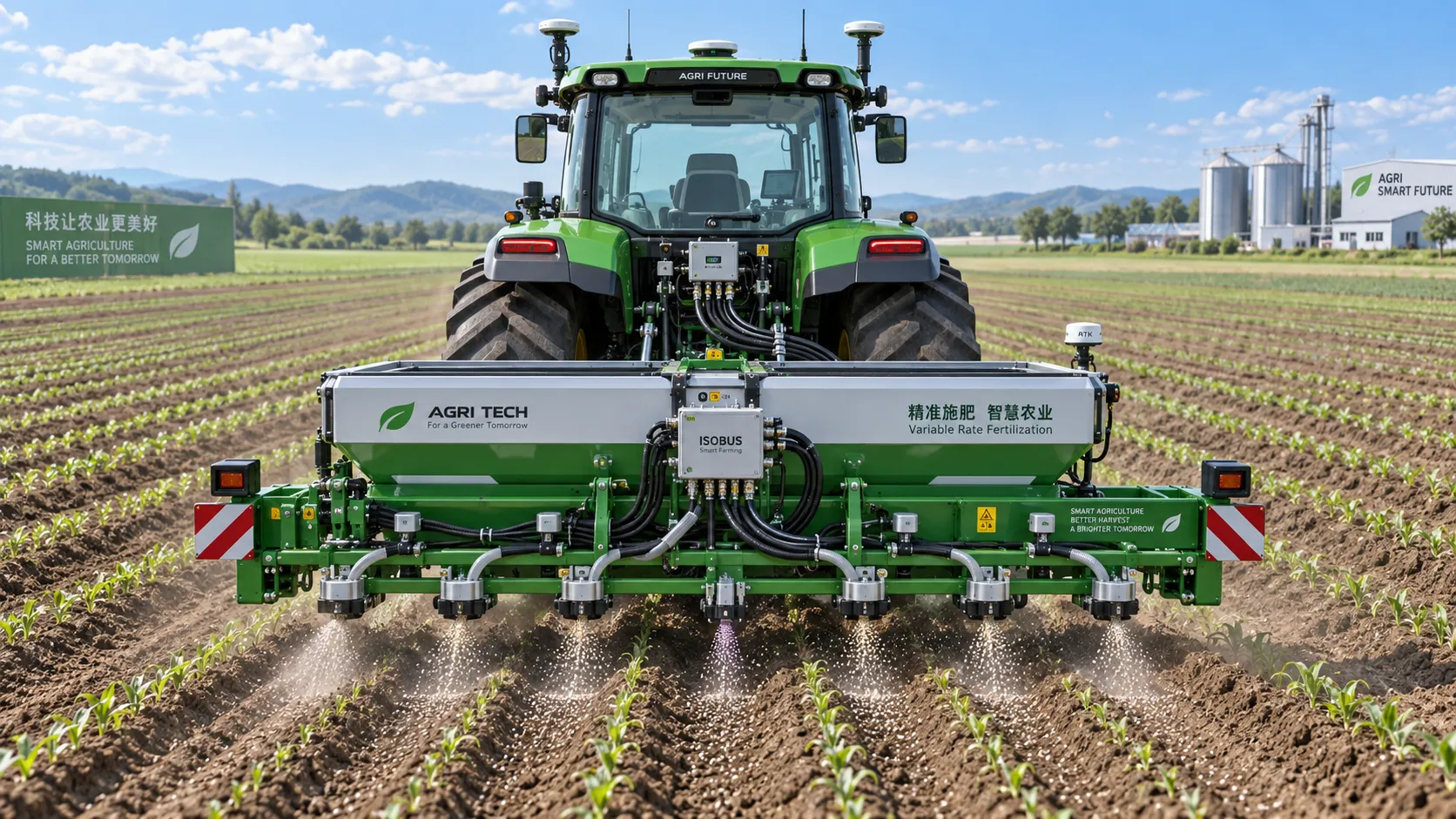
ISOBUS for Smart Agriculture: How It Connects Tractors, Implements, and Farm Data
ISOBUS for smart agriculture connects tractors, implements, terminals, and farm data—helping growers improve precision, documentation, and smarter field decisions.
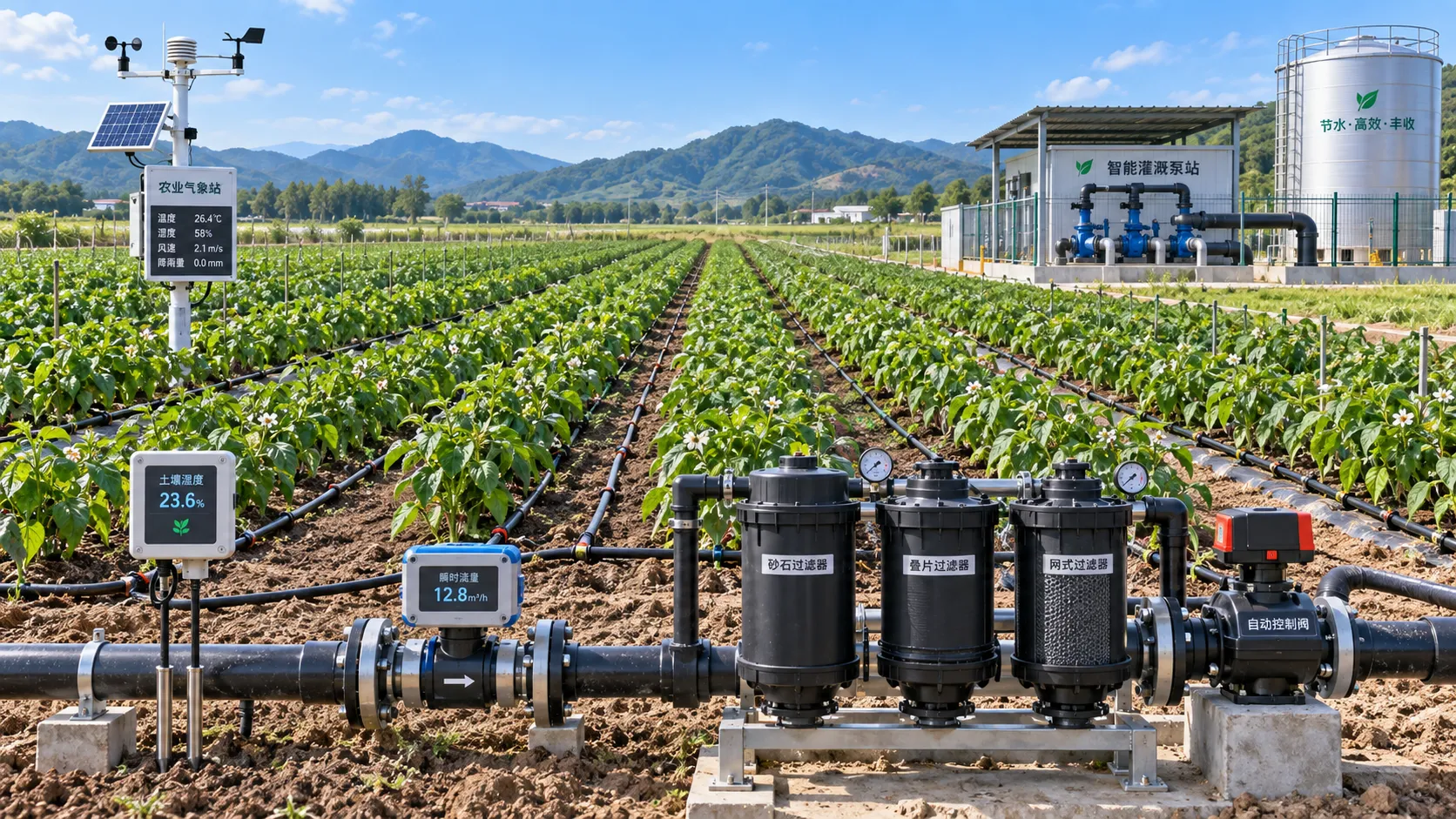
Automated Water-Saving Irrigation: How to Cut Water Use Without Reducing Crop Yields
Automated water-saving irrigation helps farms cut water use, protect crop yields, improve scheduling, and gain reliable control with sensors, flow monitoring, and smart zones.
Related News
- 00
0000-00
What Tractor Horsepower Is Needed for a Three-Bottom Moldboard Plow? - 00
0000-00
What Is the Difference Between No-Till and Conventional Tillage? - 00
0000-00
Does No-Till Farming Reduce Erosion on Hilly Farmland? - 00
0000-00
India BIS Tightens Soil Tiller Labeling for Imports - 00
0000-00
Vietnam Requires Vietnamese Warning Labels for Imported Soil Tillers
Popular Tags
Agri-Mechanization Fellow
Weekly Insights
Stay ahead with our curated technology reports delivered every Monday.