
Grain Machinery Rail Route Cuts Transit to 96 Hours
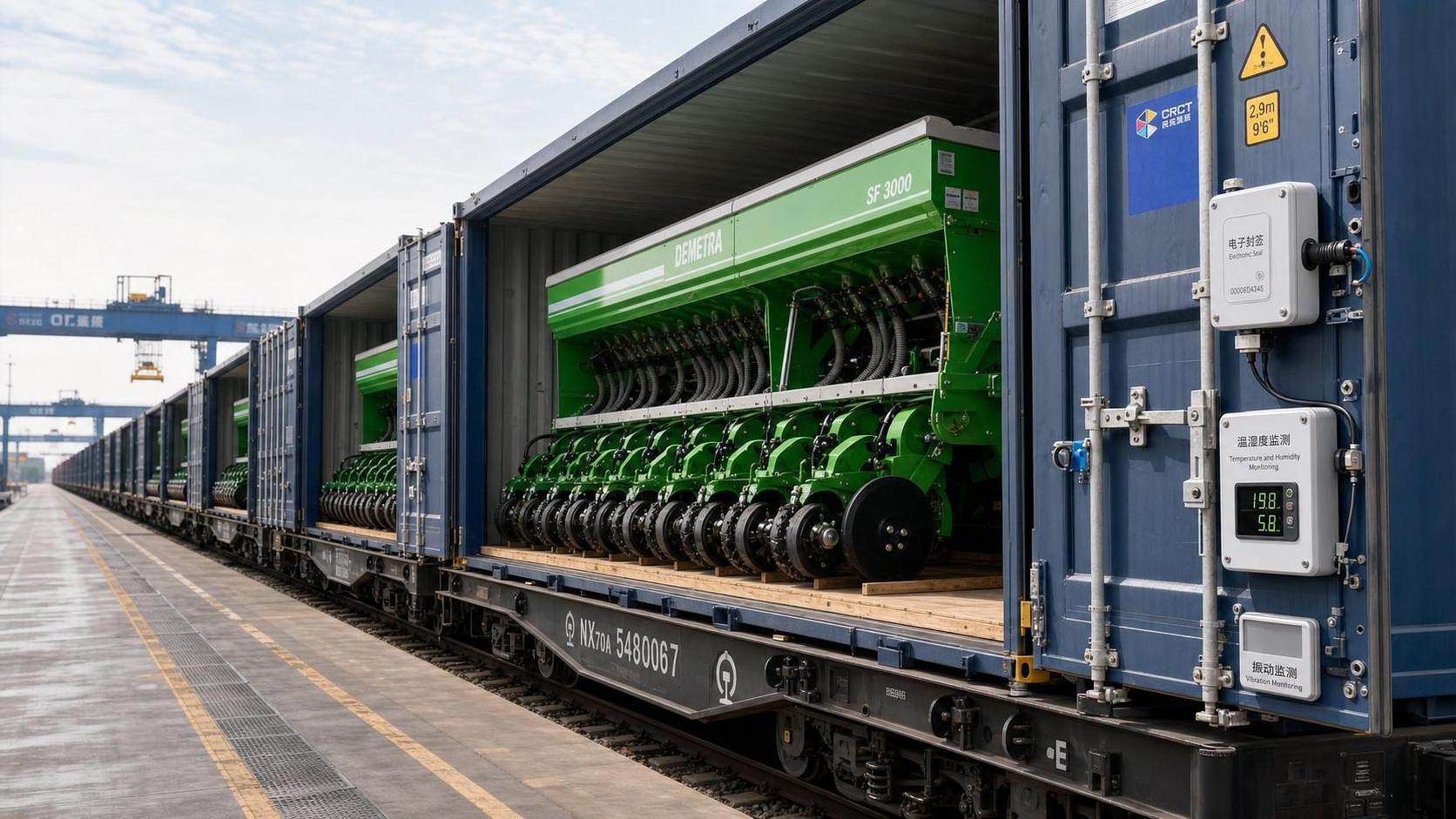




On July 3, 2026, a dedicated China-Europe rail service for grain machinery was launched for the export of soil cultivation and seeding equipment, with Xi'an to Duisburg transit shortened to 96 hours. The development is notable not only for the reported 32% speed increase over regular rail services, but also because it combines faster delivery with the use of ISO 17712-certified electronic seals and dedicated temperature and humidity monitored compartments for agricultural machinery. For exporters of Soil Tillers, Seeders & Planters, and related supply chain participants, this is relevant as an operational signal around transport control, cargo security, and delivery planning rather than a routine logistics update.
What Has Been Confirmed So Far
The first dedicated "grain machinery" China-Europe train was opened on July 3, 2026 by Xi'an International Inland Port and DB Cargo. According to the provided event summary, the service is designed specifically for soil tillage and seeding equipment. The route connects Xi'an and Duisburg with a total direct transit time of 96 hours, which is stated to be 32% faster than conventional China-Europe rail services. The shipment model also uses ISO 17712-certified electronic seals and specialized compartments with temperature and humidity monitoring for agricultural machinery. The service is described as suitable for the export of high-value complete machines including Soil Tillers and Seeders & Planters.
Why This Matters Along the Export Chain
For machinery exporters, delivery commitments may become more document-sensitive
From an industry perspective, exporters of high-value complete agricultural machines may see the main impact in delivery scheduling, cargo control, and shipment documentation. Where a route combines shorter transit time with certified sealing and monitored carriage conditions, buyers may pay closer attention to transport records, seal management, and whether shipment documents align with the logistics conditions promised in contracts or commercial negotiations.
For buyers and procurement teams, transport conditions may carry more weight in supplier evaluation
Analysis shows that procurement teams sourcing Soil Tillers or Seeders & Planters may focus not only on machine specifications but also on whether the supplier can support a faster and more controlled export arrangement. This can affect purchasing decisions in projects where delivery windows, cargo integrity, or traceability during transit matter. What deserves closer attention is whether transport-related assurances begin to appear more clearly in bid documents, purchase terms, or supplier qualification reviews.
For logistics and compliance service providers, execution records may become part of the value proposition
Supply chain service providers, inspection-related participants, and documentation support teams may be affected because the reported use of ISO 17712-certified electronic seals and monitored compartments introduces a stronger compliance and control element into the transport process. In practical terms, the impact is likely to fall on seal records, handover procedures, condition monitoring evidence, and the consistency of accompanying shipment files. This does not by itself establish a new mandatory rule, but it does signal a higher expectation around verifiable transport handling for sensitive machinery exports.
Practical Points Companies Should Watch Now
Check how transport control claims are reflected in export files
Observably, companies using or planning to use this route should review whether sales documents, packing records, shipping instructions, and after-sales traceability files are consistent with any claims made about electronic sealing, monitored compartments, or accelerated delivery. Where supporting records are incomplete, commercial risk may arise even if the physical shipment moves as planned.
Watch for changes in buyer-side wording and technical requirements
It is more appropriate to understand this as an execution signal that may influence how buyers describe logistics expectations for high-value complete machines. Exporters should therefore monitor whether tenders, procurement specifications, or commercial inquiries begin to reference shipment security, environmental monitoring during transit, or tighter delivery-cycle expectations for Soil Tillers and Seeders & Planters.
Align sales planning with realistic lead-time commitments
Analysis shows that a faster rail option can affect production scheduling and order promise dates, but companies should avoid treating one reported service arrangement as a blanket replacement for all delivery models. The immediate task is to assess which orders, machine configurations, and customer commitments are suitable for a 96-hour rail assumption and which still require more conservative lead-time planning.
Prepare for closer scrutiny of post-shipment traceability
For high-value complete machine exports, after-sales and dispute handling often depend on clear shipment history. What deserves closer attention is whether transport data, seal status, and monitored carriage conditions become more relevant in warranty discussions, claims review, or acceptance conversations. The current information does not define a formal new compliance regime, but it points to a business environment where documented shipment control may matter more.
How This Should Be Read at This Stage
As an editorial observation, this development is better understood as a concrete execution signal than as a fully defined regulatory shift. The most meaningful element is the combination of speed, certified sealing, and monitored transport conditions for a specific category of exported agricultural machinery. That combination suggests a more rules-conscious logistics model for high-value equipment, but the available information does not confirm broader policy amendments, binding trade rule changes, or a standardized procurement requirement across the market.
From an industry perspective, continued attention is warranted because operational changes of this kind can later influence buyer expectations, logistics specifications, and contract language even before they appear in formal rule texts. For that reason, market participants should watch not only the route itself but also how its control features are referenced in execution practice.
What the Market Can Reasonably Conclude
The opening of a dedicated China-Europe rail service for Soil Tillers and Seeders & Planters points to a more structured export arrangement for high-value agricultural machinery, with transit time, cargo security, and monitored carriage conditions receiving visible emphasis. The current signal is relevant for exporters, buyers, and supply chain service providers because it may affect delivery planning and documentation discipline.
At this stage, it is more appropriate to understand the event as an implemented operational development with possible compliance and trade execution implications, rather than as a settled market-wide rule change. The practical significance will depend on how transport requirements, certification references, and buyer-side execution standards evolve after this launch.
Basis of This Article and What Still Needs Verification
This article is based on the user-provided news title, event date, and event summary. In this type of development, relevant source categories would typically include official announcements, information issued by regulatory or trade authorities, customs or trade administration updates, industry association notices, standards organization materials, and reporting by authoritative media. However, no specific official source link was provided in the input, so the underlying official documentation and subsequent implementation details still require ongoing verification.
Observably, the areas that still merit follow-up include any further official wording on execution standards, the practical use and documentation requirements tied to ISO 17712-certified electronic seals, possible changes in tender or procurement language, market feedback from exporters and buyers, and how consistently the reported transport controls are applied in real business operations.
Related News
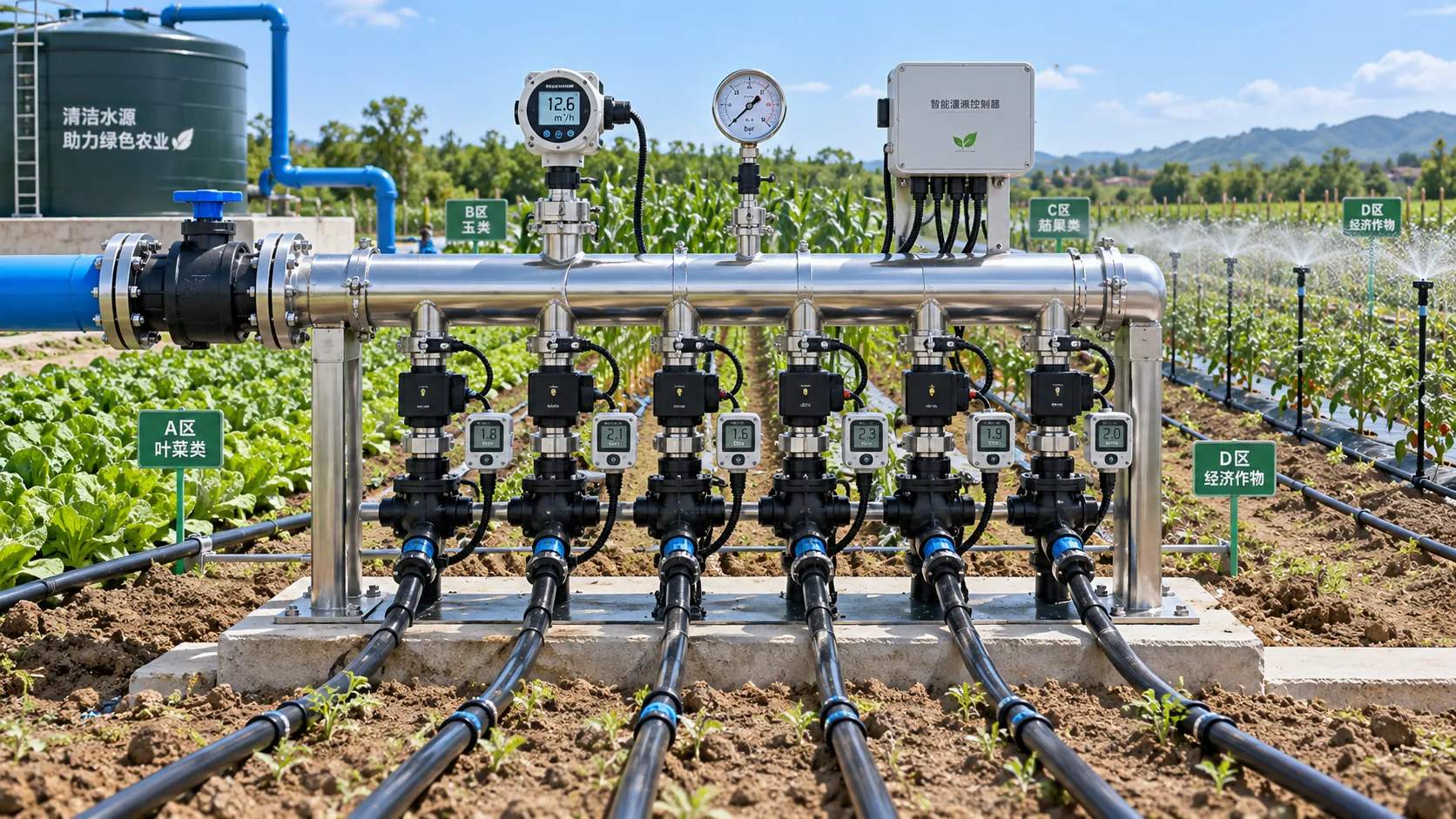
How to Select Smart Irrigation Valves for Multi-Zone Water Management?
Intelligent irrigation systems valves: learn how to match smart valves with multi-zone flow, pressure, control, feedback, and communication needs for reliable water management.
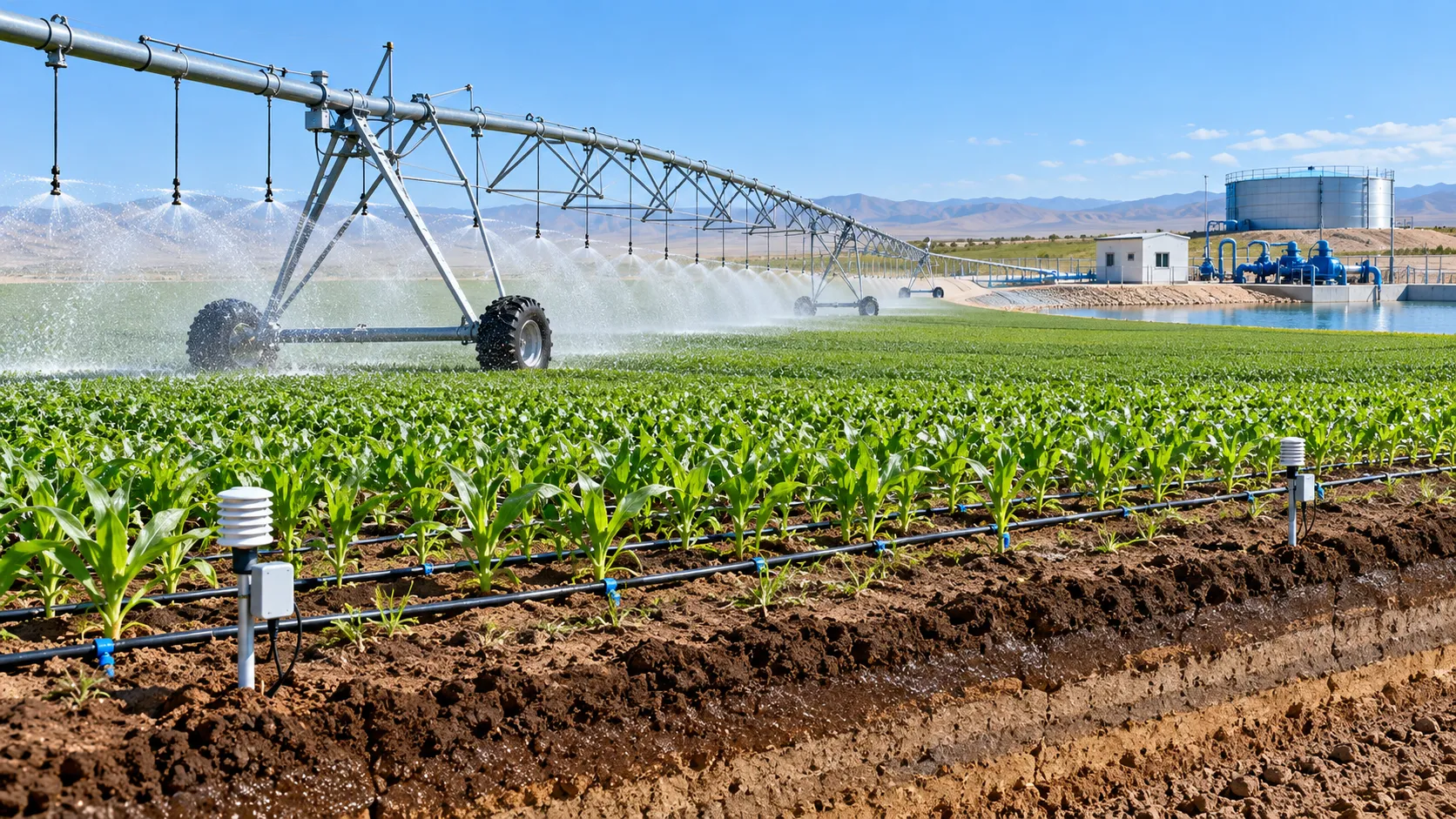
Climate-Smart Farming for Drought: A Practical Plan for Protecting Yields
Climate-smart farming for drought: build smarter water budgets, protect critical crop stages, improve irrigation uniformity, and safeguard yields with practical field-proven strategies.
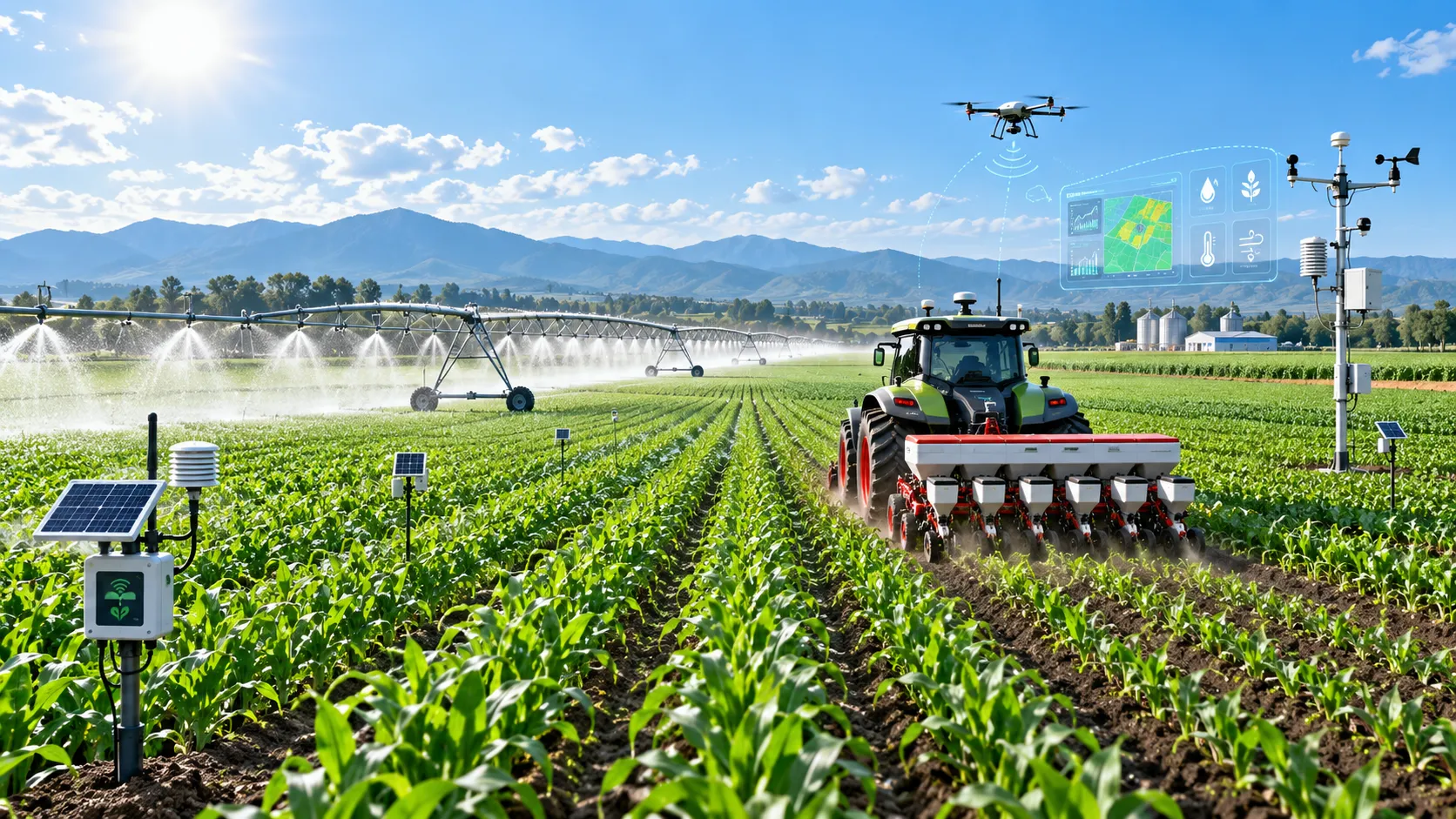
How Digital Agriculture Platforms Turn Field Data Into Better Input Decisions
Digital agriculture platforms turn field data into smarter fertilizer, water, seed, and equipment decisions—helping farms cut risk, improve margins, and scale sustainability.
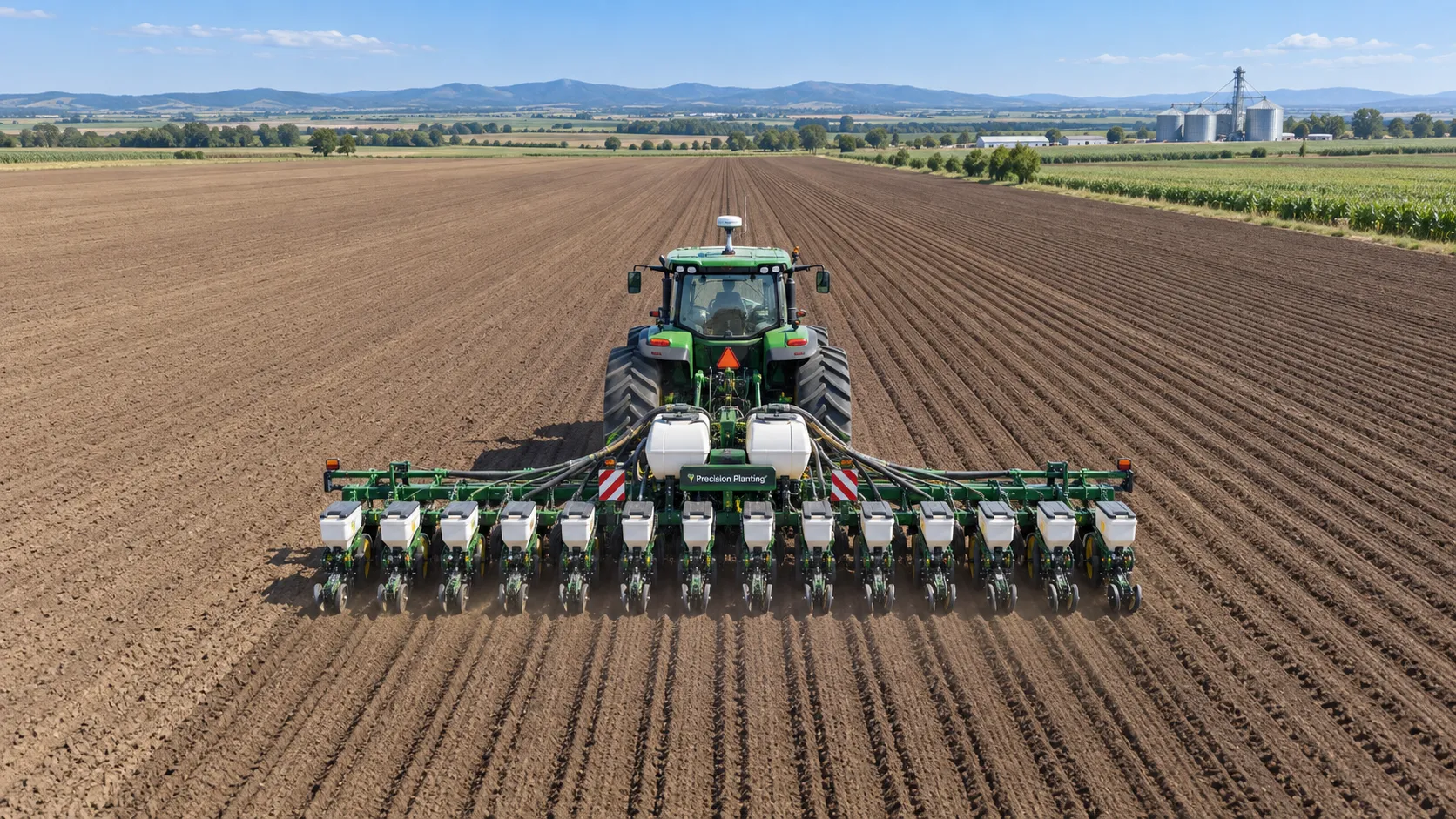
GPS-Guided Farm Machinery: Where It Delivers Measurable Field Efficiency Gains
Agri-mechanization GPS guided systems deliver measurable field efficiency gains through reduced overlap, precise planting, smarter inputs, and reliable farm data.
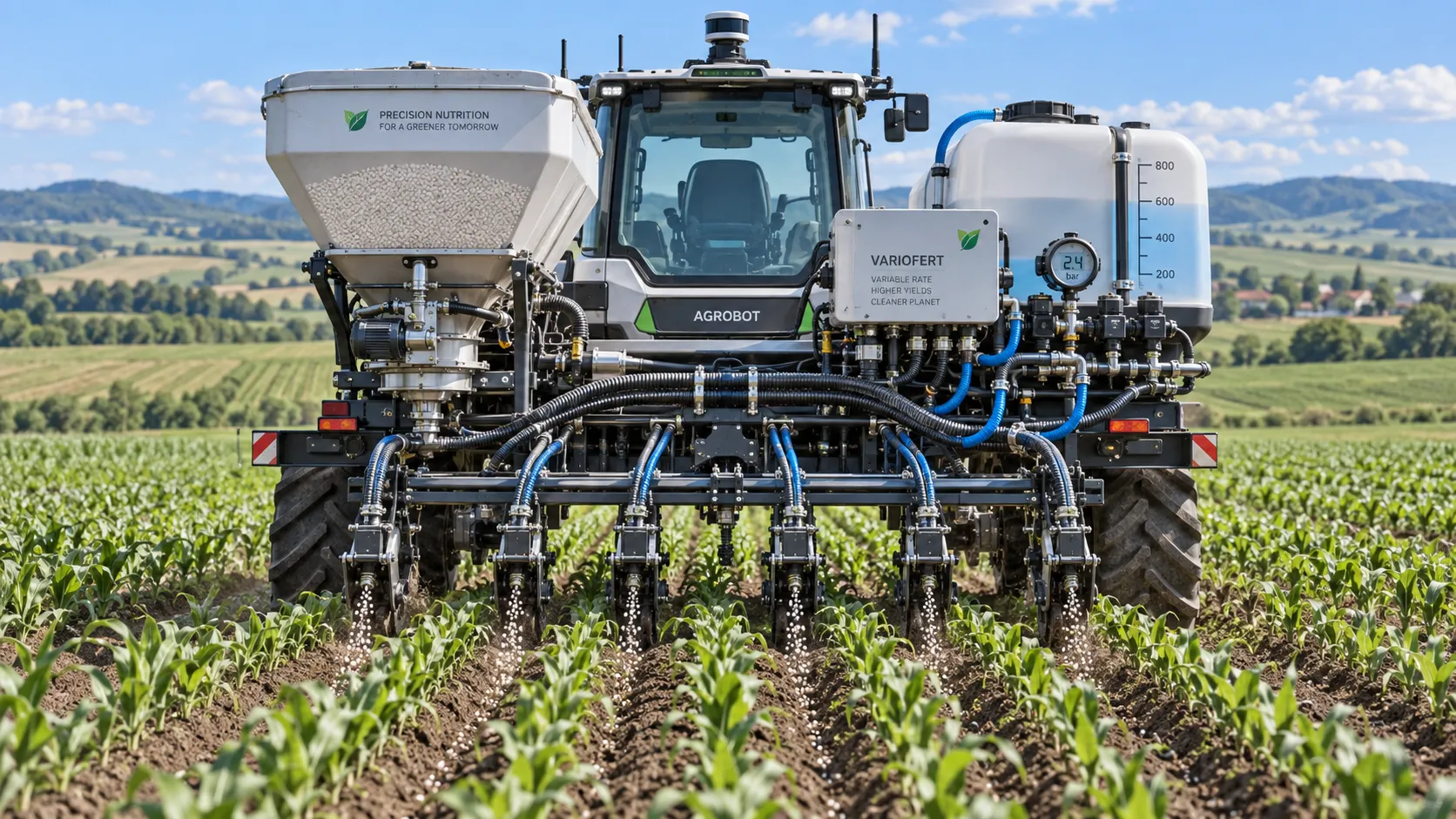
How Sensor Feedback Enables Accurate Variable-Rate Fertilization in Field Conditions
Precision fertilization systems with sensor feedback improve variable-rate accuracy by verifying flow, managing latency, and ensuring reliable field application.
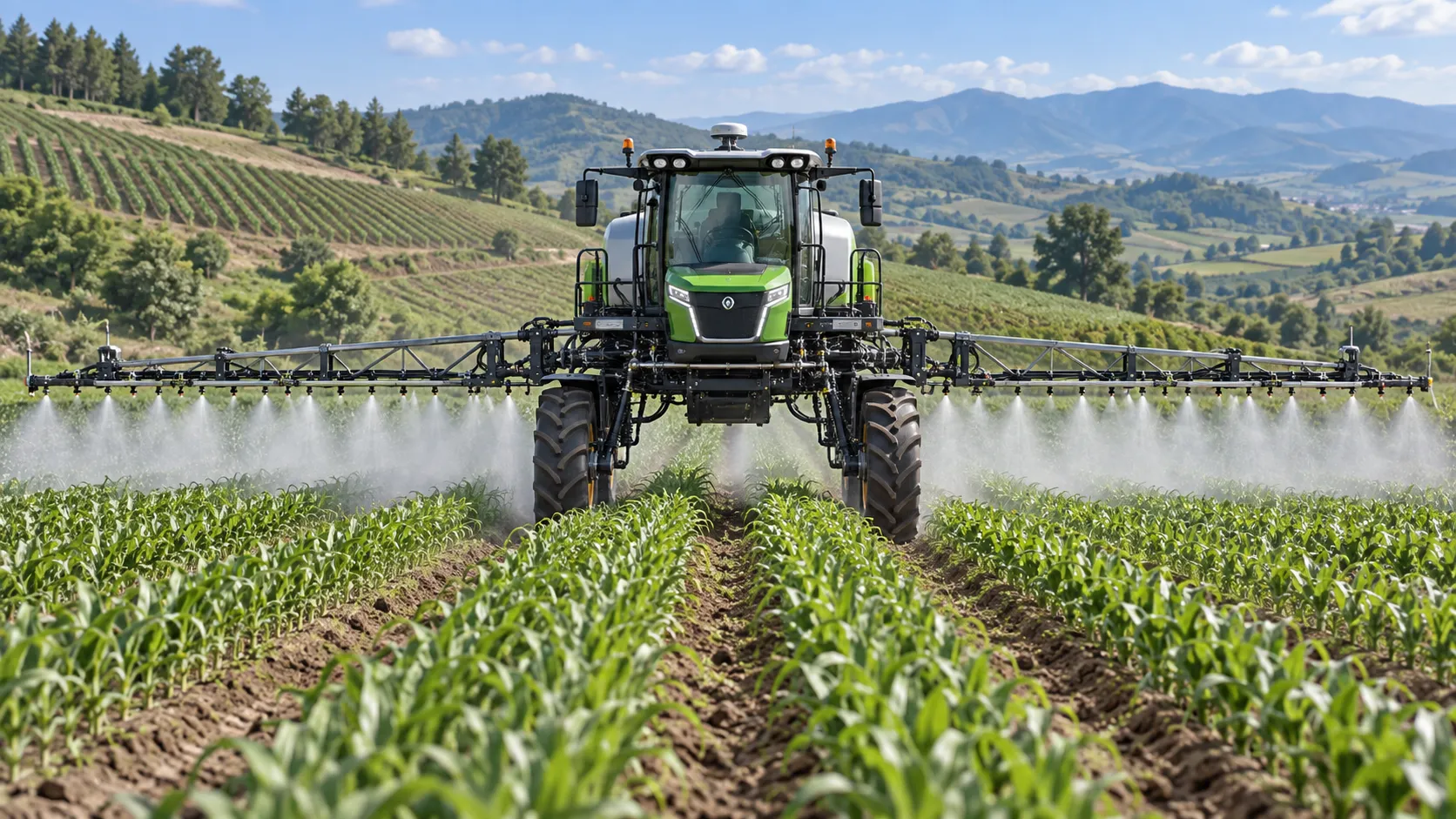
How to Select Precision Crop Protection Equipment for Variable Field Conditions
Precision crop protection equipment selection made simple: compare terrain, canopy, weather, control accuracy, and data workflows for reliable applications.

When Does Agricultural Machinery Leasing Cost Less Than Owning Equipment?
Agricultural machinery leasing can lower farm costs when use is seasonal or uncertain. Compare utilization, maintenance, cash flow, and risk to make a smarter equipment decision.

How to Evaluate Precision Fertilization System Suppliers for Farm-Scale Deployment
Precision fertilization systems suppliers: learn how to compare accuracy, integration, uptime, service, and total cost for confident farm-scale deployment.

ISOBUS for Smart Agriculture: How It Connects Tractors, Implements, and Farm Data
ISOBUS for smart agriculture connects tractors, implements, terminals, and farm data—helping growers improve precision, documentation, and smarter field decisions.
Related News
- 00
0000-00
What Tractor Horsepower Is Needed for a Three-Bottom Moldboard Plow? - 00
0000-00
What Is the Difference Between No-Till and Conventional Tillage? - 00
0000-00
Does No-Till Farming Reduce Erosion on Hilly Farmland? - 00
0000-00
India BIS Tightens Soil Tiller Labeling for Imports - 00
0000-00
Vietnam Requires Vietnamese Warning Labels for Imported Soil Tillers
Popular Tags
Agri-Mechanization Fellow
Weekly Insights
Stay ahead with our curated technology reports delivered every Monday.