
India BIS Expands Soil Tiller Energy Labels to Electric Imports
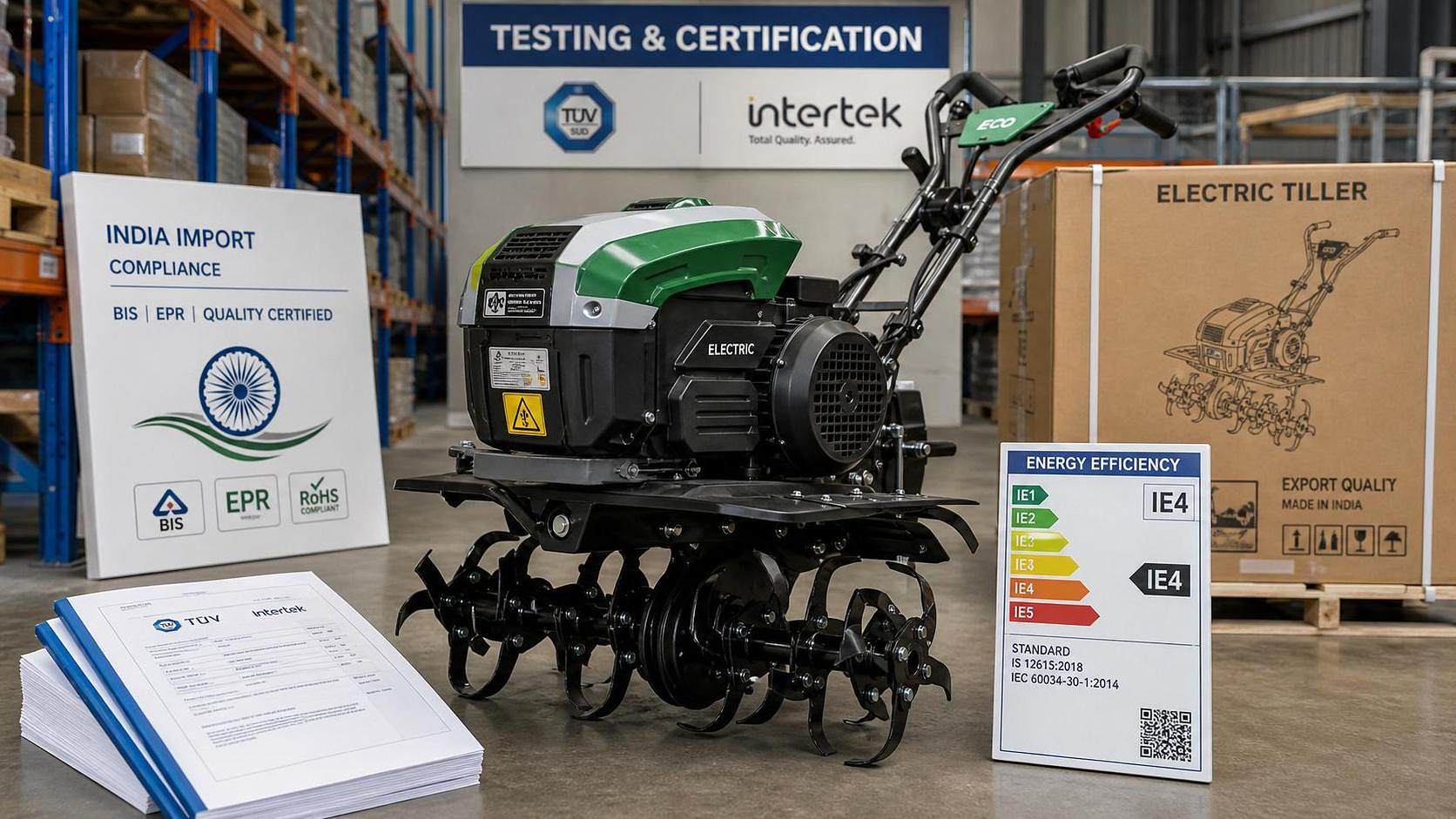




India’s Bureau of Indian Standards (BIS) revised IS 17652:2026 on July 7, 2026, bringing electric Soil Tillers into mandatory energy labeling for the first time. Under the updated rule, imported models will need IE4 motor efficiency grading labels from October 1, 2026, along with third-party energy efficiency test reports based on IS/IEC 60034-30-1. For exporters, importers, motor suppliers, testing-related service providers, and procurement teams, this is not just a labeling change; it introduces a new compliance checkpoint that can affect product configuration, documentation readiness, and delivery planning.
What the revised BIS rule now requires
The confirmed change is that BIS issued a revised version of IS 17652:2026 on July 7, 2026. The revision newly places electric Soil Tillers under mandatory energy labeling management. According to the information provided, from October 1, 2026, all imported models must be graded and labeled according to the IE4 motor efficiency standard, and they must also provide third-party energy efficiency test reports in line with IS/IEC 60034-30-1.
Where the pressure will appear across the trade chain
Export model qualification will move closer to motor-level compliance
From an industry perspective, exporters of Soil Tillers to India are likely to be affected first because the new requirement directly targets imported models. The main impact is expected in product qualification, model selection, technical file preparation, and shipment readiness. What deserves closer attention is whether each export configuration can support IE4 grading presentation and whether the required third-party test report is available in a form usable for market entry and customer review.
Motor sourcing may become a more visible procurement variable
Analysis shows that the rule change may extend upstream into procurement decisions, especially where electric Soil Tillers depend on specific motor technologies. Because the update centers on IE4 efficiency grading, procurement teams and manufacturers may need to reassess supplier capability, motor matching, and supporting technical documentation. The practical issue is not only whether a machine can be sold, but whether the motor supply chain can consistently support the compliance claim reflected on the label and in test materials.
Testing and certification support will likely gain a larger role
Observably, third-party testing documentation becomes a more explicit part of market access under the revised rule. For certification-related companies and testing service providers, the likely impact is concentrated in report preparation, standard alignment, and review support linked to IS/IEC 60034-30-1. For importers and buyers, the same requirement may shift attention toward document completeness before procurement confirmation or customs-related planning, even though the detailed enforcement workflow has not been provided in the input.
Delivery and transaction timing may require earlier compliance checks
For supply chain service providers, distributors, and purchasing teams, the rule change may affect delivery scheduling and order acceptance criteria. Analysis shows that once imported models face a mandatory grading and reporting requirement from October 1, 2026, compliance readiness may become part of shipment cut-off decisions, contract review, and product onboarding. Businesses should therefore pay attention to the alignment between technical documents, labeling status, and planned delivery dates.
What companies should review now
Check whether existing electric models can support the new label requirement
Companies involved in exporting or sourcing electric Soil Tillers should first review whether current models intended for India are prepared for IE4-based efficiency grading and labeling. This is a practical screening step tied directly to the announced rule change, rather than a broader product strategy issue.
Prepare documentation around third-party testing early
What deserves closer attention is document readiness. Because the provided information states that third-party energy efficiency test reports are required under IS/IEC 60034-30-1, companies should examine whether existing test materials, technical descriptions, and product files are sufficient for customer, importer, or regulatory review. Where the detailed filing format or review pathway is not yet clear from the input, this should be treated as an area for continued monitoring rather than assumed completion.
Review supplier capability in high-efficiency motor configurations
Analysis shows that businesses relying on electric drive systems should pay closer attention to the capability of their motor suppliers, especially where high-efficiency permanent magnet synchronous motor supply chains are part of their export positioning. The key issue is whether supply-side technical consistency can support repeated compliance across different models, batches, and delivery schedules.
Track downstream documents and customer-side specification changes
Companies should also watch for changes in procurement specifications, tender documents, importer checklists, and after-sales traceability requirements that may follow the BIS revision. The input does not provide those downstream details, so they should not be treated as settled requirements. Still, they are a realistic part of how such a rule may begin to affect transactions in practice.
Why this matters beyond a simple label update
Observably, this development is better understood as a concrete market-entry signal rather than a routine administrative adjustment. The rule is already tied to a defined implementation date and to specific efficiency grading and testing references. At the same time, analysis shows it should not yet be read as a fully transparent enforcement framework, because the input does not provide the detailed execution approach, review practice, or market response. That is why the next phase of attention will likely focus on how labeling, testing evidence, and import-side compliance are interpreted in actual transactions.
How to read the change at this stage
At this stage, it is more appropriate to understand the BIS revision as an implemented rule change with immediate compliance significance for electric Soil Tiller trade into India, while still recognizing that the finer points of execution may require continued observation. The commercial implication is not simply that standards have tightened, but that energy efficiency classification and third-party verification are becoming more directly embedded in product access and delivery planning for imported models.
Basis of this article and what still needs verification
This article is based on the user-provided news title, event date, and event summary. For developments of this kind, relevant source categories typically include official notices, releases from regulatory authorities, trade or customs authorities, industry association updates, standard organization documents, and reporting by authoritative media. A specific official source link was not provided in the input, so the exact official publication path still needs to be verified. Continued attention should be paid to any later clarification on implementation details, certification interpretation, tender document changes, market feedback, and how companies are carrying out the requirement in practice.
Related News
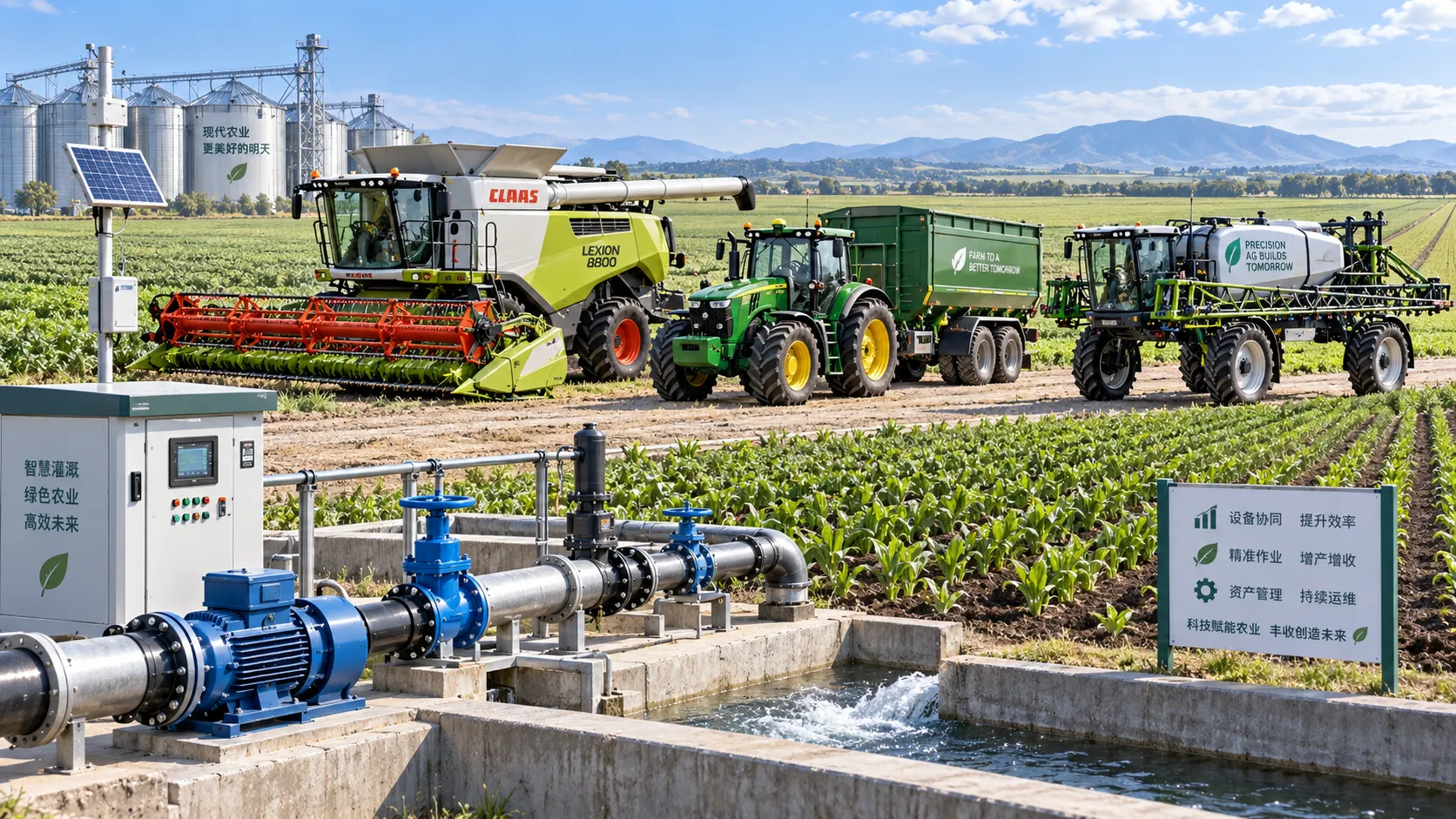
How to Compare Agricultural Equipment Platforms for Fleet Management and ROI
Agricultural equipment platform comparison: evaluate fleet data, maintenance, precision workflows, and ROI to choose a system that delivers measurable results.

Drip vs. Micro-Sprinkler Irrigation: Which System Fits Your Orchard?
Irrigation solution comparison for orchards: discover whether drip or micro-sprinklers best match your water, soil, roots, fertigation, and frost needs.
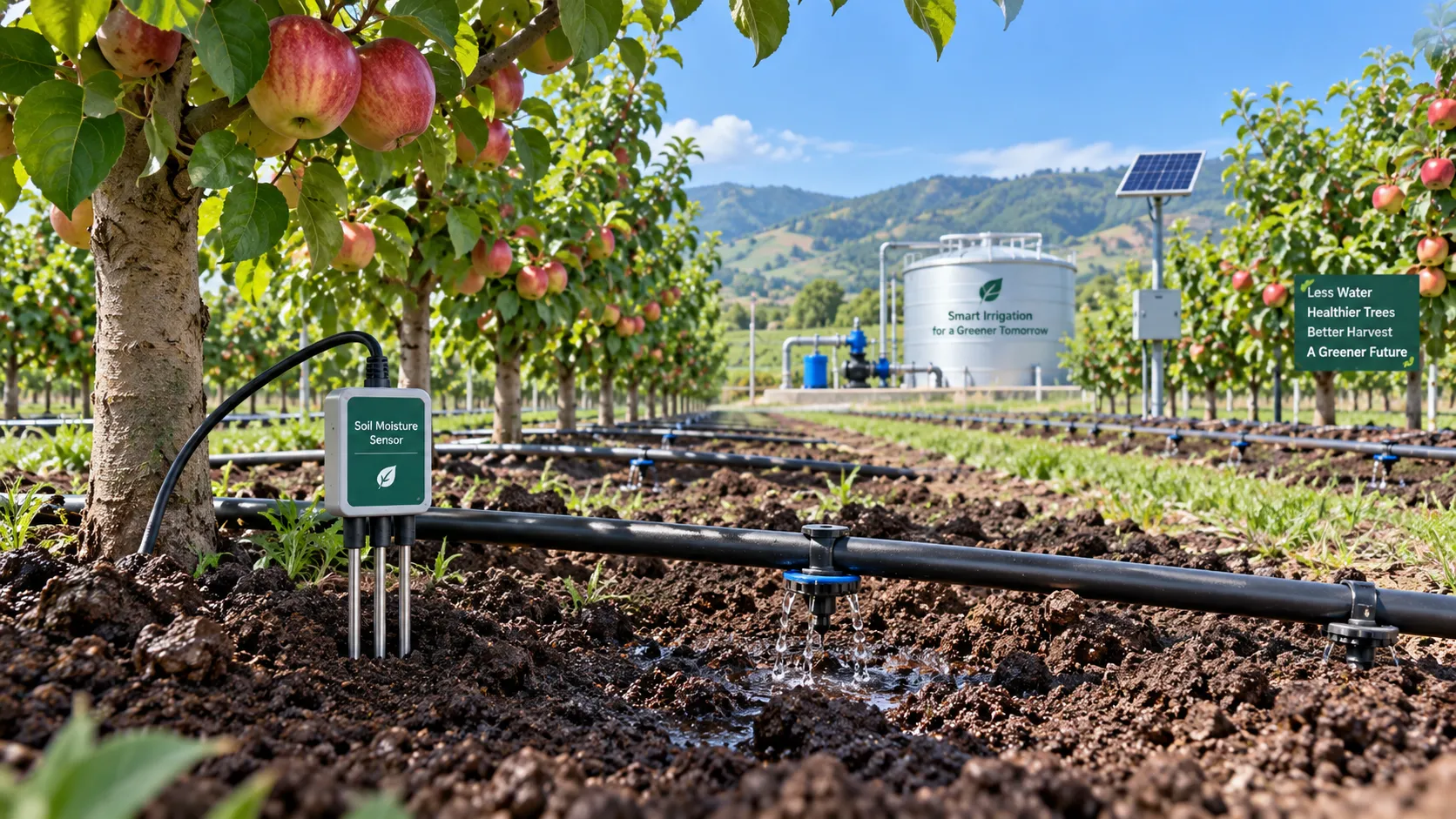
Orchard Water Management: Using Soil Moisture Data to Schedule Irrigation
Agricultural water management for orchards made practical: use soil moisture data to optimize irrigation timing, protect yield, reduce costs, and improve resilience.
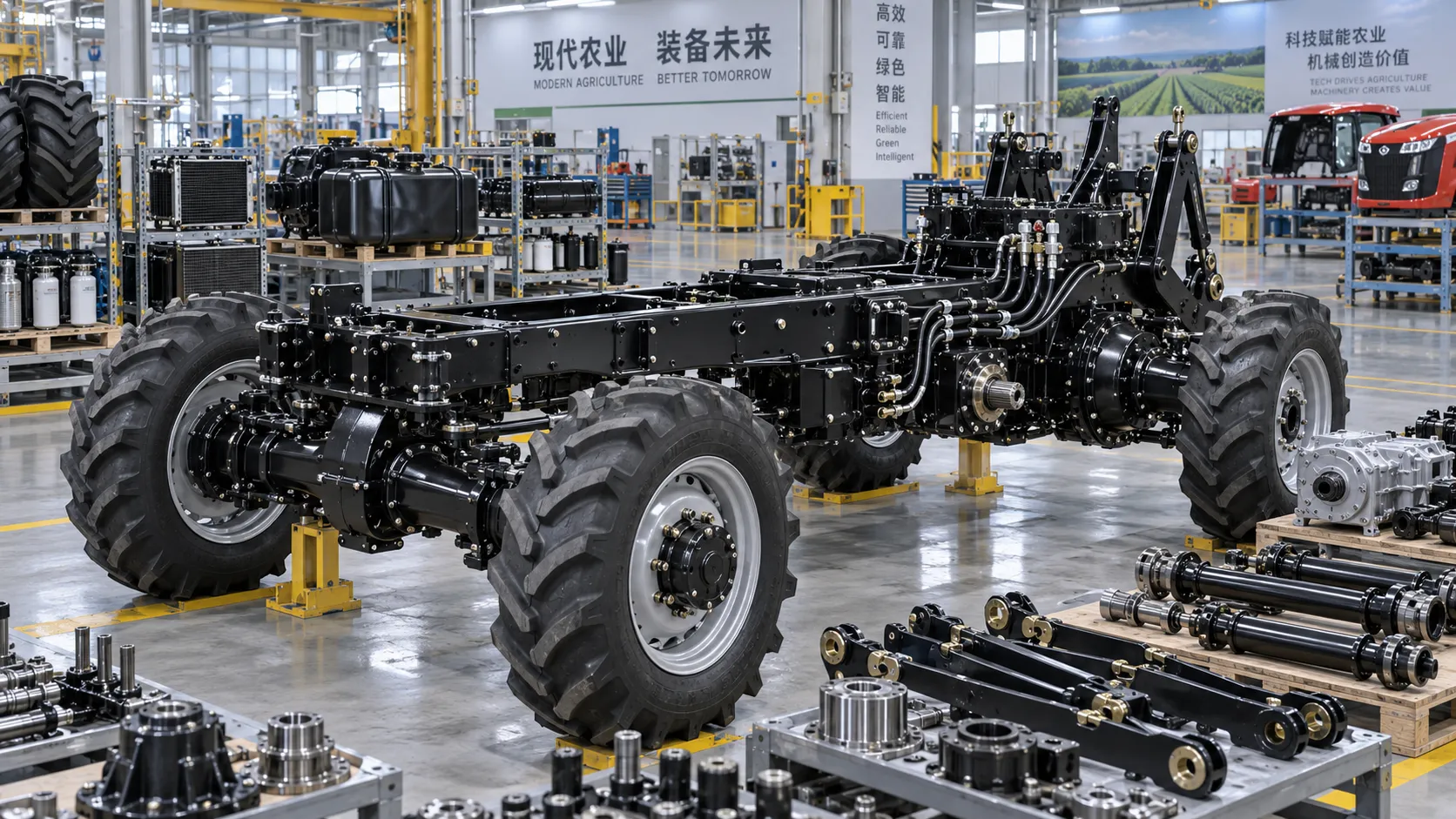
Tractor Chassis Price: What Buyers Should Compare Beyond the Initial Quote
Tractor chassis price is only the start. Compare load capacity, compatibility, durability, and lifecycle costs to choose a reliable, high-value chassis.
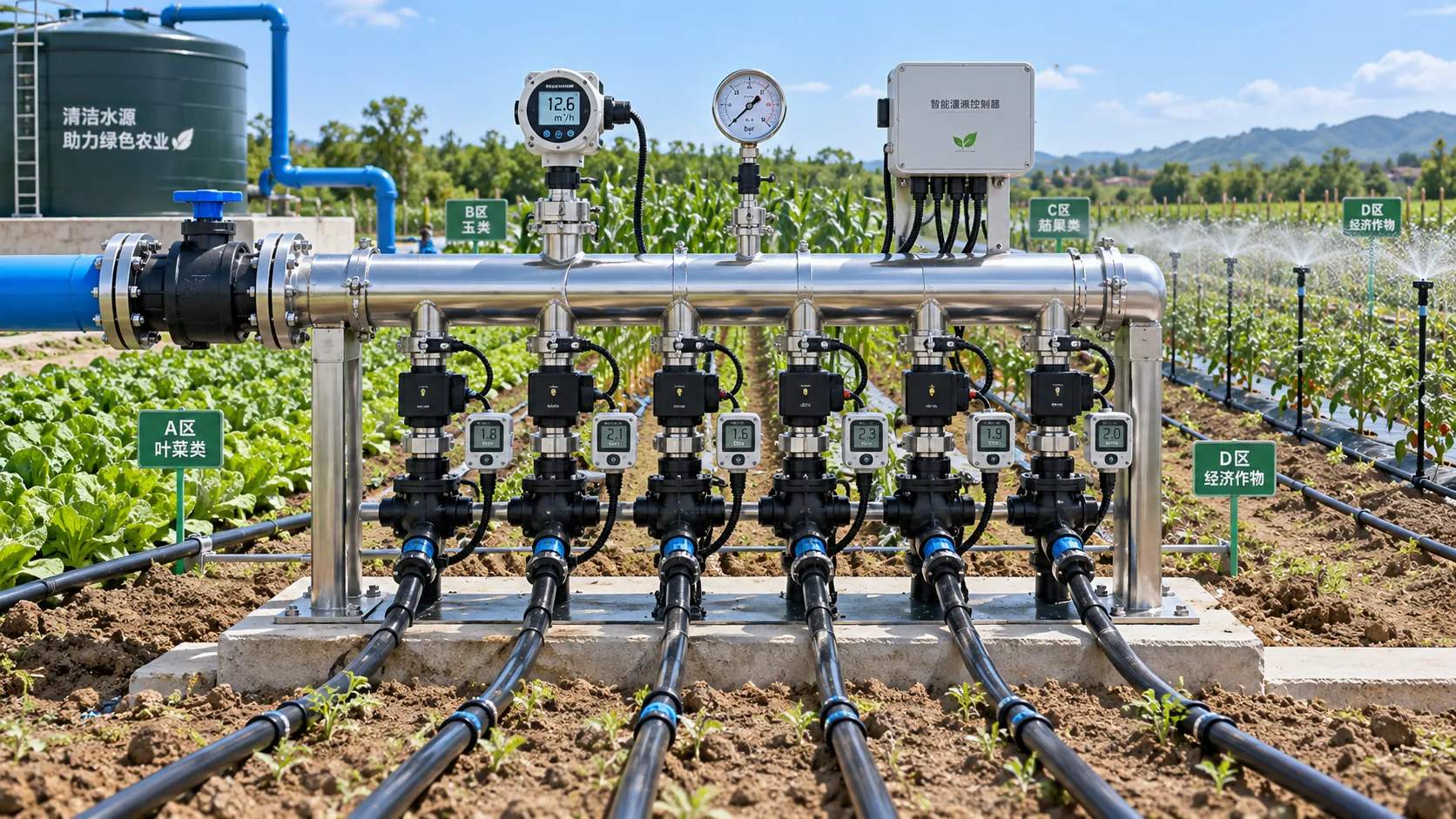
How to Select Smart Irrigation Valves for Multi-Zone Water Management?
Intelligent irrigation systems valves: learn how to match smart valves with multi-zone flow, pressure, control, feedback, and communication needs for reliable water management.
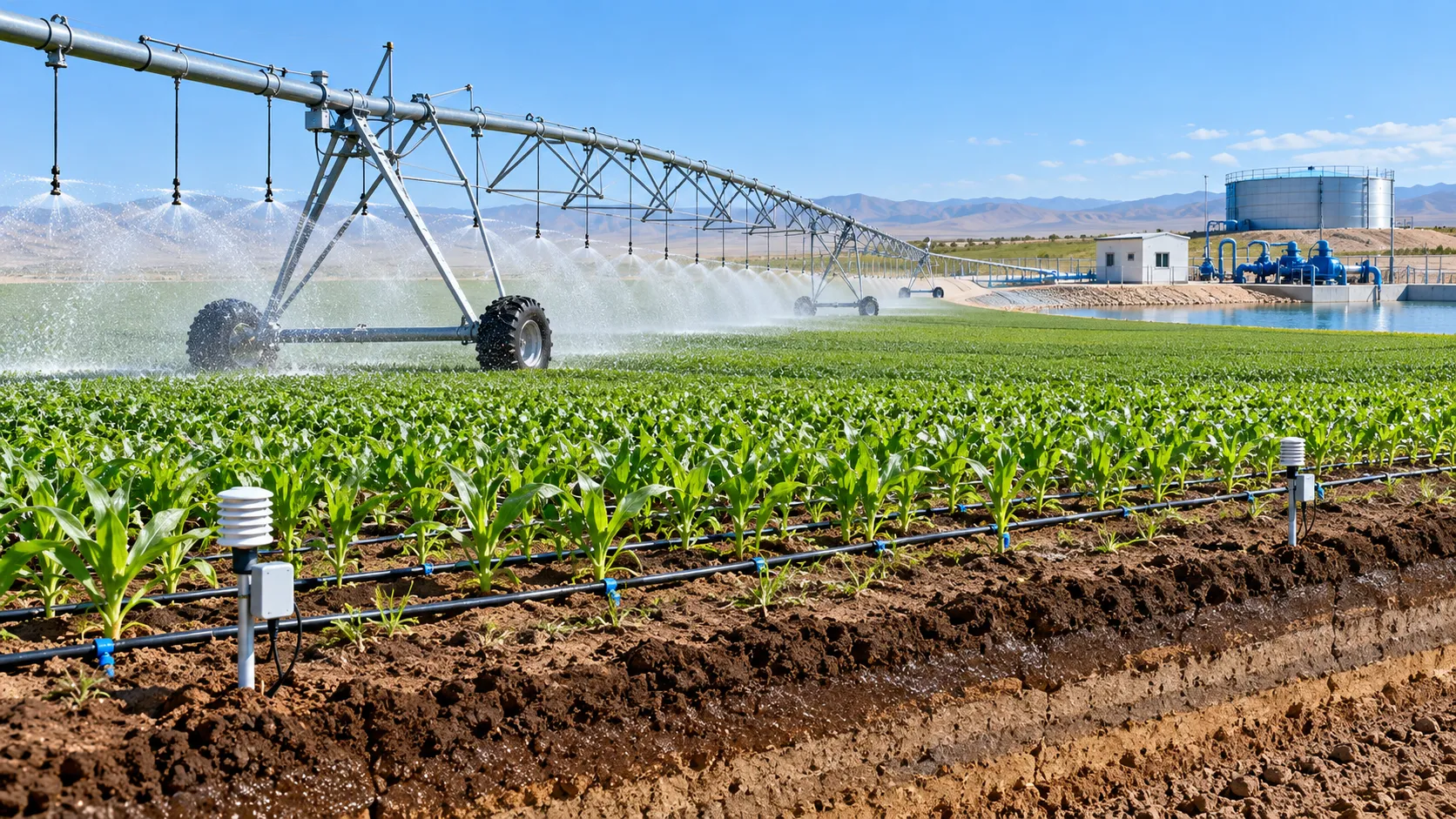
Climate-Smart Farming for Drought: A Practical Plan for Protecting Yields
Climate-smart farming for drought: build smarter water budgets, protect critical crop stages, improve irrigation uniformity, and safeguard yields with practical field-proven strategies.
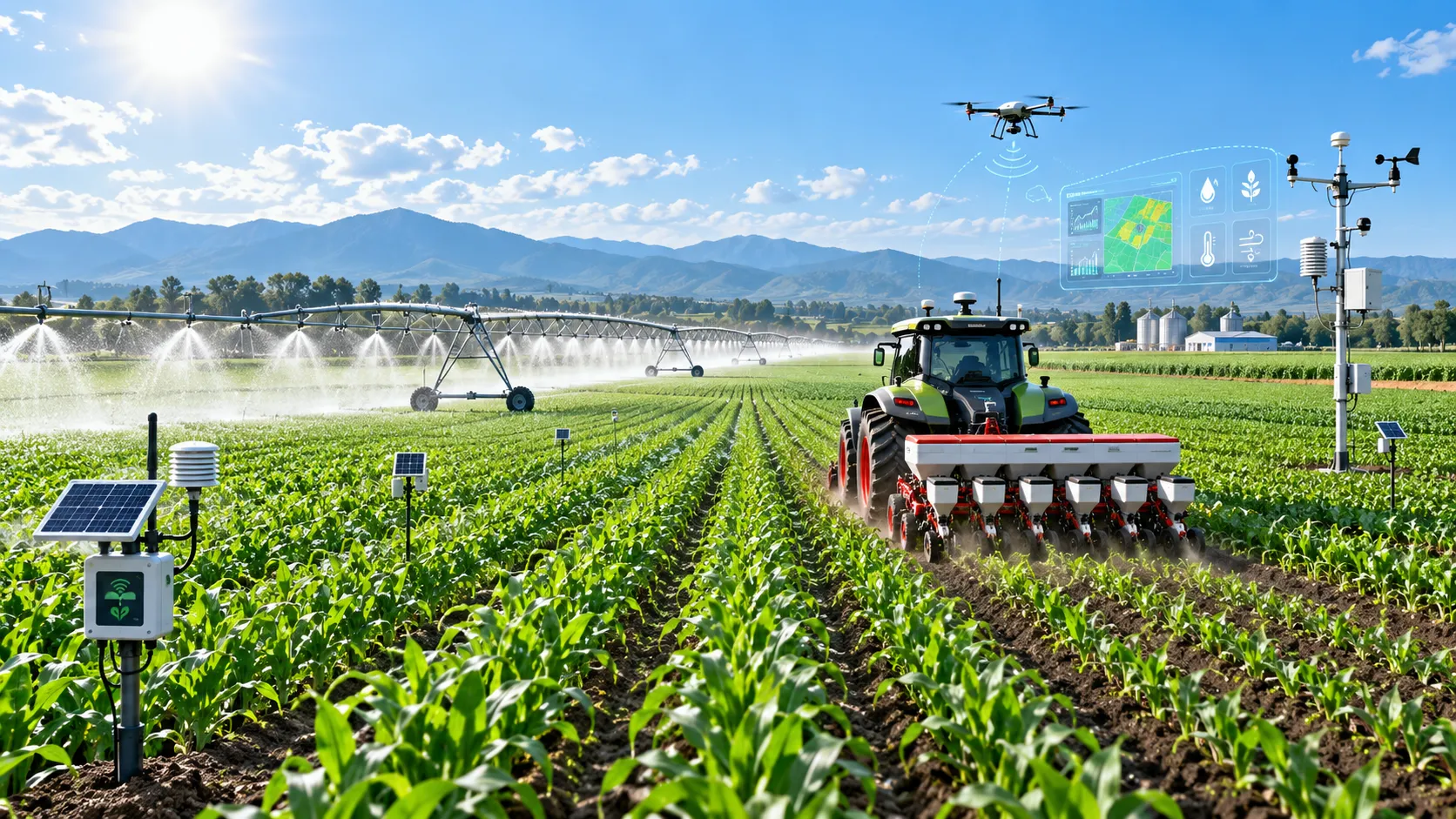
How Digital Agriculture Platforms Turn Field Data Into Better Input Decisions
Digital agriculture platforms turn field data into smarter fertilizer, water, seed, and equipment decisions—helping farms cut risk, improve margins, and scale sustainability.
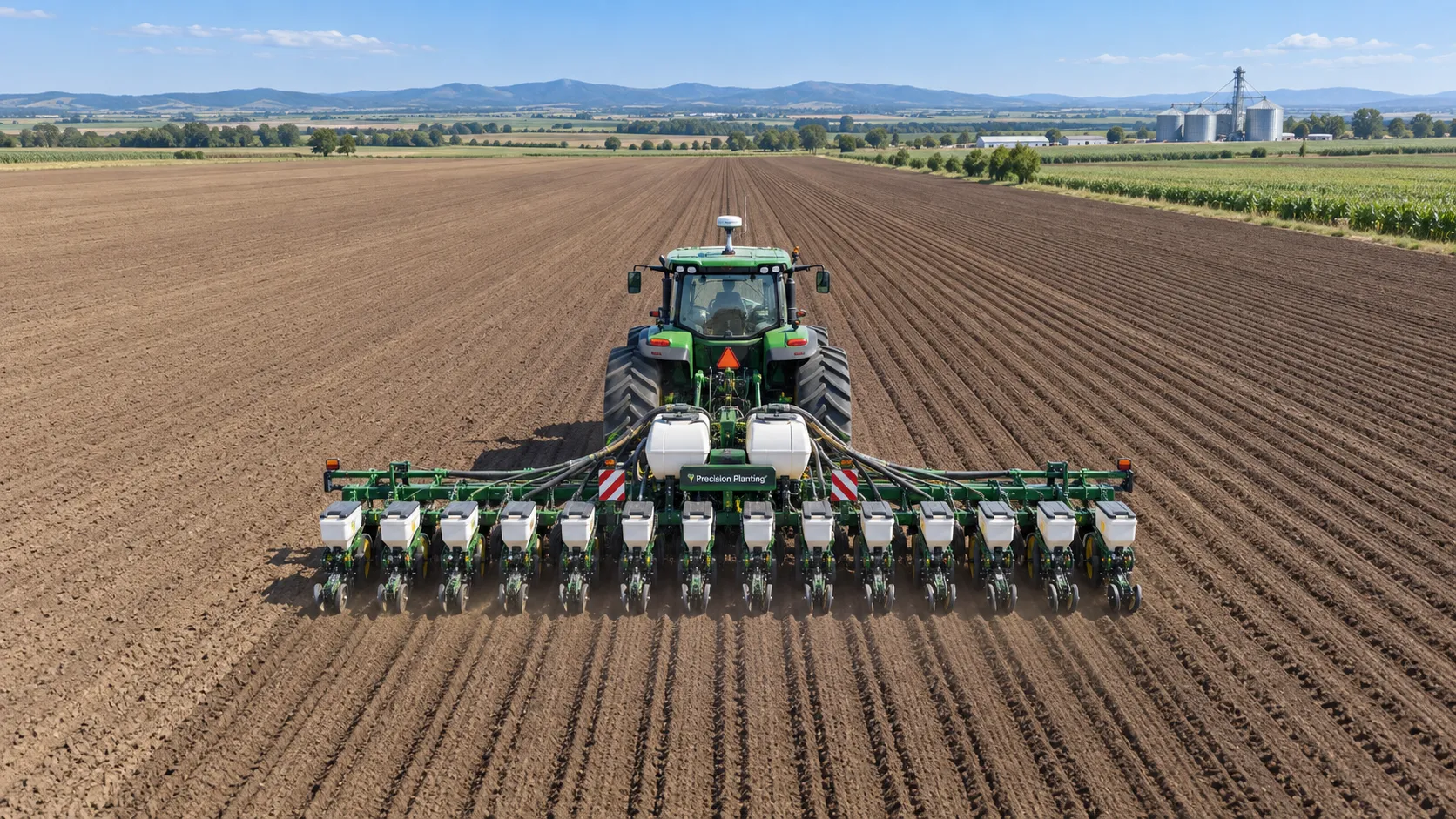
GPS-Guided Farm Machinery: Where It Delivers Measurable Field Efficiency Gains
Agri-mechanization GPS guided systems deliver measurable field efficiency gains through reduced overlap, precise planting, smarter inputs, and reliable farm data.

How Sensor Feedback Enables Accurate Variable-Rate Fertilization in Field Conditions
Precision fertilization systems with sensor feedback improve variable-rate accuracy by verifying flow, managing latency, and ensuring reliable field application.
Related News
- 00
0000-00
What Tractor Horsepower Is Needed for a Three-Bottom Moldboard Plow? - 00
0000-00
What Is the Difference Between No-Till and Conventional Tillage? - 00
0000-00
Does No-Till Farming Reduce Erosion on Hilly Farmland? - 00
0000-00
India BIS Tightens Soil Tiller Labeling for Imports - 00
0000-00
Vietnam Requires Vietnamese Warning Labels for Imported Soil Tillers
Popular Tags
Agri-Mechanization Fellow
Weekly Insights
Stay ahead with our curated technology reports delivered every Monday.