
Nairobi Expo Opens New Export Link for Farm Machinery
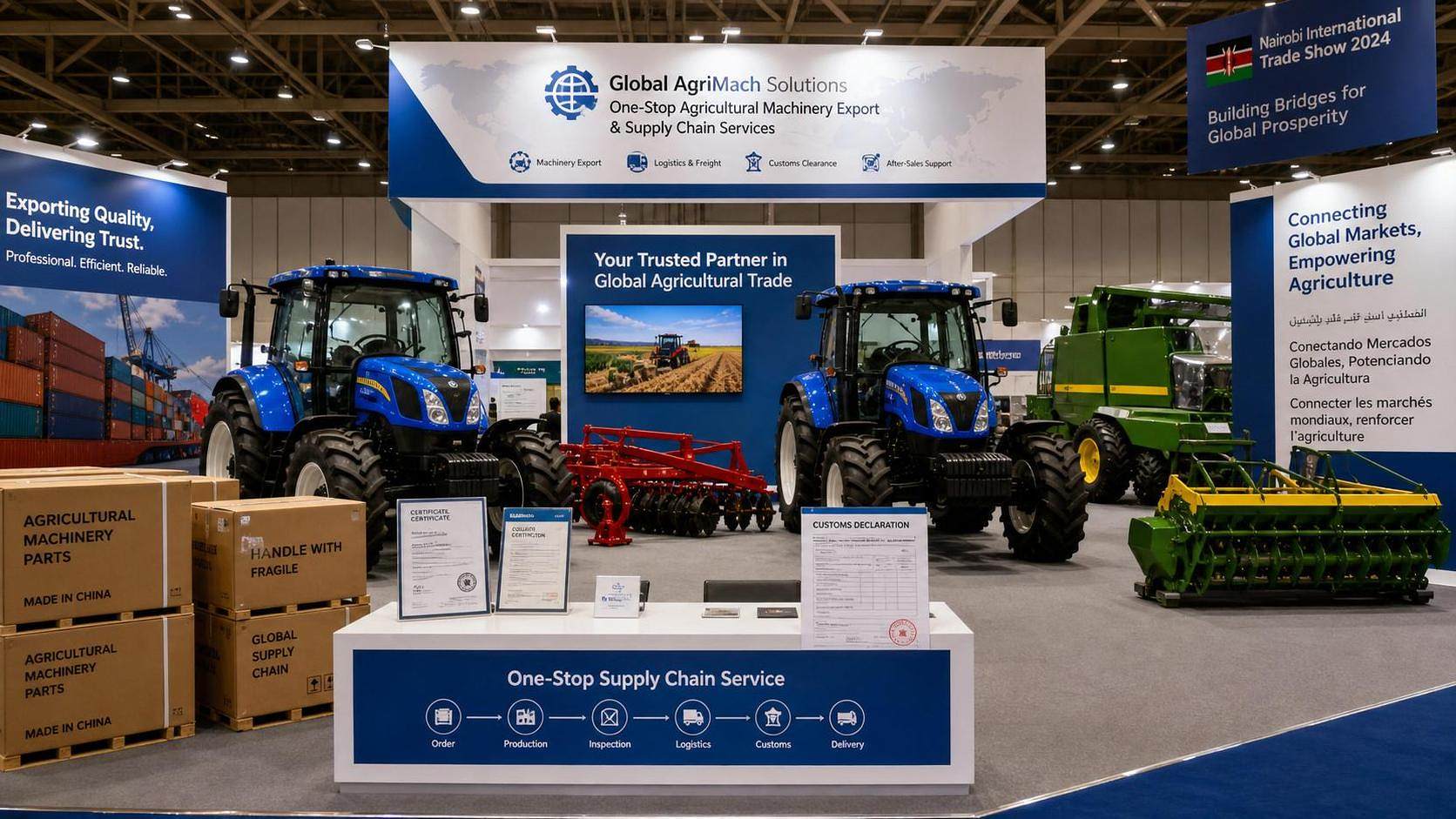




On June 17, 2026, the African International Expo for construction machinery, mining machinery, agricultural machinery, and auto and motorcycle parts opened in Nairobi, Kenya, with a new one-stop service system launched on the first day to support overseas expansion. For agricultural machinery exporters, African importers, distributors, and supply chain service providers, the development is worth watching because it connects customs clearance, multilingual communication, and business matchmaking in one operating framework rather than treating them as separate steps.
What Was Confirmed at the Nairobi Opening
The exhibition officially opened in Nairobi on June 17, 2026. According to the provided event summary, the first day also marked the activation of a one-stop outbound service system covering international logistics customs clearance, multilingual translation, and precise business matching.
More than 240 Chinese agricultural machinery companies took part in the exhibition, including SANY, XCMG, and Zoomlion. The same summary states that this mechanism significantly shortens customs clearance cycles for African importers, lowers overall procurement costs, and provides overseas distributors with a verifiable localized service interface.
Why the New Service Mechanism Matters Across the Chain
For exporters, the issue shifts from product display to transaction execution
From an industry perspective, the most immediate impact for direct trading companies is not only greater visibility at an exhibition, but a more structured path from inquiry to delivery. If customs support, translation, and matchmaking are handled within one service framework, exporters may face fewer frictions in documentation handoff, communication, and buyer verification. What deserves closer attention is whether this support improves execution consistency after initial contact, especially in cross-border delivery and distributor follow-up.
For importers and distributors, speed and verification become practical filters
Analysis shows that African importers and overseas distributors may benefit most in two areas already referenced in the event summary: shorter customs clearance cycles and lower total procurement cost. In practical terms, that can affect supplier selection, order timing, and confidence in localized service arrangements. The key point to watch is how buyers use this "verifiable localized service interface" in actual procurement decisions, rather than treating it only as a promotional feature.
For service providers, integration becomes part of competitiveness
Supply chain and business support providers are also implicated by this development because the exhibition mechanism combines logistics clearance, multilingual support, and business matching into one visible service offering. Observably, this raises the relevance of coordination quality between document processing, communication support, and client onboarding. The change is less about adding a single service and more about whether service providers can fit into an integrated export-support workflow.
What Companies Should Watch Next
Check how the one-stop process is described in follow-up communications
Companies should pay attention to how the service mechanism is described after the exhibition opening, especially in relation to operational scope. The event summary confirms the presence of customs clearance, translation, and matchmaking, but businesses still need to distinguish between headline functions and the specific steps that can be implemented in ongoing transactions.
Review document readiness and handoff points
Because the mechanism is tied to logistics customs clearance, exporters and distributors should focus on document preparation, submission timing, and coordination responsibilities. Even when a one-stop framework is available, transaction efficiency still depends on whether suppliers and buyers can provide complete and consistent paperwork at the right stage.
Pay attention to buyer communication in multilingual settings
The inclusion of multilingual translation is commercially relevant because communication failures often affect quotation clarity, product confirmation, and service expectations. Companies participating in or following the exhibition should watch whether multilingual support improves the quality of buyer conversations, not only the quantity of contacts generated.
Separate exhibition momentum from repeatable delivery capability
What deserves closer attention is the difference between successful matchmaking at an exhibition and repeatable order fulfillment afterward. Firms should assess whether the new interface helps sustain distributor engagement, supports service verification, and reduces friction after initial introductions.
How This Should Be Read at This Stage
Analysis shows that this development is better understood as an operational signal than as a finalized market outcome. The confirmed facts point to a new service arrangement attached to a major industry exhibition and to immediate benefits described in terms of customs efficiency, procurement cost, and localized interfaces. However, it remains necessary to observe whether those advantages translate into stable, repeatable transaction processes across more deals and more market participants.
Observably, the more important message is that export support is being presented as a bundled capability. That matters because the bottleneck in overseas agricultural machinery business is not always product availability alone, but also whether communication, clearance, and channel connection can move together in a manageable way.
A Practical Reading of the Signal
This update should be read as a concrete short-term operating change with possible longer-term implications. In the short term, it suggests a more coordinated route for agricultural machinery exporters engaging African buyers through the Nairobi exhibition platform. In a broader sense, it may also indicate that cross-border execution services are becoming a more visible part of competitiveness in machinery exports.
At the current stage, it is more appropriate to understand this as a development that deserves continued monitoring rather than as proof of a settled market shift. The mechanism is notable because it addresses transaction friction directly, but its wider significance will depend on how consistently it performs after the exhibition setting.
Basis of This Article
This article is based on the user-provided news title, event date, and event summary concerning the June 17, 2026 opening of the expo in Nairobi and the launch of the one-stop export-support mechanism. No specific official source link was provided in the input, so the underlying details still require continued verification against source types commonly relevant to this kind of industry update, such as official event announcements, company statements, industry association releases, authoritative media coverage, and related institutional disclosures.
For continued observation, the most relevant follow-up points are any later official wording on how the service mechanism operates in practice, how participating companies use it in transactions, and whether the claimed gains in customs efficiency, procurement cost, and localized service verification remain visible beyond the exhibition opening stage.
Related News

How to Evaluate Agricultural Product Information Sources for Reliable Farm Decisions
Agricultural product information reference guide: evaluate reliable farm data, verify claims, and make smarter machinery, irrigation, and crop decisions.

Farm Machinery Guide: Matching Tractor Horsepower and Implements to Farm Size
Farm machinery guide for tractors: match horsepower, implement width, hydraulics, traction, and fleet capacity to farm size for lower costs and reliable field performance.
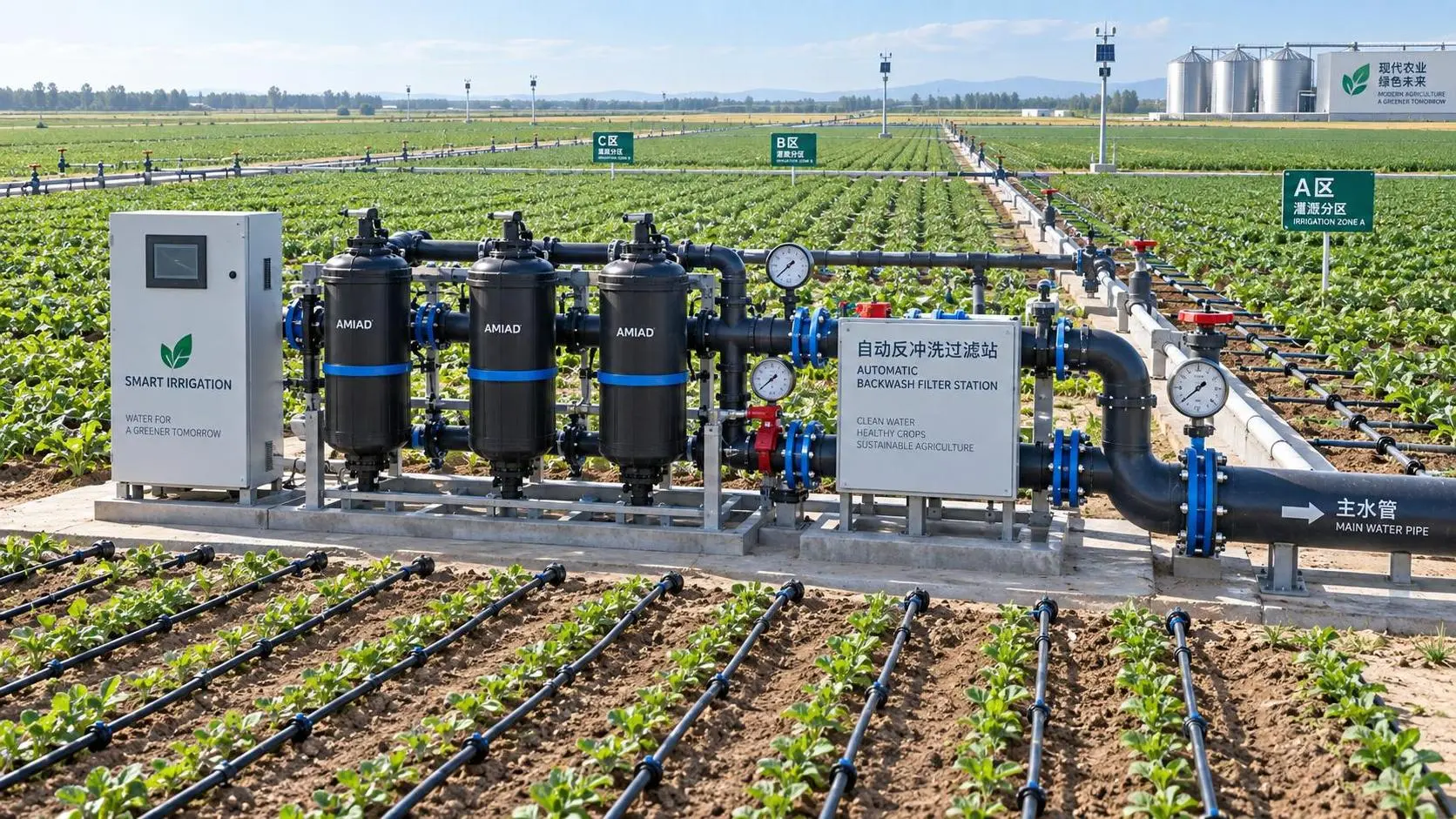
How to Evaluate Drip Irrigation System Manufacturers for Large Farm Projects
Drip irrigation systems manufacturer evaluation guide for large farms: compare hydraulic design, filtration, quality control, scalability, delivery, and support.
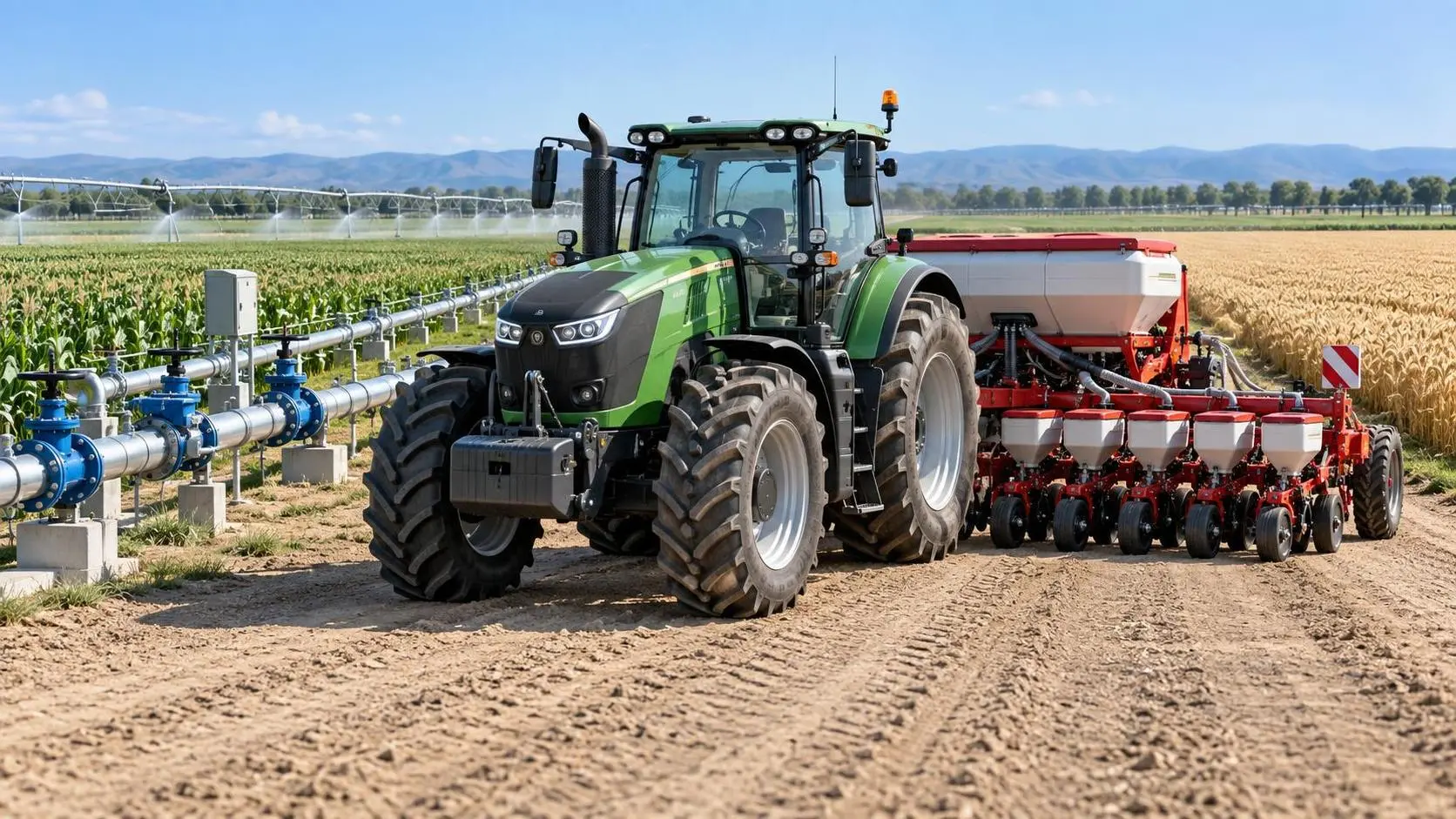
Specification Planning: A Practical Framework for Defining Equipment Requirements
Application guidance for specification planning: define measurable equipment requirements, prioritize performance, and avoid costly procurement mistakes.

How North American Farms Can Select Crop Monitoring Systems by Acreage and Connectivity
Crop monitoring systems North America: learn how to match acreage, connectivity, sensors, and data workflows for reliable, actionable farm decisions.

Where to Find Reliable Product Information for Comparing Farm Equipment
Product information resources agriculture buyers can trust: compare farm equipment with technical specs, manuals, field data, dealer support, and lifecycle insights.
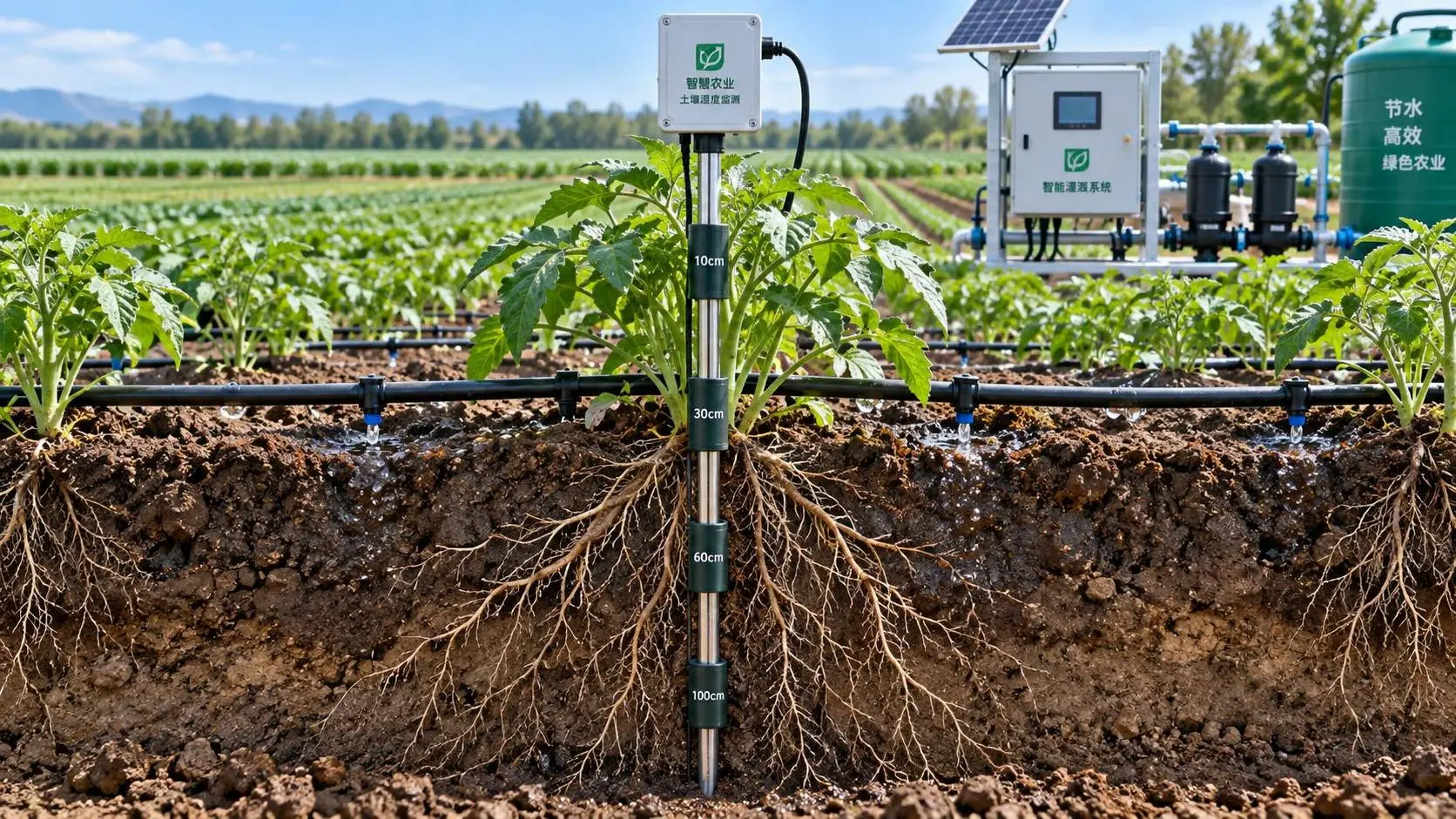
Selecting Real-Time Soil Moisture Sensors for Irrigation Zone Control
Soil moisture sensors real time: learn how to select reliable probes, optimize zone control, improve irrigation decisions, and scale precision water management.
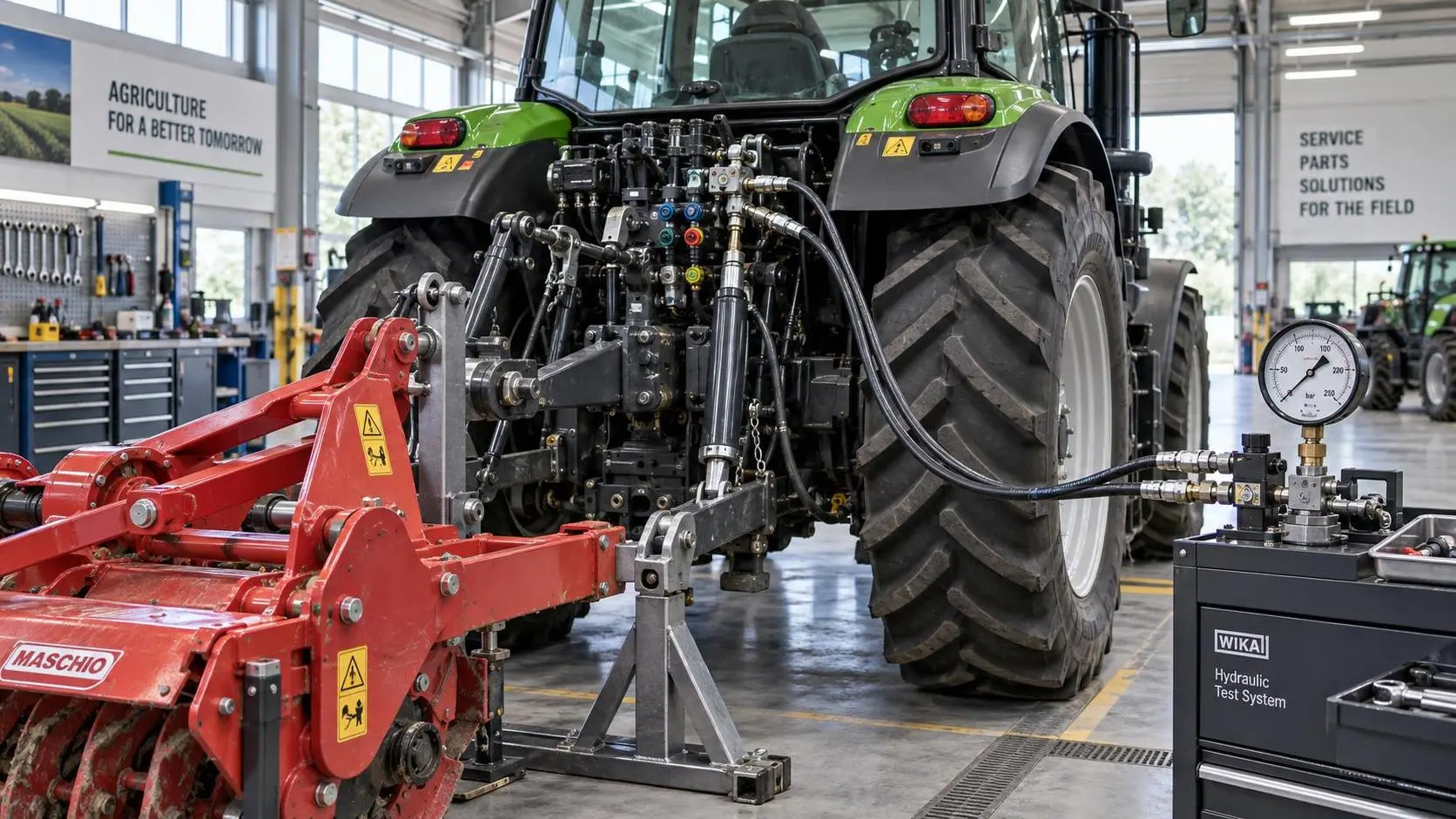
Tractor Hydraulic Systems Troubleshooting: Diagnosing Weak Lift and Slow Implements
Tractor hydraulic systems troubleshooting made practical: diagnose weak lifts and slow implements with proven pressure, flow, valve, and oil-supply checks.
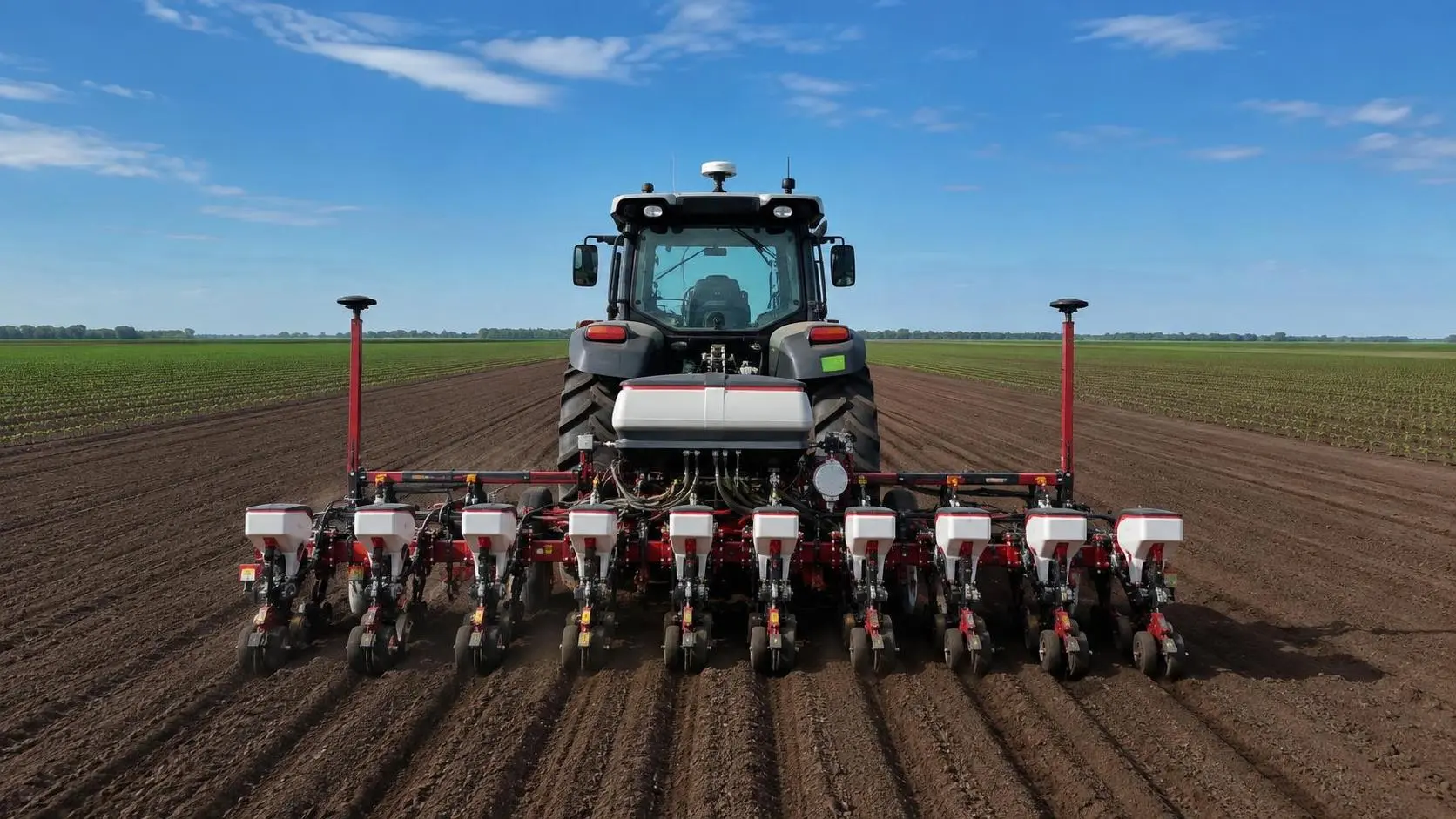
How Tractor Intelligence Systems Improve Field Efficiency and Input Accuracy
Agricultural machinery intelligence for tractors improves field efficiency, input accuracy, data traceability, and implement control. Explore smarter evaluation strategies.
Related News
- 00
0000-00
What Tractor Horsepower Is Needed for a Three-Bottom Moldboard Plow? - 00
0000-00
What Is the Difference Between No-Till and Conventional Tillage? - 00
0000-00
Does No-Till Farming Reduce Erosion on Hilly Farmland? - 00
0000-00
India BIS Tightens Soil Tiller Labeling for Imports - 00
0000-00
Vietnam Requires Vietnamese Warning Labels for Imported Soil Tillers
Popular Tags
Agri-Mechanization Fellow
Weekly Insights
Stay ahead with our curated technology reports delivered every Monday.