
How to Choose Soil Preparation Equipment for Precision Agriculture by Field Type
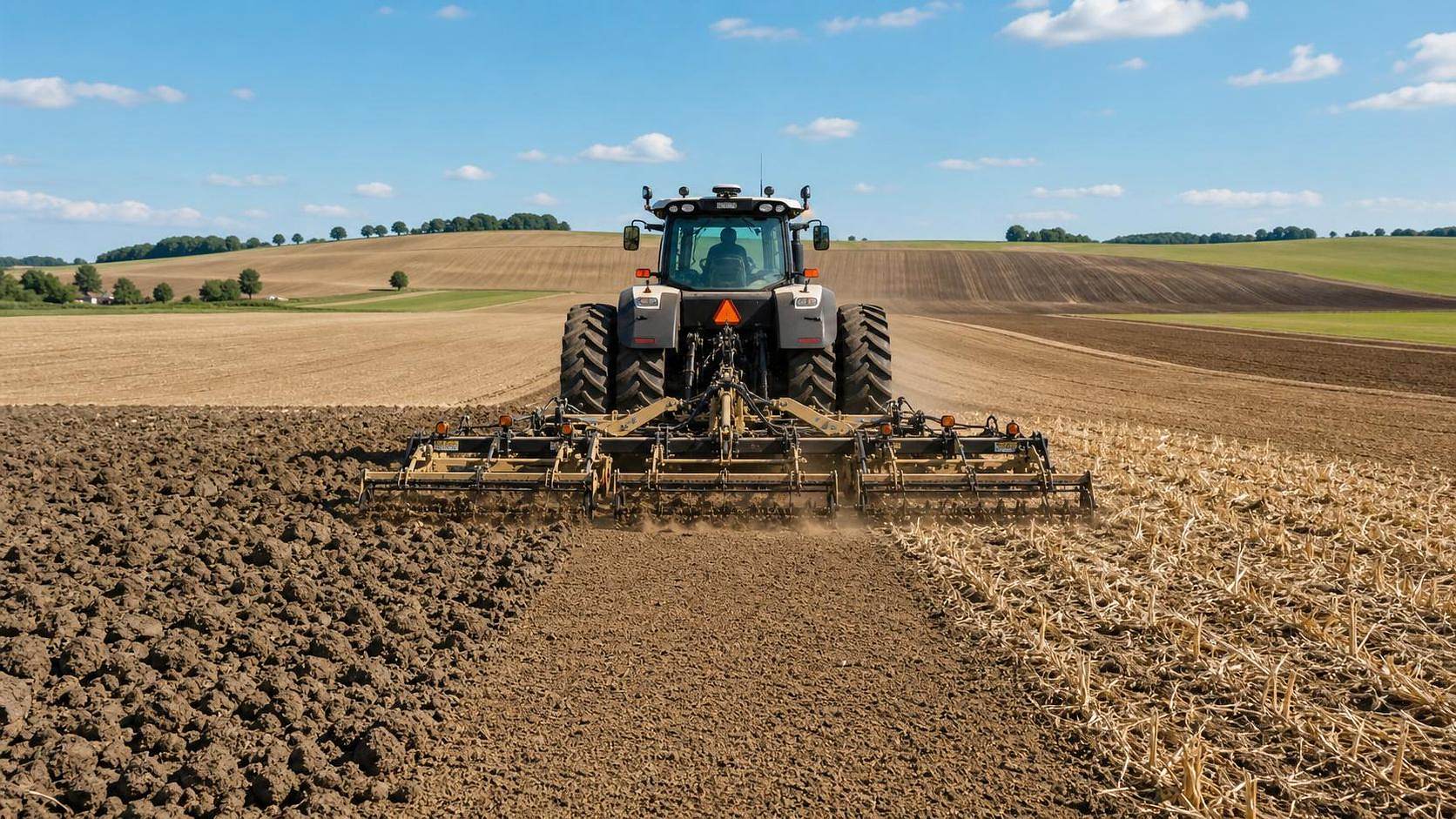




Choosing soil preparation equipment for precision agriculture is no longer a matter of matching horsepower to acreage alone. Field type shapes traction, residue flow, tillage depth stability, moisture retention, and fuel use, so the wrong tool can weaken both agronomic results and financial returns.
That is why this decision now sits at the intersection of mechanics, data, and sustainability. In the Agriculture 4.0 context followed by AP-Strategy, soil preparation is a front-end decision that influences seeding accuracy, irrigation efficiency, and even the performance of downstream harvesting systems.
For buyers comparing platforms across regions, the practical question is simple: which machine configuration fits the field conditions that actually drive cost, soil structure, and precision outcomes? The answer starts with understanding what each field asks the equipment to do.
Why field type matters more in precision farming
Traditional equipment selection often focused on broad categories such as plows, cultivators, harrows, and rippers. Precision agriculture changes that logic. The machine must not only disturb soil, but do so consistently enough to support variable-rate seeding, nutrient placement, controlled traffic, and sensor-based field mapping.
A heavy clay field reacts differently from a sandy profile. A slope behaves differently from a flat, residue-rich corn field. In each case, soil preparation equipment for precision agriculture must preserve a workable seedbed without creating compaction layers, moisture loss, or uneven surface conditions.
This is where the procurement decision becomes strategic. Equipment that performs well in one field type can underperform badly in another, even when engine power and working width appear attractive on paper.
The core equipment groups and what they really influence
Most soil preparation equipment for precision agriculture falls into a few functional groups, but the key is to evaluate them by field effect rather than product label.
- Primary tillage tools break compaction, open dense layers, and manage deep residue incorporation.
- Secondary tillage tools refine clod size, level the surface, and prepare the seed zone.
- Vertical tillage and low-disturbance tools manage residue while reducing excessive inversion.
- Strip-till systems prepare narrow planting zones and preserve inter-row structure.
- Combination units reduce passes by integrating loosening, leveling, and finishing functions.
In practice, the best choice depends less on category names and more on how the frame, shank spacing, disc angle, working depth control, and packer design interact with the target field type.
Matching equipment to clay, sandy, sloped, and high-residue fields
Field-based selection becomes clearer when viewed through operating conditions rather than brand claims.
Clay and heavy soils
Clay fields usually demand strong penetration, stable depth control, and enough frame clearance to avoid plugging. Deep tillage tools, heavy disc harrows, and robust cultivators often work better here than lighter multi-purpose machines.
More attention should go to shank strength, downforce behavior, and packer design. If the machine smears wet clay or leaves large clods, precision planting quality can suffer immediately.
Sandy and light soils
Sandy profiles need a gentler approach. Excessive disturbance can accelerate moisture loss and wind erosion. Low-disturbance cultivators, shallow vertical tillage units, or strip-till configurations often preserve more structure.
Here, the risk is overworking the field. The best soil preparation equipment for precision agriculture in sandy areas usually offers accurate shallow-depth control and low draft demand.
Sloped and erosion-prone ground
On slopes, residue preservation and reduced soil inversion become more important than aggressive loosening. Machines that leave protective cover and maintain contour-friendly surface conditions help limit runoff and topsoil movement.
Frame stability also matters because uneven draft loads can affect working depth across the implement. Precision outcomes depend on consistent soil engagement from one side of the tool to the other.
High-residue cropping systems
Corn, wheat, and cover-crop-heavy systems create a different challenge: residue flow. Equipment should clear biomass without hairpinning, bunching, or blocking sensors and openers later in the season.
In these conditions, disc spacing, frame height, trash clearance, and the ability to maintain even mixing become decisive. A cheaper unit that plugs repeatedly often creates the highest cost per hectare.
What the market is watching now
Across global agri-equipment markets, selection criteria are becoming more system-based. AP-Strategy tracks this shift through its focus on large-scale machinery, intelligent farm tools, tractor chassis performance, and water-saving systems that depend on better soil conditioning upstream.
That means buyers increasingly assess whether soil preparation equipment for precision agriculture can integrate with guidance systems, section control, telematics, and prescription-led field operations. Mechanical quality still matters, but isolated mechanical strength is no longer enough.
Another major theme is pass reduction. Fewer field passes mean lower fuel use, less compaction, and tighter timing windows. Combination tillage units and strip-till systems are gaining attention where labor pressure and seasonal volatility are high.
How to evaluate equipment beyond the brochure
A strong buying decision usually comes from comparing field performance variables, not just list specifications. Several points deserve closer review before shortlisting any platform.
- Depth consistency under variable soil resistance.
- Residue clearance at realistic field speeds.
- Draft requirement relative to available tractor chassis and hydraulics.
- Wear part life in abrasive or sticky conditions.
- Transport practicality for fragmented land or regional road limits.
- Compatibility with RTK guidance, mapping, and controlled traffic plans.
It also helps to compare the machine’s effect on the next operation. If field finishing is uneven, planter row units, fertilizer applicators, and irrigation uniformity may all be affected later.
Total cost is rarely just the purchase price
A lower initial quote can hide higher wear costs, lower field speed, and more corrective passes. For that reason, soil preparation equipment for precision agriculture should be evaluated on cost per productive hectare, not unit price alone.
Service network quality, parts availability, and setup support should also be included. Delays during tight soil windows can erase any nominal savings.
A practical framework for comparing options
A useful evaluation framework begins with field segmentation. Separate heavy, light, sloped, and residue-heavy acres rather than averaging them into one procurement case.
Then align each segment with the agronomic target. Is the priority compaction relief, moisture conservation, residue sizing, strip preparation, or pass reduction? Different priorities often justify different implement geometries.
From there, compare machine fit across four decision layers:
- Field suitability: soil texture, slope, residue level, and seasonal moisture pattern.
- Power match: tractor drawbar capacity, hydraulic flow, ballast, and tire or track setup.
- Precision fit: guidance compatibility, repeatability, sensor integration, and data capture.
- Economic fit: wear rate, pass count, labor demand, and local support capability.
This kind of comparison reflects the broader AP-Strategy view that equipment decisions should connect machine performance with system-level productivity and sustainability.
Where to focus next
The best soil preparation equipment for precision agriculture is the one that fits real field variability, supports the existing tractor platform, and improves the next operation rather than complicating it.
A sensible next step is to build a field-by-field equipment matrix using soil texture, residue volume, slope, target depth, and pass limits. That often reveals whether one versatile machine is enough or whether a mixed equipment strategy is more economical.
From there, compare supplier data with field demonstrations, operating logs, and seasonal timing risks. In a precision farming system, the smarter purchase is usually the one that protects agronomic consistency as much as mechanical output.
Related News

When Does Agricultural Machinery Leasing Cost Less Than Owning Equipment?
Agricultural machinery leasing can lower farm costs when use is seasonal or uncertain. Compare utilization, maintenance, cash flow, and risk to make a smarter equipment decision.

How to Evaluate Precision Fertilization System Suppliers for Farm-Scale Deployment
Precision fertilization systems suppliers: learn how to compare accuracy, integration, uptime, service, and total cost for confident farm-scale deployment.
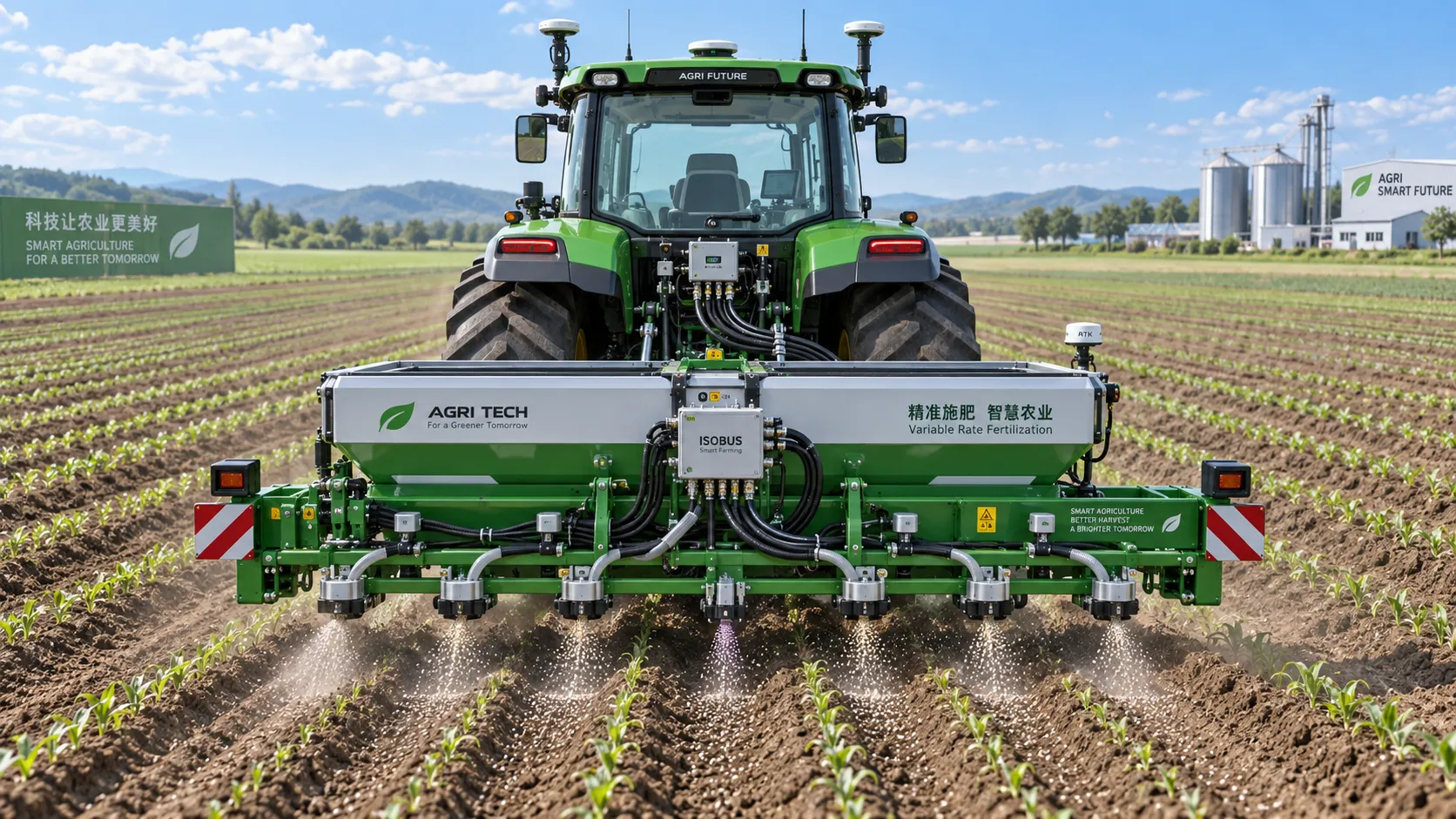
ISOBUS for Smart Agriculture: How It Connects Tractors, Implements, and Farm Data
ISOBUS for smart agriculture connects tractors, implements, terminals, and farm data—helping growers improve precision, documentation, and smarter field decisions.
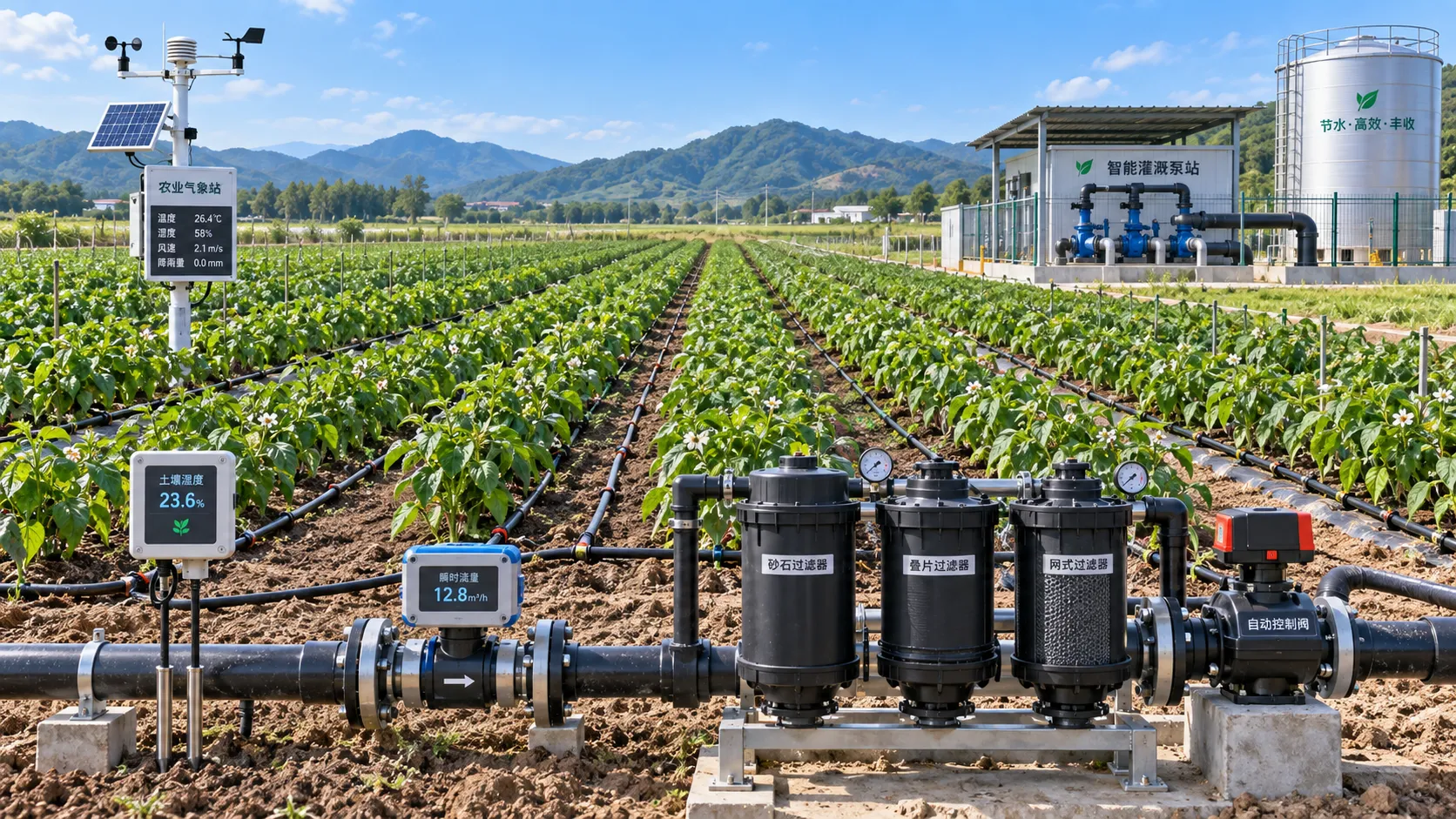
Automated Water-Saving Irrigation: How to Cut Water Use Without Reducing Crop Yields
Automated water-saving irrigation helps farms cut water use, protect crop yields, improve scheduling, and gain reliable control with sensors, flow monitoring, and smart zones.
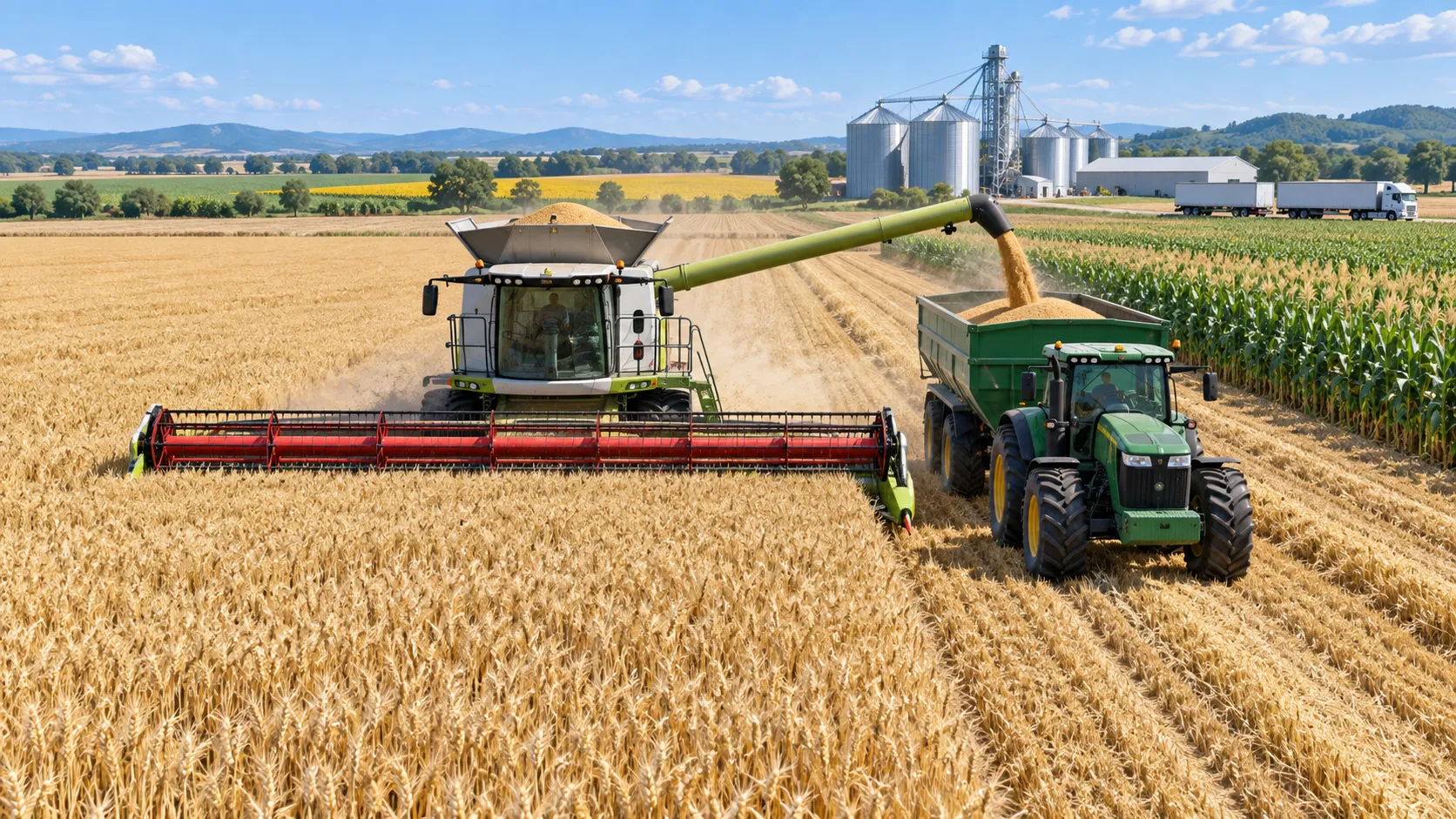
Selecting Grain Farm Equipment by Acreage, Crop Mix, and Harvest Window
Agricultural equipment selection for grain farming: match machinery to acreage, crop mix, and harvest windows to improve uptime, efficiency, and returns.
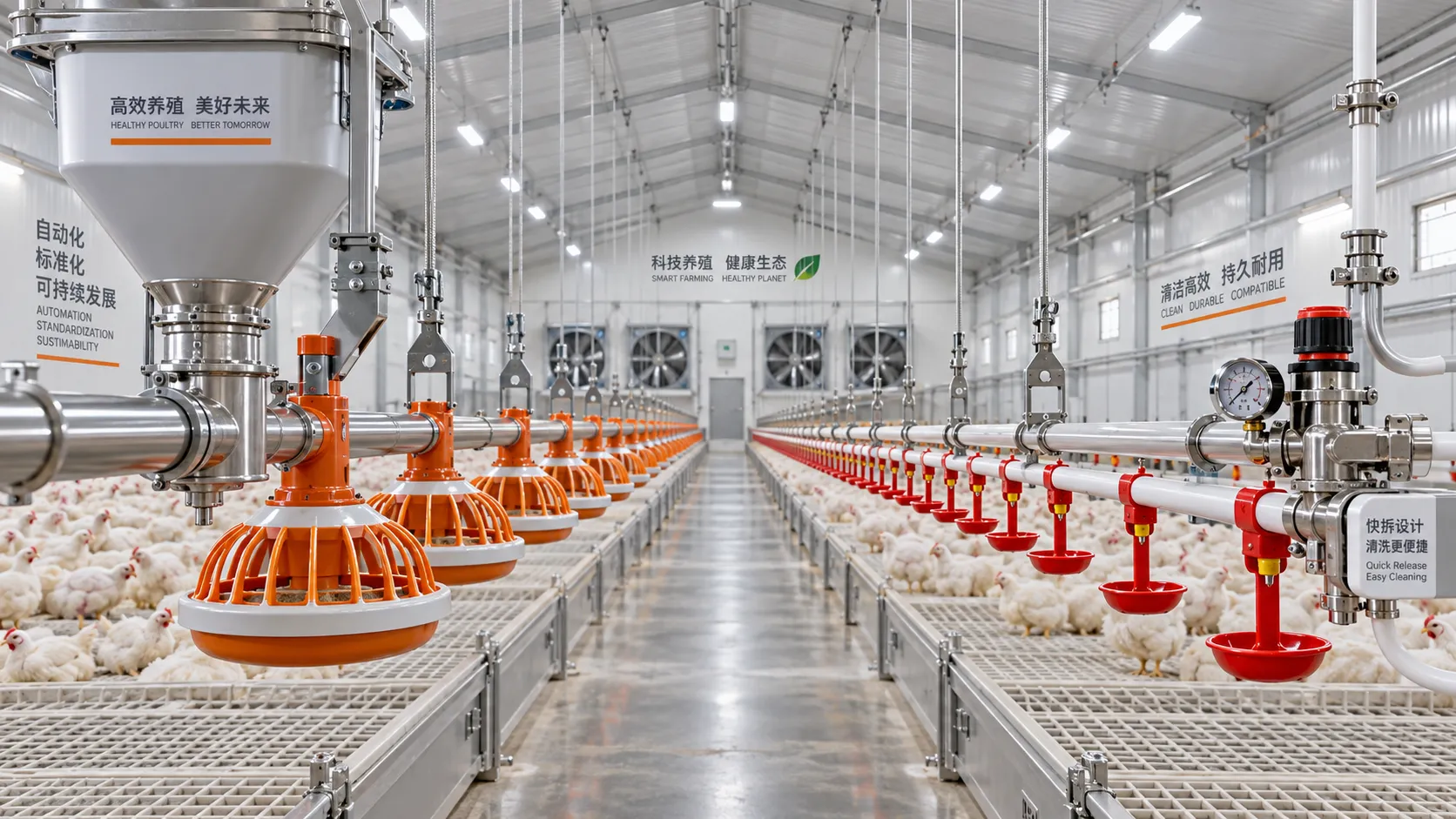
Poultry Equipment Selection: Evaluating Durability, Cleaning, and Compatibility
Poultry equipments selection guide: evaluate durability, cleaning access, and system compatibility to improve hygiene, reduce downtime, and support efficient flock management.
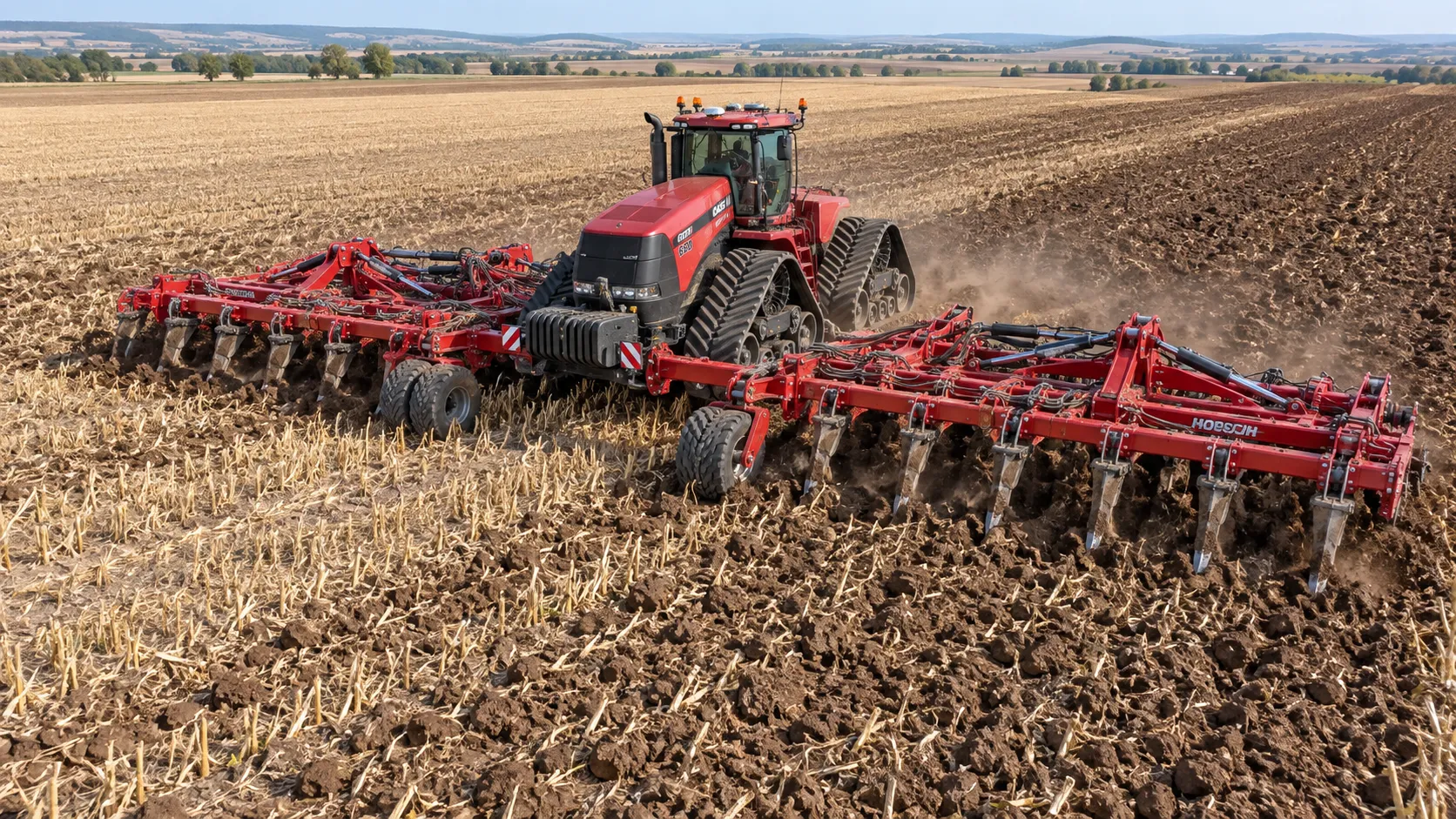
How to Select Heavy-Duty Farm Implements for High-Acreage, High-Horsepower Operations
Heavy duty farm implements: learn how to match draft, hydraulics, hitch capacity, frame strength, and field conditions for reliable high-acreage performance.
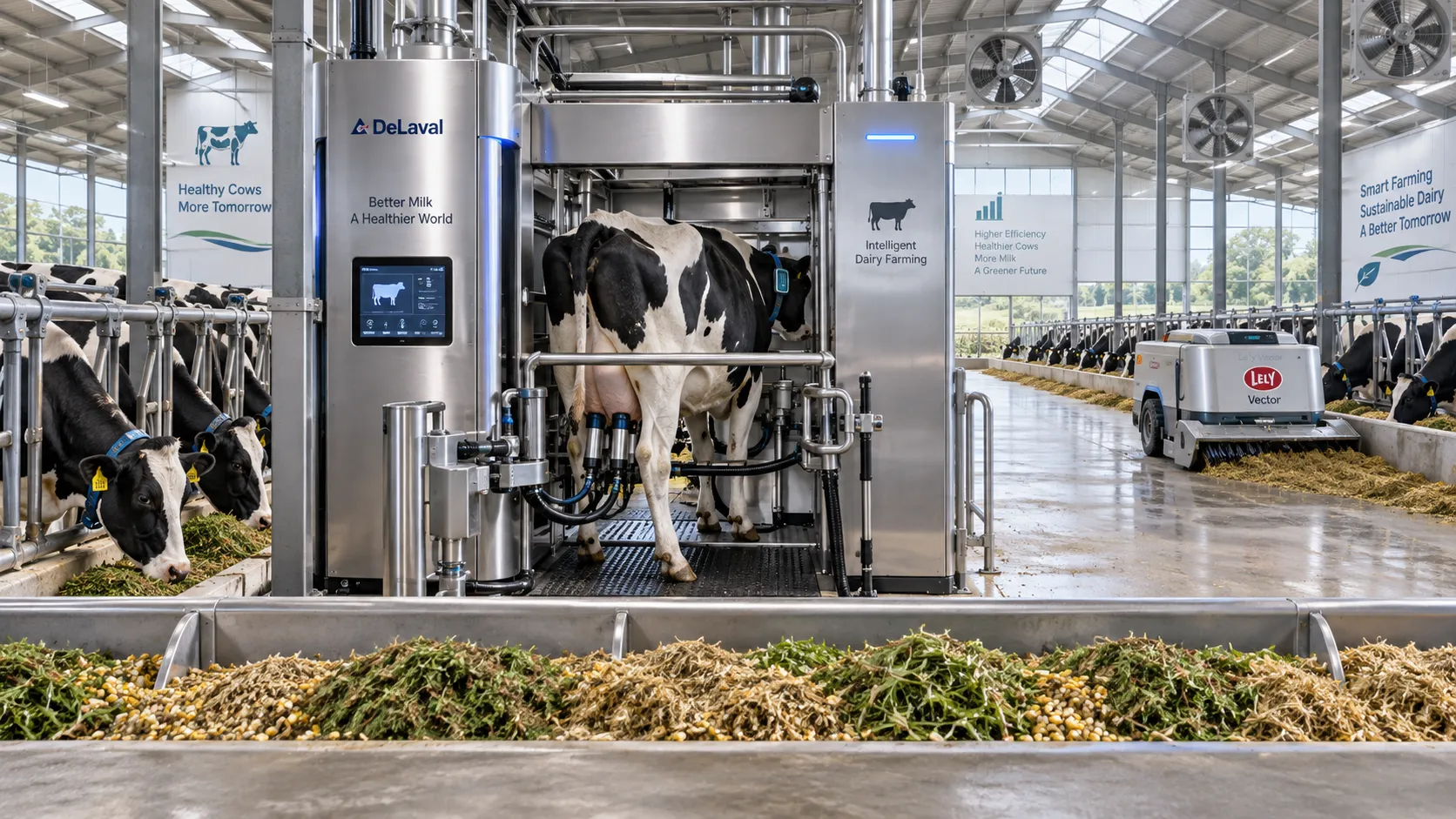
Smart Farming Technology for Dairy Farms: Where Automation Delivers Measurable ROI
Smart farming technology for dairy farms delivers measurable ROI through automation, precision feeding, health monitoring, and data-driven cost control.
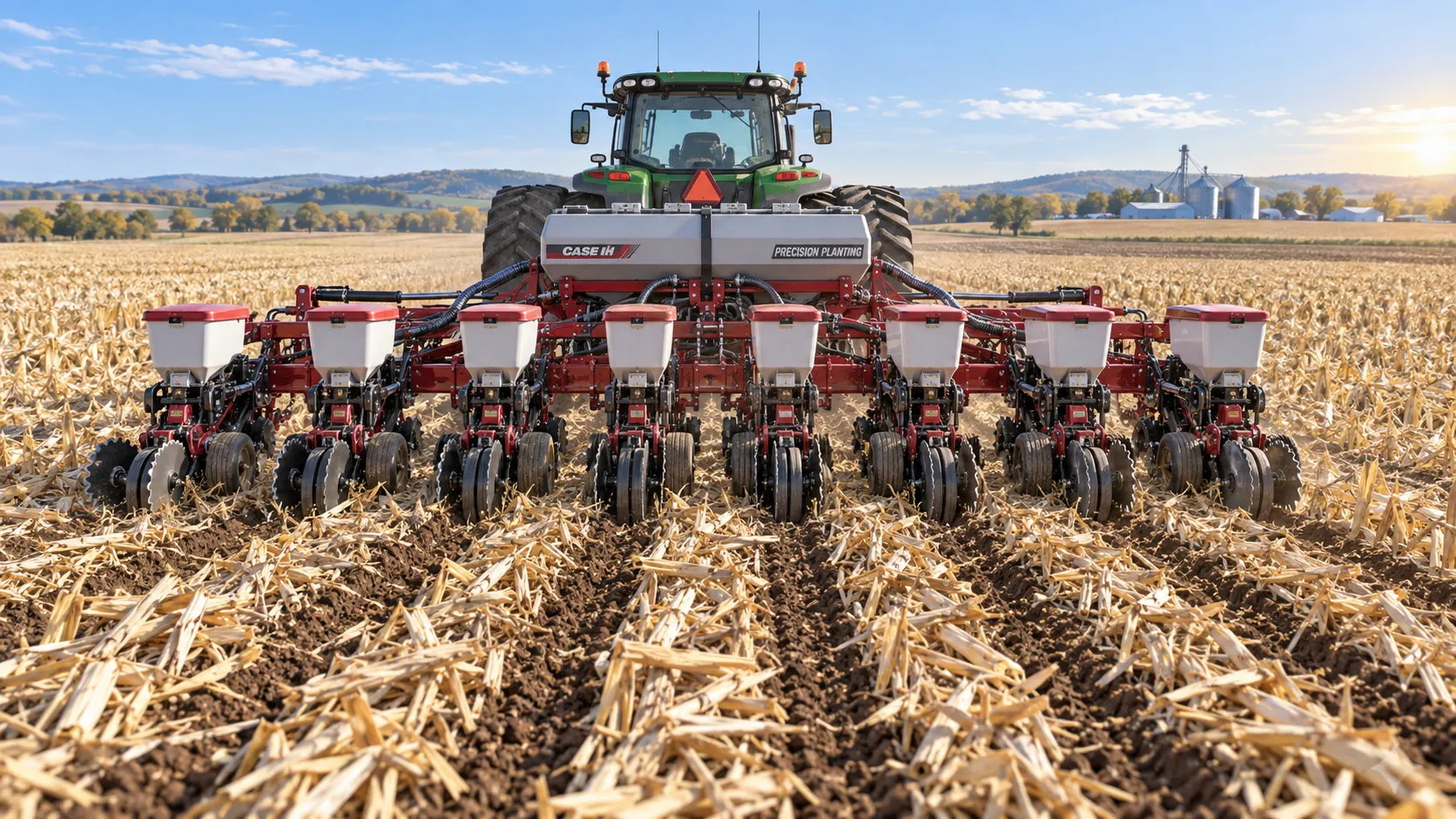
How to Select a Heavy-Duty Seeder for Large Acreage and High-Residue Fields
Heavy duty seeders for large acreage: compare residue handling, depth control, downforce, metering accuracy, and precision features to select the right model.
Related News
- 00
0000-00
What Tractor Horsepower Is Needed for a Three-Bottom Moldboard Plow? - 00
0000-00
What Is the Difference Between No-Till and Conventional Tillage? - 00
0000-00
Does No-Till Farming Reduce Erosion on Hilly Farmland? - 00
0000-00
India BIS Tightens Soil Tiller Labeling for Imports - 00
0000-00
Vietnam Requires Vietnamese Warning Labels for Imported Soil Tillers
Popular Tags
Agri-Mechanization Fellow
Weekly Insights
Stay ahead with our curated technology reports delivered every Monday.