
Soil Preparation Mistakes That Reduce Germination and How to Correct Them
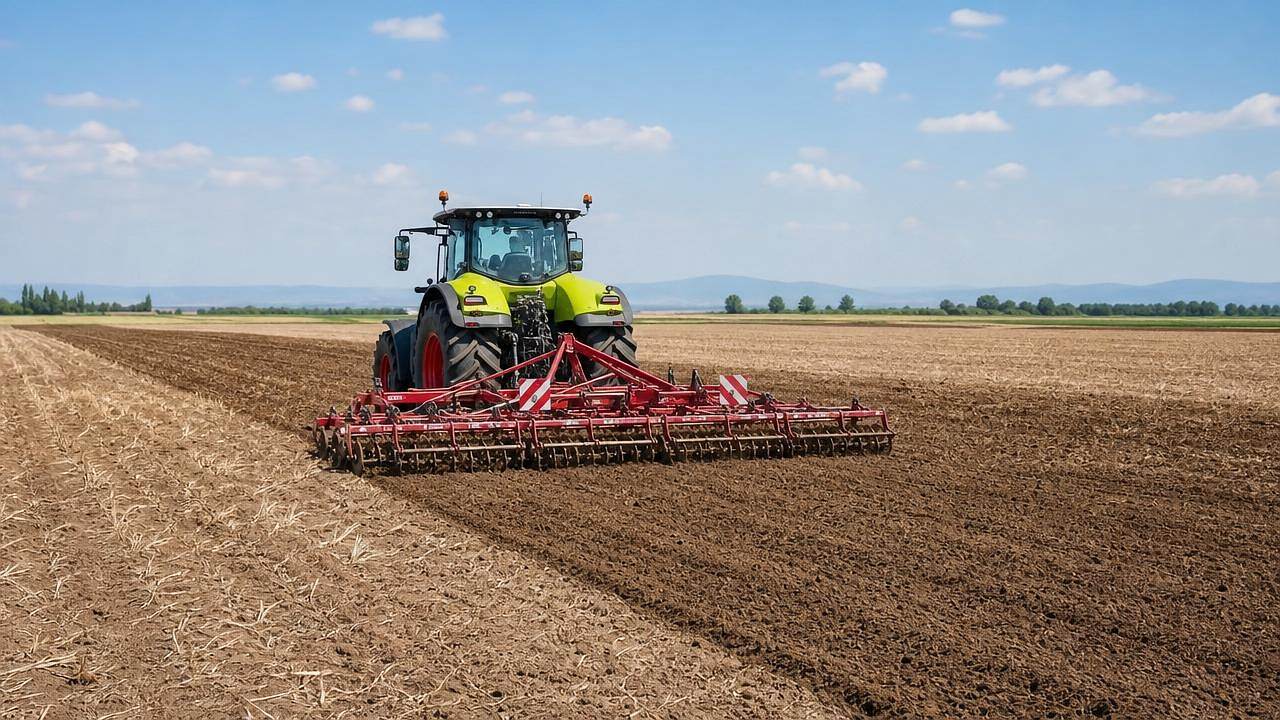




Why soil preparation problems show up before emergence
Poor emergence rarely starts with the seed alone. In many fields, the real issue begins during soil preparation, when structure, moisture, and residue are misread.
That matters more in large-scale operations. A minor setup error across a few hectares is manageable. The same error across broad acreage becomes uneven germination, rework, and weaker yield potential.
From the perspective of Agriculture 4.0, soil preparation is no longer just a mechanical pass. It connects tillage depth, tractor traction, tool choice, moisture timing, and later irrigation response.
AP-Strategy often frames this as a systems issue. Soil preparation affects how intelligent farm tools perform, how irrigation networks recover moisture stress, and how efficiently the full crop cycle begins.
When germination fails, the correction usually starts by asking a practical question: which field condition was treated as uniform when it was not?
Different fields create different soil preparation demands
Not every soil preparation mistake comes from poor practice. More often, it comes from using the same setup in fields that behave differently under load, moisture, and residue pressure.
A light-textured field after limited rainfall needs a different approach than a heavy clay field after intense traffic. Both may look workable from the surface, yet germination risk is not the same.
The same is true in strip-tilled zones, high-residue cereal ground, and irrigated beds. Soil preparation should respond to root-zone condition, not just calendar timing.
The useful judgment is not whether soil preparation was completed. It is whether the preparation matched the field’s limiting factor before planting.
When aggressive tillage creates a clean surface but a weak seedbed
One common mistake is assuming a visually fine surface means the seed zone is ready. In reality, aggressive soil preparation can leave powder on top and instability below.
This is more common where multiple tillage passes are used to chase uniformity. Operators may eliminate clods, yet also destroy aggregate structure and moisture continuity.
The result is familiar. Seeds enter a shallow, loose layer, then face drying, crusting, or poor root anchoring after the first rain or irrigation event.
Correction starts with restraint. Reduce unnecessary passes, adjust working depth to actual compaction depth, and avoid high-speed finishing that turns structure into dust.
In practical terms, soil preparation should leave a firm but not sealed base, with enough surface refinement for placement and enough subsurface stability for moisture access.
A frequent misread in dryland zones
Dryland fields often tempt more tillage because rough ground looks unfinished. Yet these fields usually need moisture protection more than cosmetic smoothing.
The better soil preparation choice is often narrower disturbance, lower pass count, and tighter coordination between final pass and planting.
Compaction is often hidden below a workable surface
Another major cause of poor germination is shallow evaluation. A field can appear friable on top while a compacted layer blocks early roots and disturbs water movement below.
This is especially relevant in broad-acre systems using heavy tractors, loaded grain carts, or repeated passes during narrow weather windows.
In these conditions, soil preparation mistakes happen when tillage depth is set by habit instead of measured resistance. The tool works the same depth each season, regardless of traffic pattern.
Correcting that mistake requires checking below the seed zone. A penetrometer, spade profile, or mapped traffic history often reveals why emergence stays patchy in the same lanes or sections.
- If compaction is shallow, targeted vertical tillage may be enough.
- If dense layers sit deeper, selective subsoiling should follow moisture conditions that allow shatter, not smear.
- If traffic is recurring, controlled wheel paths often protect future soil preparation quality better than repeated corrective tillage.
This is where machinery decisions matter. Tractor chassis load distribution, tire inflation, and pass timing influence soil preparation results as much as the tillage tool itself.
Residue-heavy fields need flow control, not just more force
After high-yield cereals or maize, residue changes the logic of soil preparation. The challenge is not only opening soil, but separating straw management from seed placement.
A frequent mistake is adding more downforce or deeper tillage when residue flow is the real problem. That often buries damp material unevenly and cools the seed zone.
In actual field use, hair-pinning is the warning sign. Residue gets pushed into the slot or mixed through the seedbed, reducing seed-to-soil contact and slowing germination.
The more reliable correction is to align harvest residue distribution with later soil preparation. Even spreading behind the combine reduces concentrated trouble spots before tillage begins.
Then adjust tools for cutting, clearance, and flow. In many cases, cleaner residue handling improves emergence more than a deeper or more aggressive pass.
Why similar residue loads still behave differently
Residue amount alone does not define risk. Moisture level, stalk toughness, soil temperature, and opener design all shape how soil preparation performs in the next operation.
That is why two fields with similar biomass can show very different germination patterns after planting.
Moisture timing is where many soil preparation plans go wrong
Some of the costliest mistakes happen when soil preparation is technically correct but poorly timed. Working soil too wet causes smearing. Working too dry can create clods and moisture loss.
This becomes more sensitive in irrigated systems. Bed-forming and pre-plant preparation must support later infiltration, not just immediate seed placement.
Where intelligent irrigation is used, the seedbed should be judged with the next water application in mind. A surface that seals quickly may look acceptable at planting, then fail after first wetting.
A better approach is to connect weather data, sensor readings, and field traffic decisions. AP-Strategy’s broader machinery-and-irrigation view fits here: soil preparation improves when moisture is managed as part of a whole operating sequence.
The most common misjudgments are usually operational
Many soil preparation failures do not come from lacking equipment. They come from reasonable assumptions that miss local conditions.
- Treating all parts of a field as equally traffic-tolerant.
- Choosing tillage intensity by appearance instead of root-zone function.
- Ignoring the relationship between combine residue spread and spring emergence.
- Focusing on immediate pass cost while overlooking replant risk and stand unevenness.
- Assuming similar crops need identical soil preparation across different moisture regimes.
In mixed operational environments, those mistakes accumulate. The seed then reflects every earlier compromise, even when planting equipment is well calibrated.
What to adjust before the next pass
The most useful correction plan is field-specific and short. It should identify the limiting condition, the equipment setting involved, and the timing needed to avoid repeating the same soil preparation error.
In practice, that often means checking three things before the next operation: actual compaction depth, residue distribution quality, and moisture behavior at seed depth.
If those factors are mapped and reviewed together, soil preparation becomes less reactive. It also fits better with precision farming workflows, from guidance systems to variable irrigation management.
For stronger germination, the next step is not simply more tillage or finer finishing. It is building a repeatable soil preparation standard for each field condition, then adjusting machinery, timing, and moisture strategy around that standard.
That approach is slower at the decision stage, but faster in the field season. More importantly, it protects emergence uniformity, input efficiency, and the full productivity chain that begins at the seedbed.
Related News

How North American Farms Can Select Crop Monitoring Systems by Acreage and Connectivity
Crop monitoring systems North America: learn how to match acreage, connectivity, sensors, and data workflows for reliable, actionable farm decisions.

Where to Find Reliable Product Information for Comparing Farm Equipment
Product information resources agriculture buyers can trust: compare farm equipment with technical specs, manuals, field data, dealer support, and lifecycle insights.
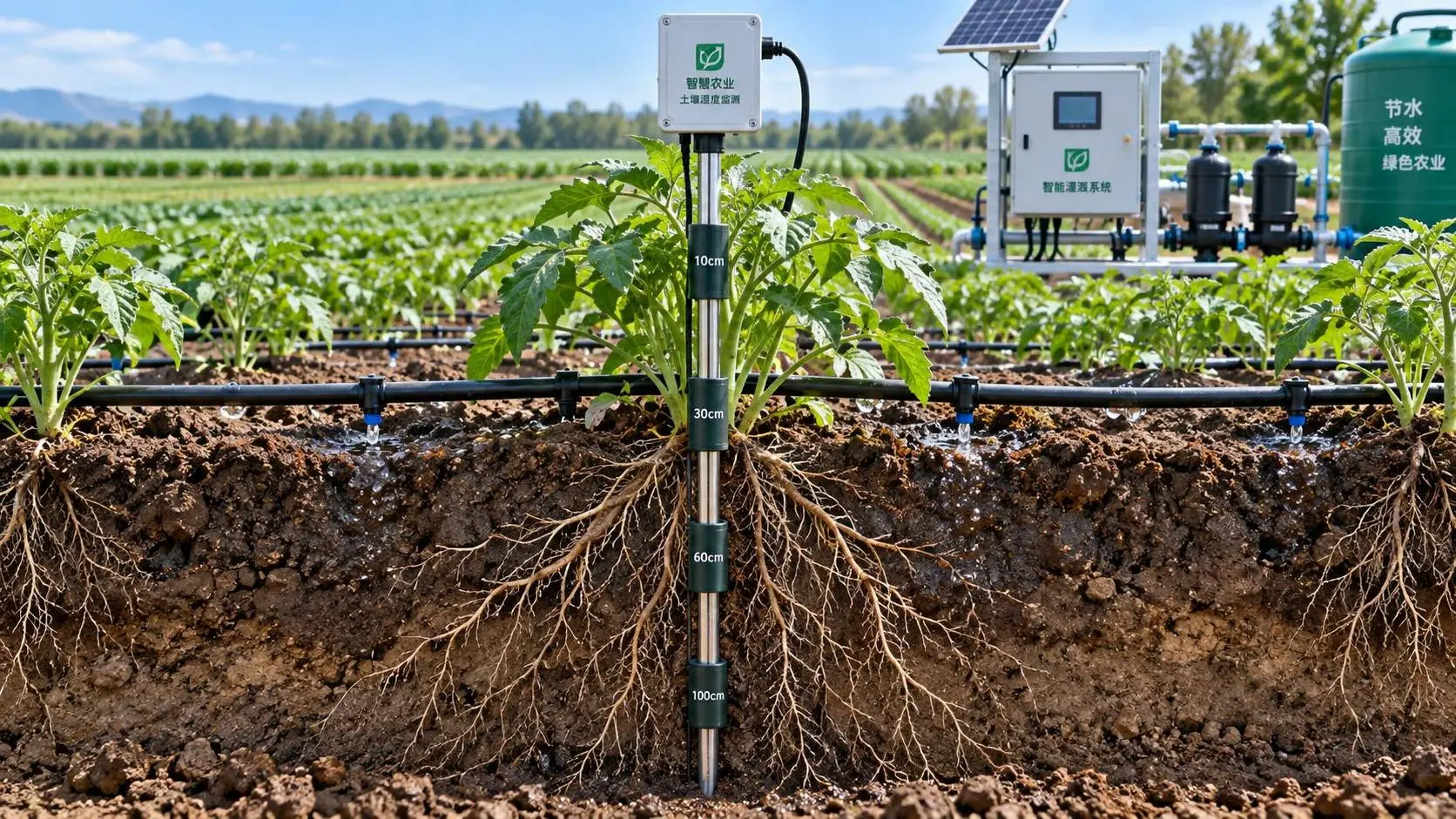
Selecting Real-Time Soil Moisture Sensors for Irrigation Zone Control
Soil moisture sensors real time: learn how to select reliable probes, optimize zone control, improve irrigation decisions, and scale precision water management.
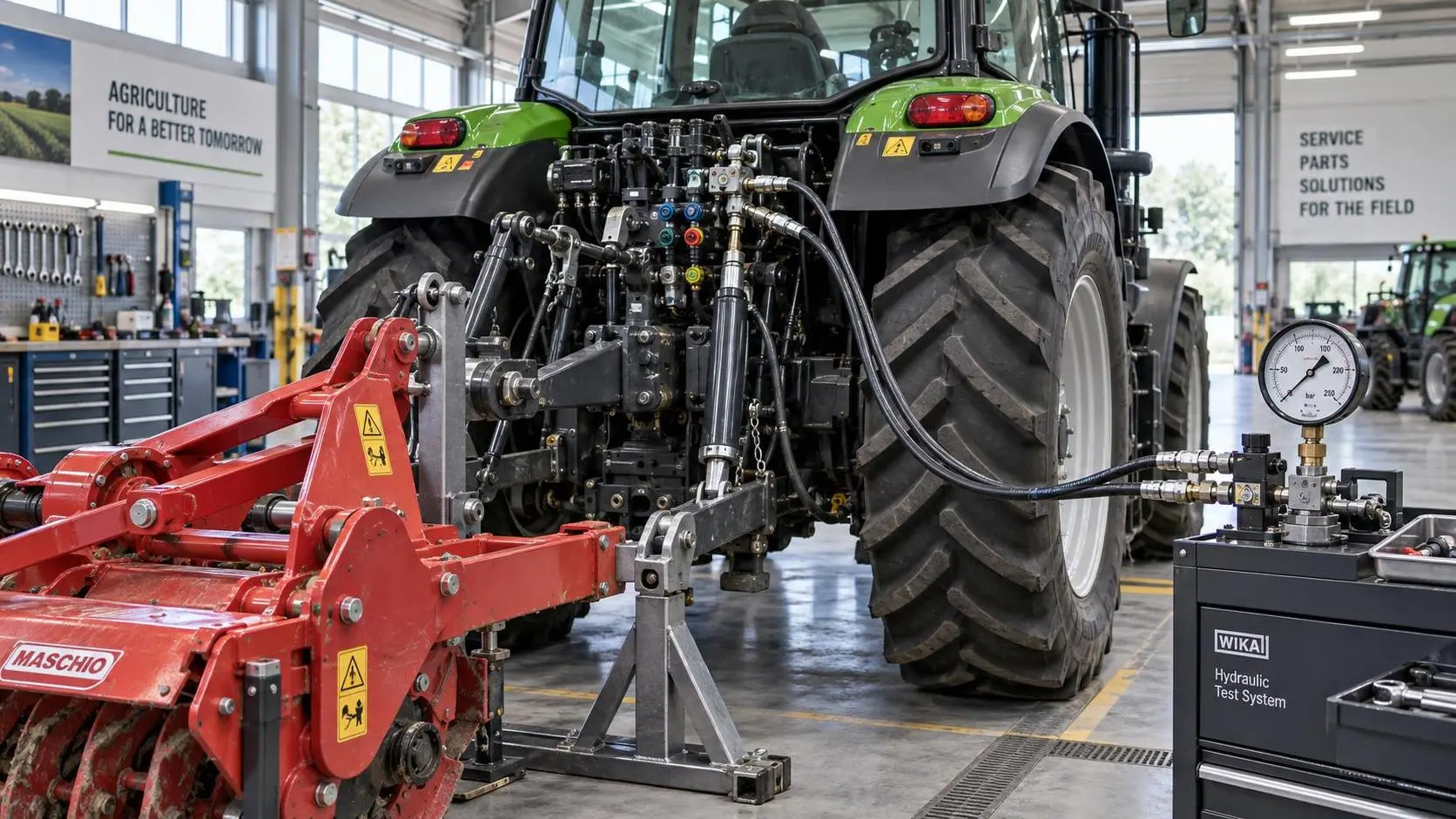
Tractor Hydraulic Systems Troubleshooting: Diagnosing Weak Lift and Slow Implements
Tractor hydraulic systems troubleshooting made practical: diagnose weak lifts and slow implements with proven pressure, flow, valve, and oil-supply checks.
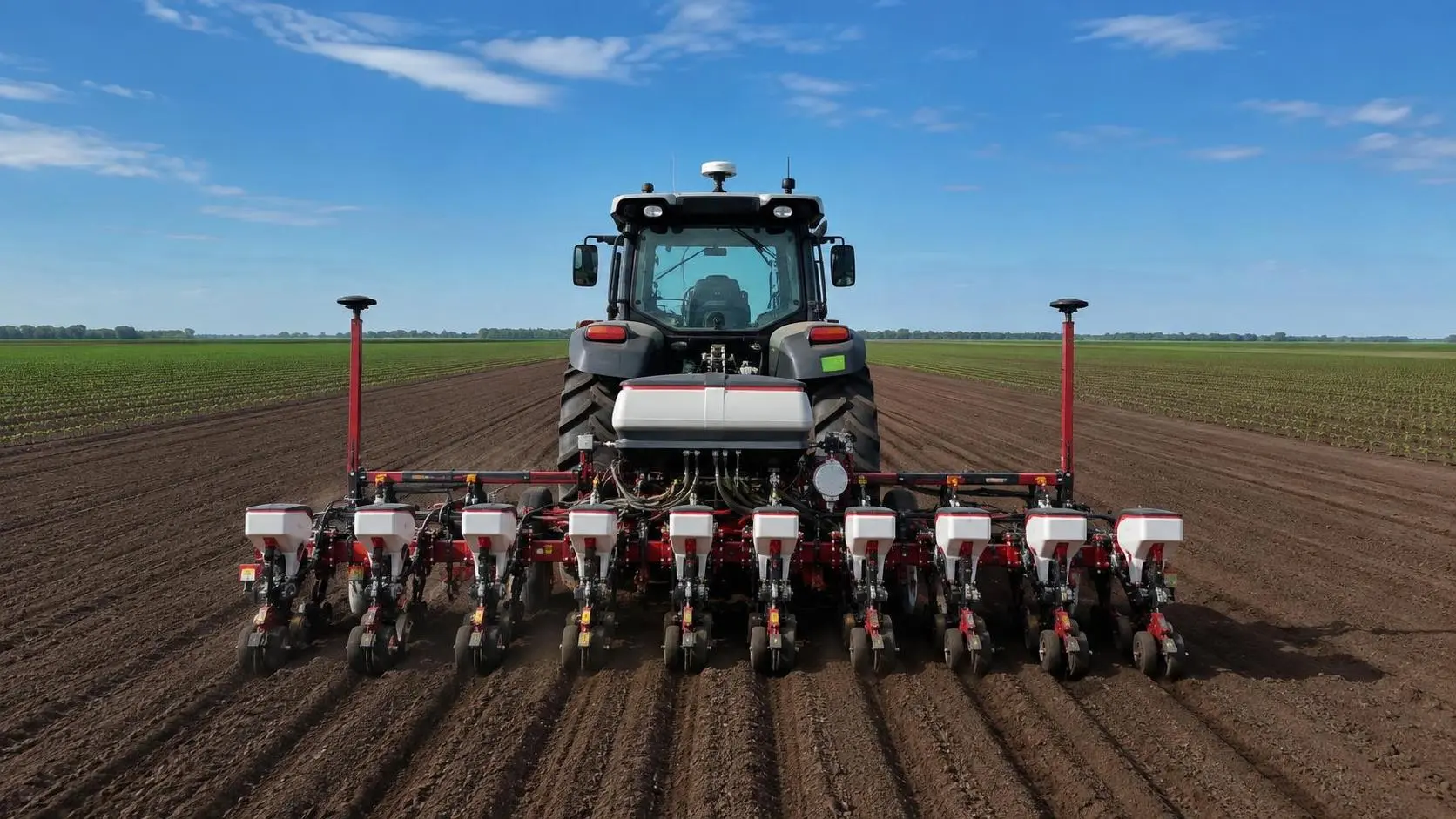
How Tractor Intelligence Systems Improve Field Efficiency and Input Accuracy
Agricultural machinery intelligence for tractors improves field efficiency, input accuracy, data traceability, and implement control. Explore smarter evaluation strategies.
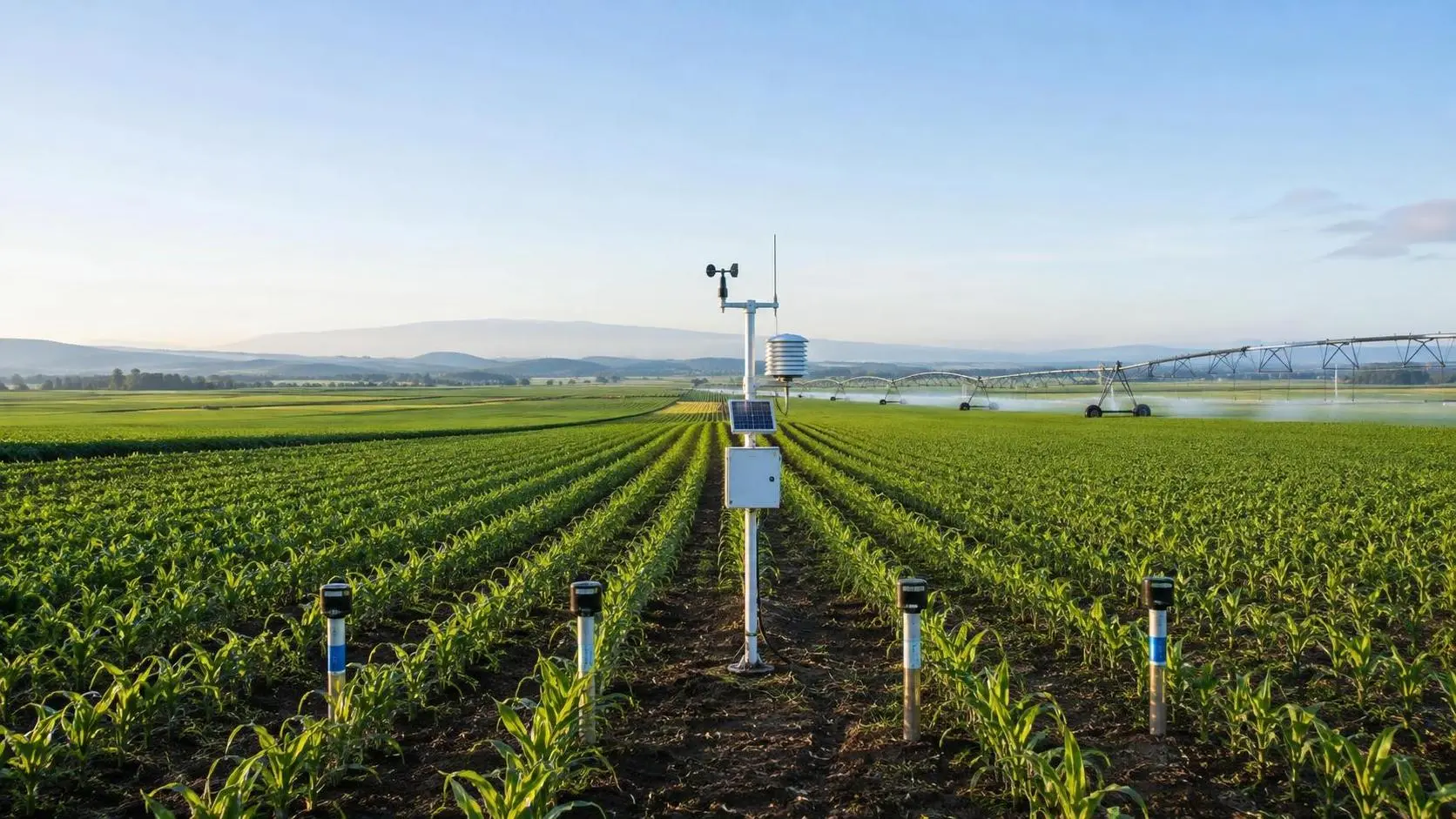
How to Evaluate Crop Monitoring System Manufacturers for Large-Scale Farms
Compare crop monitoring systems manufacturers for large-scale farms. Evaluate data quality, integration, durability, lifecycle costs, support, and pilots for smarter decisions.
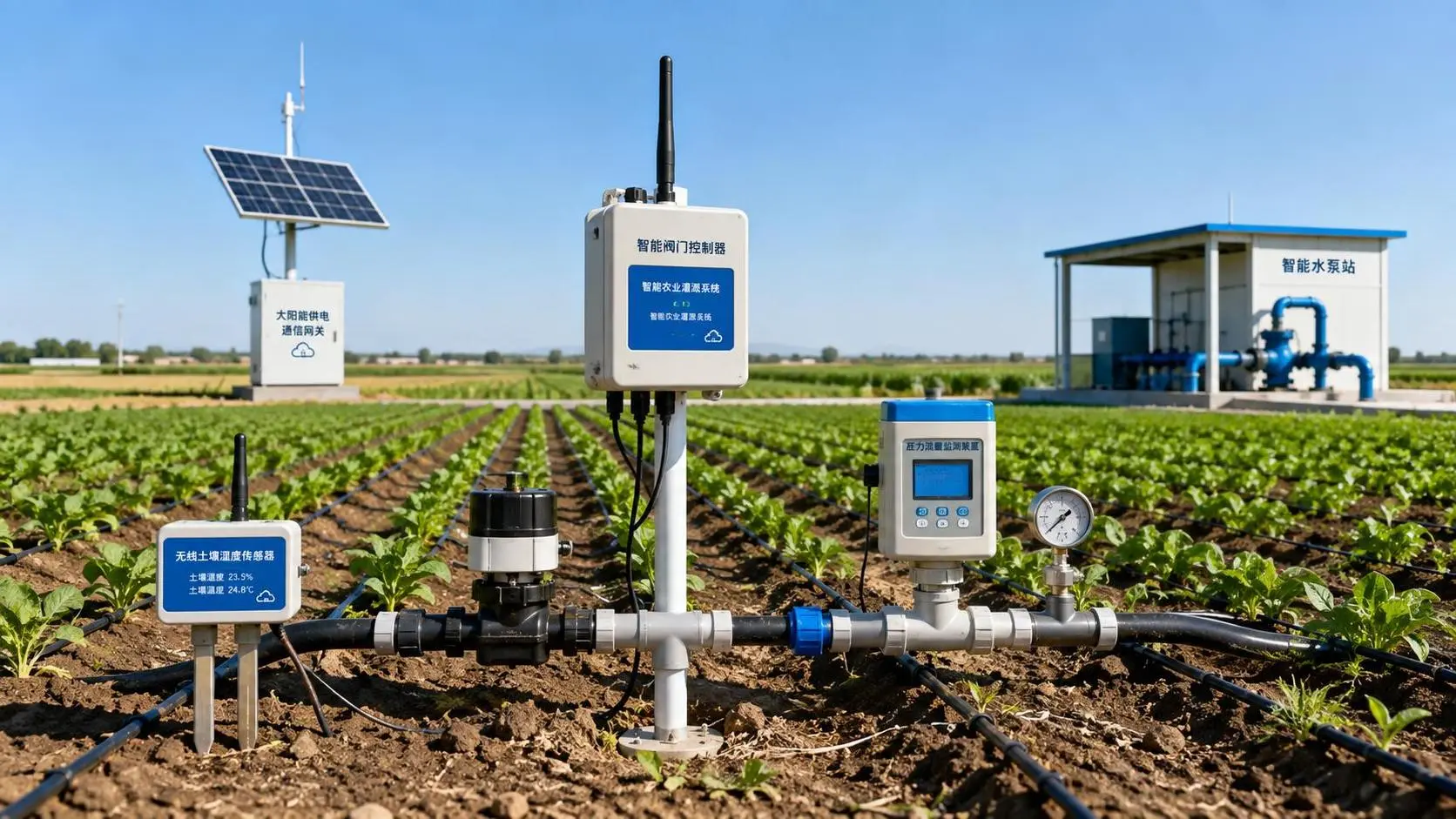
Wireless Agricultural Automation for Remote Irrigation and Field Monitoring
Agricultural automation wireless solutions improve remote irrigation with reliable field data, local control, flow verification, and smarter monitoring. Explore resilient deployment strategies.
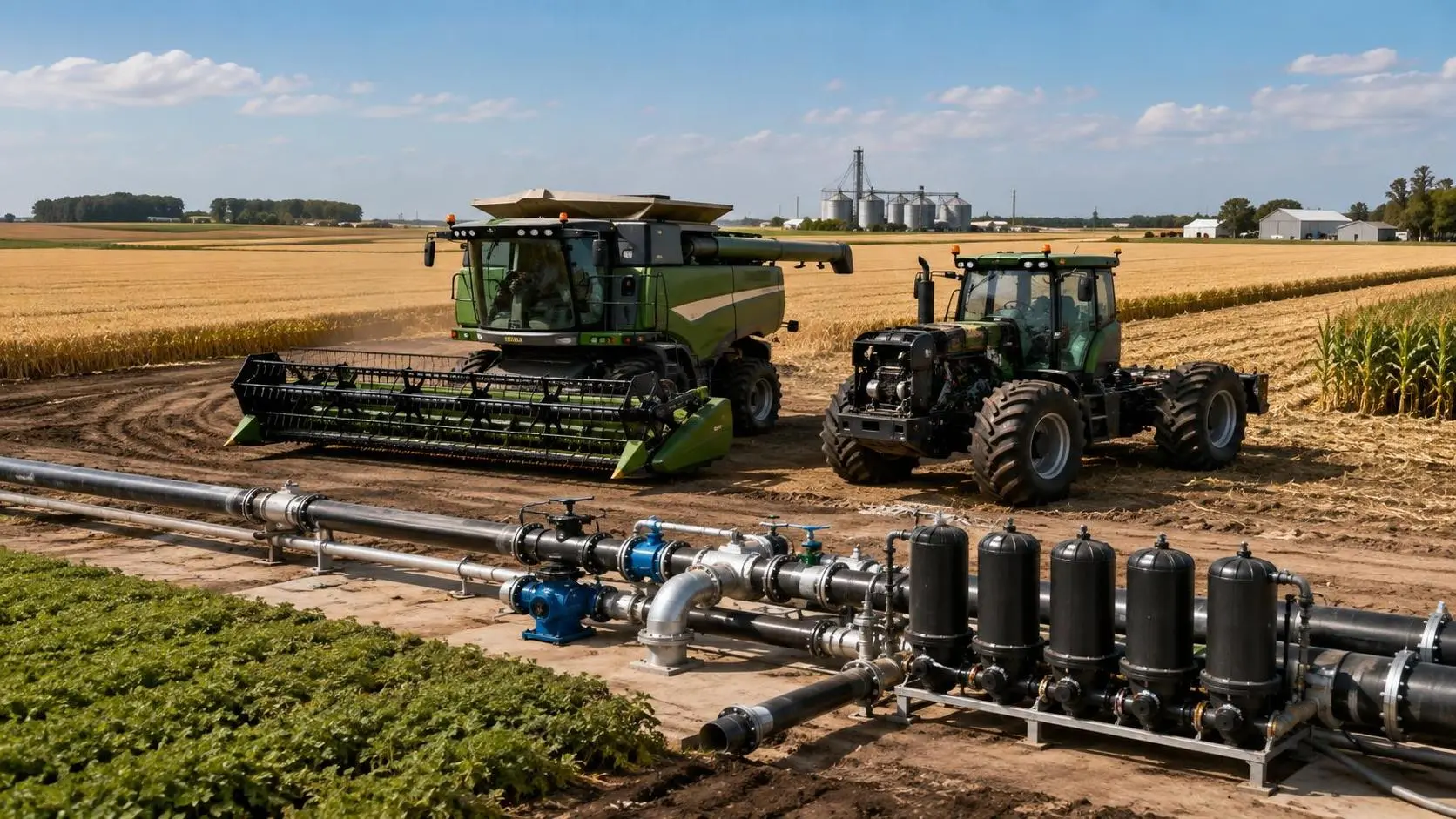
Agricultural Product Information Market Guide: Key Data for Sourcing Decisions
Agricultural product information market guide for smarter sourcing—compare machinery, irrigation, precision tools, lifecycle costs, and supplier risk.
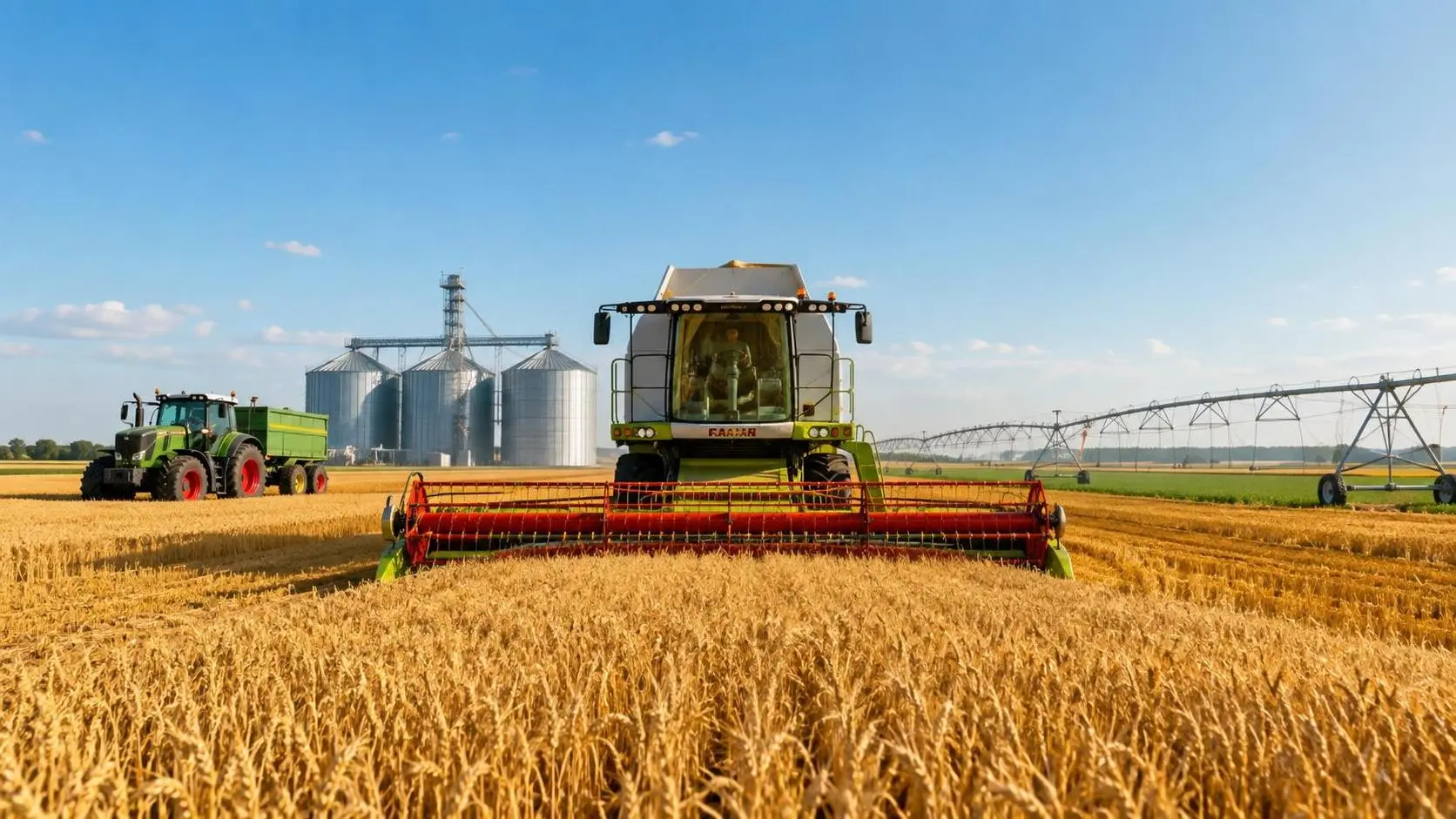
Large-Scale Farm Equipment Cost Comparison: Price, Fuel, and Lifecycle Value
Large-scale farm equipment cost comparison: evaluate price, fuel, maintenance, downtime, and lifecycle value to choose tractors, combines, irrigation, and smart tools with confidence.
Related News
- 00
0000-00
What Tractor Horsepower Is Needed for a Three-Bottom Moldboard Plow? - 00
0000-00
What Is the Difference Between No-Till and Conventional Tillage? - 00
0000-00
Does No-Till Farming Reduce Erosion on Hilly Farmland? - 00
0000-00
India BIS Tightens Soil Tiller Labeling for Imports - 00
0000-00
Vietnam Requires Vietnamese Warning Labels for Imported Soil Tillers
Popular Tags
Agri-Mechanization Fellow
Weekly Insights
Stay ahead with our curated technology reports delivered every Monday.