
How Autonomous Machinery for Crop Scouting Helps Growers Detect Field Issues Earlier
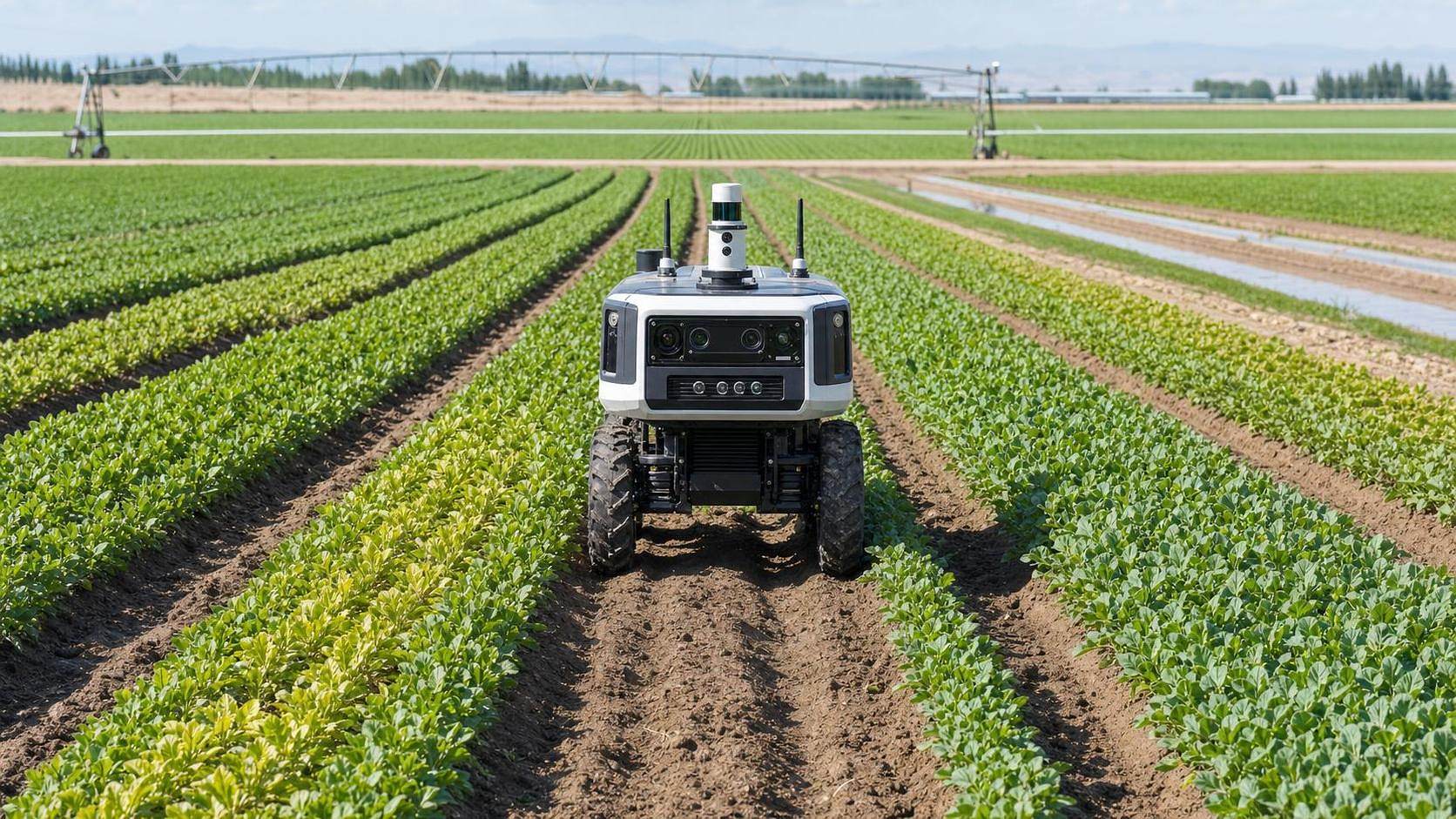




How Autonomous Machinery for Crop Scouting Helps Growers Detect Field Issues Earlier
For growers and machine operators, autonomous machinery for crop scouting is useful for one reason above all: it shortens the time between a problem starting in the field and somebody actually seeing it clearly enough to act. That sounds simple, but in practice it changes a lot. A weak irrigation zone, early leaf stress, patchy emergence, wheel-track compaction, insect pressure along field edges, or a nitrogen issue in a low spot often starts small. Manual walks miss some of it. Manned passes are expensive to repeat. By the time the issue is obvious from the road, yield has usually already paid the bill.
If you are evaluating or preparing to use autonomous machinery for crop scouting, the real question is not whether the machine can drive by itself. The better question is whether it helps you notice field variability earlier, with fewer blind spots, and in a form your team can actually use the same day. That is the standard worth checking against.
Start with the scouting problem, not the machine spec sheet
A common mistake is buying around autonomy instead of buying around a field problem. If your recurring losses come from missed irrigation non-uniformity, you need a platform and sensor package that can reliably show water-related stress patterns early. If the headache is inconsistent stand establishment, then row-level imagery, repeatable route accuracy, and frequent passes matter more than a long list of general features.
- What issue are we trying to catch earlier: weeds, pests, disease symptoms, nutrient stress, irrigation gaps, lodging risk, stand count problems, or uneven maturity?
- How early does that issue need to be found to change the outcome?
- What action follows detection: spot spraying, scouting verification, irrigation adjustment, replant decision, tissue sampling, or drainage work?
- Who receives the alert, and how fast can they act?
If those answers are fuzzy, the autonomy will not fix that. It will just produce more data faster.
Check whether the sensing package matches real field conditions
This is where many demos look better than real work. A scouting unit may carry RGB cameras, multispectral imaging, thermal sensing, LiDAR, or other combinations. None of that is automatically useful unless the system still performs under dust, changing light, residue, tall canopies, and uneven ground.
Ask practical questions. Can the machine detect stress under midday glare? Does it still separate crop from weed pressure when the canopy closes? Can thermal readings be interpreted consistently when the weather shifts? Sensor quality matters, but so does calibration discipline. If the operator cannot confirm when sensors were last calibrated or how image drift is handled over time, treat output carefully.
A useful rule from the field: if the platform gives beautiful images but poor decision confidence, it is not really helping. Operators need enough resolution and repeatability to answer, “Is this area worth stopping for?” not just “Does this map look advanced?”
Repeatability matters more than one impressive pass
Early detection depends on comparison. One pass tells you what the field looked like that day. Repeated, georeferenced passes tell you what is changing, where it is changing, and how fast. That is where autonomous machinery for crop scouting starts to earn its keep.
Look for route repeatability that keeps the platform returning to the same rows, zones, or management blocks with minimal drift. The exact positioning standard depends on the operation and the task, and formal performance claims should be verified against vendor documentation and correction-signal setup【待核实】. Still, from an operational standpoint, if the machine cannot revisit the same area consistently, trend analysis gets noisy very quickly.
This is especially important in high-value crops, irrigated acres, and fields where localized problems repeat year after year. A machine that can run a dependable route every few days often gives more value than a more complex machine that only gets deployed occasionally because setup is painful.
Do not separate detection from action planning
The best scouting systems cut down decision lag. They do not stop at “issue detected.” They help narrow where to send people, where to pull samples, and where to treat first.
In practical terms, the output should be easy to hand off into the rest of the farm workflow. That may mean:
- clear geotagged points for physical inspection,
- zonal summaries that match irrigation or fertility blocks,
- images tied to timestamps and field coordinates,
- export formats compatible with existing farm management, mapping, or application platforms.
If your agronomy lead still has to rebuild everything manually before making a prescription or dispatching a crew, you have not really gained speed. You have only moved the workload downstream.
Watch the field-access window
One underappreciated advantage of autonomous scouting machines is that they can often run during windows when labor is tied up elsewhere. But that only helps if the machine can actually get through the field when you need it.
Ground pressure, crop clearance, traction, turning behavior, and transport logistics all matter. A platform that works well in one crop stage may become impractical later when canopy, moisture, or residue changes. Operators should ask a blunt question: in our fields, during the weeks when early detection matters most, can this machine still enter without causing damage or getting parked by conditions?
This sounds basic, but it is where some projects stall. The data stack may be strong, yet the platform misses key scouting windows because it is too slow to cover enough acres, too light for traction, too heavy for sensitive conditions, or too awkward to move between fields.
Use autonomous scouting to find patterns people tend to miss
Manual scouting is still necessary. But people naturally sample. Machines can monitor. That difference matters most in large fields, fragmented operations, and crews stretched thin across multiple tasks.
Good autonomous machinery for crop scouting helps surface patterns such as edge effects, drainage transitions, overlapping applications, skip zones, pivot irregularities, and recurring stress pockets that look random when seen one stop at a time. Those are often the kinds of problems that chip away at yield quietly.
For operators, the gain is not just earlier detection. It is cleaner prioritization. Instead of chasing every suspicion equally, you can rank anomalies by spread, severity, and rate of change.
A short operator checklist before deployment
- Confirm field boundaries, exclusion zones, and route logic. Tree lines, washouts, ditch crossings, and temporary obstacles should already be accounted for.
- Verify sensor cleanliness and calibration status. Dust on optics ruins confidence fast.
- Check connectivity expectations. If upload depends on cellular coverage, know where dead zones are before the run starts.
- Set alert thresholds conservatively at first. Too many false positives and the team will stop trusting the system.
- Make sure someone owns same-day review. Data discovered tomorrow is often late data.
- Have a verification routine. A flagged stress zone should trigger a field check, tissue test, irrigation inspection, or pest confirmation depending on the crop and issue.
Be careful with false confidence
This is probably the biggest risk. Earlier detection is valuable, but only if the signal is trustworthy enough to guide action. Stress signatures overlap. Heat can look like water shortage. Water shortage can resemble root damage. Nutrient imbalance can be confused with disease symptoms from a distance. Remote detection should narrow the search, not replace agronomic judgment.
That is why experienced teams build a loop: autonomous scan, targeted field check, confirm cause, then act. Over time, the machine becomes more useful because the team learns which alerts matter and which conditions produce noise. Without that discipline, even a capable system can create expensive misreads.
Where these systems usually make the most sense
The strongest fit is usually where acres are large, labor is limited, scouting frequency is inconsistent, or field variability is hard to monitor from occasional visits. Irrigated systems are a strong candidate because timing matters and small non-uniformities can compound quickly. Seed production, specialty crops, and high-management row crop operations may also benefit when early intervention has a measurable payoff.
For lower-intensity operations, the economics depend more heavily on how often the machine runs and whether it replaces real blind spots instead of duplicating what the crew already does well. There is no universal threshold. Acreage, labor cost, crop value, terrain, and management style all shift the answer.
What to ask a vendor before you commit
Also ask for examples of failure modes, not just success screens. A vendor who can explain where the system struggles is usually giving you a more usable picture.
The practical takeaway
Autonomous machinery for crop scouting helps growers detect field issues earlier when it does three things well: it revisits fields consistently, senses the right signals under real farm conditions, and hands results to the team in a way that leads to action the same day. That is the working standard.
If you are running large-acreage operations or managing fields where timing makes the difference between a small correction and a season-long loss, treat scouting autonomy as an operational tool, not a novelty feature. Build it around the problem you need to catch early, keep a verification routine in place, and judge it by whether it reduces missed issues in the field. That is where the real value shows up.
Related News
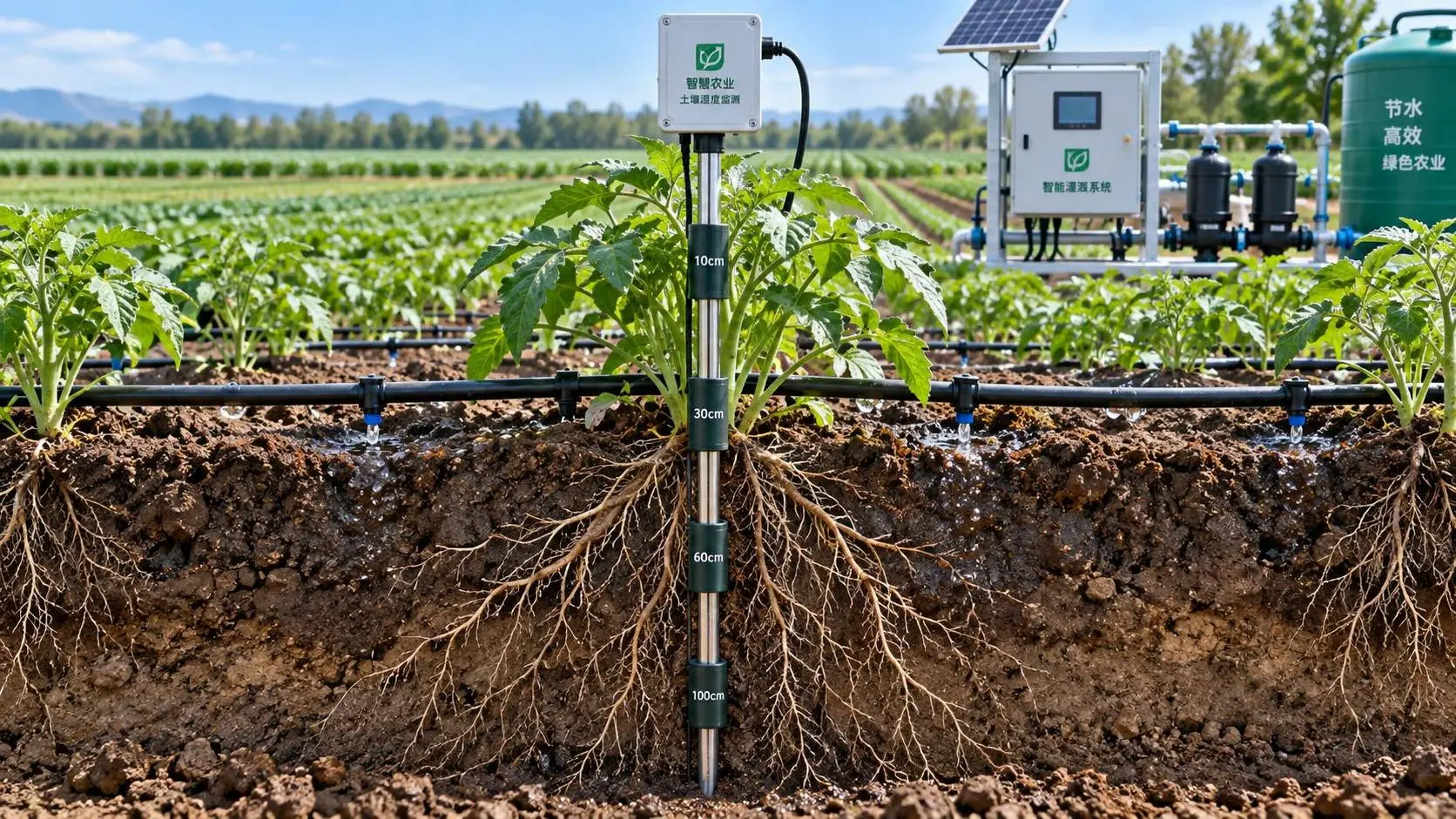
Selecting Real-Time Soil Moisture Sensors for Irrigation Zone Control
Soil moisture sensors real time: learn how to select reliable probes, optimize zone control, improve irrigation decisions, and scale precision water management.
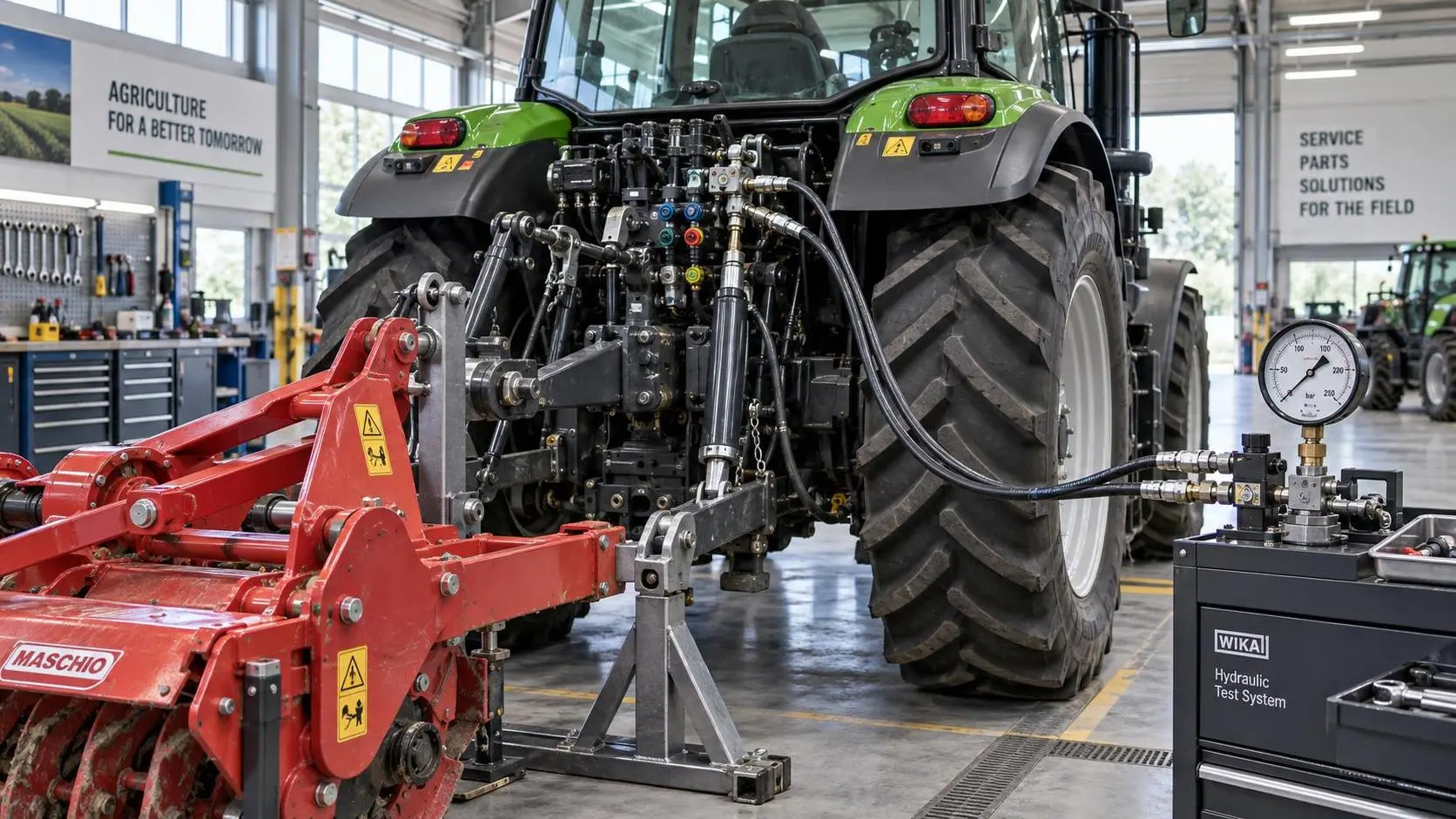
Tractor Hydraulic Systems Troubleshooting: Diagnosing Weak Lift and Slow Implements
Tractor hydraulic systems troubleshooting made practical: diagnose weak lifts and slow implements with proven pressure, flow, valve, and oil-supply checks.
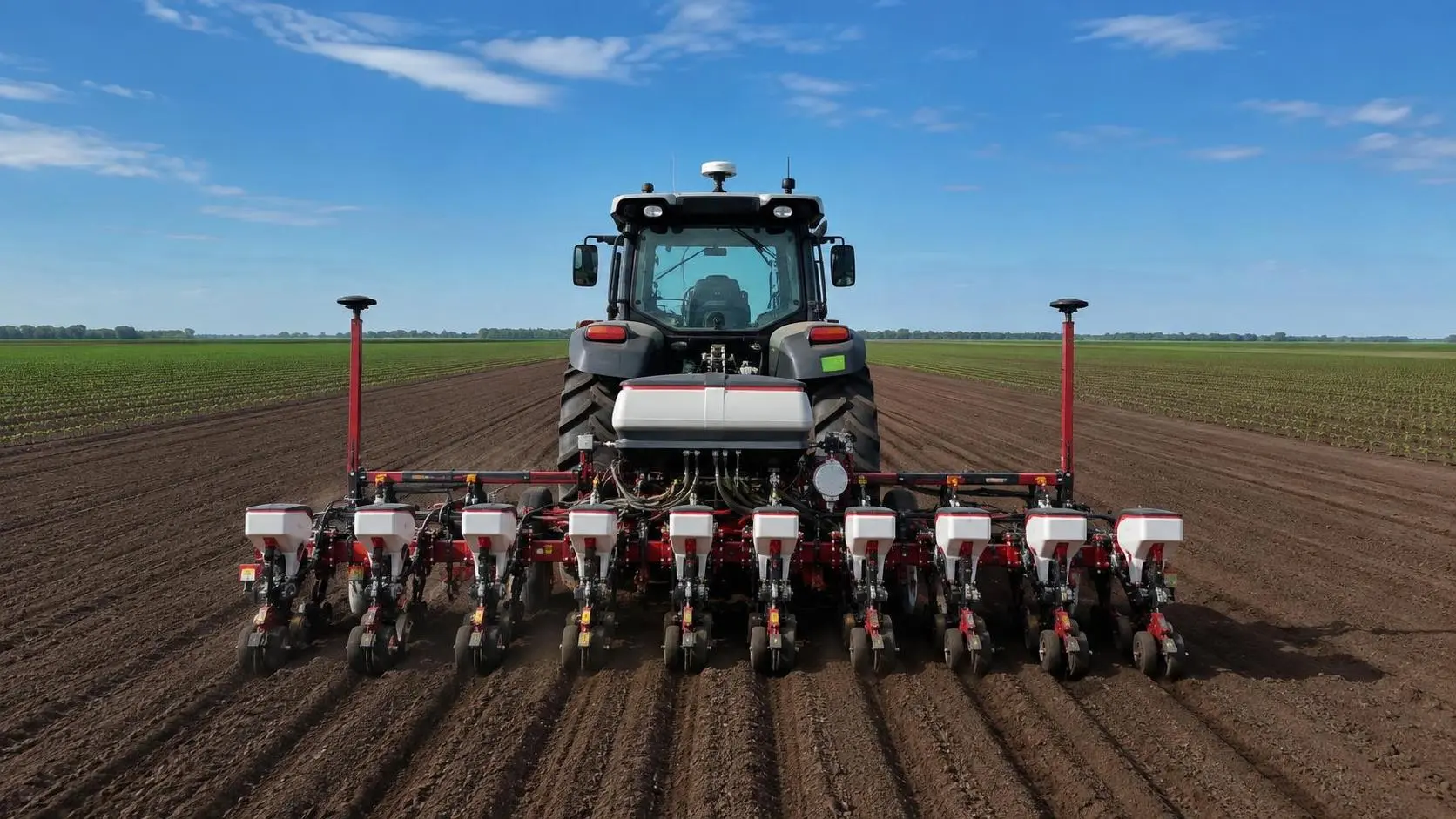
How Tractor Intelligence Systems Improve Field Efficiency and Input Accuracy
Agricultural machinery intelligence for tractors improves field efficiency, input accuracy, data traceability, and implement control. Explore smarter evaluation strategies.
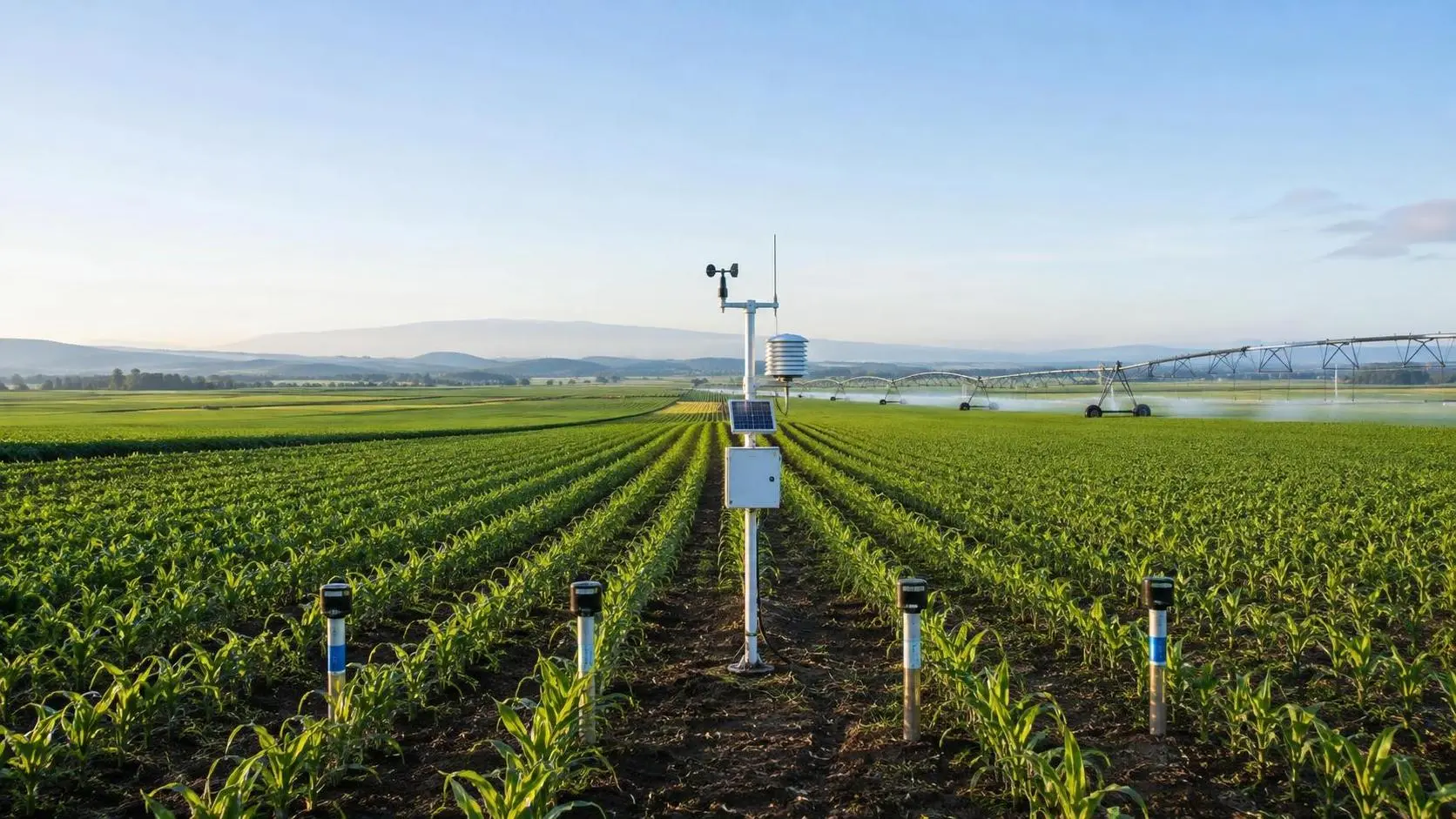
How to Evaluate Crop Monitoring System Manufacturers for Large-Scale Farms
Compare crop monitoring systems manufacturers for large-scale farms. Evaluate data quality, integration, durability, lifecycle costs, support, and pilots for smarter decisions.
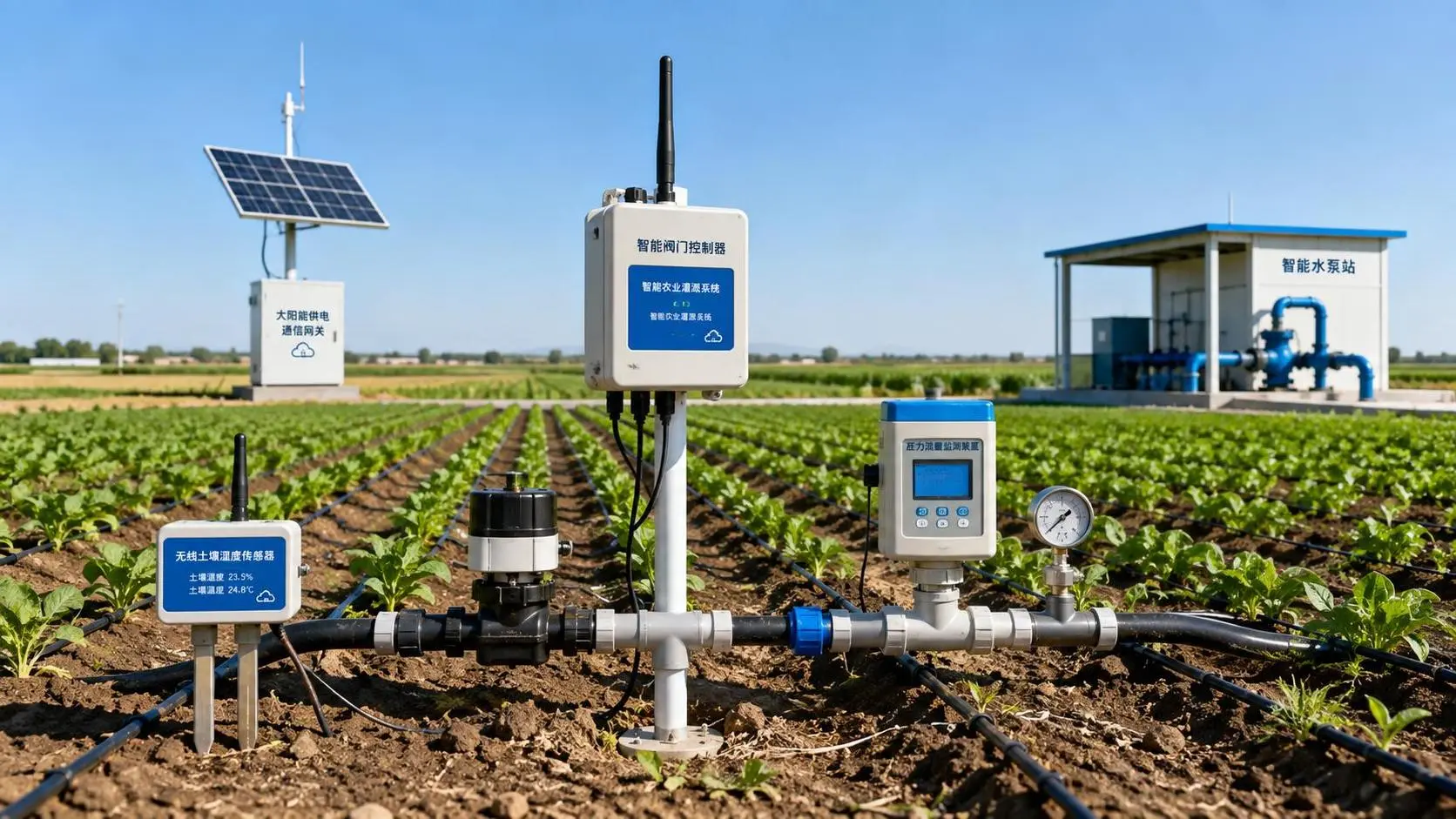
Wireless Agricultural Automation for Remote Irrigation and Field Monitoring
Agricultural automation wireless solutions improve remote irrigation with reliable field data, local control, flow verification, and smarter monitoring. Explore resilient deployment strategies.
Agricultural Product Information Market Guide: Key Data for Sourcing Decisions
Agricultural product information market guide for smarter sourcing—compare machinery, irrigation, precision tools, lifecycle costs, and supplier risk.
Large-Scale Farm Equipment Cost Comparison: Price, Fuel, and Lifecycle Value
Large-scale farm equipment cost comparison: evaluate price, fuel, maintenance, downtime, and lifecycle value to choose tractors, combines, irrigation, and smart tools with confidence.
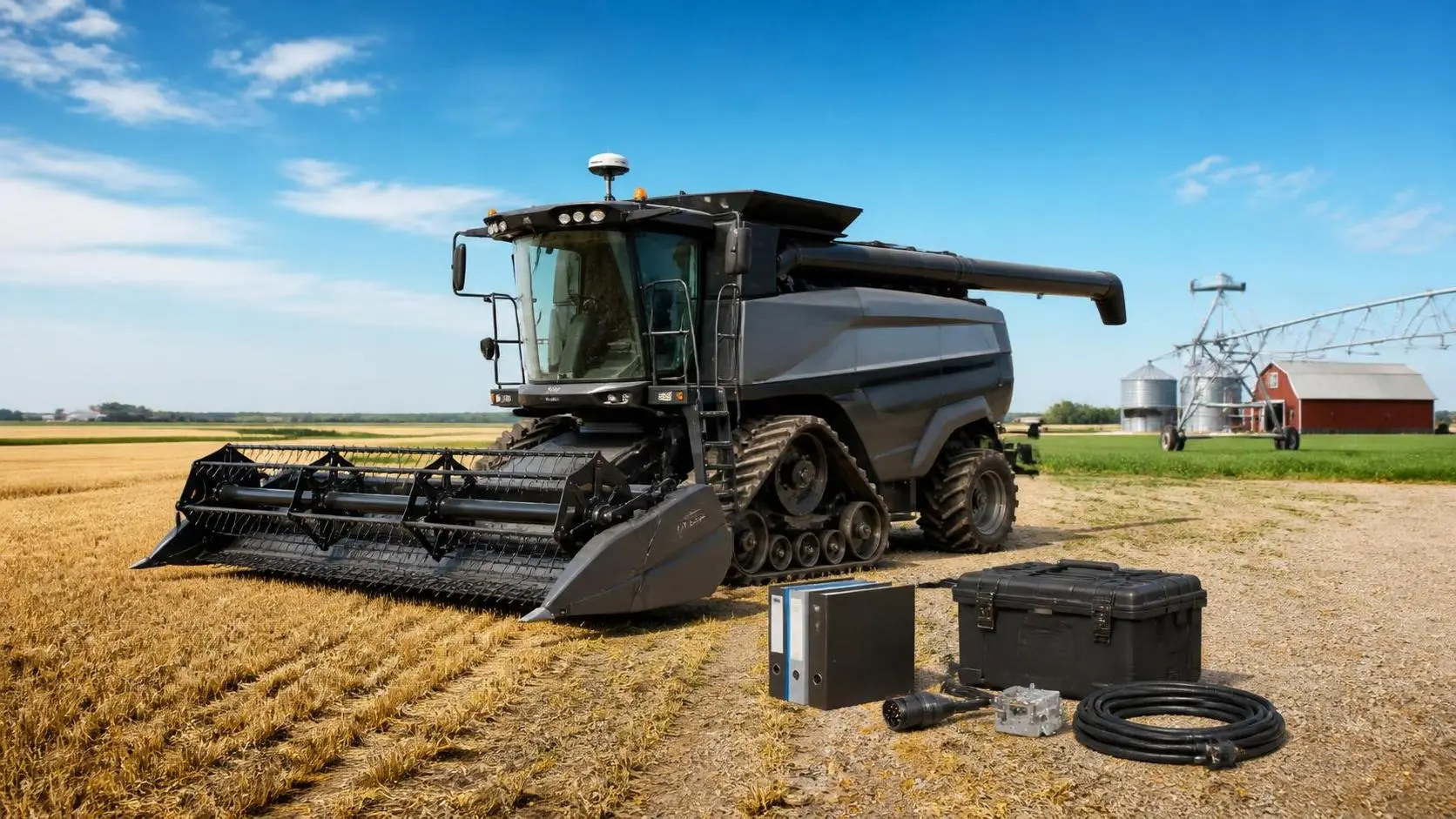
A Procurement Specification Preparation Example for Buying Farm Equipment
Procurement specification preparation example for farm equipment: learn to define requirements, compare suppliers, control lifecycle costs, and buy with confidence.
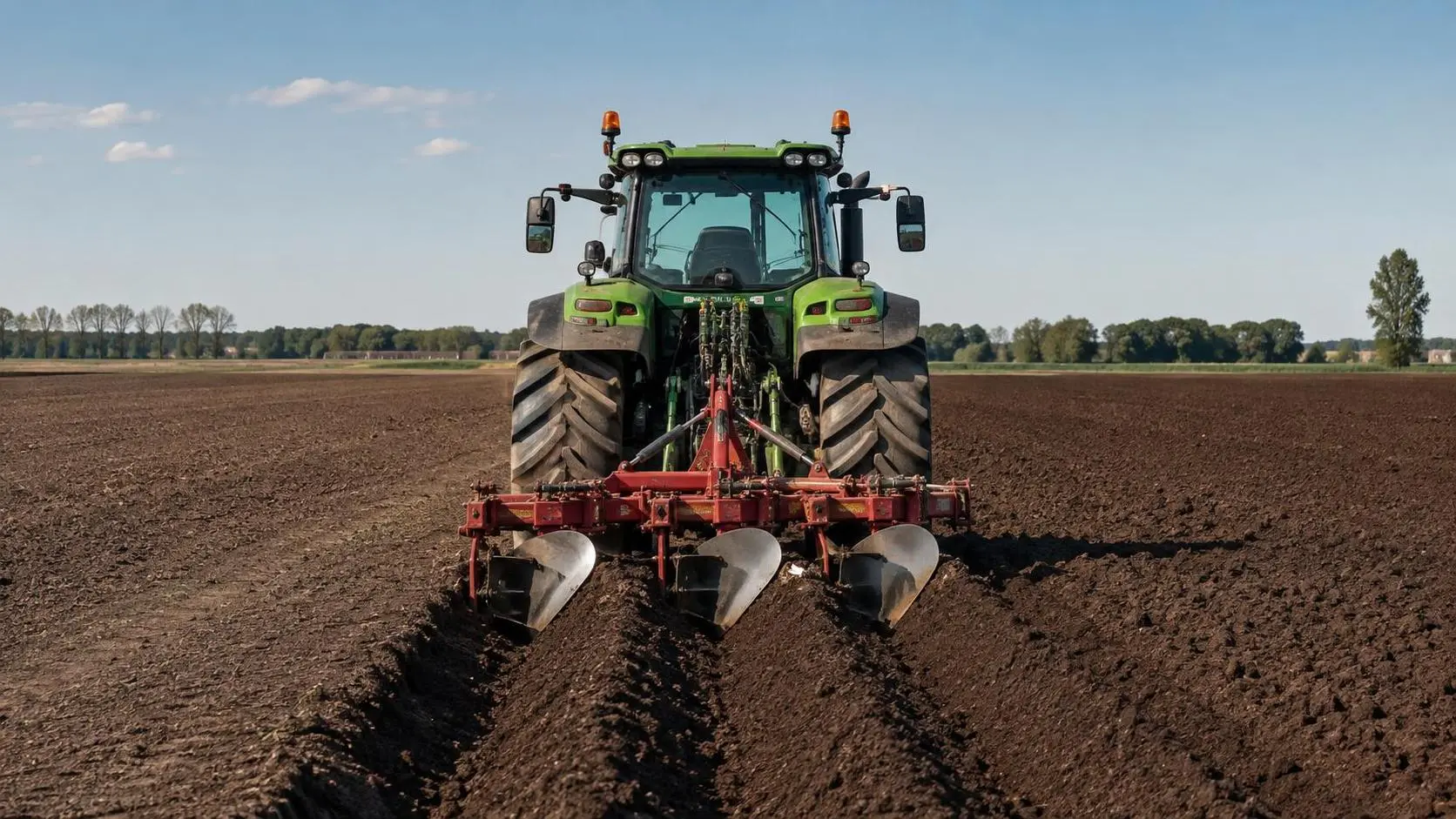
What Tractor Horsepower Is Needed for a Three-Bottom Moldboard Plow?
What tractor horsepower is needed for three-bottom moldboard plow? Compare 60–100 hp needs by soil, depth, traction, and plow width for a confident equipment match.
Related News
- 00
0000-00
How Autonomous Machinery for Crop Scouting Helps Growers Detect Field Issues Earlier - 00
0000-00
How to Evaluate Autonomous Machinery for Vineyards by Terrain, Tasks, and ROI - 00
0000-00
Brazil ANVISA Rule Requires Portuguese Risk Labels for Farm Robots - 00
0000-00
EU CE Update Sets EN ISO 13849-1:2025 for Autonomous Robots - 00
0000-00
How AI Autonomous Agricultural Machinery Works in Large-Scale Field Operations
Popular Tags
Tractor Power Architect
Weekly Insights
Stay ahead with our curated technology reports delivered every Monday.