
What separates robotic automation providers for equipment production?




What Separates Robotic Automation Providers for Equipment Production?
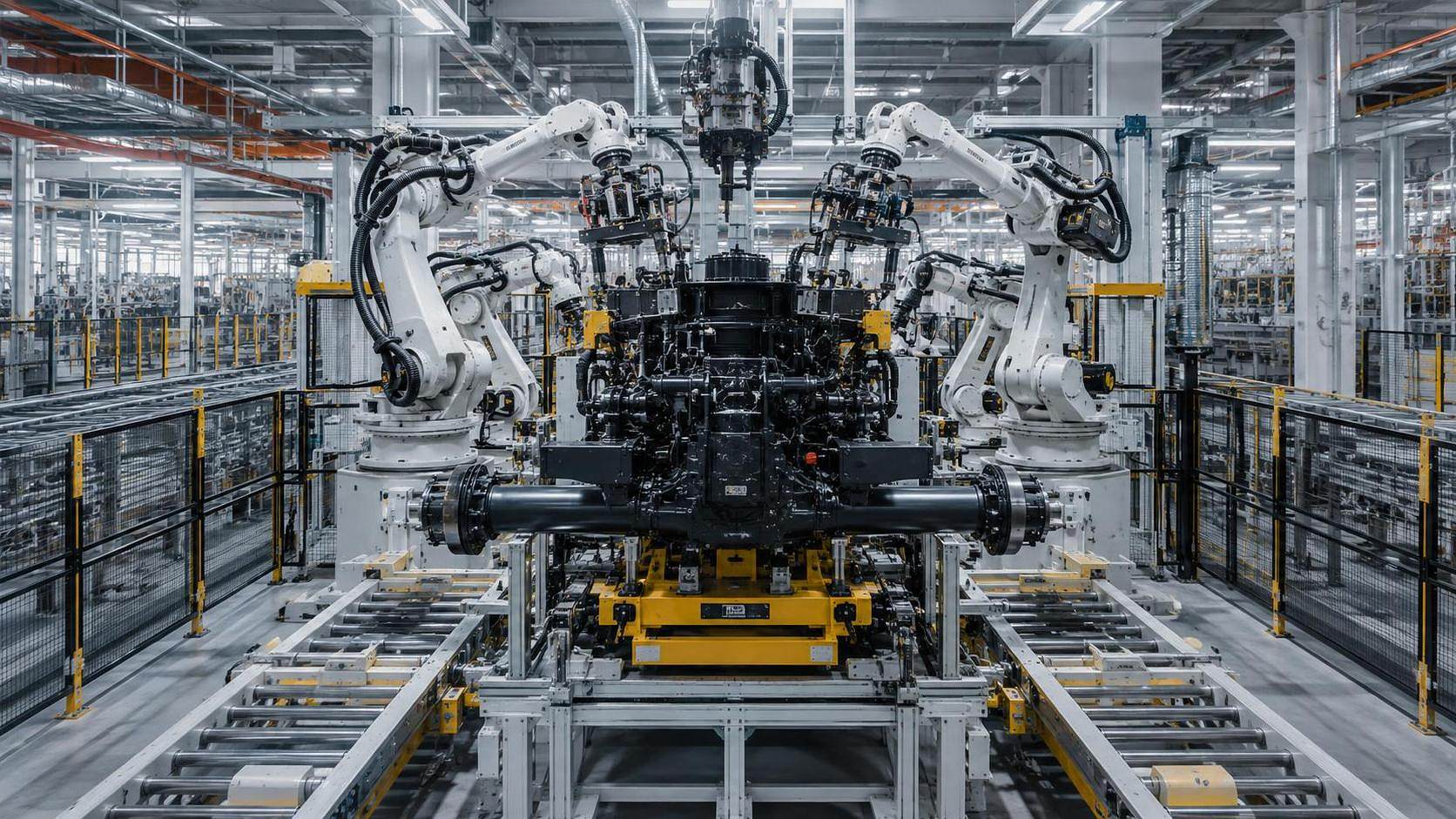
For business evaluators, knowing how to compare robotic automation providers for agricultural equipment production is less about choosing the robot with the longest reach or the most impressive cycle-time claim. The harder question is whether a provider understands what happens when a nominally identical tractor frame arrives with weld distortion, when a combine subassembly changes by market specification, or when an irrigation valve body needs both careful handling and traceable inspection.
Agricultural equipment production sits in an awkward but valuable middle ground. It has the mass, weight, and variable geometry of heavy machinery, yet it is moving toward the electronic content, traceability expectations, and configuration complexity seen in more advanced discrete manufacturing. A robotic cell that works beautifully on a uniform automotive part may struggle with a fabricated chassis, a painted casting, a long hydraulic line, or a seasonal production schedule that changes product mix quickly.
That is why provider selection should begin with production reality rather than a catalog of automation technologies. The strongest partners are not simply robot suppliers or system integrators. They are engineering organizations able to connect material variability, process risk, controls architecture, operator work, and future product changes into one workable production system.
The real dividing line: process ownership, not robot brand
Most established automation providers can source industrial robots, grippers, safety equipment, vision systems, and conveyors. Those components matter, but they do not by themselves distinguish a capable provider. The difference appears during process definition: who takes responsibility for proving that the part can be located, presented, assembled, inspected, and recovered when something goes wrong?
In agricultural equipment plants, “wrong” often means something practical rather than dramatic. A bracket may arrive with a burr that affects insertion. A welded frame may be within drawing tolerance but no longer match a rigid fixture assumption. A hydraulic fitting may cross-thread if the robot is given only position control. A harvester panel may have cosmetic surfaces that cannot tolerate an aggressive end effector. A provider that begins with a robot model before discussing these conditions is usually solving the easiest part of the job.
Better providers ask uncomfortable but necessary questions early: Which dimensions actually vary in incoming material? Which steps currently depend on experienced operators? What happens after a failed fastening cycle? Is rework allowed inside the station? Can the line still run when one vision camera is unavailable? These questions may slow the first sales conversation, but they prevent expensive surprises during commissioning.
Agricultural equipment demands a different automation lens
The five areas often discussed in the Agriculture 4.0 transition—large-scale machinery, combine harvesters, tractor chassis, intelligent implements, and water-saving irrigation systems—do not require the same kind of robotics. Treating them as one market leads to weak comparisons.
Tractor chassis production may prioritize payload, welding consistency, machining tending, heavy-part positioning, and controlled fastening around driveline or hydraulic assemblies. Combine harvester production brings large fabricated structures, seasonal demand swings, and many variants driven by crop conditions and regional preferences. Intelligent farm tools may involve smaller assemblies, sensors, wiring, electronics protection, and calibration steps. Irrigation equipment can include repetitive molding or fabrication processes alongside delicate flow-control components and leak-test requirements.
A provider with deep experience in only one of these environments is not automatically unsuitable. But its proposed cell should make its assumptions visible. If a system is designed around tightly controlled parts, it needs a credible plan for part variation. If it relies on vision guidance, evaluators should understand whether the vision system is used for rough orientation, precise location, inspection, or all three. Those are very different technical promises.
Compare providers by failure handling, not just the happy-path cycle
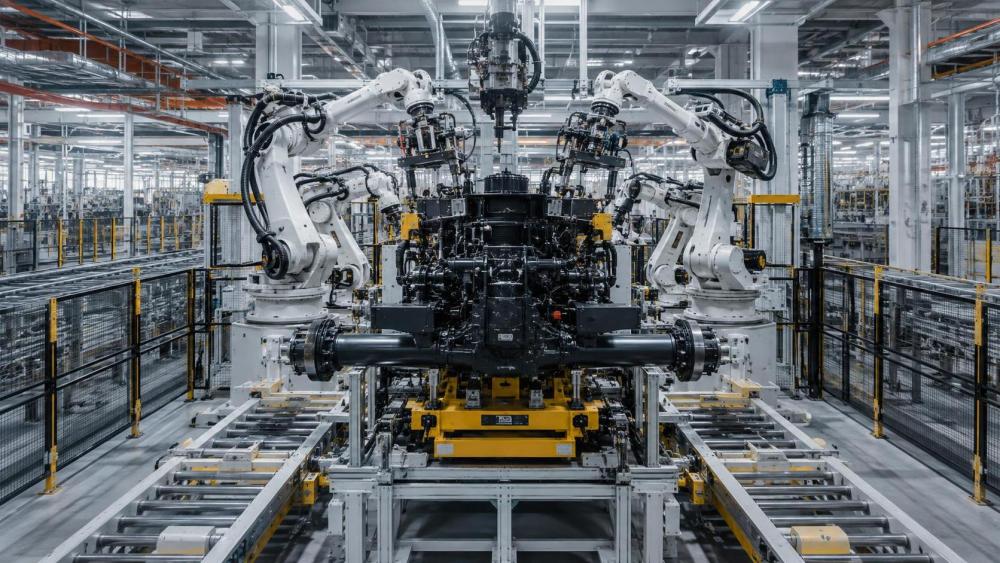
A demonstration usually shows the happy path: correct component, correct orientation, clean fixture, stable cycle. Production is defined by the exceptions. Evaluators should ask each provider to walk through the recovery logic for common disruptions. This is especially important in equipment plants where manual intervention, mixed batches, and late engineering changes are normal rather than exceptional.
This is not a request for perfection. Every automated cell has limits. The meaningful distinction is whether the provider defines those limits honestly and designs the operation around them. In practice, a recoverable, well-instrumented cell is often more valuable than a theoretically faster one that requires specialist intervention after every fault.
Integration capability matters more than a polished dashboard
Agricultural machinery is becoming more data-dependent. Precision implements rely on sensors and positioning technologies. Combine performance increasingly involves monitoring of losses and machine settings. Irrigation systems may depend on feedback from field conditions, flow behavior, and control devices. The manufacturing side does not need to reproduce agronomic analytics, but it must produce assemblies with reliable configuration and traceability.
When reviewing automation proposals, look beyond the human-machine interface. Ask how the cell receives build information, how serial or batch records are linked to process results, and who owns the data when equipment is updated. A fastening station, for example, may need to associate a programmed torque strategy with the correct machine configuration. A sensor assembly station may need to prevent the wrong firmware-related component from entering a build. These requirements are often less visible than robot motion, yet they are where a future quality problem can begin.
Providers should also be clear about interfaces to existing PLCs, manufacturing execution tools, quality databases, and plant networks. “Integration included” is not enough. Evaluators need to know what systems are in scope, what information is exchanged, what responsibilities remain with the manufacturer’s internal team, and what testing is expected before production release.
Scalability is not the same as adding more robots
Equipment manufacturers frequently face uneven demand. Planting and harvesting cycles influence order patterns; dealer inventories and commodity conditions can affect production plans; new emissions, autonomy, or electrification requirements may alter configurations. A rigid line sized around one forecast can become difficult to justify when the mix changes.
A scalable provider designs for controlled expansion. That may mean reserving physical space for another station, using a common controls structure across cells, selecting end effectors that can be adapted rather than discarded, or separating manual and automated tasks so that volume can move between them. It does not always mean building every future capability on day one. Over-automating a low-volume, high-variation task can trap capital in equipment that production teams hesitate to use.
The most credible proposals make trade-offs explicit. They identify which operations are stable enough for immediate automation, which need better upstream part control first, and which may remain manual until volumes or design maturity justify a different decision.
Look closely at commissioning, service, and knowledge transfer
The supplier relationship becomes real after the cell reaches the factory floor. Heavy equipment production sites cannot afford vague handovers, particularly when multiple shifts need to operate and maintain a new system. Commissioning plans should address factory acceptance testing, site acceptance conditions, training roles, spare-parts recommendations, documentation depth, and the process for software changes after launch.
It is worth asking who will be on site during ramp-up and how remote support works across time zones. Global equipment producers may have plants, suppliers, and dealer networks in different regions. Local service coverage is useful, but responsiveness alone is not sufficient; the service team must understand the application, not merely reset a controller.
A practical test is to ask the provider to explain what plant technicians will be able to change themselves after training. Recipe selection and routine recovery should not require an external engineer. By contrast, safety logic, critical robot paths, and validated quality parameters should not be casually editable. Good providers draw that boundary carefully.
A better way to build the shortlist
Before issuing a detailed request for proposal, define a small set of representative parts and failure conditions. Include the heaviest or most awkward component, the most variable fabricated part, the most quality-sensitive operation, and the expected model-change scenario. This prevents vendors from optimizing their proposal around only the easiest application.
Then score providers on evidence rather than presentation quality. Evidence can include a structured process review, fixture concepts tied to real part data, a clear controls responsibility matrix, a validation approach, and a realistic explanation of what will remain uncertain until trials are completed. A provider willing to identify open technical risks is often safer than one offering instant certainty.
For organizations tracking the wider Agriculture 4.0 landscape, this is where intelligence from sources such as AP-Strategy can be useful. The link between tractor chassis development, combine harvesting performance, precision farm tools, and water-efficient irrigation is not merely thematic. It affects what manufacturers need their factories to build: more configurable machines, more connected components, and more disciplined quality records. Market and technology intelligence should inform the automation roadmap, not be treated as separate from it.
The final decision should survive the production floor
When comparing robotic automation providers for agricultural equipment production, the winning proposal is rarely the one that promises the most automation. It is the one that can explain how the system will behave with imperfect parts, changing product configurations, limited maintenance windows, and real operators working across shifts.
Choose a provider that understands the mechanical realities of farm equipment and the growing importance of data integrity in smart cultivation systems. Insist on clear ownership of interfaces, quality recovery, changeover, and support. If those fundamentals are sound, throughput and ROI can be evaluated on a much firmer basis. If they are not, even an impressive robotic cell can become another difficult fixture on the factory floor.
Related News
Selecting Precision Farming Products by Application: Field Conditions, Crops, and ROI
Application-based product selection for precision farming: match technology to field conditions, crops, machinery, and ROI for smarter, reliable farm investments.
How to Evaluate Agricultural Product Information Sources for Reliable Farm Decisions
Agricultural product information reference guide: evaluate reliable farm data, verify claims, and make smarter machinery, irrigation, and crop decisions.
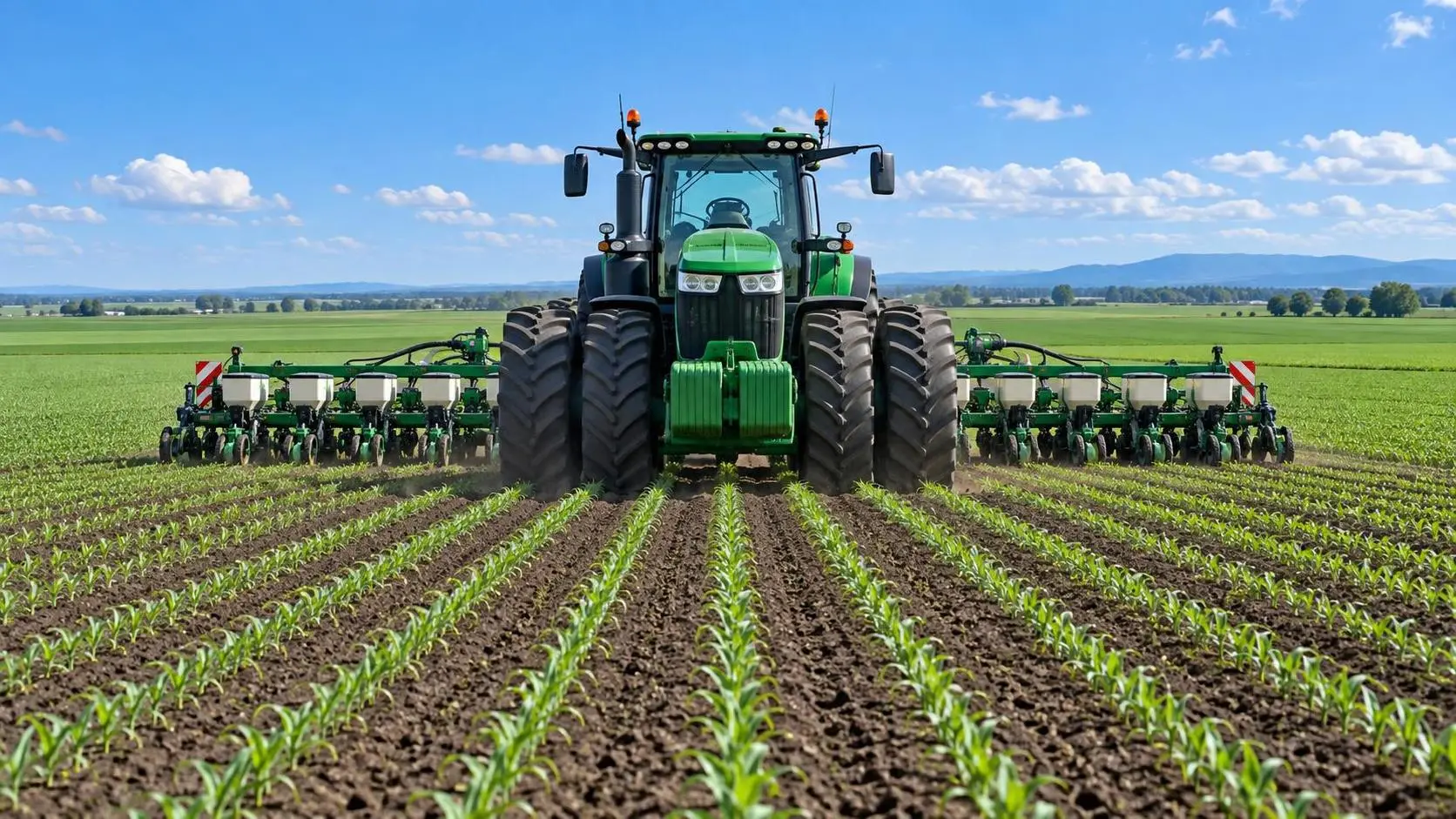
Farm Machinery Guide: Matching Tractor Horsepower and Implements to Farm Size
Farm machinery guide for tractors: match horsepower, implement width, hydraulics, traction, and fleet capacity to farm size for lower costs and reliable field performance.
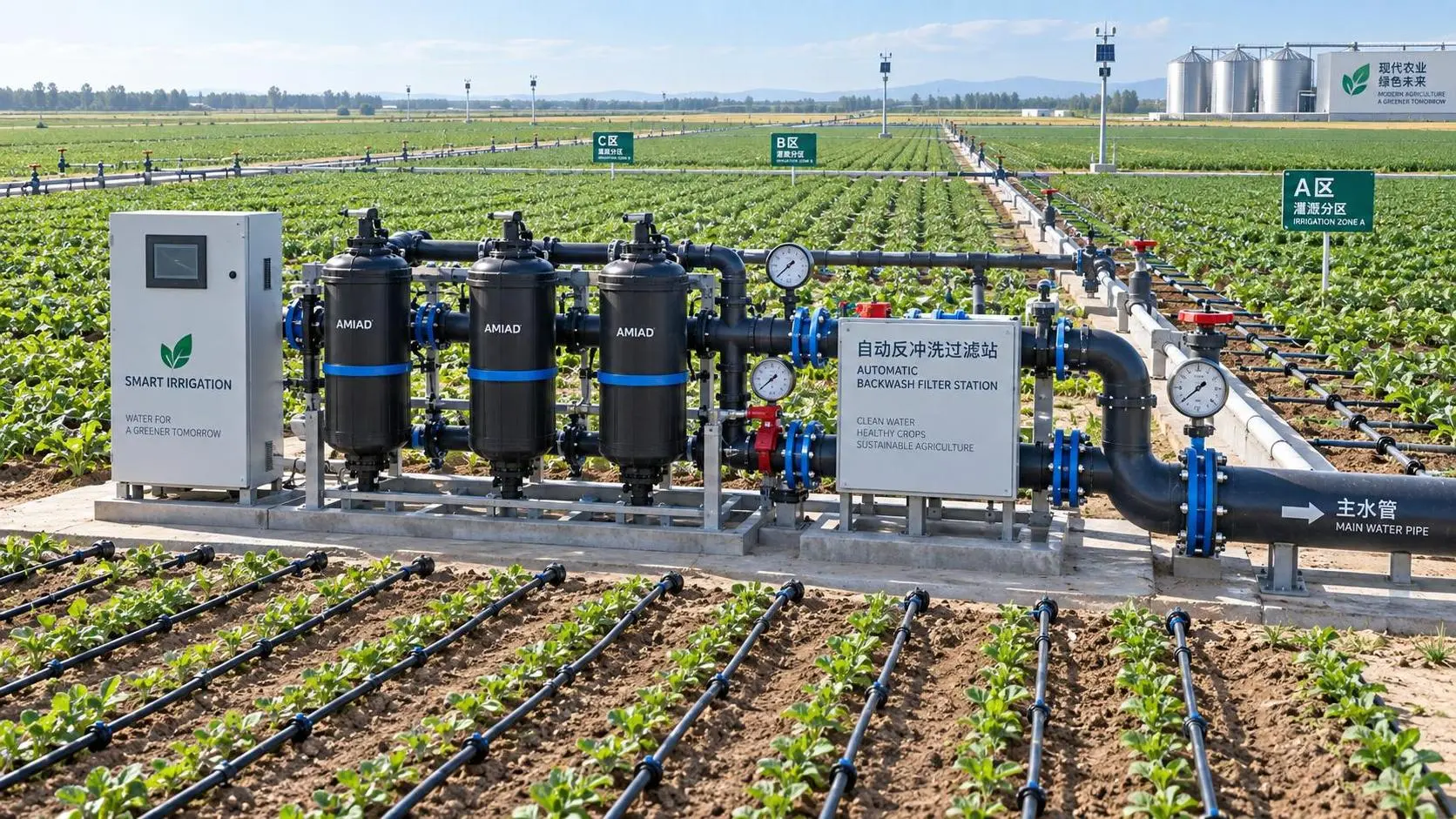
How to Evaluate Drip Irrigation System Manufacturers for Large Farm Projects
Drip irrigation systems manufacturer evaluation guide for large farms: compare hydraulic design, filtration, quality control, scalability, delivery, and support.
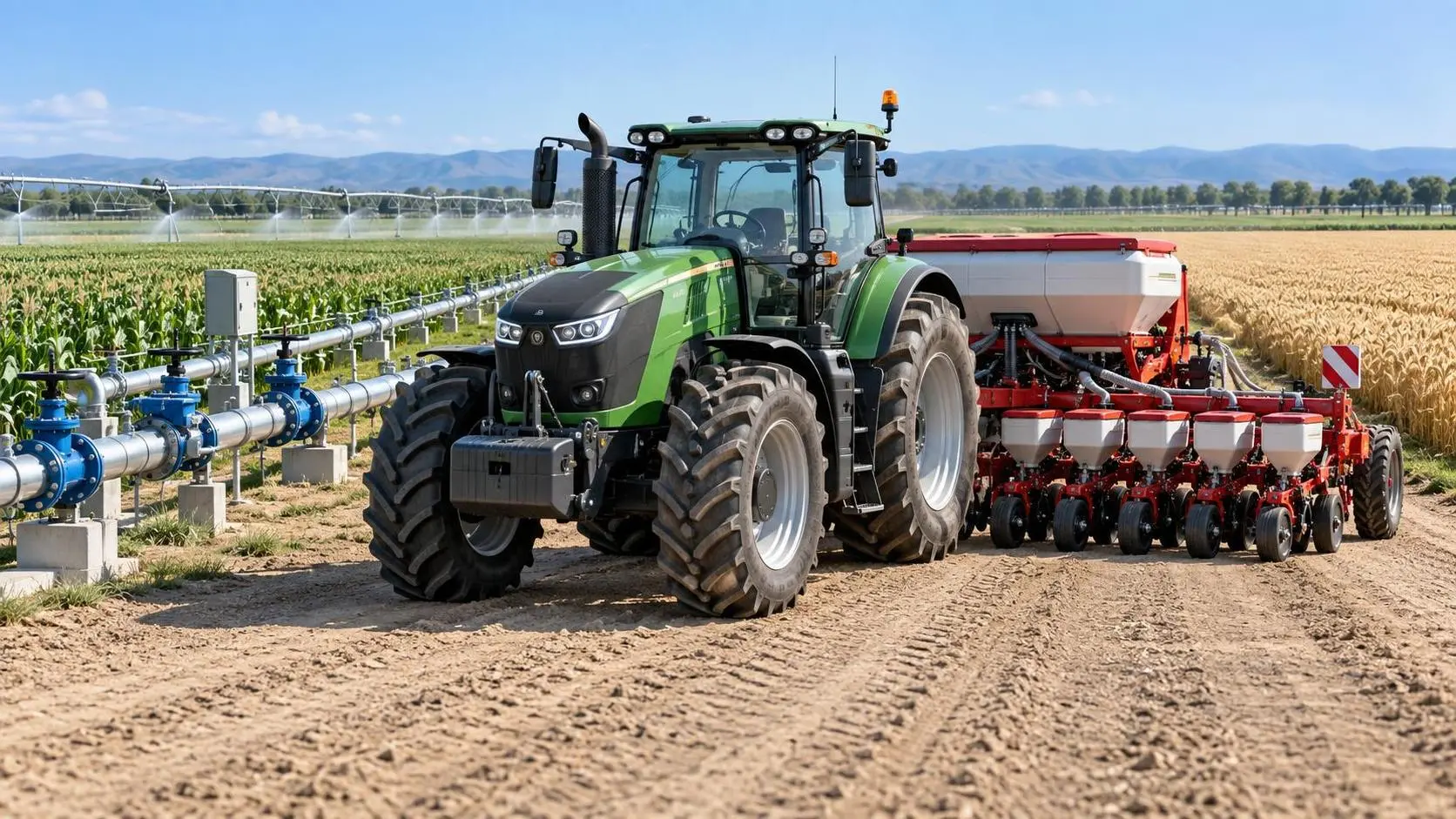
Specification Planning: A Practical Framework for Defining Equipment Requirements
Application guidance for specification planning: define measurable equipment requirements, prioritize performance, and avoid costly procurement mistakes.

How North American Farms Can Select Crop Monitoring Systems by Acreage and Connectivity
Crop monitoring systems North America: learn how to match acreage, connectivity, sensors, and data workflows for reliable, actionable farm decisions.

Where to Find Reliable Product Information for Comparing Farm Equipment
Product information resources agriculture buyers can trust: compare farm equipment with technical specs, manuals, field data, dealer support, and lifecycle insights.
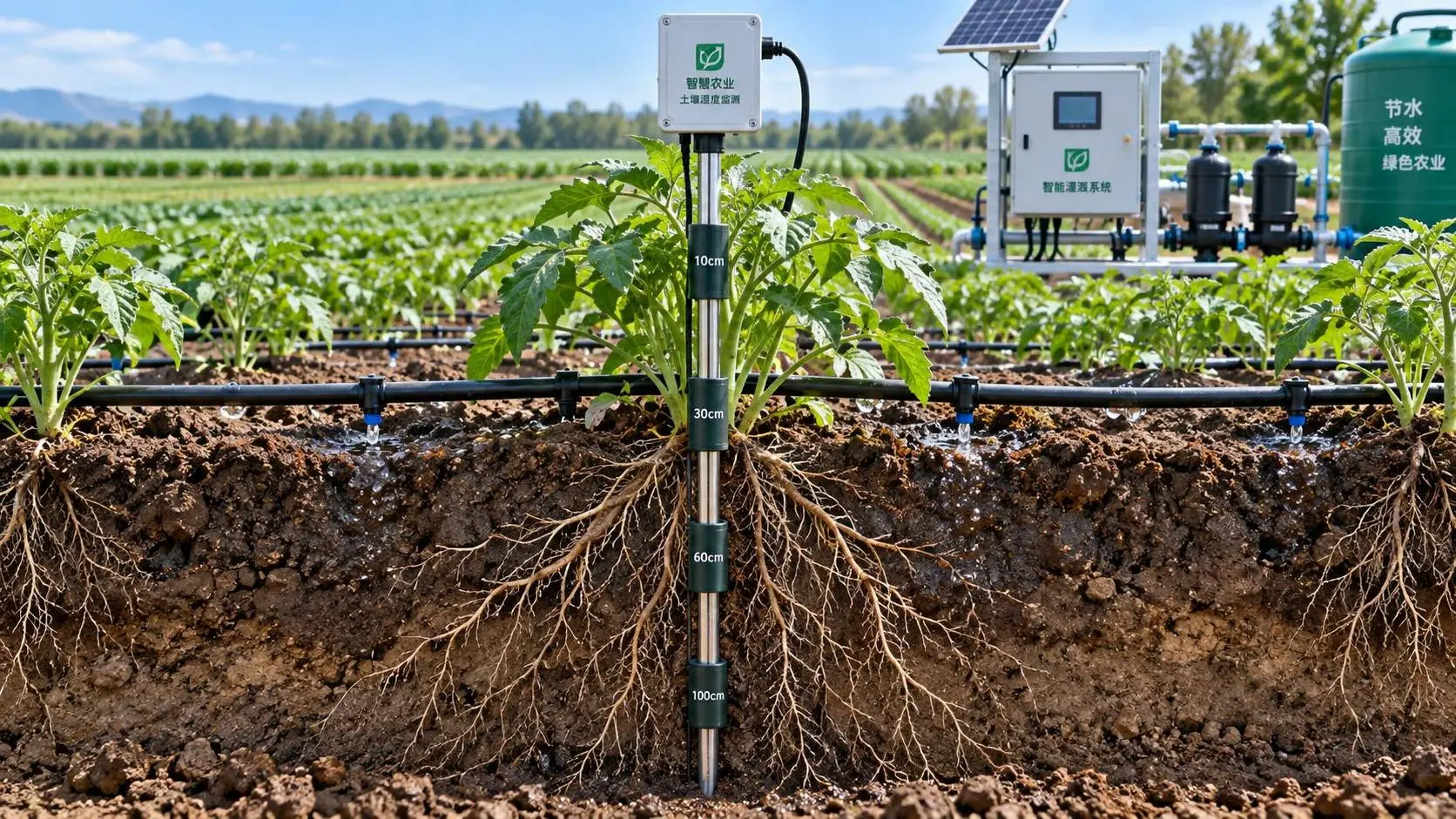
Selecting Real-Time Soil Moisture Sensors for Irrigation Zone Control
Soil moisture sensors real time: learn how to select reliable probes, optimize zone control, improve irrigation decisions, and scale precision water management.
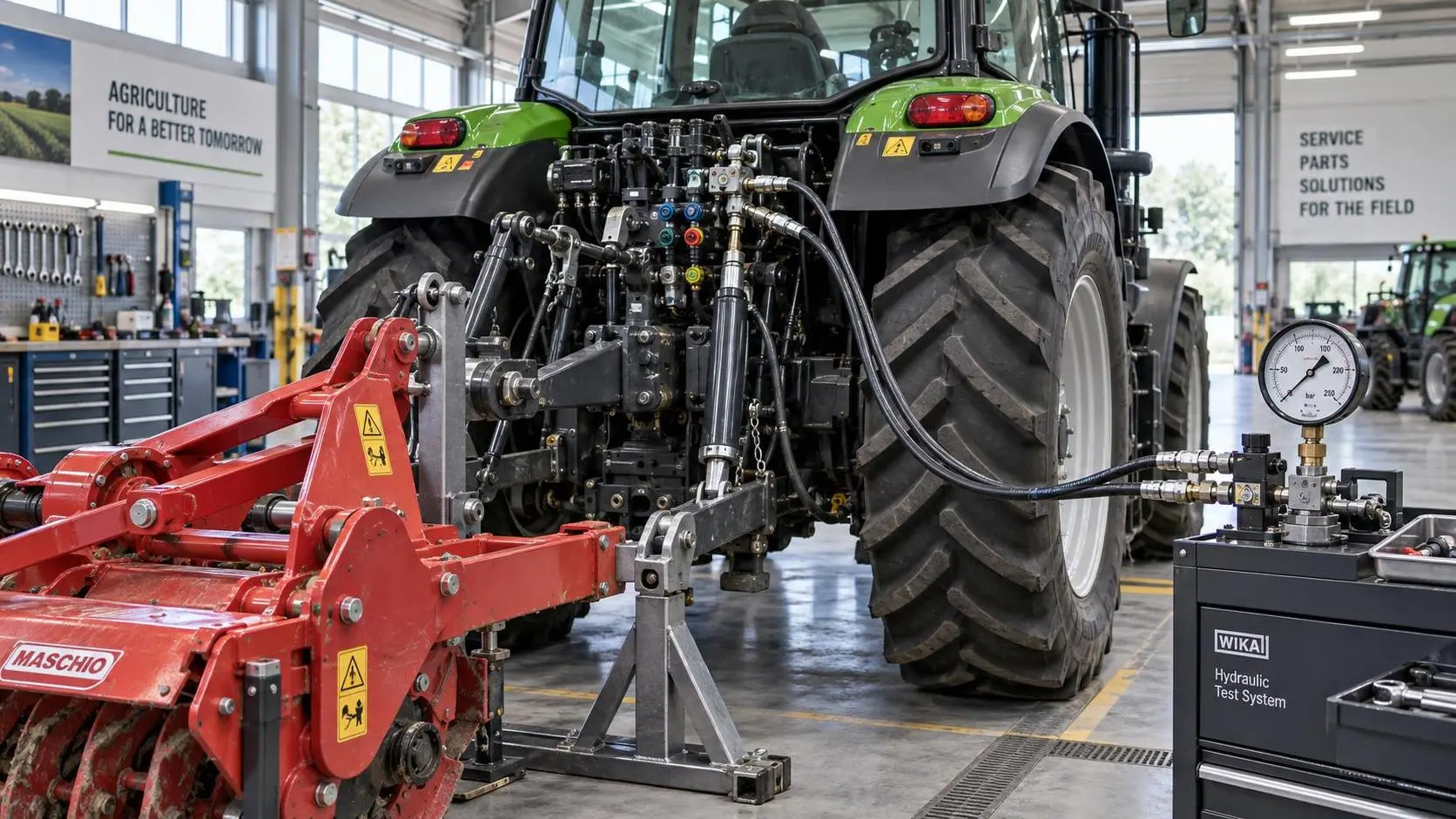
Tractor Hydraulic Systems Troubleshooting: Diagnosing Weak Lift and Slow Implements
Tractor hydraulic systems troubleshooting made practical: diagnose weak lifts and slow implements with proven pressure, flow, valve, and oil-supply checks.
Related News
- 00
0000-00
What separates robotic automation providers for equipment production? - 00
0000-00
Which field data collection provider fits an agricultural robotics program? - 00
0000-00
How Autonomous Machinery for Crop Scouting Helps Growers Detect Field Issues Earlier - 00
0000-00
How to Evaluate Autonomous Machinery for Vineyards by Terrain, Tasks, and ROI - 00
0000-00
Brazil ANVISA Rule Requires Portuguese Risk Labels for Farm Robots
Popular Tags
Tractor Power Architect
Weekly Insights
Stay ahead with our curated technology reports delivered every Monday.