
RCEP Parts Trade at 68.3% Speeds Soil Tiller Linkages
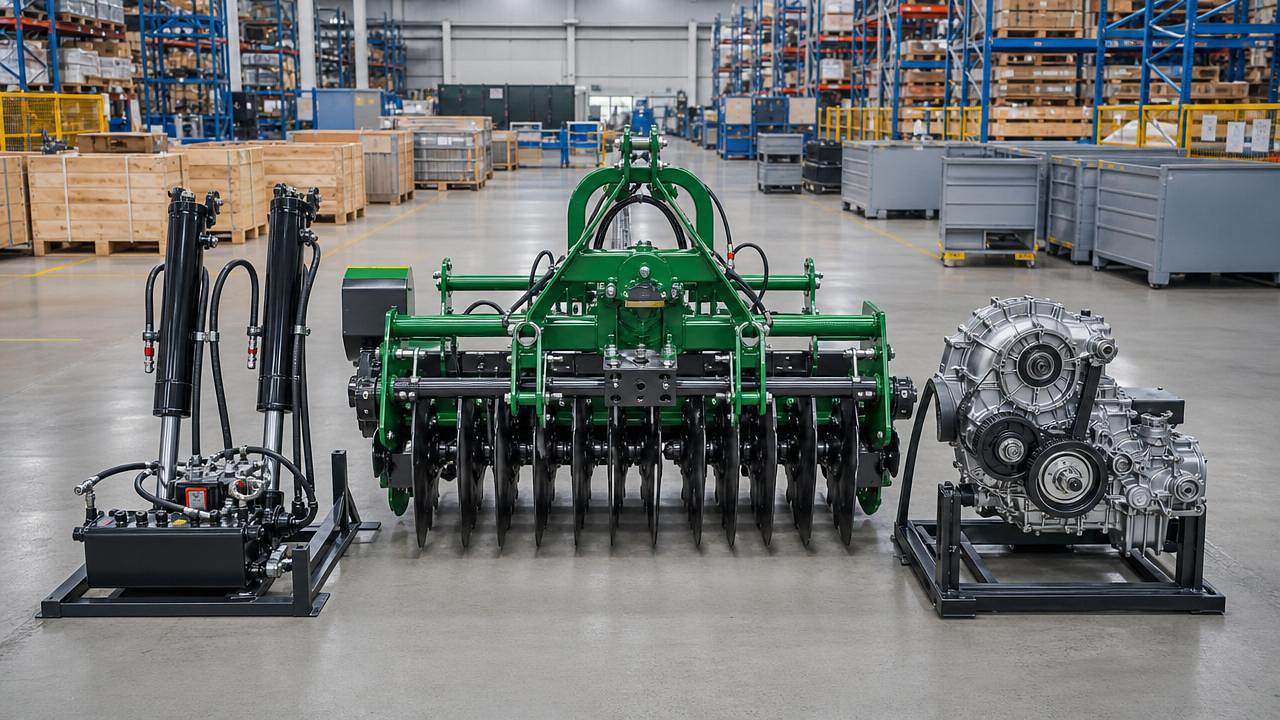




Data covering the full year of 2024 and released on 2026-04-15 shows that intermediate goods accounted for 68.3% of trade within the RCEP region, highlighting how trade rules and origin-related arrangements are shaping cross-border production. For agricultural equipment, this matters because Soil Tillers and key subsystems such as Hydraulic Lift Systems and CVT Transmissions are increasingly tied to a regional division of work, which can affect sourcing, origin documentation, export planning, compliance review, and delivery coordination across the supply chain.
What the released data confirms
The confirmed information is limited but clear. The latest released data states that, for 2024, intermediate goods made up 68.3% of trade within the RCEP region. It also indicates deep integration across the electronics, automotive, and new energy supply chains.
Within agricultural equipment, the disclosed description points to a pattern of cooperation built around manufacturing capacity in China, lower-cost production in ASEAN, and hydraulic and transmission technology from Japan and South Korea. Under that pattern, complete Soil Tillers and important subsystems, including Hydraulic Lift Systems and CVT Transmissions, are moving toward cross-regional specialization.
The same release also notes that the benefits of RCEP cumulative rules of origin continue to be felt. As an additional confirmed signal, the number of RCEP certificates issued by the China Council for the Promotion of International Trade in 2025 increased by 23.93% year on year.
Why this matters for actual trade and supply-chain execution
Origin management is becoming more operational, not just declarative
From an industry perspective, companies involved in exporting assembled machinery or sourcing cross-border components may be affected first because the reported expansion of intermediate-goods trade and the continued release of cumulative-origin benefits both point to a more active use of origin rules in day-to-day transactions. The practical impact is likely to appear in bill-of-materials review, supplier document collection, certificate application, and shipment file preparation rather than only in high-level trade strategy.
Cross-border sourcing models face tighter coordination demands
For manufacturers and procurement teams, the disclosed Soil Tillers pattern suggests that complete machines and critical subsystems may no longer be evaluated as a single-country supply arrangement. Instead, purchasing, production scheduling, and delivery planning may need to align with a multi-location structure covering manufacturing, low-cost processing, and specialized hydraulic or transmission inputs. What deserves closer attention is whether supporting technical files, origin records, and product configuration documents remain consistent across those steps.
Service providers and downstream buyers may see more documentation checks
Supply-chain service providers, distributors, and buyers may also be affected because regional specialization usually increases the number of parties involved in customs clearance, contract execution, and after-sales traceability. Analysis shows that, in such a structure, closer attention may be needed for certificates, technical descriptions, shipment records, supplier qualifications, and delivery documentation whenever complete equipment and key subsystems are sourced from different points within the RCEP production network.
Where companies should focus now
Review origin-related document readiness
Analysis shows that exporters and manufacturers should pay closer attention to whether supplier declarations, product composition records, and certificate application materials can support the use of cumulative origin treatment in practice. The released information confirms a stronger policy-use environment, but it does not provide product-level execution details, so document readiness remains a key watchpoint rather than a settled result.
Check technical file consistency across subsystems
For Soil Tillers and related subsystem suppliers, especially those dealing with Hydraulic Lift Systems and CVT Transmissions, closer review of technical documentation, specification alignment, and traceability files may be prudent. Where production and sourcing are split across multiple jurisdictions, inconsistencies between component descriptions and shipment paperwork can create friction in delivery, tender support, or customer acceptance.
Track procurement and delivery implications of regional specialization
Observably, the reported production pattern is relevant not only for exporters but also for purchasing teams and channel operators. They may need to recheck supplier qualification files, lead-time assumptions, and replacement-part planning when complete machines and core subsystems are sourced through a more segmented regional chain. The current information does not confirm a single execution model, so companies should treat this as an operational signal to verify assumptions rather than as a finalized market standard.
Watch for changes in compliance wording and transaction practice
It is more appropriate to understand this development as a cue to monitor how official wording, certificate practice, transaction documents, and buyer requirements evolve around RCEP-linked sourcing. The released facts confirm momentum, but they do not establish a uniform compliance threshold for every product category or transaction structure.
How this signal should be read at this stage
Analysis shows that this development is best read as evidence that RCEP rules are increasingly visible in the organization of regional intermediate-goods trade, including in machinery-related supply chains. In the case of Soil Tillers, the combination of cross-border manufacturing roles and continued growth in certificate issuance points less to a sudden rule change and more to a clearer execution signal: origin accumulation is becoming more relevant to how companies design sourcing and delivery paths.
At the same time, observably, the available information remains high-level. It does not by itself resolve product-by-product compliance treatment, customer acceptance standards, or tender-document expectations. That is why the market still needs to watch follow-up implementation language, transaction practice, and business feedback before drawing broader conclusions.
What can be concluded without overstating the case
The most balanced reading is that the released 2024 data, together with the 2025 certificate issuance growth signal, supports the view that regional production sharing under RCEP is deepening and that Soil Tiller-related trade may increasingly rely on cross-border coordination of parts, subsystems, and origin documentation. This should not be read as proof of a fully settled execution framework for every company, but it is a credible sign that trade compliance, sourcing design, and delivery management deserve closer attention in RCEP-linked agricultural equipment business.
Basis of this article and points requiring further verification
This article is generated from the user-provided news title, event timing, and event summary. The discussion is based on the supplied facts concerning the 2024 RCEP intermediate-goods trade share, the described Soil Tillers supply-chain pattern, and the year-on-year increase in RCEP certificate issuance reported for 2025.
For this type of development, commonly relevant source categories may include official announcements, regulator releases, customs or trade authority information, industry association updates, standards-related documents, and reporting by authoritative media. A specific official source link was not provided in the input, so it still needs to be verified on an ongoing basis. What also requires continued observation includes detailed implementation language, certification practice, tender-document changes, industry feedback, and how companies are actually executing origin, sourcing, and delivery arrangements in the market.
Related News
How RTK Satellite Positioning Improves Accuracy in Precision Farming Operations
RTK satellite positioning boosts precision farming with repeatable guidance, lower overlap, and better field data. Learn what to verify before choosing an RTK system.
EU Rule Takes Effect: EN 16924:2026 for Drip Irrigation Logic
EN 16924:2026 now reshapes EU access for Drip Irrigation Logic products. Learn how certification, CE marking, customs, and warehouse risks impact exporters and buyers.
How Autonomous Machinery for Crop Scouting Helps Growers Detect Field Issues Earlier
Autonomous machinery for crop scouting helps growers spot irrigation gaps, pest pressure, and crop stress earlier, turning field data into faster decisions and smarter action.
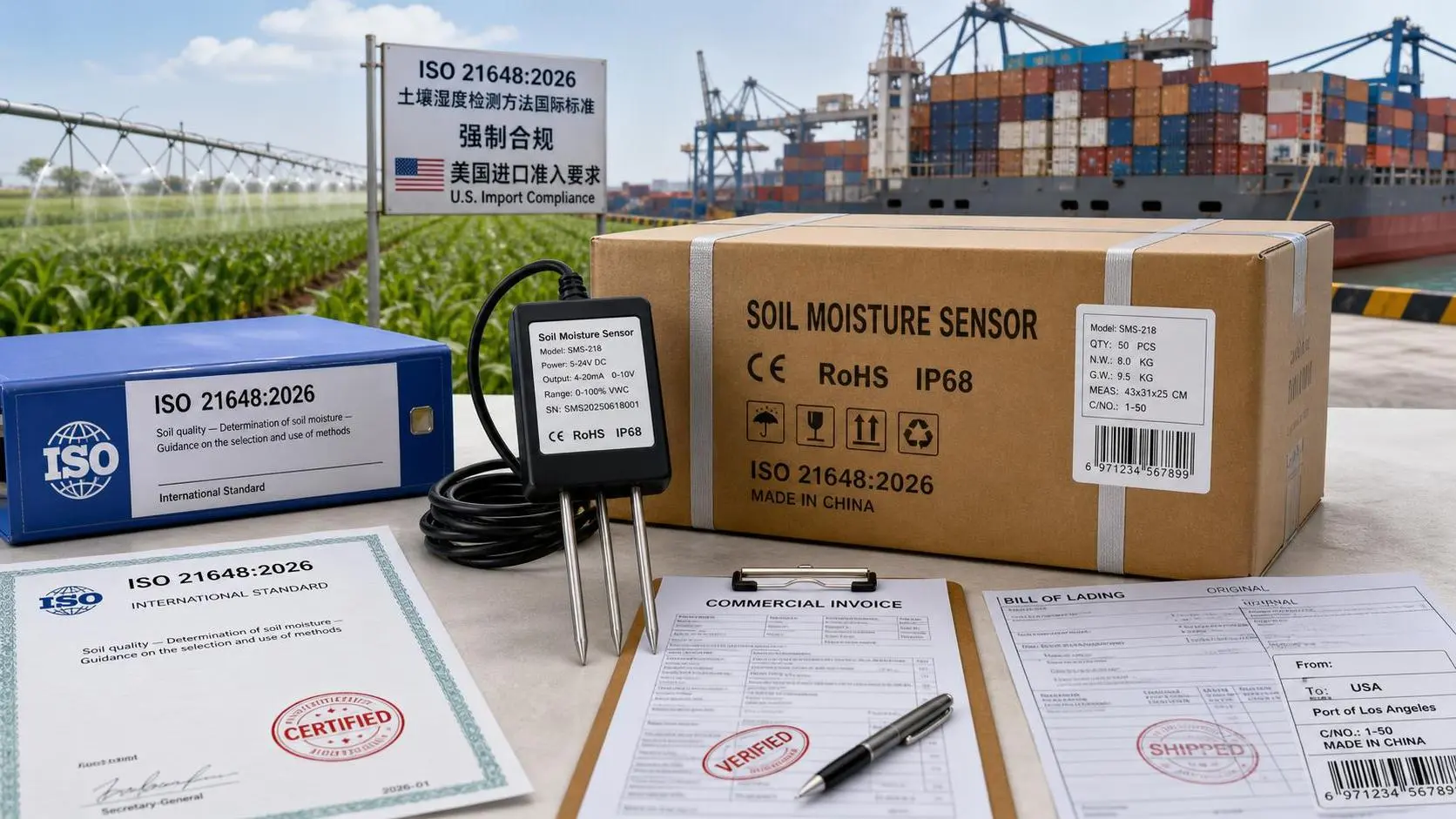
USDA Rule Makes ISO 21648:2026 Mandatory
USDA Rule Makes ISO 21648:2026 Mandatory for soil moisture sensors entering the U.S. Learn how the new USDA import compliance guide impacts certification, CBP entry, suppliers, and delivery plans.
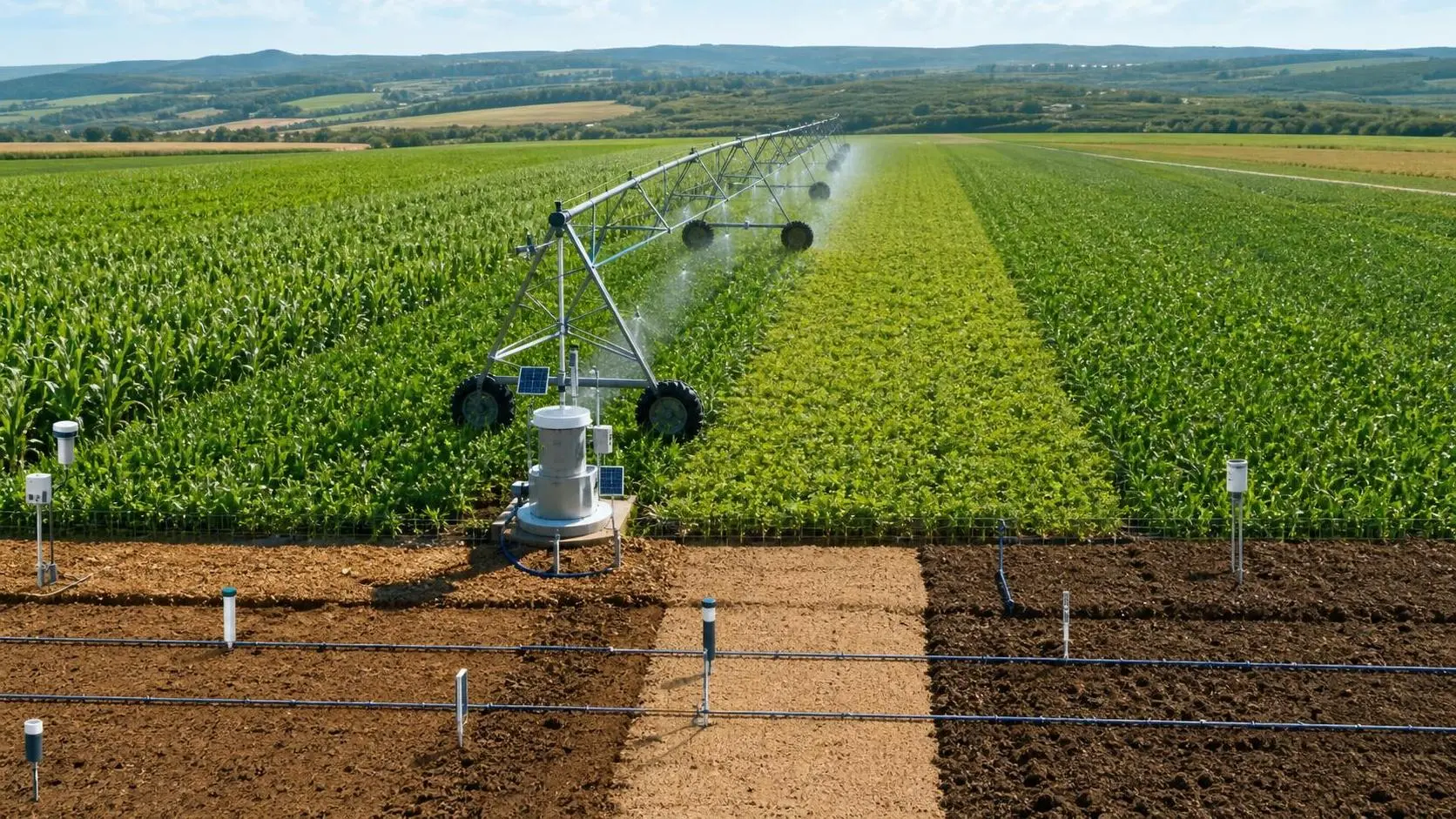
How Digital Farming Improves Irrigation Planning With Soil Data and GPS Mapping
Digital farming for irrigation planning turns soil data and GPS mapping into smarter watering decisions, helping farms reduce waste, improve field precision, and boost operational efficiency.
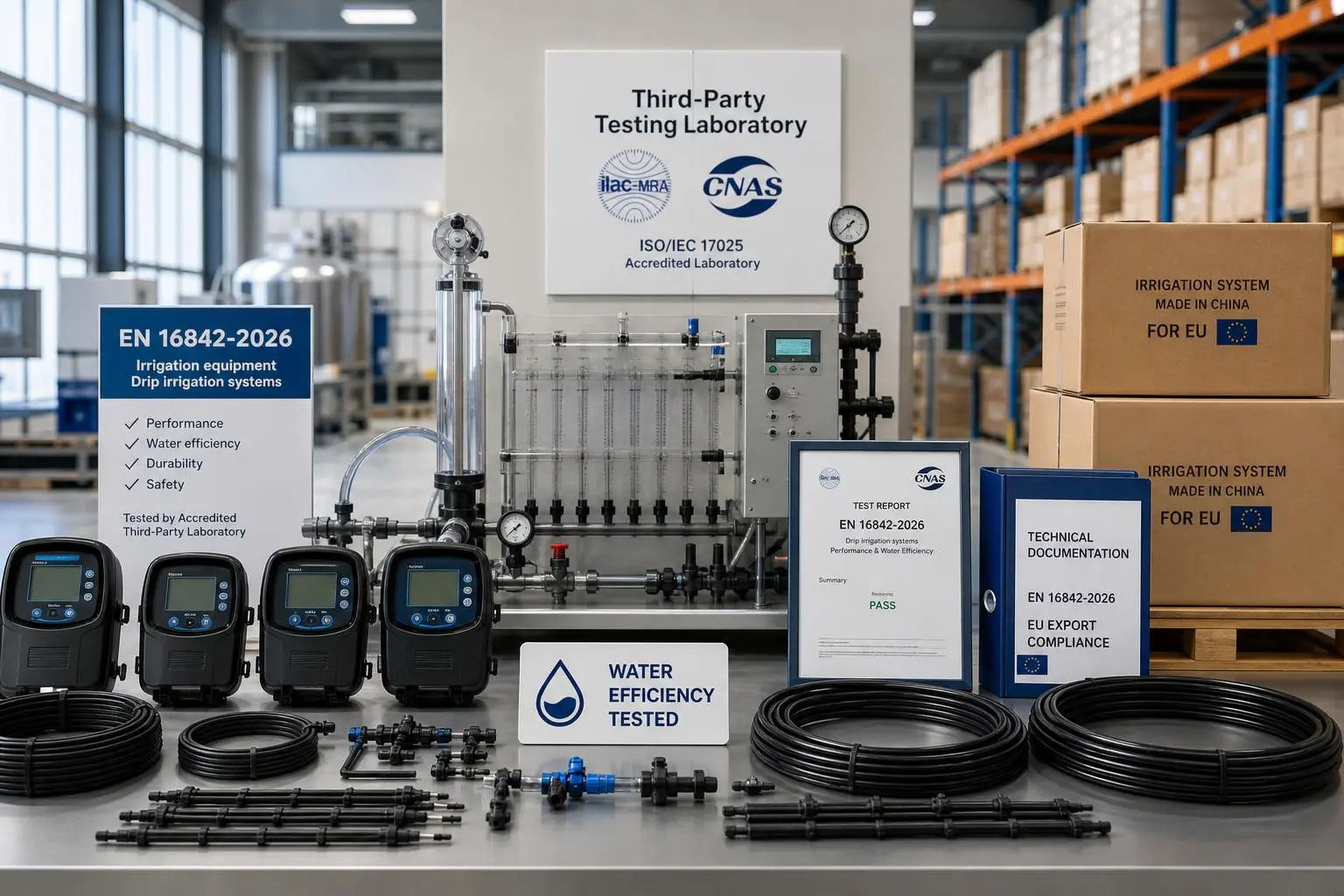
EU Rule Takes Effect: EN 16842-2026 Required for Drip Irrigation Logic Exports
EN 16842-2026 now makes third-party certification mandatory for Drip Irrigation Logic exports to the EU. Learn the compliance risks, customs impact, and supplier checks now.
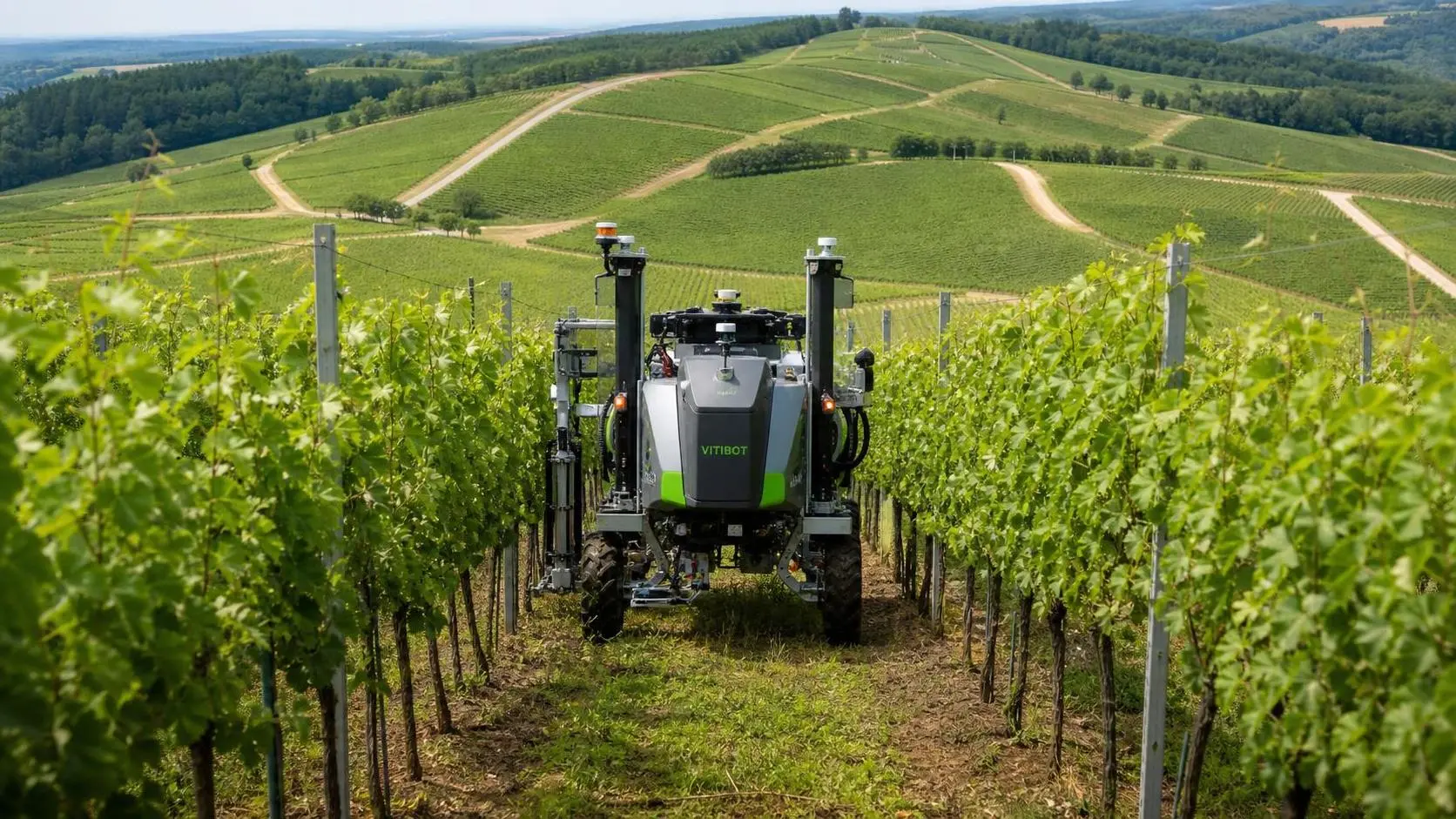
How to Evaluate Autonomous Machinery for Vineyards by Terrain, Tasks, and ROI
Autonomous machinery for vineyards: learn how to evaluate terrain fit, task suitability, safety, and ROI to choose the right solution and reduce procurement risk.
USDA Tightens Import Rules for Soil Moisture Sensors
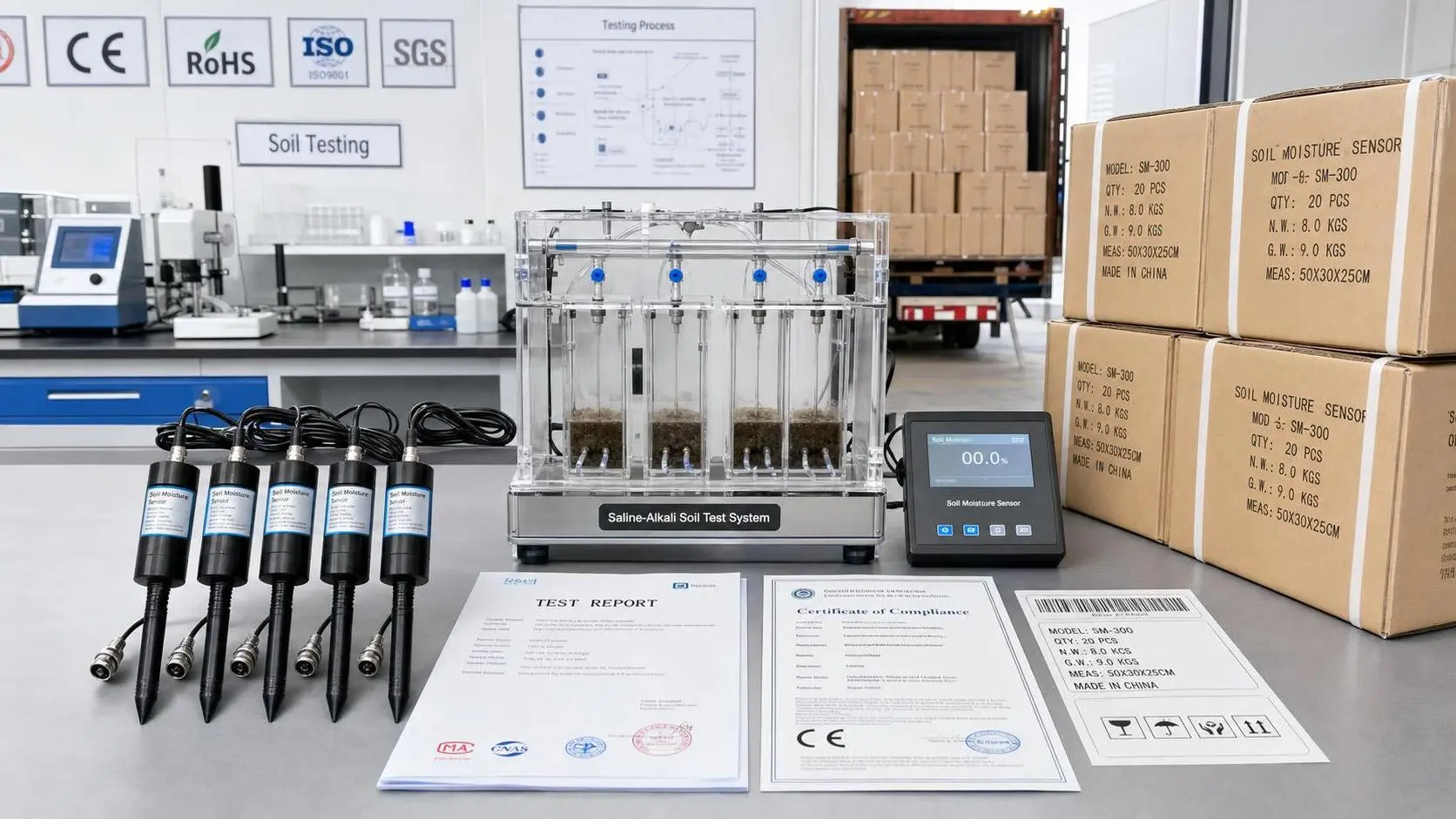
Soil Moisture Sensors face new USDA import rules from Oct. 1, 2026. Learn how ISO 11274-3:2026 testing may impact customs clearance, lead times, and supplier planning.
How to Use a Global Agricultural Equipment Directory to Compare Suppliers and Reduce Sourcing Risk
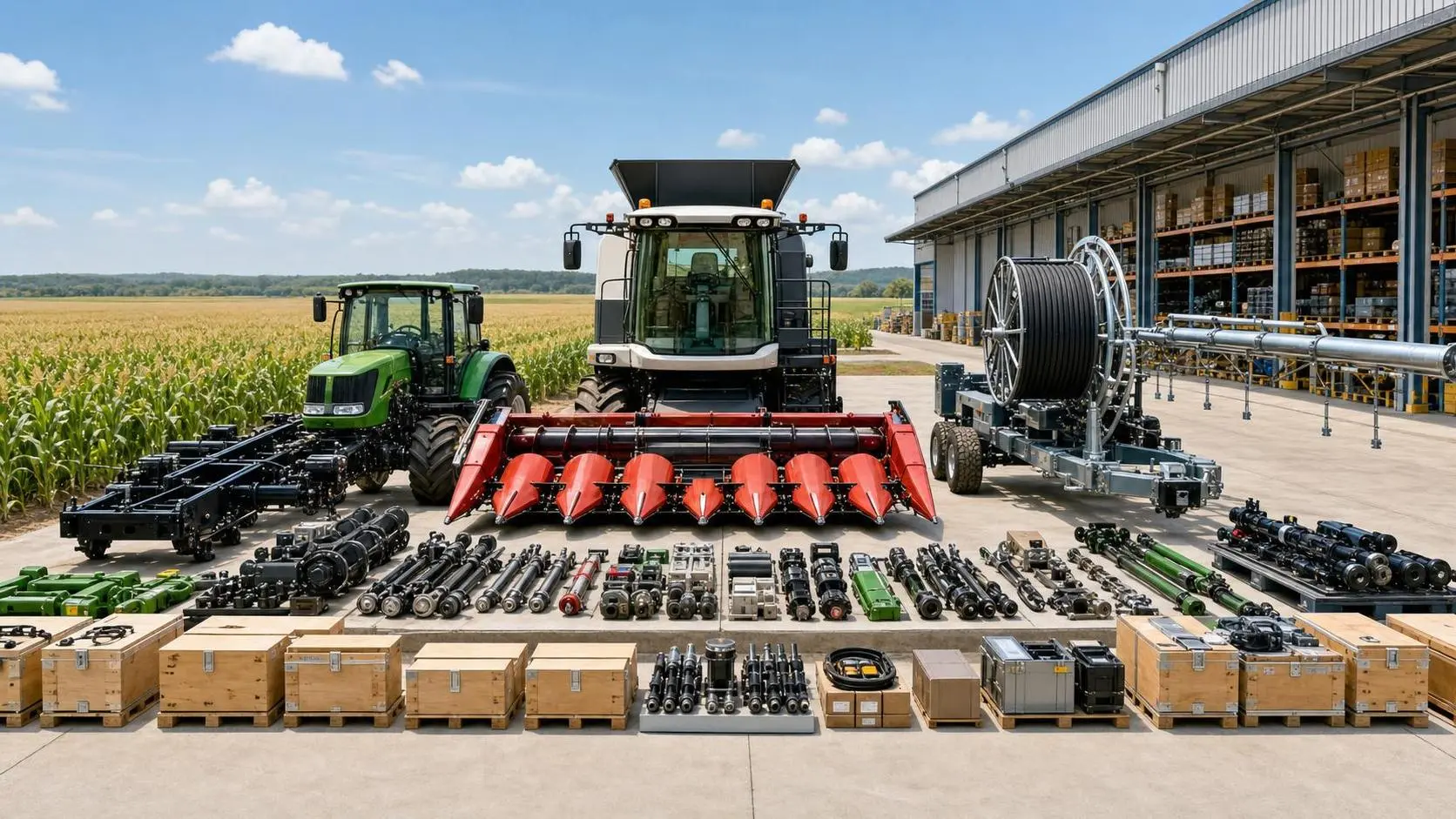
Agricultural equipment directory global sourcing starts with smarter supplier comparison. Learn how to assess fit, compliance, support, and market readiness to reduce sourcing risk.
Related News
- 00
0000-00
India BIS Tightens Soil Tiller Labeling for Imports - 00
0000-00
Vietnam Requires Vietnamese Warning Labels for Imported Soil Tillers - 00
0000-00
India BIS Expands Soil Tiller Energy Labels to Electric Imports - 00
0000-00
Grain Machinery Rail Route Cuts Transit to 96 Hours - 00
0000-00
Soil Tillage Preparation Machinery: Key Machine Types, Working Depth, and Field Conditions Explained
Popular Tags
Agri-Mechanization Fellow
Weekly Insights
Stay ahead with our curated technology reports delivered every Monday.