
USDA Rule Makes ISO 21648:2026 Mandatory
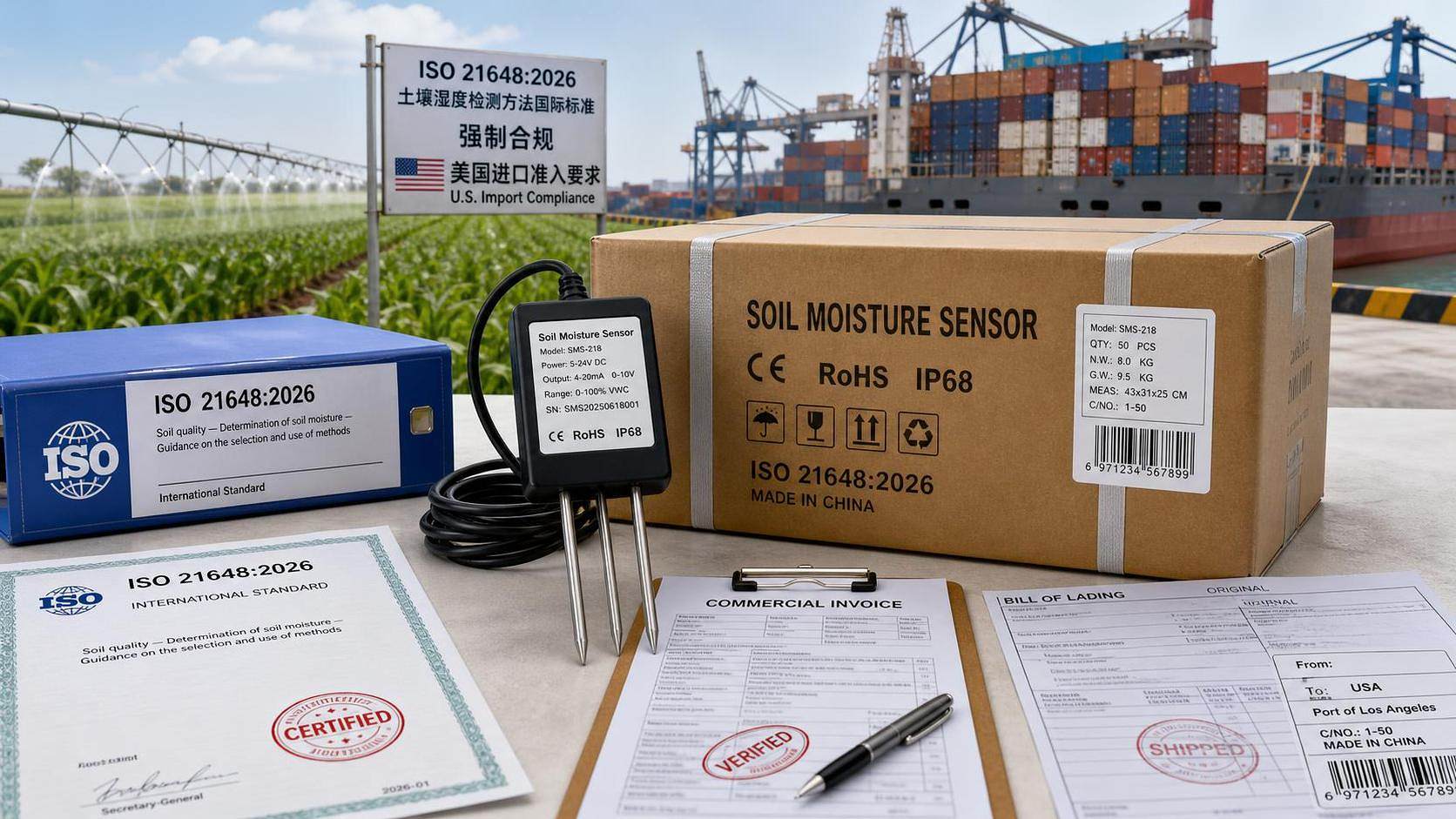




On July 26, 2026, the USDA put a new import compliance guide for smart irrigation sensing devices into effect, making ISO 21648:2026 certification mandatory for all soil moisture sensors entering the U.S. market. Because the requirement applies immediately and non-certified products can be refused entry by CBP, the development deserves close attention from exporters, manufacturers, distributors, and procurement teams involved in agricultural sensor trade, especially where delivery schedules and supplier qualification are tied to North American sales.
What the new requirement now confirms
According to the information provided, the USDA formally implemented its import compliance guide for smart irrigation sensor devices on July 26, 2026. Under this rule, all soil moisture sensors entering the U.S. market must obtain certification under ISO 21648:2026.
The stated certification scope covers data accuracy, long-term drift thresholds, and wireless communication encryption protocols. The requirement is already in force, and products without the certification will be refused entry at port by U.S. Customs and Border Protection.
Where the immediate pressure is likely to appear
Export-facing manufacturers will face the first compliance bottleneck
From an industry perspective, Chinese manufacturers shipping soil moisture sensors to the United States are the most directly exposed group in the short term. The impact is likely to appear first in export scheduling, shipment readiness, and compliance cost control, because products now need to meet a clearly stated certification threshold before they can enter the market.
North American distributors need to recheck supplier qualification quickly
Distributors serving the U.S. market may be affected through sourcing continuity and inventory planning. What deserves closer attention is whether existing suppliers can provide valid certification evidence tied to ISO 21648:2026, since a port refusal would disrupt downstream fulfillment even if commercial arrangements are already in place.
Border, logistics, and trade execution teams may see more documentation sensitivity
For teams managing customs-facing processes, the main issue is not only product movement but document readiness. Analysis shows that once entry is conditioned on certification, shipment execution becomes more sensitive to whether technical files, qualification records, and supporting trade documents are aligned before goods arrive at port.
Procurement and end-market buyers may need to reassess delivery assumptions
Buyers relying on imported soil moisture sensors for U.S. distribution or application projects may not be directly subject to the rule, but they could still be affected through lead-time changes and supplier substitution risk. In practical terms, procurement decisions may need to place greater weight on certification status rather than on price and availability alone.
What companies should review now
Check whether products already match the mandatory certification path
Companies selling into the U.S. should first confirm whether their soil moisture sensor models already hold ISO 21648:2026 certification. Where certification is absent, the immediate business issue is market access rather than a later-stage adjustment.
Separate policy wording from shipment-level execution
What deserves closer attention is the operational difference between a rule taking effect and a shipment being accepted at the border. Firms should review whether internal compliance records, supplier declarations, and shipment documents can consistently support the certification claim attached to each product line.
Recheck supplier files and communication with channel partners
For distributors and sourcing teams, current priority should be supplier qualification review. That includes verifying whether upstream manufacturers can provide the required certification materials and whether channel partners have been informed that uncertified goods may be denied entry by CBP.
Prepare for schedule and cost adjustments in ongoing business
Analysis shows that the rule may affect order timing, delivery commitments, and compliance-related expenses. Companies with active U.S.-bound business should therefore reassess fulfillment timelines and customer communication plans in light of the immediate enforcement standard.
Why this should be read as more than a routine update
Observably, this development is not just a technical wording change. It signals that U.S. market access for soil moisture sensors is now being tied more explicitly to documented performance and communication-security criteria under a named standard. At the same time, based on the information provided, it would be premature to extend that conclusion beyond the confirmed rule scope or to infer broader market outcomes that have not yet been verified.
It is more appropriate to understand this as an immediate compliance change with wider strategic implications still unfolding. The rule already produces a clear result at the border level, but its full commercial effect on pricing, sourcing, and supplier structure still requires continued observation.
How the market is best interpreting it at this stage
The industry significance of this update lies in its direct link between certification and import eligibility. For companies active in soil moisture sensors, the issue is no longer whether the requirement matters, but how quickly affected products and supplier relationships can be checked against it.
A neutral reading at this stage is that the rule represents a concrete short-term compliance shift and a longer-term policy signal worth monitoring. It should not be overstated as a fully settled market outcome, but it also should not be treated as a symbolic announcement with delayed impact, since enforcement is already in effect.
Basis of this article and what still needs verification
This article is based on the user-provided news title, event date, and event summary. For this type of industry development, common source categories usually include official government notices, company statements, industry association releases, authoritative media reporting, and standard organization documents.
No specific official source link was provided in the input, so the exact primary document trail still requires ongoing verification. Follow-up attention should remain on any further official clarification, related implementation language, and how market participants document compliance in actual U.S.-bound trade activity.
Related News
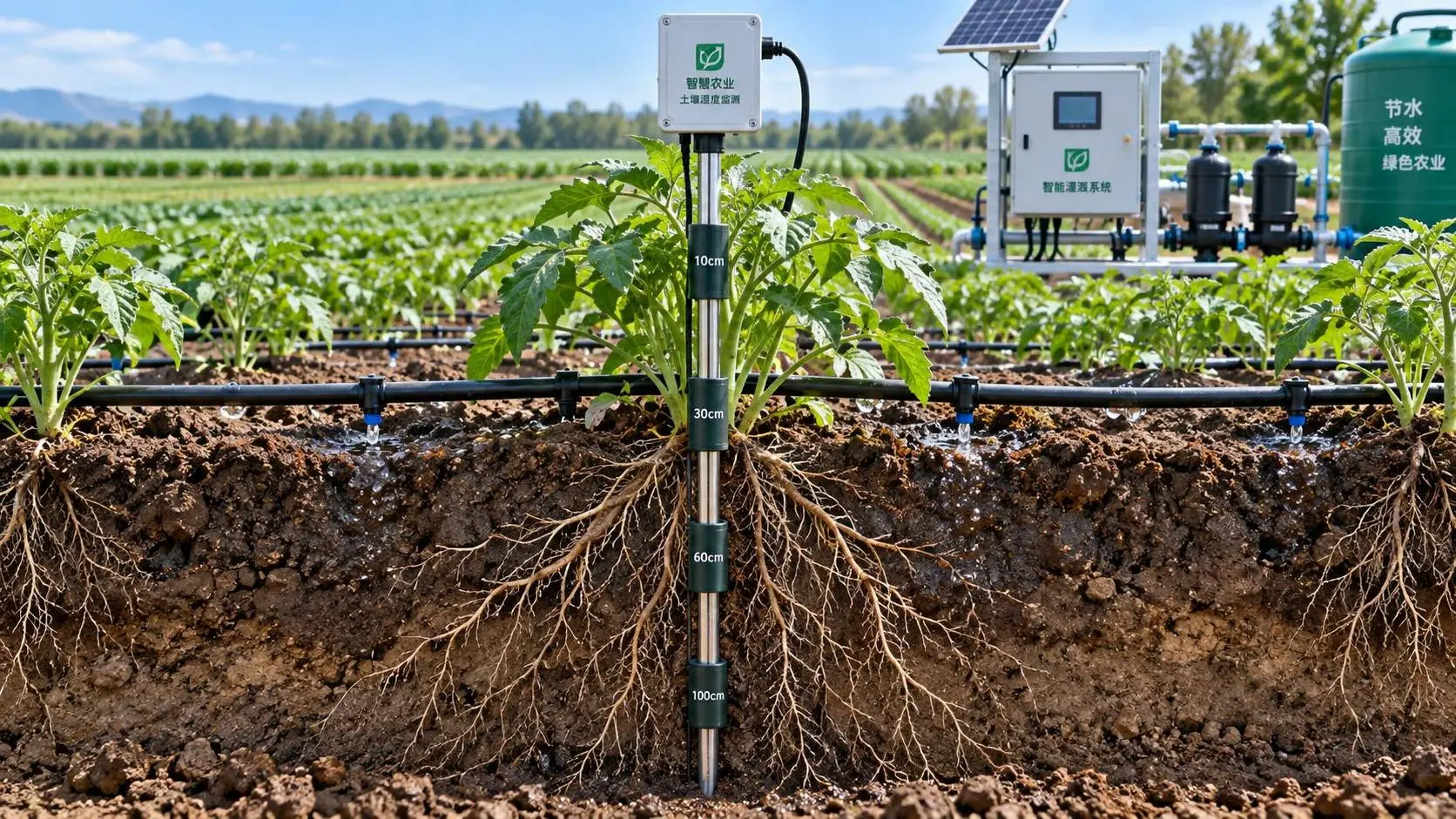
Selecting Real-Time Soil Moisture Sensors for Irrigation Zone Control
Soil moisture sensors real time: learn how to select reliable probes, optimize zone control, improve irrigation decisions, and scale precision water management.
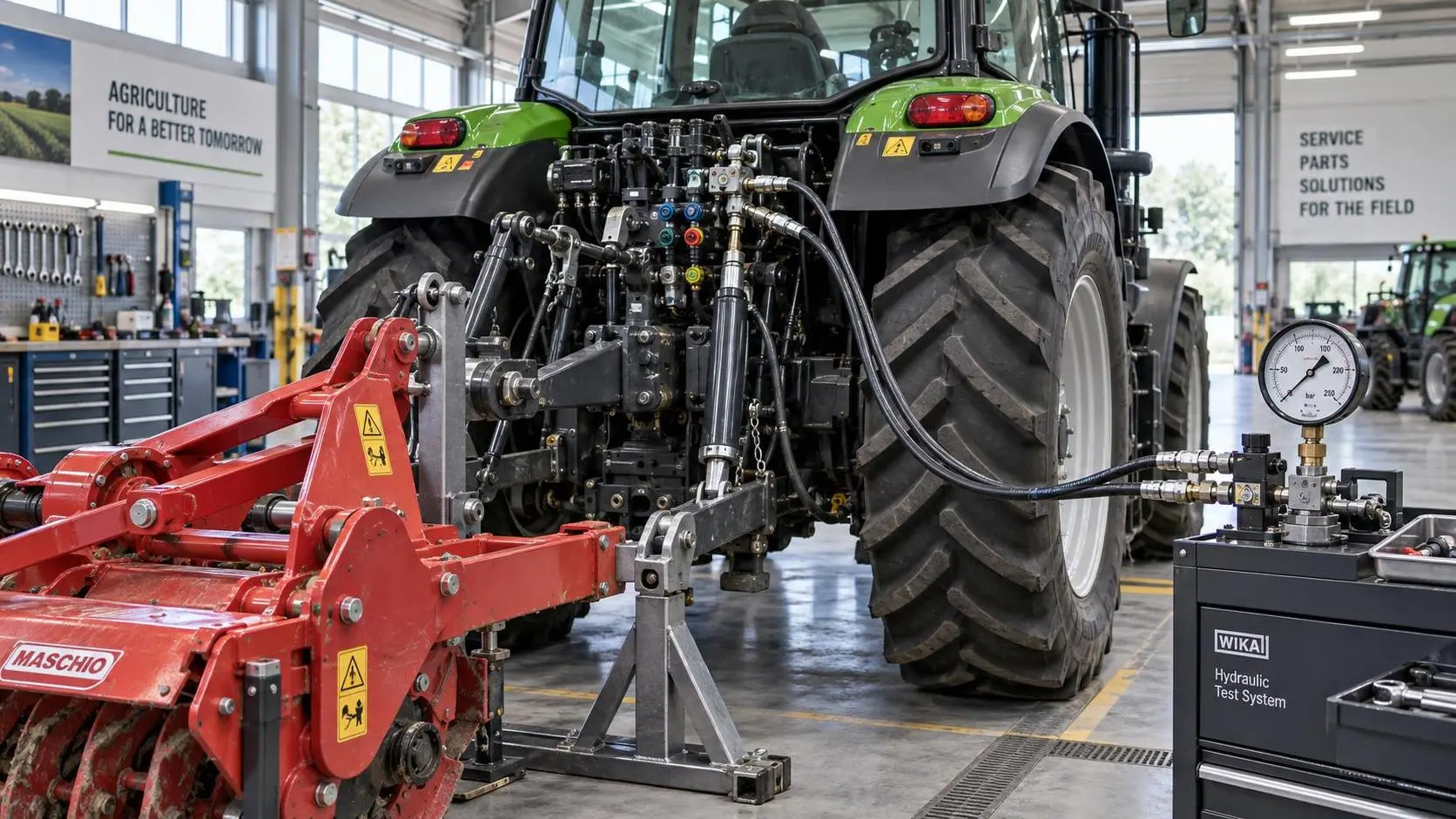
Tractor Hydraulic Systems Troubleshooting: Diagnosing Weak Lift and Slow Implements
Tractor hydraulic systems troubleshooting made practical: diagnose weak lifts and slow implements with proven pressure, flow, valve, and oil-supply checks.
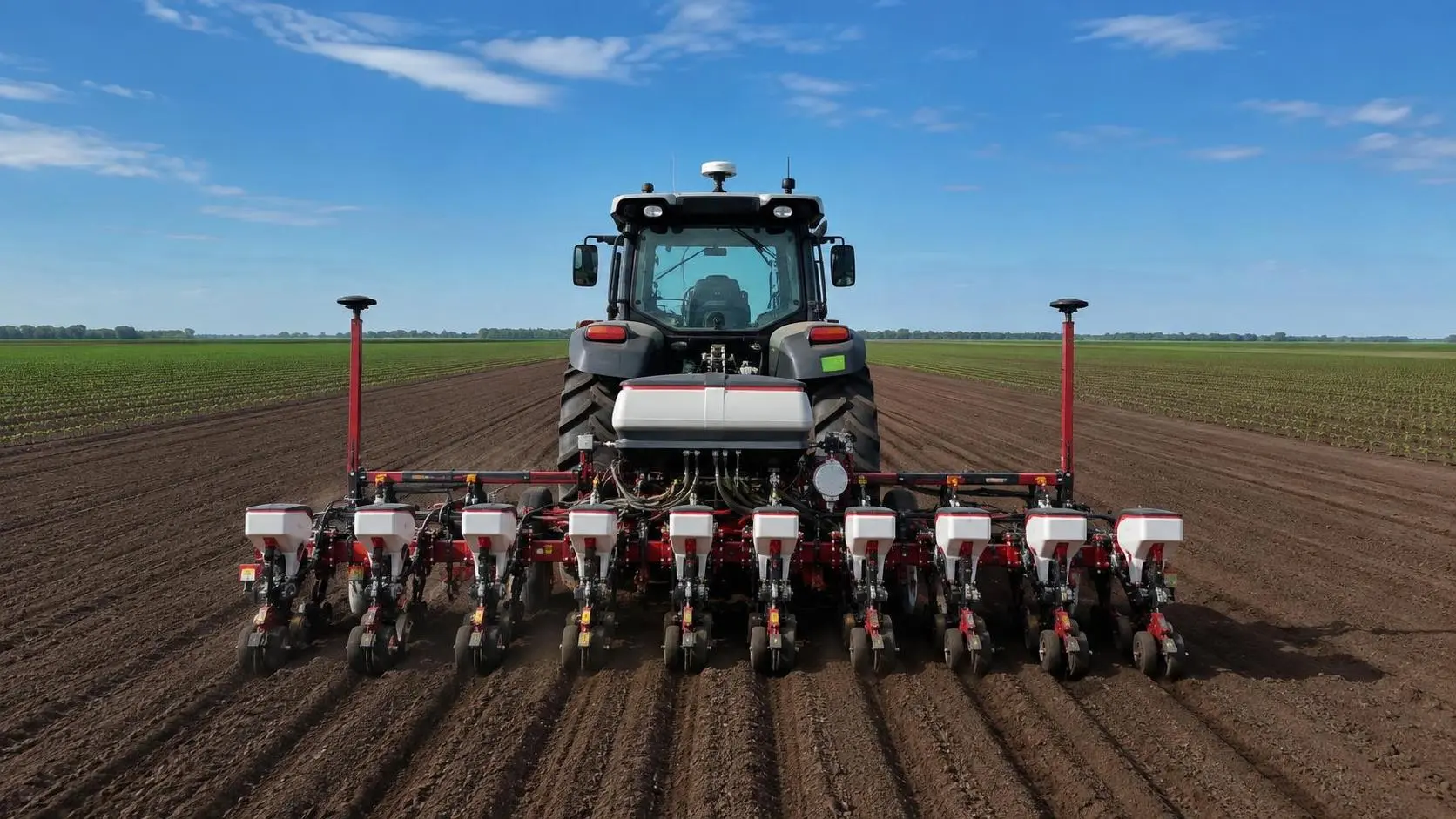
How Tractor Intelligence Systems Improve Field Efficiency and Input Accuracy
Agricultural machinery intelligence for tractors improves field efficiency, input accuracy, data traceability, and implement control. Explore smarter evaluation strategies.
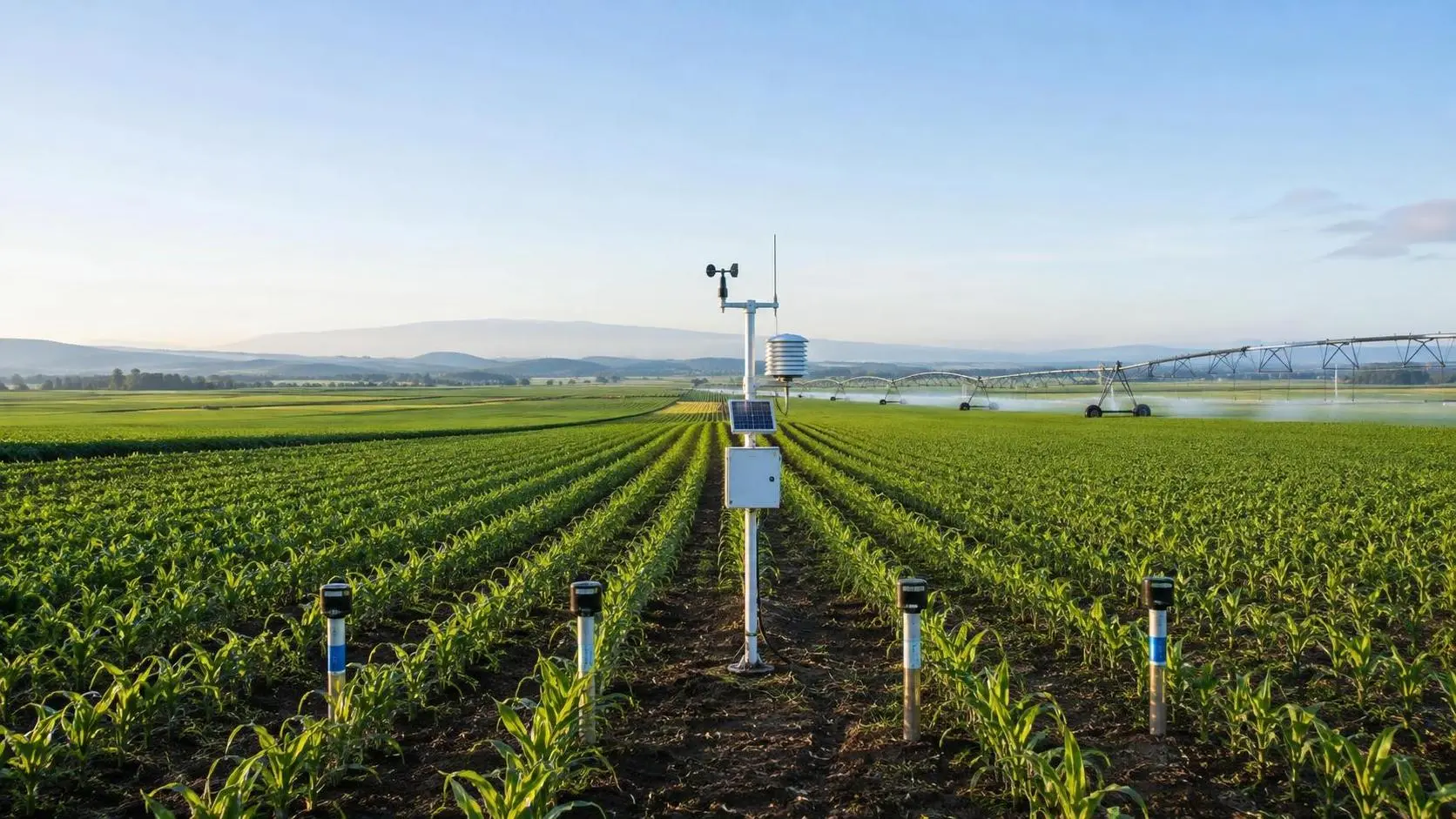
How to Evaluate Crop Monitoring System Manufacturers for Large-Scale Farms
Compare crop monitoring systems manufacturers for large-scale farms. Evaluate data quality, integration, durability, lifecycle costs, support, and pilots for smarter decisions.
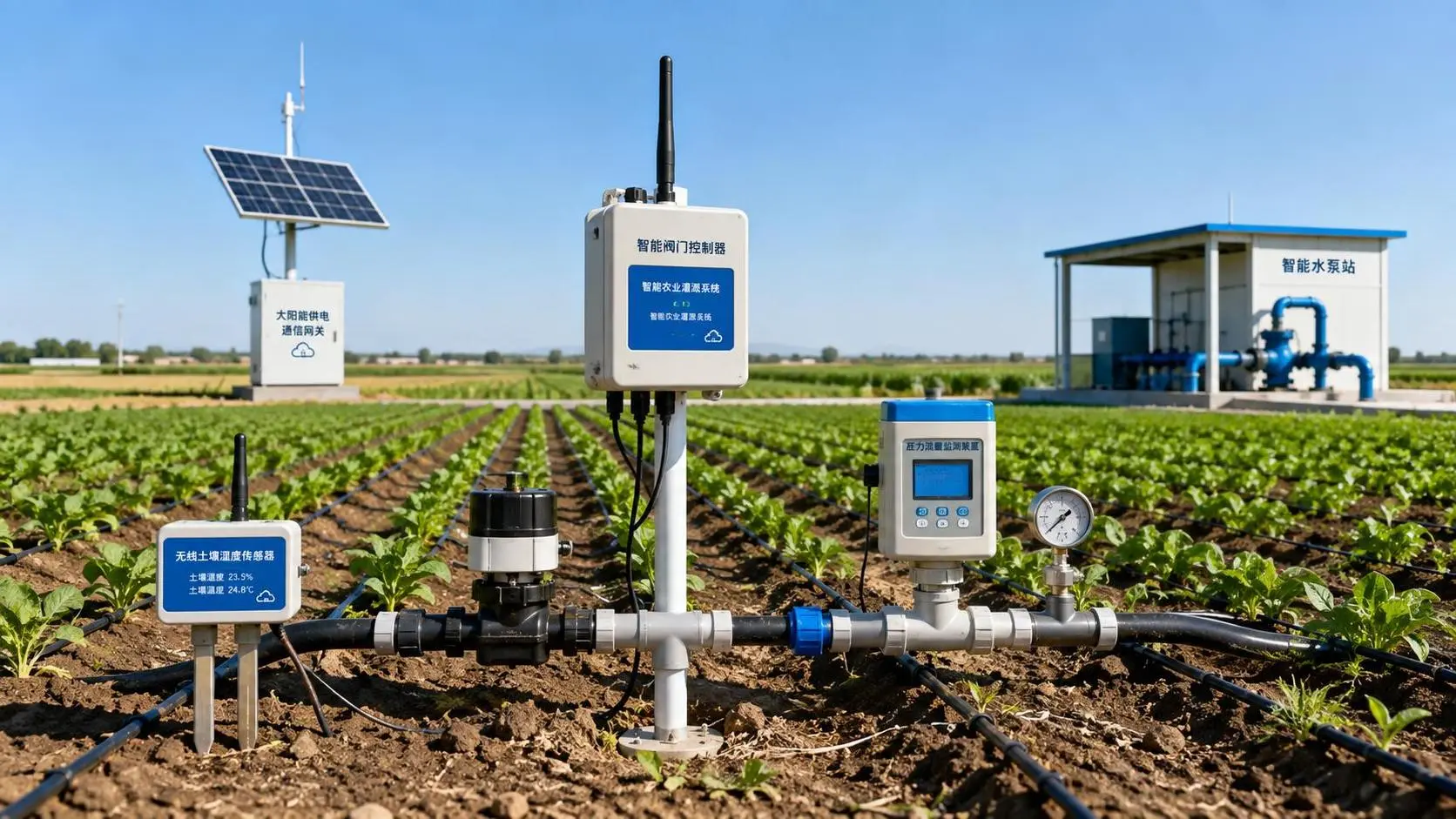
Wireless Agricultural Automation for Remote Irrigation and Field Monitoring
Agricultural automation wireless solutions improve remote irrigation with reliable field data, local control, flow verification, and smarter monitoring. Explore resilient deployment strategies.
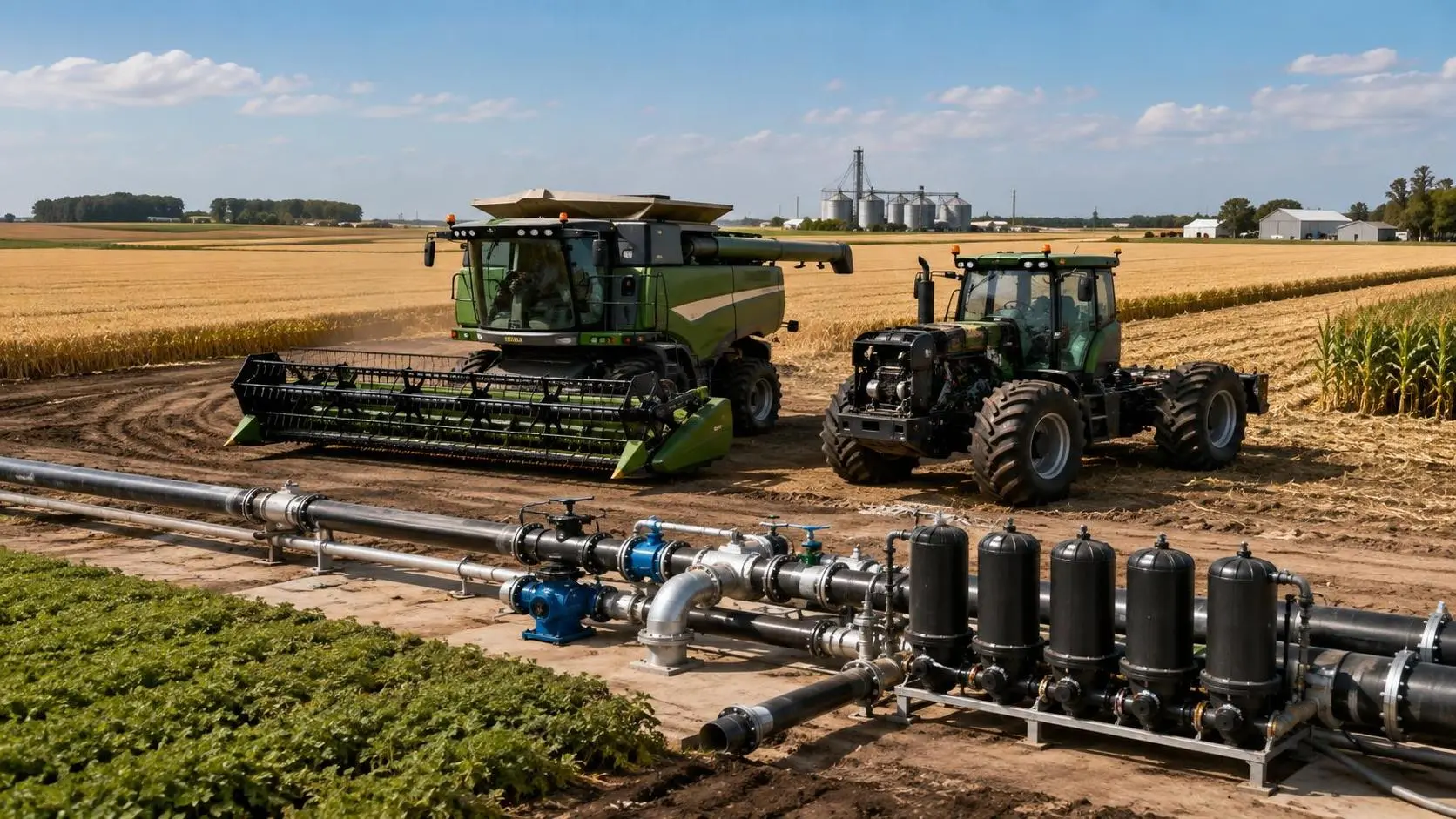
Agricultural Product Information Market Guide: Key Data for Sourcing Decisions
Agricultural product information market guide for smarter sourcing—compare machinery, irrigation, precision tools, lifecycle costs, and supplier risk.
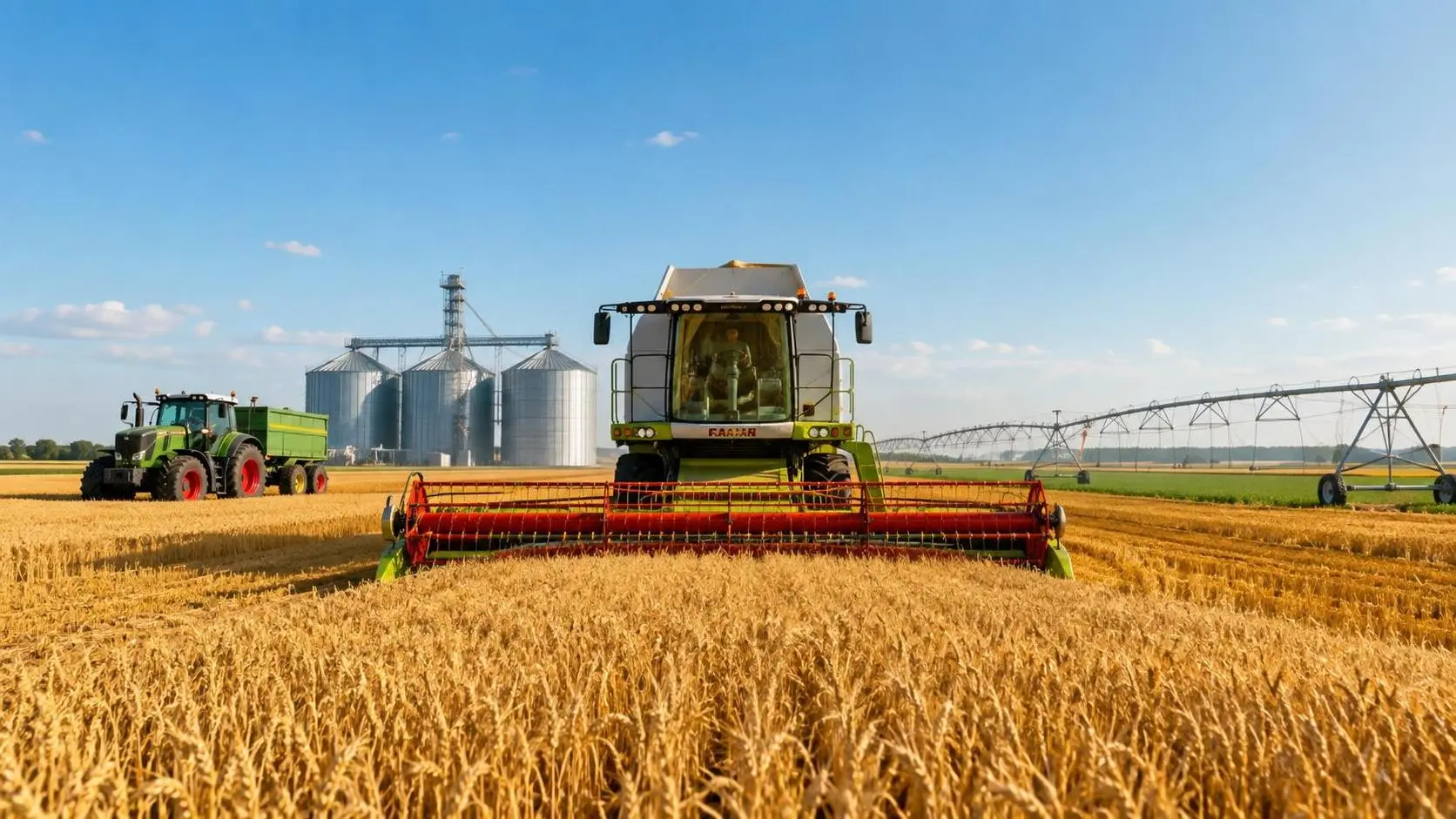
Large-Scale Farm Equipment Cost Comparison: Price, Fuel, and Lifecycle Value
Large-scale farm equipment cost comparison: evaluate price, fuel, maintenance, downtime, and lifecycle value to choose tractors, combines, irrigation, and smart tools with confidence.
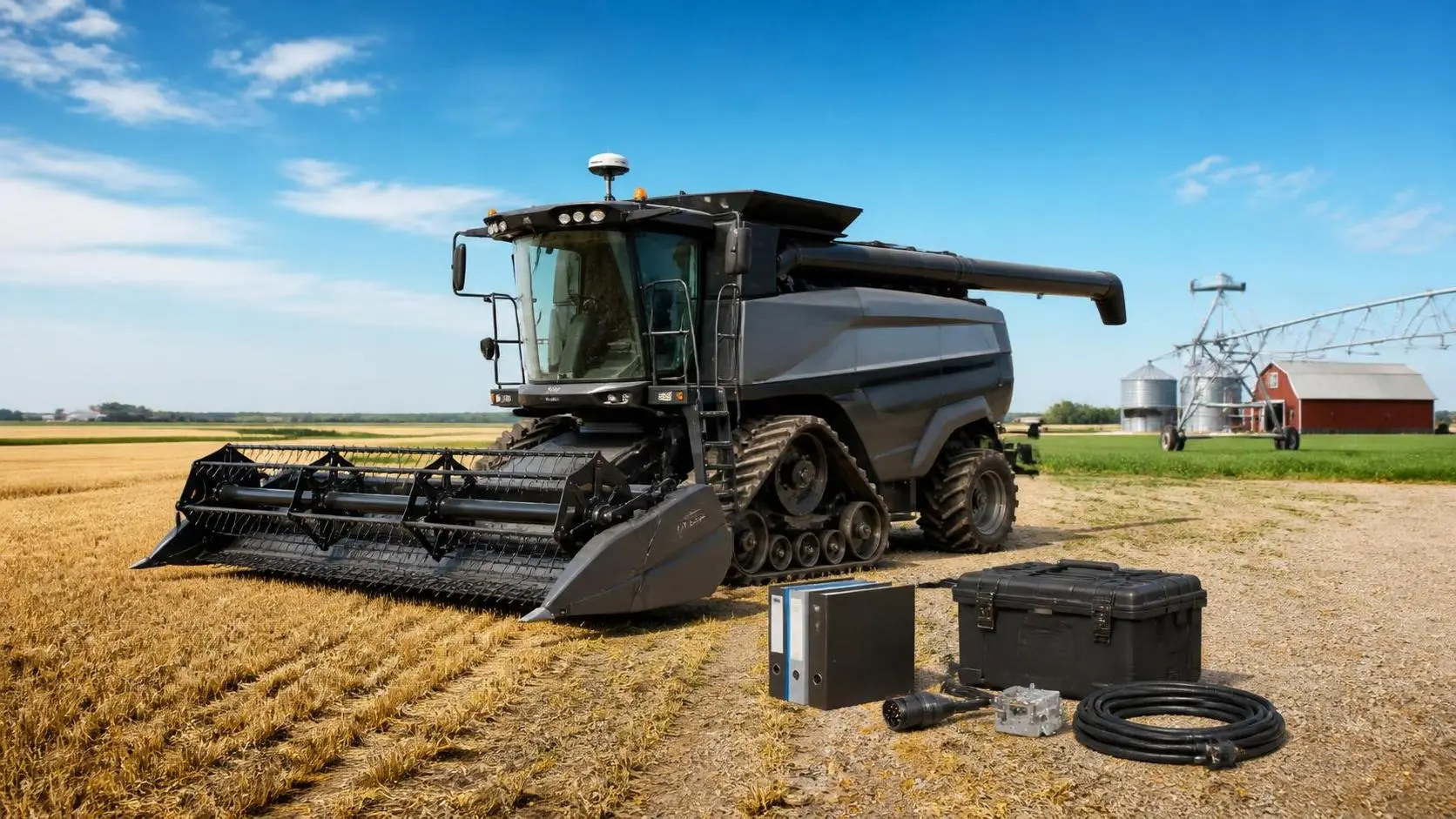
A Procurement Specification Preparation Example for Buying Farm Equipment
Procurement specification preparation example for farm equipment: learn to define requirements, compare suppliers, control lifecycle costs, and buy with confidence.
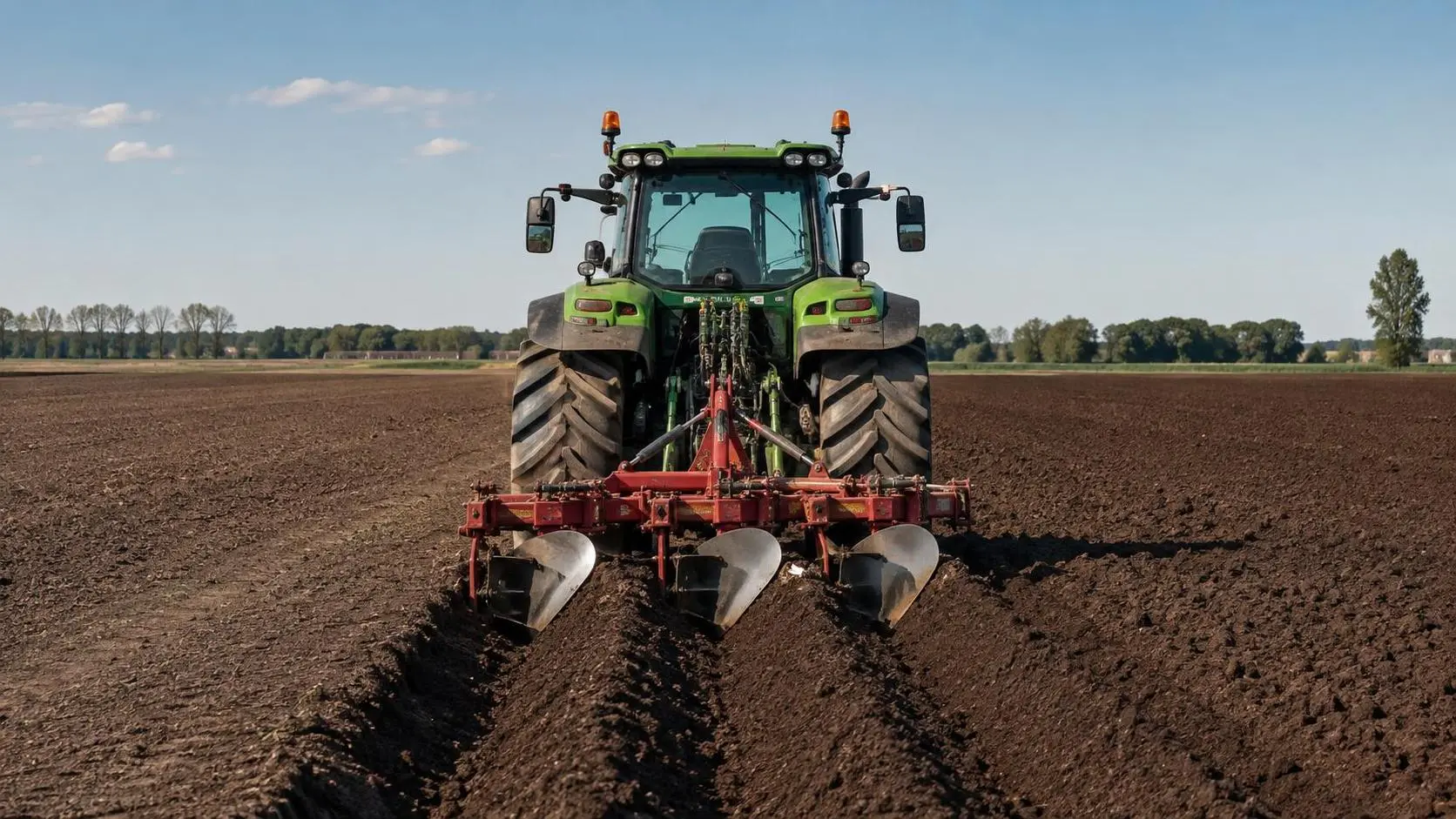
What Tractor Horsepower Is Needed for a Three-Bottom Moldboard Plow?
What tractor horsepower is needed for three-bottom moldboard plow? Compare 60–100 hp needs by soil, depth, traction, and plow width for a confident equipment match.
Related News
- 00
0000-00
Selecting Real-Time Soil Moisture Sensors for Irrigation Zone Control - 00
0000-00
How Does Climate-Smart Farming Reduce Water Use in Semi-Arid Areas? - 00
0000-00
USDA Rule Takes Effect: Dual FCC and NRCS Approval for Soil Moisture Sensors - 00
0000-00
EU Rule Takes Effect: Soil Moisture Sensors Need Revised CE-EMC Certification - 00
0000-00
How to Choose Wireless Smart Irrigation Systems for Better Water Control
Popular Tags
Hydrological Resource Strategist
Weekly Insights
Stay ahead with our curated technology reports delivered every Monday.