
USDA Rule Adds NRCS Certification for Soil Moisture Sensors
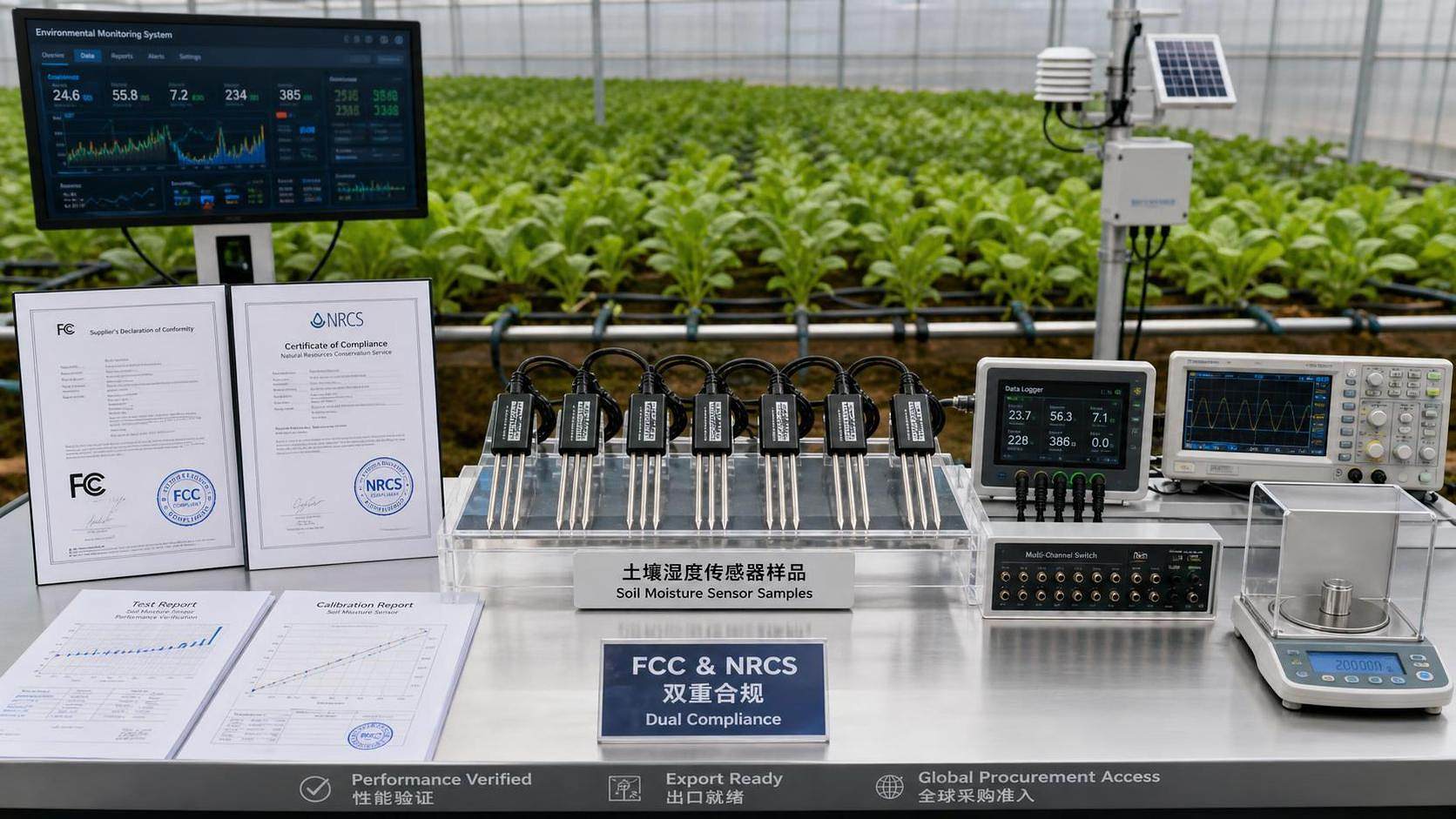




On July 28, 2026, the USDA's Natural Resources Conservation Service (NRCS) urgently updated its Precision Irrigation Equipment Certification Protocol, making dual compliance a new threshold for Soil Moisture Sensors tied to U.S. federal subsidy procurement. In addition to existing FCC electromagnetic compatibility certification, covered products must now also obtain an NRCS 2026.1 performance verification certificate, with immediate effect. This is worth close industry attention because it directly touches export access for Chinese manufacturers and bidding eligibility for channel partners participating in federally supported procurement programs.
A new compliance condition for federally listed products
According to the information provided, the updated requirement applies to all Soil Moisture Sensors seeking inclusion in procurement catalogs associated with U.S. federal subsidy programs. The rule change was issued by NRCS under the USDA on July 28, 2026, through an emergency update to the Precision Irrigation Equipment Certification Protocol.
The confirmed change is specific: FCC certification alone is no longer sufficient for the affected product category. Products must also obtain the NRCS 2026.1 performance verification certificate. The requirement is already mandatory from the date of announcement.
The information provided also indicates that the change affects both export access for Chinese manufacturers selling into the U.S. market and the project bidding qualifications of channel companies involved in relevant procurement activity.
Where the pressure is likely to appear first
Export-facing manufacturers may face an immediate qualification gap
From an industry perspective, the most direct impact is likely to fall on manufacturers that had previously treated FCC compliance as the key certification condition for U.S.-bound Soil Moisture Sensors. The new rule introduces an additional performance-verification step for products targeting federally subsidized procurement channels. What deserves closer attention is whether current product documentation, certification status, and market access claims remain aligned with the new requirement.
Channel partners may need to reassess bidding readiness
For distributors, importers, and project channel companies, the issue is not only whether a product can be shipped, but whether it can still be used in bids tied to the relevant U.S. procurement framework. Analysis shows that bidding eligibility may now depend more explicitly on whether the sensor model carries both FCC compliance and NRCS 2026.1 performance verification for the applicable procurement context.
Procurement and project execution teams may need tighter document control
Buyers and service providers involved in federally supported irrigation projects may be affected at the document review and supplier selection stages. Observably, the rule increases the importance of certification traceability in procurement decisions, especially where catalog inclusion or compliance screening determines whether a product can move forward in a funded project workflow.
What companies should watch now
Track the exact scope of the procurement linkage
Companies should distinguish between general U.S. market activity and participation in procurement tied to federal subsidy programs. The information provided confirms the rule's relevance to products entering that procurement catalog, so the practical question is whether a given sales channel, tender, or customer requirement falls within that scope.
Recheck certification files and product claims
Manufacturers and channel partners should review whether current product files clearly show both FCC status and NRCS 2026.1 performance verification status where required. This is not just a regulatory issue; it also affects how products are represented in bids, quotations, and customer communications.
Prepare for changes in lead time and transaction sequencing
Analysis shows that immediate enforcement can create friction in ongoing business even before the market fully absorbs the rule change. Companies should pay attention to how certification status may affect delivery timing, tender participation, contract discussions, and internal approval steps.
Keep communication with suppliers and customers tightly aligned
For firms operating across manufacturing, export, and channel layers, a practical priority is consistency. Supplier qualification materials, tender documents, and customer-facing compliance statements should be checked against the new rule to reduce the risk of mismatched expectations or late-stage bidding problems.
Why this looks bigger than a routine paperwork update
This section is analysis rather than confirmed fact. It is more appropriate to understand this development as a concrete compliance tightening within a defined procurement pathway, rather than as a general statement about the entire U.S. market for Soil Moisture Sensors. Even so, the immediate enforcement language makes it more than a distant policy signal.
Analysis shows that the rule matters because it links market participation not only to electromagnetic compliance but also to a performance-verification requirement under NRCS 2026.1. For the industry, that shifts part of the competitive and operational focus from shipment readiness alone to procurement-grade qualification readiness.
At the same time, this should still be treated as a dynamic situation requiring continued observation. The information provided confirms the new requirement and its immediate effect, but further interpretation may depend on later official clarifications, implementation practice, and how procurement-side screening is applied in actual projects.
How this news is best understood at this stage
The immediate significance of this update is clear: for Soil Moisture Sensors seeking access to U.S. federal subsidy procurement channels, compliance conditions have become stricter as of July 28, 2026. For Chinese manufacturers and channel partners, the issue is practical and near-term because it relates directly to export eligibility and bidding participation.
That said, the most rational reading at this stage is not to overextend the conclusion beyond the confirmed scope. It is more appropriate to understand the development as an enforceable compliance change with direct commercial implications in a specific procurement environment, and as a signal that certification readiness now deserves closer attention across the relevant supply chain.
Basis of this article and points for further verification
This article is based on the user-provided news title, event date, and event summary. The factual core used here includes the July 28, 2026 timing, the USDA NRCS emergency update to the Precision Irrigation Equipment Certification Protocol, the new requirement for both FCC certification and NRCS 2026.1 performance verification for covered Soil Moisture Sensors, and the stated impact on Chinese manufacturers and channel bidding eligibility.
For this type of industry update, source categories that are commonly relevant include official agency notices, company compliance statements, industry association releases, authoritative media coverage, and standard or protocol documents. No specific official source link was provided in the input, so the exact official publication path still requires ongoing verification. Further attention should focus on any subsequent official wording, implementation clarifications, and procurement-side application details related to this rule change.
Related News

How North American Farms Can Select Crop Monitoring Systems by Acreage and Connectivity
Crop monitoring systems North America: learn how to match acreage, connectivity, sensors, and data workflows for reliable, actionable farm decisions.

Where to Find Reliable Product Information for Comparing Farm Equipment
Product information resources agriculture buyers can trust: compare farm equipment with technical specs, manuals, field data, dealer support, and lifecycle insights.
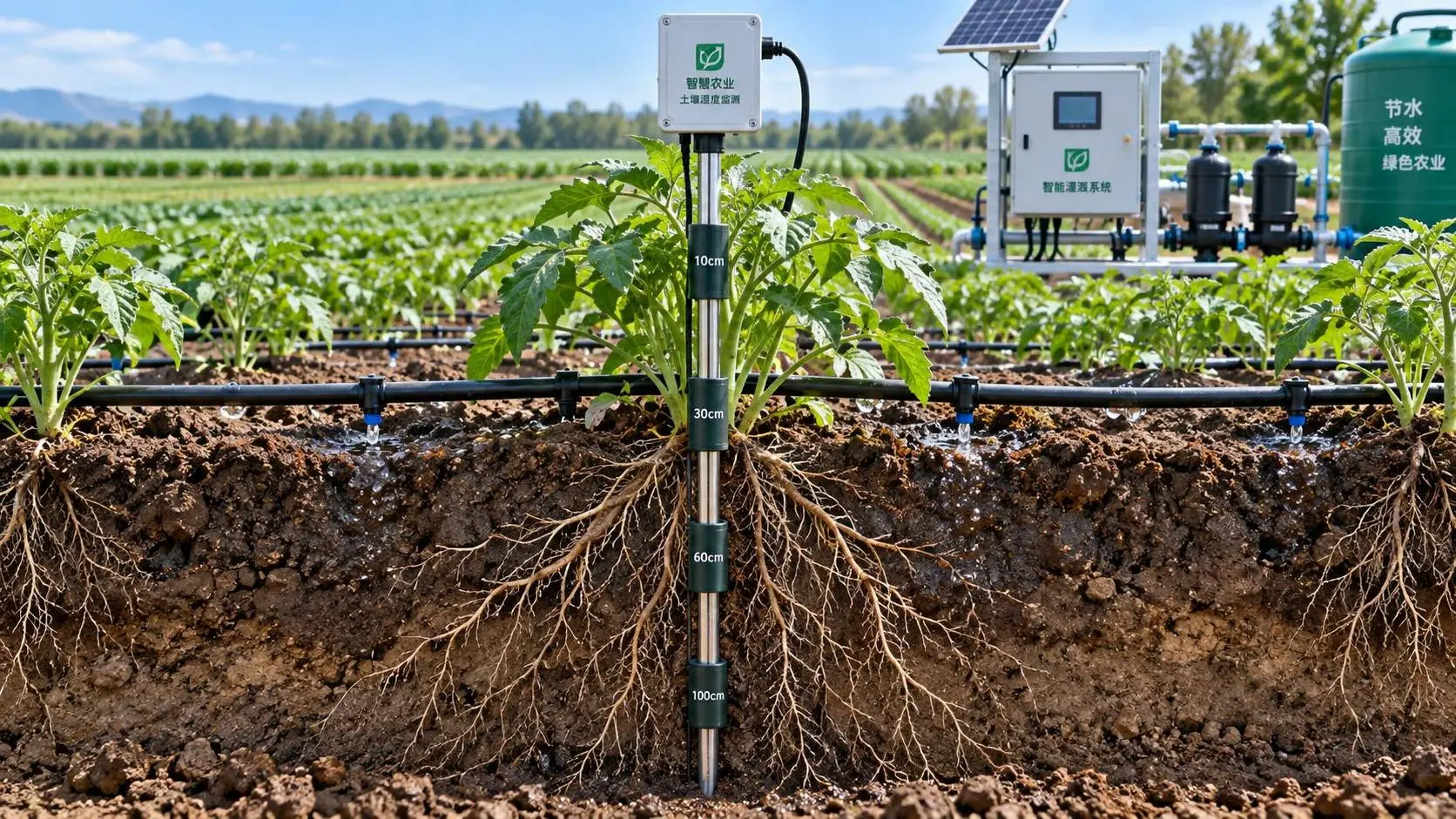
Selecting Real-Time Soil Moisture Sensors for Irrigation Zone Control
Soil moisture sensors real time: learn how to select reliable probes, optimize zone control, improve irrigation decisions, and scale precision water management.
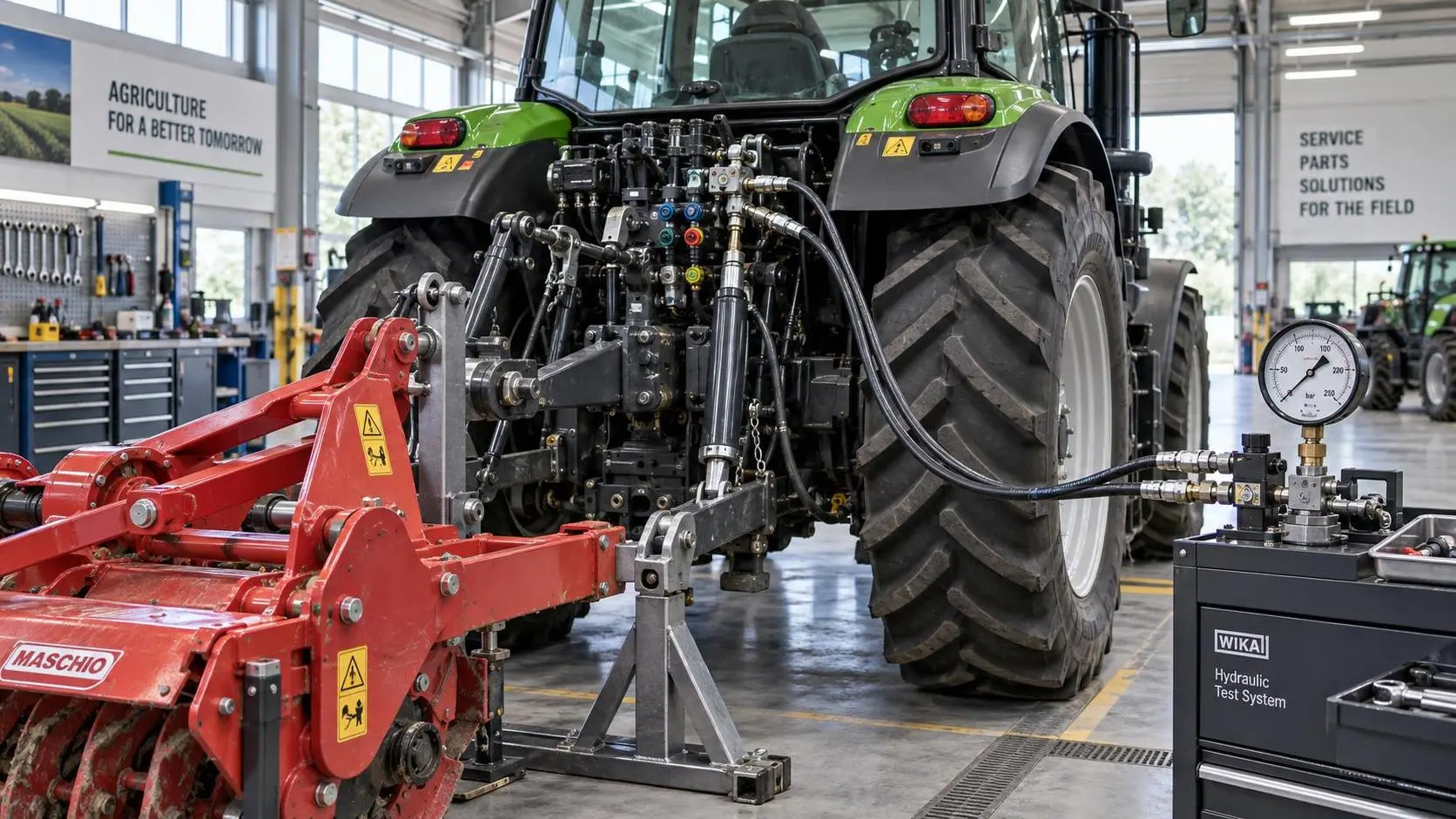
Tractor Hydraulic Systems Troubleshooting: Diagnosing Weak Lift and Slow Implements
Tractor hydraulic systems troubleshooting made practical: diagnose weak lifts and slow implements with proven pressure, flow, valve, and oil-supply checks.
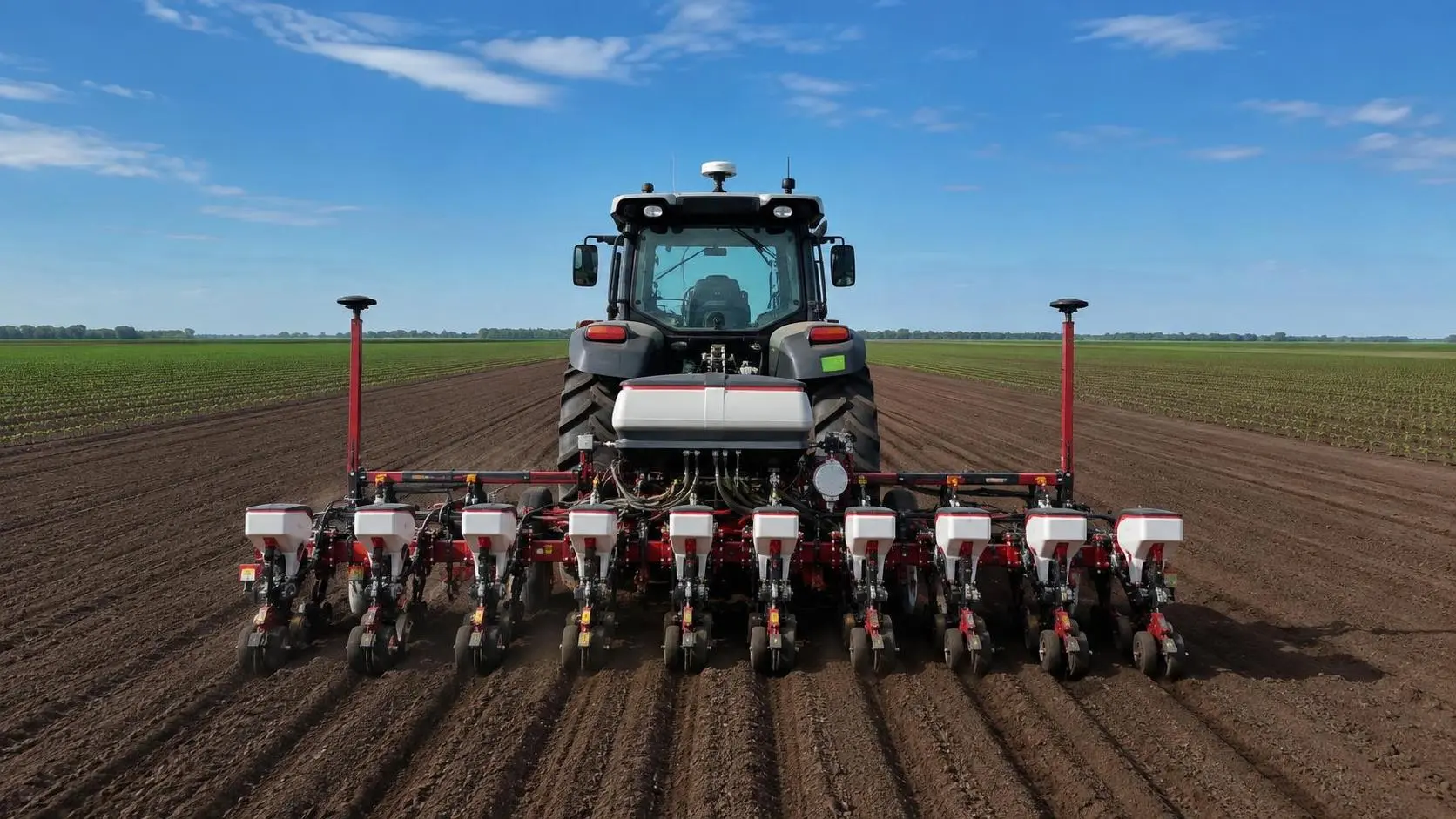
How Tractor Intelligence Systems Improve Field Efficiency and Input Accuracy
Agricultural machinery intelligence for tractors improves field efficiency, input accuracy, data traceability, and implement control. Explore smarter evaluation strategies.
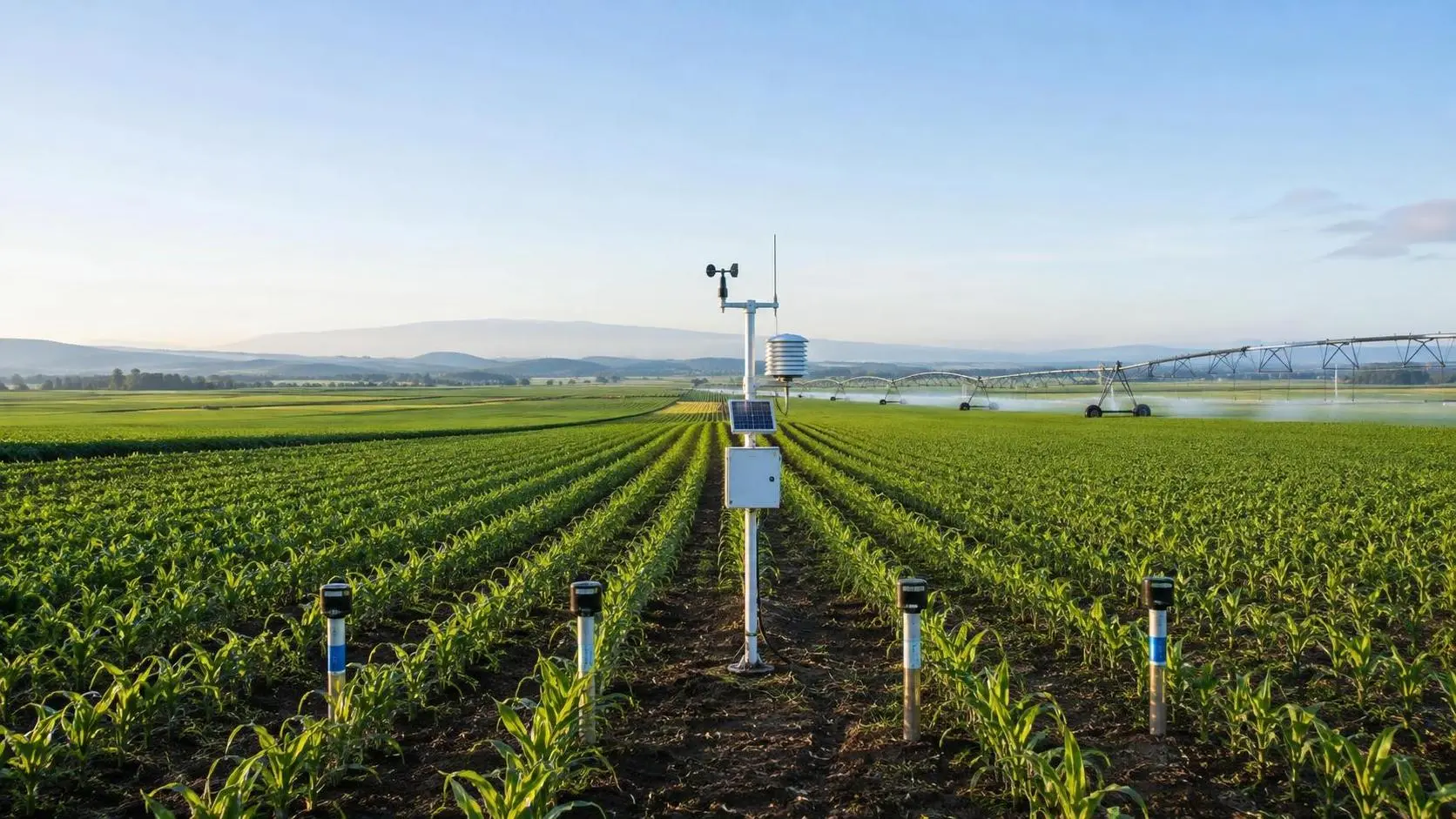
How to Evaluate Crop Monitoring System Manufacturers for Large-Scale Farms
Compare crop monitoring systems manufacturers for large-scale farms. Evaluate data quality, integration, durability, lifecycle costs, support, and pilots for smarter decisions.
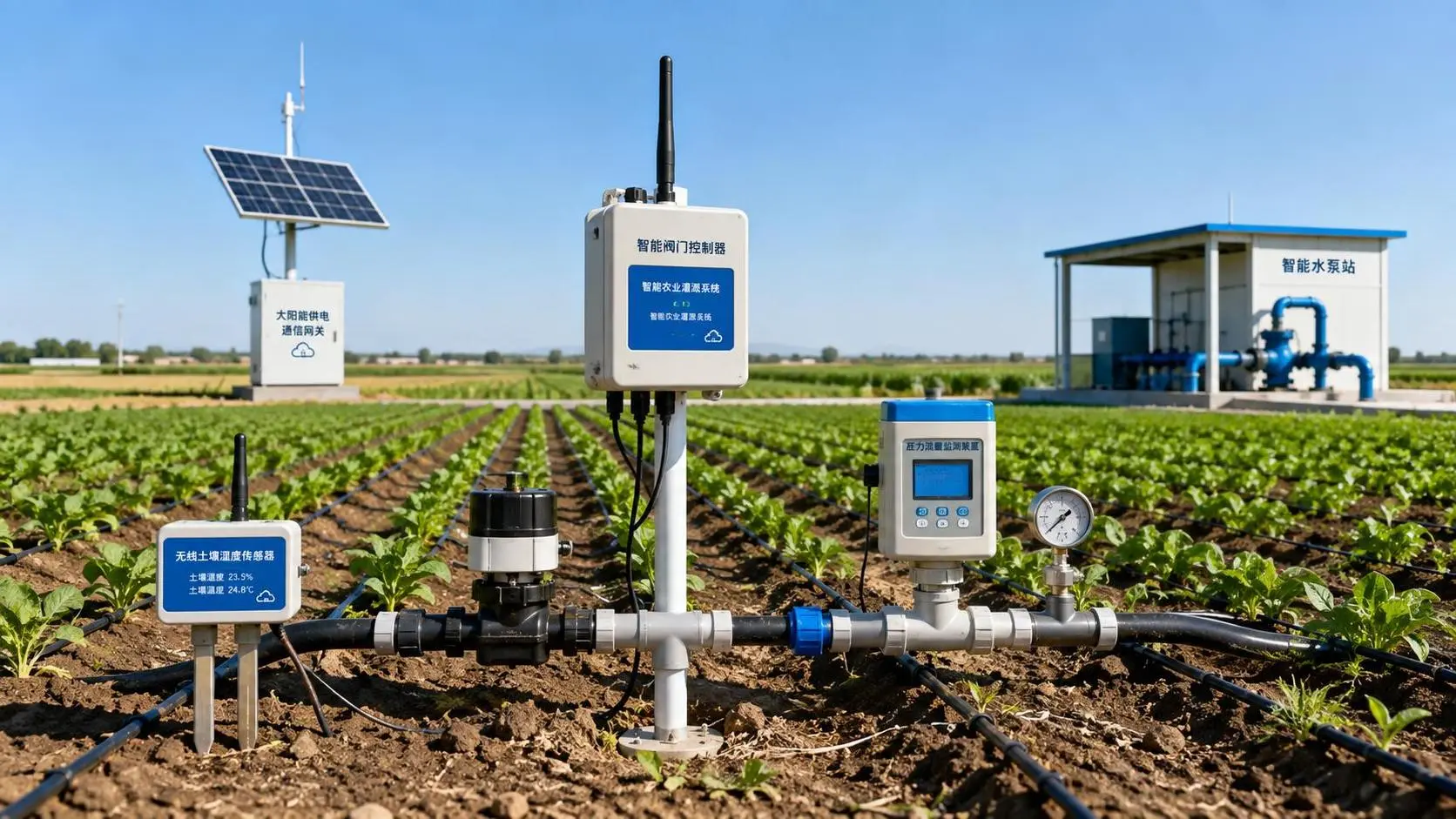
Wireless Agricultural Automation for Remote Irrigation and Field Monitoring
Agricultural automation wireless solutions improve remote irrigation with reliable field data, local control, flow verification, and smarter monitoring. Explore resilient deployment strategies.
Agricultural Product Information Market Guide: Key Data for Sourcing Decisions
Agricultural product information market guide for smarter sourcing—compare machinery, irrigation, precision tools, lifecycle costs, and supplier risk.
Large-Scale Farm Equipment Cost Comparison: Price, Fuel, and Lifecycle Value
Large-scale farm equipment cost comparison: evaluate price, fuel, maintenance, downtime, and lifecycle value to choose tractors, combines, irrigation, and smart tools with confidence.
Related News
- 00
0000-00
Selecting Real-Time Soil Moisture Sensors for Irrigation Zone Control - 00
0000-00
How Does Climate-Smart Farming Reduce Water Use in Semi-Arid Areas? - 00
0000-00
USDA Rule Takes Effect: Dual FCC and NRCS Approval for Soil Moisture Sensors - 00
0000-00
EU Rule Takes Effect: Soil Moisture Sensors Need Revised CE-EMC Certification - 00
0000-00
How to Choose Wireless Smart Irrigation Systems for Better Water Control
Popular Tags
Hydrological Resource Strategist
Weekly Insights
Stay ahead with our curated technology reports delivered every Monday.