
Red Sea Disruption Extends Center Pivot Transit to 42 Days
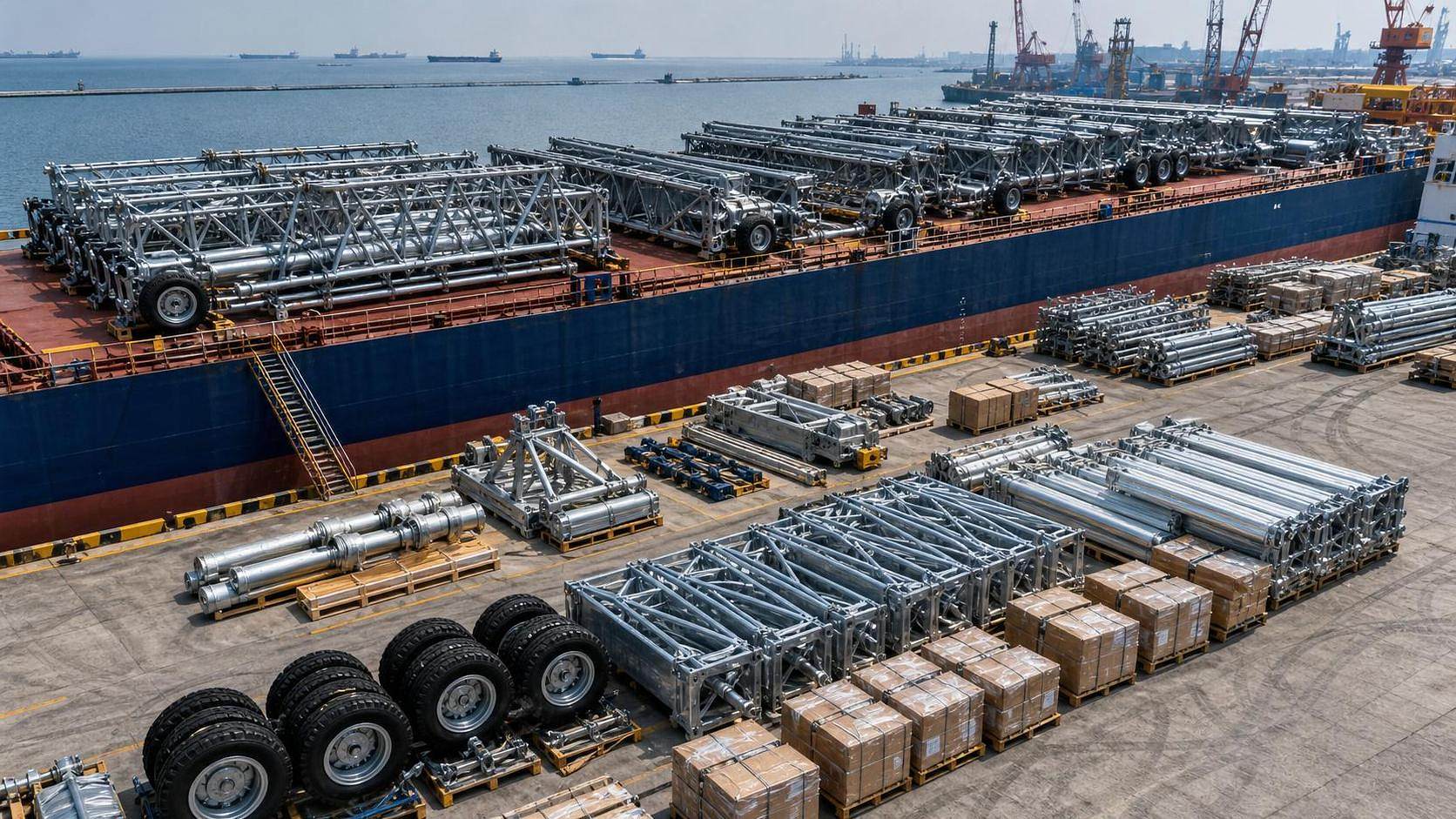




On July 7, 2026, Maersk and MSC jointly indicated that wider attack exposure in the Red Sea had made Cape of Good Hope rerouting a normal condition on Asia-Europe container services. For large Center Pivot Systems, the result is a clear logistics shift: average transit time for complete-unit shipments has stretched from 28 days to 42 days, while slot premiums have reached 32%. This is worth close attention for irrigation equipment manufacturers, project buyers in the Middle East and North Africa, logistics providers, and local assembly partners because the change directly affects Q3 delivery schedules and the way equipment may need to be shipped and deployed.
What the July 7 update confirms
According to the information provided, Maersk and MSC issued a joint announcement on July 7, 2026. The stated reason was an expanded attack radius by Houthi forces, which has made Cape rerouting the regular routing pattern for container vessels on the Asia-Europe trade lane. In this context, average in-transit time for complete large Center Pivot Systems has increased from 28 days to 42 days. At the same time, slot premiums have risen to 32%.
The same information also indicates that this transport change is significantly affecting Q3 irrigation project delivery plans for customers in the Middle East and North Africa. It is also driving stronger demand for modular split shipments and local assembly cooperation.
Where the pressure is likely to appear first
Complete-unit exporters face a timing and cost squeeze
From an industry perspective, companies shipping complete Center Pivot Systems are likely to feel the impact most directly because the reported change affects both transit duration and freight cost. The immediate pressure points are shipment planning, contract delivery timing, and coordination between factory release and vessel allocation. What deserves closer attention is whether complete-machine transport remains commercially workable for time-sensitive Q3 projects under a 42-day average transit window.
Project buyers in MENA must reassess deployment schedules
Analysis shows that buyers and project owners in the Middle East and North Africa may face disruption not only in arrival timing, but also in installation sequencing. Since the provided information explicitly links the shipping change to Q3 irrigation project delivery plans, the key issue for this group is schedule reliability. The main business concern is not simply freight inflation, but whether project milestones tied to seasonal irrigation demand can still be met under longer lead times.
Supply chain service providers will be pulled into restructuring flows
Observably, logistics providers, forwarding partners, and other supply chain service firms may see greater demand for shipment redesign rather than routine booking support. The shift toward modularized transport and local assembly cooperation suggests that customers may increasingly need support in handling split consignments, coordination across multiple delivery stages, and alignment between transport and on-site assembly readiness.
Local assembly partners become more relevant in execution
Analysis shows that the reported rise in demand for modular split shipment and local assembly cooperation changes the role of downstream execution partners. The operational focus moves closer to assembly capability, parts coordination, and delivery synchronization. For firms involved at this stage, the priority is whether they can match longer international transit with dependable local execution once goods arrive.
What companies should watch now
Monitor carrier language and routing conditions closely
Companies exposed to Asia-Europe movements of Center Pivot Systems should pay close attention to subsequent carrier statements and any further clarification around routing conditions. The July 7 announcement establishes the current operating environment described in the input, but the practical issue for businesses is how that environment continues to be communicated and reflected in booking, scheduling, and delivery commitments.
Recheck whether complete-unit shipping still fits the project model
From an industry perspective, the move from 28 to 42 days makes transport configuration a commercial decision, not just a logistics detail. Firms should reassess which orders still justify complete-unit shipment and which may need to move toward modular breakdown. This is particularly relevant where customer timelines are linked to near-term project delivery rather than general inventory replenishment.
Align customer communication with real transit risk
Analysis shows that customer-facing teams need to distinguish between nominal shipping plans and actual delivery risk under rerouted service patterns. In practical terms, contract timing, shipment updates, and implementation discussions should reflect the reported longer transit cycle and added premium pressure, especially for customers in the Middle East and North Africa managing Q3 project windows.
Verify local assembly readiness before changing the shipment model
The input points to rising demand for local assembly cooperation, but changing the transport model introduces its own execution requirements. What deserves closer attention is whether local partners, delivery documents, and installation coordination are ready to support modularized shipment in practice. Without that alignment, a different shipping structure may reduce one bottleneck while creating another.
Why this looks bigger than a temporary freight delay
Observably, this development should not be read only as a short-term rise in transit days for one equipment category. The combination of normalized Cape rerouting, longer transit for complete units, higher slot premiums, and a documented shift toward modular shipment suggests a broader adjustment in how large irrigation equipment may need to reach affected markets. That said, it is more appropriate to understand this as an active industry signal rather than a settled long-term outcome, because the input confirms current transport conditions but does not establish how long they will persist.
Analysis shows that the most important implication is structural at the delivery-model level: when transport time and freight premium both move sharply, the commercial logic of complete-machine export comes under review. This is why the emerging interest in local assembly matters beyond a single quarter's logistics disruption.
How this update should be understood
The immediate significance of this update lies in its direct effect on delivery planning for large Center Pivot Systems serving Middle East and North Africa projects. It points to pressure on shipping schedules, project execution timing, and freight economics at the same time. A neutral reading is that the market is not only dealing with delay, but also testing whether a different fulfillment structure is becoming necessary for some orders.
At this stage, it is more appropriate to understand the news as a strong operational warning and a developing industry signal. The confirmed facts already matter for current project planning, but the broader commercial and structural consequences still require continued observation.
Basis of this article
This article is based on the user-provided news title, event date, and event summary. The factual section is limited to the supplied information concerning the July 7, 2026 joint announcement by Maersk and MSC, the routings via the Cape of Good Hope, the extension of complete-unit Center Pivot Systems transit from 28 to 42 days, the 32% slot premium, the impact on Q3 irrigation project delivery in the Middle East and North Africa, and the rise in demand for modular split shipment and local assembly cooperation.
For this type of industry update, commonly relevant source categories may include official carrier announcements, company statements, industry association information, authoritative trade media reporting, and related operational notices. A specific official source link was not provided in the input, so continued verification is still needed. The main follow-up points to watch are whether carrier wording changes further, whether delivery disruption continues into later project cycles, and whether modular shipping and local assembly become more common in actual business practice.
Related News

How to Compare Agricultural Equipment Platforms for Fleet Management and ROI
Agricultural equipment platform comparison: evaluate fleet data, maintenance, precision workflows, and ROI to choose a system that delivers measurable results.

Drip vs. Micro-Sprinkler Irrigation: Which System Fits Your Orchard?
Irrigation solution comparison for orchards: discover whether drip or micro-sprinklers best match your water, soil, roots, fertigation, and frost needs.
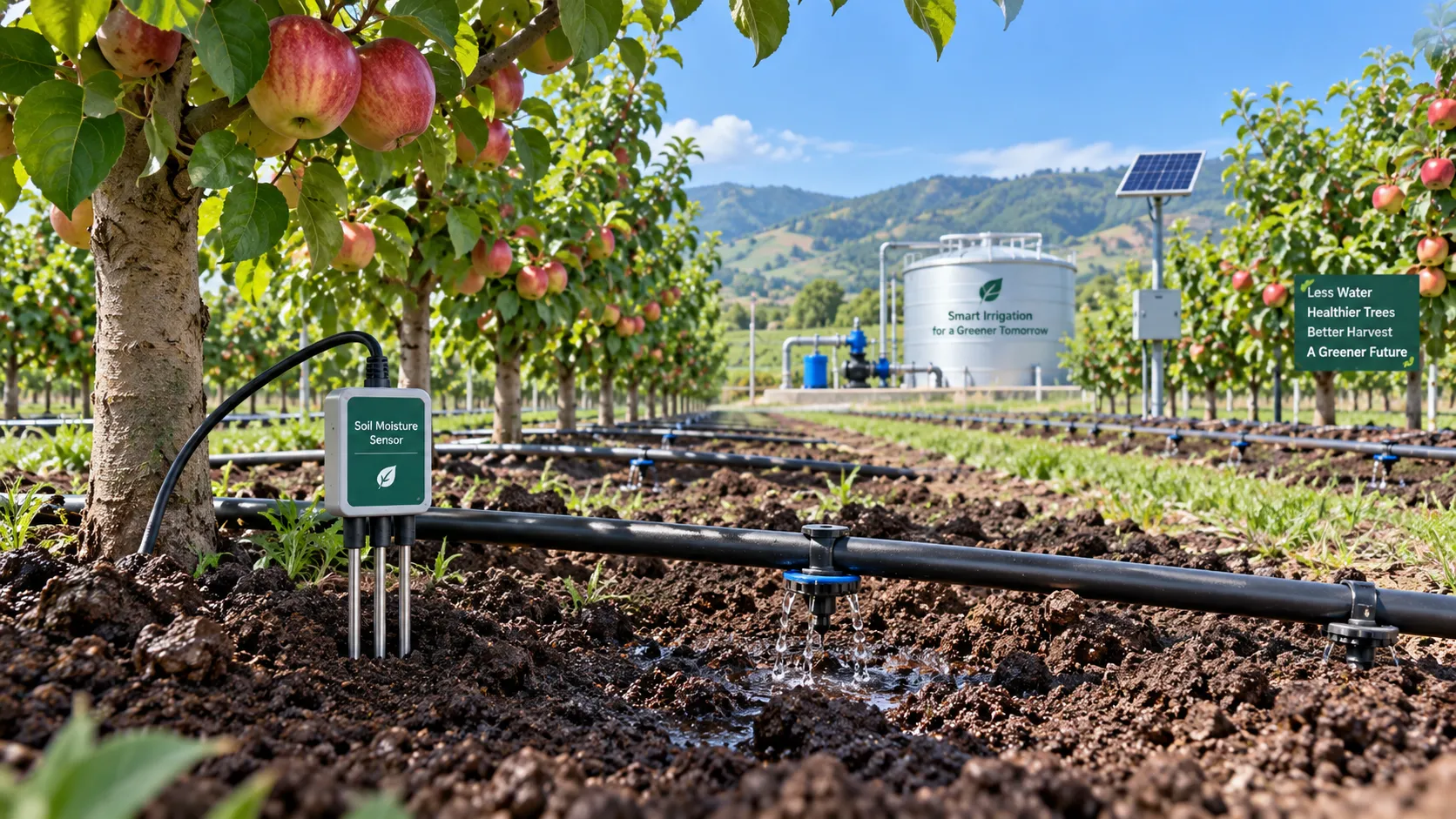
Orchard Water Management: Using Soil Moisture Data to Schedule Irrigation
Agricultural water management for orchards made practical: use soil moisture data to optimize irrigation timing, protect yield, reduce costs, and improve resilience.

Tractor Chassis Price: What Buyers Should Compare Beyond the Initial Quote
Tractor chassis price is only the start. Compare load capacity, compatibility, durability, and lifecycle costs to choose a reliable, high-value chassis.

How to Select Smart Irrigation Valves for Multi-Zone Water Management?
Intelligent irrigation systems valves: learn how to match smart valves with multi-zone flow, pressure, control, feedback, and communication needs for reliable water management.

Climate-Smart Farming for Drought: A Practical Plan for Protecting Yields
Climate-smart farming for drought: build smarter water budgets, protect critical crop stages, improve irrigation uniformity, and safeguard yields with practical field-proven strategies.

How Digital Agriculture Platforms Turn Field Data Into Better Input Decisions
Digital agriculture platforms turn field data into smarter fertilizer, water, seed, and equipment decisions—helping farms cut risk, improve margins, and scale sustainability.

GPS-Guided Farm Machinery: Where It Delivers Measurable Field Efficiency Gains
Agri-mechanization GPS guided systems deliver measurable field efficiency gains through reduced overlap, precise planting, smarter inputs, and reliable farm data.

How Sensor Feedback Enables Accurate Variable-Rate Fertilization in Field Conditions
Precision fertilization systems with sensor feedback improve variable-rate accuracy by verifying flow, managing latency, and ensuring reliable field application.
Related News
- 00
0000-00
India Opens Duty Relief for Center Pivot Imports - 00
0000-00
What to Check Before Working With a Precision Irrigation Systems Factory - 00
0000-00
Red Sea Shock Tightens CPS Capacity, Rates Jump 37% - 00
0000-00
Red Sea Escalation Tightens Center Pivot Shipping - 00
0000-00
Red Sea Disruption Extends Center Pivot Transit to 42 Days
Popular Tags
Hydrological Resource Strategist
Weekly Insights
Stay ahead with our curated technology reports delivered every Monday.