
Red Sea Disruption Drives 210% Rate Jump on Asia-Europe CPS Route
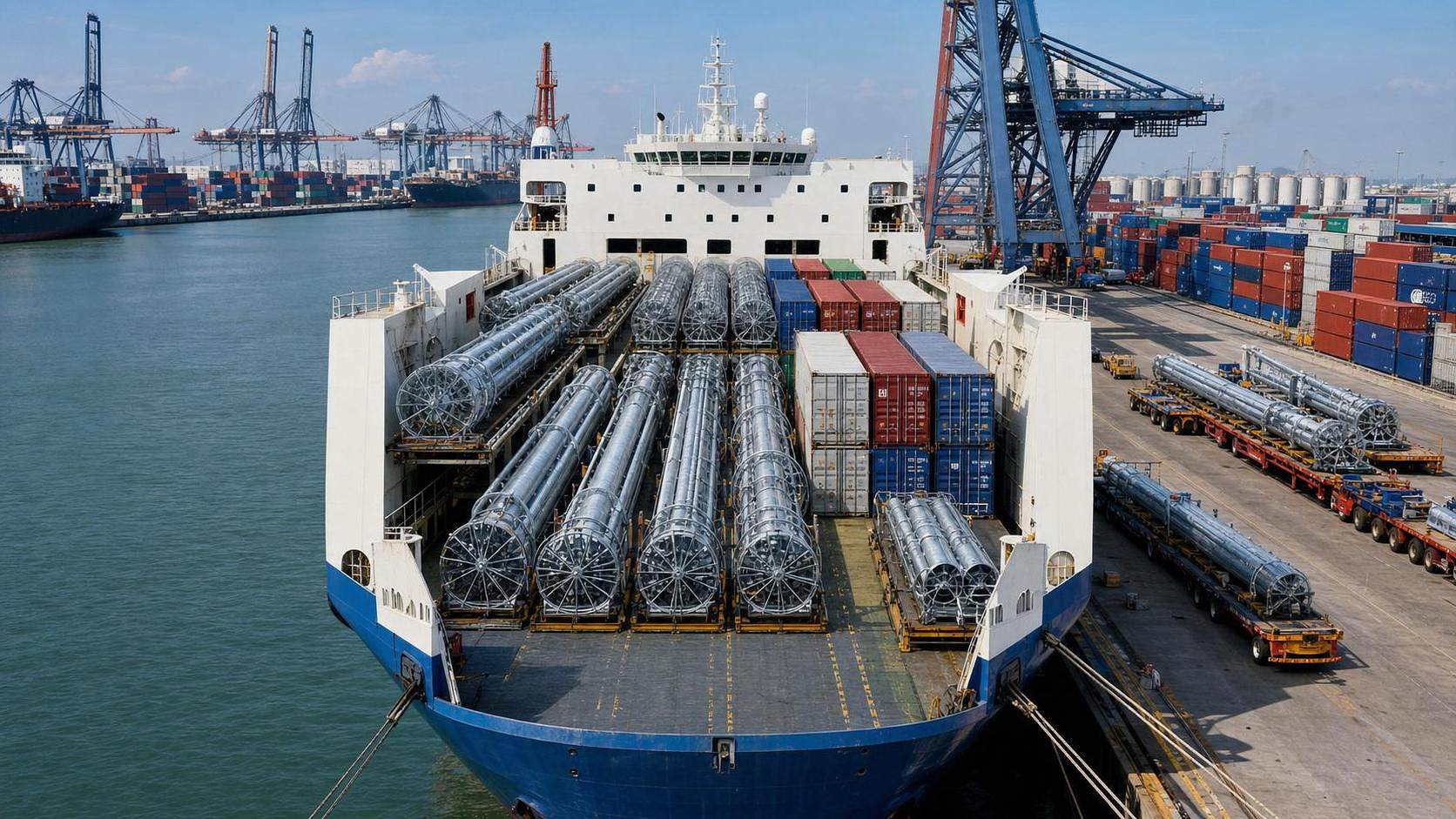




On June 28, 2026, a new attack in the Mandeb Strait pushed the Red Sea disruption into a more operational phase for Center Pivot Systems shipments on the Asia-Europe route. According to a joint notice from Maersk and Hapag-Lloyd, dedicated ro-ro capacity for these cargoes has tightened, while Rotterdam will introduce a mandatory 48-hour cargo handling window from June 30. For irrigation equipment exporters, European importers, logistics providers, and port-side operations teams, the issue is no longer only freight inflation but also whether delivery, pickup, and equipment return can be completed within a much narrower execution window.
What Has Been Confirmed So Far
The confirmed facts are limited but commercially significant. The event date is June 28, 2026. A joint announcement from Maersk and Hapag-Lloyd states that after a new attack in the Mandeb Strait on that date, dedicated ro-ro vessel space for Center Pivot Systems on the main Asia-Europe route became tight. Separately, Rotterdam will enforce a mandatory 48-hour cargo allocation window starting June 30. If container pickup or return is not completed within that period, automatic demurrage and secondary rescheduling charges will be triggered. In parallel, major Chinese irrigation equipment exporters have reported that delivery lead times have generally extended to 12 to 16 weeks.
Where the Pressure Is Likely to Land First
Exporters of irrigation equipment face a timing problem, not just a freight problem
From an industry perspective, exporters are likely to feel the impact across booking, production coordination, and delivery commitment management. Tight vessel space raises the risk that completed goods cannot move on the originally planned schedule, while longer lead times make order confirmation and customer promise dates harder to manage. What deserves closer attention is whether shipment planning, document readiness, and port handover can match the stricter timing requirements now in force.
European importers and distributors may see execution risk at the port level
For buyers and channel operators on the European side, the shorter Rotterdam handling window creates a more compressed operating rhythm. The immediate issue is not only arrival timing but whether inland pickup, unloading arrangements, and equipment return can be organized within 48 hours. Observably, any mismatch between vessel arrival, ground transport availability, and warehouse readiness could turn into direct extra cost through demurrage and secondary scheduling fees.
Logistics service providers will be judged on coordination speed
Supply chain service providers, including freight forwarders and port-side operators, are likely to face higher pressure in execution accuracy. Their role becomes more sensitive because vessel space scarcity and stricter port timing reduce room for delay. The practical focus is on booking confirmation, handoff sequencing, pickup and return discipline, and rapid communication when schedules shift. In this situation, service quality is likely to be measured less by nominal transit planning and more by real-time operational control.
What Companies Should Watch Now
Track any further changes in carrier and port wording
Analysis shows that the wording of carrier notices and port-side operating rules matters directly to cost exposure. Companies involved in Center Pivot Systems shipments should closely monitor whether the 48-hour requirement remains unchanged, whether exceptions are clarified, and whether vessel space allocation language becomes tighter or more specific in later updates.
Re-check delivery promises against the reported 12-16 week extension
Where customer contracts, purchase orders, or shipment commitments were built around earlier assumptions, the reported extension in lead times needs to be reflected in communication and scheduling review. This is especially relevant for exporters and buyers managing time-sensitive installation or seasonal delivery windows, even though the current information only confirms the general extension and does not define outcomes by customer or project.
Prepare documentation and handover steps earlier than usual
What deserves closer attention is the gap between a published operational rule and a company’s ability to execute against it. A 48-hour mandatory handling window leaves little room for incomplete documents, delayed release instructions, or unclear pickup responsibility. Businesses should therefore review internal handoff timing for booking files, release notices, pickup arrangements, and return scheduling.
Separate confirmed rules from assumptions in customer communication
Analysis shows that commercial friction often increases when market participants blur confirmed facts and expected developments. At this stage, companies should distinguish between what has been formally stated, such as tighter ro-ro space and Rotterdam’s 48-hour rule, and what remains under observation, such as the duration and full downstream effect of these changes.
Why This Matters Beyond a Single Freight Spike
Observably, this development signals that Red Sea-related disruption is affecting not only route security and spot rates but also the operating tempo of specialized cargo flows tied to Center Pivot Systems. It is more appropriate to understand this as a near-term logistics shock with broader implications for execution discipline, rather than as a fully settled long-term market reset. The facts already point to tighter space, higher cost risk, and longer lead times, but the duration and scale of the disruption still require continued observation.
How This Update Should Be Read
In practical terms, this news matters because it combines three pressures at once: a 210% jump in spot freight rates on the relevant Asia-Europe route, tighter dedicated vessel space, and a shorter Rotterdam port handling window backed by automatic charges. From an industry perspective, the current signal is strong enough to affect planning and customer communication immediately, but it is still better understood as an active operational development that needs close tracking rather than a final conclusion about long-term trade patterns.
Basis of This Article
This article is based on the user-provided news title, event date, and event summary. The confirmed information used here comes from the supplied reference to a joint Maersk and Hapag-Lloyd announcement, together with the reported response from major Chinese irrigation equipment exporters. For this type of development, source categories typically worth monitoring include official carrier notices, company announcements, industry association updates, authoritative media reporting, and port or logistics operating documents. A specific official source link was not provided in the input, so continued verification remains necessary. The main points to watch next are whether carrier or port requirements change further, whether lead times move again, and how long the tighter operating window remains in force.
Related News

How Sensor Feedback Enables Accurate Variable-Rate Fertilization in Field Conditions
Precision fertilization systems with sensor feedback improve variable-rate accuracy by verifying flow, managing latency, and ensuring reliable field application.

How to Select Precision Crop Protection Equipment for Variable Field Conditions
Precision crop protection equipment selection made simple: compare terrain, canopy, weather, control accuracy, and data workflows for reliable applications.

When Does Agricultural Machinery Leasing Cost Less Than Owning Equipment?
Agricultural machinery leasing can lower farm costs when use is seasonal or uncertain. Compare utilization, maintenance, cash flow, and risk to make a smarter equipment decision.

How to Evaluate Precision Fertilization System Suppliers for Farm-Scale Deployment
Precision fertilization systems suppliers: learn how to compare accuracy, integration, uptime, service, and total cost for confident farm-scale deployment.

ISOBUS for Smart Agriculture: How It Connects Tractors, Implements, and Farm Data
ISOBUS for smart agriculture connects tractors, implements, terminals, and farm data—helping growers improve precision, documentation, and smarter field decisions.

Automated Water-Saving Irrigation: How to Cut Water Use Without Reducing Crop Yields
Automated water-saving irrigation helps farms cut water use, protect crop yields, improve scheduling, and gain reliable control with sensors, flow monitoring, and smart zones.

Selecting Grain Farm Equipment by Acreage, Crop Mix, and Harvest Window
Agricultural equipment selection for grain farming: match machinery to acreage, crop mix, and harvest windows to improve uptime, efficiency, and returns.

Poultry Equipment Selection: Evaluating Durability, Cleaning, and Compatibility
Poultry equipments selection guide: evaluate durability, cleaning access, and system compatibility to improve hygiene, reduce downtime, and support efficient flock management.

How to Select Heavy-Duty Farm Implements for High-Acreage, High-Horsepower Operations
Heavy duty farm implements: learn how to match draft, hydraulics, hitch capacity, frame strength, and field conditions for reliable high-acreage performance.
Related News
- 00
0000-00
India Opens Duty Relief for Center Pivot Imports - 00
0000-00
What to Check Before Working With a Precision Irrigation Systems Factory - 00
0000-00
Red Sea Shock Tightens CPS Capacity, Rates Jump 37% - 00
0000-00
Red Sea Escalation Tightens Center Pivot Shipping - 00
0000-00
Red Sea Disruption Extends Center Pivot Transit to 42 Days
Popular Tags
Hydrological Resource Strategist
Weekly Insights
Stay ahead with our curated technology reports delivered every Monday.