
Red Sea Disruption Extends Center Pivot Shipping to 14 Weeks
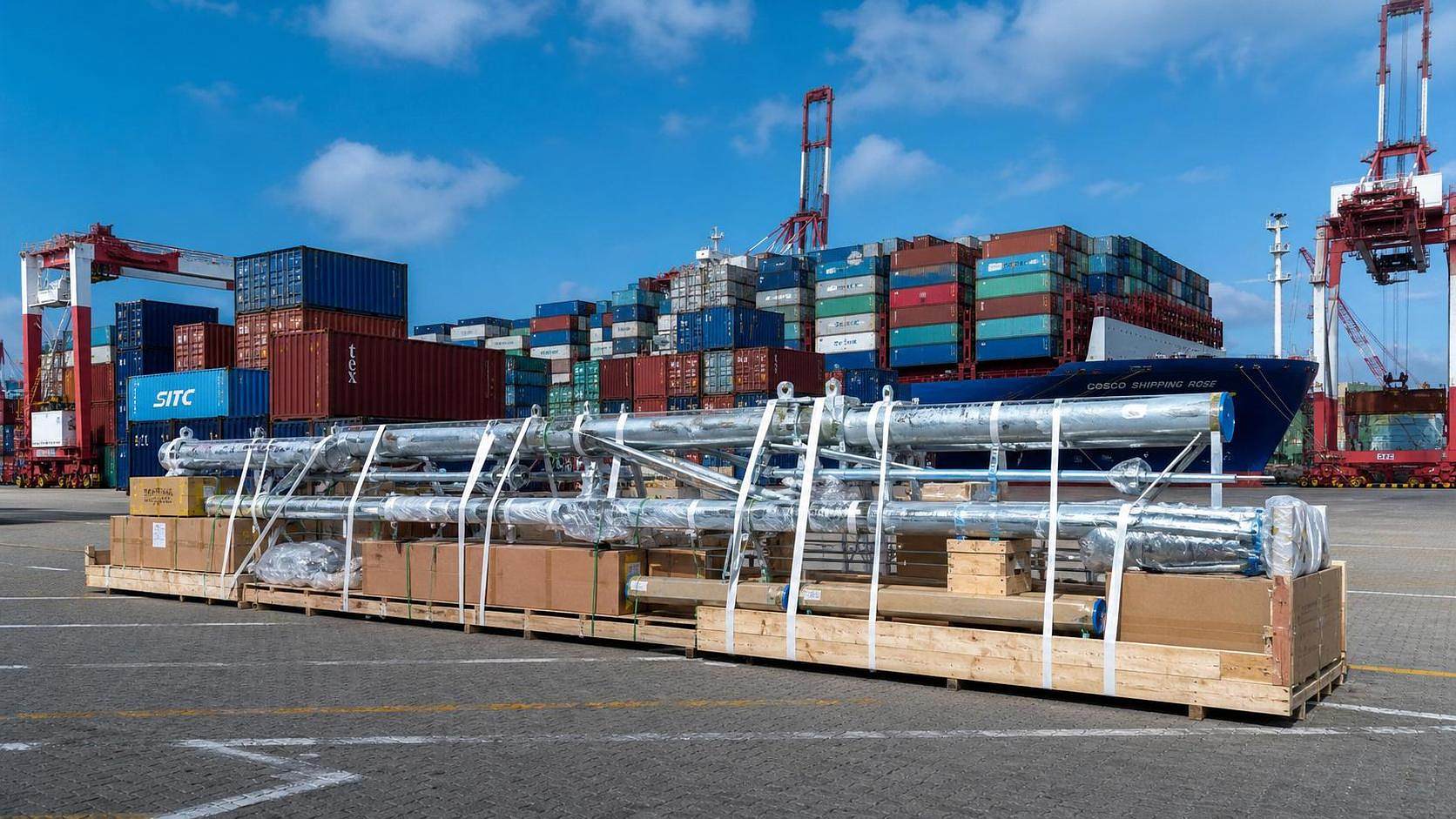




On June 28, 2026, the Red Sea shipping disruption escalated again for Center Pivot Systems exports moving from Shanghai to Rotterdam and Jebel Ali. Following carriers’ suspension of direct Red Sea sailings and the shift to Cape of Good Hope routing, average transit time has stretched from 6 weeks to 14 weeks, while July slot bookings at Shanghai Port have reached 98%. For irrigation project contractors, exporters, procurement teams, and supply chain service providers, this is worth close attention because the issue is no longer limited to freight cost or route uncertainty; it is now directly affecting delivery windows, booking access, and inventory positioning.
What has been confirmed as of June 28
According to the information provided, continued attacks on the Gulf of Aden route by Houthi forces led major carriers including Maersk and CMA CGM to announce on June 28 that they would suspend direct Red Sea services. As a result, Center Pivot Systems’ main export lanes from Shanghai to Rotterdam and Jebel Ali have fully shifted to a Cape of Good Hope detour. The average ocean shipping cycle has therefore lengthened from 6 weeks to 14 weeks. At the same time, Shanghai Port’s July booking rate for immediate space has already reached 98%. The same information also shows that large irrigation engineering contractors in multiple countries are urgently turning to Southeast Asian transit warehouses to prepare stock.
Where the pressure is showing across the chain
Export delivery schedules are becoming harder to hold
From an industry perspective, direct exporters of Center Pivot Systems may be affected first through longer shipment lead times and tighter booking availability. The most immediate pressure point is contract delivery planning, especially where project schedules depend on equipment arriving within a narrow installation window. What deserves closer attention is whether current order promises, shipment dates, and customer communication still reflect the new 14-week transit reality.
Project procurement teams face timing risk rather than a simple logistics delay
For buyers and irrigation project contractors, the disruption may affect procurement sequencing, warehouse preparation, and on-site installation planning. The confirmed move toward Southeast Asian transit warehouse stocking suggests that some market participants are already trying to reduce exposure to direct route delays. Observably, procurement teams need to watch whether supply timing assumptions built around a 6-week cycle are still embedded in current project execution plans.
Supply chain service providers may see booking and routing decisions move to the center
Freight forwarders, booking agents, and other logistics service providers may be affected through space allocation pressure and route coordination complexity. With Shanghai Port’s July immediate booking rate at 98%, access to vessel space itself becomes a practical constraint. What deserves closer attention is not only transit duration, but also how early bookings need to be locked and how routing changes are communicated to cargo owners.
What companies should monitor now
Watch carrier notices and route language closely
Analysis shows that the key operational trigger in this case is the suspension of direct Red Sea sailings by major carriers. Companies with affected shipments should therefore track carrier statements, route descriptions, and any subsequent service adjustments, because these details shape actual delivery planning more directly than broad market commentary.
Recheck lead times in contracts and order confirmations
Where shipments were planned on a 6-week ocean cycle, companies should review whether sales contracts, procurement commitments, and internal fulfillment schedules still align with the newly stated 14-week average. This is particularly relevant for businesses serving project-based demand, where a shipping delay can cascade into installation and acceptance timing.
Assess whether transit warehouse preparation is becoming necessary
The confirmed shift by large irrigation engineering contractors toward Southeast Asian transit warehouse stocking is a practical signal worth monitoring. Analysis shows that companies exposed to the same lanes should examine whether buffer inventory, regional staging, or revised replenishment flows are becoming necessary operational tools rather than optional contingency measures.
Prepare for tighter customer and supplier communication cycles
With space at Shanghai Port reported as nearly fully booked for July, communication discipline becomes more important. Exporters, buyers, and service providers should pay close attention to booking timing, shipment milestones, and revised delivery expectations, especially where multiple parties depend on the same cargo timeline.
Why this looks bigger than a short-lived scheduling issue
Observably, this development should not be read only as a temporary freight disruption affecting one shipment window. The combination of suspended Red Sea direct services, a full rerouting of main export lanes, a transit extension from 6 to 14 weeks, and near-saturated July bookings at Shanghai Port points to a broader operational strain on how Center Pivot Systems cargo is planned and delivered. At the same time, it is still more appropriate to understand this as an evolving industry dynamic rather than a settled long-term outcome, because the provided information confirms disruption severity but does not establish how long the current routing pattern will remain in place.
How this news is best understood for now
For the industry, the clearest meaning of this update is that Red Sea risk has moved from a background logistics concern into a direct delivery management issue for Center Pivot Systems moving on Asia-Europe and Asia-Middle East lanes. The immediate significance lies in longer transit, scarce space, and the need for earlier planning. A neutral reading is that this is currently best understood as a serious short-term operational shock with possible wider implications, and one that still requires continued observation before stronger long-term conclusions are drawn.
About the basis for this article
This article is based on the user-provided news title, event date, and event summary. For this type of industry update, commonly relevant source categories may include official carrier notices, company announcements, industry association updates, and reporting from authoritative business or trade media. No specific official source link was provided in the input, so the underlying details still require ongoing verification. Follow-up attention should remain on carrier service updates, route arrangements, port booking conditions, and whether the current transit extension continues or changes.
Related News

How to Select Precision Crop Protection Equipment for Variable Field Conditions
Precision crop protection equipment selection made simple: compare terrain, canopy, weather, control accuracy, and data workflows for reliable applications.

When Does Agricultural Machinery Leasing Cost Less Than Owning Equipment?
Agricultural machinery leasing can lower farm costs when use is seasonal or uncertain. Compare utilization, maintenance, cash flow, and risk to make a smarter equipment decision.

How to Evaluate Precision Fertilization System Suppliers for Farm-Scale Deployment
Precision fertilization systems suppliers: learn how to compare accuracy, integration, uptime, service, and total cost for confident farm-scale deployment.

ISOBUS for Smart Agriculture: How It Connects Tractors, Implements, and Farm Data
ISOBUS for smart agriculture connects tractors, implements, terminals, and farm data—helping growers improve precision, documentation, and smarter field decisions.

Automated Water-Saving Irrigation: How to Cut Water Use Without Reducing Crop Yields
Automated water-saving irrigation helps farms cut water use, protect crop yields, improve scheduling, and gain reliable control with sensors, flow monitoring, and smart zones.

Selecting Grain Farm Equipment by Acreage, Crop Mix, and Harvest Window
Agricultural equipment selection for grain farming: match machinery to acreage, crop mix, and harvest windows to improve uptime, efficiency, and returns.
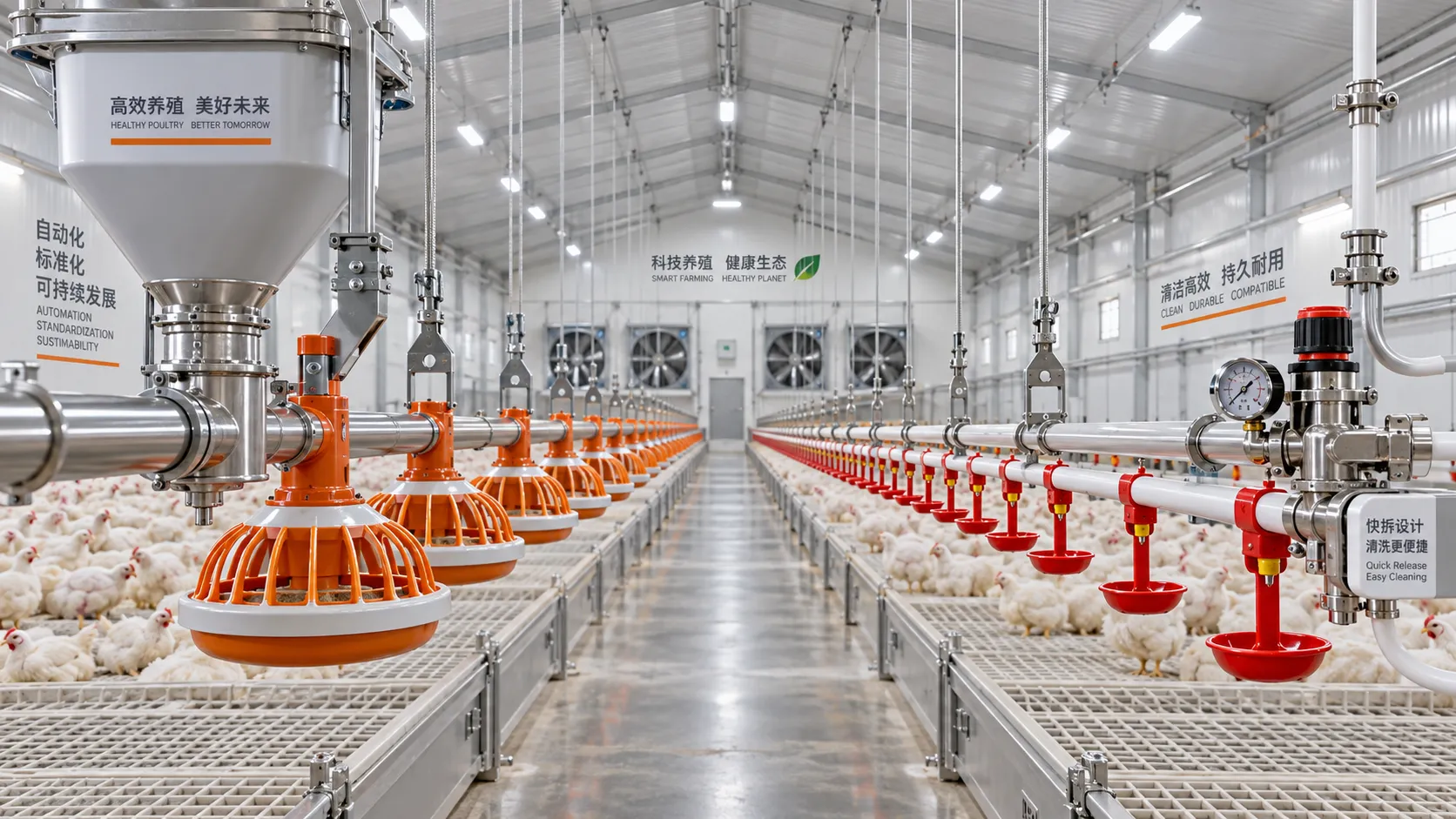
Poultry Equipment Selection: Evaluating Durability, Cleaning, and Compatibility
Poultry equipments selection guide: evaluate durability, cleaning access, and system compatibility to improve hygiene, reduce downtime, and support efficient flock management.

How to Select Heavy-Duty Farm Implements for High-Acreage, High-Horsepower Operations
Heavy duty farm implements: learn how to match draft, hydraulics, hitch capacity, frame strength, and field conditions for reliable high-acreage performance.
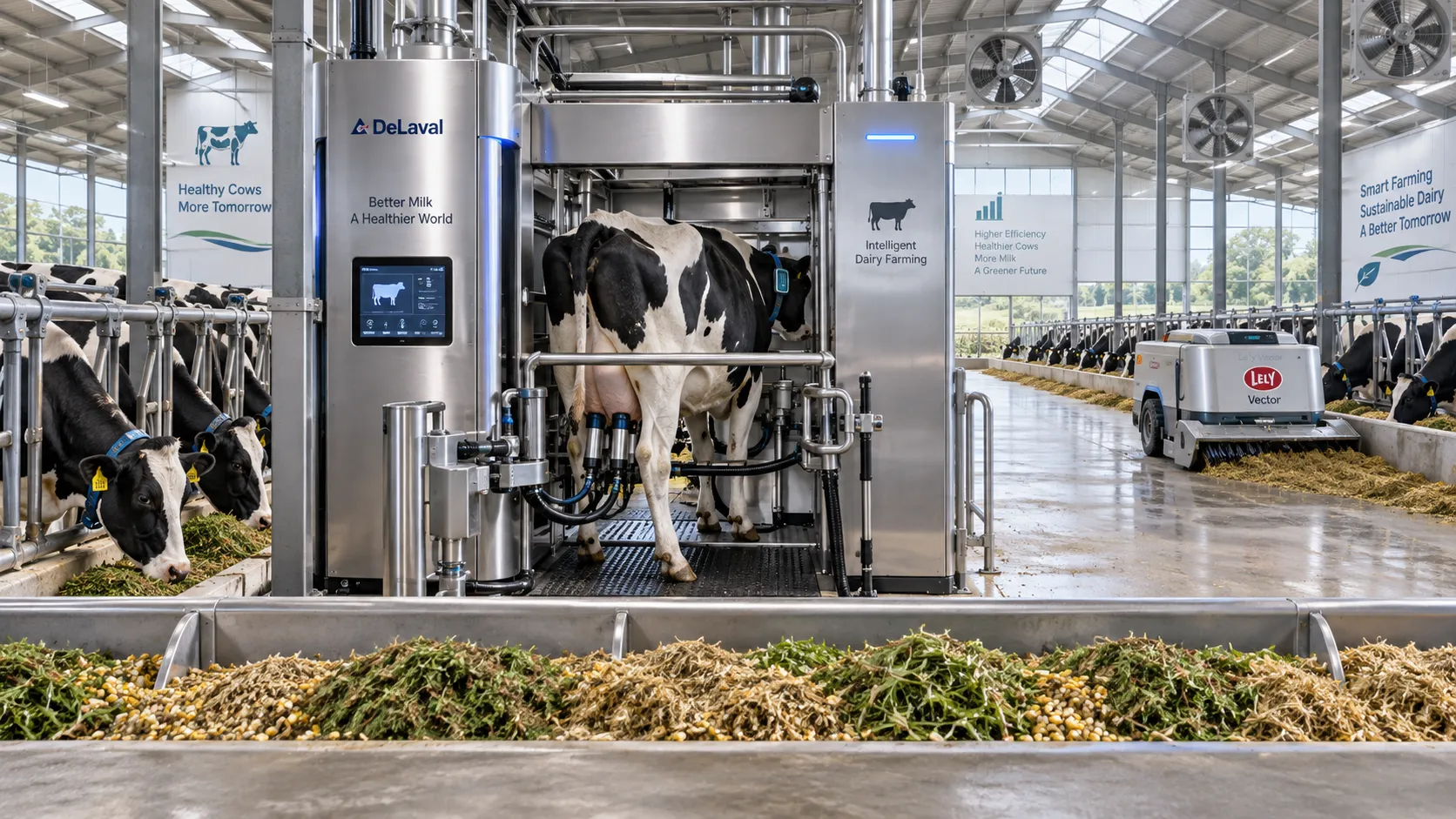
Smart Farming Technology for Dairy Farms: Where Automation Delivers Measurable ROI
Smart farming technology for dairy farms delivers measurable ROI through automation, precision feeding, health monitoring, and data-driven cost control.
Related News
- 00
0000-00
India Opens Duty Relief for Center Pivot Imports - 00
0000-00
What to Check Before Working With a Precision Irrigation Systems Factory - 00
0000-00
Red Sea Shock Tightens CPS Capacity, Rates Jump 37% - 00
0000-00
Red Sea Escalation Tightens Center Pivot Shipping - 00
0000-00
Red Sea Disruption Extends Center Pivot Transit to 42 Days
Popular Tags
Hydrological Resource Strategist
Weekly Insights
Stay ahead with our curated technology reports delivered every Monday.