
Red Sea Escalation Tightens Center Pivot Shipping
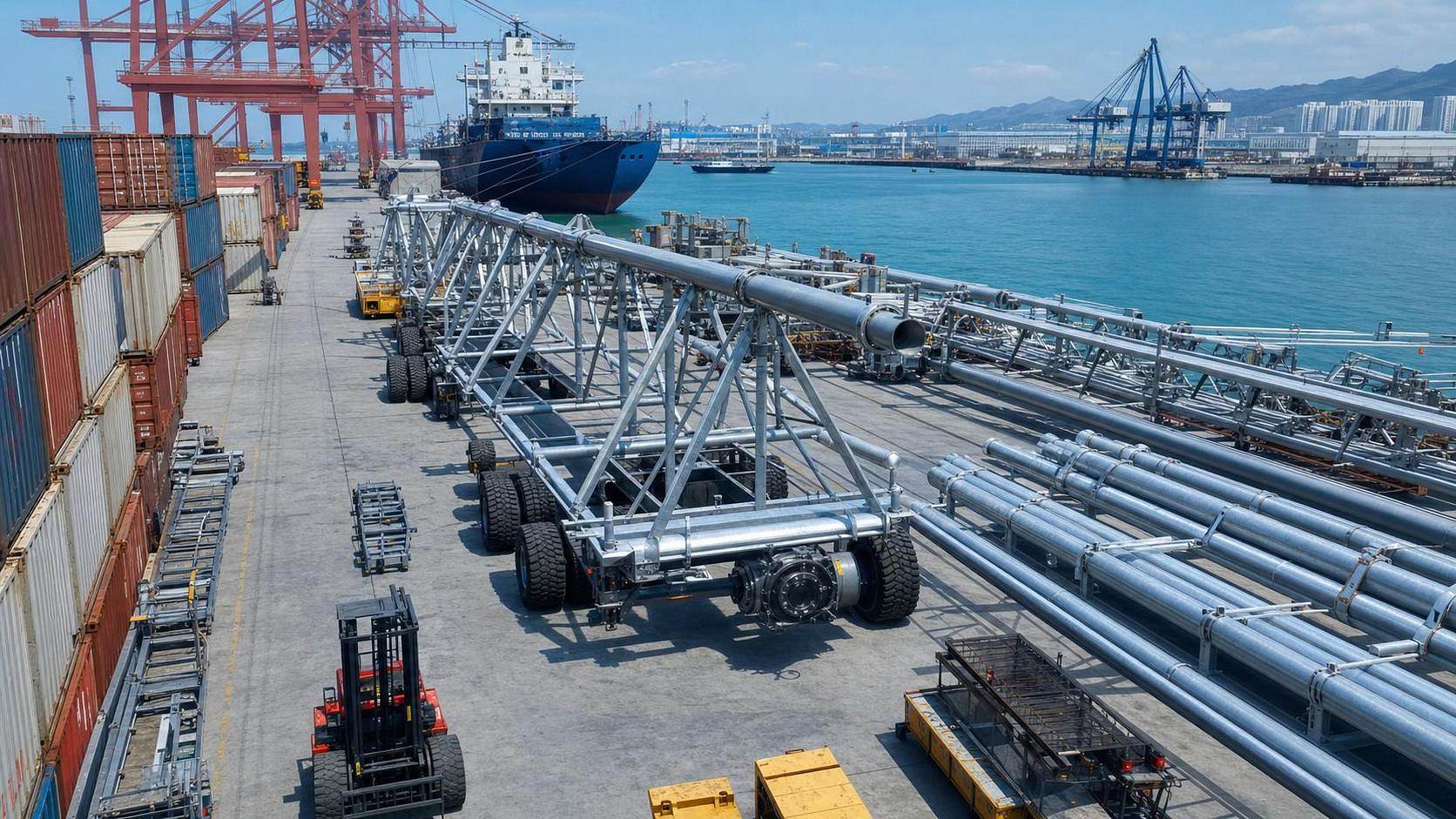




On July 7, 2026, the escalation of the Red Sea crisis pushed Asia-Europe shipping conditions for Center Pivot Systems into a more constrained phase. Based on joint data cited from Alphaliner and the Shanghai Shipping Exchange, the latest disruption has tightened container space on the main Asia-Europe route, extended booking lead times for large center pivot irrigation systems to 28 days, and driven the Shanghai-Rotterdam spot rate to $9,200 per container, up 37% week on week. For manufacturers, distributors, buyers, and logistics providers handling oversized agricultural equipment, this matters because the issue is no longer limited to freight cost alone; space access and delivery timing are now part of the immediate operational risk.
What has been confirmed so far
According to the provided information, the trigger for the latest market tightening was the July 7 attack on a merchant vessel by Houthi forces. Alphaliner and the Shanghai Shipping Exchange data show that container space shortages on the main Asia-Europe route have intensified after the incident. For large Center Pivot Systems, the impact is more pronounced because the cargo is bulky, over-width, and overweight, making bookings more difficult under constrained capacity conditions.
The confirmed changes are specific: the booking cycle for these products has extended to 28 days, and the Shanghai-Rotterdam spot freight rate has reached $9,200 per container, representing a 37% increase from the previous week. The input information also states that multiple international distributors have already activated emergency stocking plans.
Where the pressure is likely to be felt first
Export-facing equipment suppliers are exposed to timing risk
From an industry perspective, manufacturers and exporters of Center Pivot Systems are likely to feel the impact first in shipment planning and delivery commitments. Because these products are large and operationally difficult to stow, tighter space availability can affect not only freight budgets but also the ability to secure a sailing window within the required timeframe.
Distributors are moving from normal replenishment to risk buffering
The confirmed activation of emergency stocking plans by international distributors suggests that downstream channel participants are reacting to the possibility of longer replenishment cycles. Analysis shows that for distributors, the main concern is not simply higher spot rates, but the risk that supply timing becomes less predictable when booking lead times stretch.
Logistics service providers face a more complex booking environment
For freight forwarders and other supply chain service providers, the issue is likely to concentrate in cargo acceptance, routing coordination, and customer communication. Observably, oversized and heavy cargo categories such as Center Pivot Systems become harder to place when route disruption reduces available space on a core trade lane.
Buyers may need to reassess delivery assumptions
Procurement teams and end users relying on imported irrigation equipment may need to watch for changes in lead-time expectations. Analysis shows that the combination of a 28-day booking cycle and a sharply higher spot rate can affect order scheduling, especially where delivery timing is linked to project execution or seasonal deployment.
What companies should watch now
Track whether booking constraints persist beyond the immediate shock
What deserves closer attention is whether the 28-day booking cycle remains an isolated reaction to the July 7 disruption or becomes a more persistent condition on the Asia-Europe lane for oversized equipment. For companies already quoting or confirming shipments, the practical issue is whether current timelines remain realistic.
Separate freight price pressure from space-access risk
The $9,200 Shanghai-Rotterdam spot rate and the 37% weekly increase are clear signals, but analysis shows that price is only one part of the issue. Companies should also focus on whether cargo can be booked at all within required windows, since oversized and overweight shipments are more exposed when available slots tighten.
Review customer communication and delivery commitments
Where shipments are already planned, businesses should pay close attention to contract timing, customer updates, and documentation readiness. Observably, when booking cycles extend, even routine delays in confirming cargo details or shipment paperwork can carry greater operational consequences.
Pay attention to stocking and replenishment behavior downstream
The move by multiple international distributors to activate emergency stocking plans is a practical market signal. From an industry perspective, suppliers and service providers should watch whether this remains a limited precaution or develops into broader changes in order pacing and replenishment patterns.
How this development should be read at this stage
Analysis shows that this update is best understood as a near-term disruption signal with direct operational consequences, rather than as a fully settled long-term market outcome. The confirmed facts point to tighter space, longer booking cycles, and higher spot pricing for Center Pivot Systems on the Asia-Europe route, but they do not yet establish how long these conditions will last.
It is more appropriate to understand this as a development that has already altered current execution conditions for affected cargo, while still requiring continued observation before drawing broader conclusions about longer-duration trade patterns or structural shifts in demand.
Why the market should keep this in view
The practical significance of this event lies in how quickly route security disruption has translated into booking difficulty and freight escalation for a specialized equipment category. For companies involved in manufacturing, distribution, procurement, and logistics for Center Pivot Systems, the immediate takeaway is that transport execution risk on the Asia-Europe lane has increased.
At this stage, the most balanced reading is that the development should be treated as an active market disruption with clear short-term business implications and with uncertain duration. That makes ongoing monitoring more important than broad conclusions.
Basis of this article
This article is based on the user-provided news title, event date, and event summary. The confirmed facts used here are limited to the information stating that the July 7, 2026 attack on a merchant vessel intensified container space shortages on the main Asia-Europe route, extended booking lead times for large Center Pivot Systems to 28 days, pushed the Shanghai-Rotterdam spot rate to $9,200 per container, up 37% from the previous week, and prompted multiple international distributors to launch emergency stocking plans.
For this type of industry update, relevant source categories typically include official notices, company disclosures, shipping exchange data, industry association updates, and reporting by authoritative trade media. A specific official source link was not provided in the input, so further verification remains necessary. Continued attention should focus on whether space constraints, booking cycles, and downstream stocking behavior continue to change after the initial disruption.
Related News

How to Specify Combine Harvester Systems for High-Moisture Grain and Variable Field Conditions
Combine harvester systems for high-moisture grain: learn how to specify threshing, cleaning, headers, traction, and automation for reliable harvests in variable fields.

How to Compare Agricultural Equipment Platforms for Fleet Management and ROI
Agricultural equipment platform comparison: evaluate fleet data, maintenance, precision workflows, and ROI to choose a system that delivers measurable results.
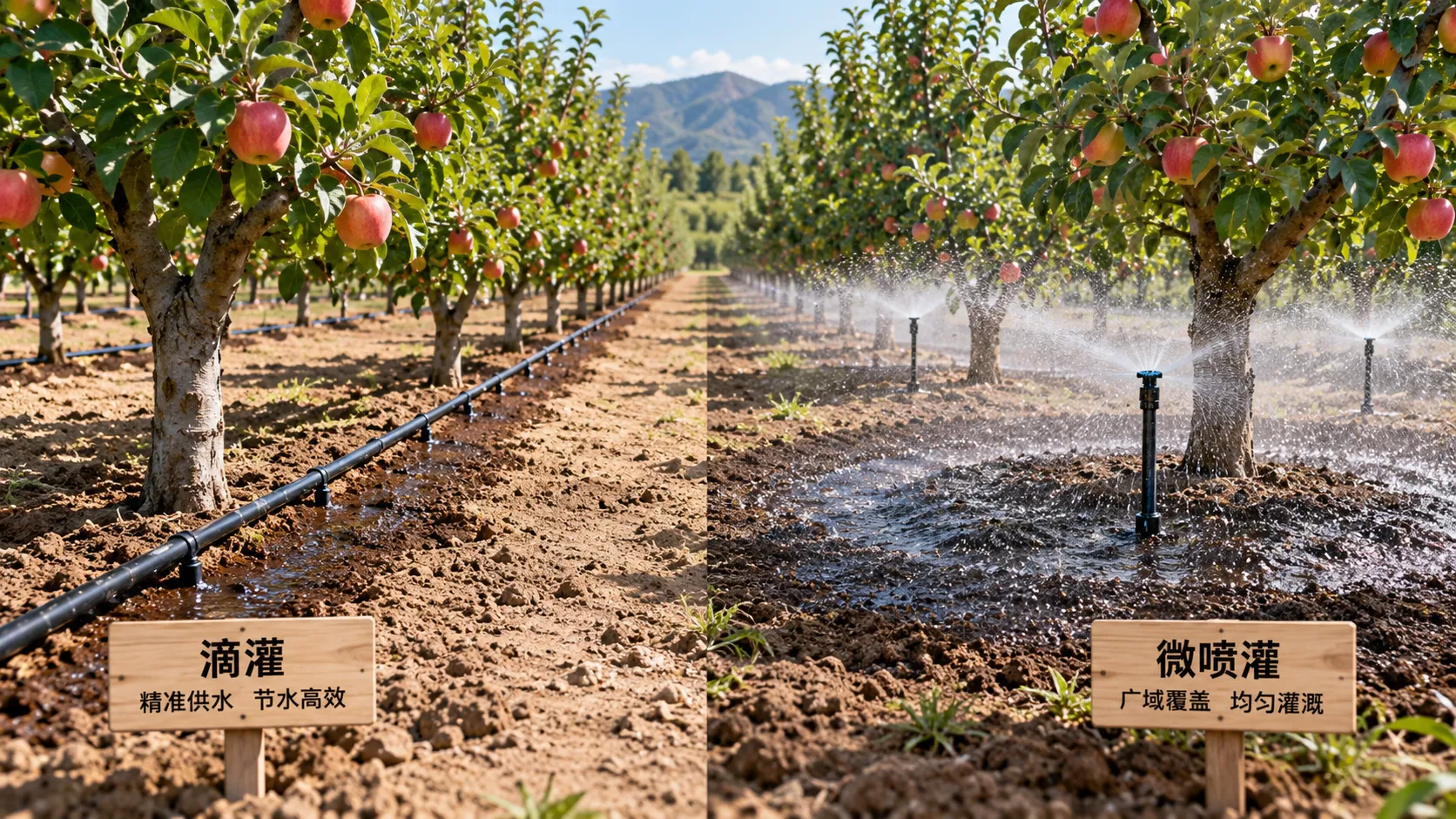
Drip vs. Micro-Sprinkler Irrigation: Which System Fits Your Orchard?
Irrigation solution comparison for orchards: discover whether drip or micro-sprinklers best match your water, soil, roots, fertigation, and frost needs.
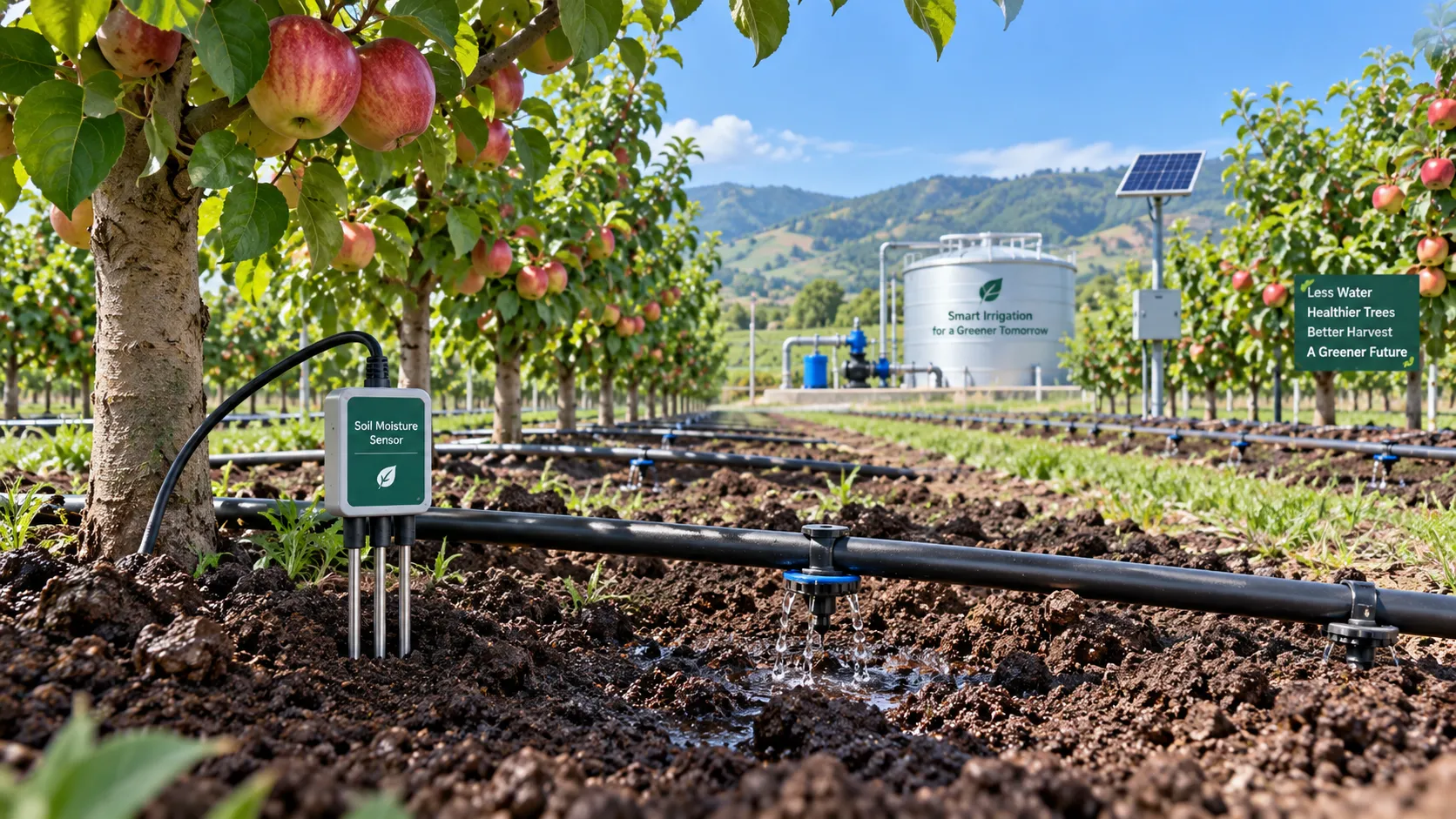
Orchard Water Management: Using Soil Moisture Data to Schedule Irrigation
Agricultural water management for orchards made practical: use soil moisture data to optimize irrigation timing, protect yield, reduce costs, and improve resilience.
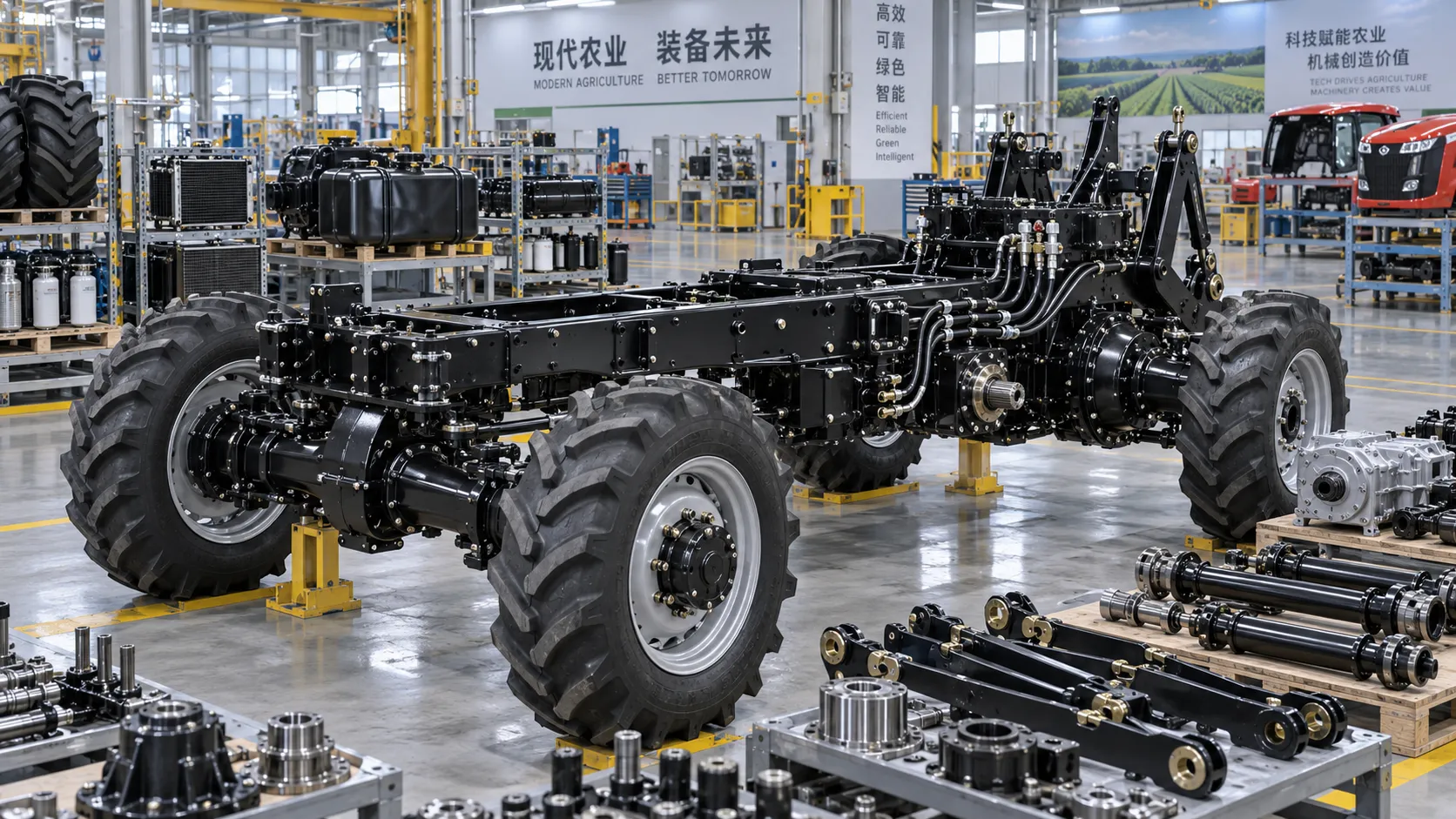
Tractor Chassis Price: What Buyers Should Compare Beyond the Initial Quote
Tractor chassis price is only the start. Compare load capacity, compatibility, durability, and lifecycle costs to choose a reliable, high-value chassis.
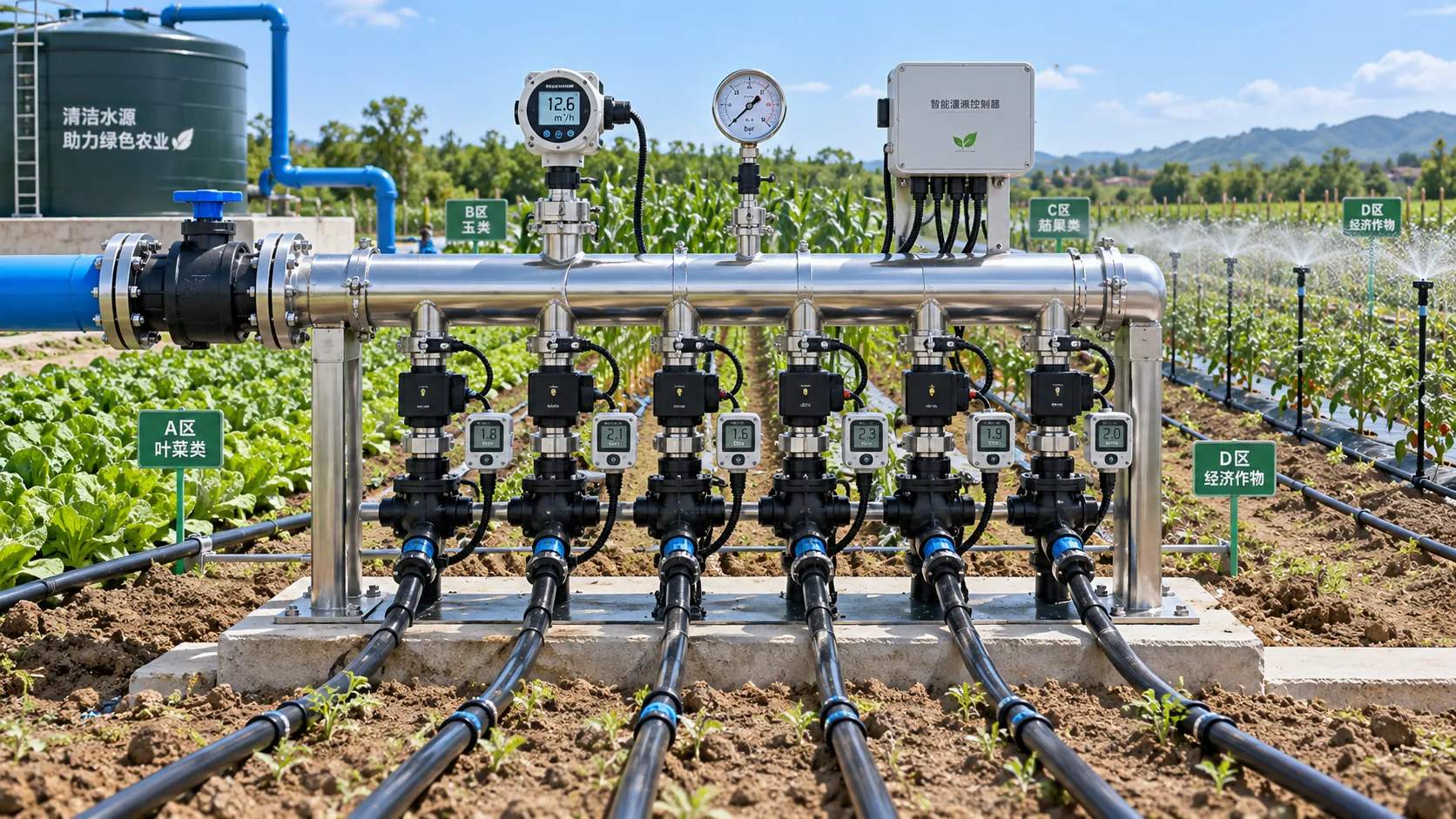
How to Select Smart Irrigation Valves for Multi-Zone Water Management?
Intelligent irrigation systems valves: learn how to match smart valves with multi-zone flow, pressure, control, feedback, and communication needs for reliable water management.

Climate-Smart Farming for Drought: A Practical Plan for Protecting Yields
Climate-smart farming for drought: build smarter water budgets, protect critical crop stages, improve irrigation uniformity, and safeguard yields with practical field-proven strategies.

How Digital Agriculture Platforms Turn Field Data Into Better Input Decisions
Digital agriculture platforms turn field data into smarter fertilizer, water, seed, and equipment decisions—helping farms cut risk, improve margins, and scale sustainability.

GPS-Guided Farm Machinery: Where It Delivers Measurable Field Efficiency Gains
Agri-mechanization GPS guided systems deliver measurable field efficiency gains through reduced overlap, precise planting, smarter inputs, and reliable farm data.
Related News
- 00
0000-00
India Opens Duty Relief for Center Pivot Imports - 00
0000-00
What to Check Before Working With a Precision Irrigation Systems Factory - 00
0000-00
Red Sea Shock Tightens CPS Capacity, Rates Jump 37% - 00
0000-00
Red Sea Escalation Tightens Center Pivot Shipping - 00
0000-00
Red Sea Disruption Extends Center Pivot Transit to 42 Days
Popular Tags
Hydrological Resource Strategist
Weekly Insights
Stay ahead with our curated technology reports delivered every Monday.