
India Extends BIS Fast-Track for Soil Moisture Sensors
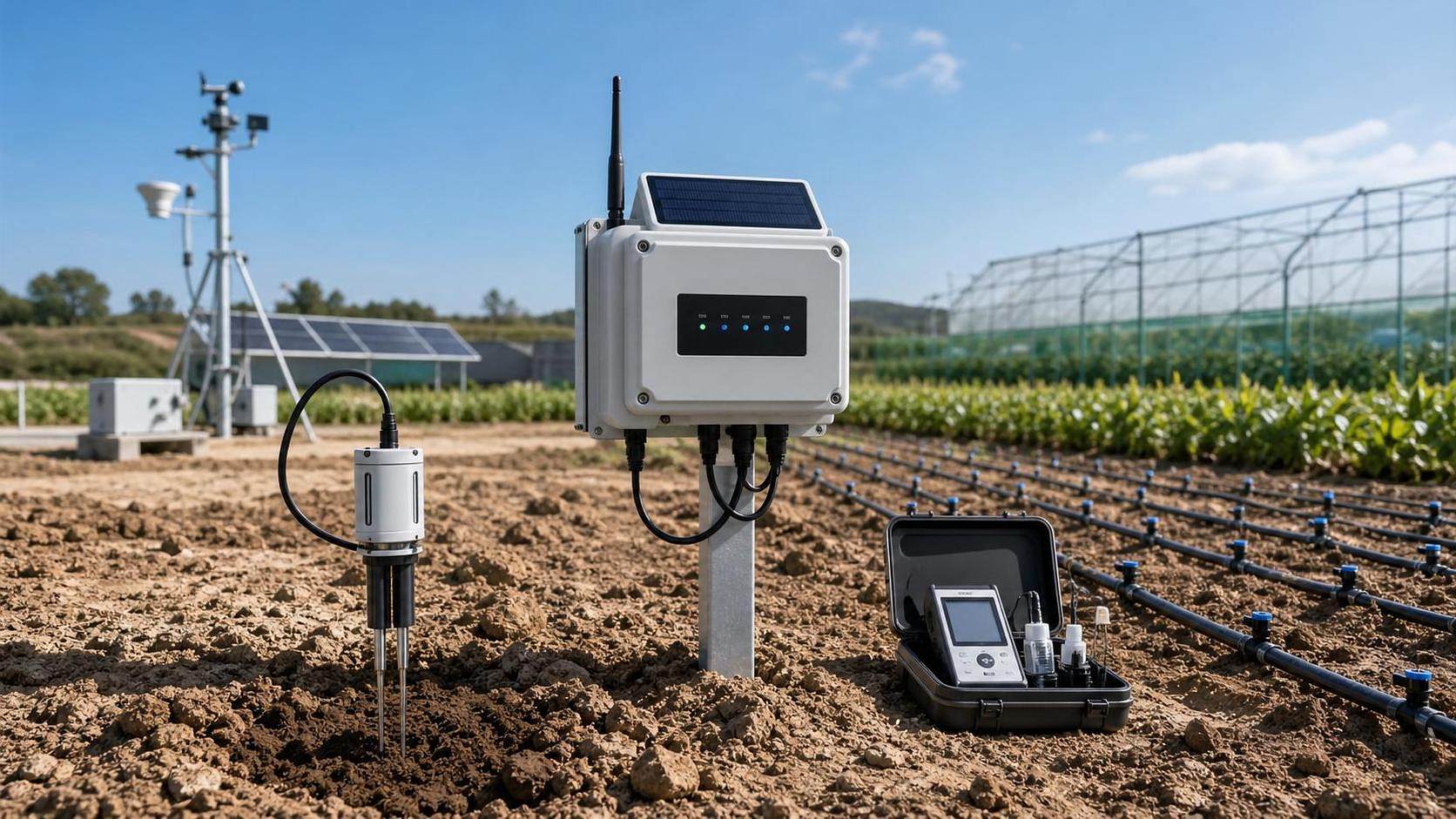




On July 8, 2026, India’s Bureau of Indian Standards (BIS) moved to keep its green certification fast-track for smart water-saving equipment open through the end of 2026, while adding product-specific facilitation measures for Soil Moisture Sensors. For irrigation equipment exporters, certification teams, importers, and buyers serving drought-affected regions, the update deserves attention because it links market access timing more directly to documentation readiness, test report acceptance, and compliance workflow design.
What BIS Confirmed on July 8
According to the information provided, BIS announced on July 8, 2026 that the validity of the “green certification channel” for smart water-saving devices would be extended to December 31, 2026. The update also added two provisions for Soil Moisture Sensors: upload of AI calibration logs and an exemption related to field validation. The stated purpose is to accelerate imports of smart irrigation equipment for drought-prone areas. For Chinese manufacturers, CNAS-accredited laboratory reports can shorten the certification cycle to 14 working days.
Where the Immediate Business Impact May Appear
Export-side certification planning becomes more time-sensitive
From an industry perspective, exporters of Soil Moisture Sensors may feel the impact first in compliance preparation rather than in product design alone. The reason is straightforward: a shorter approval window only creates an advantage when technical files, calibration records, and laboratory documents are ready to submit in a form that aligns with BIS expectations. What deserves closer attention is whether teams can convert the formal policy window into an actual reduction in pre-shipment lead time.
Importers and channel operators may see faster product onboarding
For importers and distribution-side participants, the main effect may appear in product onboarding and launch scheduling. If certification can move faster under the extended channel, import planning, stocking decisions, and customer delivery commitments may become easier to coordinate. Observably, the benefit is likely to depend less on demand alone and more on whether suppliers can provide complete supporting records at the start of the filing process.
Testing and document service providers gain a larger operational role
Service providers involved in testing, certification coordination, and document review may become more central in this phase. The mention of CNAS laboratory reports indicates that report validity and acceptance conditions could have a direct impact on approval timing for Chinese suppliers. In practice, this shifts attention toward document quality control, submission sequencing, and cross-border compliance communication.
End users and procurement teams may focus on delivery certainty
For procurement teams sourcing smart irrigation equipment for drought-affected areas, the relevance is not only regulatory. Analysis shows that a faster certification route can affect delivery certainty, supplier selection, and implementation timing. The operational question is whether approved products can move from certification to commercial availability without avoidable delays in paperwork or importer coordination.
What Companies Should Watch Now
Track the exact use of the new AI calibration log requirement
Companies should pay close attention to how the AI calibration log upload provision is described and applied in practice. The confirmed fact is that this requirement has been added for Soil Moisture Sensors, but the business significance will depend on how firms organize calibration evidence and internal recordkeeping to match the filing process.
Separate policy access from execution readiness
It is more appropriate to understand the 14-working-day timeline as an opportunity tied to conditions, not as an automatic outcome for every applicant. Chinese manufacturers in particular should focus on whether their CNAS laboratory reports, product files, and submission materials are complete and immediately usable within the BIS process.
Recheck supply commitments through year-end 2026
Because the green channel has been extended only through December 31, 2026 based on the provided information, businesses should review how shipments, customer commitments, and certification filings align with that time boundary. This matters for order acceptance, importer coordination, and buffer planning around administrative timing.
Keep customer communication tightly linked to certification status
Suppliers, distributors, and project-facing teams should be careful not to treat a policy facilitation measure as the same thing as completed approval. What deserves closer attention is how certification progress is communicated to buyers, especially where procurement timing depends on regulatory clearance and document acceptance.
Why This Looks Like a Process Signal More Than a Market Verdict
Analysis shows that this update is best read first as a regulatory process signal. BIS has not merely extended a general facilitation window; it has also introduced product-relevant provisions for Soil Moisture Sensors. That suggests an effort to improve approval efficiency for a defined equipment category. At the same time, the information provided does not by itself confirm broader market outcomes, shipment growth, or lasting structural changes. For now, it is more appropriate to understand this as a concrete but time-bound compliance development that may improve market access speed when companies are operationally prepared.
How the Industry Should Read This Update
The practical significance of this development lies in certification timing, not in broad claims about demand or market transformation. For companies involved in smart irrigation equipment and related compliance services, the update points to a narrower but meaningful issue: approval pathways for Soil Moisture Sensors may be moving faster under specific conditions through the end of 2026. A neutral reading is that this is an actionable short-term change with possible broader implications, but those broader implications still need to be observed through implementation and follow-up clarifications.
Basis of This Article
This article is based on the user-provided news title, event date, and summary concerning the BIS extension of the green certification channel for smart water-saving equipment, the added provisions for Soil Moisture Sensors, and the stated 14-working-day certification timeline linked to CNAS laboratory reports for Chinese manufacturers. For this type of development, relevant source categories would typically include official notices, company disclosures, industry association updates, authoritative media reporting, and standardization-related documents. A specific official source link was not provided in the input, so the exact source document still requires ongoing verification. Follow-up attention should remain on any further BIS wording, implementation details for the new documentation provisions, and any clarification affecting filing conditions before December 31, 2026.
Related News
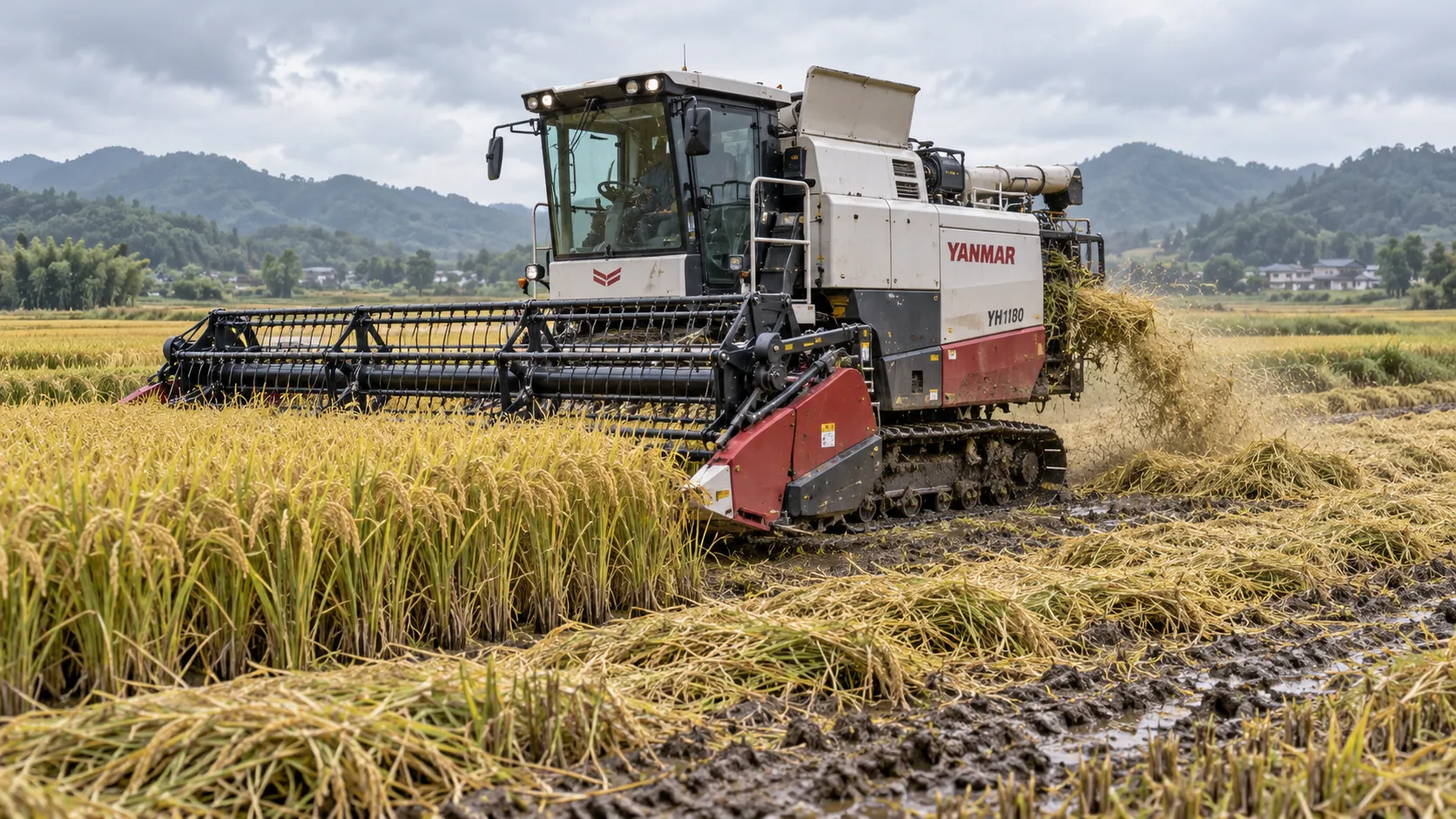
How to Specify Combine Harvester Systems for High-Moisture Grain and Variable Field Conditions
Combine harvester systems for high-moisture grain: learn how to specify threshing, cleaning, headers, traction, and automation for reliable harvests in variable fields.
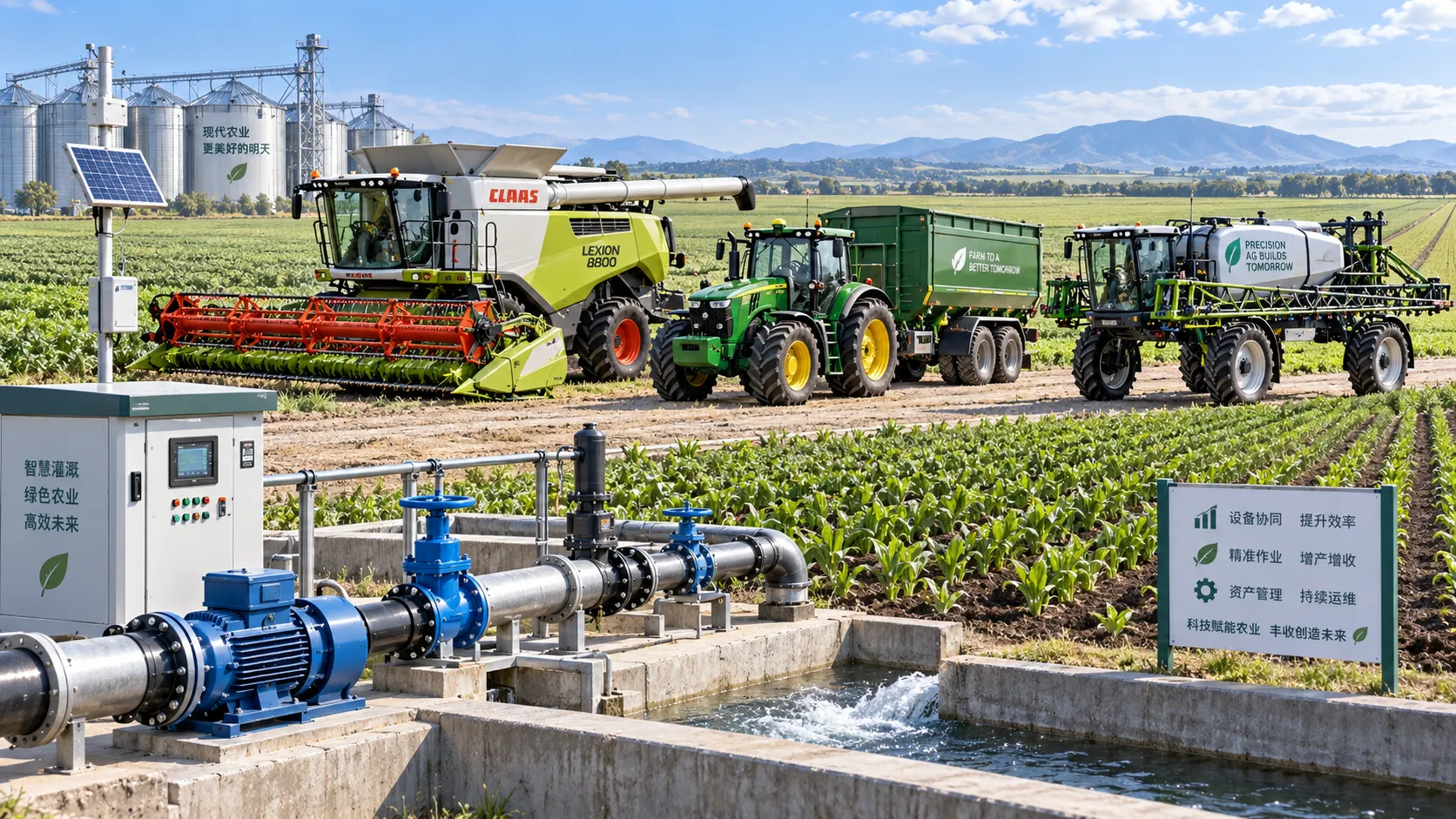
How to Compare Agricultural Equipment Platforms for Fleet Management and ROI
Agricultural equipment platform comparison: evaluate fleet data, maintenance, precision workflows, and ROI to choose a system that delivers measurable results.
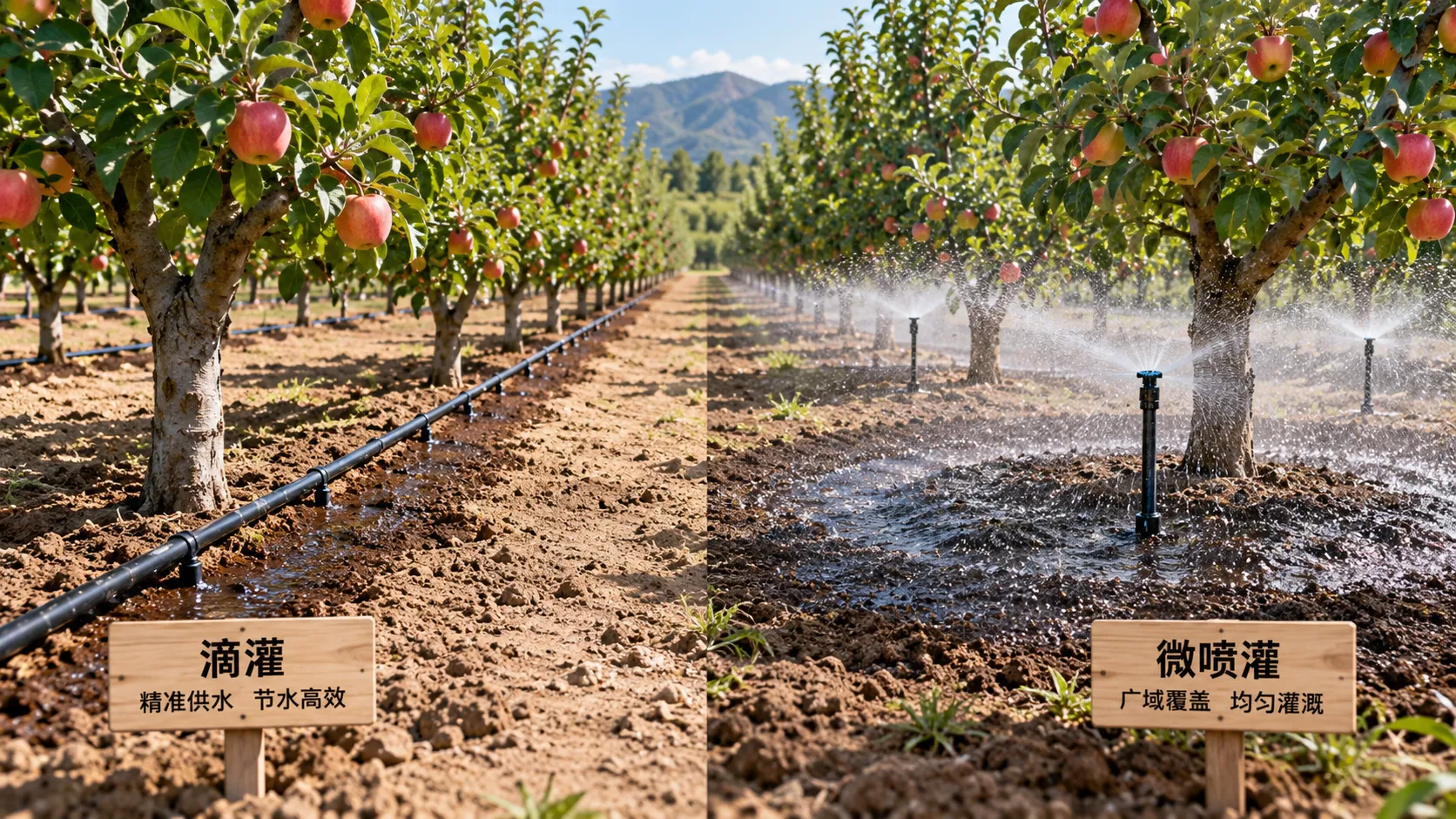
Drip vs. Micro-Sprinkler Irrigation: Which System Fits Your Orchard?
Irrigation solution comparison for orchards: discover whether drip or micro-sprinklers best match your water, soil, roots, fertigation, and frost needs.
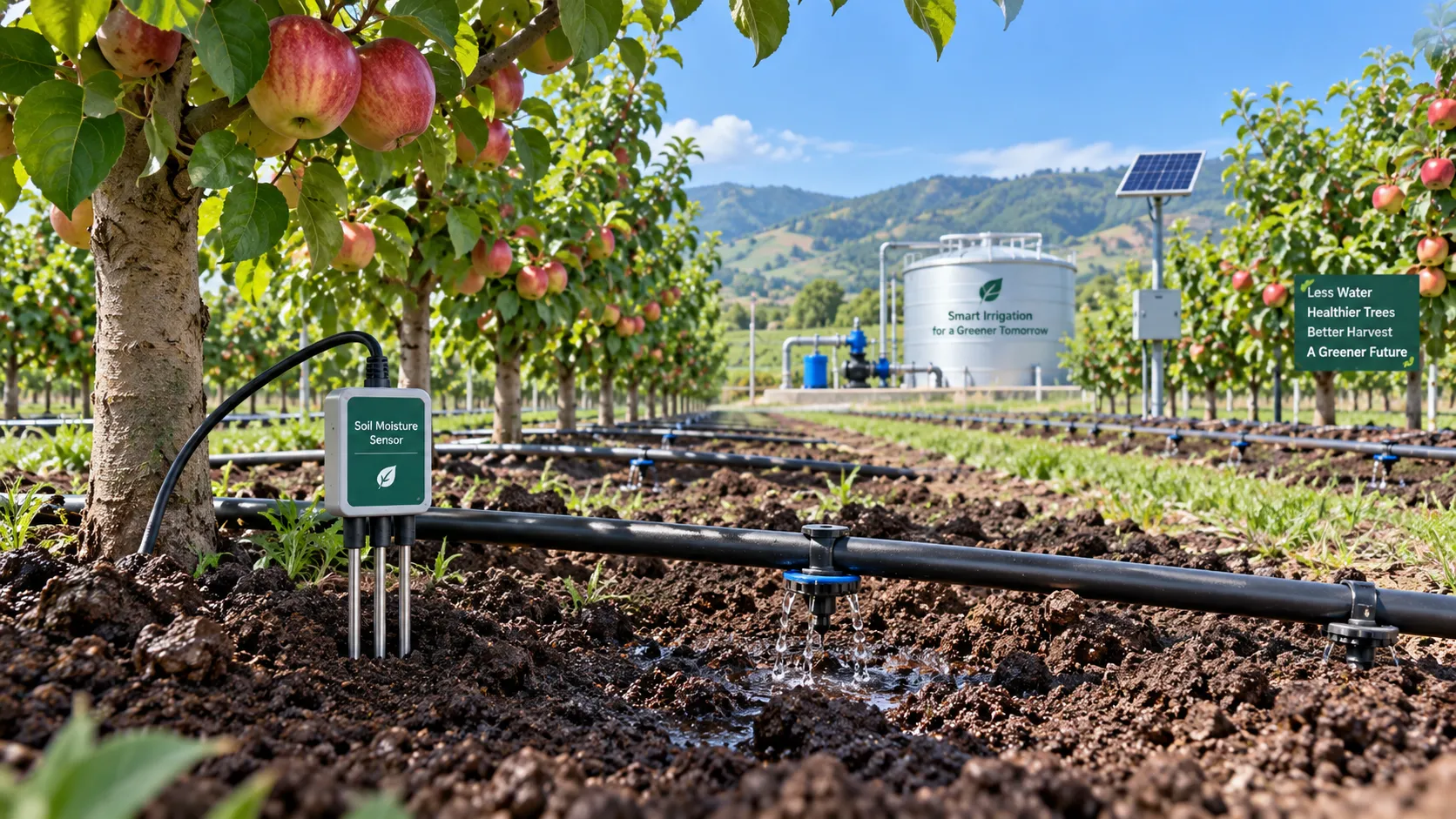
Orchard Water Management: Using Soil Moisture Data to Schedule Irrigation
Agricultural water management for orchards made practical: use soil moisture data to optimize irrigation timing, protect yield, reduce costs, and improve resilience.

Tractor Chassis Price: What Buyers Should Compare Beyond the Initial Quote
Tractor chassis price is only the start. Compare load capacity, compatibility, durability, and lifecycle costs to choose a reliable, high-value chassis.
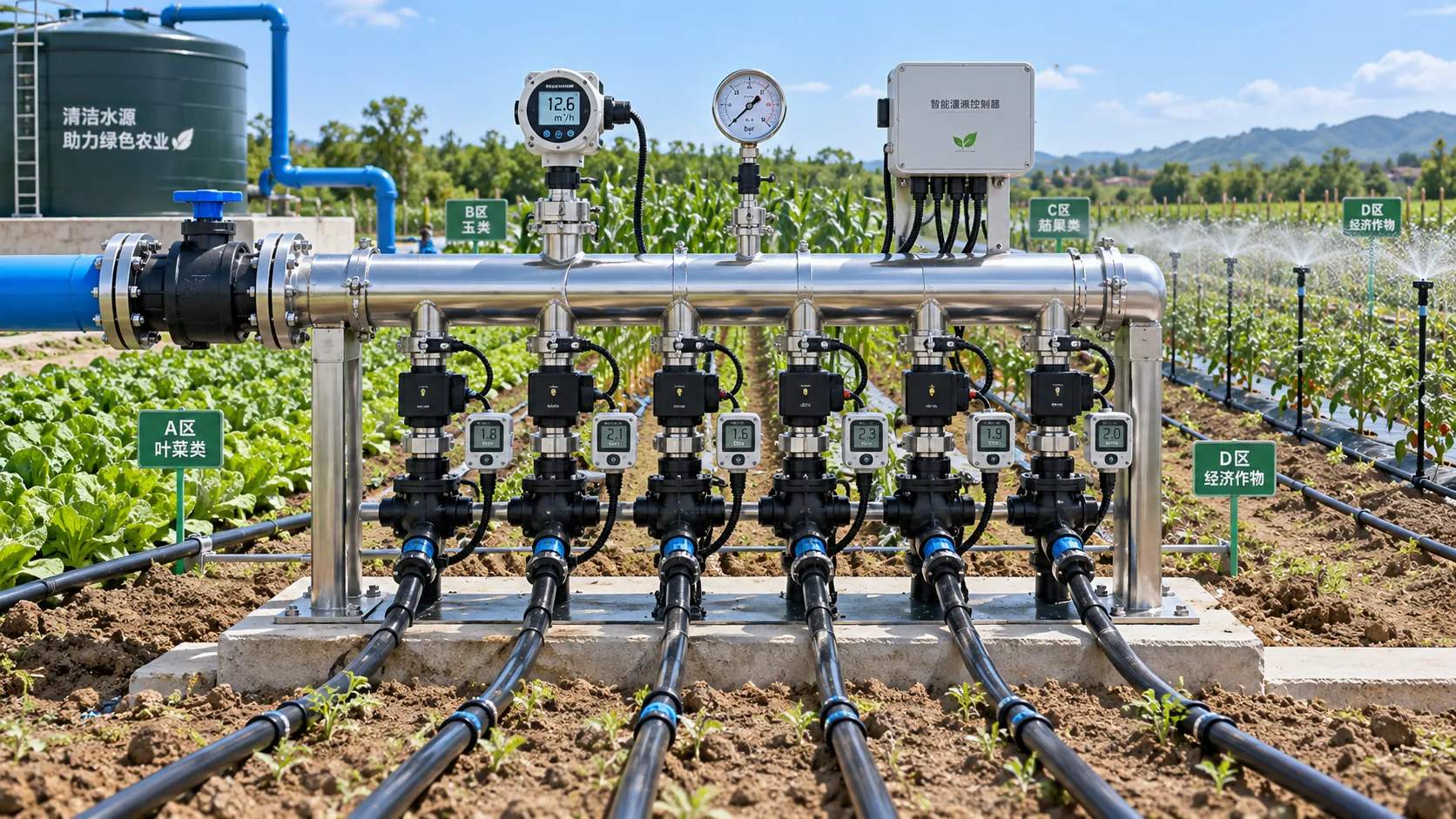
How to Select Smart Irrigation Valves for Multi-Zone Water Management?
Intelligent irrigation systems valves: learn how to match smart valves with multi-zone flow, pressure, control, feedback, and communication needs for reliable water management.
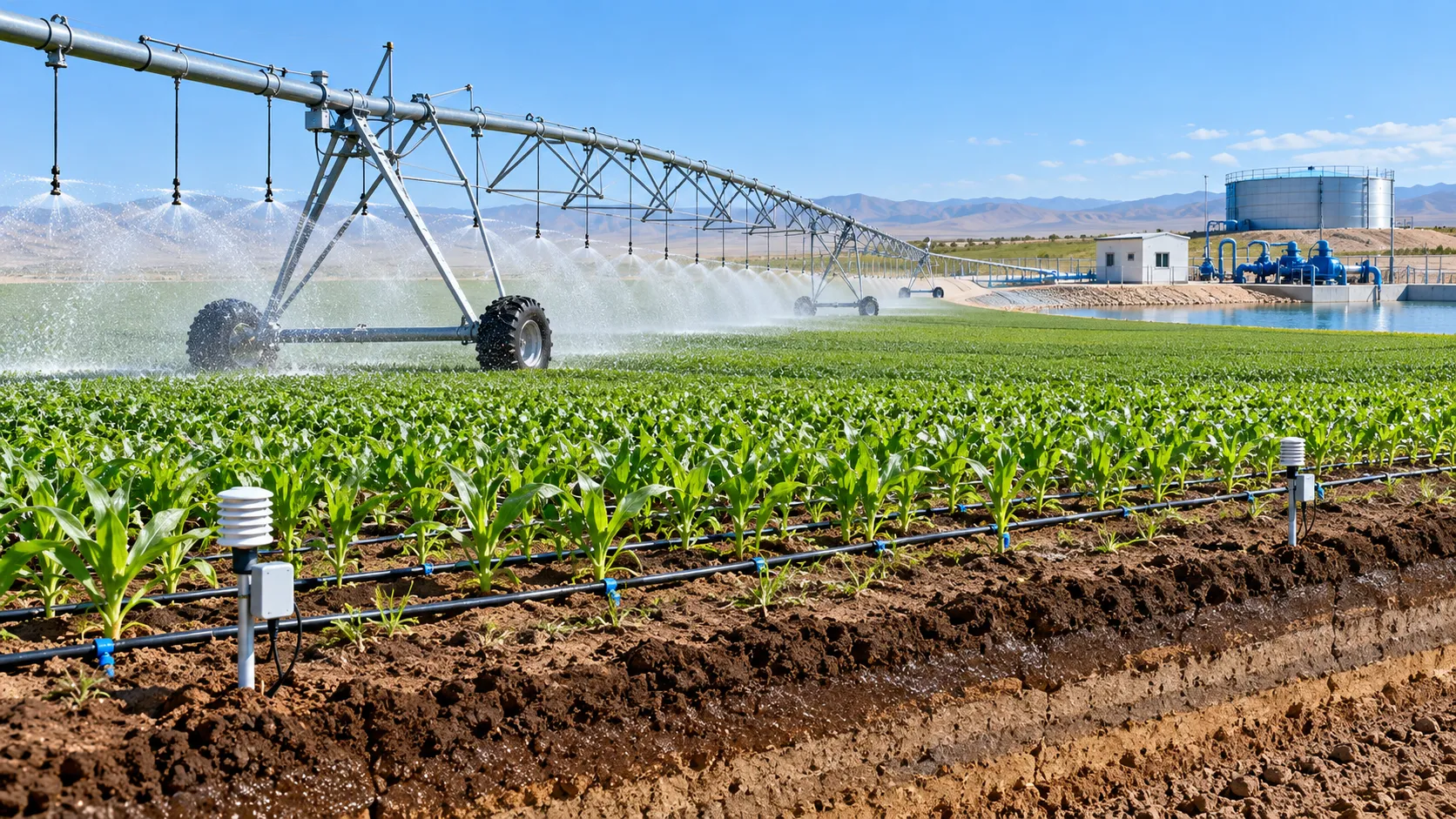
Climate-Smart Farming for Drought: A Practical Plan for Protecting Yields
Climate-smart farming for drought: build smarter water budgets, protect critical crop stages, improve irrigation uniformity, and safeguard yields with practical field-proven strategies.

How Digital Agriculture Platforms Turn Field Data Into Better Input Decisions
Digital agriculture platforms turn field data into smarter fertilizer, water, seed, and equipment decisions—helping farms cut risk, improve margins, and scale sustainability.
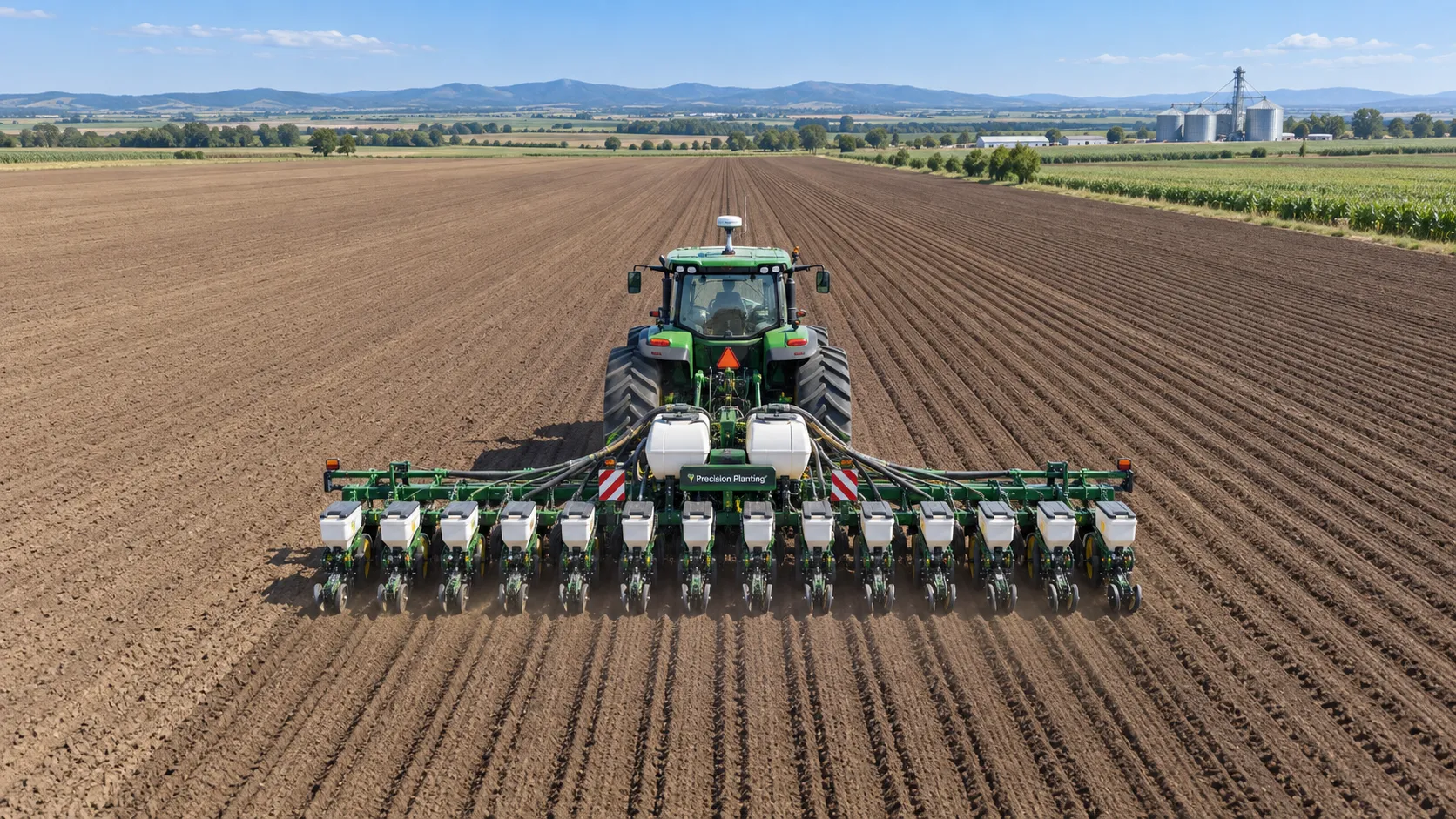
GPS-Guided Farm Machinery: Where It Delivers Measurable Field Efficiency Gains
Agri-mechanization GPS guided systems deliver measurable field efficiency gains through reduced overlap, precise planting, smarter inputs, and reliable farm data.
Related News
- 00
0000-00
Orchard Water Management: Using Soil Moisture Data to Schedule Irrigation - 00
0000-00
Climate-Smart Farming for Drought: A Practical Plan for Protecting Yields - 00
0000-00
Selecting Real-Time Soil Moisture Sensors for Irrigation Zone Control - 00
0000-00
How Does Climate-Smart Farming Reduce Water Use in Semi-Arid Areas? - 00
0000-00
USDA Rule Takes Effect: Dual FCC and NRCS Approval for Soil Moisture Sensors
Popular Tags
Hydrological Resource Strategist
Weekly Insights
Stay ahead with our curated technology reports delivered every Monday.