
Red Sea Disruption Raises Soil Moisture Sensor Freight





The timing of the underlying incident is not clearly specified in the source material, but the latest update signals a concrete change in trade execution rather than a routine freight fluctuation. Following a wider attack range affecting Red Sea passage, the rerouting rate via the Cape of Good Hope has risen sharply, and this has translated into higher spot freight on the Asia-Europe route. For Soil Moisture Sensors, which are commonly shipped in temperature-controlled containers because of their high-precision handling requirements, the cost pressure is more pronounced. The issue matters to exporters, overseas buyers, logistics providers, and procurement teams because it is already affecting freight allocation, delivery planning, and contract execution.
What Has Been Confirmed So Far
According to Drewry's latest weekly report released on 2026-07-06, the expansion of attacks by Houthi forces has pushed the share of vessels rerouting around the Cape of Good Hope to 93% for Red Sea transit.
Based on the same source, spot freight rates on the Asia-Europe route increased by 18% in a single week.
For Soil Moisture Sensors, the reported increase is higher at the surcharge level. Because these products are generally transported in temperature-controlled containers, the additional freight charge has risen by 22%.
In parallel, multiple leading Chinese sensor exporters have informed overseas customers that a temporary freight-sharing clause will be implemented from July.
Why the Change Reaches Beyond Freight Quotes
Export contract execution is becoming more sensitive
From an industry perspective, exporters of Soil Moisture Sensors may be affected first because freight is no longer just a logistics cost item; it is moving into the commercial terms of delivery. Where temporary freight-sharing clauses are introduced, the practical impact may appear in quotation validity, contract amendments, invoicing arrangements, and buyer communication. What deserves closer attention is whether shipping-related surcharges, temperature-control requirements, and delivery timing are clearly reflected in trade documents and transaction terms.
Procurement teams face a narrower planning window
For overseas buyers and procurement teams, the immediate issue is not only the higher transport bill but also the growing uncertainty around landed cost and shipment scheduling. Analysis shows that products requiring temperature-controlled transport may face a more visible budgeting adjustment because the surcharge increase is already outpacing the broader route increase. Procurement functions should therefore pay closer attention to order timing, freight allocation language, and delivery commitments linked to controlled-shipping conditions.
Logistics service providers will carry more documentation pressure
Supply chain service providers, especially those arranging temperature-controlled container transport, may face greater pressure in shipment planning and document consistency. Observably, once freight-sharing clauses start to appear, logistics coordination has to align more closely with booking terms, surcharge notices, and customer-facing shipment records. For this group, the key issue is not a new certification rule in itself, but a tighter execution requirement around transport conditions, charge allocation, and delivery evidence.
Manufacturing and downstream fulfillment may feel the delay indirectly
For manufacturers and downstream distributors handling precision sensor products, the main exposure may arise through changed dispatch timing, revised replenishment cycles, and customer-side acceptance schedules. Analysis shows that when freight and temperature-control costs both rise, even unchanged product specifications can create pressure on delivery promises and after-sales response planning. This makes coordination between production, export, and fulfillment teams more important than under normal shipping conditions.
Practical Points Companies Should Track Now
Review how freight-sharing clauses are being introduced
It is more appropriate to understand the July notifications from exporters as an active execution signal. Companies involved in ongoing or upcoming shipments should review whether temporary freight-sharing language affects signed contracts, purchase orders, quotations, or shipment confirmations. The current source does not provide detailed implementation wording, so any operational conclusion should remain subject to document-by-document review.
Recheck delivery commitments for temperature-controlled shipments
For Soil Moisture Sensors, the use of temperature-controlled containers is central to the cost increase described in the source material. Companies should therefore recheck whether delivery schedules, transport conditions, and handover obligations remain realistic under current routing and freight conditions. Where technical documentation, tender materials, or customer requirements specify transport conditions, those records may need closer review during execution.
Watch for changes in procurement and customer communication records
Analysis shows that cost escalation becomes more difficult to manage when internal procurement records and external customer notices are not aligned. Businesses should monitor whether updated freight terms are being reflected consistently across quotations, order confirmations, and shipment-related documentation. This is especially relevant where price validity or delivery windows were agreed before the latest increase.
Keep follow-up observation focused on execution, not assumption
The current information confirms higher freight and the start of temporary cost-sharing notices, but it does not establish a full and uniform market practice. Companies should therefore keep watching for further statements, revised trading terms, customer acceptance patterns, and any changes in tender or technical delivery requirements that may emerge as the market adjusts.
How This Should Be Read at This Stage
Observably, this development is less about a formal new regulation and more about a rule-like shift in trade execution: shipping disruption is now being translated into surcharge treatment, contract language, and customer cost allocation. That is why the update matters to compliance and commercial teams as much as to freight planners.
Analysis shows that the most relevant signal at this stage is not that a final market standard has formed, but that companies have begun to operationalize the cost impact through temporary clauses and shipment-specific adjustments. It is more appropriate to understand this as an execution signal with immediate commercial consequences, while the broader market response still requires observation.
What the Market Signal Means for the Near Term
This update indicates that Red Sea disruption is already affecting how Asia-Europe shipments of Soil Moisture Sensors are priced and administered. The confirmed facts point to rising route costs, stronger pressure on temperature-controlled cargo, and early use of temporary freight-sharing arrangements by exporters.
From an industry perspective, the most balanced reading is that this is an already visible change in execution conditions, not yet a fully settled rule across all transactions. Companies should treat it as a live trade and delivery issue that merits close attention in contracts, shipment planning, procurement coordination, and customer communication.
Basis of This Article and What Still Needs Verification
This article is generated on the basis of the user-provided news title, event timing, and event summary. For this type of development, commonly relevant source categories may include official notices, regulatory releases, customs or trade authority information, industry association updates, standard-setting documents, and reporting from authoritative trade media.
No specific official source link was provided in the input. For that reason, the precise official source chain still needs continued verification. Further observation should focus on follow-up implementation details, execution language used in trade documents, any changes in procurement or tender requirements, market feedback from buyers and exporters, and how companies are applying temporary freight-sharing arrangements in practice.
Related News

How to Specify Combine Harvester Systems for High-Moisture Grain and Variable Field Conditions
Combine harvester systems for high-moisture grain: learn how to specify threshing, cleaning, headers, traction, and automation for reliable harvests in variable fields.

How to Compare Agricultural Equipment Platforms for Fleet Management and ROI
Agricultural equipment platform comparison: evaluate fleet data, maintenance, precision workflows, and ROI to choose a system that delivers measurable results.
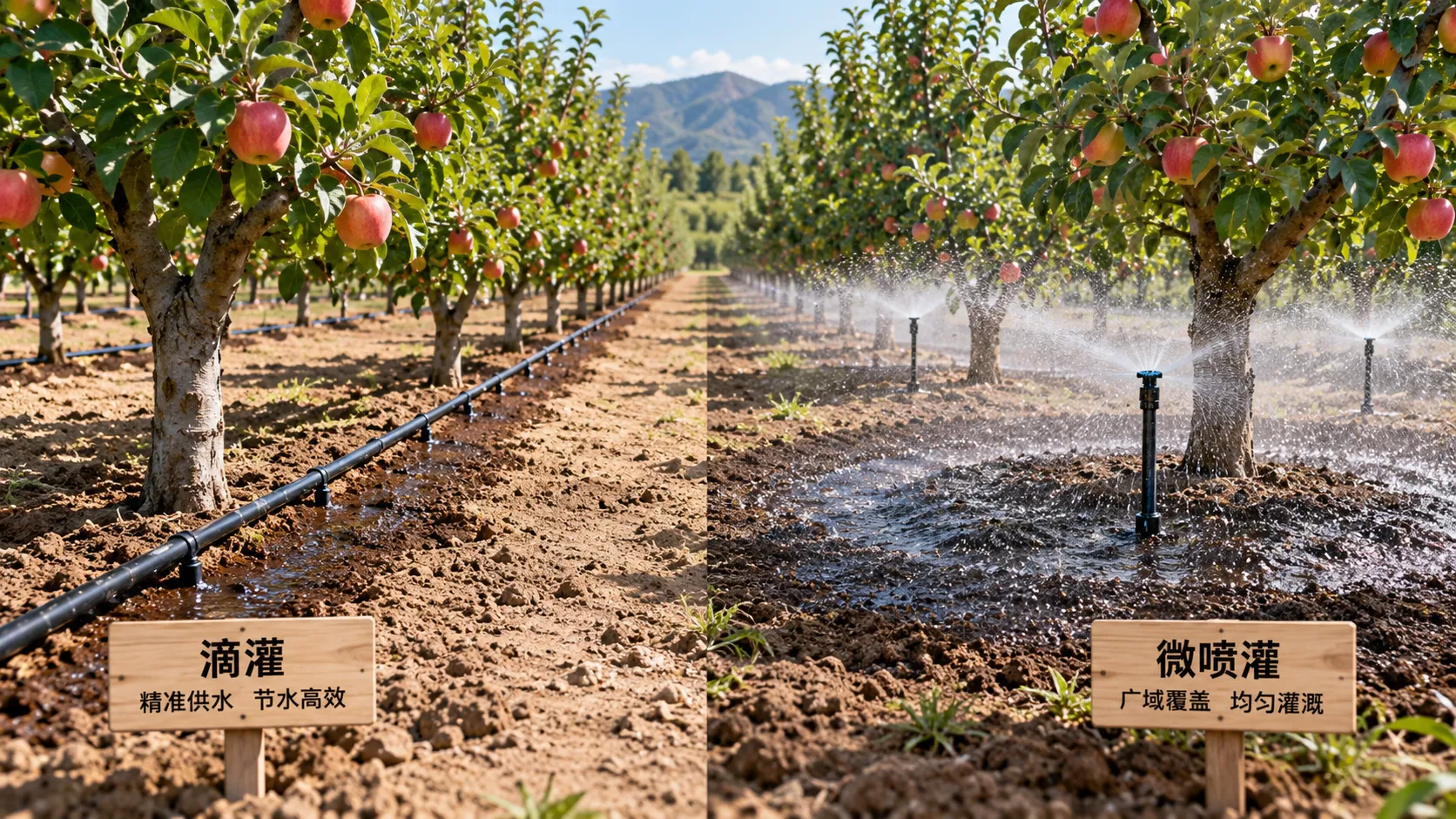
Drip vs. Micro-Sprinkler Irrigation: Which System Fits Your Orchard?
Irrigation solution comparison for orchards: discover whether drip or micro-sprinklers best match your water, soil, roots, fertigation, and frost needs.
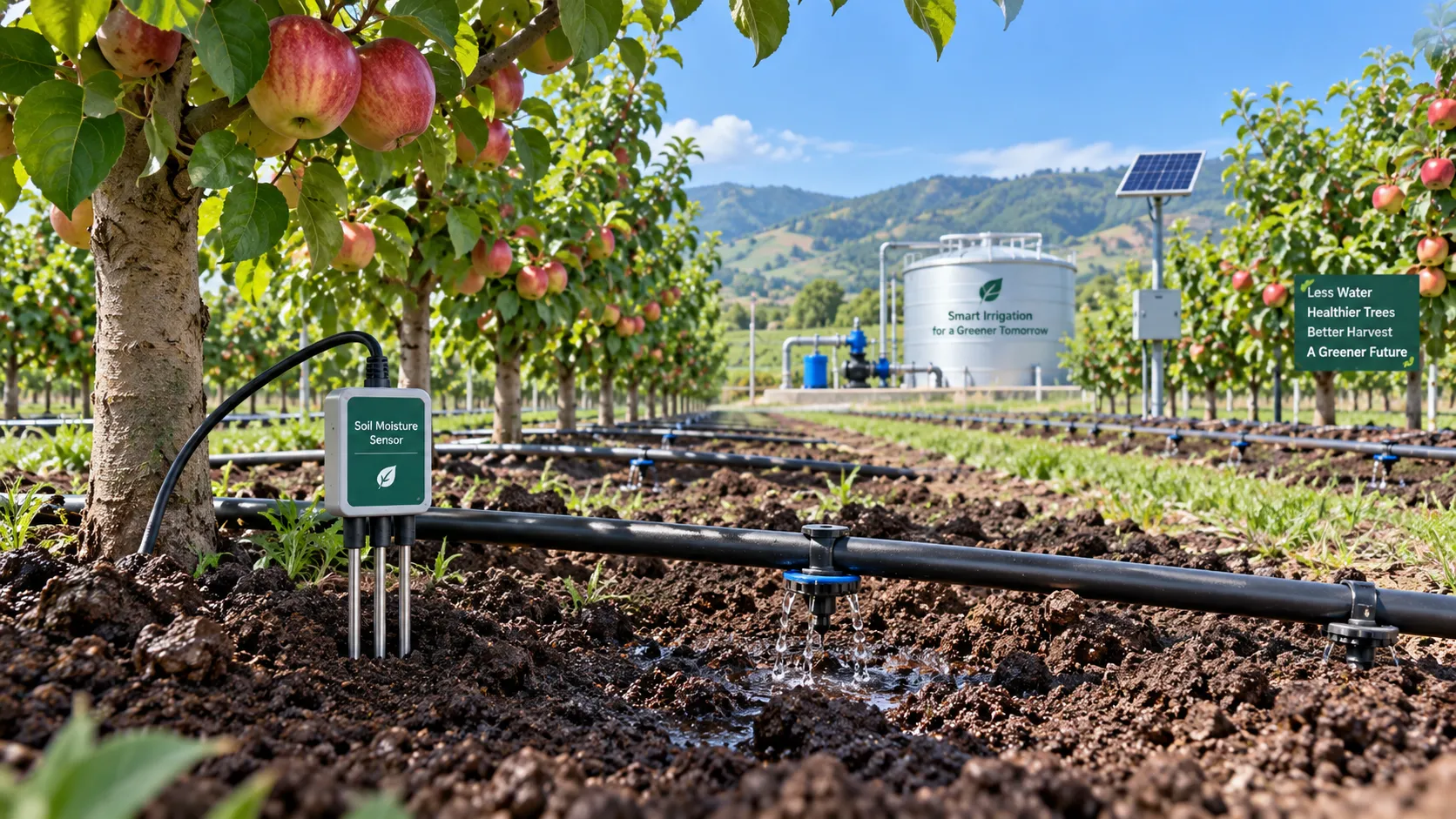
Orchard Water Management: Using Soil Moisture Data to Schedule Irrigation
Agricultural water management for orchards made practical: use soil moisture data to optimize irrigation timing, protect yield, reduce costs, and improve resilience.

Tractor Chassis Price: What Buyers Should Compare Beyond the Initial Quote
Tractor chassis price is only the start. Compare load capacity, compatibility, durability, and lifecycle costs to choose a reliable, high-value chassis.

How to Select Smart Irrigation Valves for Multi-Zone Water Management?
Intelligent irrigation systems valves: learn how to match smart valves with multi-zone flow, pressure, control, feedback, and communication needs for reliable water management.

Climate-Smart Farming for Drought: A Practical Plan for Protecting Yields
Climate-smart farming for drought: build smarter water budgets, protect critical crop stages, improve irrigation uniformity, and safeguard yields with practical field-proven strategies.

How Digital Agriculture Platforms Turn Field Data Into Better Input Decisions
Digital agriculture platforms turn field data into smarter fertilizer, water, seed, and equipment decisions—helping farms cut risk, improve margins, and scale sustainability.
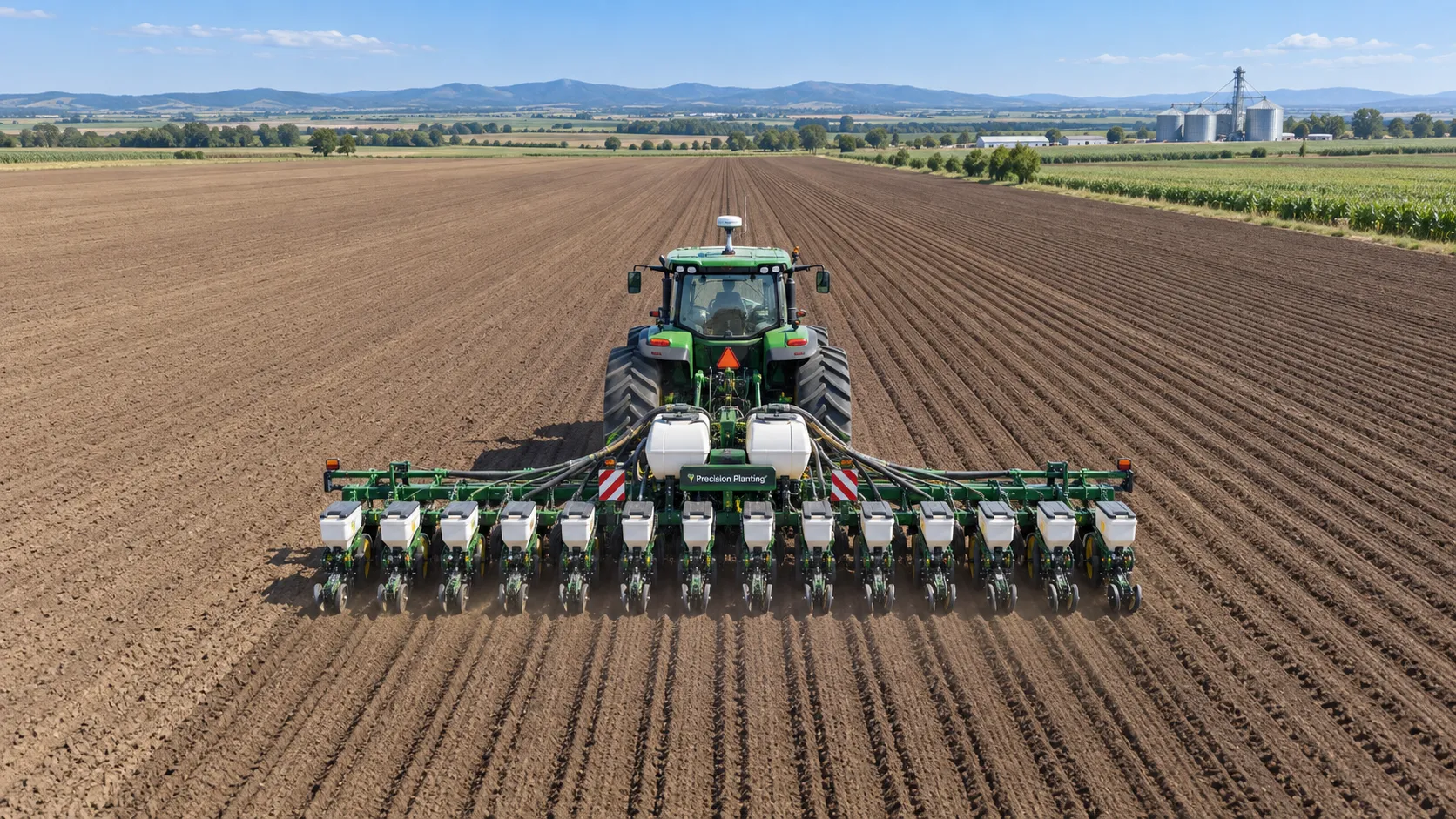
GPS-Guided Farm Machinery: Where It Delivers Measurable Field Efficiency Gains
Agri-mechanization GPS guided systems deliver measurable field efficiency gains through reduced overlap, precise planting, smarter inputs, and reliable farm data.
Related News
- 00
0000-00
Orchard Water Management: Using Soil Moisture Data to Schedule Irrigation - 00
0000-00
Climate-Smart Farming for Drought: A Practical Plan for Protecting Yields - 00
0000-00
Selecting Real-Time Soil Moisture Sensors for Irrigation Zone Control - 00
0000-00
How Does Climate-Smart Farming Reduce Water Use in Semi-Arid Areas? - 00
0000-00
USDA Rule Takes Effect: Dual FCC and NRCS Approval for Soil Moisture Sensors
Popular Tags
Hydrological Resource Strategist
Weekly Insights
Stay ahead with our curated technology reports delivered every Monday.