
Intelligent Irrigation Systems for Greenhouses: Sensors, Control Logic, and ROI
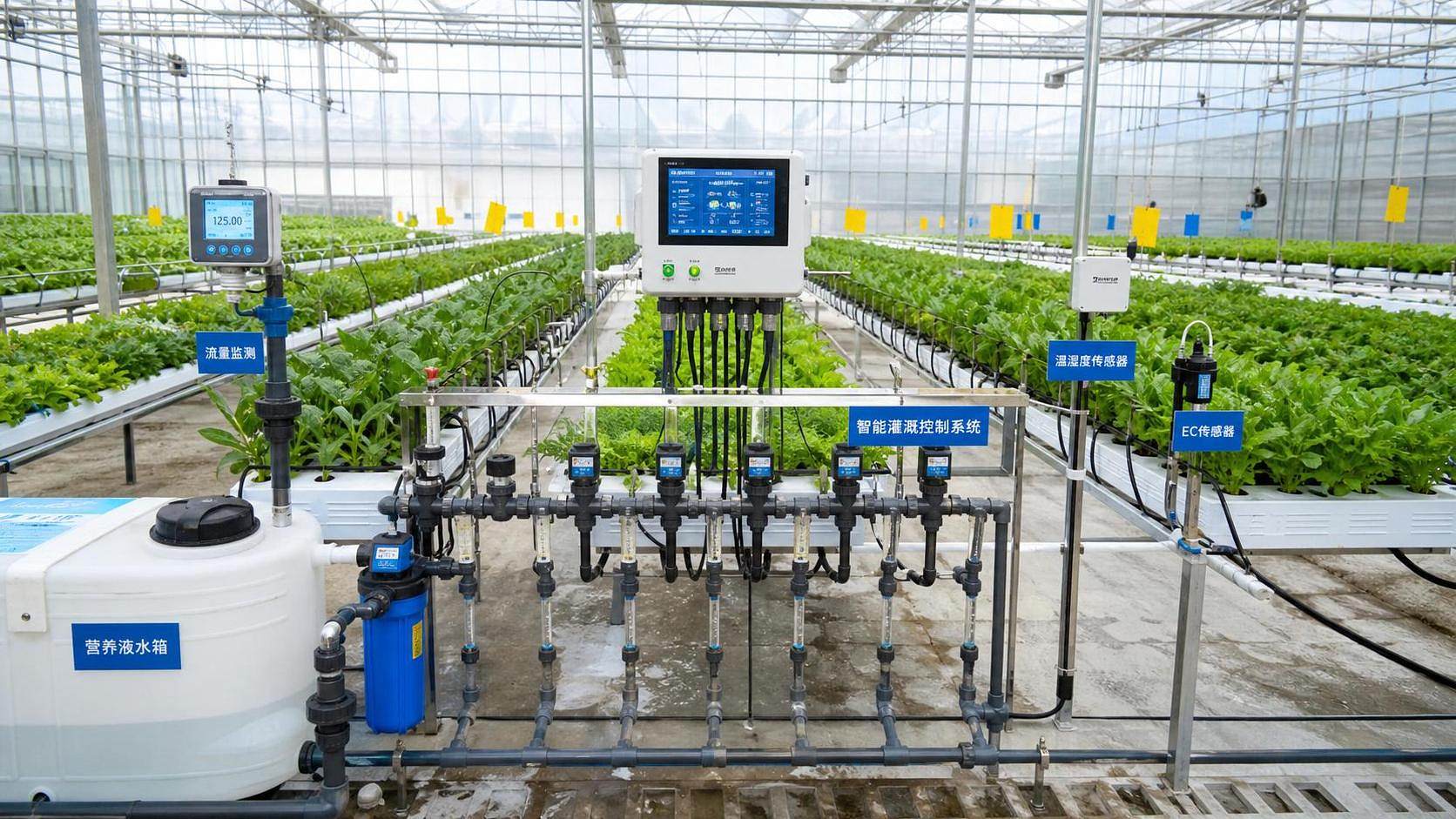




Intelligent Irrigation Systems for Greenhouses: Sensors, Control Logic, and ROI
For greenhouse operators and agribusiness leaders, intelligent irrigation systems greenhouses are no longer optional. They now shape yield stability, labor efficiency, water control, and capital performance.
The shift is practical, not theoretical. Input costs are rising. Water permits are tighter. Crop quality targets are stricter. Manual irrigation simply leaves too much variability in the system.
That is why intelligent irrigation systems greenhouses are becoming a board-level investment topic. When sensors, control logic, and irrigation hardware work together, irrigation turns into a measurable operating asset.
Why intelligent irrigation systems greenhouses matter now
Greenhouse production depends on consistency. Small irrigation errors can quickly affect root oxygen, nutrient uptake, disease pressure, and harvest timing.
Traditional timer-based schedules rarely match real plant demand. They irrigate by habit, not by crop signals, weather patterns, or substrate conditions.
Intelligent irrigation systems greenhouses close that gap. They use data to trigger irrigation events with better timing, better dose control, and clearer performance feedback.
This also aligns with broader Agriculture 4.0 priorities. AP-Strategy tracks the same pattern across smart equipment markets: the strongest investments improve efficiency and decision quality at the same time.
What buyers usually want to improve
- Reduce water use without stressing crops.
- Lower fertilizer loss through tighter fertigation control.
- Stabilize yield and quality across zones.
- Cut manual checks and irrigation labor.
- Create traceable data for compliance and planning.
The sensor layer: what should be measured
The value of intelligent irrigation systems greenhouses starts with sensor selection. Good control depends on relevant, reliable, and well-placed measurements.
Not every greenhouse needs the same sensor stack. Crop type, substrate, climate strategy, and water source all influence the right setup.
Core sensors with direct irrigation value
- Substrate moisture sensors track water availability at root level.
- EC sensors show nutrient concentration trends and salinity risk.
- pH sensors help maintain nutrient availability.
- Drain sensors reveal runoff volume and irrigation balance.
- Flow meters confirm actual delivery and expose leaks or blockages.
- Tank level sensors protect supply continuity.
- Climate sensors measure temperature, humidity, radiation, and VPD drivers.
In real operations, climate data matters more than many buyers first expect. Plant water demand shifts with light intensity, humidity, and temperature far faster than manual schedules can follow.
Sensor quality also matters. Low-cost probes may look attractive during procurement, but unstable calibration often undermines decision confidence and expands maintenance costs later.
Questions to ask during sensor evaluation
- How often must each sensor be calibrated?
- Can sensor data be integrated into existing control software?
- What is the failure rate in humid greenhouse conditions?
- How many zones need separate sensing points?
- Is the vendor providing agronomic setup guidance or only hardware?
Control logic: where irrigation intelligence is really created
Sensors alone do not create value. Intelligent irrigation systems greenhouses become useful when control logic converts field data into timely irrigation actions.
This is where procurement decisions often go wrong. Buyers compare pumps, valves, and dashboards, but overlook the rules engine behind irrigation timing and dosing.
Typical control models in greenhouse irrigation
- Time-based control uses fixed irrigation schedules.
- Threshold control triggers events at set moisture, EC, or drain values.
- Climate-linked control responds to radiation, VPD, or evapotranspiration estimates.
- Predictive control combines historical and live data for adaptive scheduling.
The right model depends on operational maturity. Many greenhouse projects begin with threshold control, then move toward climate-linked or predictive logic as teams gain confidence.
A strong control system should also support zone-level decisions. Different crops, varieties, growth stages, and substrate types rarely perform well under one irrigation rule set.
More importantly, the platform should explain why an event was triggered. Transparent logic speeds operator trust and makes optimization easier after deployment.
Control features worth paying for
- Multi-zone control with independent thresholds.
- Alarm logic for flow deviations, over-irrigation, or sensor failure.
- Remote access with role-based permissions.
- Historical trend analysis for irrigation audits.
- Manual override for maintenance and crop exceptions.
How to evaluate ROI without oversimplifying the business case
ROI is often the deciding factor for intelligent irrigation systems greenhouses. Still, the most useful analysis goes beyond water savings alone.
A narrow water-cost calculation may underestimate strategic value. In greenhouse operations, crop consistency and loss prevention often generate the larger financial impact.
Main ROI drivers to include
In practice, payback periods vary widely. Smaller retrofits may return value within one to two seasons. Complex multi-zone automation can take longer, but deliver larger long-term gains.
The stronger business case usually comes from combining resource savings with reduced crop variability. That is especially true in high-value vegetables, berries, ornamentals, and nursery production.
A practical ROI checklist
- Measure baseline water, fertilizer, labor, and yield variation.
- Separate hardware cost from software and service cost.
- Estimate maintenance, calibration, and replacement expenses.
- Model best-case, expected-case, and conservative savings.
- Include downtime risk and support response time in vendor scoring.
Common procurement mistakes in intelligent irrigation systems greenhouses
Several buying mistakes appear again and again. Most are not technical failures. They come from weak alignment between agronomy, operations, and procurement goals.
- Buying too many sensors before defining decisions they should support.
- Choosing dashboards that look modern but offer shallow control logic.
- Ignoring integration with fertigation, climate control, or ERP systems.
- Underestimating staff training and change management needs.
- Comparing vendors on capex only, without lifecycle support analysis.
A better approach is phased deployment. Start with critical zones, validate irrigation logic, and expand after performance data confirms the model.
This reduces implementation risk and creates internal evidence for broader investment. It also helps teams refine operating rules before scaling system complexity.
How AP-Strategy frames vendor and system selection
From AP-Strategy’s market view, the best intelligent irrigation systems greenhouses combine three strengths: dependable hardware, explainable automation, and decision-ready data.
That perspective reflects a wider Agriculture 4.0 lesson. Equipment value is no longer defined by mechanics alone. It is defined by how well machines, sensors, and algorithms improve operational precision.
For buyers, the most useful selection process is structured. Score systems on agronomic fit, control depth, integration capability, support quality, and modeled ROI.
Ask vendors for real greenhouse case data, not just feature sheets. Request examples showing water reduction, drain control, crop response, and time-to-payback under similar production conditions.
That discipline usually separates systems that are merely automated from systems that are genuinely intelligent.
Final decision path
Intelligent irrigation systems greenhouses should be evaluated as strategic infrastructure. The right system protects yield, improves water productivity, and strengthens long-cycle profitability.
The most reliable buying path is simple. Define the crop risk, choose the sensor stack carefully, test the control logic, and model ROI with realistic operating assumptions.
When those steps are handled well, intelligent irrigation systems greenhouses move from a technology purchase to a measurable productivity strategy.
For organizations planning the next stage of greenhouse modernization, this is the moment to compare systems with sharper questions and clearer financial discipline.
Related News
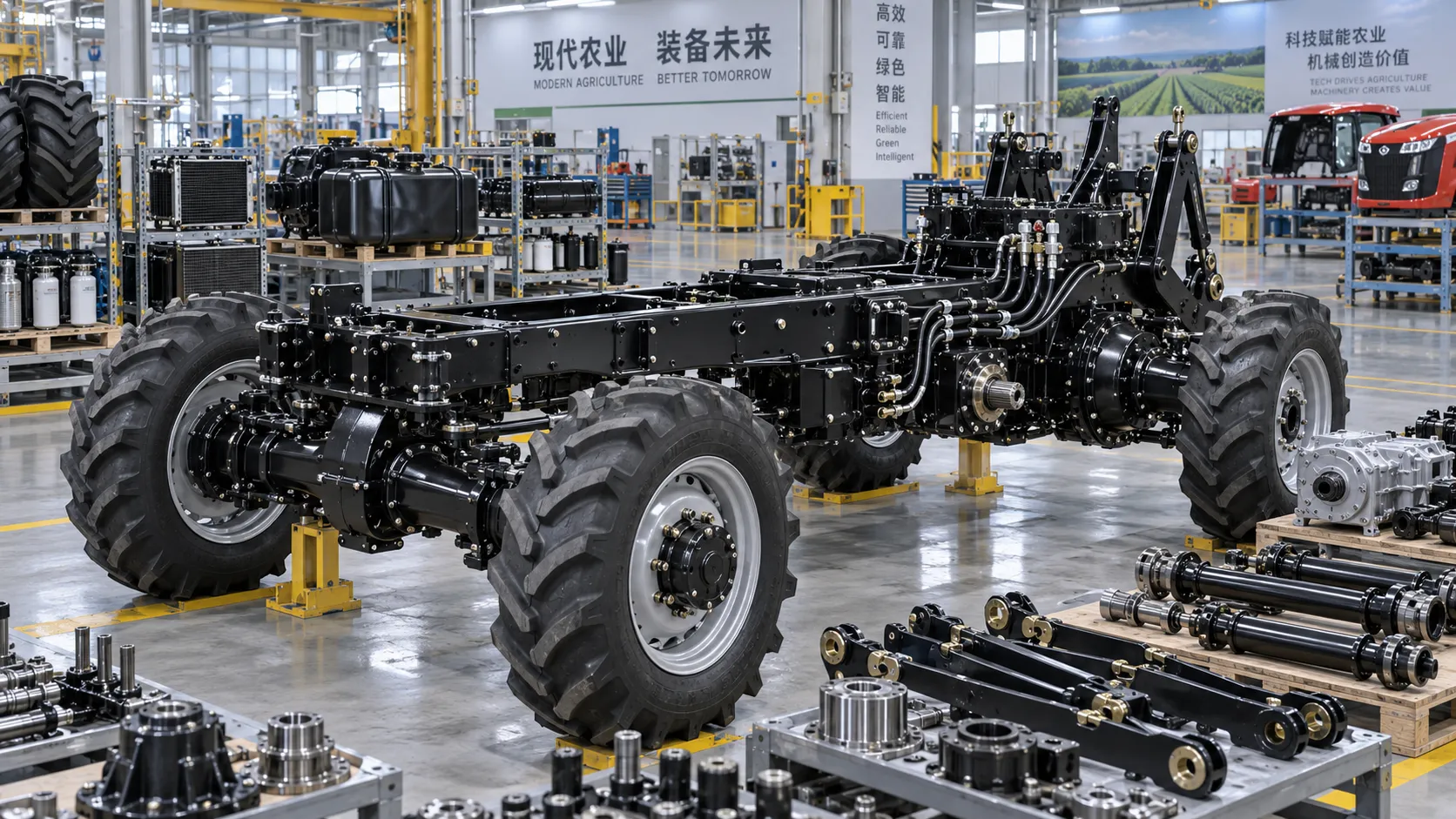
Tractor Chassis Price: What Buyers Should Compare Beyond the Initial Quote
Tractor chassis price is only the start. Compare load capacity, compatibility, durability, and lifecycle costs to choose a reliable, high-value chassis.
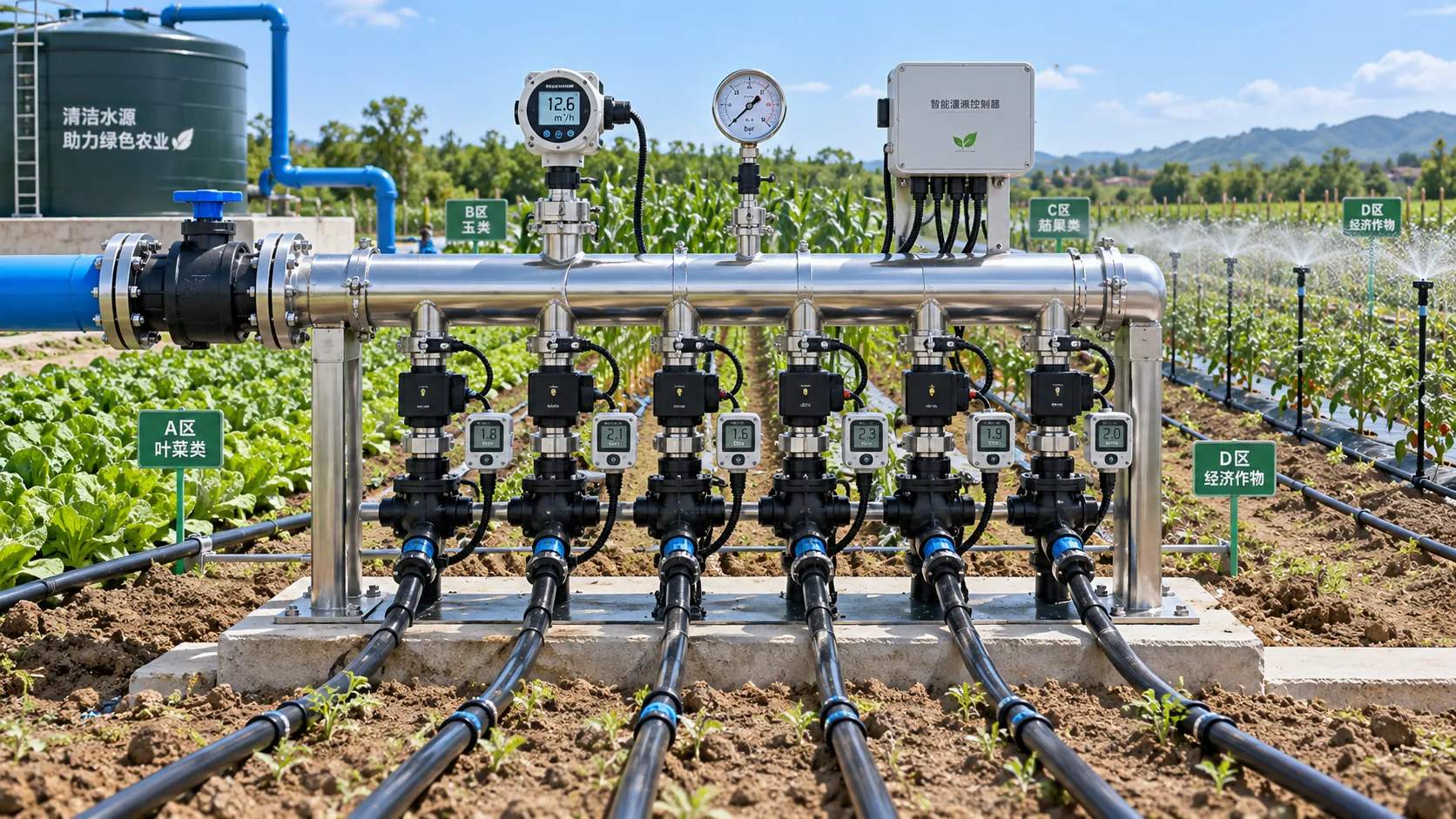
How to Select Smart Irrigation Valves for Multi-Zone Water Management?
Intelligent irrigation systems valves: learn how to match smart valves with multi-zone flow, pressure, control, feedback, and communication needs for reliable water management.
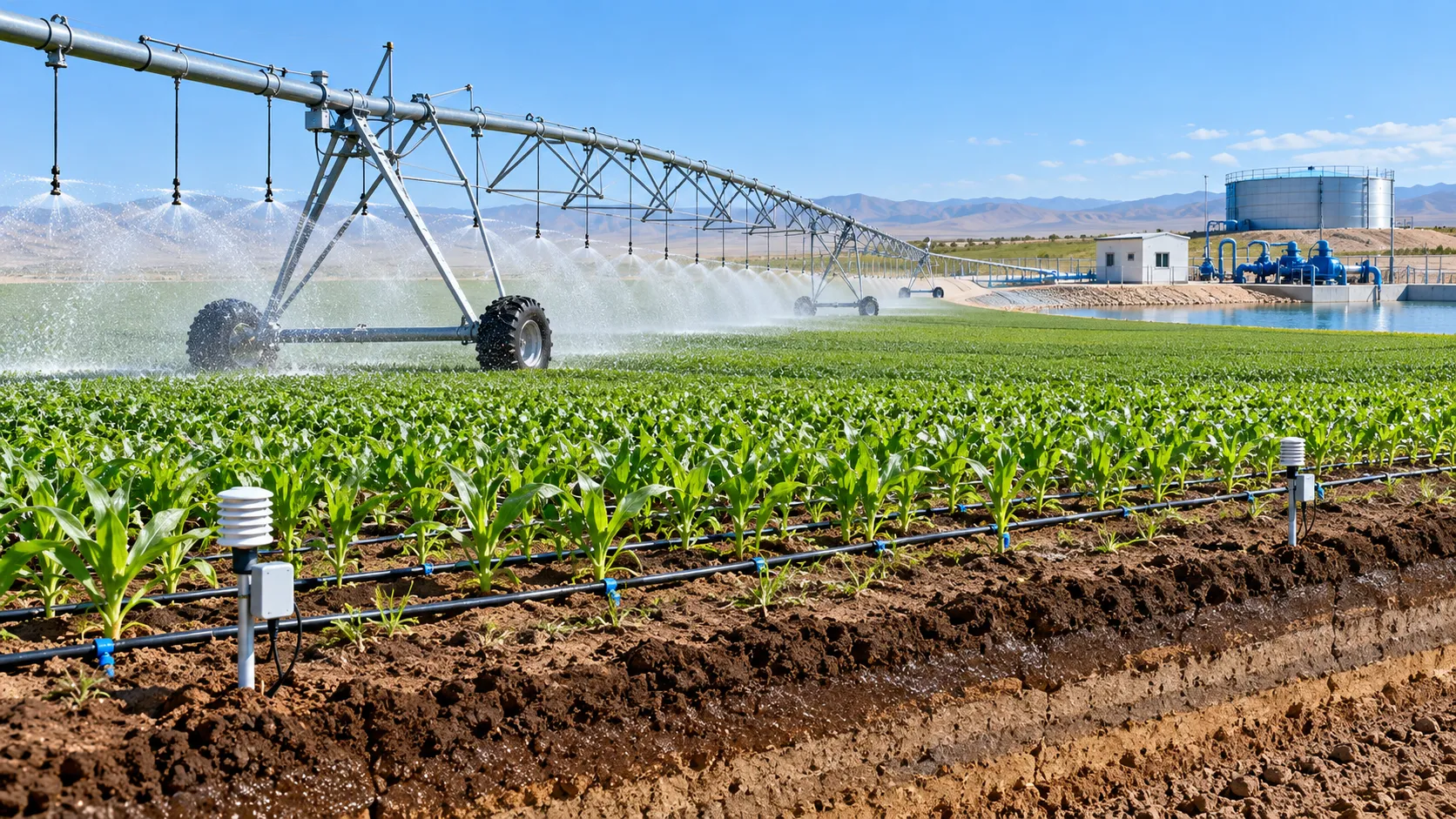
Climate-Smart Farming for Drought: A Practical Plan for Protecting Yields
Climate-smart farming for drought: build smarter water budgets, protect critical crop stages, improve irrigation uniformity, and safeguard yields with practical field-proven strategies.
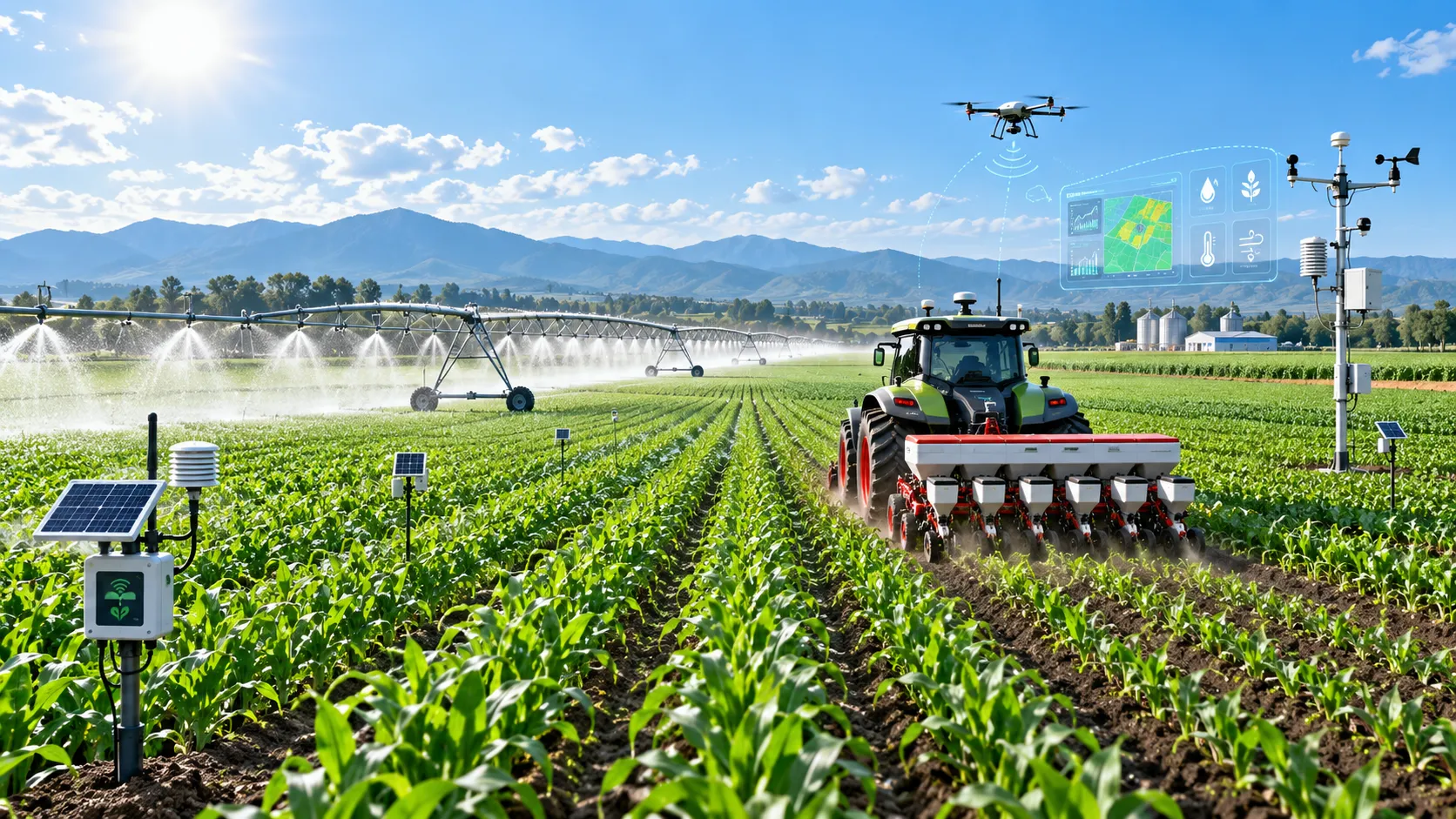
How Digital Agriculture Platforms Turn Field Data Into Better Input Decisions
Digital agriculture platforms turn field data into smarter fertilizer, water, seed, and equipment decisions—helping farms cut risk, improve margins, and scale sustainability.
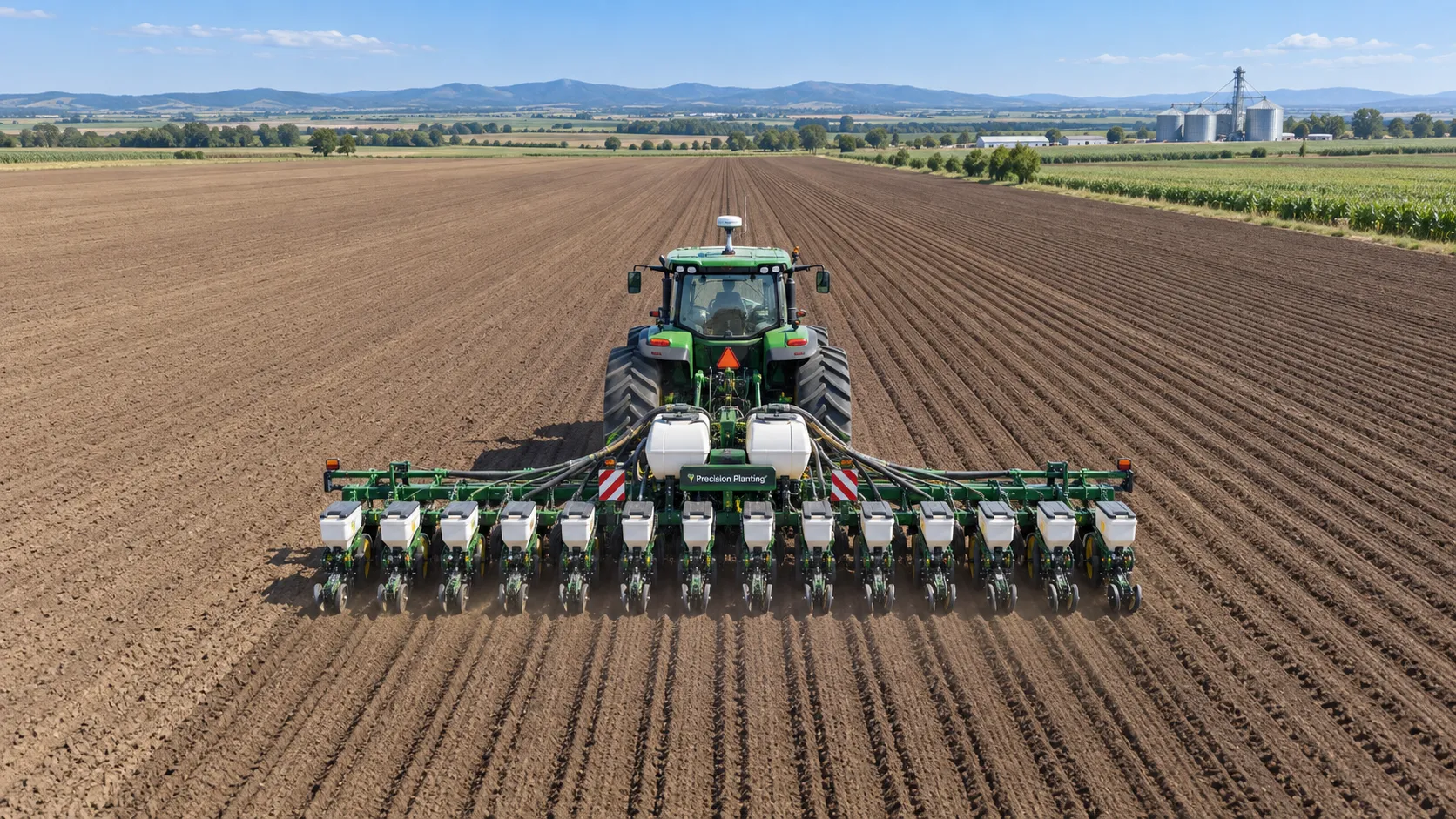
GPS-Guided Farm Machinery: Where It Delivers Measurable Field Efficiency Gains
Agri-mechanization GPS guided systems deliver measurable field efficiency gains through reduced overlap, precise planting, smarter inputs, and reliable farm data.
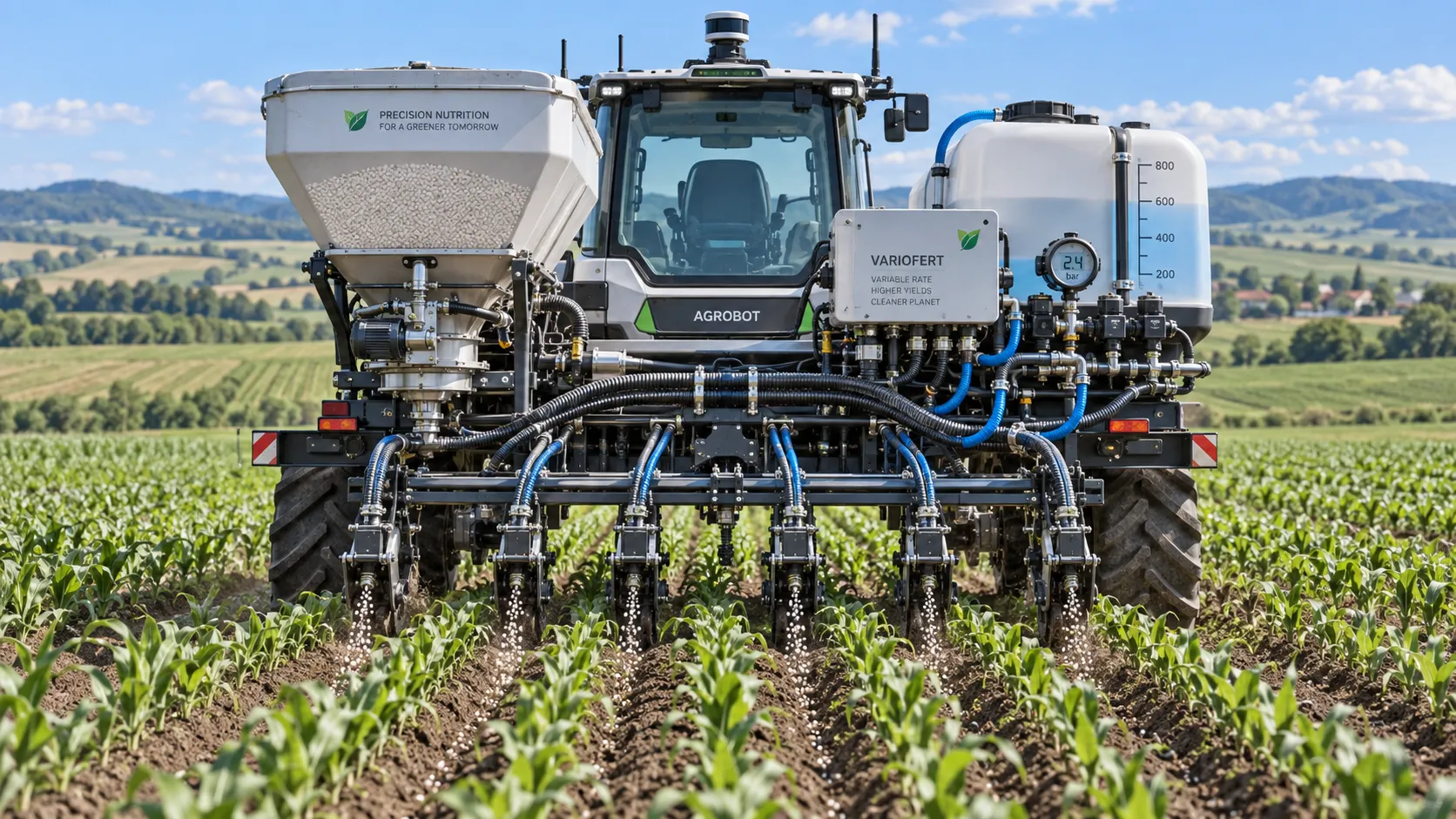
How Sensor Feedback Enables Accurate Variable-Rate Fertilization in Field Conditions
Precision fertilization systems with sensor feedback improve variable-rate accuracy by verifying flow, managing latency, and ensuring reliable field application.
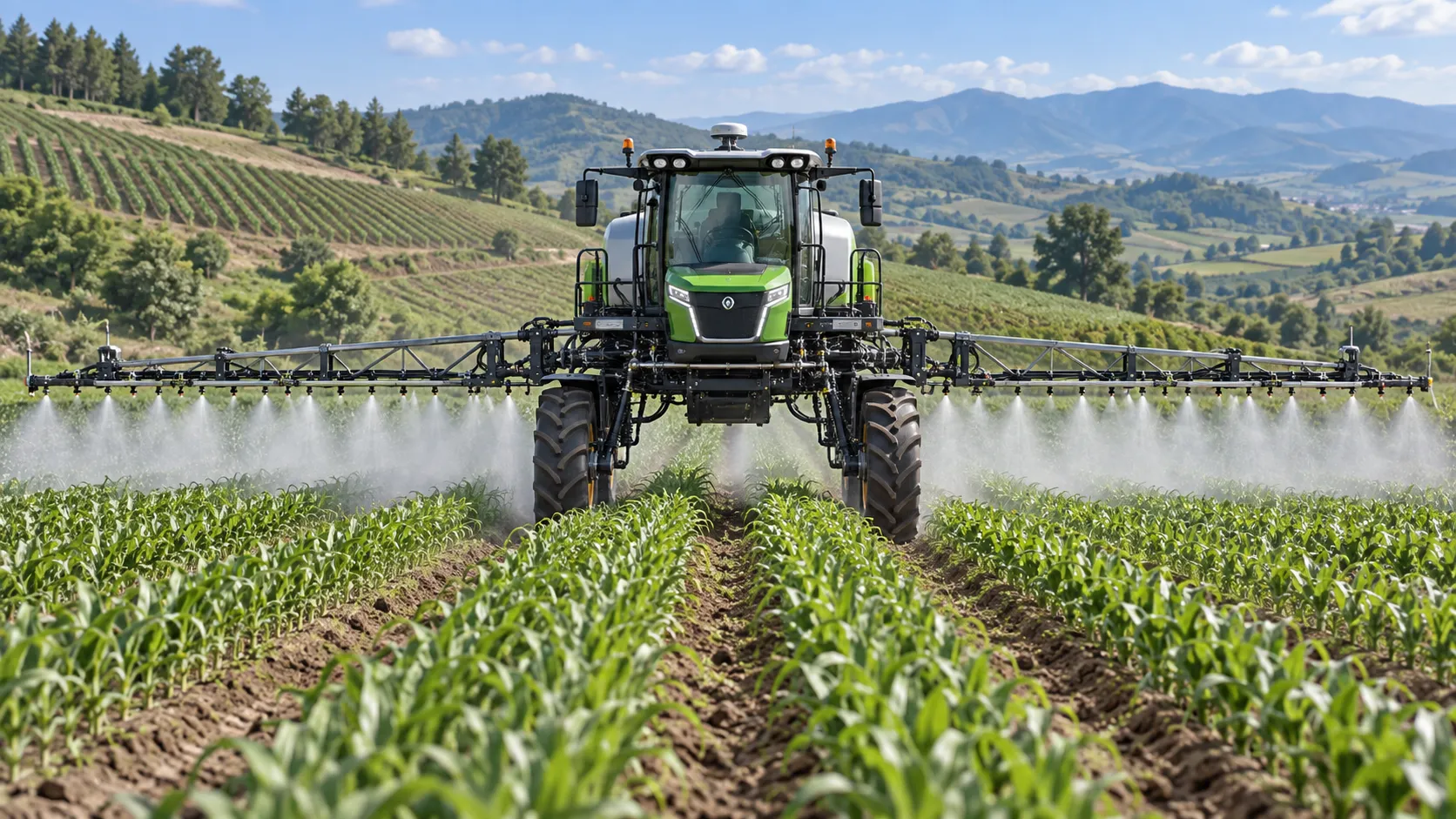
How to Select Precision Crop Protection Equipment for Variable Field Conditions
Precision crop protection equipment selection made simple: compare terrain, canopy, weather, control accuracy, and data workflows for reliable applications.
When Does Agricultural Machinery Leasing Cost Less Than Owning Equipment?
Agricultural machinery leasing can lower farm costs when use is seasonal or uncertain. Compare utilization, maintenance, cash flow, and risk to make a smarter equipment decision.
How to Evaluate Precision Fertilization System Suppliers for Farm-Scale Deployment
Precision fertilization systems suppliers: learn how to compare accuracy, integration, uptime, service, and total cost for confident farm-scale deployment.
Related News
- 00
0000-00
Climate-Smart Farming for Drought: A Practical Plan for Protecting Yields - 00
0000-00
Selecting Real-Time Soil Moisture Sensors for Irrigation Zone Control - 00
0000-00
How Does Climate-Smart Farming Reduce Water Use in Semi-Arid Areas? - 00
0000-00
USDA Rule Takes Effect: Dual FCC and NRCS Approval for Soil Moisture Sensors - 00
0000-00
EU Rule Takes Effect: Soil Moisture Sensors Need Revised CE-EMC Certification
Popular Tags
Hydrological Resource Strategist
Weekly Insights
Stay ahead with our curated technology reports delivered every Monday.