
Red Sea Disruptions Lift Sensor Freight Costs
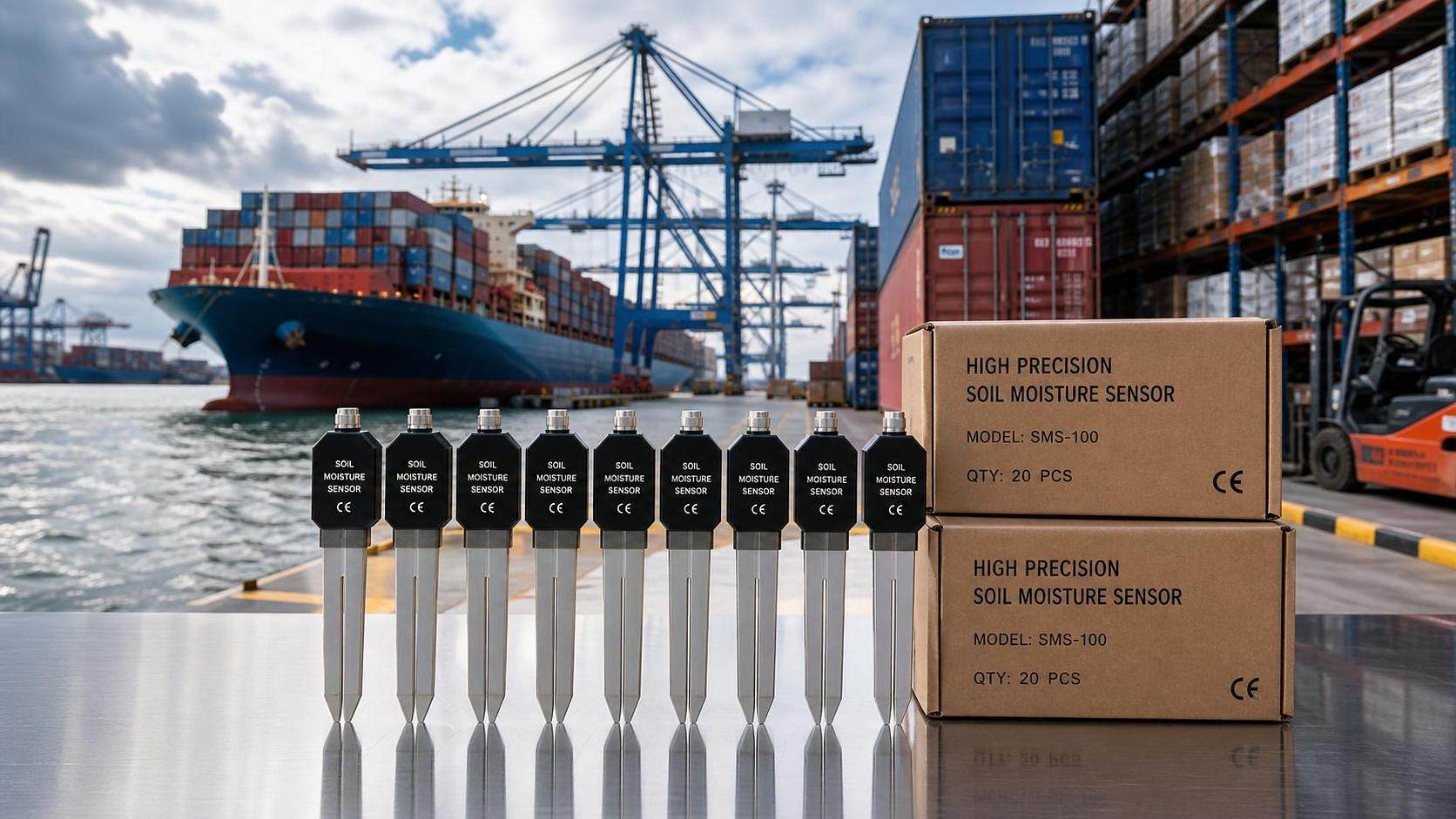




The timing of the underlying disruption is not explicitly stated in the source input, but the latest weekly update cited here shows that sustained conflict in the Red Sea and the normalization of diversions away from the Suez Canal are now affecting freight execution for Europe-bound shipments. For exporters, buyers, and supply-chain operators handling Soil Moisture Sensors and other high-precision sensor products, this is worth close attention because the change is no longer only a logistics issue; it is also affecting delivery commitments, procurement timing, routing decisions, and the practical handling of trade and compliance documents tied to shipment schedules.
What the latest freight data confirms
According to Drewry's weekly report released on 2026-07-05, spot freight rates on the Far East-North Europe route rose above $5,820 per FEU. The source summary states that this represents a 37% increase from early June. The same summary links the increase to the continuing Red Sea conflict and the now-routine diversion around the Suez Canal. It also states that logistics costs have risen materially for high-precision sensor cargoes including Soil Moisture Sensors, and that multiple Chinese exporters have already begun stock preparation through Southeast Asian transit warehouses, with average delivery times extended by 11 days.
Where the pressure is showing across the trade chain
Export delivery commitments are becoming harder to manage
For exporters of precision sensor products, the immediate issue is not only higher freight cost but also the effect on delivery windows promised to overseas customers. From an industry perspective, what deserves closer attention is the increased sensitivity of shipment planning, booking timing, and contract execution when transit routes are less stable. Businesses in this position may need to review whether shipping documents, delivery terms, and customer-facing lead-time commitments still match actual transport conditions.
Procurement teams face timing and cost-control pressure
For buyers and procurement teams sourcing Soil Moisture Sensors or similar products, the reported freight increase and longer lead times can alter landed-cost assumptions and replenishment timing. Analysis shows that this may affect purchase scheduling, batch planning, and acceptance of revised shipment dates. The practical point is not that a new formal trade rule has been issued, but that transport conditions are changing the operating environment in which procurement decisions are made.
Supply-chain service providers must handle more routing-related complexity
For freight coordinators, warehousing operators, and other supply-chain service providers, the move by some exporters toward Southeast Asian transit warehouse preparation signals a shift in execution patterns. Observably, this can increase the need to align booking plans, cargo handover timing, and supporting shipment records with revised routing arrangements. Where technical products are involved, any change in storage or transit sequence may also require closer control over document consistency and delivery traceability.
Practical points companies should monitor now
Check whether delivery documentation still matches actual transit conditions
Analysis shows that when lead times are extended and routing changes become more common, businesses should pay closer attention to whether order confirmations, shipping schedules, packing records, and other transaction documents remain consistent with real execution. This is particularly relevant where customers or tenders require strict delivery timing or traceable shipment milestones.
Reassess procurement cycles for high-precision sensor cargo
For products such as Soil Moisture Sensors, the reported cost increase and average 11-day extension in delivery time suggest that procurement teams may need to revisit reorder timing and buffer assumptions. It is more appropriate to understand this as a current execution signal rather than a settled long-term rule, but it is still relevant for near-term sourcing decisions.
Watch how transit-warehouse arrangements affect compliance handling
The source summary notes that multiple Chinese exporters have started preparing goods through Southeast Asian transit warehouses. Observably, companies using similar arrangements should monitor whether this changes the practical handling of shipment records, technical documents, after-sales traceability, or customer-required submission packages. The input does not provide detailed compliance procedures, so this remains an area for continued checking rather than a confirmed rule change.
Track market-facing terms in contracts and tenders
From an industry perspective, another area to watch is whether buyers, distributors, or project-based procurement files begin to reflect longer delivery expectations or tighter logistics-related conditions. The source input does not confirm such changes, but businesses exposed to Europe-bound trade should monitor contract language and tender documentation for evolving delivery and execution requirements.
How this development should be read at this stage
Observably, this development is better understood as an execution-level signal with trade and compliance consequences rather than as a newly published regulation or formal policy text. The freight increase, route diversion, and longer delivery cycle indicate that market participants are already adjusting operating behavior. Analysis shows that the most relevant question for industry is how quickly these transport realities begin to influence procurement discipline, documentation practice, delivery commitments, and customer acceptance standards.
What the signal means for the market
At this stage, the reported rise in freight rates and the shift toward transit-warehouse preparation suggest that supply-chain strain is feeding directly into commercial execution for high-precision sensor exports. It is more appropriate to understand this as a real, already-felt operating change, while the broader effects on trade terms, compliance expectations, and procurement behavior still require observation. The key takeaway is not a definitive rule reset, but a clear sign that logistics disruption is beginning to reshape how shipments are planned and delivered.
Basis of this article and points still requiring verification
This article is generated based on the user-provided news title, event timing, and event summary. For developments of this type, commonly relevant source categories may include official notices, regulator publications, customs or trade authority information, industry association updates, standards documentation, and reporting by authoritative industry media. A specific official source link was not provided in the input, so further verification is still required. What remains important to monitor includes any later policy detail, compliance interpretation, tender-document changes, market feedback, and actual implementation by affected companies.
Related News
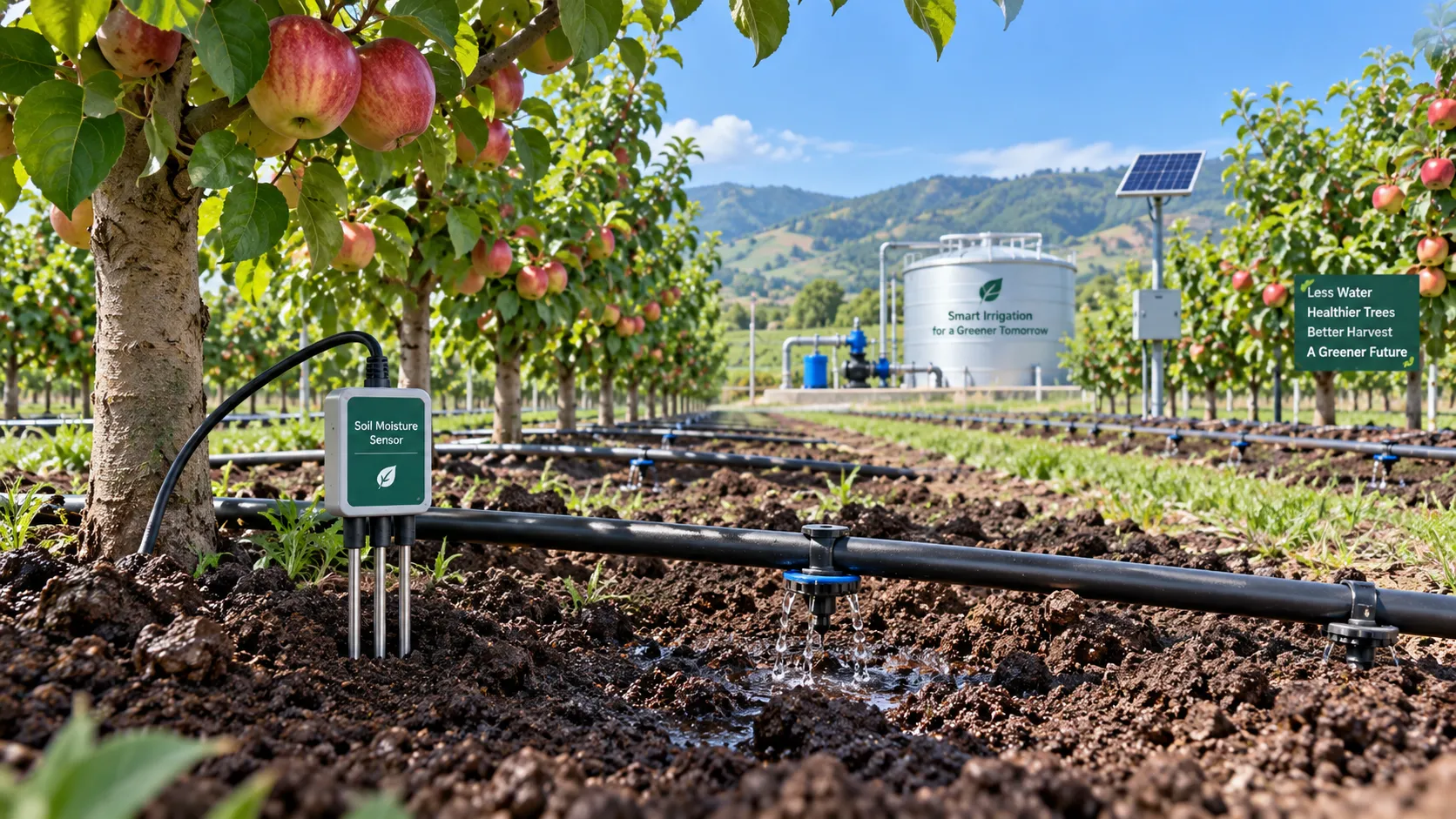
Orchard Water Management: Using Soil Moisture Data to Schedule Irrigation
Agricultural water management for orchards made practical: use soil moisture data to optimize irrigation timing, protect yield, reduce costs, and improve resilience.

Tractor Chassis Price: What Buyers Should Compare Beyond the Initial Quote
Tractor chassis price is only the start. Compare load capacity, compatibility, durability, and lifecycle costs to choose a reliable, high-value chassis.
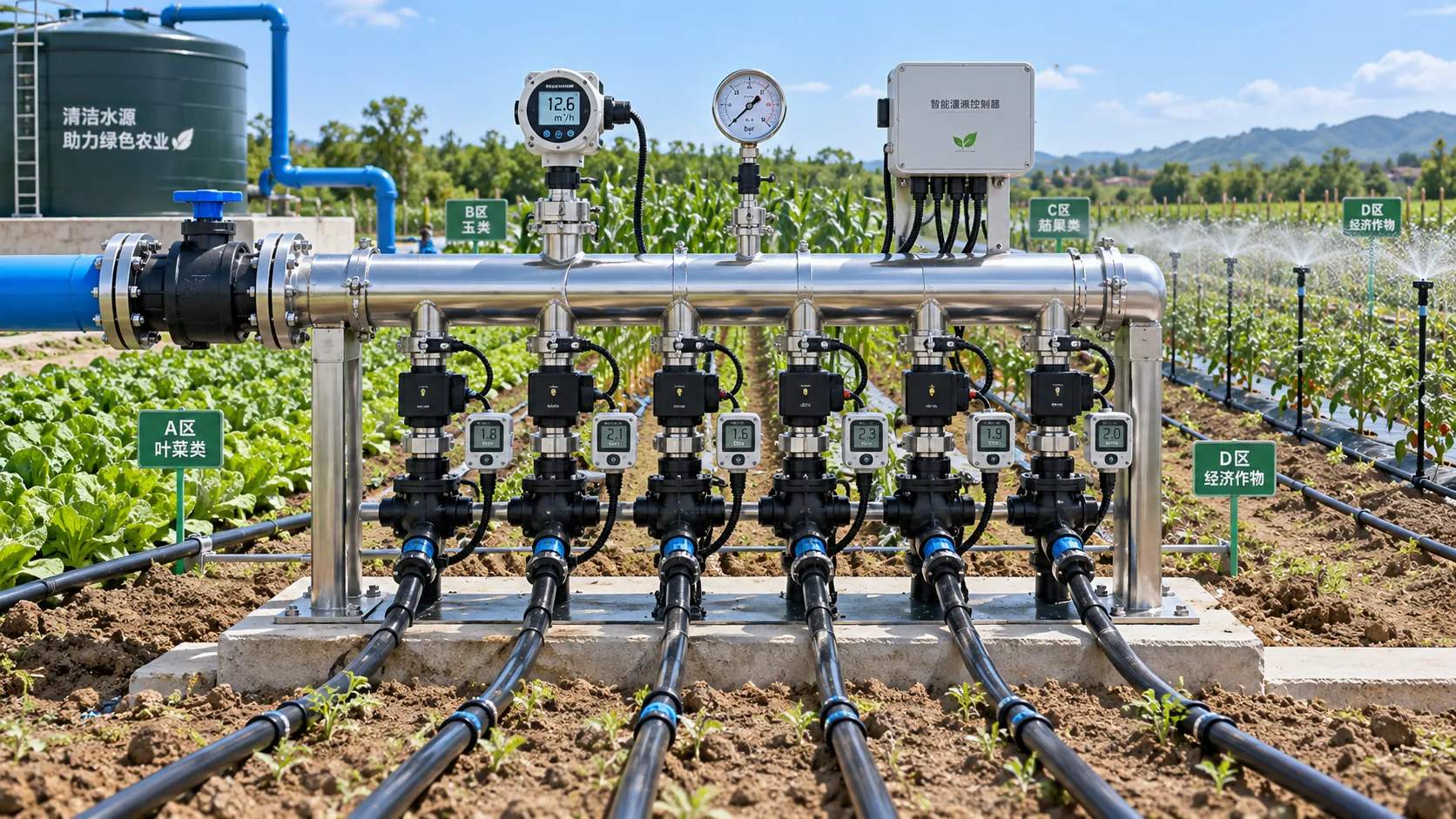
How to Select Smart Irrigation Valves for Multi-Zone Water Management?
Intelligent irrigation systems valves: learn how to match smart valves with multi-zone flow, pressure, control, feedback, and communication needs for reliable water management.

Climate-Smart Farming for Drought: A Practical Plan for Protecting Yields
Climate-smart farming for drought: build smarter water budgets, protect critical crop stages, improve irrigation uniformity, and safeguard yields with practical field-proven strategies.

How Digital Agriculture Platforms Turn Field Data Into Better Input Decisions
Digital agriculture platforms turn field data into smarter fertilizer, water, seed, and equipment decisions—helping farms cut risk, improve margins, and scale sustainability.

GPS-Guided Farm Machinery: Where It Delivers Measurable Field Efficiency Gains
Agri-mechanization GPS guided systems deliver measurable field efficiency gains through reduced overlap, precise planting, smarter inputs, and reliable farm data.

How Sensor Feedback Enables Accurate Variable-Rate Fertilization in Field Conditions
Precision fertilization systems with sensor feedback improve variable-rate accuracy by verifying flow, managing latency, and ensuring reliable field application.

How to Select Precision Crop Protection Equipment for Variable Field Conditions
Precision crop protection equipment selection made simple: compare terrain, canopy, weather, control accuracy, and data workflows for reliable applications.

When Does Agricultural Machinery Leasing Cost Less Than Owning Equipment?
Agricultural machinery leasing can lower farm costs when use is seasonal or uncertain. Compare utilization, maintenance, cash flow, and risk to make a smarter equipment decision.
Related News
- 00
0000-00
Orchard Water Management: Using Soil Moisture Data to Schedule Irrigation - 00
0000-00
Climate-Smart Farming for Drought: A Practical Plan for Protecting Yields - 00
0000-00
Selecting Real-Time Soil Moisture Sensors for Irrigation Zone Control - 00
0000-00
How Does Climate-Smart Farming Reduce Water Use in Semi-Arid Areas? - 00
0000-00
USDA Rule Takes Effect: Dual FCC and NRCS Approval for Soil Moisture Sensors
Popular Tags
Hydrological Resource Strategist
Weekly Insights
Stay ahead with our curated technology reports delivered every Monday.