
Farm Equipment Guide: How to Choose the Right Loader for Feeding, Lifting, and Yard Work
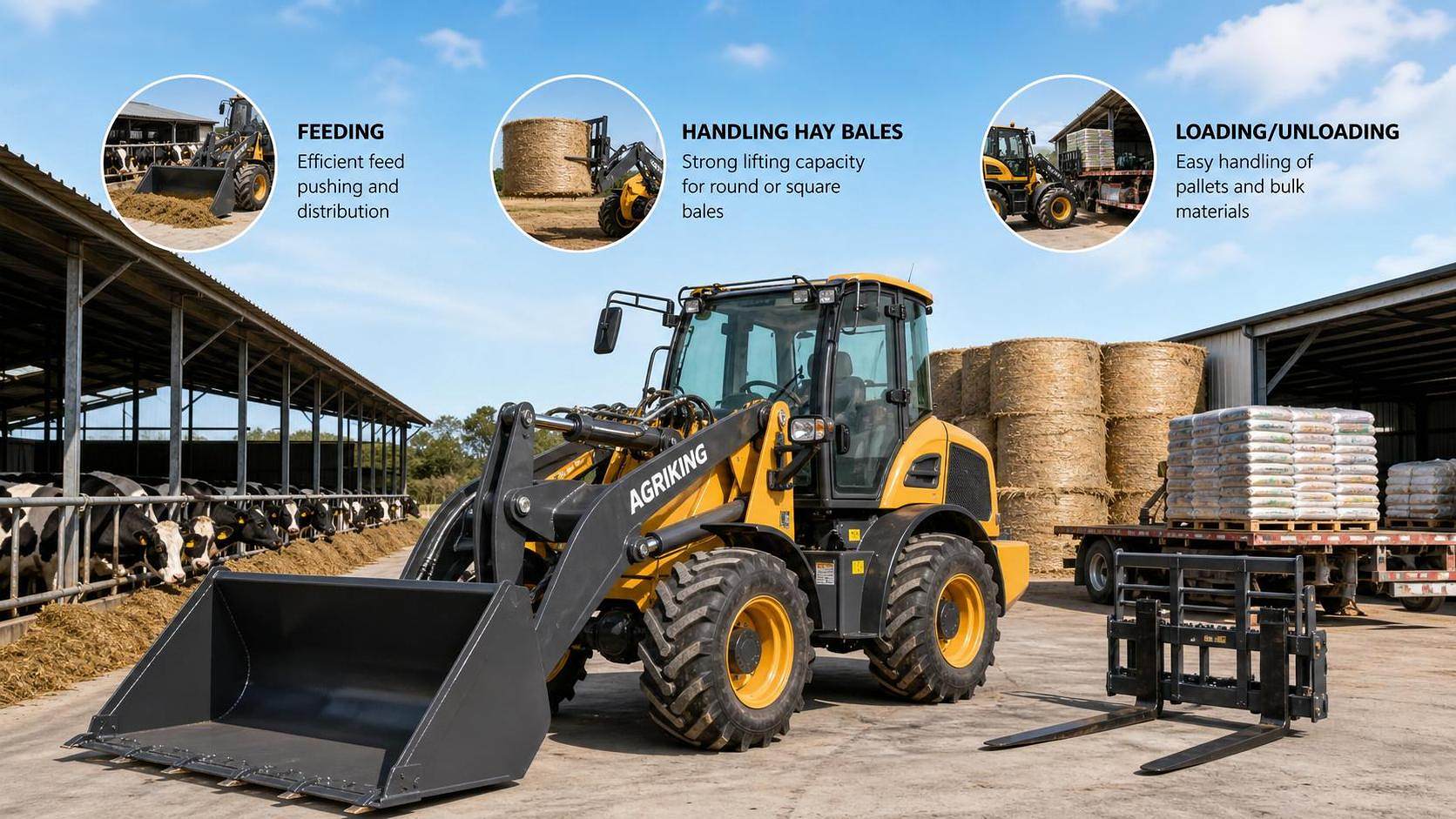




Why loader choice changes daily farm results
A loader often looks like a simple support machine, yet daily results depend heavily on how well it fits the work cycle.
In feeding, lifting, and yard work, the wrong machine usually shows up as delays, spillage, unstable handling, or repeated repositioning.
That is why any practical farm equipment guide loaders discussion needs to start with the job pattern, not with brochure numbers alone.
At AP-Strategy, this approach aligns with a broader Agriculture 4.0 view.
Loader selection is no longer isolated from tractor hydraulics, material flow, labor pressure, fuel use, and long-term equipment planning.
A loader that performs well in a feed corridor may be inefficient in a tight storage yard.
A unit sized for pallet lifting may become underwhelming when silage density, bale shape, or uneven ground changes the real load profile.
In real use, the first judgment is the working scene
Different loader applications create different pressure points because the work is not demanding in the same way.
Feeding jobs usually repeat many short cycles.
Here, visibility, smooth low-speed control, and fast attachment changes often matter more than maximum lift height.
Heavy lifting brings another logic.
The critical question becomes whether rated operating capacity remains stable when the load center moves forward.
Yard work sits somewhere between both extremes.
It often combines scraping, stacking, hauling, and occasional loading under changing ground and weather conditions.
A reliable farm equipment guide loaders framework therefore compares machine behavior under real site constraints.
Those constraints include lane width, ceiling clearance, ramp angle, manure moisture, forage density, tire wear, and hydraulic response consistency.
Feeding work usually rewards maneuverability over raw size
Feeding is often underestimated because the material is not always extremely heavy.
Yet this is one of the most time-sensitive tasks on many farms.
If the loader struggles in narrow passages, the whole routine slows down.
For bunker silage, loose hay, or mixed ration support, a compact turning radius can be more valuable than extra horsepower.
Operators also benefit from predictable boom movement at low speed.
Jerky lift functions spill feed, reduce placement accuracy, and increase cleanup work.
In this part of a farm equipment guide loaders analysis, three questions are usually decisive.
- Can the machine turn, reverse, and approach bunks without repeated correction?
- Does hydraulic flow support quick bucket, grab, or fork response without overheating?
- Is visibility strong enough to place feed precisely near barriers and animals?
More advanced operations may also connect loader use with feed inventory planning.
That makes attachment compatibility important, especially where weighing buckets or telematics support tighter input control.
When lifting is the priority, stability matters more than headline capacity
Lifting tasks often include fertilizer pallets, seed units, wrapped bales, bulk bags, and maintenance materials.
On paper, many machines seem suitable because the rated numbers appear close.
In practice, the load shape changes everything.
A long pallet or spear-mounted bale shifts weight forward, reducing effective stability and making rear ballast more important.
This is where a farm equipment guide loaders comparison should examine lift path, wheelbase, and attachment geometry together.
Vertical lift designs often help with truck loading and higher stacking.
Radial lift designs may feel more natural in mid-height loading and digging work.
The best choice depends less on brand preference and more on how often height is required at full load.
Yard work asks for versatility, not a single-task machine
Yard work is where loader versatility becomes visible every day.
The same machine may scrape manure in the morning, move bins at noon, and stack materials before dusk.
That mix changes the selection logic.
Attachment speed, coupler durability, and cab protection often deserve as much attention as bucket breakout force.
Ground conditions also matter more than many buyers expect.
A yard with soft edges, drainage channels, and seasonal mud requires tire choice and weight distribution to be considered early.
For this reason, any useful farm equipment guide loaders review should include maintenance exposure.
Dusty yards, corrosive slurry, and repeated stop-start use accelerate pin wear, cooling blockage, and brake stress.
Machines that look economical at purchase can become expensive if service points are hard to access.
Different applications rarely need the same specification balance
This is where selection becomes more disciplined.
Instead of asking for the best loader in general, it is better to rank the most frequent job conditions.
A concise comparison makes the trade-offs clearer.
This is also consistent with AP-Strategy’s intelligence-led view of large-scale machinery.
The right machine supports the whole operational system, not just one isolated task.
What gets missed before a loader reaches the yard
A frequent mistake is choosing from specification sheets before measuring the site.
Door heights, feed lane widths, and stack clearances can rule out otherwise capable machines.
Another common error is treating all loads as equal because they share similar weight.
Material density, moisture, and shape alter loader behavior more than nominal weight suggests.
A third issue is short-term cost focus.
In many farm equipment guide loaders decisions, maintenance access, attachment replacement, and tire life shift the real ownership cost.
There is also a growing need to think beyond current labor patterns.
Where staffing is tighter, intuitive controls, camera support, and reliable quick-attach systems can add measurable value.
A practical way to narrow the right loader
A better process starts with task frequency.
List the three jobs that consume the most loader hours across a normal month.
Then note the heaviest real load, the tightest working space, and the most demanding surface condition.
- Match rated capacity to the actual attachment and shifted load center.
- Confirm hydraulic flow against the attachments used most often.
- Measure access points and turning zones before comparing models.
- Estimate yearly service exposure in dust, slurry, moisture, and cold starts.
- Check whether future precision workflows may require telematics or weighing support.
That final point matters more now.
Across the broader Agriculture 4.0 transition, loader data increasingly connects with feed use, input handling, and fleet planning.
Closing the decision with field-ready criteria
The strongest loader choice usually comes from matching machine behavior to repeating conditions, not from choosing the biggest specification package.
Feeding favors control and maneuverability.
Lifting depends on stable geometry and honest load assessment.
Yard work rewards attachment flexibility and service durability.
For anyone using a farm equipment guide loaders approach, the next step is straightforward.
Map the real work scenes, rank the limiting conditions, and compare models against those limits before making a final shortlist.
That method creates a more dependable fit, lower downtime, and better long-cycle value across the farm system.
Related News
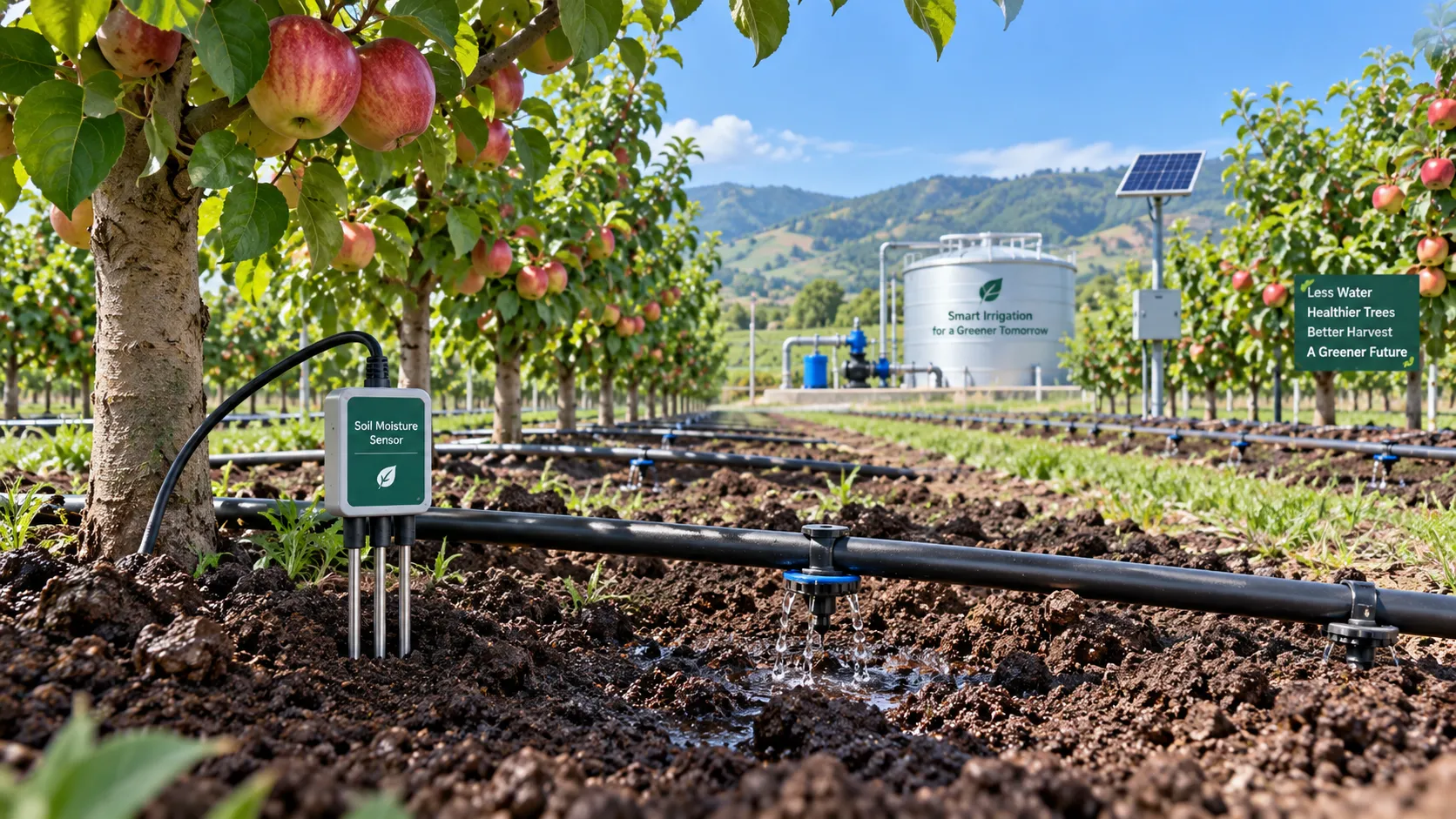
Orchard Water Management: Using Soil Moisture Data to Schedule Irrigation
Agricultural water management for orchards made practical: use soil moisture data to optimize irrigation timing, protect yield, reduce costs, and improve resilience.
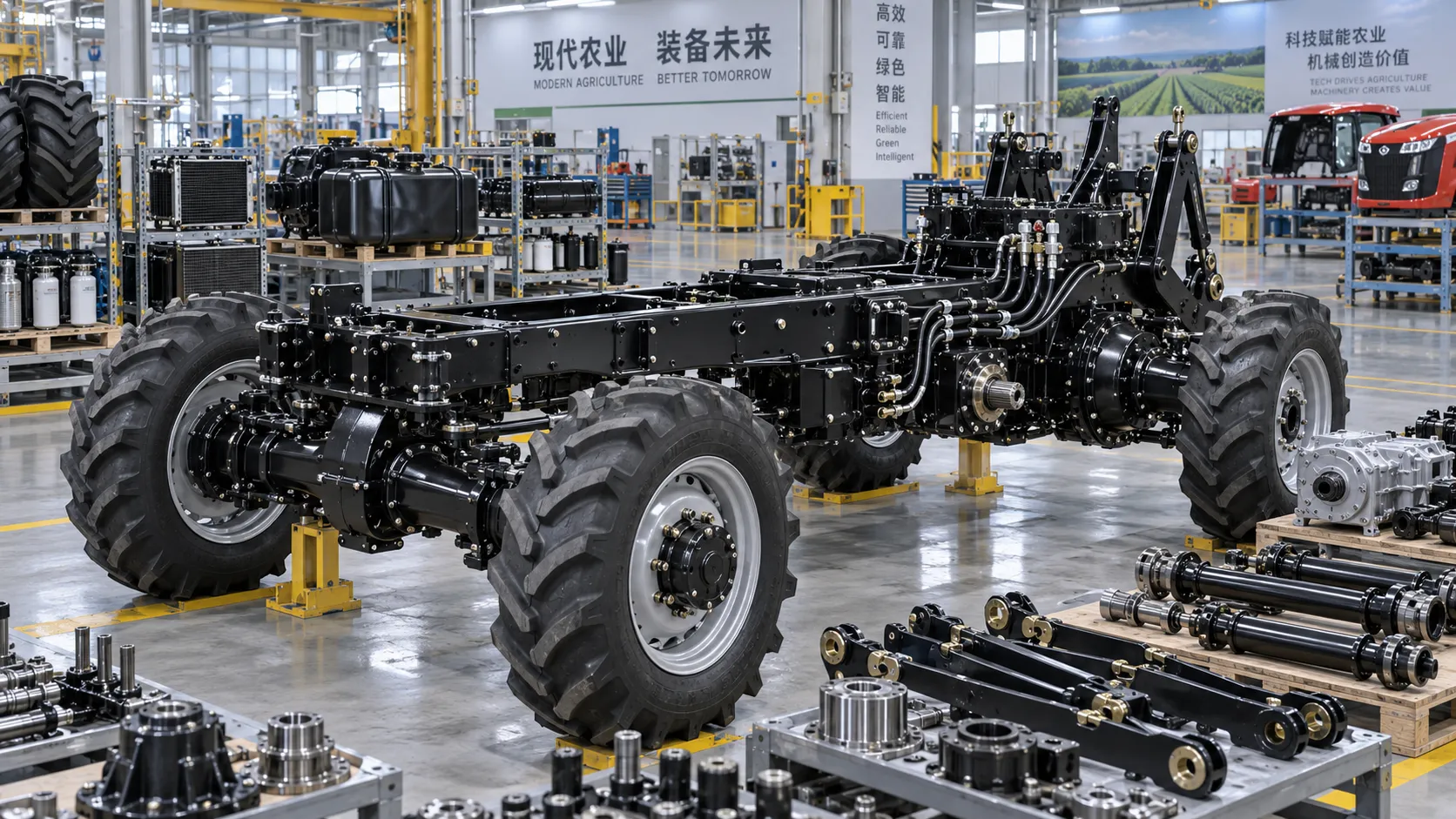
Tractor Chassis Price: What Buyers Should Compare Beyond the Initial Quote
Tractor chassis price is only the start. Compare load capacity, compatibility, durability, and lifecycle costs to choose a reliable, high-value chassis.
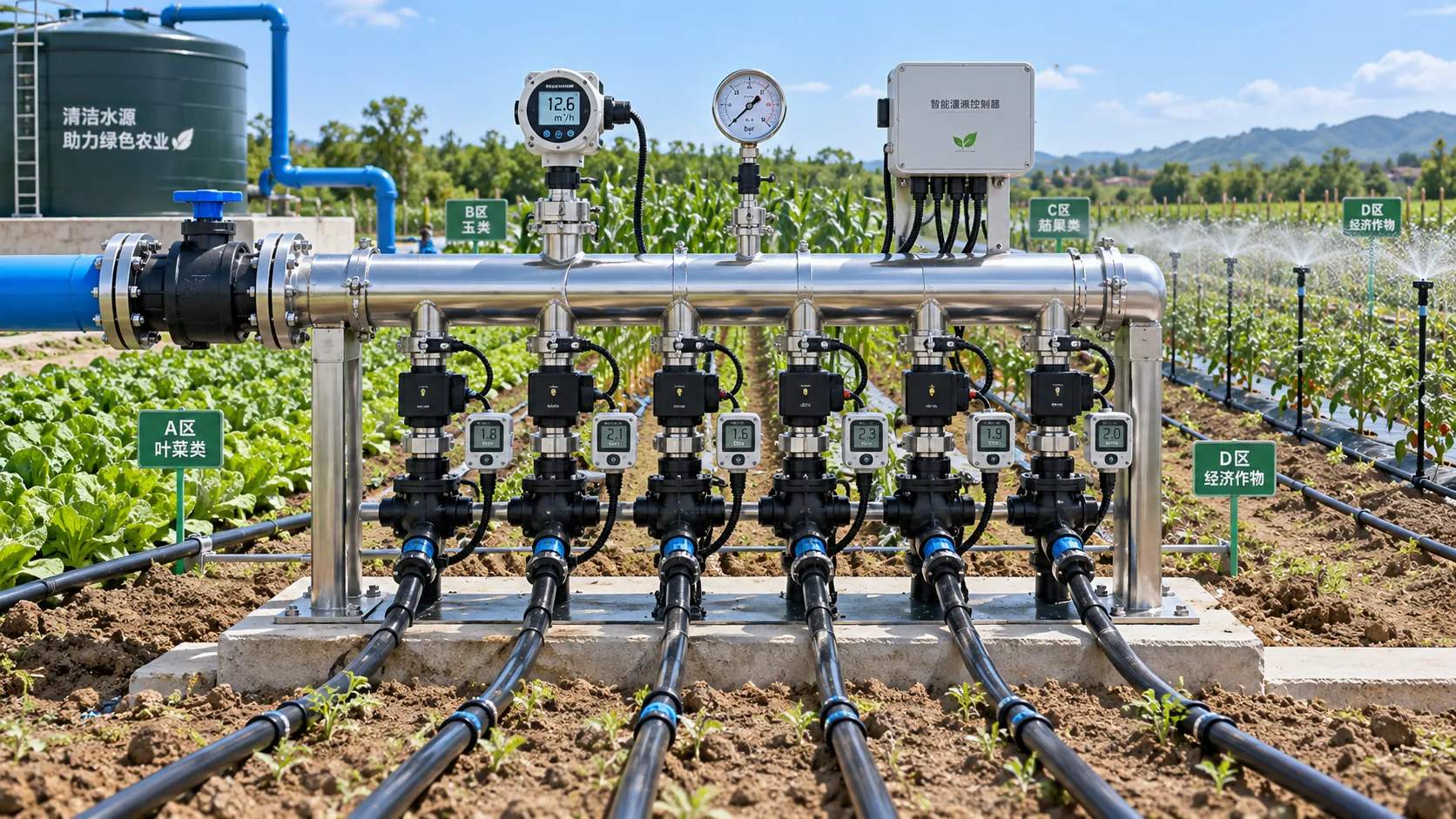
How to Select Smart Irrigation Valves for Multi-Zone Water Management?
Intelligent irrigation systems valves: learn how to match smart valves with multi-zone flow, pressure, control, feedback, and communication needs for reliable water management.
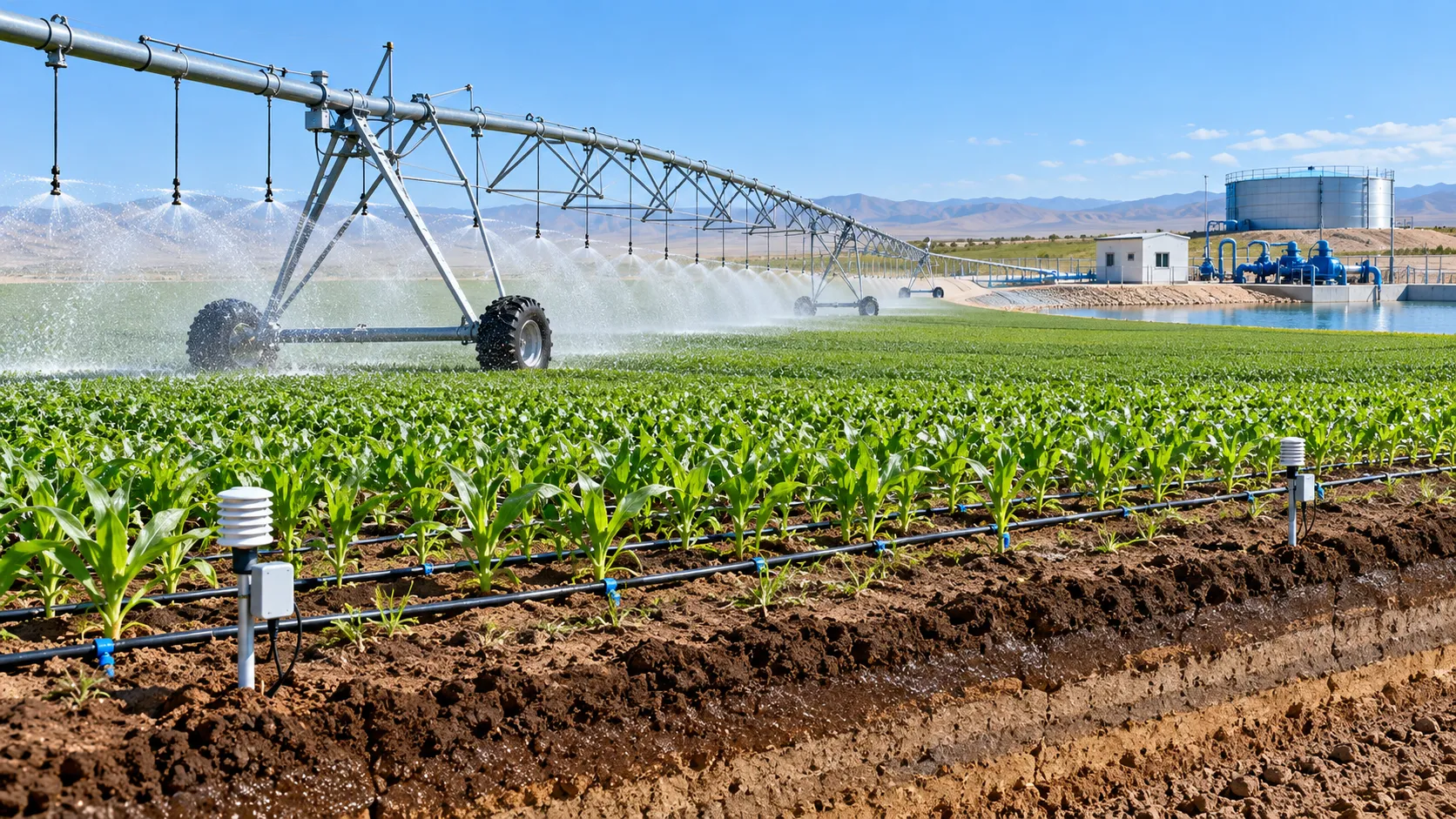
Climate-Smart Farming for Drought: A Practical Plan for Protecting Yields
Climate-smart farming for drought: build smarter water budgets, protect critical crop stages, improve irrigation uniformity, and safeguard yields with practical field-proven strategies.
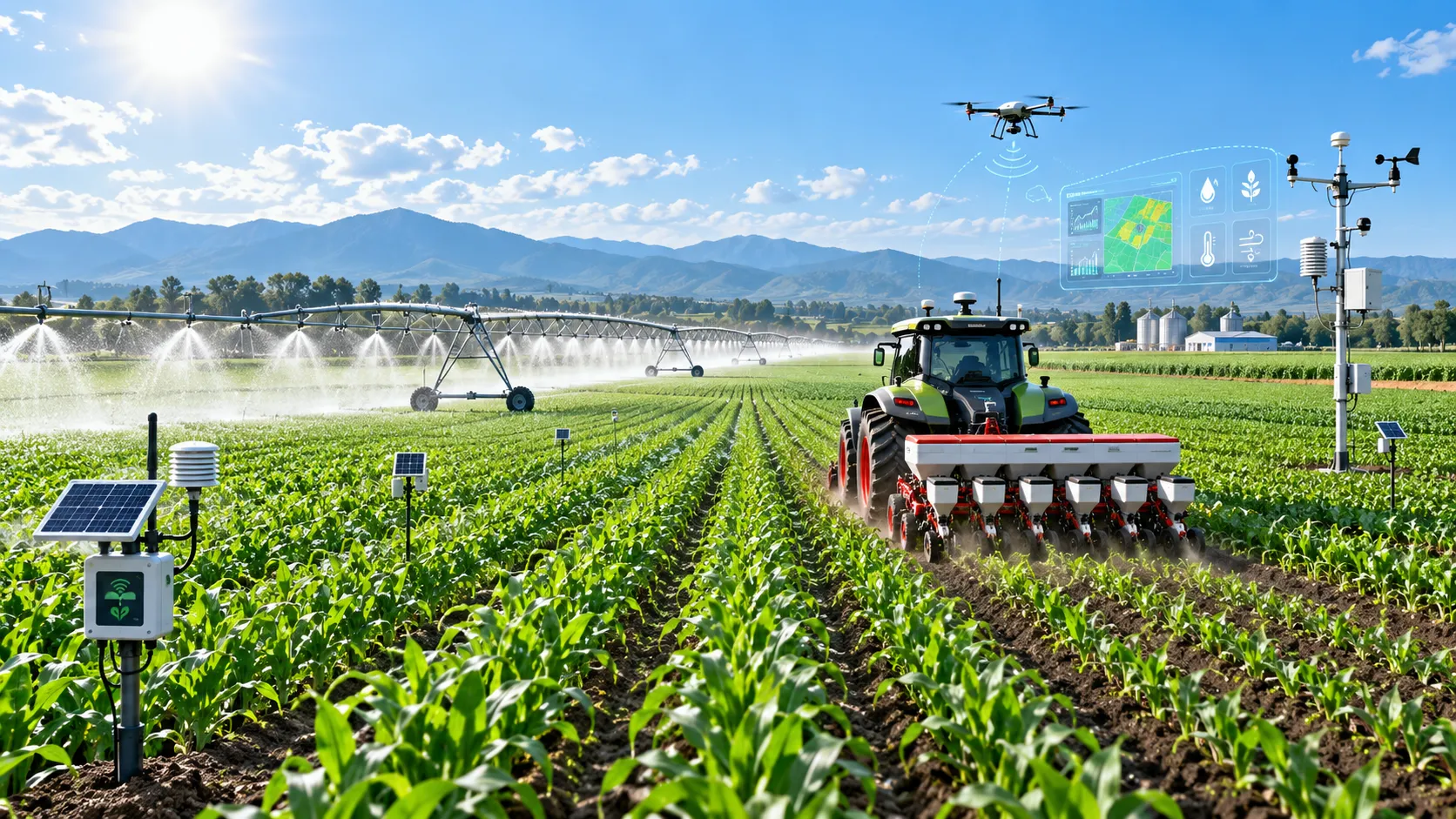
How Digital Agriculture Platforms Turn Field Data Into Better Input Decisions
Digital agriculture platforms turn field data into smarter fertilizer, water, seed, and equipment decisions—helping farms cut risk, improve margins, and scale sustainability.
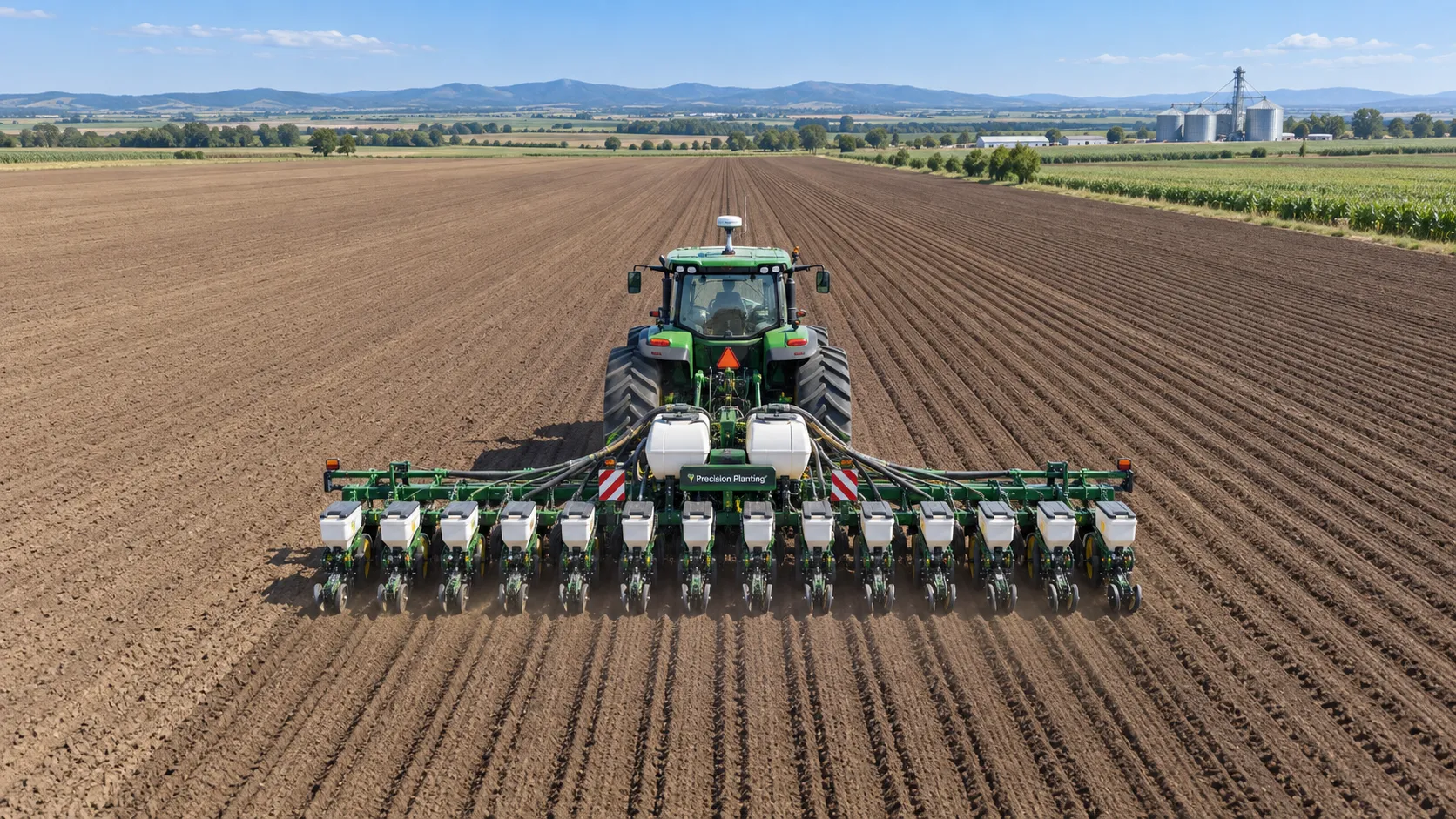
GPS-Guided Farm Machinery: Where It Delivers Measurable Field Efficiency Gains
Agri-mechanization GPS guided systems deliver measurable field efficiency gains through reduced overlap, precise planting, smarter inputs, and reliable farm data.
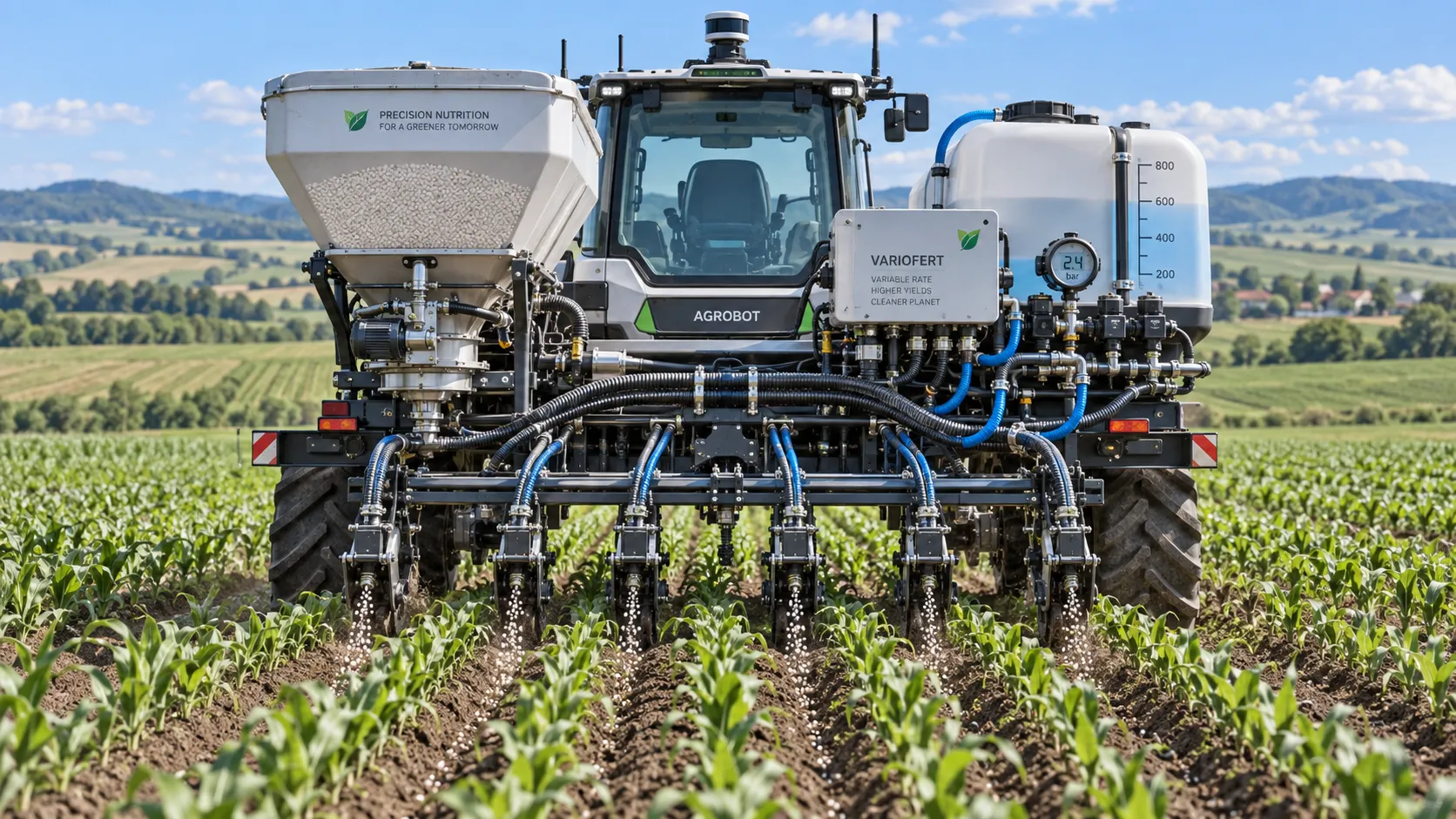
How Sensor Feedback Enables Accurate Variable-Rate Fertilization in Field Conditions
Precision fertilization systems with sensor feedback improve variable-rate accuracy by verifying flow, managing latency, and ensuring reliable field application.
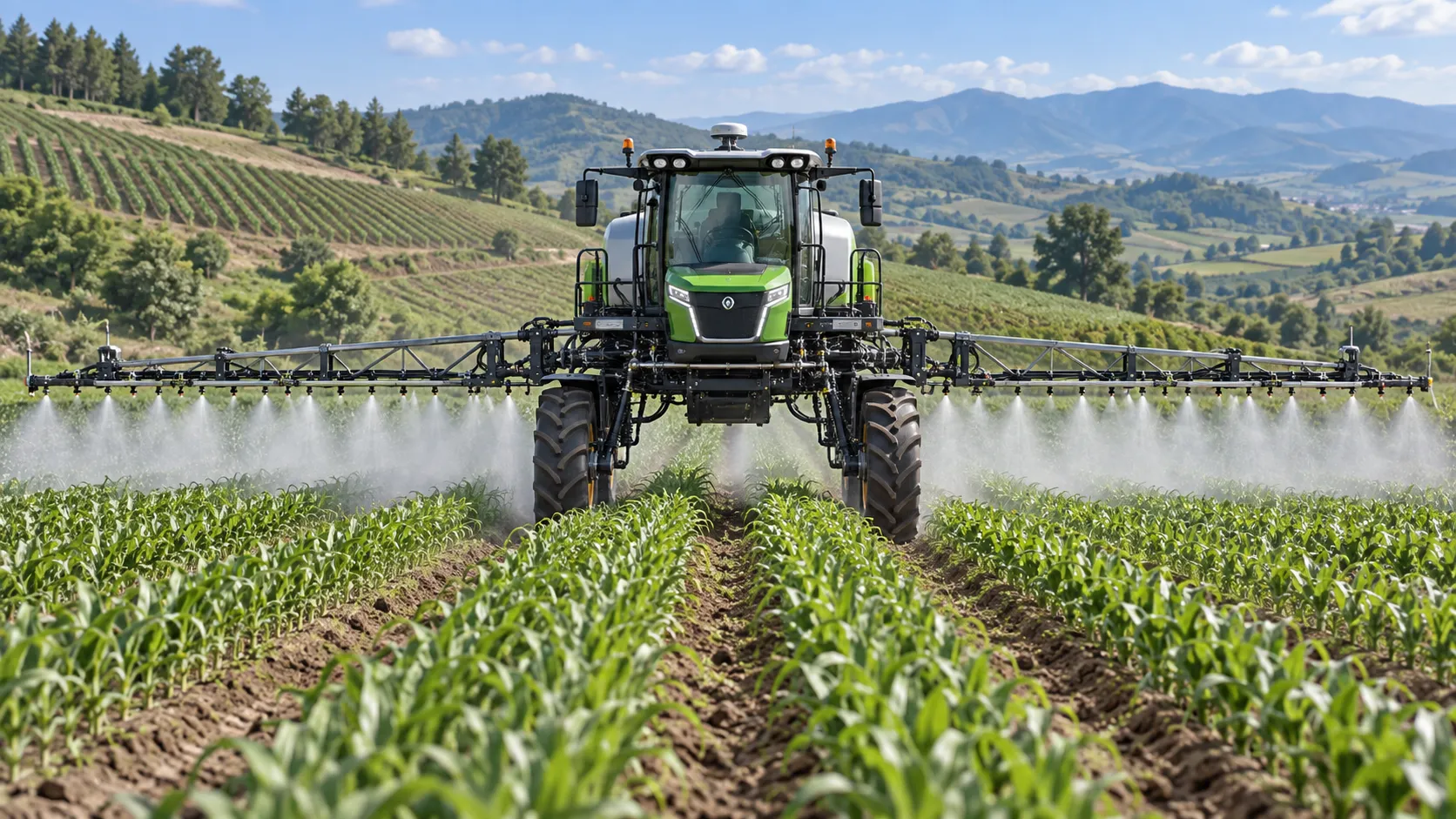
How to Select Precision Crop Protection Equipment for Variable Field Conditions
Precision crop protection equipment selection made simple: compare terrain, canopy, weather, control accuracy, and data workflows for reliable applications.

When Does Agricultural Machinery Leasing Cost Less Than Owning Equipment?
Agricultural machinery leasing can lower farm costs when use is seasonal or uncertain. Compare utilization, maintenance, cash flow, and risk to make a smarter equipment decision.
Related News
- 00
0000-00
Tractor Chassis Price: What Buyers Should Compare Beyond the Initial Quote - 00
0000-00
How Digital Agriculture Platforms Turn Field Data Into Better Input Decisions - 00
0000-00
When Does Agricultural Machinery Leasing Cost Less Than Owning Equipment? - 00
0000-00
Selecting Grain Farm Equipment by Acreage, Crop Mix, and Harvest Window - 00
0000-00
Poultry Equipment Selection: Evaluating Durability, Cleaning, and Compatibility
Popular Tags
Ms. Elena Rodriguez
Weekly Insights
Stay ahead with our curated technology reports delivered every Monday.