
Valve Types Compared: How to Choose the Right Option for Pressure, Flow, and Media
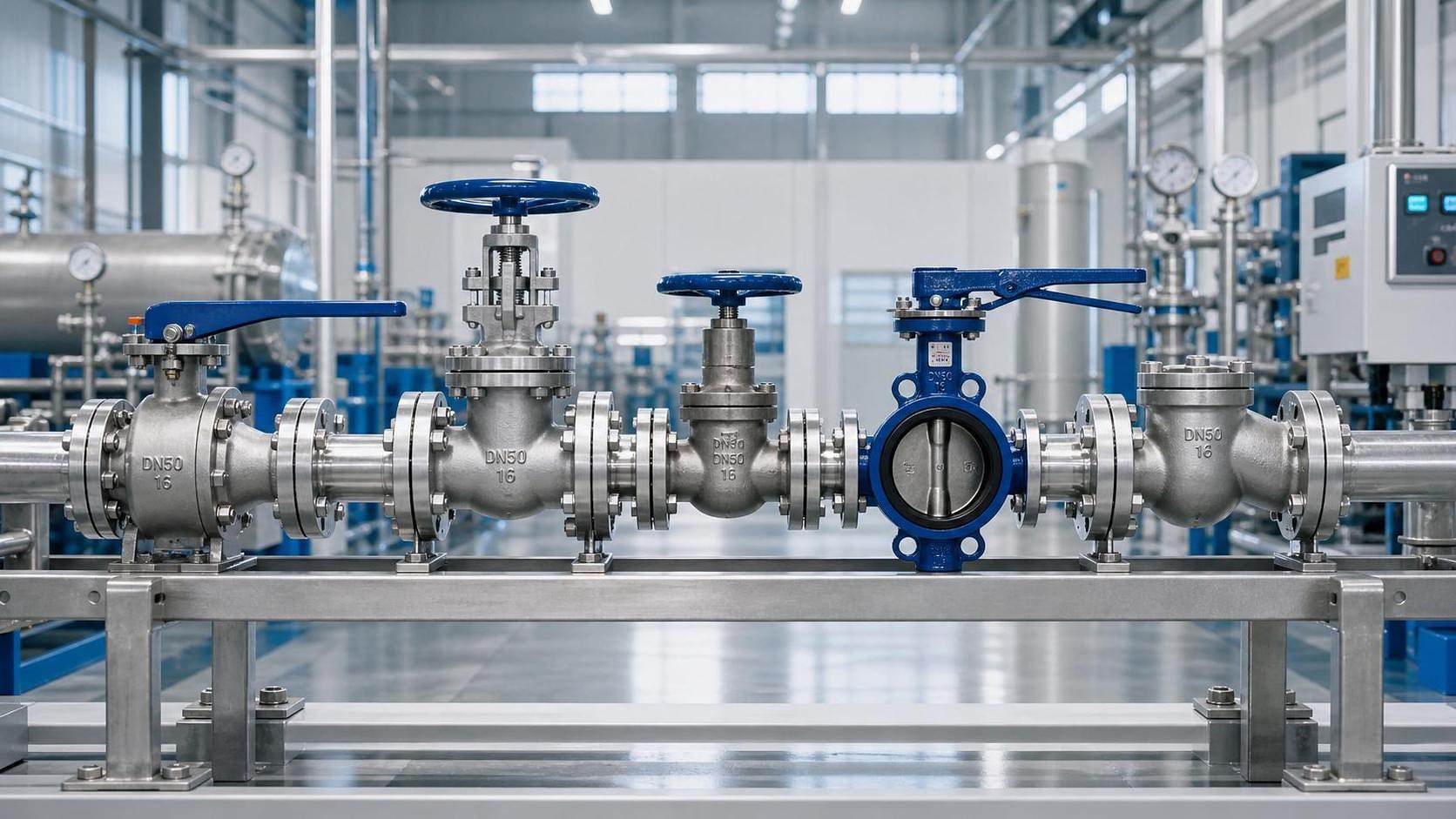




Valve Types Compared: How to Choose the Right Option for Pressure, Flow, and Media
In any technical product comparison valve types are a decisive factor because pressure range, flow behavior, and media compatibility directly affect safety, efficiency, and lifecycle cost.
Choosing correctly is rarely about one specification alone.
It usually comes down to how the valve behaves under real operating conditions.
That includes pressure spikes, dirty media, control frequency, shutoff demands, and maintenance access.
For technical product comparison valve types should be evaluated as part of the whole system, not as isolated catalog items.
This matters across irrigation networks, tractor hydraulic circuits, process skids, slurry transfer, and high-volume water handling.
Start With the Three Core Selection Variables
A useful technical product comparison valve types review begins with pressure, flow, and media.
These three variables usually eliminate poor options very quickly.
Pressure
Check normal operating pressure first, then look at surge pressure, differential pressure, and emergency conditions.
A valve that survives steady pressure may still fail during water hammer or fast actuator cycling.
Flow
Flow is not just about line size.
It also covers throttling behavior, pressure drop, cavitation risk, and how stable the flow remains during modulation.
Media
Media determines corrosion exposure, sealing compatibility, solids tolerance, and cleaning requirements.
Clean water, fertilizer blends, oil, slurry, steam, and aggressive chemicals place very different demands on valve internals.
Technical Product Comparison Valve Types: Main Options
The best technical product comparison valve types framework compares function before brand or price.
Here are the main valve categories and where each one fits.
Ball Valves
Ball valves are strong candidates when full shutoff and low pressure drop are priorities.
They open quickly and work well in on-off service.
They are less ideal for fine throttling over long periods.
- Best for: isolation, fast shutoff, clean liquids, gas, hydraulic circuits
- Strengths: tight sealing, compact design, low resistance
- Watch for: seat wear in abrasive media and control instability during partial opening
Gate Valves
Gate valves suit full-open or full-closed service in larger pipelines.
When fully open, they create relatively low flow resistance.
They are not the right choice for frequent throttling.
- Best for: bulk water lines, low-frequency isolation duty
- Strengths: full-bore passage, simple flow path
- Watch for: slow actuation, sealing wear, poor part-open performance
Globe Valves
Globe valves are often selected when control accuracy matters more than pressure loss.
They provide stable throttling and predictable flow adjustment.
- Best for: regulating flow, pressure control, steam and process service
- Strengths: good modulation, strong control behavior
- Watch for: higher pressure drop and larger actuation force
Butterfly Valves
Butterfly valves are popular in large-diameter systems because they are light and cost-efficient.
They work well for general isolation and moderate control tasks.
- Best for: irrigation mains, water distribution, low-to-medium pressure service
- Strengths: low weight, easy automation, economical large sizes
- Watch for: disc obstruction, sealing limits, sensitivity to certain slurries
Check Valves
Check valves prevent reverse flow and protect pumps, branches, and downstream equipment.
Selection depends heavily on cracking pressure and closure behavior.
- Best for: pump discharge lines and backflow protection
- Strengths: automatic operation and system protection
- Watch for: slam risk, vibration, and debris interference
How Pressure Changes the Right Valve Choice
Pressure class is a starting point, but pressure behavior matters more.
A stable low-pressure irrigation header needs a different solution than a pulsating hydraulic line.
In a technical product comparison valve types should be checked against four pressure-related questions.
- What is the maximum operating pressure, including startup and shutdown spikes?
- What differential pressure appears across the closed valve?
- Will the valve cycle under pressure frequently?
- Could rapid closure create water hammer or shock loading?
These questions often push evaluators toward reinforced seats, slower actuators, anti-slam check designs, or control valves with staged trim.
How Flow Behavior Alters Valve Performance
Flow requirements can change the best option even when pressure and media stay the same.
This is where many technical product comparison valve types decisions become more nuanced.
For example, a ball valve may outperform a globe valve for simple isolation.
But a globe valve may be the better choice for stable metering.
Key flow checks include Cv or Kv value, allowable pressure drop, rangeability, and cavitation tendency.
- High flow, low restriction: ball or gate valves often fit better
- Modulating flow control: globe valves usually provide better precision
- Large-diameter cost balance: butterfly valves are often practical
- Pulsing or unstable flow: check response speed and vibration resistance carefully
Media Compatibility Is Usually Where Risk Hides
Media selection is often underestimated during technical product comparison valve types reviews.
That mistake can shorten service life very quickly.
The valve body material matters, but seats, seals, stem packing, and coatings matter just as much.
Clean water may allow broad material flexibility.
Fertilizer solutions, slurry, corrosive wash chemicals, and hot oils do not.
Common Media Checks
- Corrosiveness: stainless steel, bronze, lined bodies, or engineered polymers may be needed
- Abrasiveness: solids can erode seats, discs, and throttling edges
- Temperature: seal compounds must remain stable at real operating temperatures
- Viscosity: thick media may need larger ports and stronger actuation
- Sanitation or contamination limits: dead zones and cleanability become selection drivers
In agricultural and water systems, suspended particles are especially important because they can turn a suitable valve into a maintenance problem.
A Practical Comparison Table
Selection Mistakes That Distort Technical Evaluation
Several mistakes appear repeatedly in technical product comparison valve types studies.
- Choosing by pipe size alone without checking Cv, pressure drop, or duty cycle
- Ignoring transient pressure events and closing speed
- Assuming body material alone guarantees media compatibility
- Using isolation valves for continuous throttling service
- Underestimating solids, sediment, or chemical concentration shifts
- Comparing upfront cost without lifecycle maintenance analysis
In real operations, the cheapest valve often becomes the most expensive once downtime, leakage, and replacement labor are counted.
A More Reliable Decision Path
A structured decision path makes technical product comparison valve types work more reliable.
- Define the function first: isolation, modulation, non-return, safety, or dosing.
- Map real pressure conditions, including transients and differential pressure.
- Calculate flow demand and acceptable pressure loss.
- Validate media compatibility across body, trim, seat, and seal materials.
- Review automation needs, fail position, and cycle frequency.
- Estimate maintenance access, spare parts availability, and service interval.
- Compare total ownership cost, not purchase price alone.
This approach is especially useful in large agricultural systems.
Irrigation blocks, fertilizer injection lines, and equipment hydraulics all reward disciplined valve selection.
At AP-Strategy, this kind of equipment intelligence matters because system reliability depends on small component decisions made early.
The clearer signal is simple.
The right valve is the one that matches the duty profile, not the one with the broadest marketing claims.
When technical product comparison valve types is handled with that discipline, pressure, flow, and media stop being selection risks and become decision advantages.
Related News
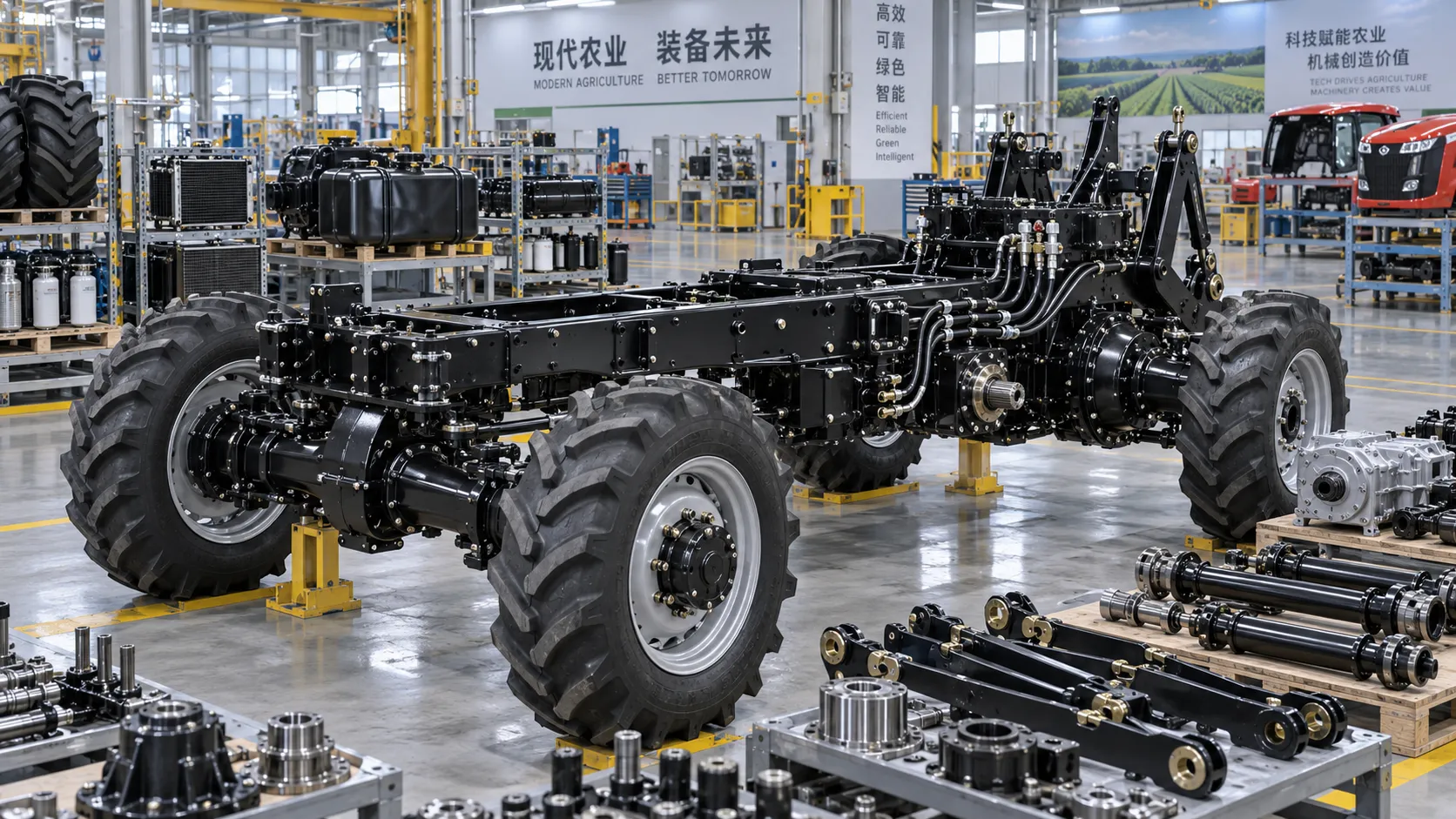
Tractor Chassis Price: What Buyers Should Compare Beyond the Initial Quote
Tractor chassis price is only the start. Compare load capacity, compatibility, durability, and lifecycle costs to choose a reliable, high-value chassis.
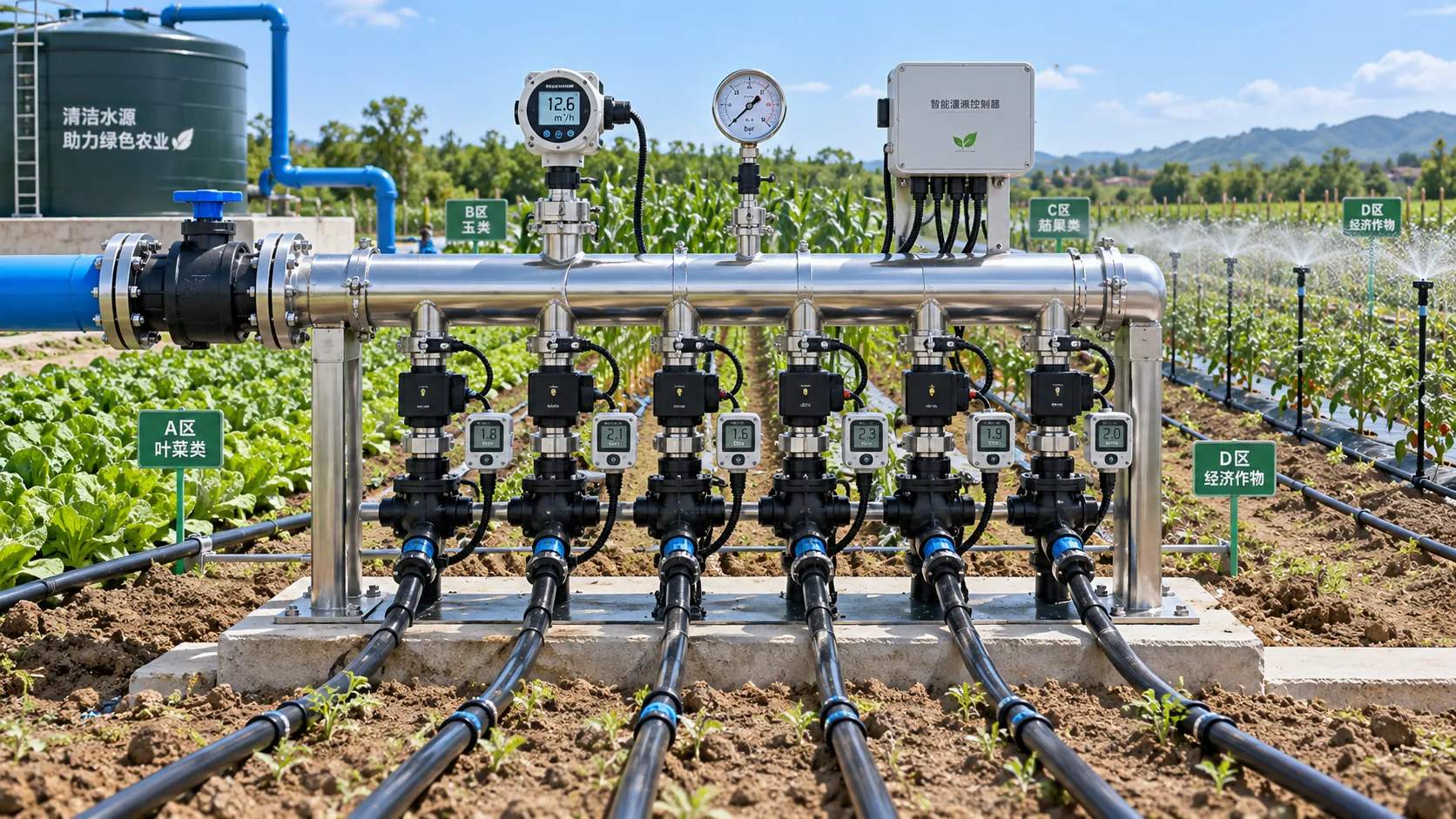
How to Select Smart Irrigation Valves for Multi-Zone Water Management?
Intelligent irrigation systems valves: learn how to match smart valves with multi-zone flow, pressure, control, feedback, and communication needs for reliable water management.
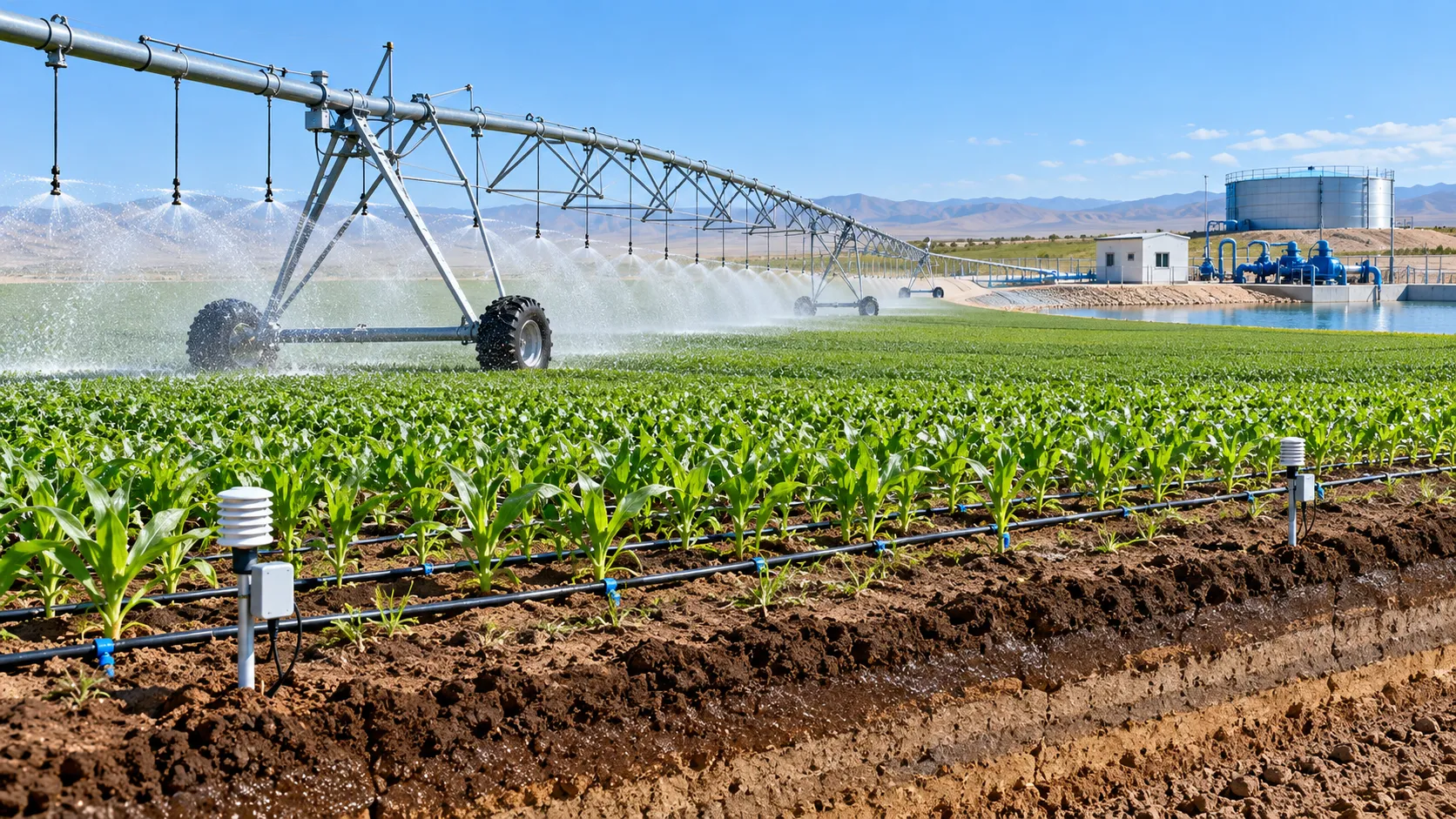
Climate-Smart Farming for Drought: A Practical Plan for Protecting Yields
Climate-smart farming for drought: build smarter water budgets, protect critical crop stages, improve irrigation uniformity, and safeguard yields with practical field-proven strategies.
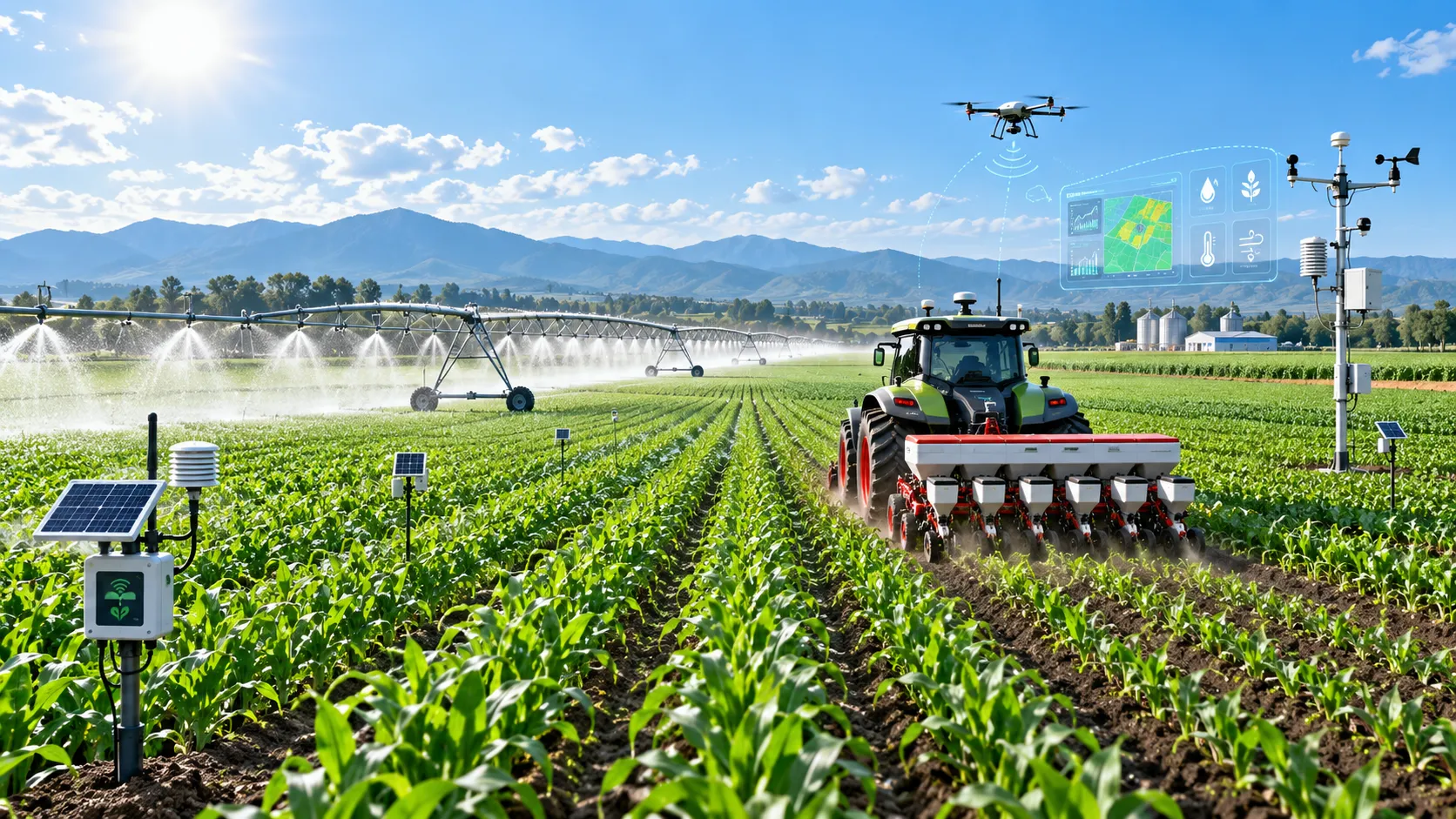
How Digital Agriculture Platforms Turn Field Data Into Better Input Decisions
Digital agriculture platforms turn field data into smarter fertilizer, water, seed, and equipment decisions—helping farms cut risk, improve margins, and scale sustainability.
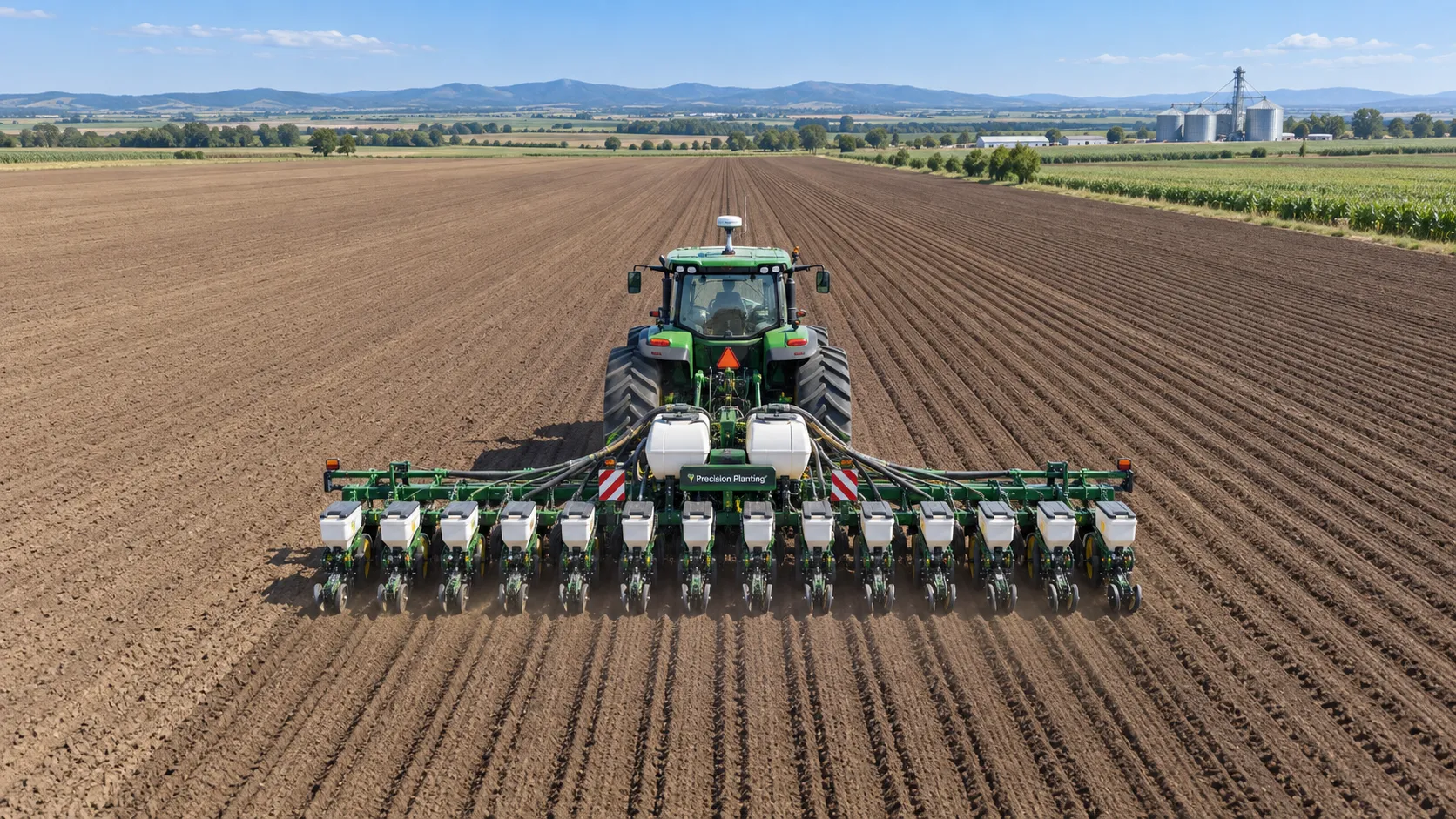
GPS-Guided Farm Machinery: Where It Delivers Measurable Field Efficiency Gains
Agri-mechanization GPS guided systems deliver measurable field efficiency gains through reduced overlap, precise planting, smarter inputs, and reliable farm data.
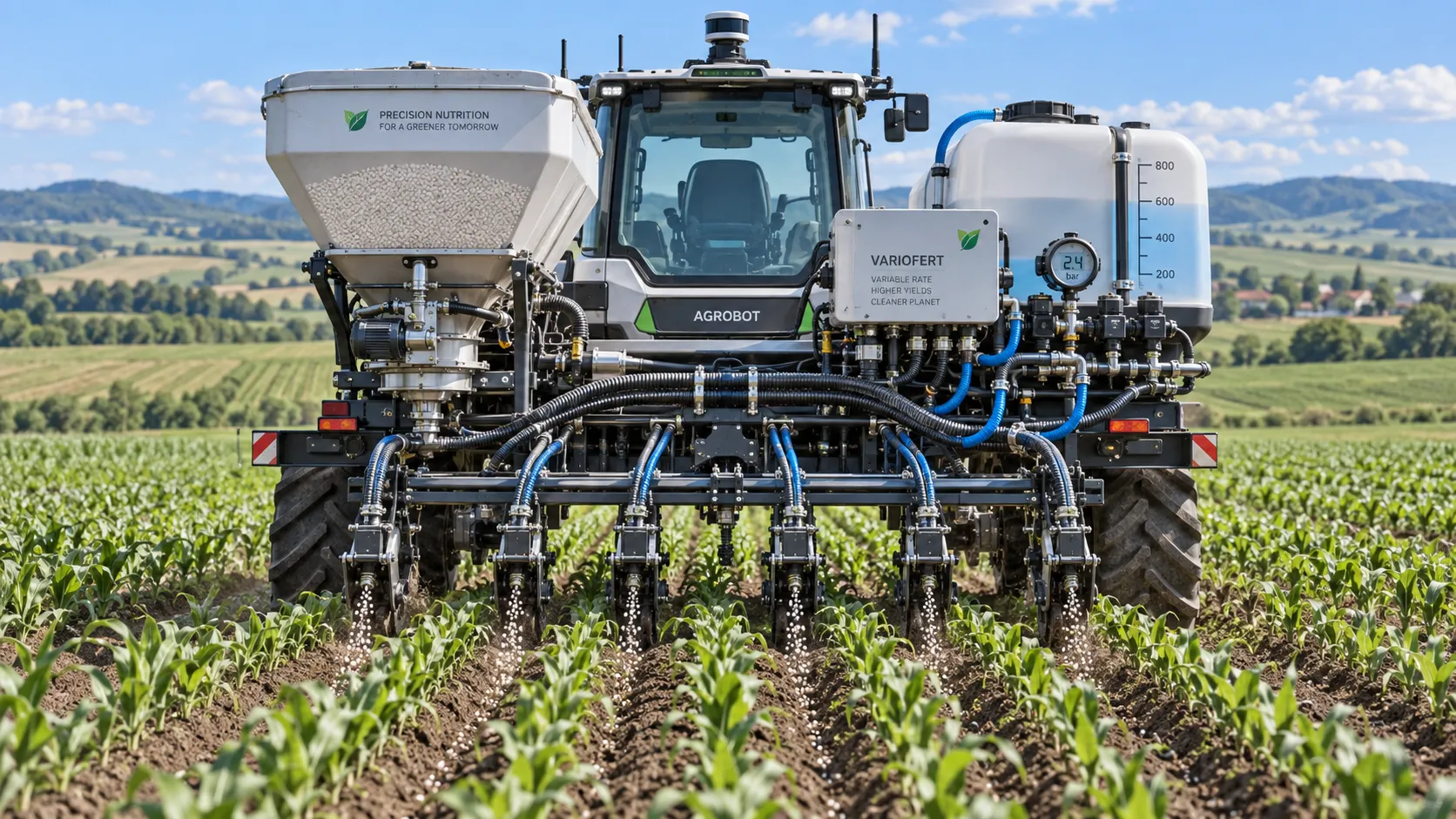
How Sensor Feedback Enables Accurate Variable-Rate Fertilization in Field Conditions
Precision fertilization systems with sensor feedback improve variable-rate accuracy by verifying flow, managing latency, and ensuring reliable field application.

How to Select Precision Crop Protection Equipment for Variable Field Conditions
Precision crop protection equipment selection made simple: compare terrain, canopy, weather, control accuracy, and data workflows for reliable applications.
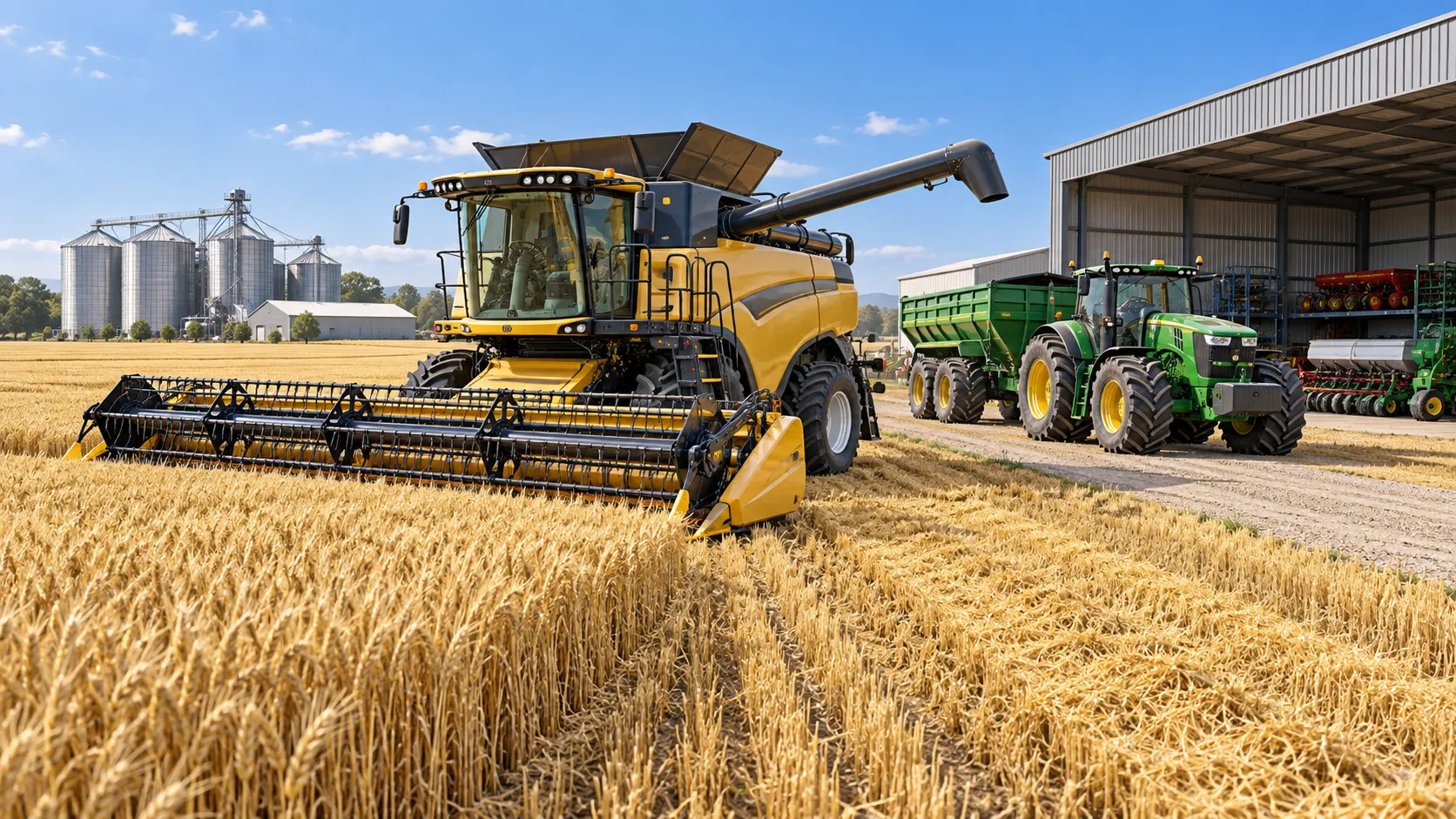
When Does Agricultural Machinery Leasing Cost Less Than Owning Equipment?
Agricultural machinery leasing can lower farm costs when use is seasonal or uncertain. Compare utilization, maintenance, cash flow, and risk to make a smarter equipment decision.
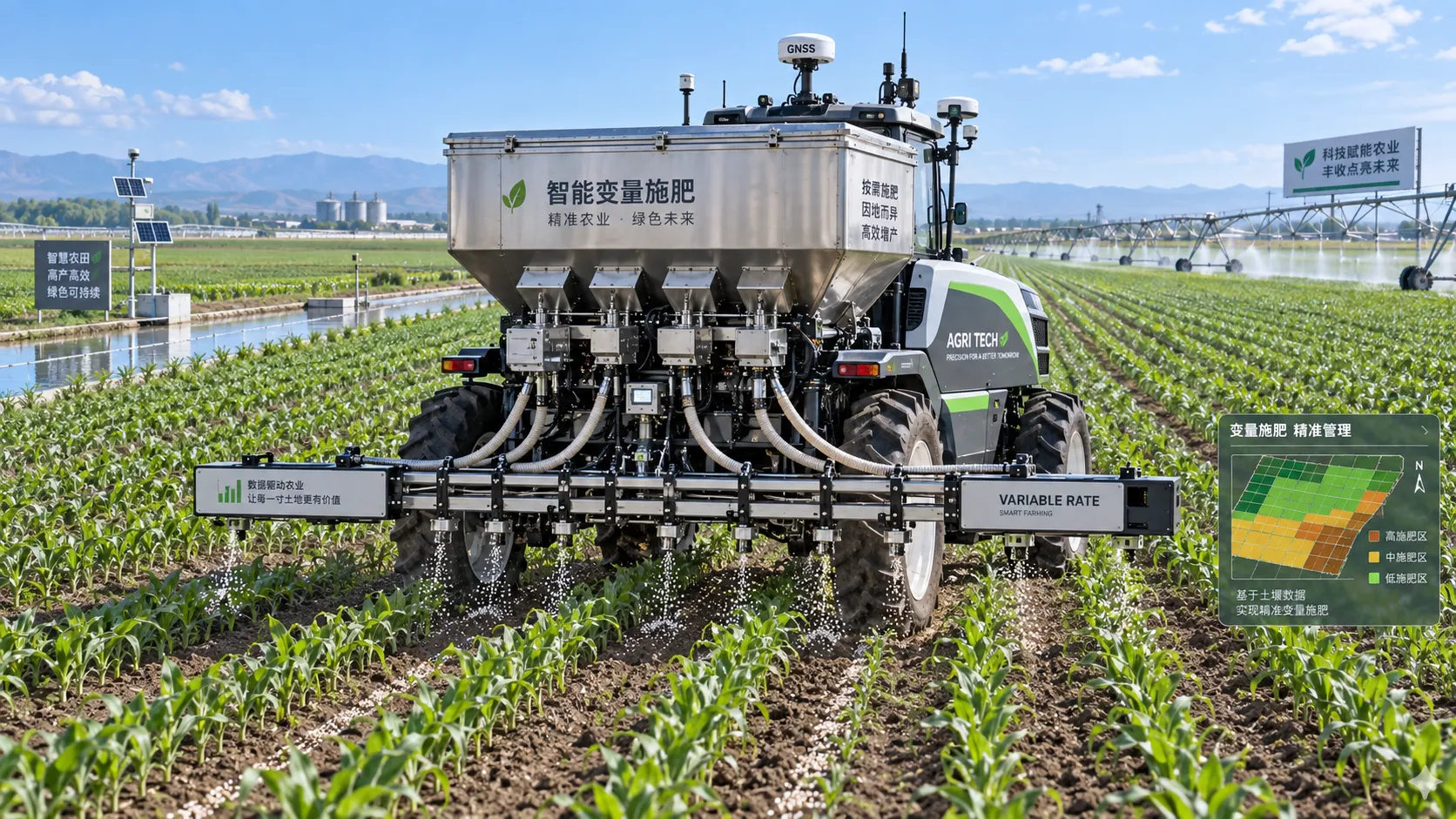
How to Evaluate Precision Fertilization System Suppliers for Farm-Scale Deployment
Precision fertilization systems suppliers: learn how to compare accuracy, integration, uptime, service, and total cost for confident farm-scale deployment.
Related News
- 00
0000-00
Tractor Chassis Price: What Buyers Should Compare Beyond the Initial Quote - 00
0000-00
How Digital Agriculture Platforms Turn Field Data Into Better Input Decisions - 00
0000-00
When Does Agricultural Machinery Leasing Cost Less Than Owning Equipment? - 00
0000-00
Selecting Grain Farm Equipment by Acreage, Crop Mix, and Harvest Window - 00
0000-00
Poultry Equipment Selection: Evaluating Durability, Cleaning, and Compatibility
Popular Tags
Ms. Elena Rodriguez
Weekly Insights
Stay ahead with our curated technology reports delivered every Monday.