
Harvesting Machinery in Europe: Key Machine Types, Costs, and Buying Factors




Harvesting Machinery in Europe: Key Machine Types, Costs, and Buying Factors
For procurement teams evaluating harvesting machinery Europe, understanding the main machine categories, ownership costs, and supplier selection criteria is essential to making profitable, low-risk decisions.
This guide outlines the most relevant equipment types, pricing considerations, and buying factors across the European market, helping buyers compare performance, compliance, and long-term value with greater confidence.
Why harvesting machinery Europe requires a different buying approach
The European market is not a single operating environment. Field sizes, crop types, labor costs, and transport rules vary sharply across countries.
That changes how harvesting machinery Europe should be evaluated. A machine that performs well in France may be oversized for mixed farms in Poland or northern Italy.
More importantly, European buyers face tighter pressure on emissions, traceability, safety, and seasonal uptime. Cost alone rarely decides the right purchase.
In practical terms, buyers need to compare machine fit, dealer support, spare parts access, and compliance risk together.
Main harvesting machinery Europe buyers usually compare
Most harvesting machinery Europe decisions start with crop-specific requirements. The machine category should match crop conditions, harvest window, and required throughput.
Combine harvesters
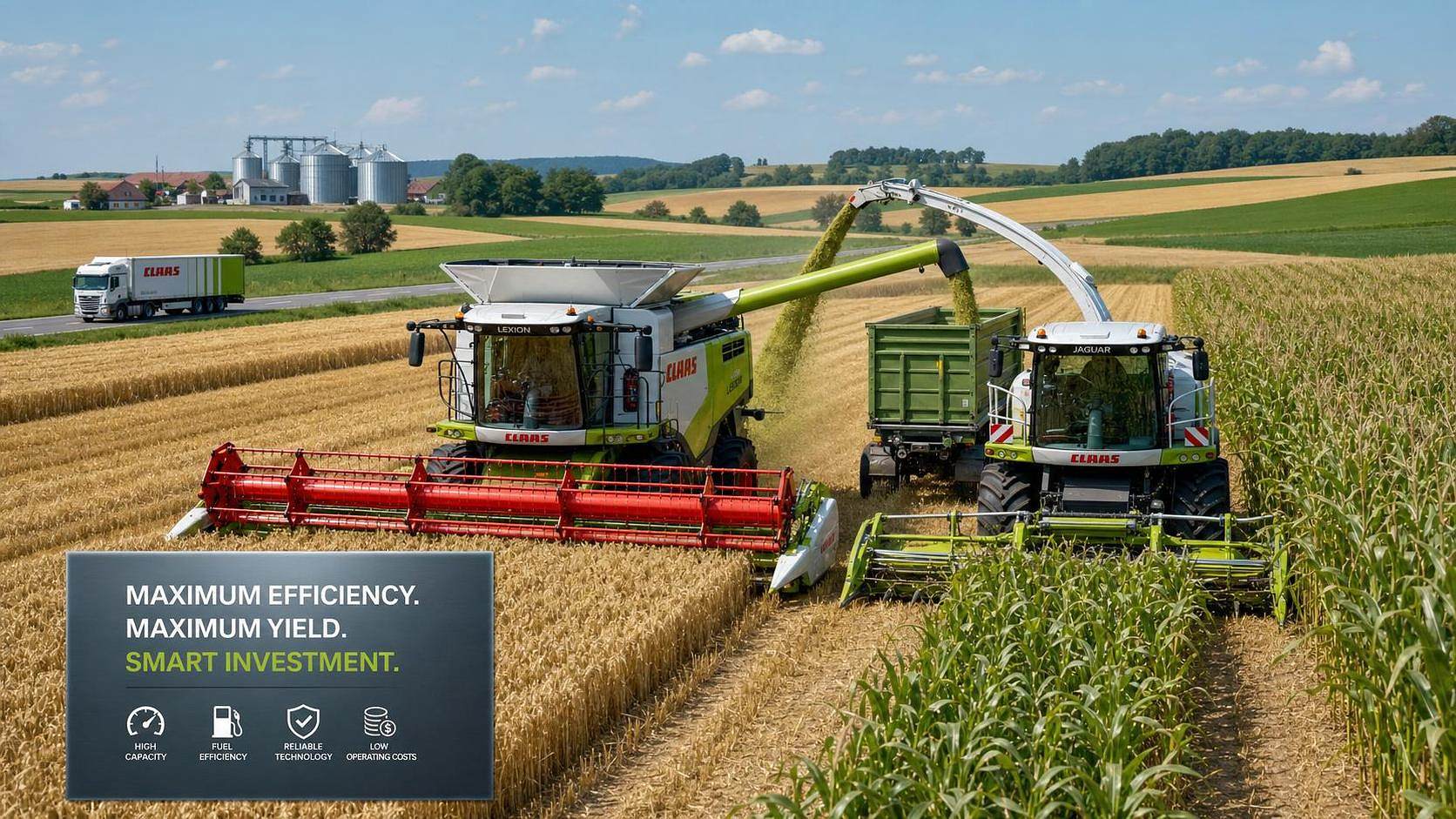
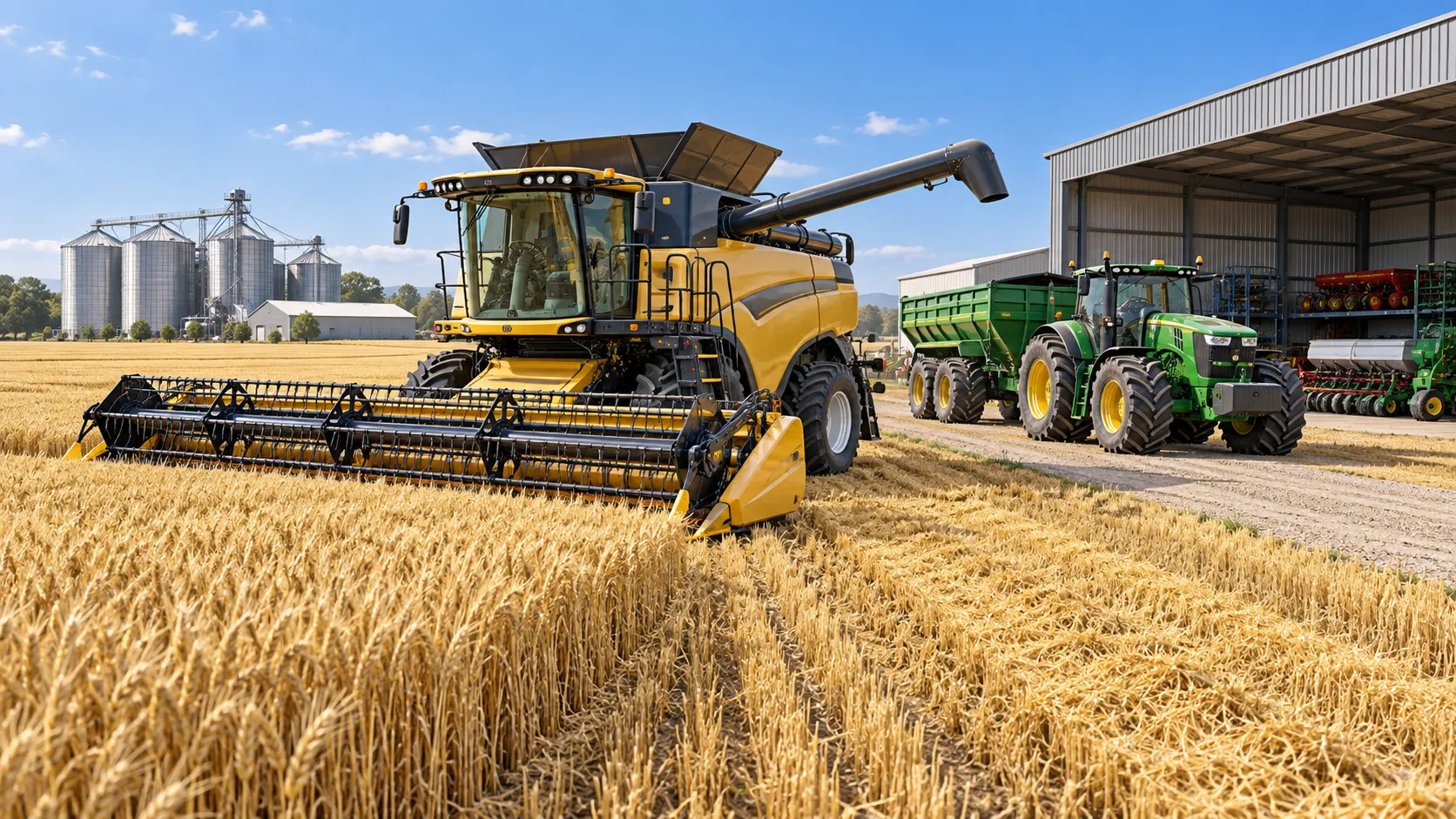
Combine harvesters remain the core of grain harvesting machinery Europe. They handle cutting, threshing, separation, and cleaning in one system.
Buyers usually compare conventional, hybrid, and rotary designs. The best choice depends on crop moisture, straw handling, yield levels, and residue management targets.
Forage harvesters
For dairy, biogas, and silage-focused operations, forage harvesters are central. They are widely used for maize silage, grass, and whole-crop feed production.
In this segment, throughput, chop quality, fuel efficiency, and kernel processing matter more than broad platform flexibility.
Potato, beet, and vegetable harvesters
Specialty crop harvesting machinery Europe often carries higher unit prices. It also demands closer matching to soil type, crop sensitivity, and cleaning system design.
For root crops, minimizing bruising and soil contamination can be just as important as harvesting speed.
Headers and front-end equipment
Headers are often underestimated in harvesting machinery Europe procurement. Yet they strongly affect field loss, feed consistency, and operating capacity.
Wheat headers, corn headers, draper platforms, and pickup units should be specified early, not added late as accessories.
Typical price ranges in harvesting machinery Europe
Machine pricing varies by brand, engine power, digital package, header width, and local support agreements. Even so, broad planning ranges are useful for early budgeting.
These numbers are directional, not fixed. Header packages, telematics, auto-steering, finance terms, and dealer setup can materially shift the final cost.
From a purchasing perspective, used harvesting machinery Europe can look attractive. However, the savings must be weighed against downtime exposure and parts availability.
The real cost is total ownership, not invoice price
A low purchase price can still produce a poor outcome. The stronger metric for harvesting machinery Europe is total cost of ownership over the expected service period.
Key cost layers usually include fuel, wear parts, in-season service response, operator training, software subscriptions, insurance, and resale value.
- Fuel use per harvested hectare or ton
- Seasonal maintenance and pre-harvest inspection costs
- Average downtime during short harvest windows
- Availability of local technicians and parts inventory
- Residual value after five to eight seasons
This is where disciplined buyers often separate strong offers from merely cheap offers. Harvesting machinery Europe should be judged by field output and risk-adjusted cost.
Technical factors that should drive supplier comparison
When comparing suppliers, performance claims should be translated into measurable operating indicators. That makes harvesting machinery Europe decisions easier to defend internally.
Capacity and crop fit
Start with hectares, crop mix, expected yields, and harvest days available. Capacity should match peak demand, not average demand.
Loss control and crop quality
Field loss, grain damage, and sample cleanliness directly affect revenue. In harvesting machinery Europe, lower loss rates can justify a higher machine price.
Transport and field access
Road regulations, bridge limits, and fragmented land structures matter. Machine width and header transport logistics should be reviewed before ordering.
Precision technology
Telematics, yield mapping, guidance systems, and remote diagnostics are now standard evaluation points in harvesting machinery Europe.
These tools support route planning, operator consistency, service planning, and better machine utilization across multiple sites.
Compliance and emissions
European rules around Stage V emissions, safety, and data handling should be confirmed early. Compliance failures can create delays, extra costs, or restricted use.
New versus used harvesting machinery Europe
The new-versus-used decision depends on workload intensity, financing conditions, and tolerance for downtime. There is no universal answer.
New harvesting machinery Europe usually offers warranty protection, stronger telematics, and better fuel efficiency. It also provides cleaner compliance documentation.
Used equipment can reduce upfront capital pressure. Still, service history, wear on threshing and cleaning systems, and electronic condition must be checked carefully.
- Request complete maintenance records and operating hours.
- Inspect high-wear areas before negotiation.
- Verify software compatibility and dealer support.
- Estimate refurbishment costs before comparing offers.
A practical shortlist for procurement decisions
A structured shortlist keeps harvesting machinery Europe decisions commercial, technical, and defensible. It also reduces the risk of buying based on brand familiarity alone.
- Define crop profile, annual volume, and harvest window.
- Set minimum throughput and acceptable loss thresholds.
- Compare full machine packages, not base units only.
- Score dealers on response time and parts coverage.
- Model five-year ownership cost and resale assumptions.
- Check transport, emissions, and local legal requirements.
- Run field demonstrations in relevant crop conditions.
That final point matters more than brochures. Real field conditions often reveal feeding stability, operator comfort, and unloading efficiency much faster than a specification sheet.
Conclusion
The harvesting machinery Europe market offers strong technical options, but the best purchase is rarely the lowest-priced unit or the highest horsepower machine.
A better decision comes from matching machine type, cost structure, compliance needs, and service support to actual operating conditions.
For buyers working through harvesting machinery Europe evaluations, the most reliable path is simple: compare total ownership cost, validate field performance, and choose suppliers that can support uptime when the harvest window is tight.
Related News
Tractor Chassis Price: What Buyers Should Compare Beyond the Initial Quote
Tractor chassis price is only the start. Compare load capacity, compatibility, durability, and lifecycle costs to choose a reliable, high-value chassis.
How to Select Smart Irrigation Valves for Multi-Zone Water Management?
Intelligent irrigation systems valves: learn how to match smart valves with multi-zone flow, pressure, control, feedback, and communication needs for reliable water management.
Climate-Smart Farming for Drought: A Practical Plan for Protecting Yields
Climate-smart farming for drought: build smarter water budgets, protect critical crop stages, improve irrigation uniformity, and safeguard yields with practical field-proven strategies.
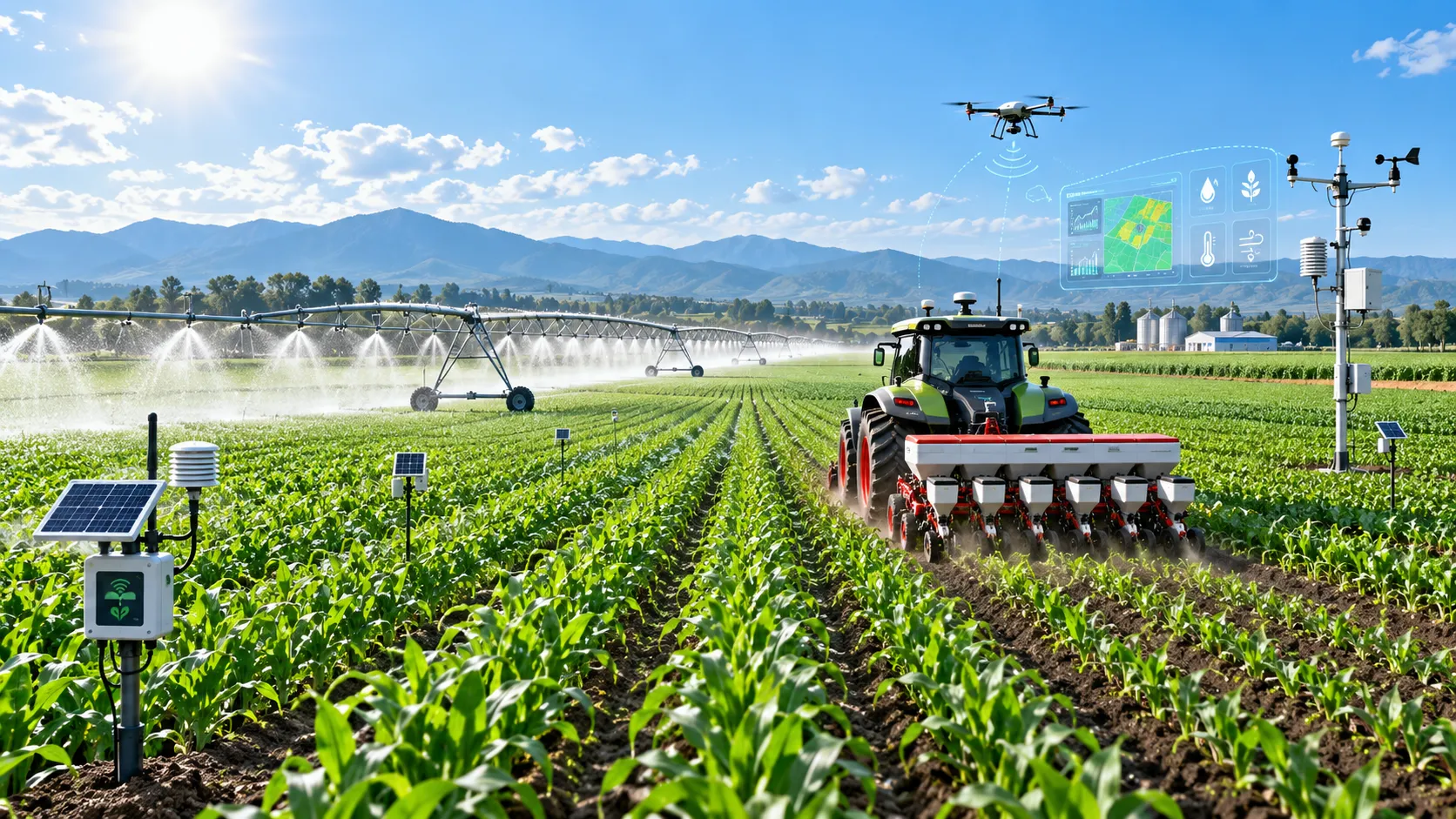
How Digital Agriculture Platforms Turn Field Data Into Better Input Decisions
Digital agriculture platforms turn field data into smarter fertilizer, water, seed, and equipment decisions—helping farms cut risk, improve margins, and scale sustainability.
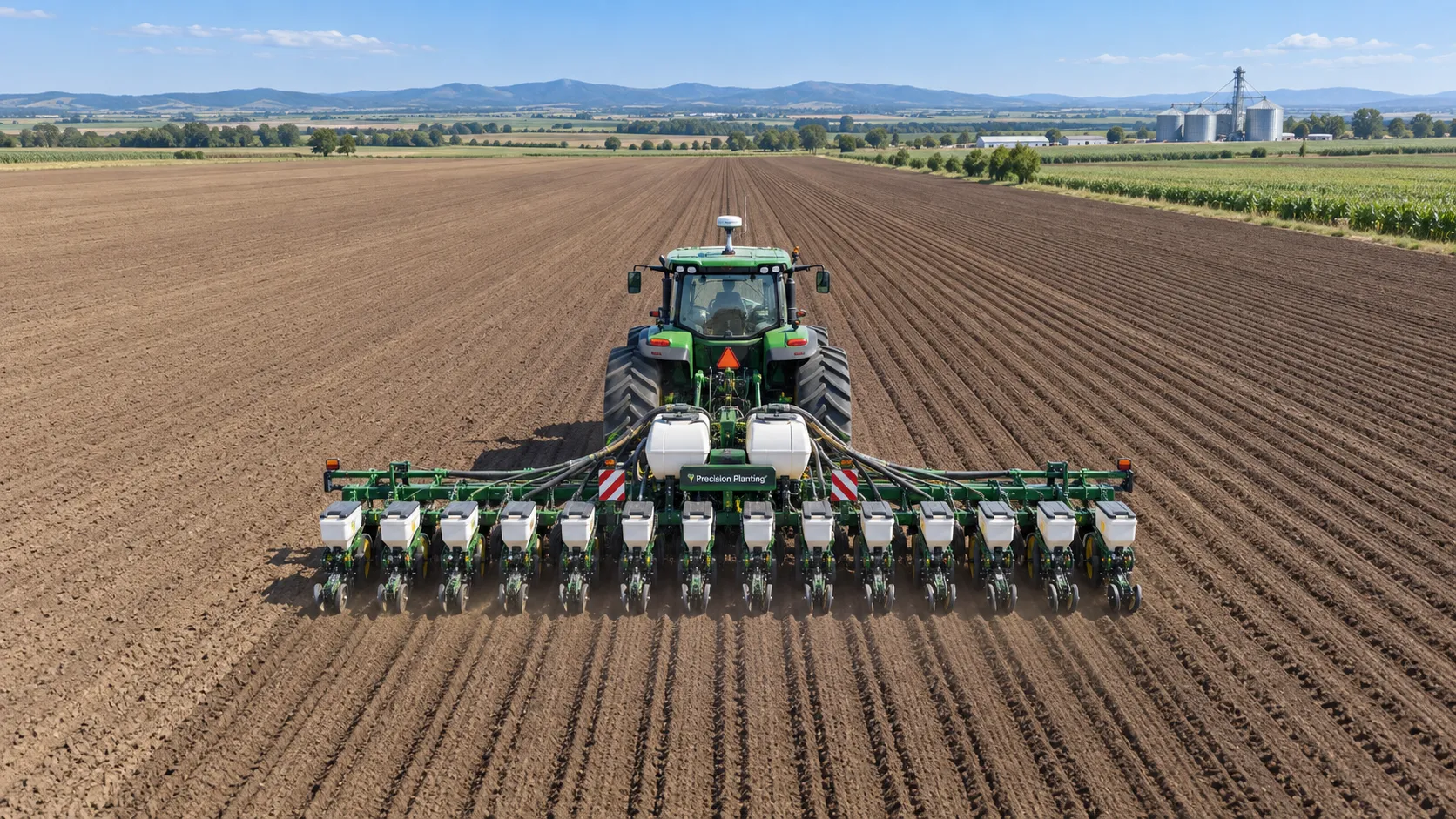
GPS-Guided Farm Machinery: Where It Delivers Measurable Field Efficiency Gains
Agri-mechanization GPS guided systems deliver measurable field efficiency gains through reduced overlap, precise planting, smarter inputs, and reliable farm data.
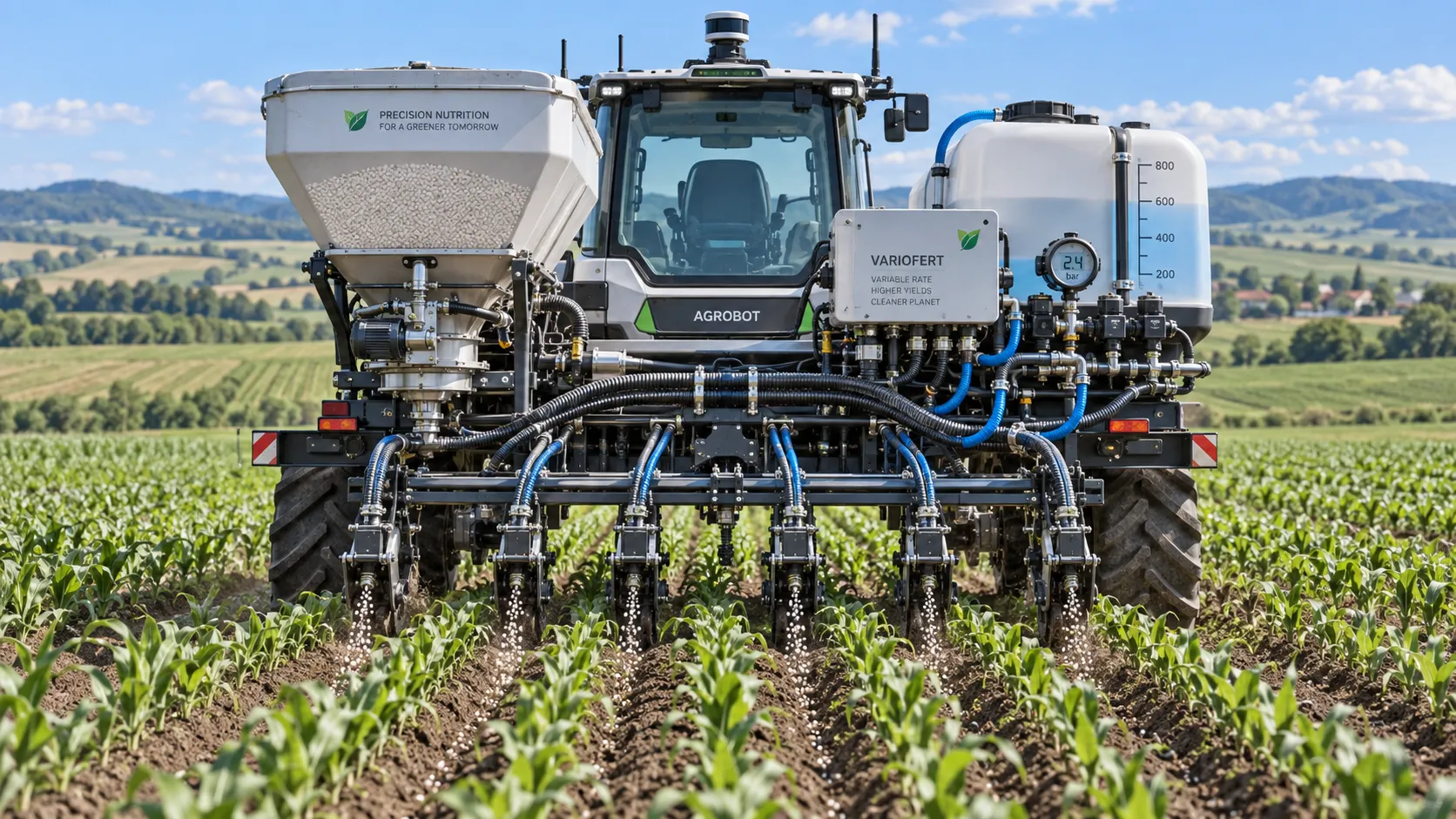
How Sensor Feedback Enables Accurate Variable-Rate Fertilization in Field Conditions
Precision fertilization systems with sensor feedback improve variable-rate accuracy by verifying flow, managing latency, and ensuring reliable field application.
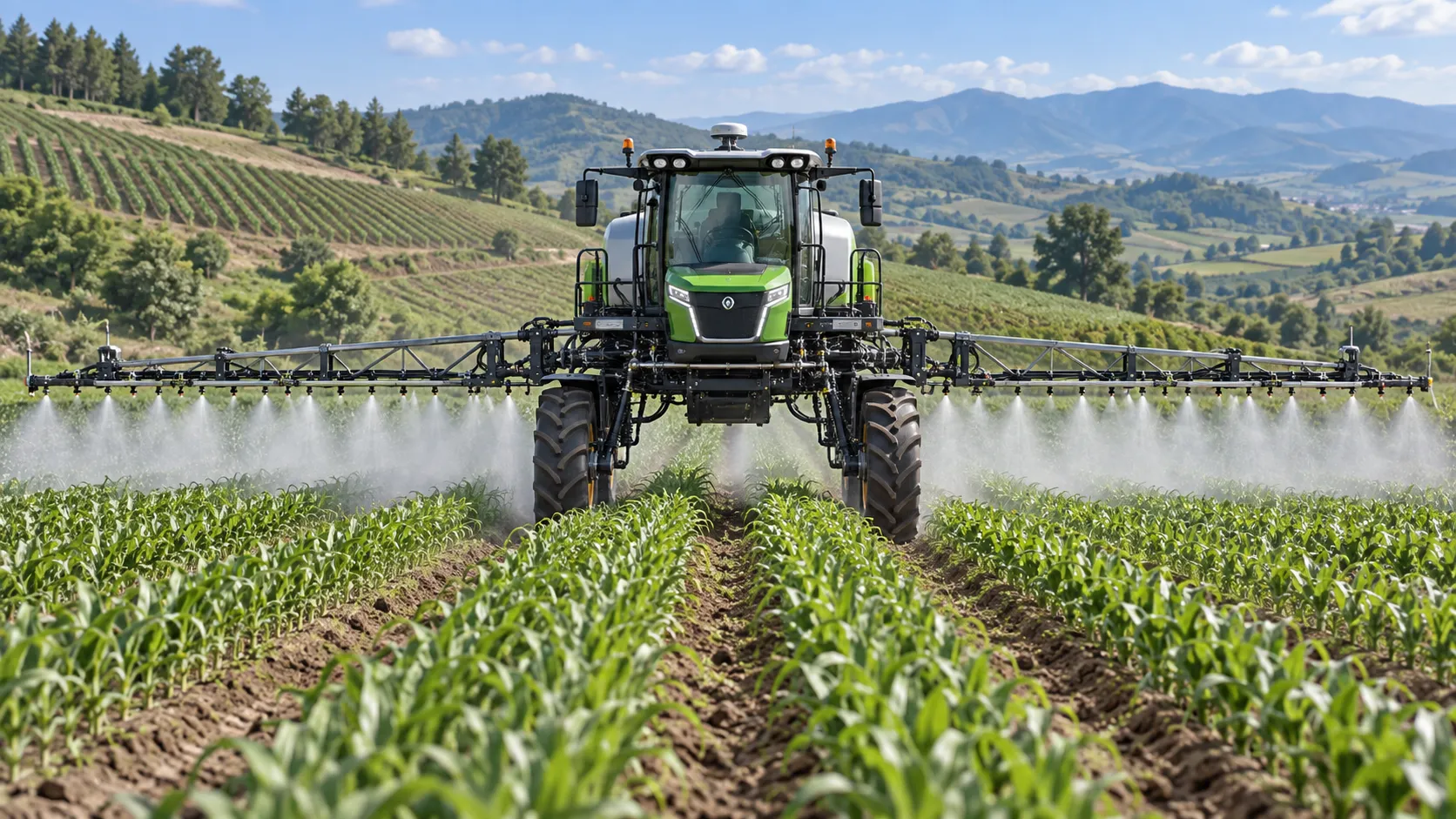
How to Select Precision Crop Protection Equipment for Variable Field Conditions
Precision crop protection equipment selection made simple: compare terrain, canopy, weather, control accuracy, and data workflows for reliable applications.
When Does Agricultural Machinery Leasing Cost Less Than Owning Equipment?
Agricultural machinery leasing can lower farm costs when use is seasonal or uncertain. Compare utilization, maintenance, cash flow, and risk to make a smarter equipment decision.
How to Evaluate Precision Fertilization System Suppliers for Farm-Scale Deployment
Precision fertilization systems suppliers: learn how to compare accuracy, integration, uptime, service, and total cost for confident farm-scale deployment.
Related News
- 00
0000-00
Tractor Chassis Price: What Buyers Should Compare Beyond the Initial Quote - 00
0000-00
How Digital Agriculture Platforms Turn Field Data Into Better Input Decisions - 00
0000-00
When Does Agricultural Machinery Leasing Cost Less Than Owning Equipment? - 00
0000-00
Selecting Grain Farm Equipment by Acreage, Crop Mix, and Harvest Window - 00
0000-00
Poultry Equipment Selection: Evaluating Durability, Cleaning, and Compatibility
Popular Tags
Ms. Elena Rodriguez
Weekly Insights
Stay ahead with our curated technology reports delivered every Monday.