
Agricultural Equipment Selection by Horsepower: Matching Tractor Power to Field Tasks
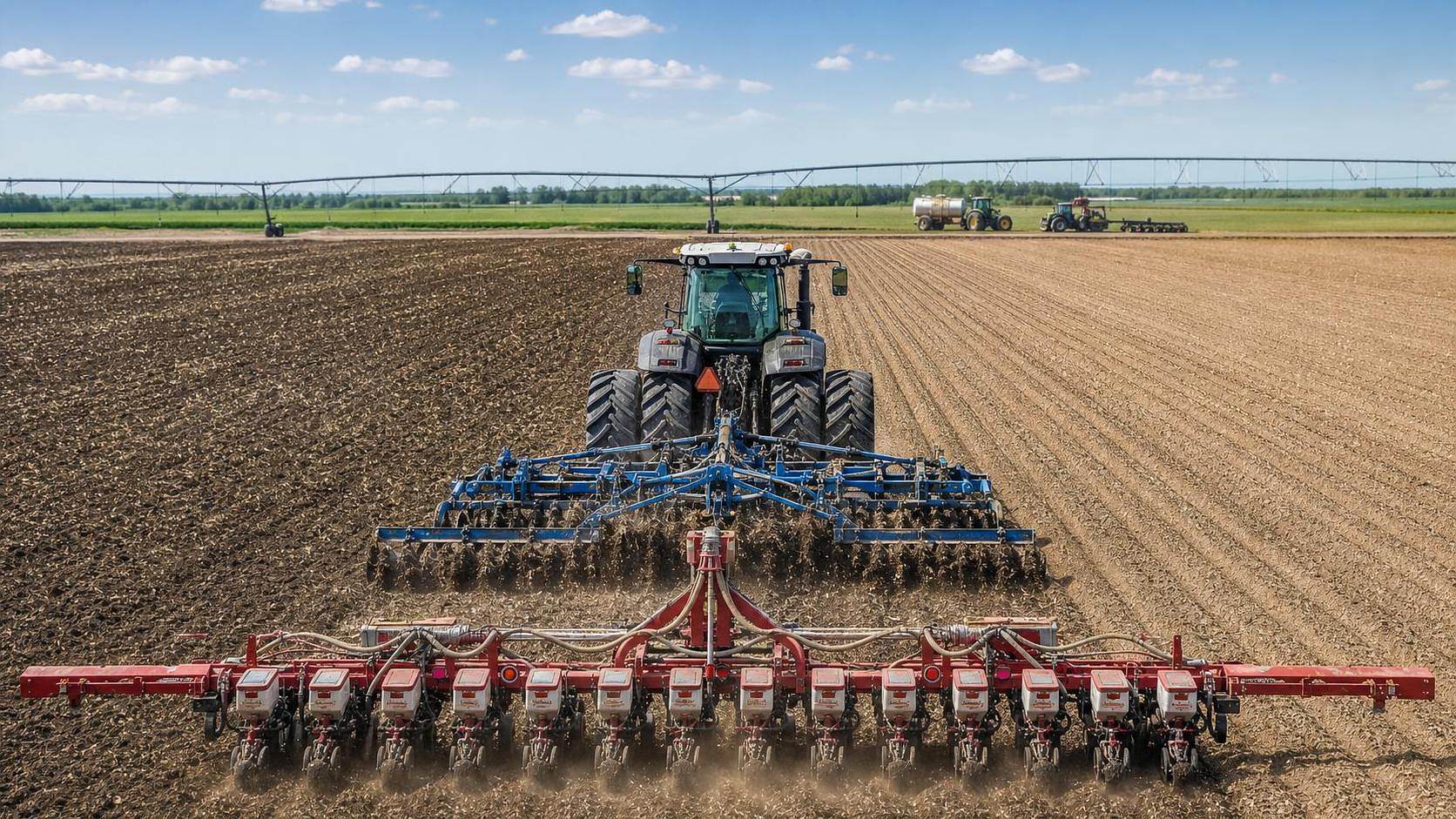




Agricultural equipment selection by horsepower is not a simple engine comparison. It is the practical process of matching tractor strength to soil conditions, implement load, working speed, and seasonal timing across real field operations.
That matters more now because machinery costs, fuel prices, labor pressure, and tighter planting windows leave less room for mismatch. A tractor that is too small slows work and strains components. One that is too large locks capital into power that rarely gets used.
For a sector increasingly shaped by Agriculture 4.0, horsepower decisions also connect with precision tools, hydraulic demand, and sustainability targets. This is why agricultural equipment selection by horsepower has become a central judgment point, not just a specification line.
Horsepower only tells part of the story
A published horsepower rating is useful, but it does not explain how efficiently that power reaches the ground, the PTO shaft, or the hydraulic system. Field performance depends on the full machine, not the engine alone.
Drawbar horsepower affects tillage and pulling work. PTO horsepower matters for mowers, balers, grain carts, and pumps. Hydraulic flow and lift capacity matter for planters, sprayers, loaders, and modern smart implements.
In other words, agricultural equipment selection by horsepower should always be tied to the task category. A 120 hp tractor may handle one operation comfortably and struggle badly in another.
Why field conditions change the answer
The same implement can demand very different power in different regions. Heavy clay, slopes, wet ground, residue cover, and deep working depth all increase draft load. Sandy or lighter soils may reduce the requirement.
Travel speed also changes the picture. Operators trying to cover more hectares per hour often need extra horsepower even if the implement width stays the same. Power reserve supports productivity when weather narrows the workable window.
Why the industry is watching this more closely
The global farm equipment market is moving toward larger implements, more connected systems, and tighter efficiency benchmarks. That raises the cost of poor matching between tractor and tool.
AP-Strategy tracks this shift across large-scale machinery, combine systems, tractor chassis, intelligent farm tools, and water-saving irrigation. Across all five areas, the same pattern appears: usable power matters more than headline power.
This is especially visible in tractors working with ISOBUS planters, section-controlled sprayers, precision seeders, and irrigation pumps. These machines need stable output, responsive hydraulics, and enough reserve to keep digital functions performing consistently.
There is also a sustainability angle. Oversized tractors can increase fuel use, axle load, and soil compaction. Undersized tractors may require extra passes, lower working speed, and inefficient scheduling. Neither outcome supports resource-saving agriculture.
Matching horsepower to common field tasks
A useful starting point is to group work by load type. This keeps agricultural equipment selection by horsepower grounded in actual operations rather than dealer labels or model reputation.
This table does not replace machine-specific data. It does show why agricultural equipment selection by horsepower should begin with the dominant workload rather than average annual use.
Tillage usually exposes weak matching first
Plows, deep rippers, and heavy cultivators quickly reveal when rated horsepower is not enough. Wheel slip rises, fuel burn increases, and working depth becomes inconsistent.
In these cases, a heavier chassis and better ballast may improve output almost as much as extra horsepower. Power without traction is simply wasted.
Planting needs steadiness, not just force
Modern planting systems can demand moderate engine power but high hydraulic stability. Vacuum systems, downforce control, liquid fertilizer delivery, and guidance features all depend on consistent support.
That means agricultural equipment selection by horsepower during planting should include electronics compatibility, hydraulic capacity, and the ability to maintain speed without lugging.
Where operators gain or lose value
The best horsepower choice improves more than field speed. It affects cost per hectare, maintenance intervals, tire wear, and the number of weather-risk days in a season.
Underpowered setups often create hidden costs:
- more passes due to reduced implement size or depth
- higher engine stress during peak load periods
- poorer fuel efficiency when machines run near full load too often
- lower output during narrow planting or harvesting windows
Oversized machines bring a different set of issues:
- higher purchase and financing burden
- more soil compaction in some field conditions
- reduced efficiency in light-duty work
- capacity imbalance with existing tools and trailers
The most practical target is often a machine that handles the heaviest regular task with reasonable reserve, while still fitting transport, loader, and seasonal mixed-use demands.
A workable way to evaluate power needs
Agricultural equipment selection by horsepower becomes easier when the decision is broken into a few measurable checks rather than a single number.
1. Identify the limiting task
List the top three operations by annual difficulty, not by frequency alone. Deep tillage, large planter work, slurry hauling, and PTO pumping often create the true power limit.
2. Check implement demand in real conditions
Use local soil type, field slope, desired speed, and working depth. Catalog recommendations help, but field history is usually more reliable than brochure numbers.
3. Review power delivery, not engine size alone
Look at PTO horsepower, torque curve, transmission type, hydraulic output, and lift rating. For many mixed-use operations, these details explain daily performance better than engine peak power.
4. Allow a realistic reserve
A small power margin supports wet years, heavier residue, transport gradients, and future implement growth. Too much reserve becomes expensive. Too little reserve becomes disruptive.
5. Evaluate the machine within the whole system
The tractor must fit trailers, drills, irrigation pumps, fuel logistics, workshop capability, and operator familiarity. Good agricultural equipment selection by horsepower is a system decision, not a tractor-only decision.
How precision agriculture changes the decision
As farms adopt more data-linked operations, horsepower planning becomes more strategic. Guidance systems, sensor-based application, and variable-rate tools increase the value of consistent machine behavior.
AP-Strategy highlights this connection across tractor chassis development, intelligent farm tools, and irrigation networks. A tractor may have enough horsepower on paper, yet still limit precision work if hydraulic responsiveness or electronic integration falls short.
This is why agricultural equipment selection by horsepower now sits alongside digital compatibility, efficiency reporting, and sustainability planning. The market is moving from isolated machine buying to coordinated equipment architecture.
What to review before making the next move
A strong decision usually starts with a field-task map. Match each implement to required speed, soil condition, PTO load, hydraulic demand, and annual working window.
Then compare that map with actual tractor performance data, not marketing claims alone. Fuel use per hectare, slip rate, field capacity, and maintenance history often show whether the current horsepower band is right.
For expanding operations, it is worth checking where future pressure will come from. Wider planting systems, larger grain carts, precision fertilizer tools, and smart irrigation support may justify a different power class than current acreage suggests.
In practice, the most reliable path is to build a short comparison around the heaviest regular task, the most sensitive PTO or hydraulic task, and the planned equipment mix for the next few seasons. That approach turns agricultural equipment selection by horsepower into a disciplined operating decision instead of a guess.
Related News
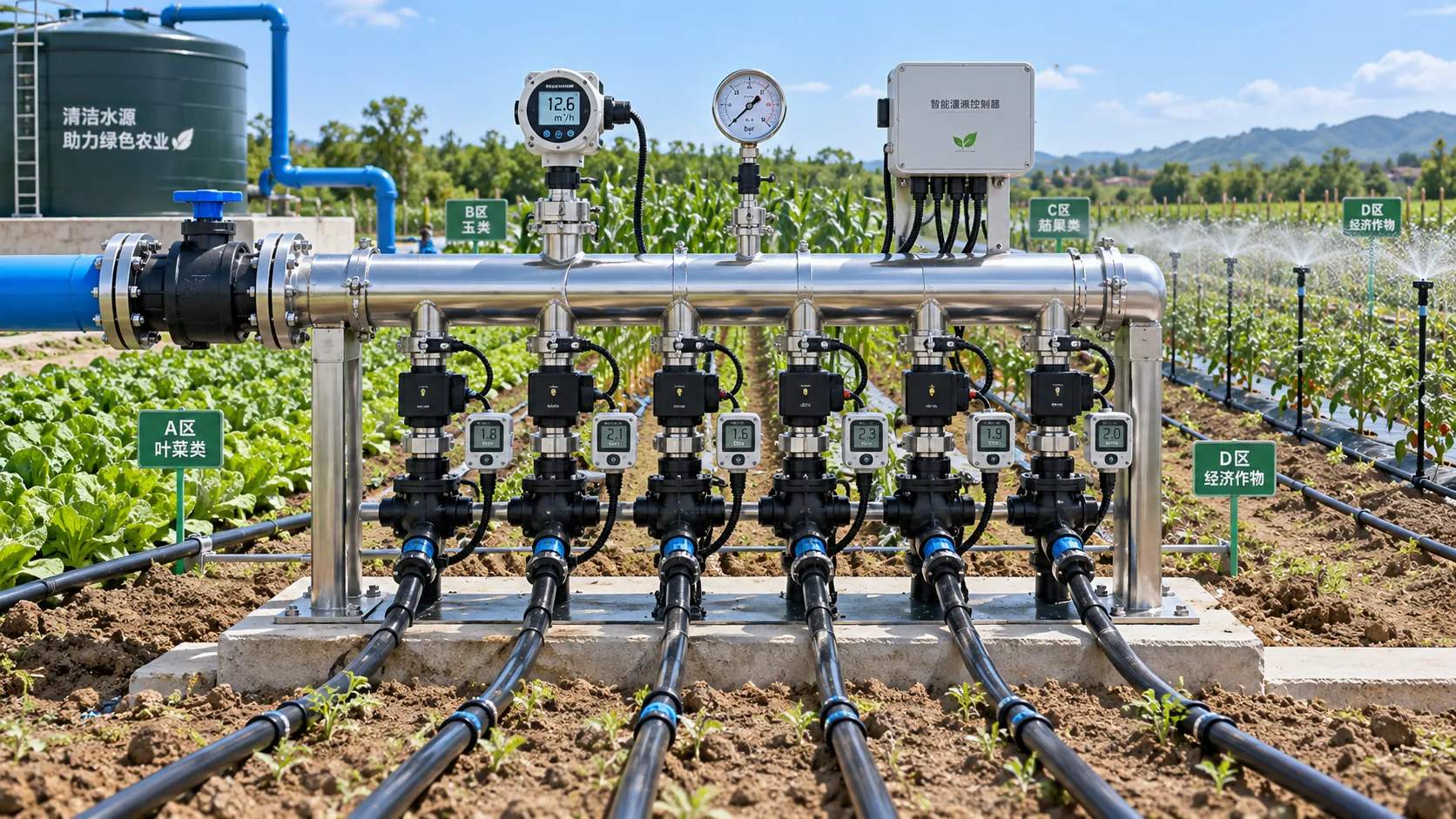
How to Select Smart Irrigation Valves for Multi-Zone Water Management?
Intelligent irrigation systems valves: learn how to match smart valves with multi-zone flow, pressure, control, feedback, and communication needs for reliable water management.
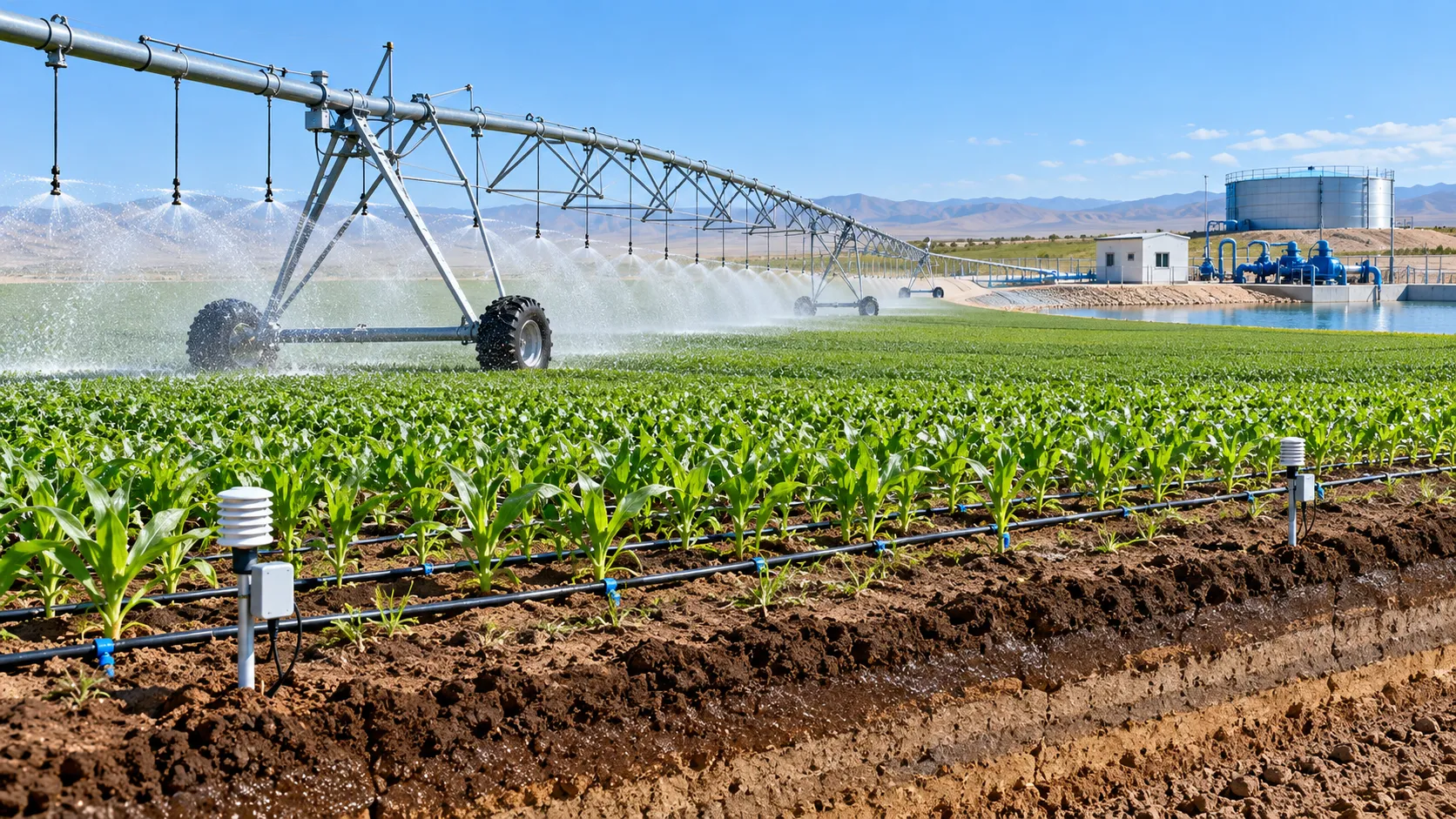
Climate-Smart Farming for Drought: A Practical Plan for Protecting Yields
Climate-smart farming for drought: build smarter water budgets, protect critical crop stages, improve irrigation uniformity, and safeguard yields with practical field-proven strategies.
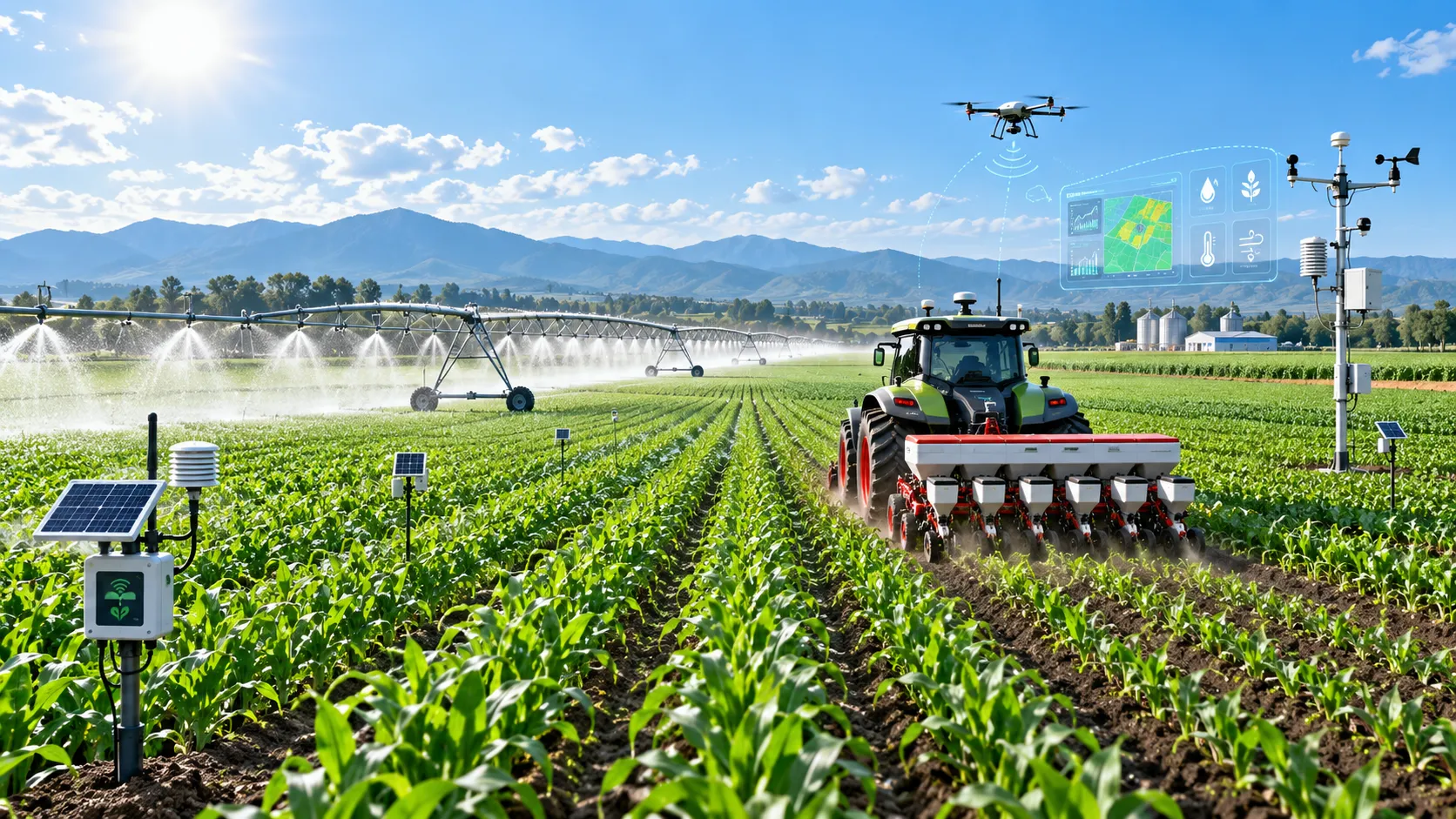
How Digital Agriculture Platforms Turn Field Data Into Better Input Decisions
Digital agriculture platforms turn field data into smarter fertilizer, water, seed, and equipment decisions—helping farms cut risk, improve margins, and scale sustainability.
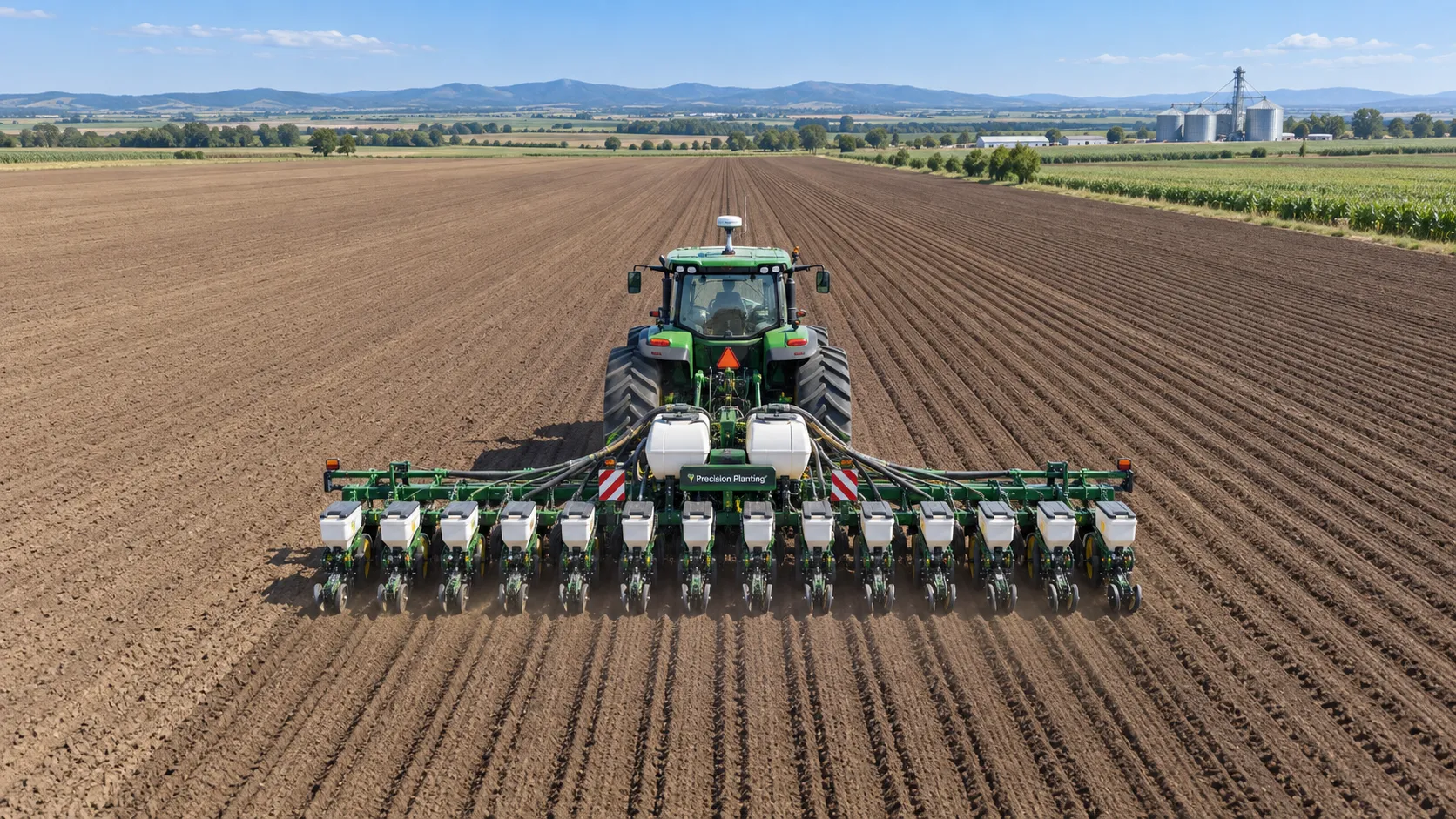
GPS-Guided Farm Machinery: Where It Delivers Measurable Field Efficiency Gains
Agri-mechanization GPS guided systems deliver measurable field efficiency gains through reduced overlap, precise planting, smarter inputs, and reliable farm data.
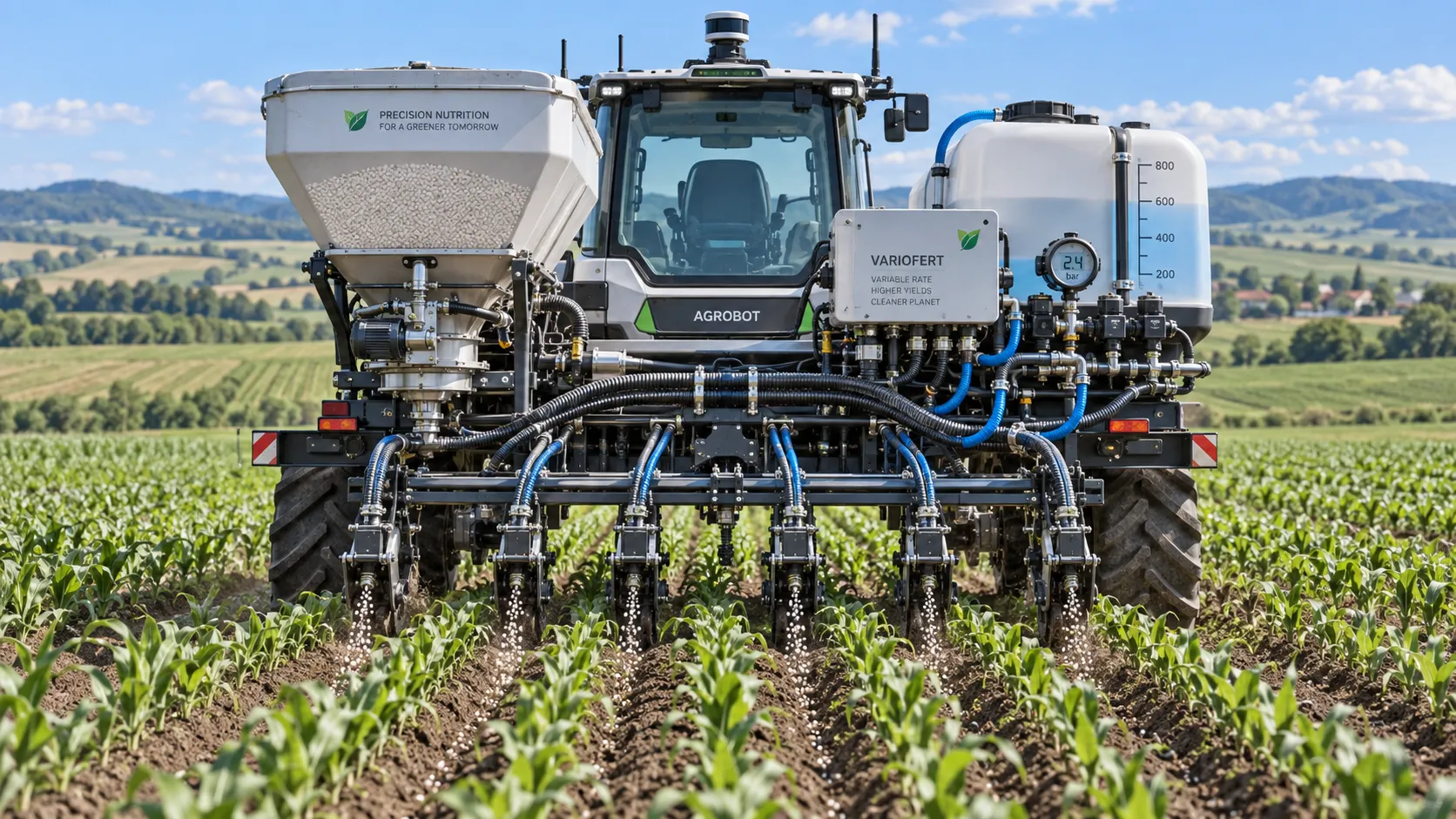
How Sensor Feedback Enables Accurate Variable-Rate Fertilization in Field Conditions
Precision fertilization systems with sensor feedback improve variable-rate accuracy by verifying flow, managing latency, and ensuring reliable field application.
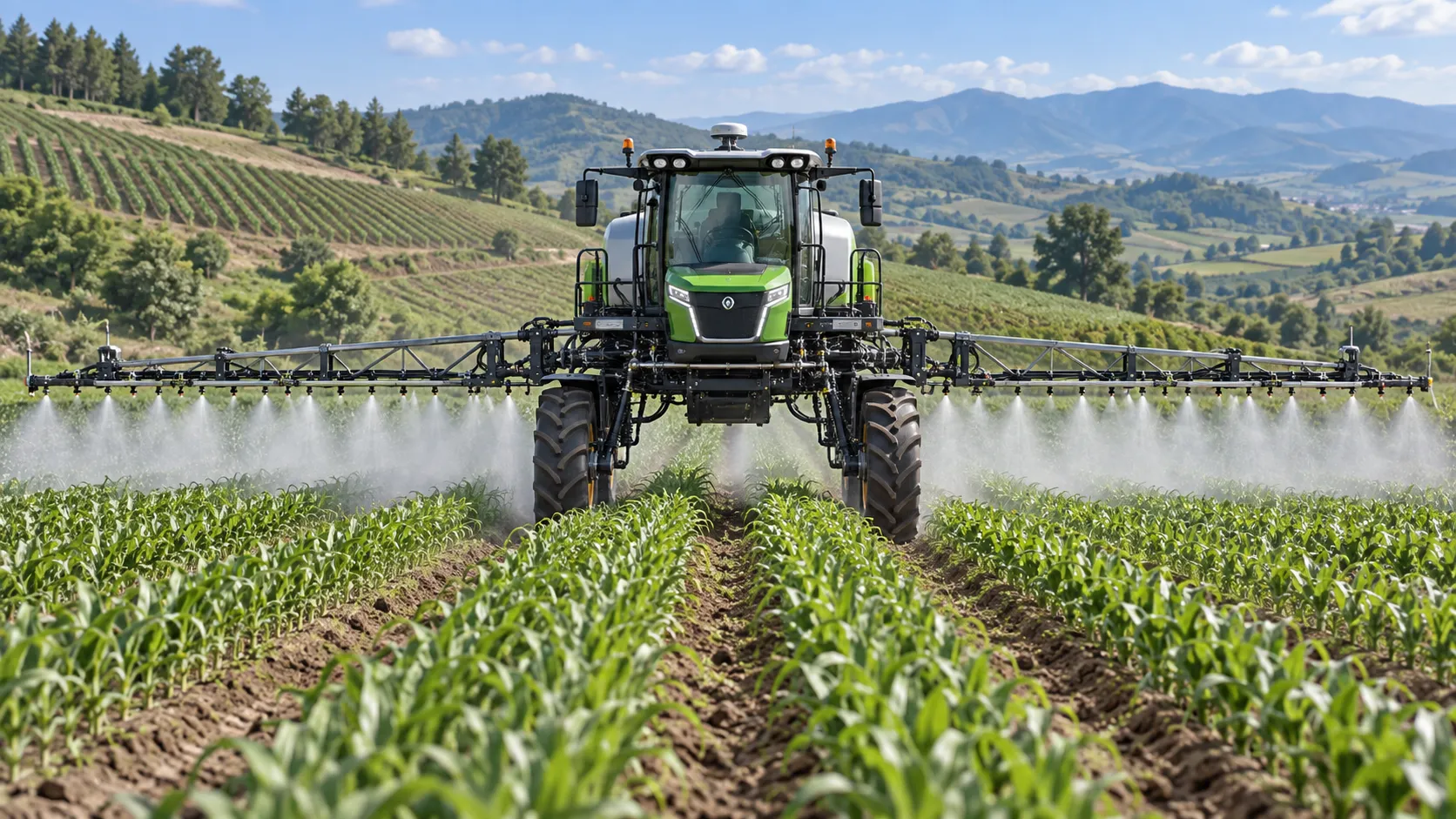
How to Select Precision Crop Protection Equipment for Variable Field Conditions
Precision crop protection equipment selection made simple: compare terrain, canopy, weather, control accuracy, and data workflows for reliable applications.
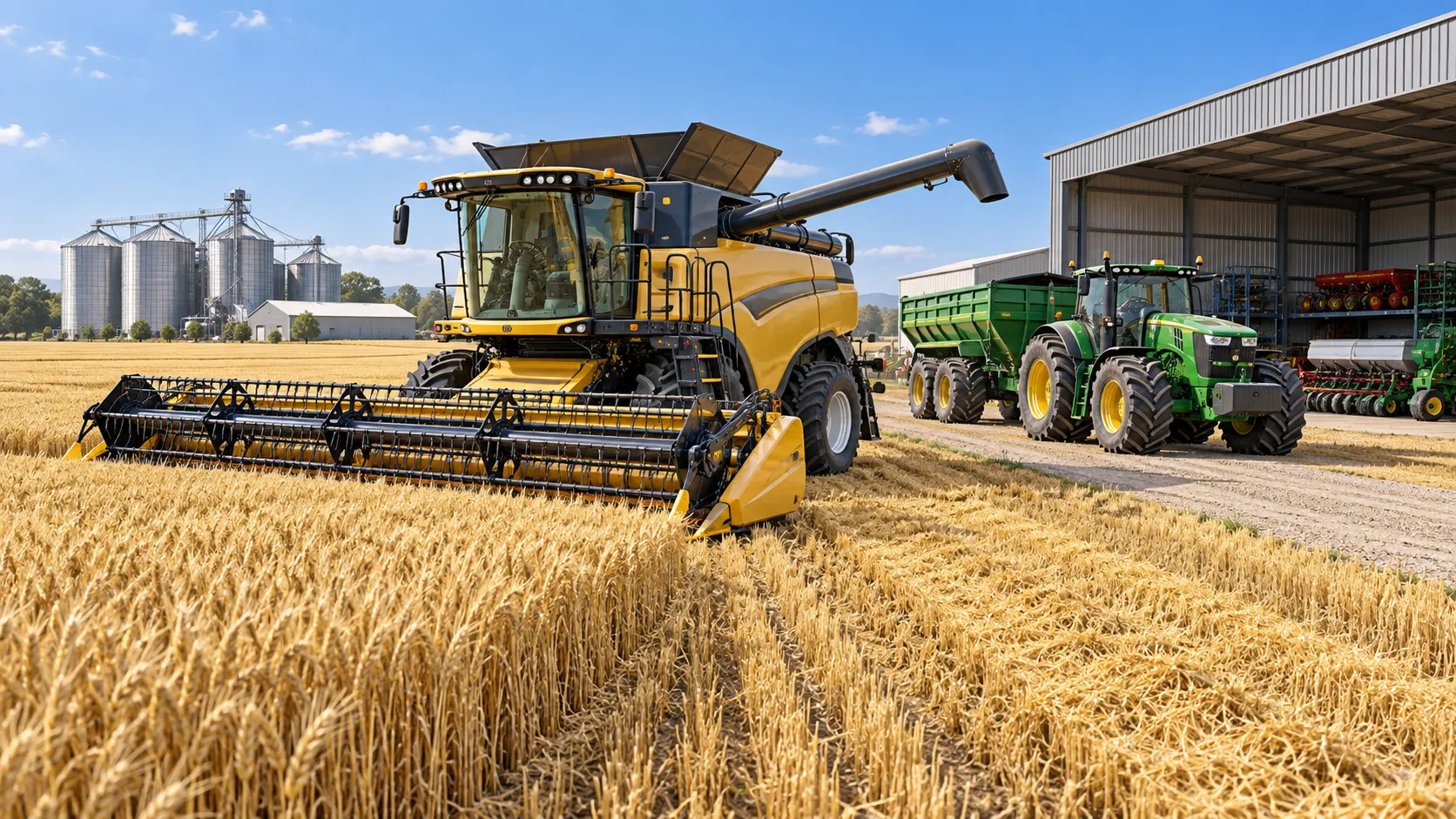
When Does Agricultural Machinery Leasing Cost Less Than Owning Equipment?
Agricultural machinery leasing can lower farm costs when use is seasonal or uncertain. Compare utilization, maintenance, cash flow, and risk to make a smarter equipment decision.
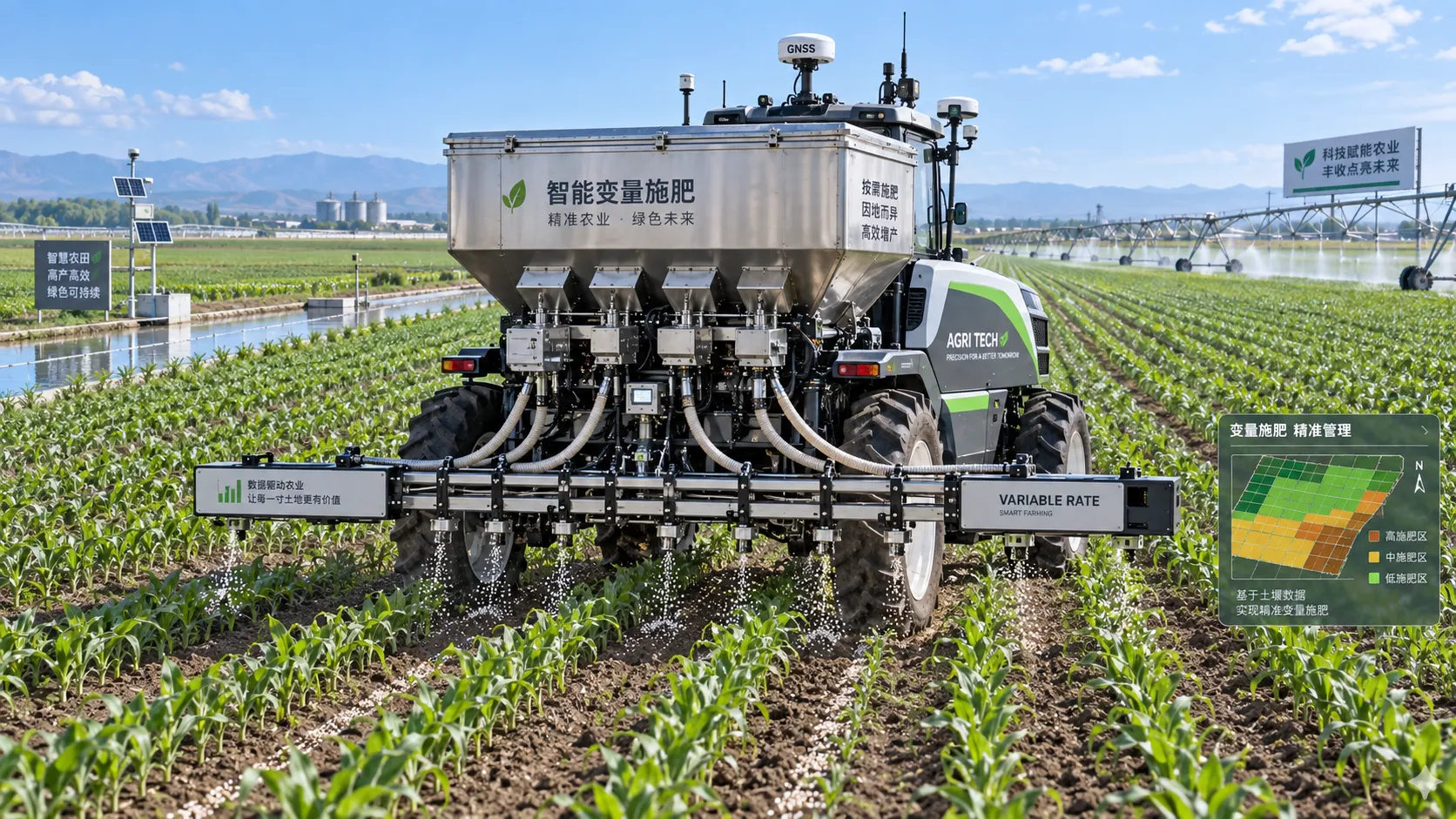
How to Evaluate Precision Fertilization System Suppliers for Farm-Scale Deployment
Precision fertilization systems suppliers: learn how to compare accuracy, integration, uptime, service, and total cost for confident farm-scale deployment.
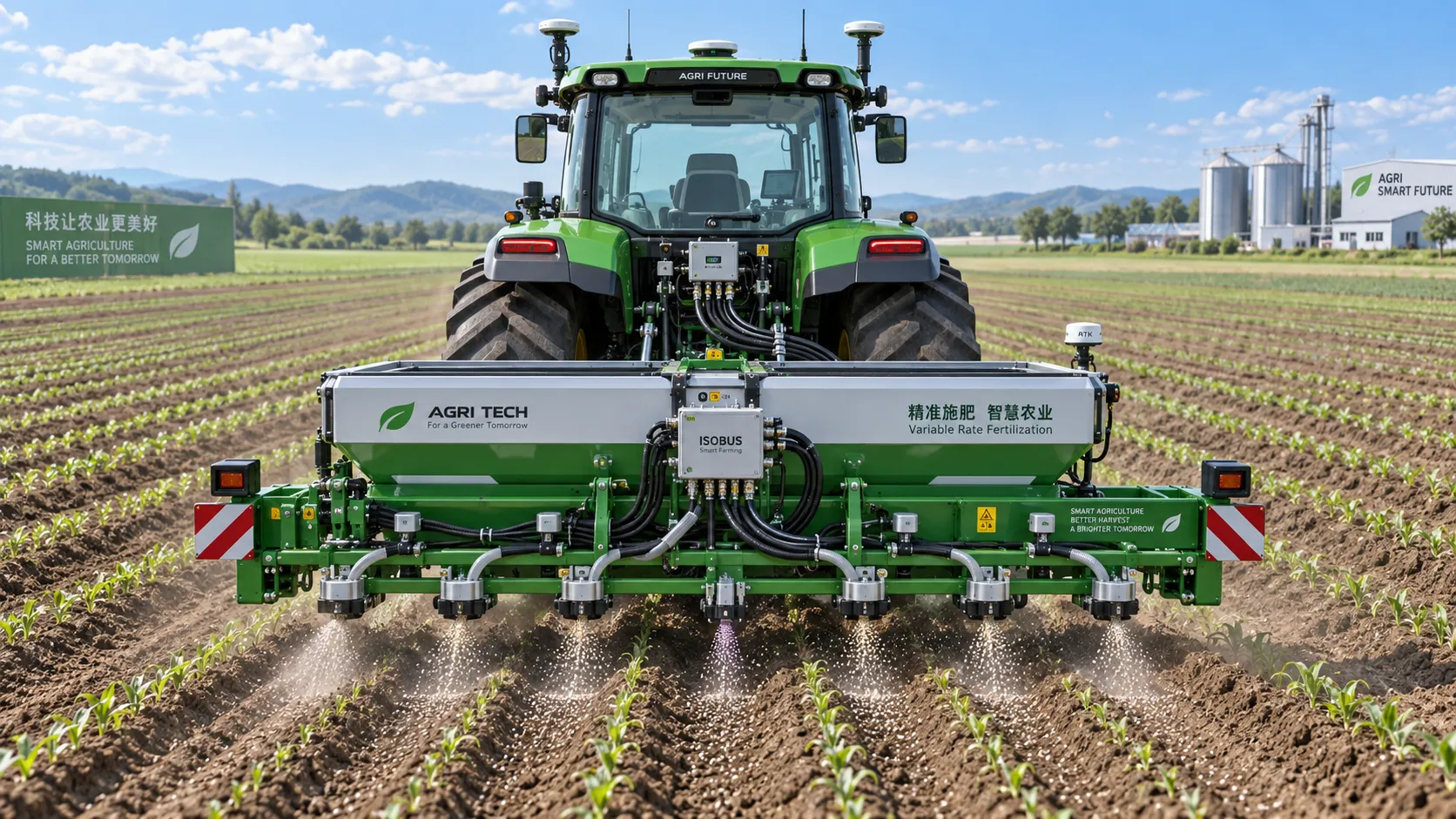
ISOBUS for Smart Agriculture: How It Connects Tractors, Implements, and Farm Data
ISOBUS for smart agriculture connects tractors, implements, terminals, and farm data—helping growers improve precision, documentation, and smarter field decisions.
Related News
- 00
0000-00
How Digital Agriculture Platforms Turn Field Data Into Better Input Decisions - 00
0000-00
When Does Agricultural Machinery Leasing Cost Less Than Owning Equipment? - 00
0000-00
Selecting Grain Farm Equipment by Acreage, Crop Mix, and Harvest Window - 00
0000-00
Poultry Equipment Selection: Evaluating Durability, Cleaning, and Compatibility - 00
0000-00
How to Select Heavy-Duty Farm Implements for High-Acreage, High-Horsepower Operations
Popular Tags
Ms. Elena Rodriguez
Weekly Insights
Stay ahead with our curated technology reports delivered every Monday.