
Fine Chemical Processing Technology: Choosing Corrosion-Resistant Materials for Acid Service
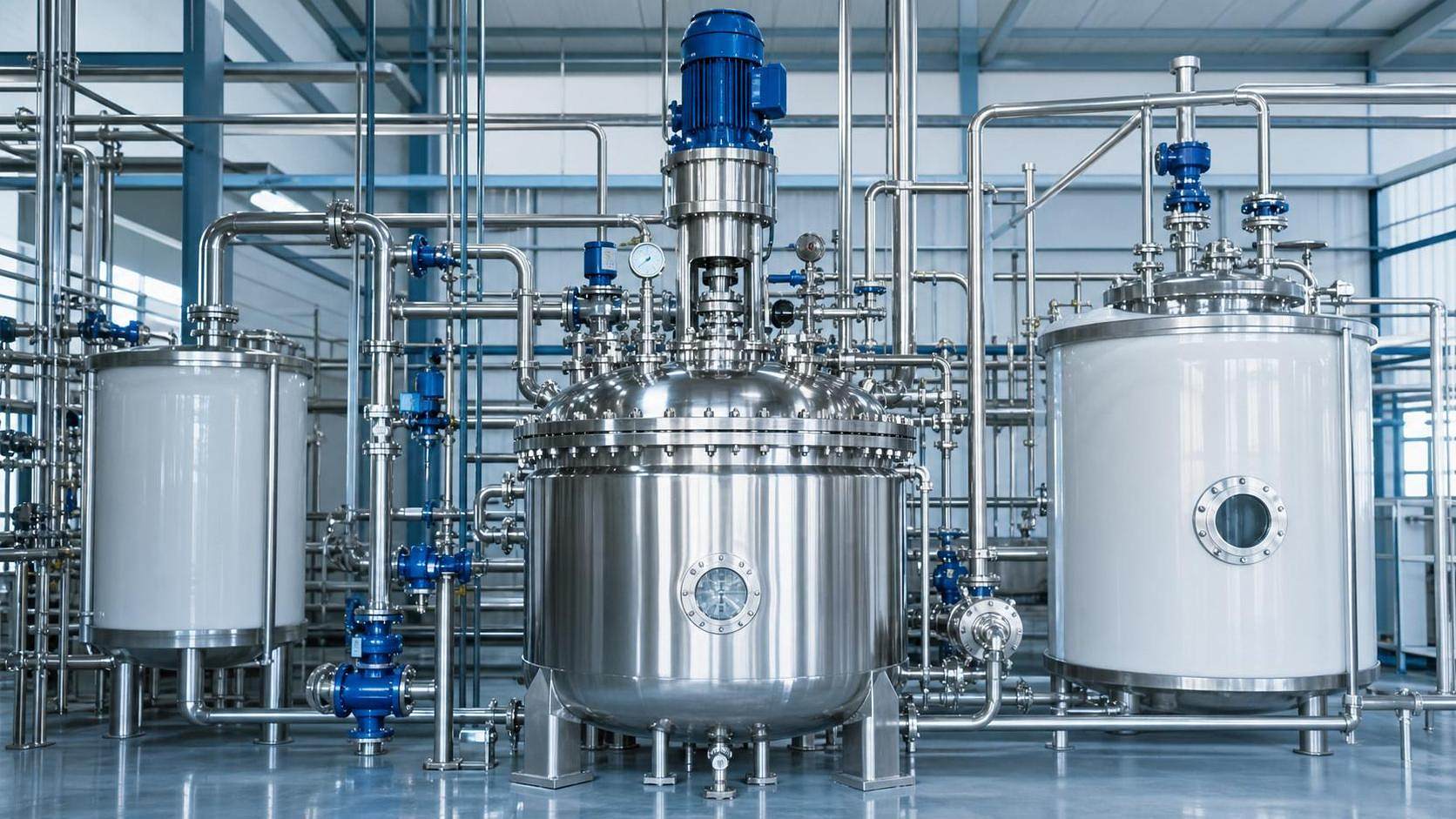




Fine Chemical Processing Technology: Choosing Corrosion-Resistant Materials for Acid Service
In fine chemical processing technology, acid service is rarely a simple materials question.
A vessel that survives one acid can fail quickly when concentration, temperature, or impurities shift.
That is why corrosion resistant selection has to move beyond catalog ratings.
It should connect process chemistry, operating windows, maintenance limits, and shutdown risk.
In real plants, the right choice reduces leaks, contamination, and unplanned replacement cycles.
The wrong choice usually looks acceptable at purchase, then expensive during operation.
This guide explains how fine chemical processing technology teams choose corrosion resistant materials for acid service with fewer assumptions and better evidence.
Why Acid Service Material Selection Fails So Often
Many failures start with one oversimplified statement: “this alloy is acid resistant.”
In fine chemical processing technology, that statement is incomplete without process detail.
Sulfuric acid behavior changes sharply with concentration.
Hydrochloric acid attacks many stainless steels even at modest temperatures.
Nitric acid may favor passivating alloys, yet local conditions still matter.
Organic acids add another layer because water content and trace chlorides can change the outcome.
More importantly, acid service is not only about uniform corrosion rates.
Pitting, crevice attack, stress corrosion cracking, and erosion-corrosion often drive real failures.
A corrosion resistant material must therefore withstand both chemistry and failure mode.
The Core Selection Logic in Fine Chemical Processing Technology
A practical corrosion resistant review starts with the process envelope, not the material list.
That means defining what the equipment will really see across startup, cleaning, upset, and standby.
- Acid type, purity, concentration, and contaminant profile
- Normal and peak operating temperature
- Pressure, velocity, solids loading, and phase condition
- Cleaning chemicals, flushing water, and solvent transitions
- Weld zones, gaskets, dead legs, and stagnant pockets
- Inspection interval, expected service life, and failure consequence
This process-first method fits fine chemical processing technology because batch variation is common.
A line may handle one recipe today and a cleaning acid tomorrow.
That changeover often matters more than steady-state conditions.
For corrosion resistant decisions, transient exposure deserves the same attention as normal operation.
Comparing Major Corrosion-Resistant Material Options
No single material solves every acid service problem.
The better approach is to understand where each option performs well and where it breaks down.
Stainless Steels
304 and 316 stainless steel remain common because they are available and easy to fabricate.
Still, many acid service duties exceed their safe window.
They can work in selected organic acids or diluted conditions.
They are weak choices for chloride-bearing hydrochloric environments demanding strong corrosion resistant performance.
High-Alloy Stainless and Nickel Alloys
Alloys such as 904L, Alloy 20, Hastelloy C-276, and other nickel-based grades serve harsher duty.
These materials offer stronger corrosion resistant behavior against mixed acids, chlorides, and oxidizing media.
Their cost is higher, but replacement risk is usually lower.
In fine chemical processing technology, that tradeoff often pays back through uptime and purity control.
Titanium
Titanium performs very well in several oxidizing environments.
However, it is not universally corrosion resistant across all acid service conditions.
Reducing acids and fluoride contamination can make it unsuitable.
It should be chosen with specific compatibility data, not by reputation alone.
Fluoropolymers, FRP, and Linings
PTFE, PFA, PVDF, rubber linings, and FRP systems can provide excellent corrosion resistant barriers.
They are especially useful when metallic alloys become too expensive or too vulnerable.
But they introduce their own limits, including permeation, vacuum sensitivity, and mechanical damage risk.
For fine chemical processing technology, lining integrity and nozzle design become critical review points.
Key Decision Factors Beyond Basic Compatibility Charts
Compatibility tables are useful, but they are only a starting layer.
Reliable corrosion resistant selection also depends on how the equipment is built and used.
- Check welded areas separately. Heat-affected zones often behave differently from base metal.
- Review flow conditions. High velocity can remove protective films and accelerate local attack.
- Look at trace contaminants. Chlorides, iron salts, and solvents can shift corrosion behavior fast.
- Account for cleaning cycles. CIP acids and alkalis may create more damage than the process stream.
- Evaluate product purity needs. A technically acceptable alloy may still release unacceptable metal ions.
- Include maintenance reality. A corrosion resistant solution that cannot be inspected is harder to trust.
From a lifecycle view, these factors usually separate robust choices from optimistic ones.
That is especially true when fine chemical processing technology runs under tight contamination and availability targets.
A Practical Screening Matrix for Acid Service
Using a matrix like this makes fine chemical processing technology reviews more consistent across projects and suppliers.
Common Mistakes That Raise Failure Risk
Several recurring mistakes weaken corrosion resistant decisions in acid service procurement.
- Choosing by initial price instead of total lifecycle exposure
- Accepting generic compatibility data without temperature limits
- Ignoring cleaning, dilution, and shutdown conditions
- Treating piping, valves, gaskets, and nozzles as secondary details
- Assuming corrosion resistant means maintenance-free
- Failing to verify field history for the exact acid system
More obvious signals usually appear before major leaks.
Discoloration, roughened welds, lining blisters, and unexpected metal pickup all deserve early escalation.
In fine chemical processing technology, small warning signs often prevent large contamination events.
How to Make the Final Material Decision
A strong final decision usually combines lab data, supplier input, standards review, and plant experience.
This is where fine chemical processing technology benefits from a structured approval path.
- Define the full acid service envelope, including abnormal states.
- Shortlist corrosion resistant metals, linings, or composites with proven compatibility.
- Check fabrication constraints, weld procedures, and inspection access.
- Compare lifecycle cost, contamination risk, and replacement downtime.
- Document the assumptions behind the selected material.
That documentation matters because process windows rarely stay fixed for years.
When recipes, utilities, or cleaning protocols change, the old corrosion resistant basis should be reviewed again.
This also supports better cross-functional decisions between engineering, operations, and procurement.
A durable acid service strategy is rarely about the most exotic alloy.
It is about selecting the corrosion resistant option that matches the real duty cycle.
When that logic is applied well, fine chemical processing technology becomes safer, cleaner, and easier to scale.
The practical next step is straightforward: review each acid-facing asset against actual operating conditions, then re-rank materials by verified risk instead of purchase habit.
Related News
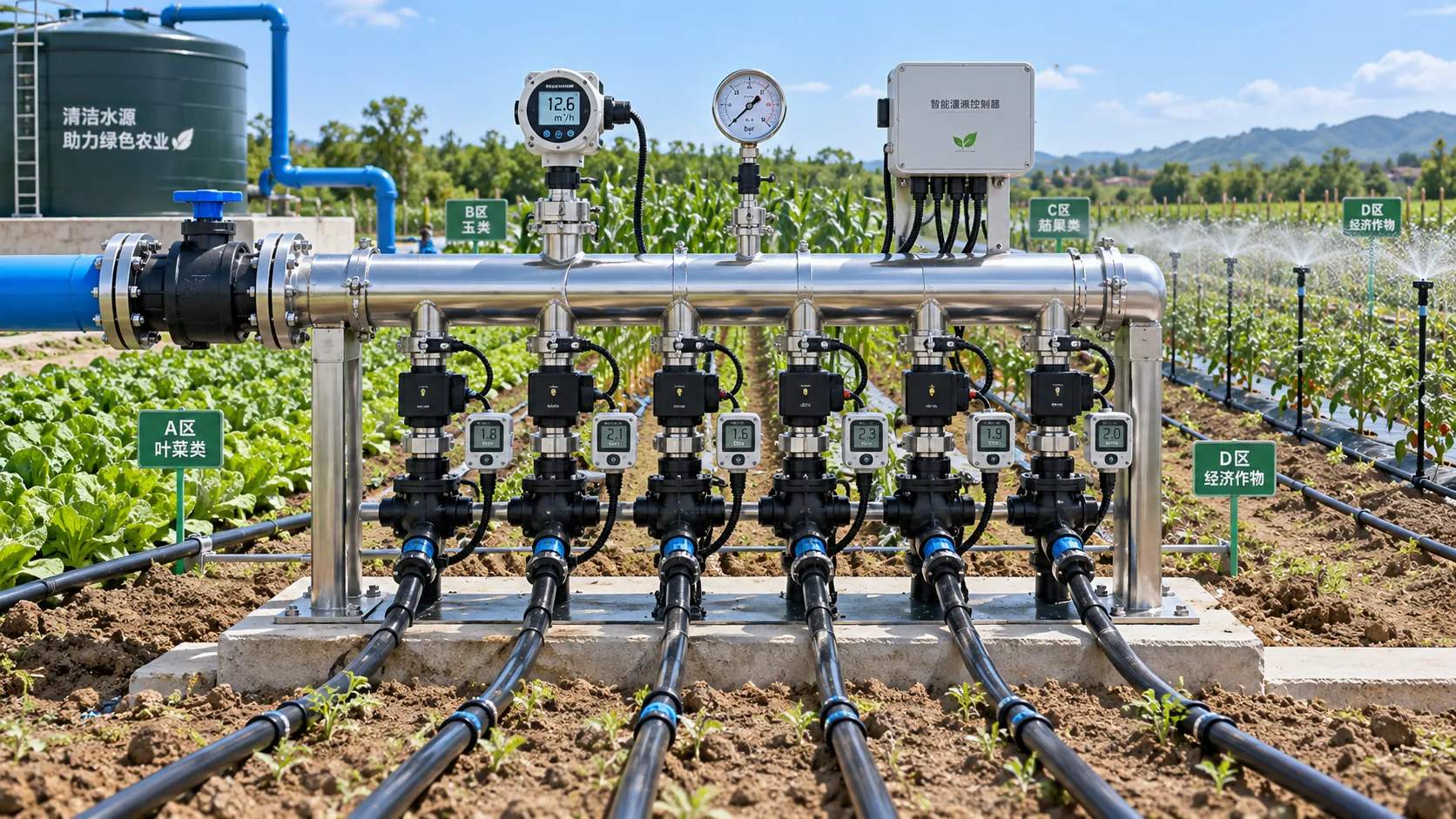
How to Select Smart Irrigation Valves for Multi-Zone Water Management?
Intelligent irrigation systems valves: learn how to match smart valves with multi-zone flow, pressure, control, feedback, and communication needs for reliable water management.
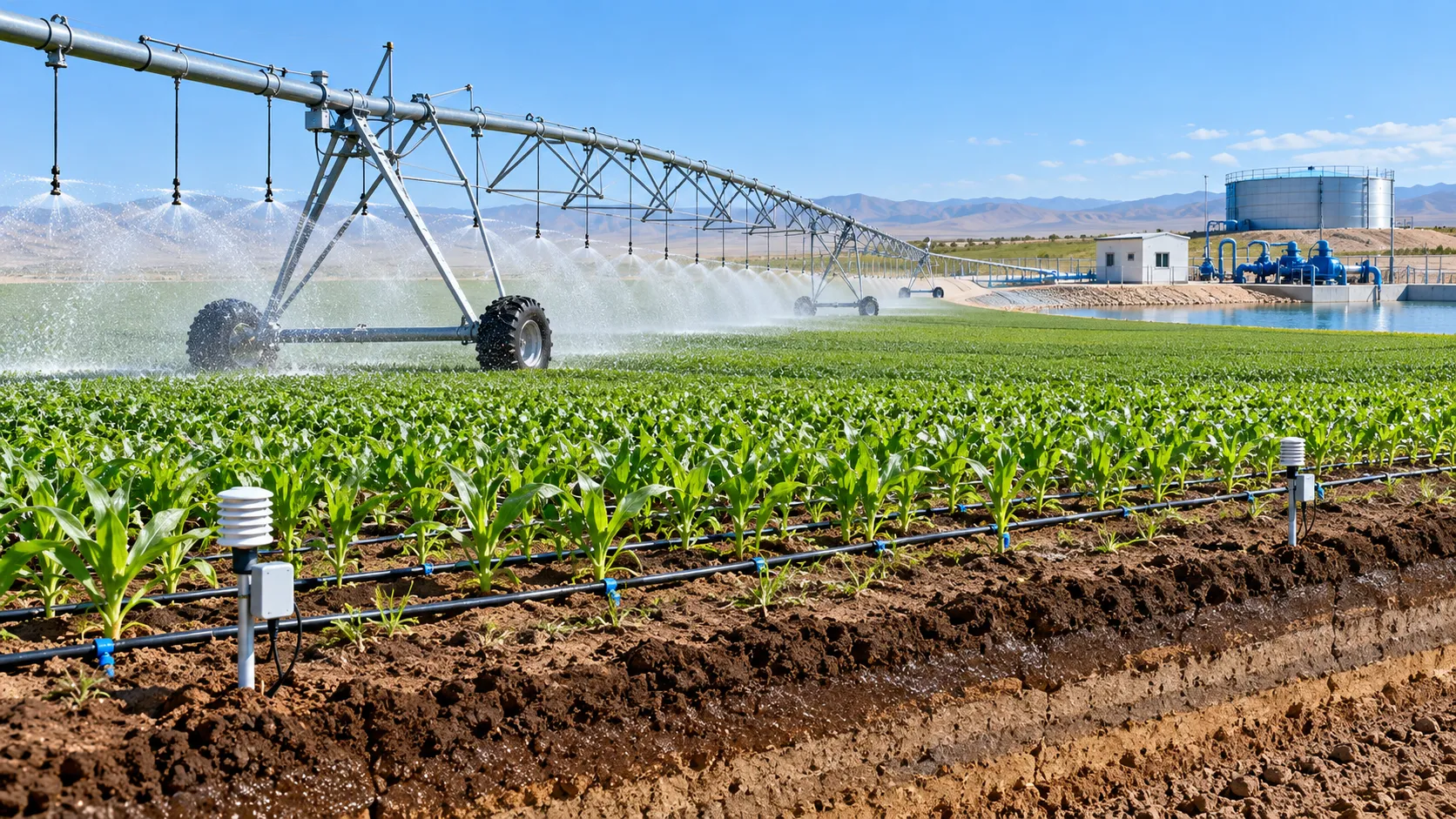
Climate-Smart Farming for Drought: A Practical Plan for Protecting Yields
Climate-smart farming for drought: build smarter water budgets, protect critical crop stages, improve irrigation uniformity, and safeguard yields with practical field-proven strategies.

How Digital Agriculture Platforms Turn Field Data Into Better Input Decisions
Digital agriculture platforms turn field data into smarter fertilizer, water, seed, and equipment decisions—helping farms cut risk, improve margins, and scale sustainability.
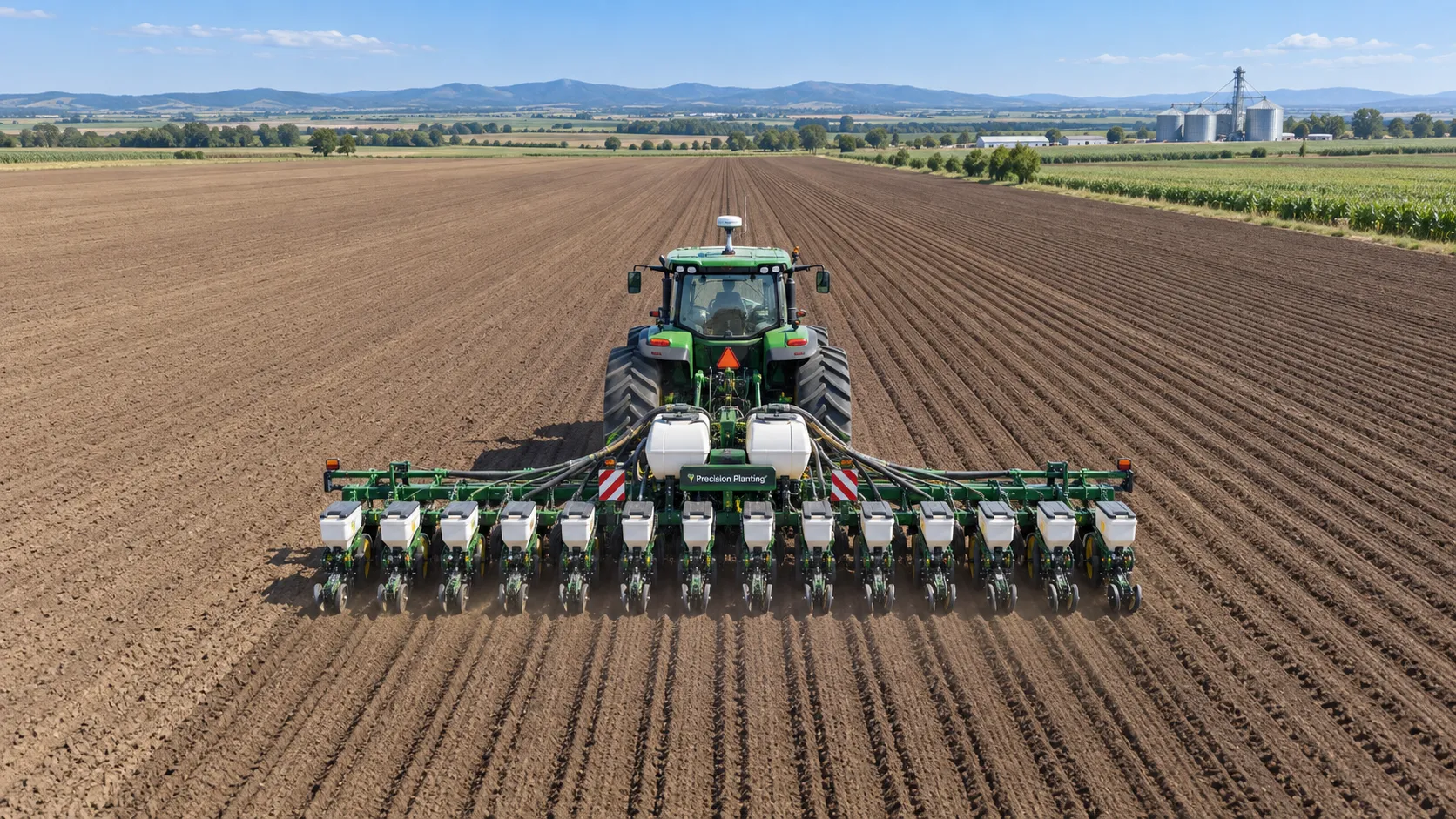
GPS-Guided Farm Machinery: Where It Delivers Measurable Field Efficiency Gains
Agri-mechanization GPS guided systems deliver measurable field efficiency gains through reduced overlap, precise planting, smarter inputs, and reliable farm data.
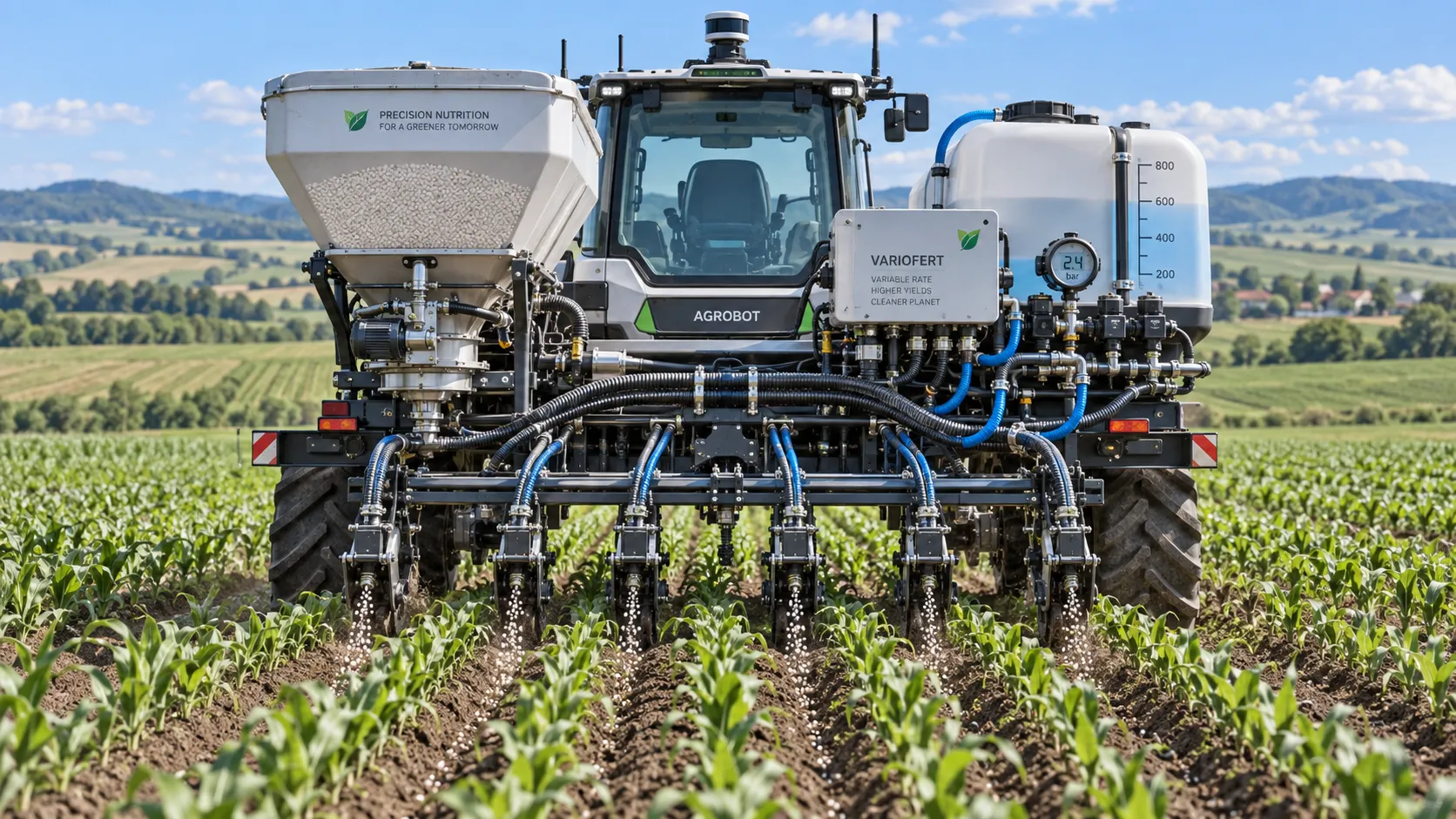
How Sensor Feedback Enables Accurate Variable-Rate Fertilization in Field Conditions
Precision fertilization systems with sensor feedback improve variable-rate accuracy by verifying flow, managing latency, and ensuring reliable field application.
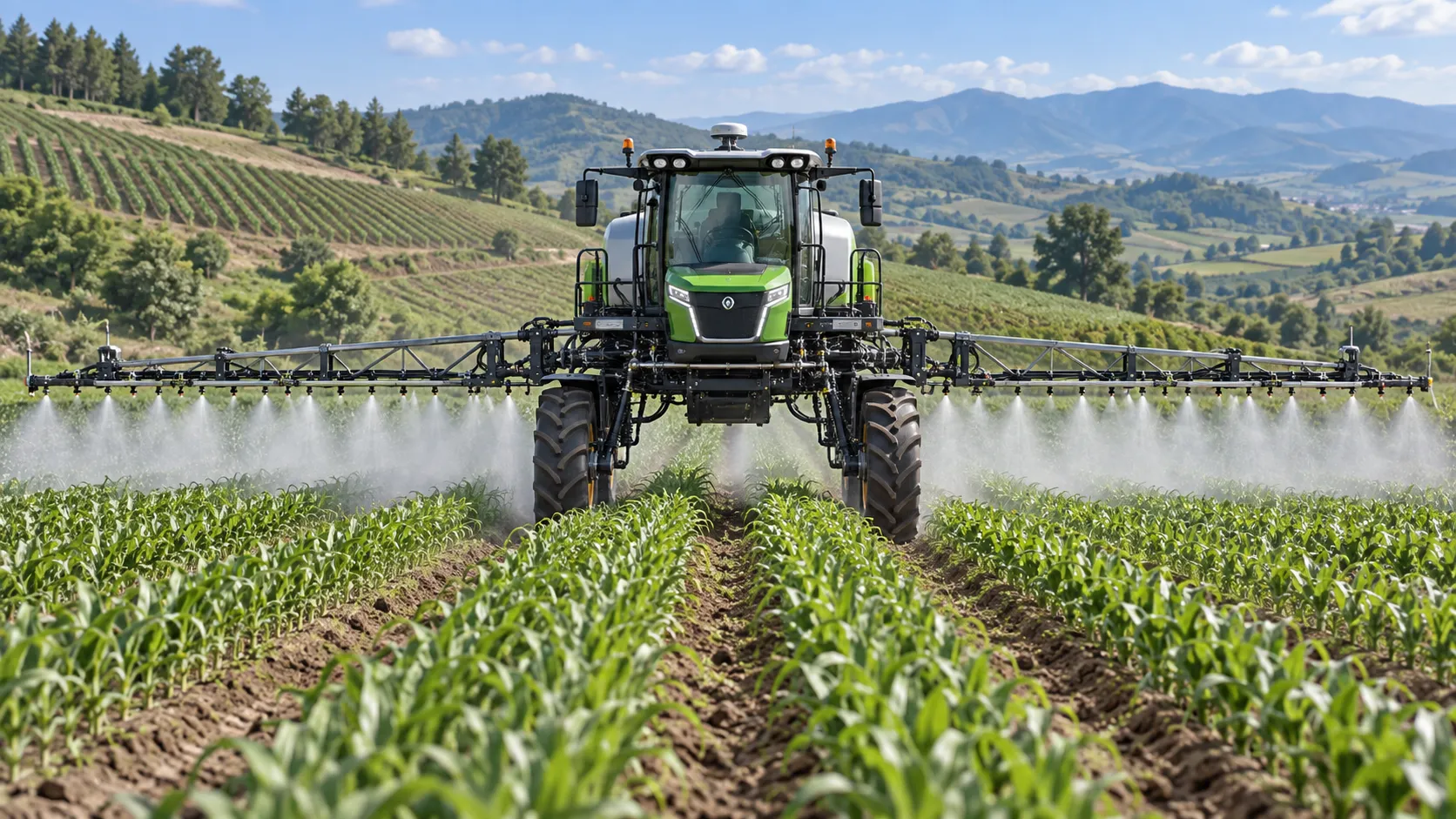
How to Select Precision Crop Protection Equipment for Variable Field Conditions
Precision crop protection equipment selection made simple: compare terrain, canopy, weather, control accuracy, and data workflows for reliable applications.

When Does Agricultural Machinery Leasing Cost Less Than Owning Equipment?
Agricultural machinery leasing can lower farm costs when use is seasonal or uncertain. Compare utilization, maintenance, cash flow, and risk to make a smarter equipment decision.
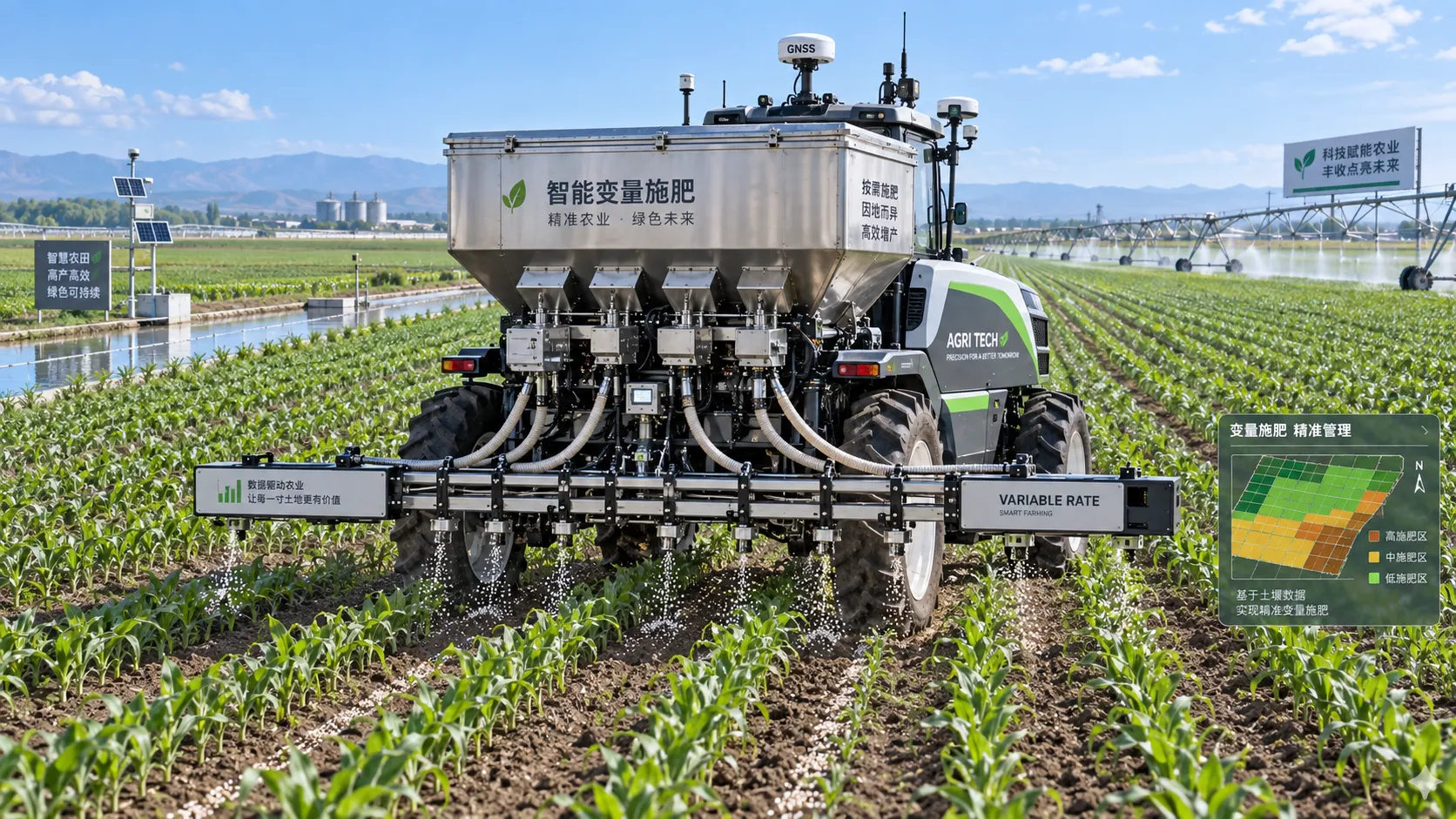
How to Evaluate Precision Fertilization System Suppliers for Farm-Scale Deployment
Precision fertilization systems suppliers: learn how to compare accuracy, integration, uptime, service, and total cost for confident farm-scale deployment.
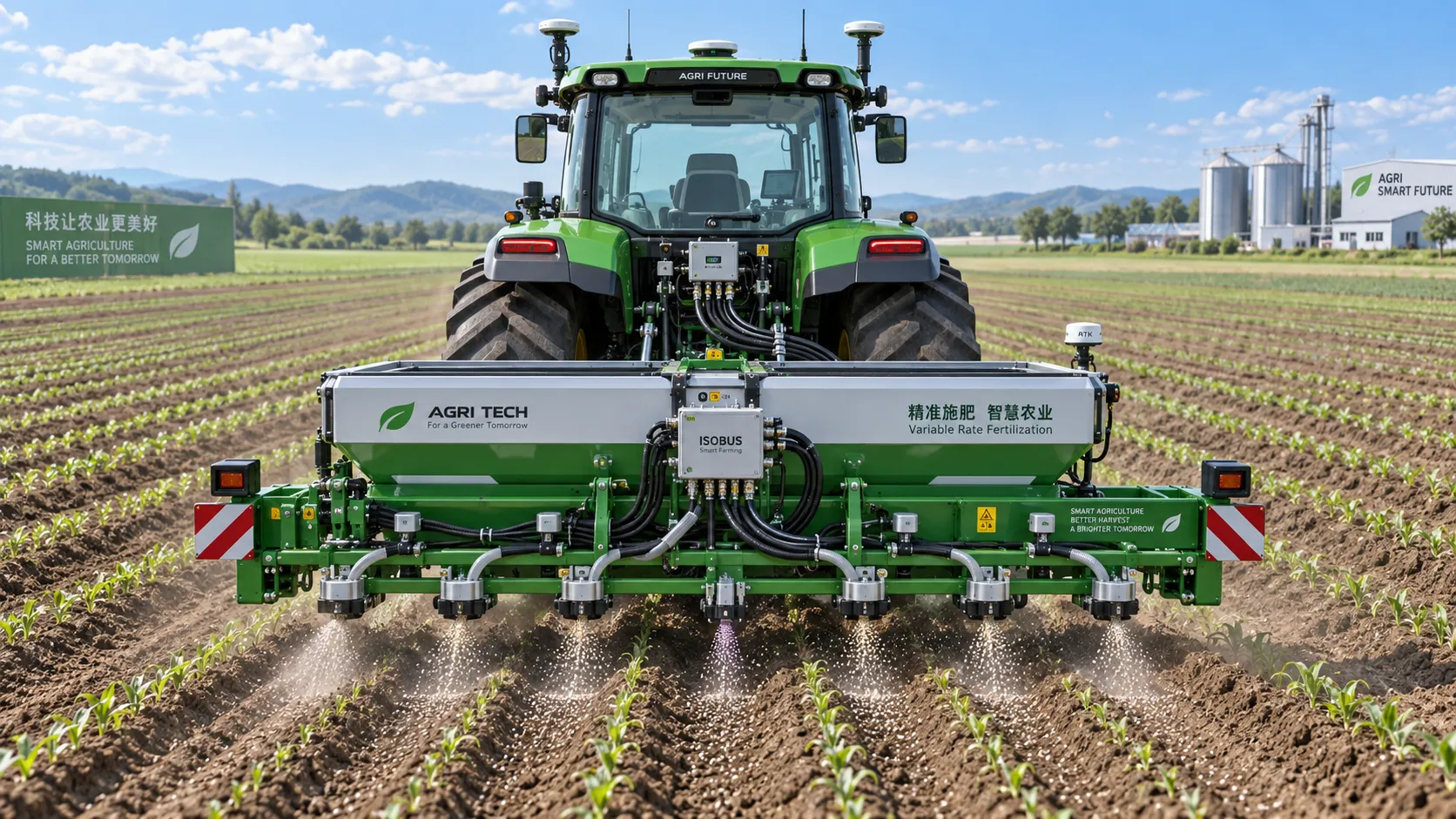
ISOBUS for Smart Agriculture: How It Connects Tractors, Implements, and Farm Data
ISOBUS for smart agriculture connects tractors, implements, terminals, and farm data—helping growers improve precision, documentation, and smarter field decisions.
Related News
- 00
0000-00
How Digital Agriculture Platforms Turn Field Data Into Better Input Decisions - 00
0000-00
When Does Agricultural Machinery Leasing Cost Less Than Owning Equipment? - 00
0000-00
Selecting Grain Farm Equipment by Acreage, Crop Mix, and Harvest Window - 00
0000-00
Poultry Equipment Selection: Evaluating Durability, Cleaning, and Compatibility - 00
0000-00
How to Select Heavy-Duty Farm Implements for High-Acreage, High-Horsepower Operations
Popular Tags
Ms. Elena Rodriguez
Weekly Insights
Stay ahead with our curated technology reports delivered every Monday.