
Agricultural Equipment Directory Middle East: How Buyers Can Compare Suppliers by Country




Why the agricultural equipment directory Middle East matters more now
Regional sourcing for farm machinery is no longer a simple price comparison exercise.
Across the Gulf, Levant, and North Africa trade routes, supply choices are widening, but so are performance differences.
That is why an agricultural equipment directory Middle East search now carries more strategic value than it did a few years ago.
The immediate benefit is speed.
The deeper benefit is visibility into how suppliers differ by country, specialization, support capability, and technology readiness.
This shift is becoming clearer as farms, distributors, and project developers balance mechanization needs with water pressure, energy costs, and food security targets.
A directory is no longer just a contact list.
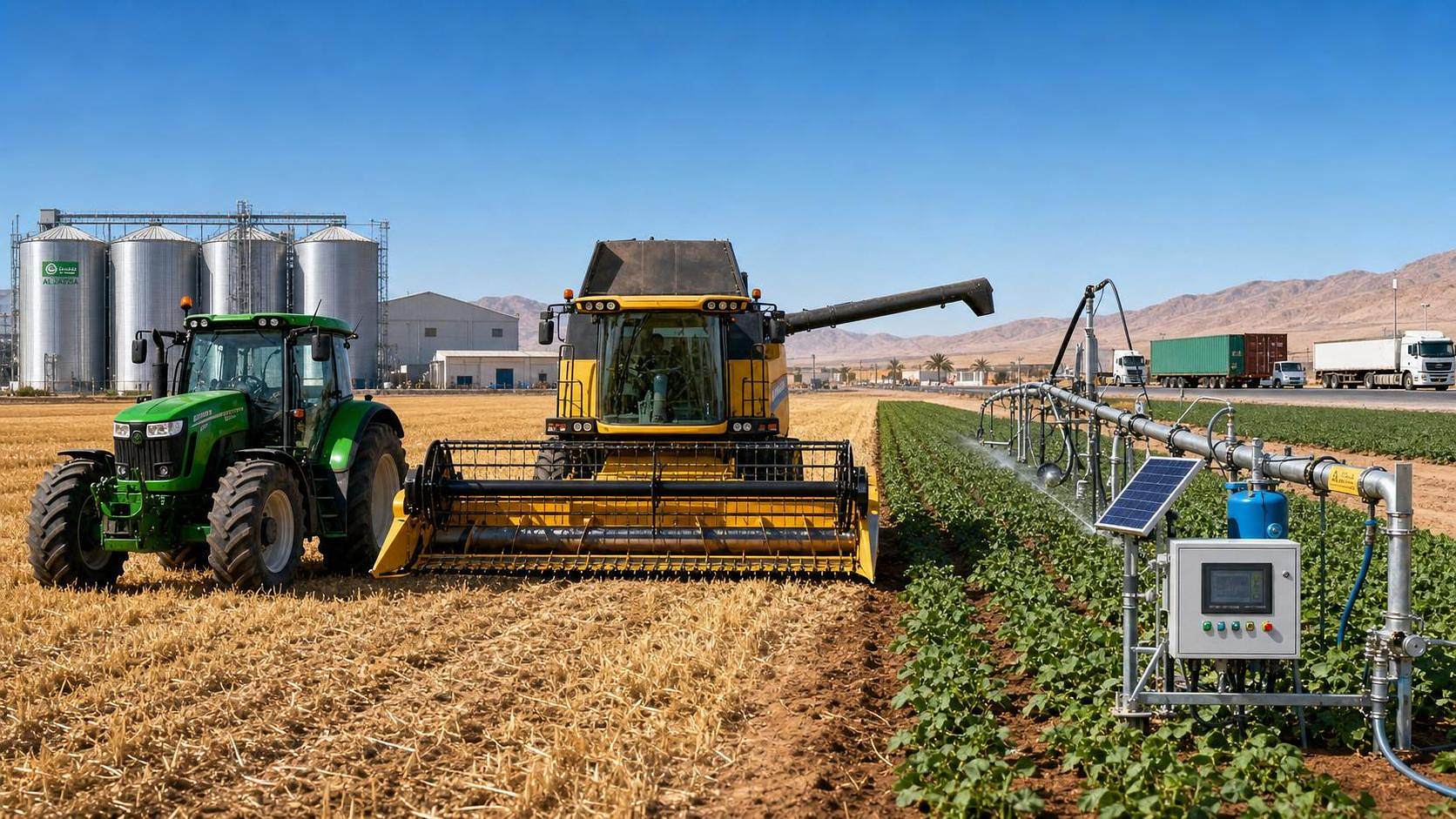
Used well, it becomes a decision filter for tractors, combine harvesters, irrigation systems, tractor chassis components, and intelligent farm tools.
That broader view fits the way AP-Strategy reads the market.
Its coverage of large-scale machinery, harvesting technology, precision tools, and smart irrigation reflects a market where equipment selection now depends on operating context, not catalog breadth alone.
Country comparison is becoming the real starting point
One of the strongest signals in the agricultural equipment directory Middle East landscape is the move from brand-first screening to country-first comparison.
This is happening because supplier location increasingly shapes availability, compliance, lead times, and after-sales resilience.
A supplier in the UAE may stand out for regional distribution efficiency and multi-brand inventory access.
A Turkish-linked network may offer strong tractor and chassis value with faster adaptation to mixed terrain needs.
Suppliers connected to Saudi or Egyptian projects may show more depth in irrigation, desert farming systems, or high-acreage mechanization packages.
The point is not that one country model is better.
The point is that country context often predicts service reality better than promotional claims do.
In practical terms, an agricultural equipment directory Middle East review should begin with geography because geography now shapes commercial reliability.
Why supplier profiles are becoming more specialized
Another visible change is specialization.
Regional directories increasingly show suppliers clustering around product strengths instead of trying to appear universal.
That is a healthy sign for buyers, because it reveals where expertise is actually concentrated.
Some firms are strongest in large-scale agri-machinery for land preparation and transport-heavy operations.
Others are sharper in combine harvesting technology, especially where grain loss control and cleaning performance matter.
A separate group is building around intelligent irrigation, fertigation control, and water-saving network design.
This is closely aligned with AP-Strategy’s five-pillar view of food security equipment.
The market is not expanding in one flat direction.
It is branching into deeper technical categories.
That means an agricultural equipment directory Middle East search should compare more than product names.
It should compare the operational questions each supplier is actually able to answer.
- For tractors, look at transmission options, hydraulic compatibility, and chassis suitability for heavy-duty cycles.
- For harvesters, compare grain loss management, throughput stability, and local parts access during peak season.
- For irrigation systems, assess pressure control, sensor integration, and adaptation to water-stressed environments.
- For intelligent farm tools, review positioning accuracy, data feedback loops, and software support continuity.
The more technical the shortlist becomes, the more useful the directory becomes as a comparative map rather than a browsing page.
Demand signals now extend beyond machine horsepower
Horsepower and capacity still matter, but they no longer dominate the whole discussion.
Recent demand is pulling attention toward uptime, digital compatibility, water efficiency, and service depth.
This is especially true in projects shaped by climate exposure, labor variability, and input cost volatility.
An agricultural equipment directory Middle East comparison is therefore most valuable when it includes operational indicators that point to long-cycle performance.
More buyers now want to know whether a supplier can support autonomous features, precision fertilization tools, remote monitoring, or efficient water reuse design.
This wider lens reflects a deeper market change.
Equipment is being judged as part of a production system.
It is no longer judged as an isolated machine asset.
AP-Strategy’s intelligence approach is relevant here because it links mechanical performance with precision farming algorithms and sustainability pressure.
That combination reflects what the regional market is starting to reward.
What a stronger comparison usually includes
- Country-level supply stability and customs practicality
- Installed base in similar crop and climate conditions
- Technical fit for mechanization intensity and field size
- Support for sensors, telemetry, and precision applications
- Parts strategy during harvest or irrigation peak periods
- Water and energy efficiency under regional operating pressure
The real risk is not picking the wrong brand, but reading the market too narrowly
A narrow comparison often misses the hidden costs that appear after delivery.
These usually show up as delayed spares, weak field calibration, poor software continuity, or mismatched irrigation design assumptions.
In other words, the most expensive mistake is often analytical, not transactional.
Using an agricultural equipment directory Middle East platform well means turning broad listings into narrower judgments.
Country comparison helps expose which suppliers can actually serve a desert horticulture project, a large grain operation, or a mixed mechanization upgrade.
That distinction matters because service expectations differ sharply across those use cases.
More importantly, regional sourcing is now tied to policy shifts around water efficiency, food production security, and agricultural modernization.
Those pressures are pushing equipment decisions toward systems that are measurable, adaptable, and supportable over time.
Where to focus next when reviewing supplier options
The next phase is not about collecting more names.
It is about improving the quality of comparison.
A useful agricultural equipment directory Middle East review should narrow attention to a few decisive filters.
- Match supplier country strengths to the actual operating environment, not just budget assumptions.
- Separate general distributors from category specialists in harvesters, irrigation, chassis systems, or smart tools.
- Test whether digital and mechanical capabilities are presented together or in isolation.
- Check whether after-sales language is backed by local service structure, training, and parts evidence.
- Watch for alignment with water-saving, autonomous, and resource-efficiency standards that are gaining policy weight.
This is where market observation becomes useful action.
The strongest decisions will come from comparing supplier geography, technical depth, and service readiness in one view.
That is also where AP-Strategy’s broader intelligence model has practical relevance.
Its focus on mechanization, combine performance, precision tools, and irrigation efficiency mirrors the categories where regional differentiation is becoming most visible.
For anyone using an agricultural equipment directory Middle East resource today, the next sensible move is to build a shortlist around country logic first, then validate technical fit, and only then compare commercial terms.
That sequence reflects how the market is actually changing.
- combine harvesting technology
- precision farming algorithms
- food security
- tractor chassis
- intelligent farm tools
- precision fertilization tools
- combine harvesters
- agricultural equipment
- farm machinery
- tractor chassis components
- agricultural equipment directory
- large-scale agri-machinery
- irrigation systems
- agricultural equipment directory Middle East
Related News
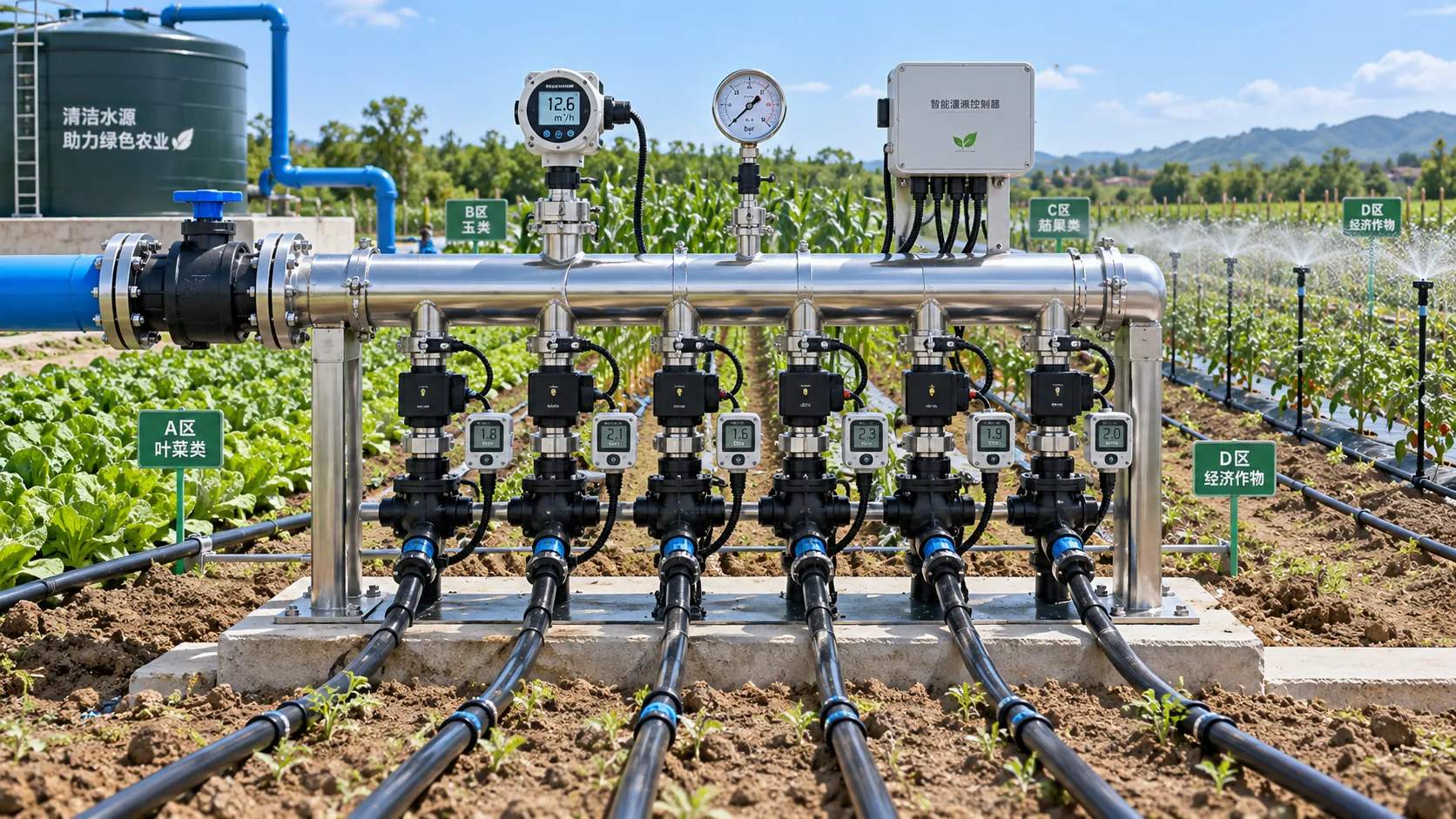
How to Select Smart Irrigation Valves for Multi-Zone Water Management?
Intelligent irrigation systems valves: learn how to match smart valves with multi-zone flow, pressure, control, feedback, and communication needs for reliable water management.
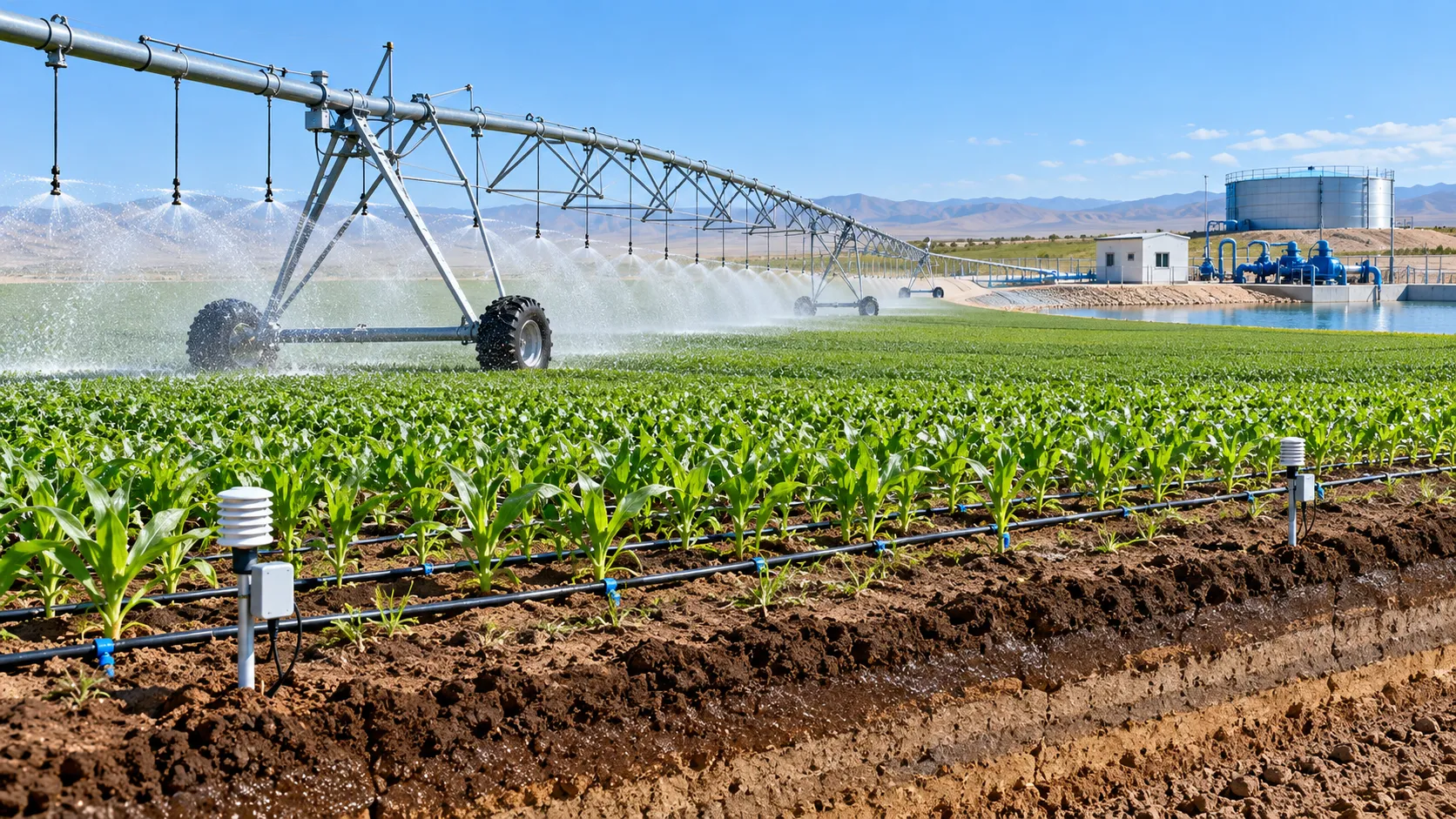
Climate-Smart Farming for Drought: A Practical Plan for Protecting Yields
Climate-smart farming for drought: build smarter water budgets, protect critical crop stages, improve irrigation uniformity, and safeguard yields with practical field-proven strategies.
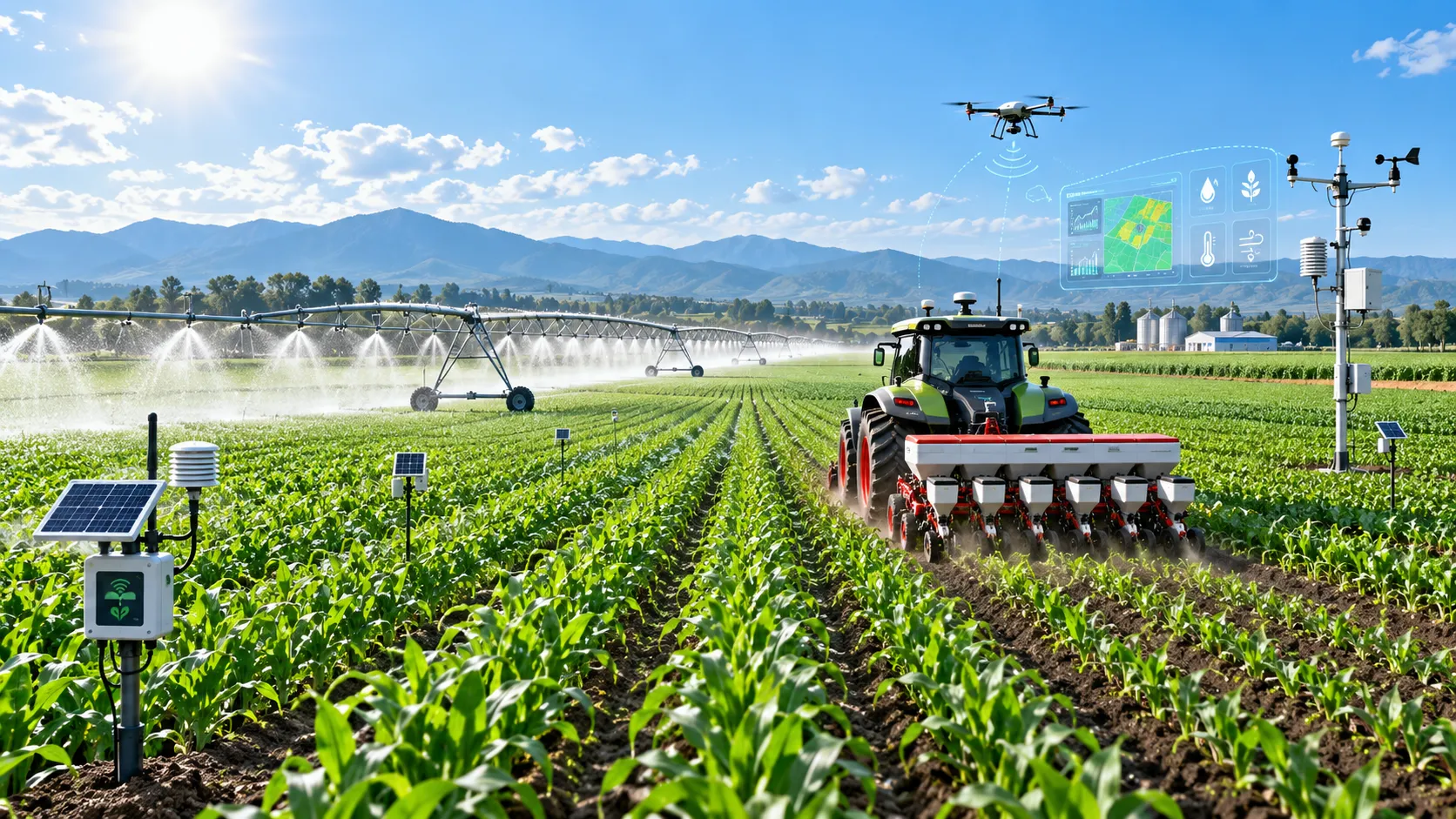
How Digital Agriculture Platforms Turn Field Data Into Better Input Decisions
Digital agriculture platforms turn field data into smarter fertilizer, water, seed, and equipment decisions—helping farms cut risk, improve margins, and scale sustainability.
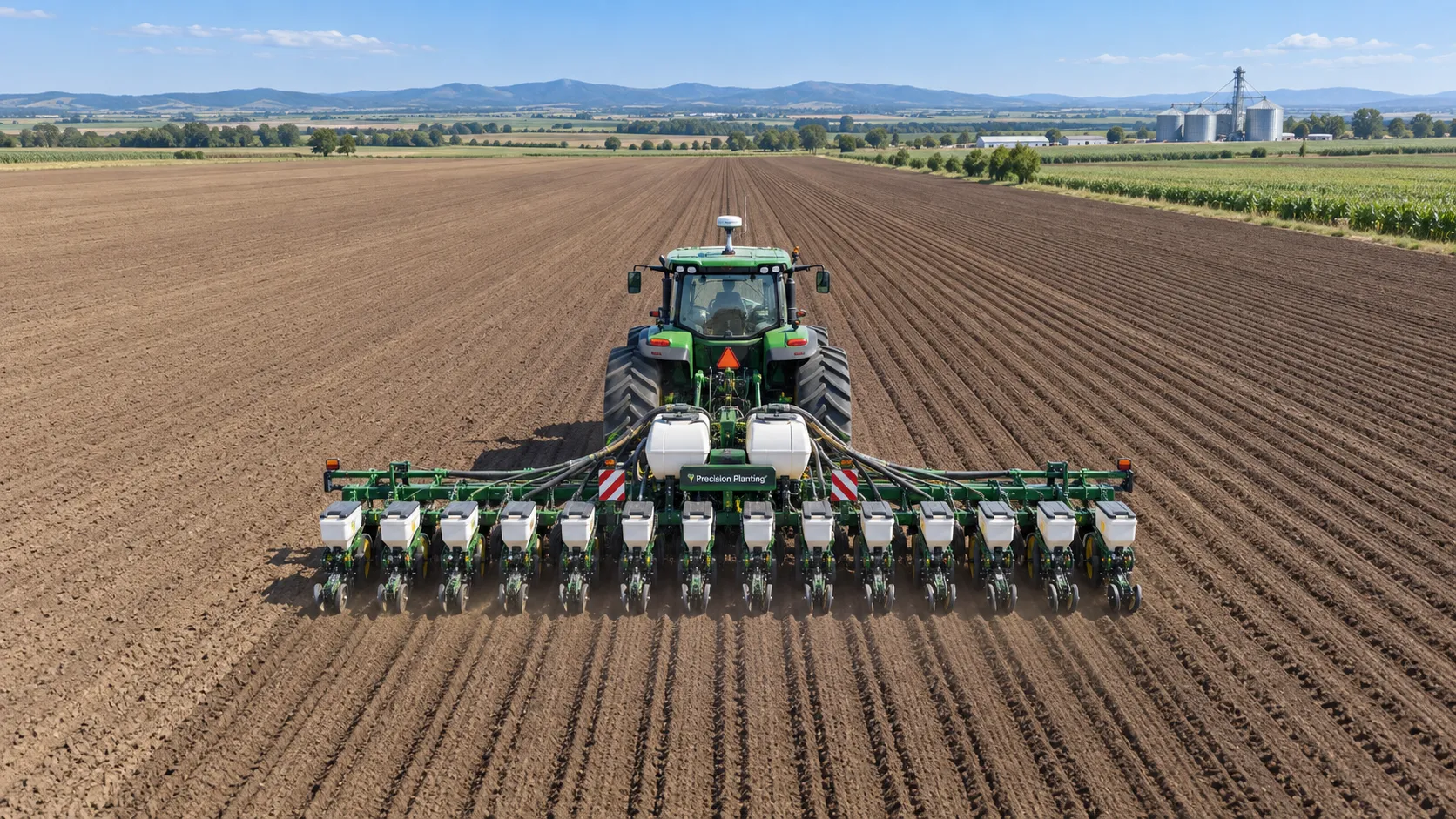
GPS-Guided Farm Machinery: Where It Delivers Measurable Field Efficiency Gains
Agri-mechanization GPS guided systems deliver measurable field efficiency gains through reduced overlap, precise planting, smarter inputs, and reliable farm data.
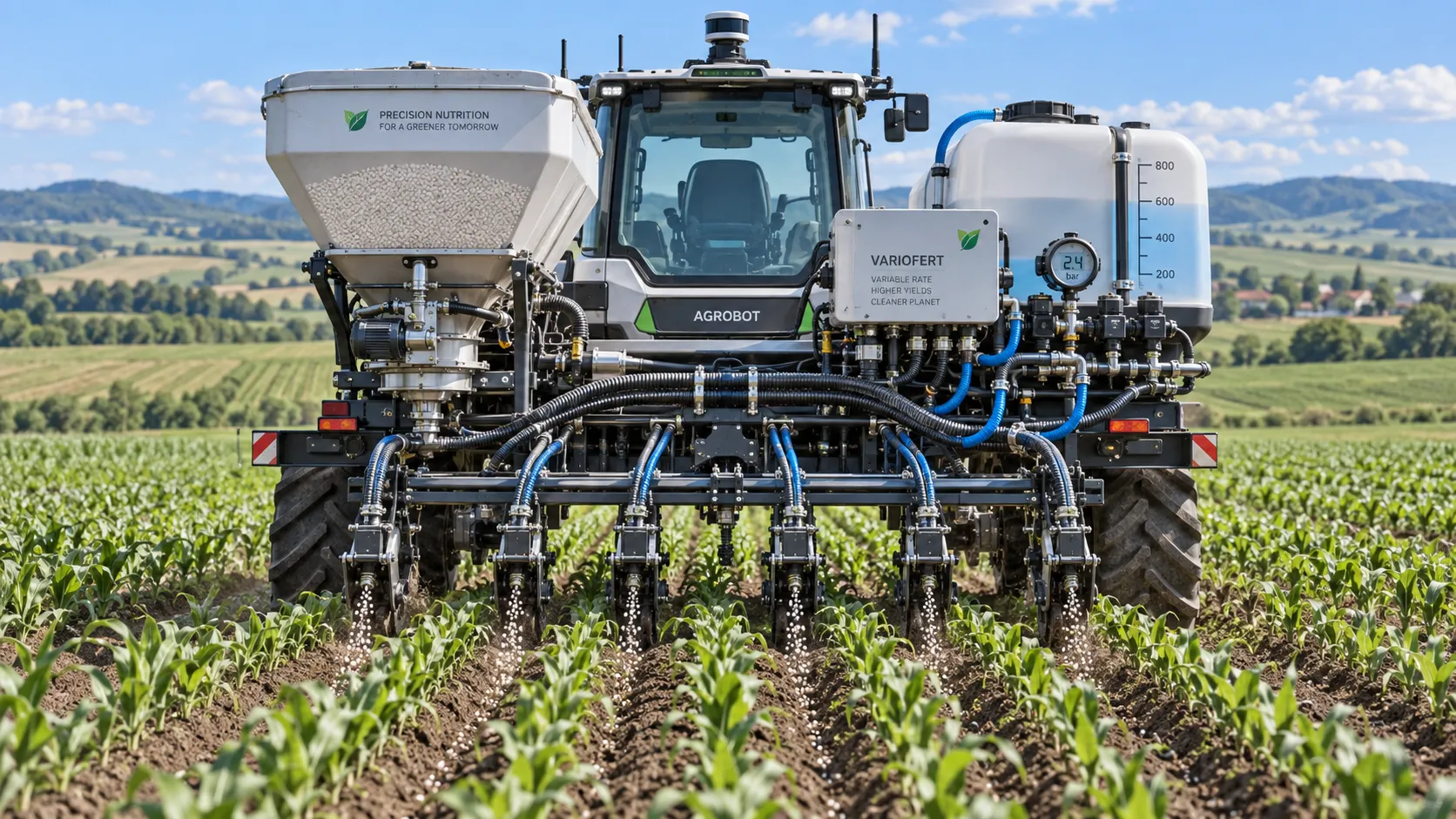
How Sensor Feedback Enables Accurate Variable-Rate Fertilization in Field Conditions
Precision fertilization systems with sensor feedback improve variable-rate accuracy by verifying flow, managing latency, and ensuring reliable field application.
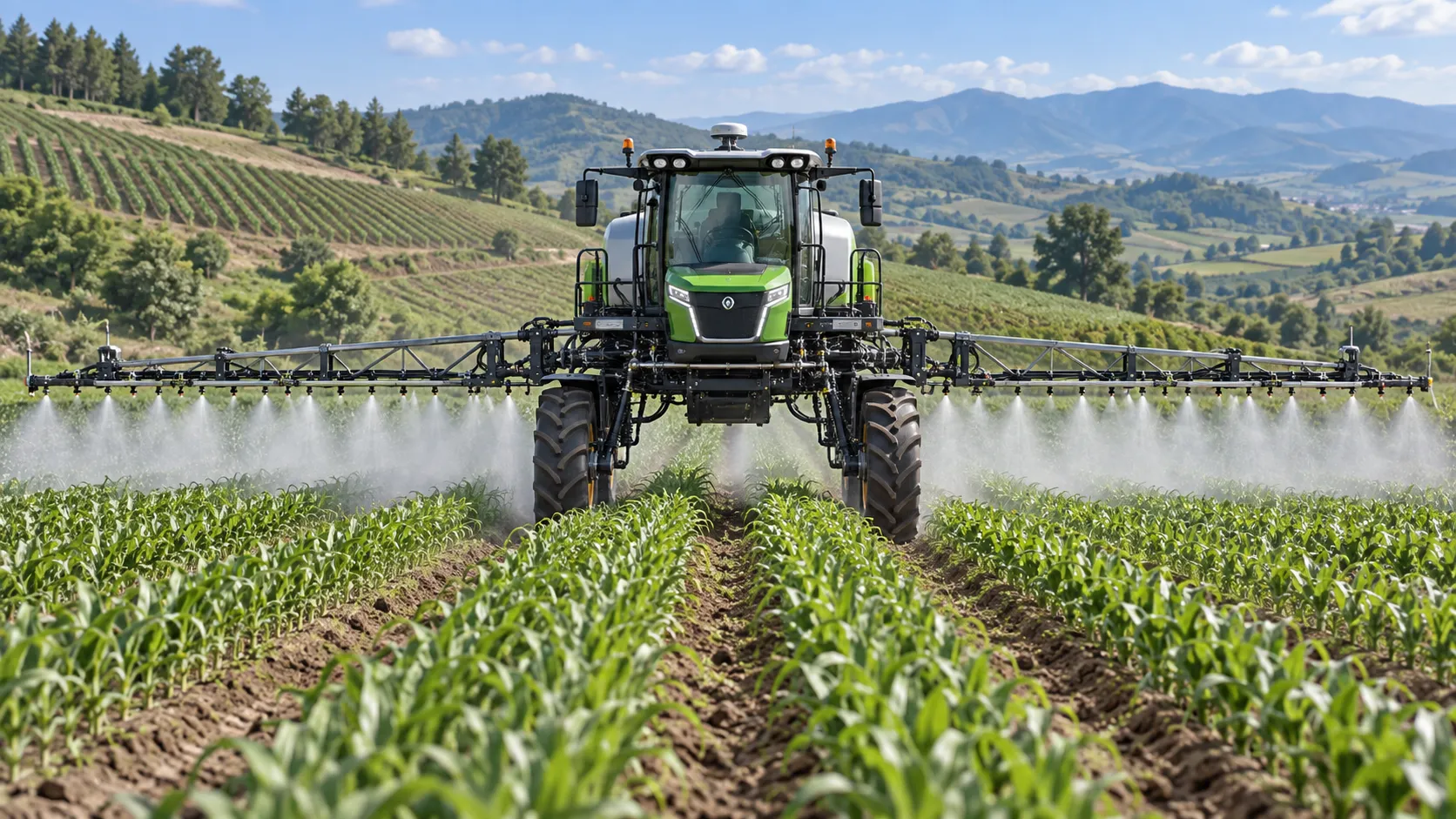
How to Select Precision Crop Protection Equipment for Variable Field Conditions
Precision crop protection equipment selection made simple: compare terrain, canopy, weather, control accuracy, and data workflows for reliable applications.
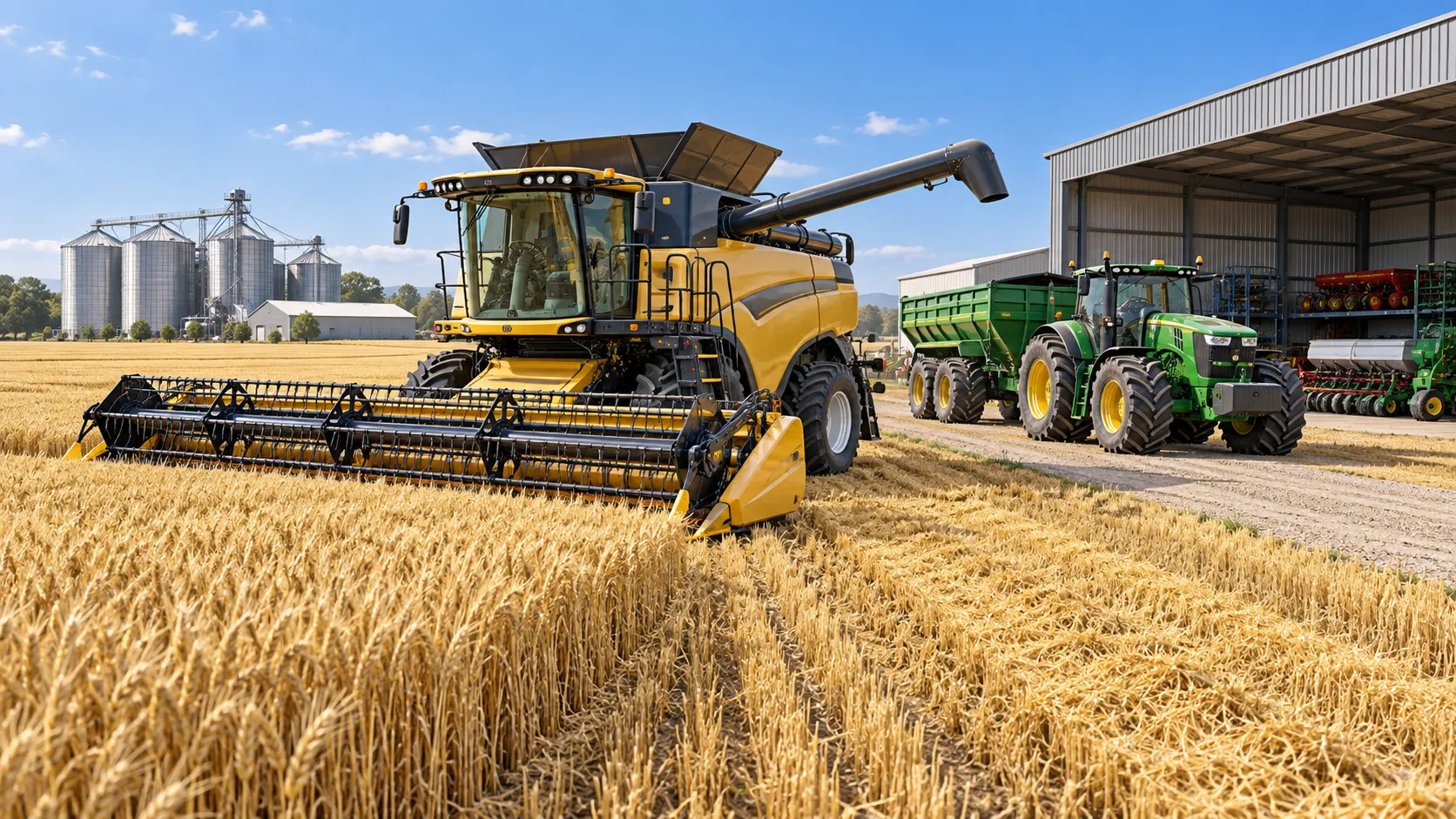
When Does Agricultural Machinery Leasing Cost Less Than Owning Equipment?
Agricultural machinery leasing can lower farm costs when use is seasonal or uncertain. Compare utilization, maintenance, cash flow, and risk to make a smarter equipment decision.
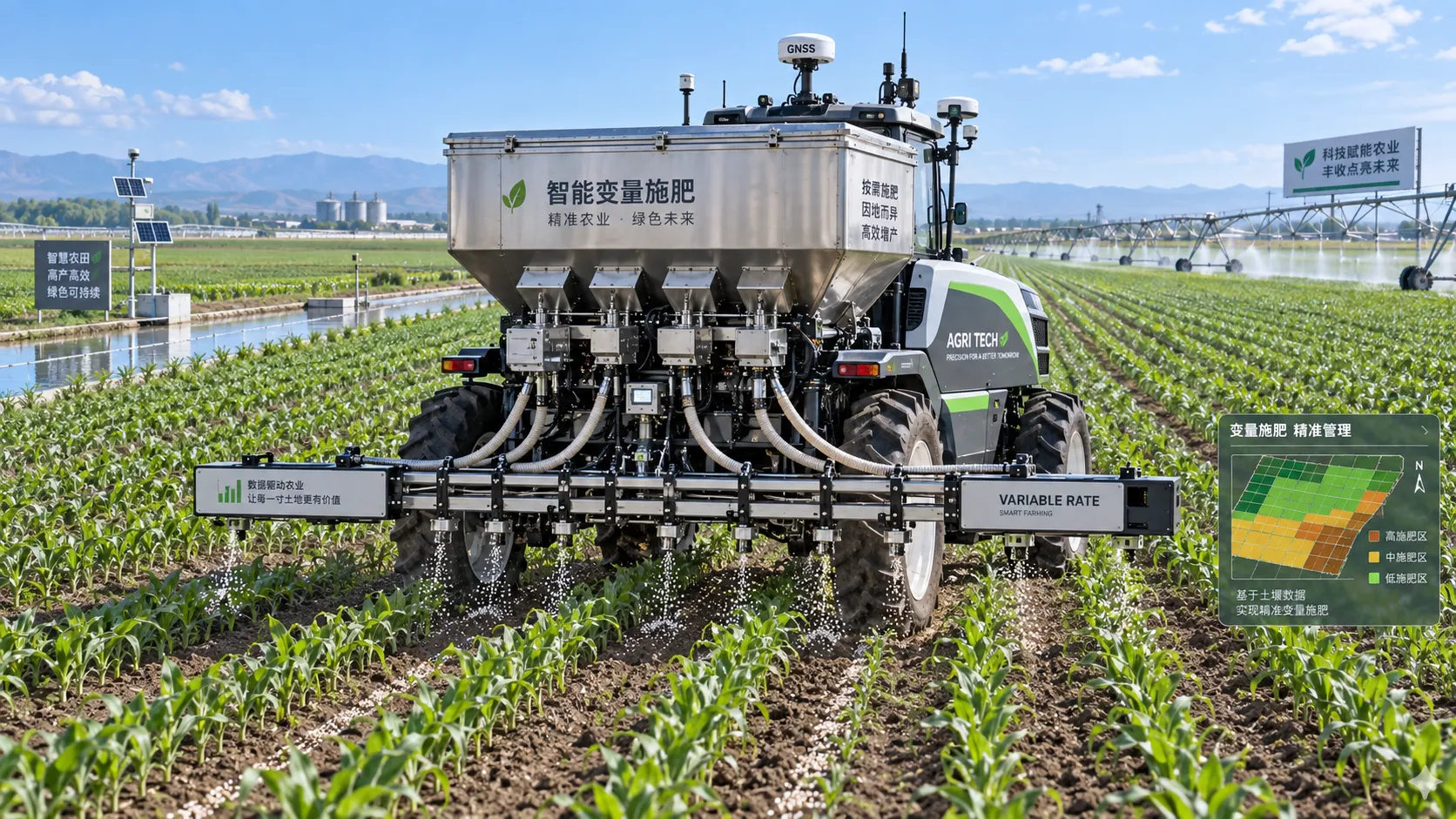
How to Evaluate Precision Fertilization System Suppliers for Farm-Scale Deployment
Precision fertilization systems suppliers: learn how to compare accuracy, integration, uptime, service, and total cost for confident farm-scale deployment.
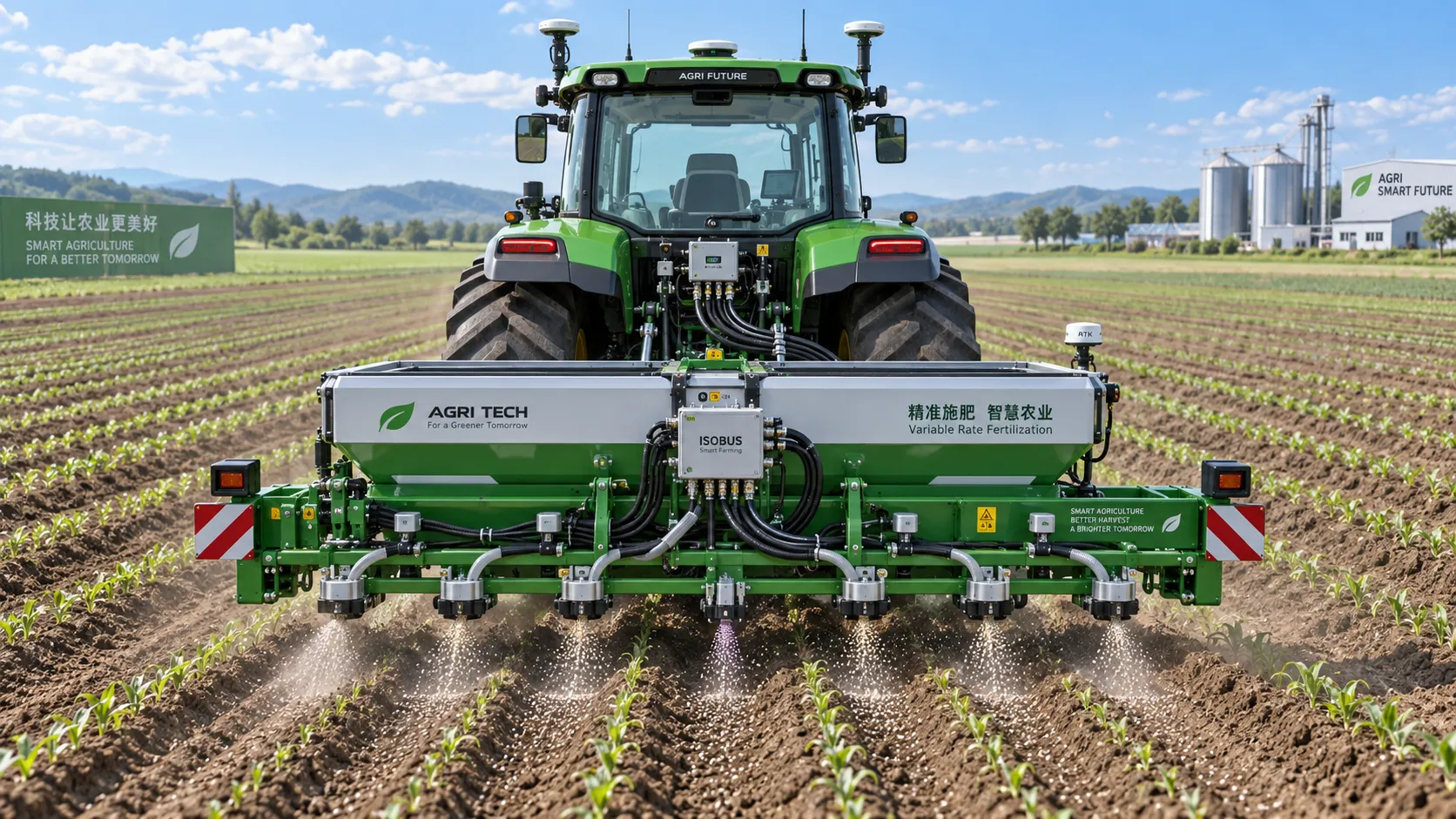
ISOBUS for Smart Agriculture: How It Connects Tractors, Implements, and Farm Data
ISOBUS for smart agriculture connects tractors, implements, terminals, and farm data—helping growers improve precision, documentation, and smarter field decisions.
Related News
- 00
0000-00
How Digital Agriculture Platforms Turn Field Data Into Better Input Decisions - 00
0000-00
When Does Agricultural Machinery Leasing Cost Less Than Owning Equipment? - 00
0000-00
Selecting Grain Farm Equipment by Acreage, Crop Mix, and Harvest Window - 00
0000-00
Poultry Equipment Selection: Evaluating Durability, Cleaning, and Compatibility - 00
0000-00
How to Select Heavy-Duty Farm Implements for High-Acreage, High-Horsepower Operations
Popular Tags
Ms. Elena Rodriguez
Weekly Insights
Stay ahead with our curated technology reports delivered every Monday.