
How to Evaluate Farm Machinery Manufacturers for Dealer Supply and After-Sales Support
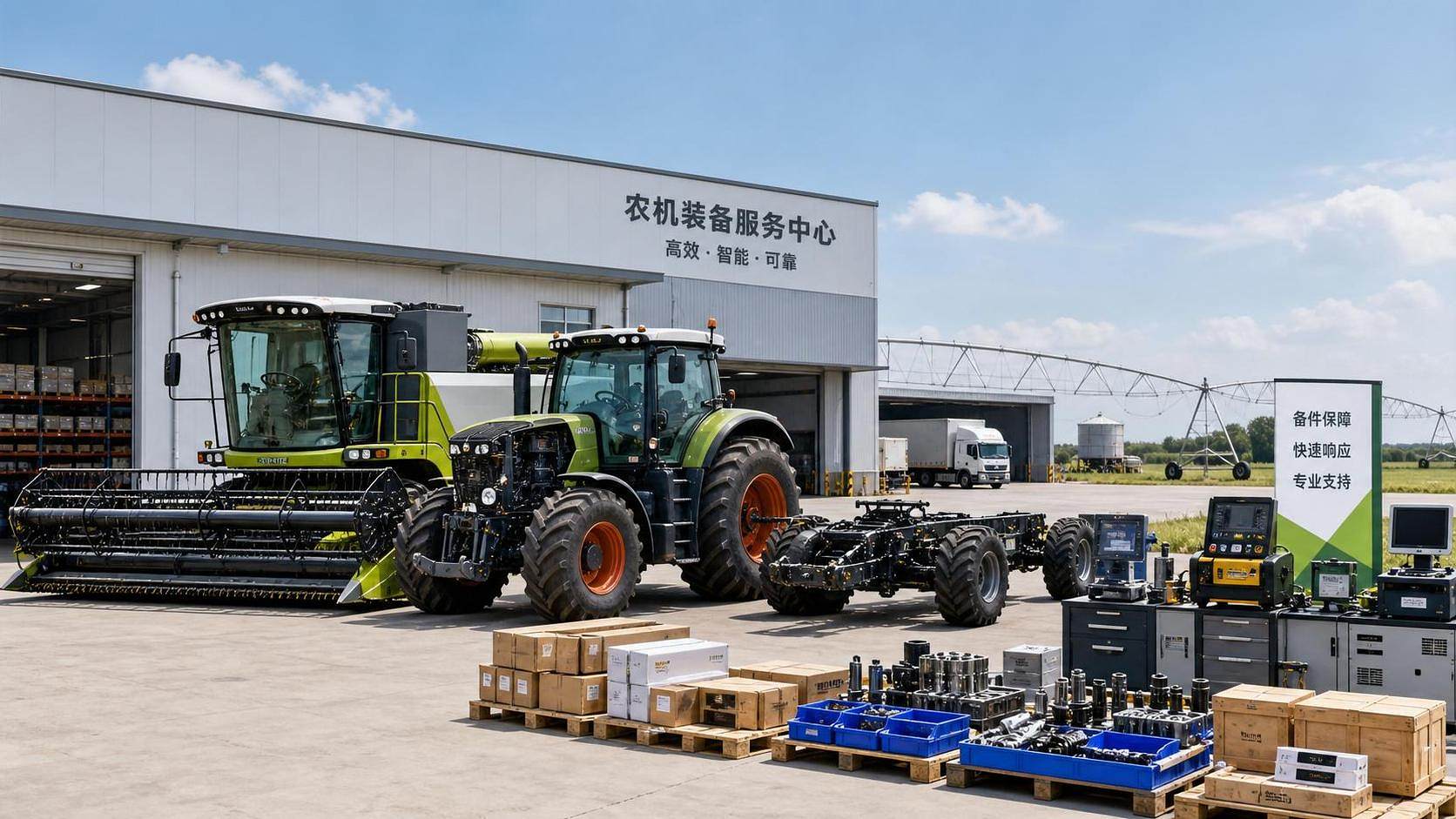




Why does manufacturer evaluation matter more than unit price?
Choosing among farm machinery manufacturers shapes margin, reputation, and service stability long after the first shipment arrives.
A low purchase price can look attractive, yet weak parts supply often erases that advantage within one season.
The bigger issue is customer confidence. Delayed repairs during planting or harvest quickly turn a pricing decision into a trust problem.
In practical terms, strong farm machinery manufacturers support uptime, smoother warranty handling, and better forecasting for seasonal demand.
This is especially true in Agriculture 4.0 categories, where equipment increasingly combines mechanics, software, sensors, and hydraulic control.
AP-Strategy tracks this shift closely across large-scale machinery, combine harvesters, tractor chassis, smart implements, and intelligent irrigation systems.
That broader view matters because a supplier is no longer judged only by steel and horsepower.
It is judged by whether it can keep machines running, data working, and parts moving across regions with minimal friction.
What should be checked first when comparing farm machinery manufacturers?
Start with operational proof, not brochures. The first pass should answer whether the manufacturer can supply consistently and support failures responsibly.
A useful screening framework includes five areas:
- Production capacity and seasonal output flexibility.
- Spare parts stock depth for fast-moving wear items.
- Technical documentation, training, and remote diagnostics.
- Warranty policy clarity, including labor, exclusions, and turnaround rules.
- Export experience, compliance, and logistics reliability.
More specific checks depend on the product category.
For combine harvesters, pay attention to loss monitoring systems, cleaning reliability, and field support during short harvest windows.
For tractor chassis, transmission durability and hydraulic response become central because failures affect many downstream applications.
For intelligent farm tools or irrigation systems, software updates and sensor calibration matter almost as much as hardware quality.
That is where many buyers misread risk. They compare machine specifications, but overlook service architecture.
A quick decision table for early-stage screening
Before deep negotiations, use a simple table to separate promising partners from likely support risks.
How can you tell if after-sales support is genuinely strong?
The simplest test is speed under pressure. Good after-sales support becomes visible when a machine stops during a critical field window.
Ask for evidence, not claims. Response records, parts dispatch times, and closed warranty cases tell a clearer story than presentation slides.
Useful questions include how quickly a technical case is acknowledged, who authorizes replacement parts, and whether field engineers are available locally.
It also helps to separate support into three layers.
- Routine support: manuals, setup guidance, preventive maintenance schedules.
- Corrective support: troubleshooting, urgent parts supply, warranty action.
- Capability support: technician training, software updates, fault analysis, seasonal planning.
The third layer is often overlooked, yet it strongly affects repeat sales and service profitability.
For example, smart irrigation systems need guidance on sensors, controllers, and water-use optimization, not only pump replacement.
Likewise, precision farm tools may require calibration support tied to satellite positioning or field data workflows.
AP-Strategy often highlights this convergence of mechanical performance and precision algorithms because service teams now support both.
Do large factories always make better partners?
Not automatically. Scale helps, but only when it is matched by process discipline and channel commitment.
Some large farm machinery manufacturers are excellent at production, yet slow in customization, approvals, or regional service adaptation.
Meanwhile, a mid-sized supplier may offer better communication, faster engineering feedback, and more disciplined parts forecasting.
A better comparison looks at fit.
If the target market needs heavy-duty harvest equipment, broad installed base and harvest-season support weigh heavily.
If the focus is water-saving irrigation or intelligent tools, integration ability and software continuity may matter more than factory size alone.
This is why AP-Strategy’s intelligence model is useful in selection work.
It reads manufacturers through technology evolution, regional demand shifts, sustainability pressures, and commercial durability, not through scale only.
Signs that scale is working in your favor
- Stable lead times across peak and off-peak periods.
- Documented quality systems with traceable component sourcing.
- Dedicated export and compliance teams.
- Structured training for service personnel and end users.
- Regional strategy for parts, service, and model updates.
Where do supply and warranty problems usually begin?
Problems rarely begin with one dramatic failure. More often, they start with weak assumptions during supplier evaluation.
A common mistake is treating all farm machinery manufacturers as if their service burden were identical.
In reality, every category creates different support pressure.
Harvesters create concentrated seasonal urgency. Tractor chassis generate long-cycle drivetrain and hydraulic risks. Smart tools raise data and firmware issues.
Another mistake is failing to define minimum support terms before signing volume commitments.
That should include claims response time, parts availability targets, technical training frequency, and escalation contacts.
More subtle risks appear when suppliers rely heavily on subcontracted components without transparent quality control.
In that situation, recurring failures may not show up until the second or third shipment cycle.
Use this short checklist when comparing offers:
- Confirm critical component sources and replacement lead times.
- Request failure-rate data by model and operating hours.
- Review parts lists for high-wear and high-value items separately.
- Ask how software patches are delivered and documented.
- Check whether warranty claims can be pre-approved during peak season.
What is a practical way to make the final choice?
A practical decision combines commercial terms with field-readiness scoring.
Instead of choosing from price sheets alone, compare farm machinery manufacturers through a weighted scorecard.
One workable model gives moderate weight to landed cost and heavier weight to service reliability, parts access, and product maturity.
That approach is especially useful when the portfolio includes high-uptime categories tied to food security and narrow operating windows.
The final review should answer three direct questions.
- Can this supplier protect machine availability during the busiest month?
- Can this support model scale as technology becomes more autonomous and data-driven?
- Can this partnership sustain margins without constant service disputes?
If the answer is unclear, the evaluation is not finished yet.
AP-Strategy’s perspective is useful here because long-cycle agri-trade rarely rewards short-term purchasing logic.
The stronger choice is usually the manufacturer that combines dependable mechanics, intelligent system support, and disciplined after-sales execution.
To move forward, define your operating scenarios, build a comparison sheet, and verify every support promise against evidence.
That process takes more effort upfront, but it is usually what separates a workable supply network from a costly service problem.
Related News
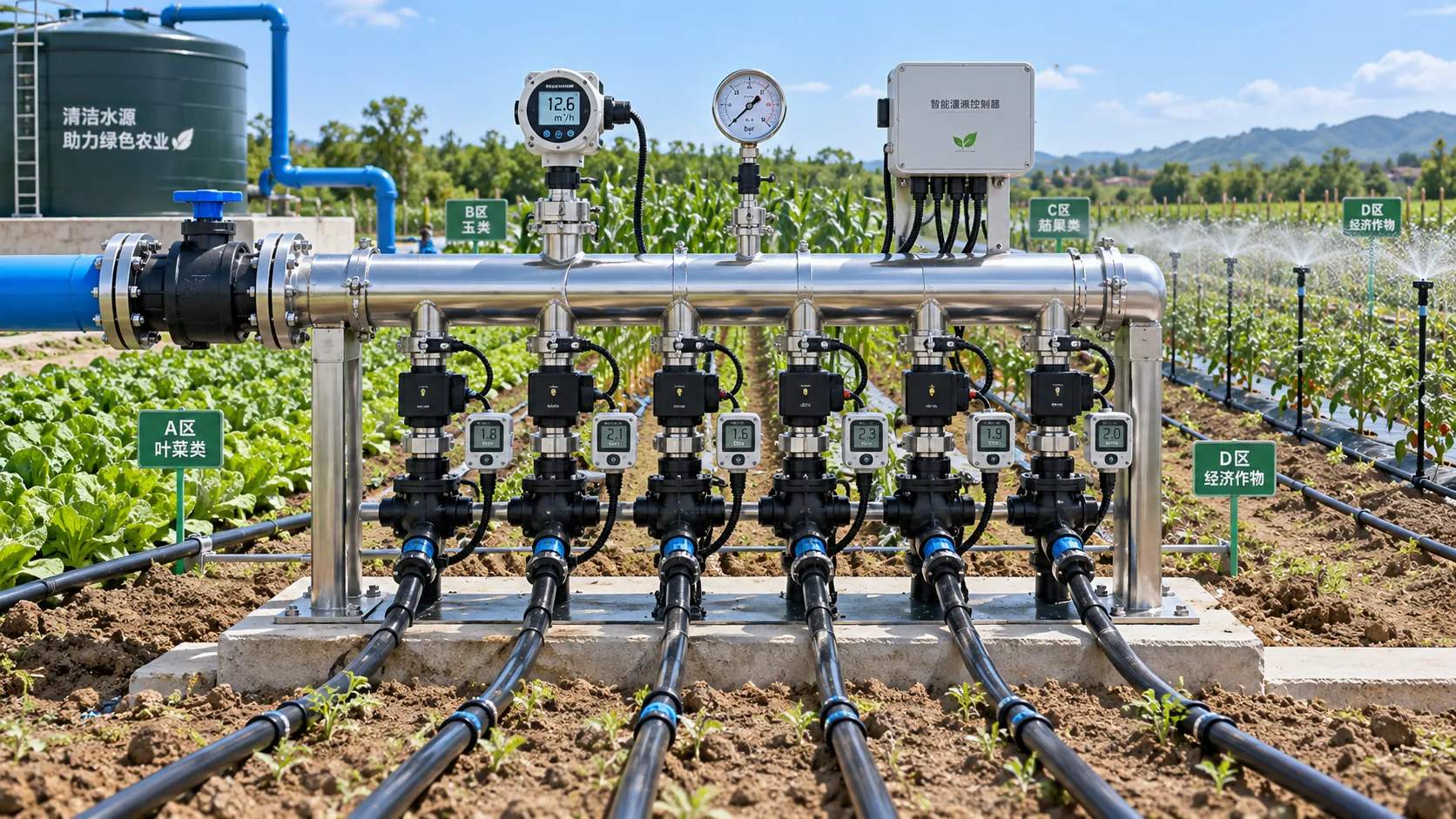
How to Select Smart Irrigation Valves for Multi-Zone Water Management?
Intelligent irrigation systems valves: learn how to match smart valves with multi-zone flow, pressure, control, feedback, and communication needs for reliable water management.
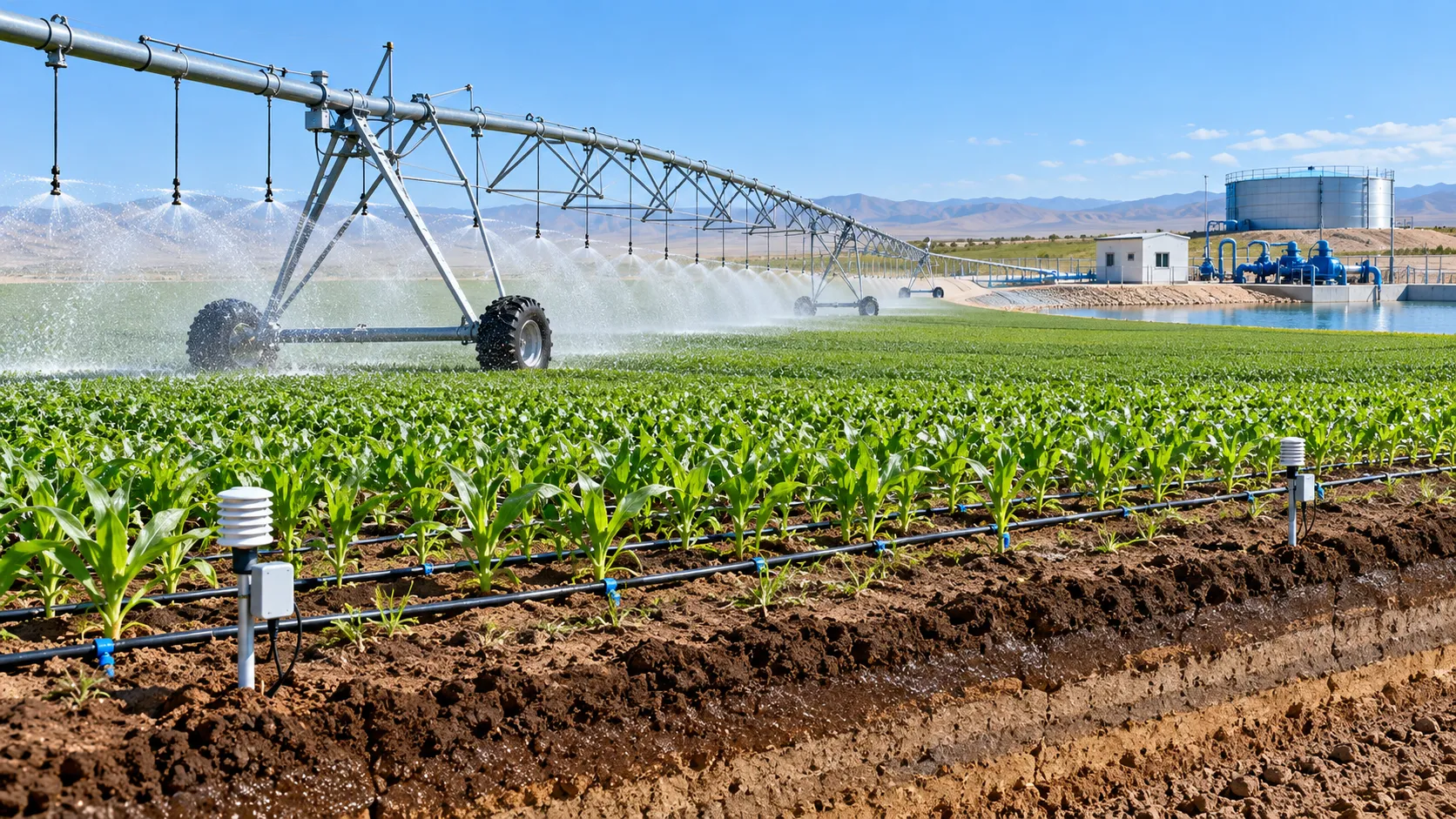
Climate-Smart Farming for Drought: A Practical Plan for Protecting Yields
Climate-smart farming for drought: build smarter water budgets, protect critical crop stages, improve irrigation uniformity, and safeguard yields with practical field-proven strategies.
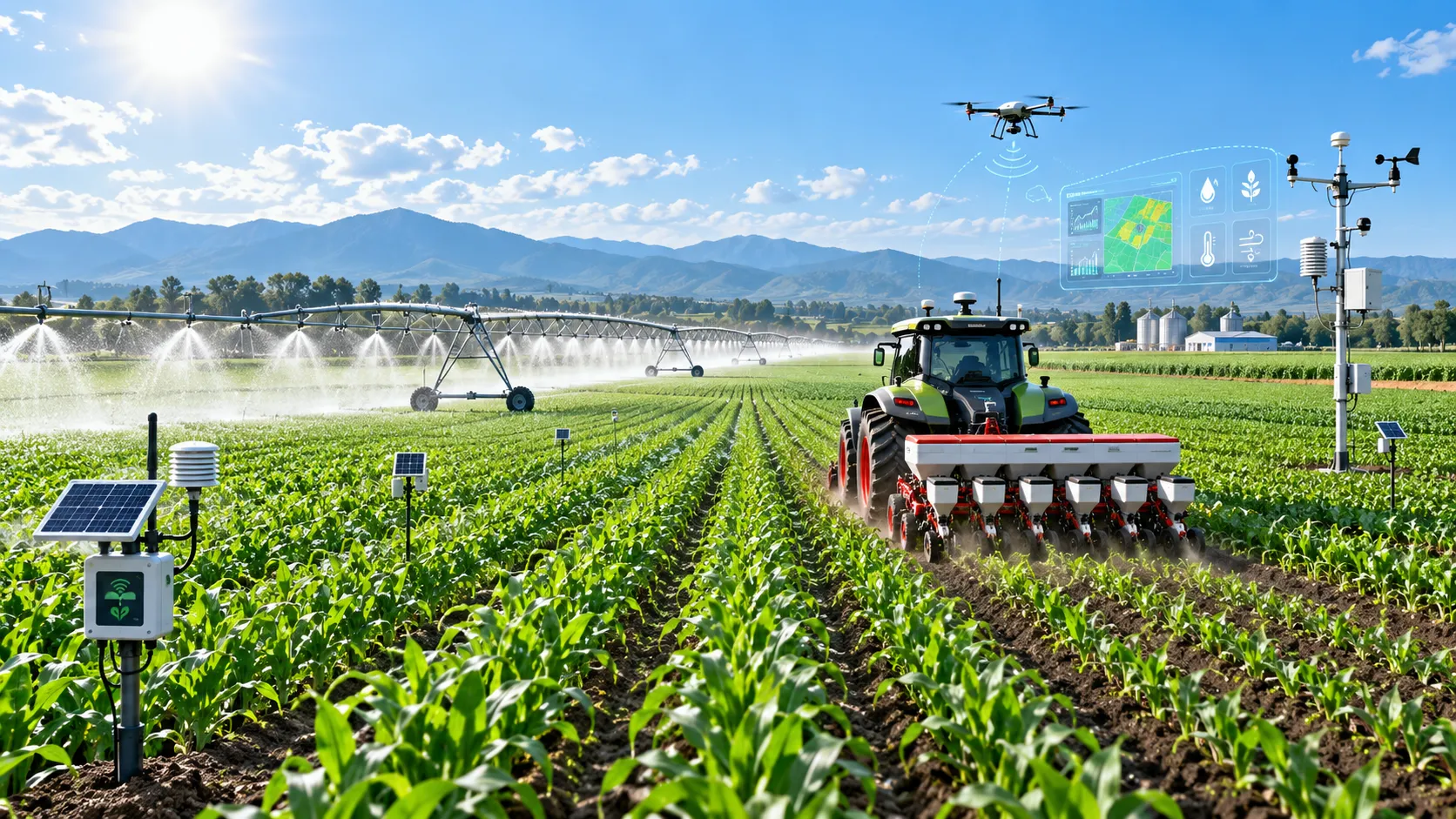
How Digital Agriculture Platforms Turn Field Data Into Better Input Decisions
Digital agriculture platforms turn field data into smarter fertilizer, water, seed, and equipment decisions—helping farms cut risk, improve margins, and scale sustainability.
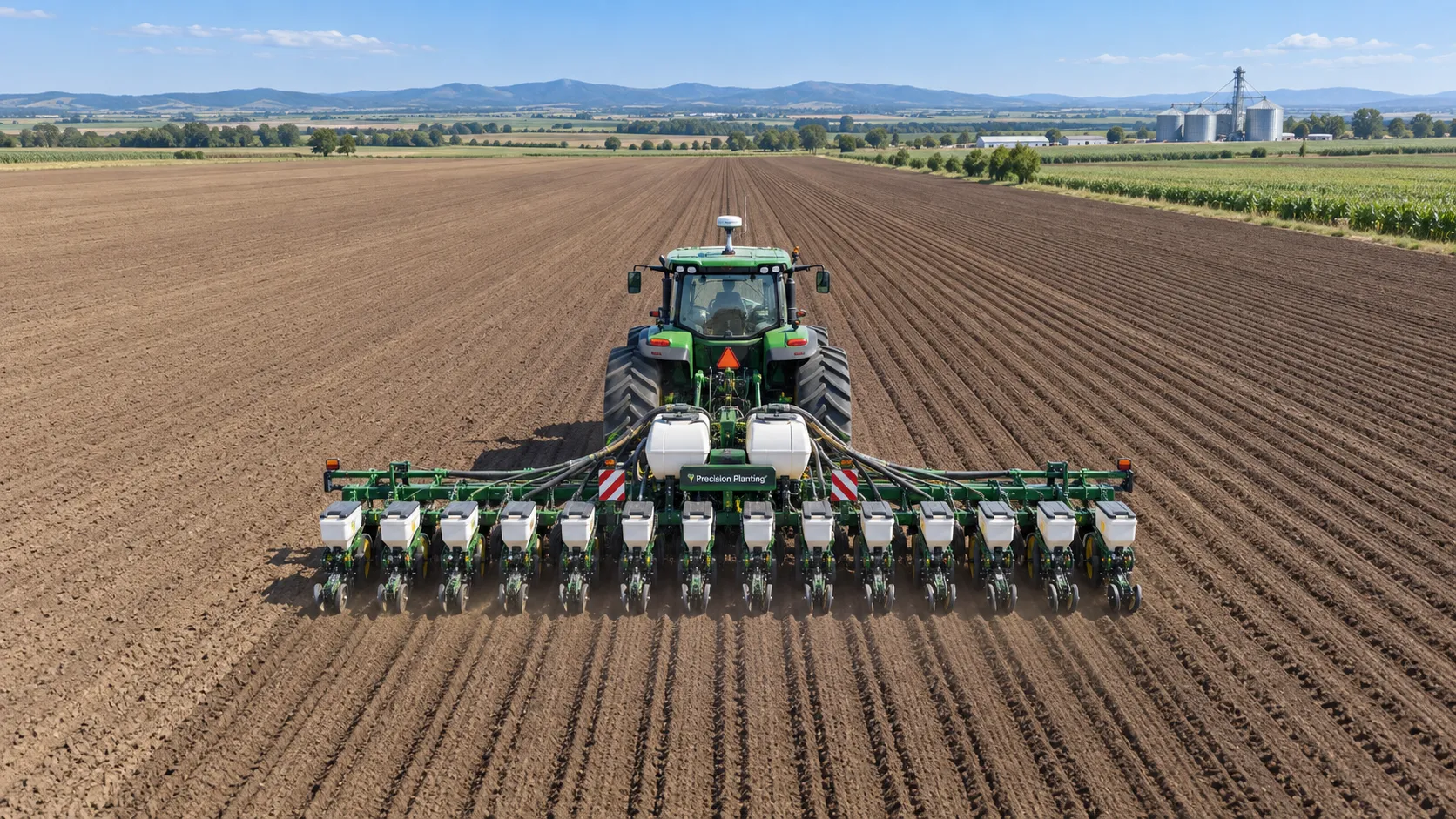
GPS-Guided Farm Machinery: Where It Delivers Measurable Field Efficiency Gains
Agri-mechanization GPS guided systems deliver measurable field efficiency gains through reduced overlap, precise planting, smarter inputs, and reliable farm data.
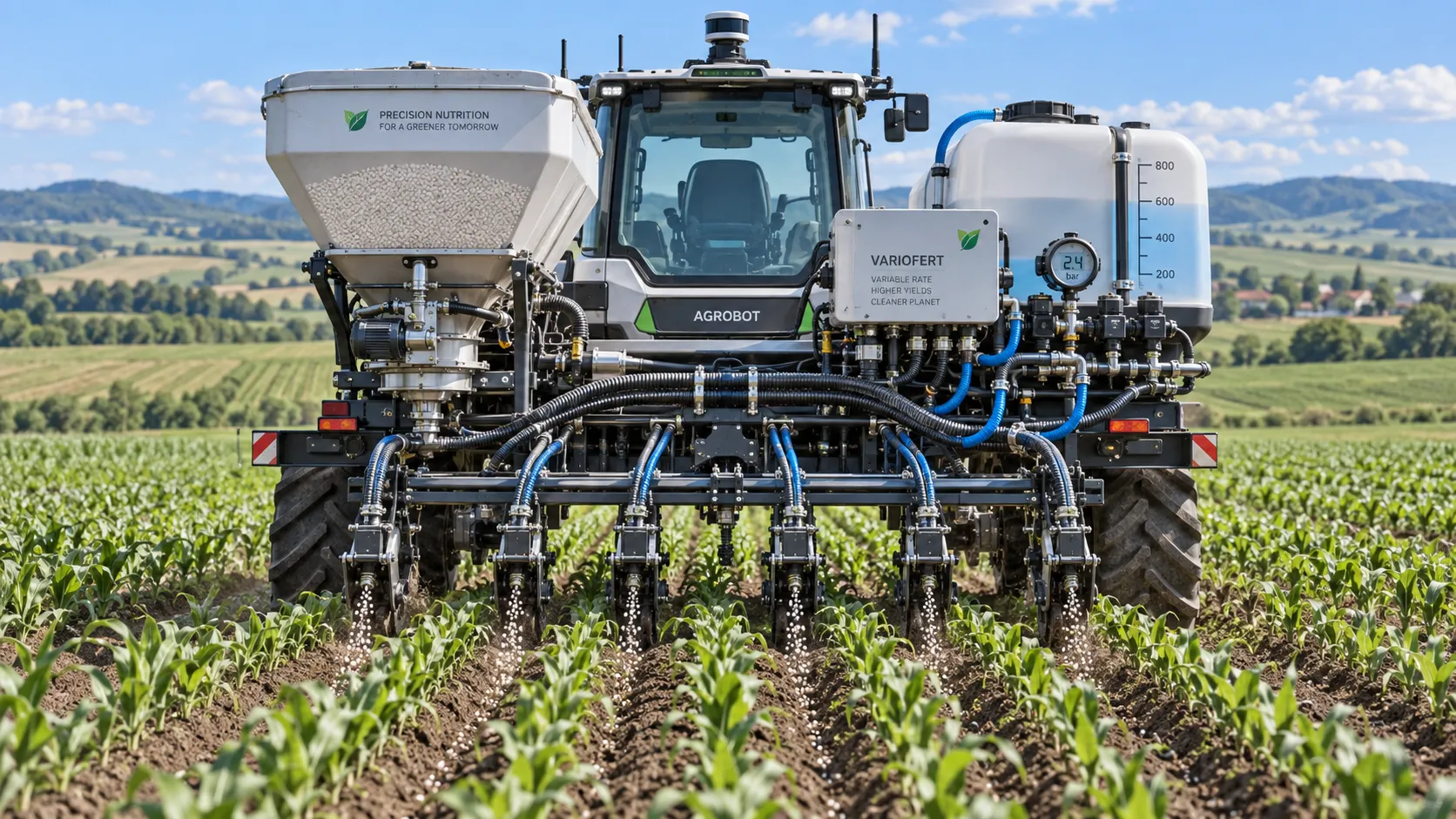
How Sensor Feedback Enables Accurate Variable-Rate Fertilization in Field Conditions
Precision fertilization systems with sensor feedback improve variable-rate accuracy by verifying flow, managing latency, and ensuring reliable field application.
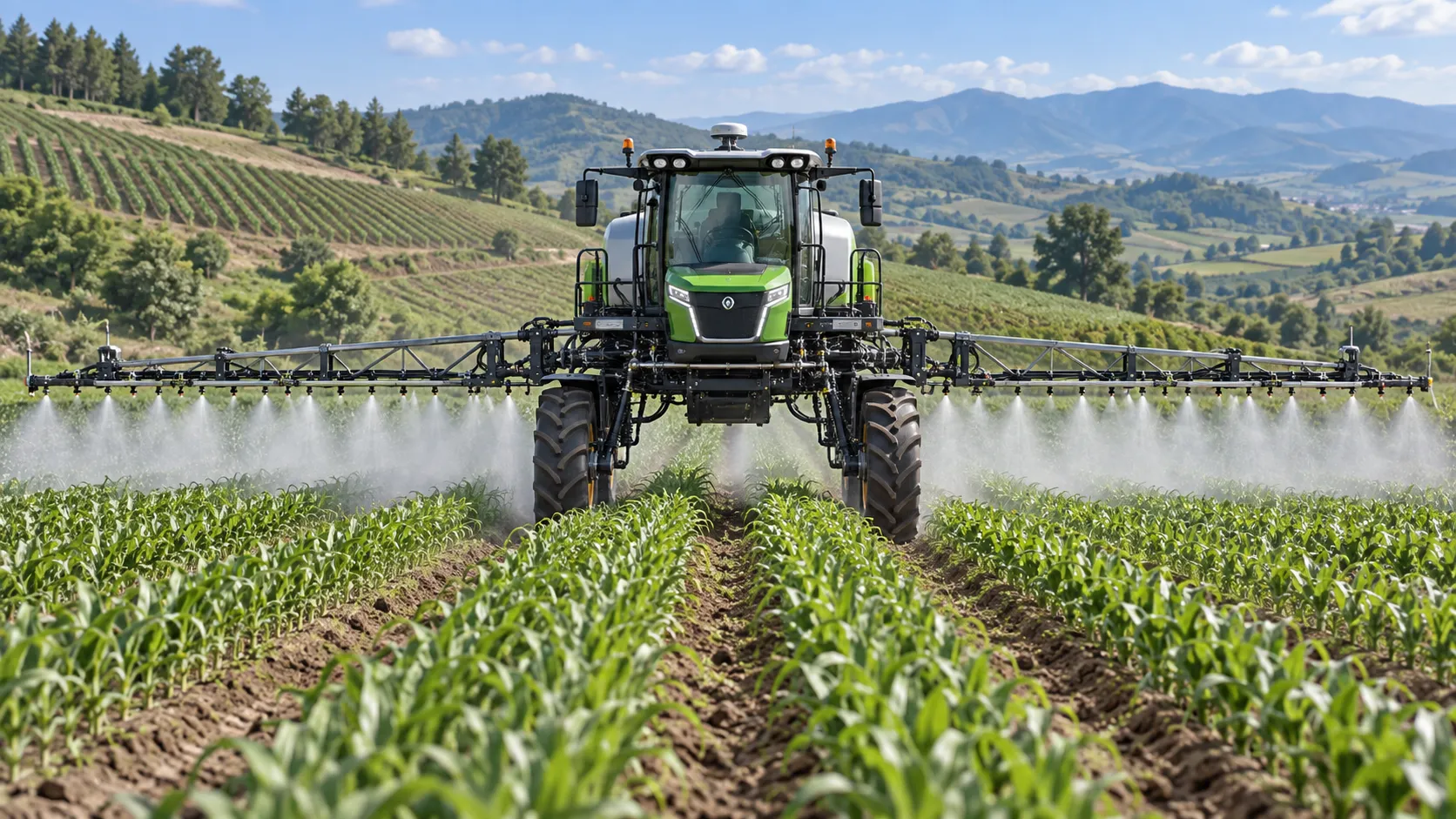
How to Select Precision Crop Protection Equipment for Variable Field Conditions
Precision crop protection equipment selection made simple: compare terrain, canopy, weather, control accuracy, and data workflows for reliable applications.
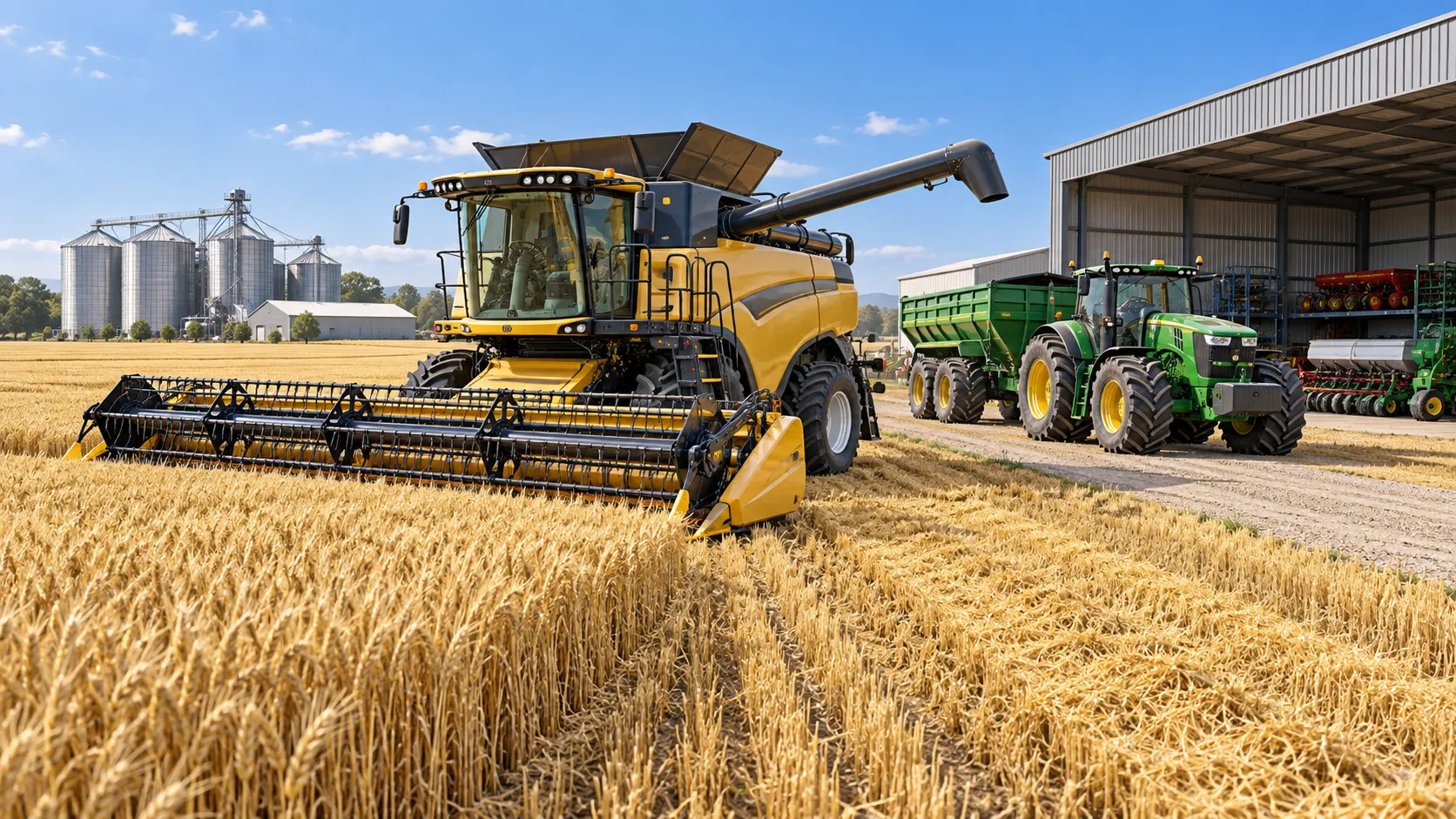
When Does Agricultural Machinery Leasing Cost Less Than Owning Equipment?
Agricultural machinery leasing can lower farm costs when use is seasonal or uncertain. Compare utilization, maintenance, cash flow, and risk to make a smarter equipment decision.
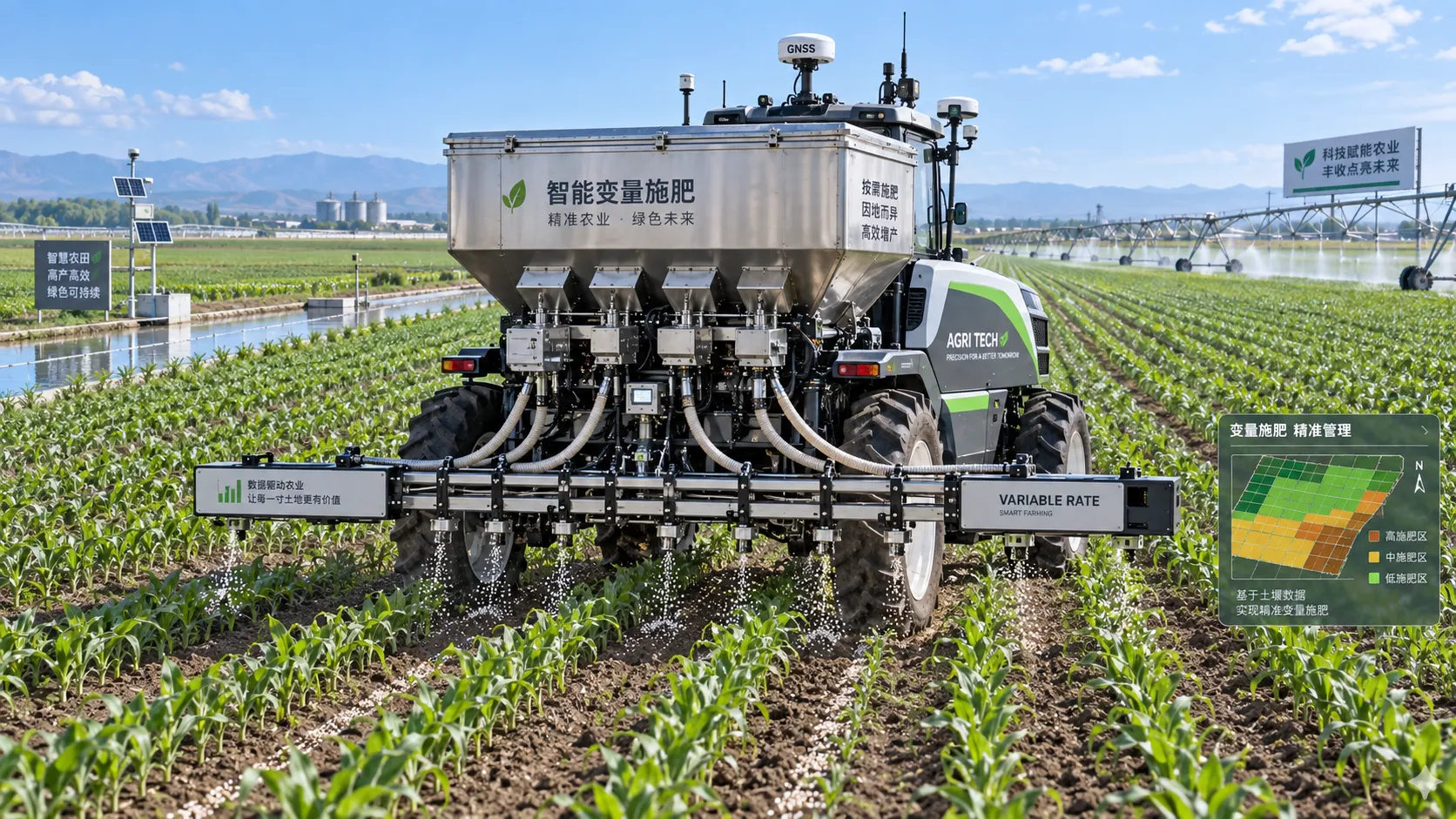
How to Evaluate Precision Fertilization System Suppliers for Farm-Scale Deployment
Precision fertilization systems suppliers: learn how to compare accuracy, integration, uptime, service, and total cost for confident farm-scale deployment.
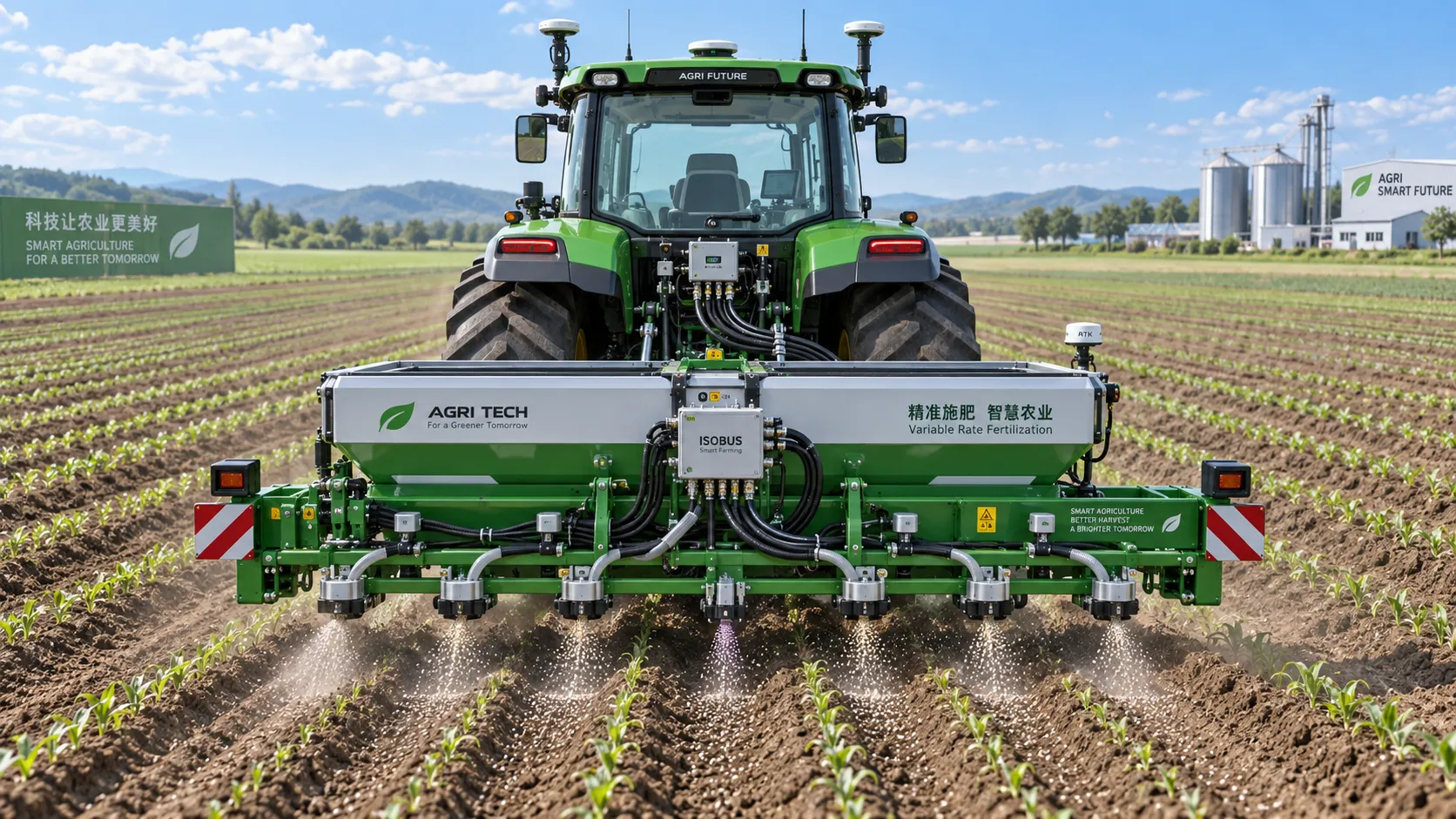
ISOBUS for Smart Agriculture: How It Connects Tractors, Implements, and Farm Data
ISOBUS for smart agriculture connects tractors, implements, terminals, and farm data—helping growers improve precision, documentation, and smarter field decisions.
Related News
- 00
0000-00
How Digital Agriculture Platforms Turn Field Data Into Better Input Decisions - 00
0000-00
When Does Agricultural Machinery Leasing Cost Less Than Owning Equipment? - 00
0000-00
Selecting Grain Farm Equipment by Acreage, Crop Mix, and Harvest Window - 00
0000-00
Poultry Equipment Selection: Evaluating Durability, Cleaning, and Compatibility - 00
0000-00
How to Select Heavy-Duty Farm Implements for High-Acreage, High-Horsepower Operations
Popular Tags
Ms. Elena Rodriguez
Weekly Insights
Stay ahead with our curated technology reports delivered every Monday.