
Agricultural Machinery Guide Checklist: What to Review Before Field Deployment
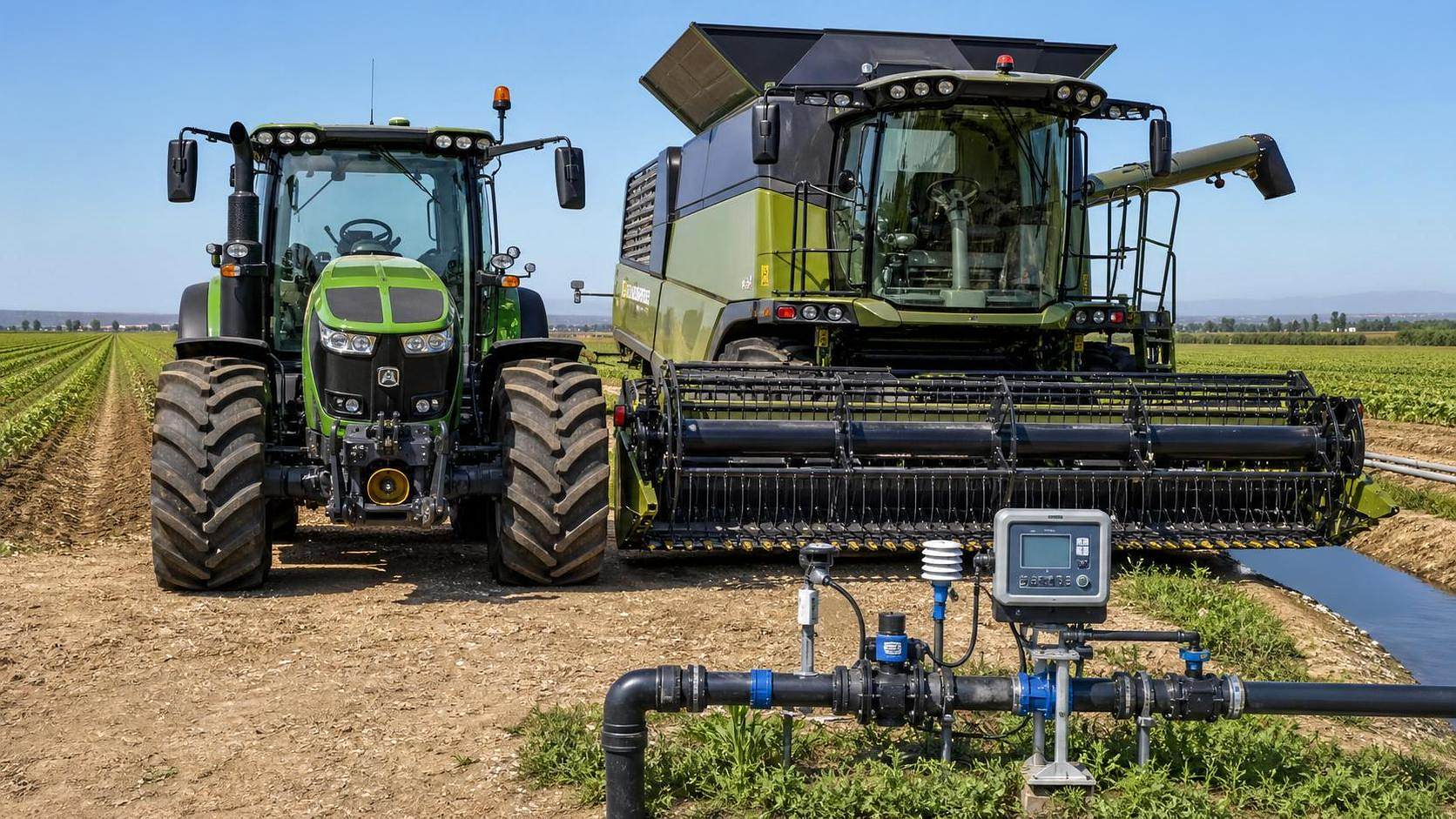




Why Field Deployment Reviews Need Context, Not Routine
An effective agricultural machinery guide checklist starts before the engine turns over. Field deployment decisions shape uptime, crop quality, fuel use, and operator safety.
That review matters even more in Agriculture 4.0 settings. Mechanical readiness now intersects with precision data, hydraulic response, sensor feedback, and sustainability targets.
In practice, the same checklist cannot be applied the same way everywhere. A tractor entering wet soil faces different risks than a combine harvesting dry grain.
Irrigation-support equipment adds another layer. Water pressure, filtration stability, and control accuracy matter as much as simple startup checks.
This is where the agricultural machinery guide checklist becomes useful as a judgment tool. It helps connect machine condition with field conditions, workload, and precision requirements.
AP-Strategy often frames readiness this way: not only whether a machine works, but whether it fits the next task, the local climate signal, and the expected operating window.
Actual Field Conditions Change What Deserves Attention
A pre-deployment review should reflect crop stage, soil condition, terrain, attachment type, and daily operating hours. Those variables change the meaning of “ready.”
For heavy tillage, torque delivery and chassis stability usually come first. For harvest, crop flow consistency and loss control become more critical.
When precision farming tools are involved, calibration errors can quietly reduce performance. The machine may run, yet the field outcome still misses the target.
A practical agricultural machinery guide checklist therefore needs two layers. One layer confirms baseline mechanical safety. The second checks task-specific readiness.
A useful way to separate those layers
- Baseline review: fluids, filters, tire pressure, battery health, hoses, belts, lights, guards, and emergency shutoff.
- Task review: attachment setup, field mapping, GPS signal quality, header settings, irrigation pressure range, or soil compaction risk.
- Operational review: shift length, spare parts access, transport distance, weather volatility, and maintenance support during the work window.
Before Tractors Enter the Field, Drivetrain and Load Match Matter Most
Tractor deployment often looks straightforward, but the main failures usually come from mismatch rather than obvious defects. Weight balance, traction demand, and hydraulic load need a closer look.
In loose or wet ground, tire condition and inflation settings can affect both pull efficiency and soil structure. Excess slip wastes fuel and may damage the field before planting even begins.
For transport-heavy days, braking response and steering stability deserve more attention than raw horsepower. Road travel exposes different risks than low-speed field work.
The agricultural machinery guide checklist for tractors should also confirm PTO speed compatibility, hydraulic coupler integrity, and implement lift behavior under full load.
Where auto-guidance is used, calibration drift should not be treated as a minor software issue. Small line errors compound quickly during seeding, spraying, and strip tillage.
What to verify before tractor deployment
- Transmission response under expected draft load.
- Hydraulic pressure stability with attached implements.
- Front-rear ballast balance for terrain and speed.
- Guidance, section control, and display accuracy.
- Cooling performance during long, low-speed operation.
Harvest Conditions Demand a Different Agricultural Machinery Guide Checklist
Combine harvesters rarely fail in one dramatic way. More often, losses appear through poor threshing balance, feeder inconsistency, or cleaning overload in changing crop conditions.
That is why an agricultural machinery guide checklist for harvest should focus on crop path continuity. Header, feeder, threshing, separation, and cleaning systems must be reviewed as one flow.
A dry wheat field and a lodged soybean field should not be treated as similar. Material feed behavior, grain fragility, and residue volume change machine settings and inspection points.
Sensor-based loss monitoring helps, but only if the sensors were cleaned, tested, and matched to current crop conditions. Data without verification can mislead fast decisions.
AP-Strategy’s focus on harvesting intelligence fits here. The useful question is not whether the machine passed a startup check, but whether it can hold low-loss performance across uneven field zones.
Harvest review priorities often include
- Header knife condition and reel alignment.
- Chain tension, feeder wear, and smooth crop intake.
- Rotor or cylinder settings matched to moisture and variety.
- Cleaning shoe airflow and sieve adjustment.
- Loss sensors, yield monitor calibration, and unloading reliability.
Irrigation-Support Equipment Needs Readiness Beyond Mechanical Startup
Water-saving systems create a different kind of field-readiness question. Pumps, valves, filters, emitters, and control units may appear functional while still underperforming in the field.
In these applications, pressure uniformity and clogging risk are often bigger concerns than visible wear. A weak filter or unstable controller can undermine water distribution across an entire zone.
Where intelligent irrigation uses sensor feedback, the agricultural machinery guide checklist should confirm communication integrity, not only pump condition. Data timing matters when irrigation windows are short.
Climate variation also changes the review standard. High heat, salinity, sediment load, and intermittent power each create different points of failure.
Different Jobs Create Different Review Priorities
The agricultural machinery guide checklist works best when priorities are adjusted by job type. A broad list is useful, but field deployment choices still need ranking.
For short seasonal windows, uptime risk usually outweighs cosmetic issues. For precision input placement, software accuracy and calibration may matter more than maximum speed.
Long operating days also shift priorities. Machines running ten or twelve hours need stronger attention on cooling, lubrication intervals, and service access between shifts.
This is one reason strategic intelligence matters. Mechanical condition should be reviewed together with weather risk, crop maturity, and local operating constraints.
A simple prioritization method
- Identify what failure would stop the task completely.
- Separate visible defects from hidden performance drift.
- Check whether field conditions raise stress on one subsystem.
- Confirm that digital settings still match the physical setup.
Where Misjudgment Usually Happens Before Deployment
One common mistake is relying on specification sheets without checking the field. Rated power and tank size say little about traction limits, residue flow, or irrigation pressure losses.
Another mistake is assuming similar fields create identical demand. Two farms growing the same crop may still require different settings because of slope, moisture, and logistics.
Short-term cost thinking also distorts the agricultural machinery guide checklist. Skipping wear-part replacement may save money today while creating a far more expensive stoppage tomorrow.
There is also a digital blind spot. Many teams inspect engines and hydraulics carefully, then overlook firmware, guidance offsets, or sensor contamination.
In mixed fleets, compatibility is another weak point. Attachments, monitors, couplers, and control standards must be checked before the machine reaches the field edge.
A Better Next Step Than a Generic Pre-Start Check
A strong agricultural machinery guide checklist should end with a deployment decision, not a box-ticking exercise. Ready, ready with adjustments, or hold for correction are clearer outcomes.
Start by mapping the next task in detail. Confirm crop conditions, field access, operating hours, attachment demands, and precision requirements before reviewing the machine.
Then compare three things: mechanical condition, digital accuracy, and environment-specific stress points. That comparison usually reveals the real deployment risk.
For ongoing operations, keep a short review record after each field day. Patterns in heat load, cleaning loss, hydraulic drift, or pressure fluctuation become visible quickly.
That approach aligns with AP-Strategy’s broader view of field intelligence. Better deployment decisions come from connecting machine behavior, agronomic conditions, and resource efficiency in one practical review.
When the checklist reflects the actual job, field deployment becomes more predictable, safer, and far more productive than a routine startup ever suggests.
Related News
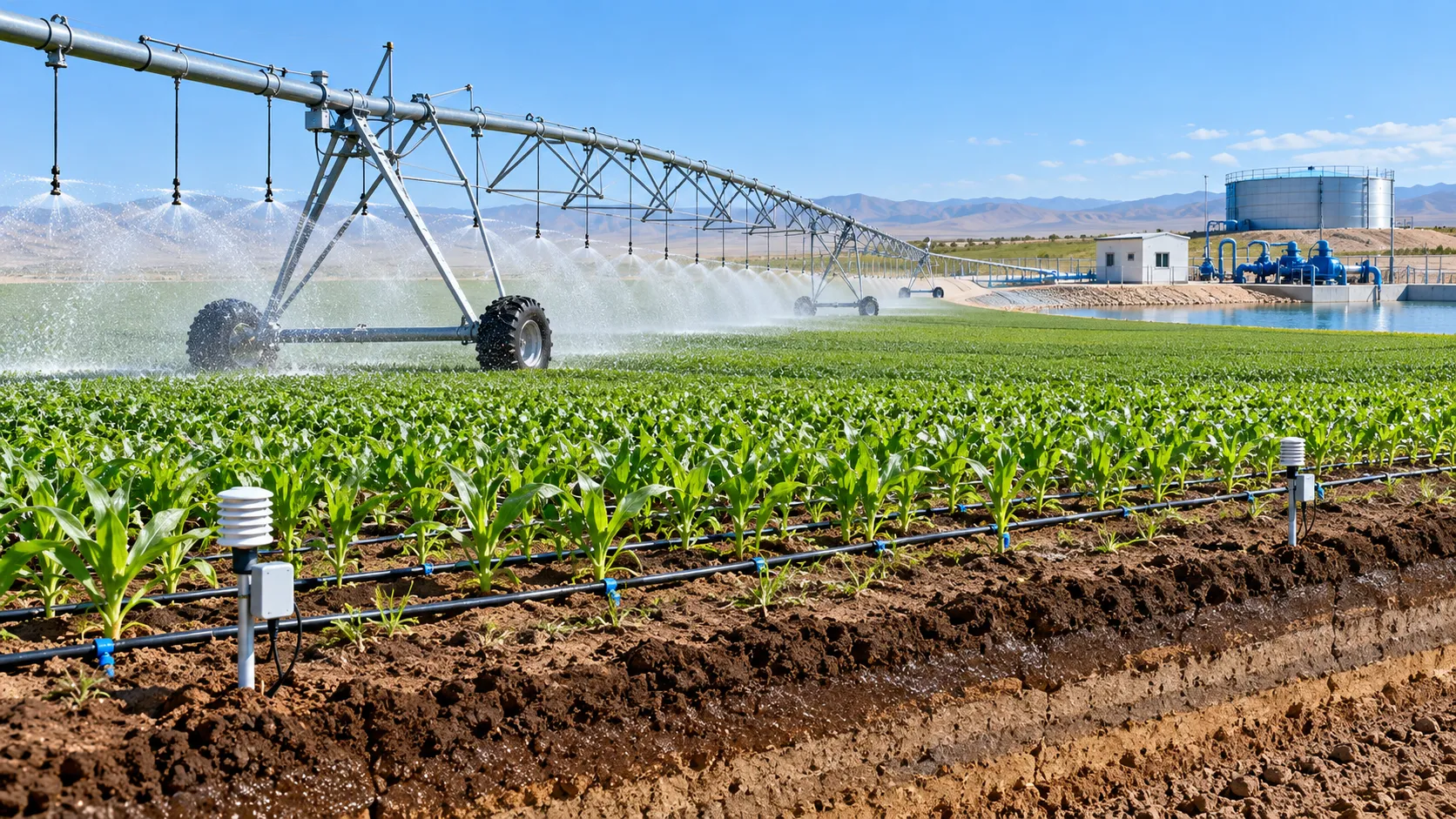
Climate-Smart Farming for Drought: A Practical Plan for Protecting Yields
Climate-smart farming for drought: build smarter water budgets, protect critical crop stages, improve irrigation uniformity, and safeguard yields with practical field-proven strategies.
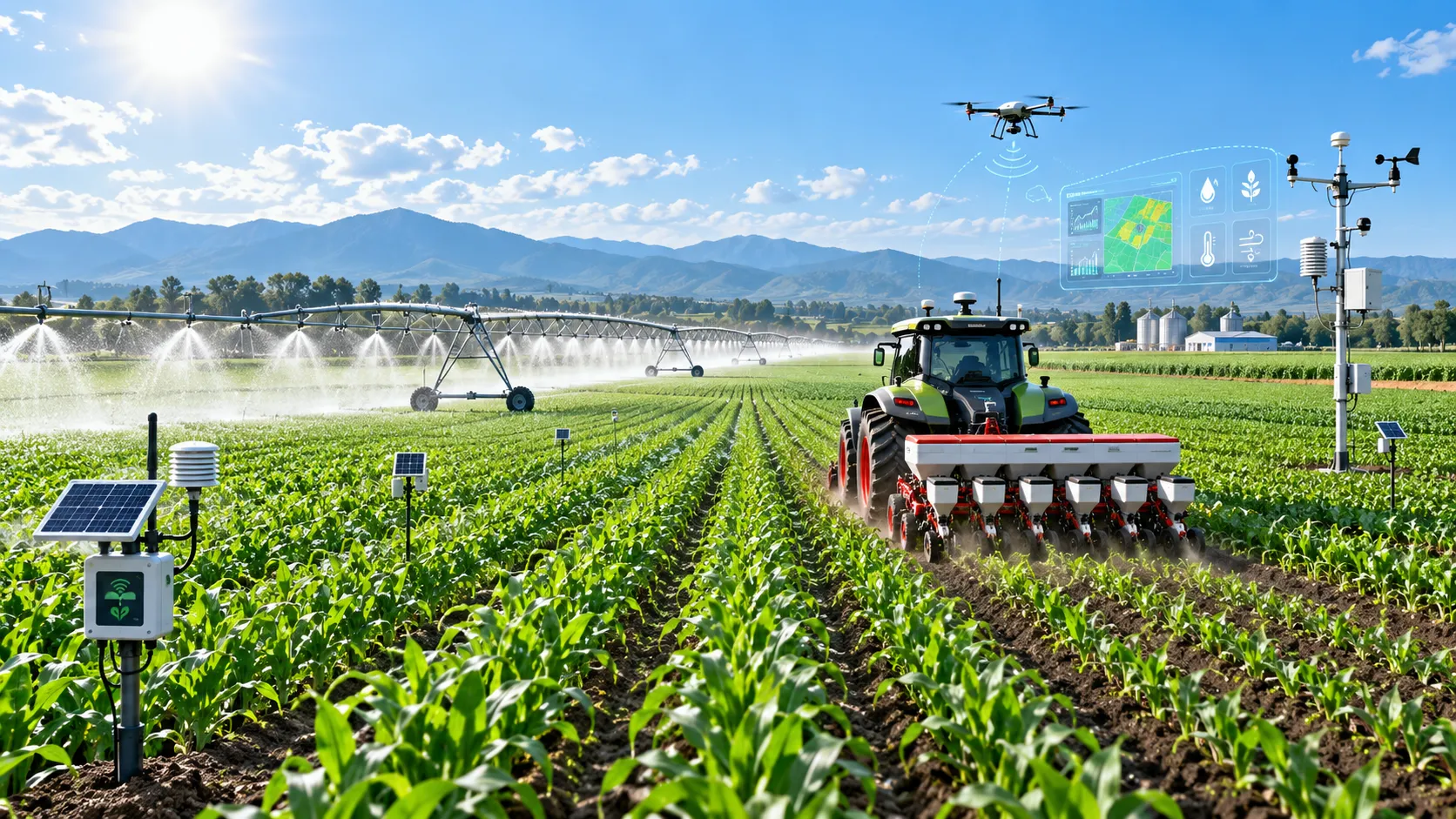
How Digital Agriculture Platforms Turn Field Data Into Better Input Decisions
Digital agriculture platforms turn field data into smarter fertilizer, water, seed, and equipment decisions—helping farms cut risk, improve margins, and scale sustainability.
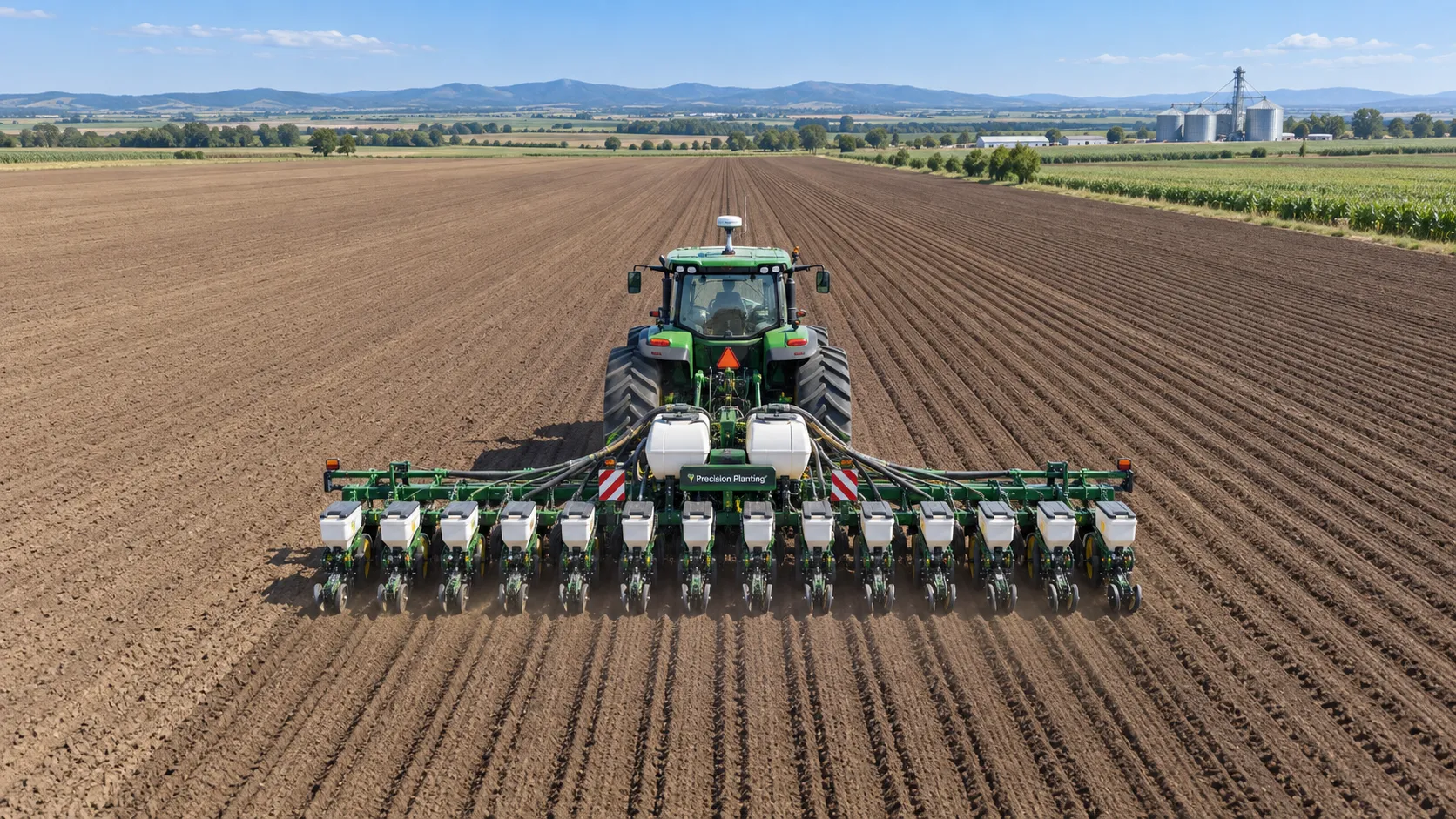
GPS-Guided Farm Machinery: Where It Delivers Measurable Field Efficiency Gains
Agri-mechanization GPS guided systems deliver measurable field efficiency gains through reduced overlap, precise planting, smarter inputs, and reliable farm data.
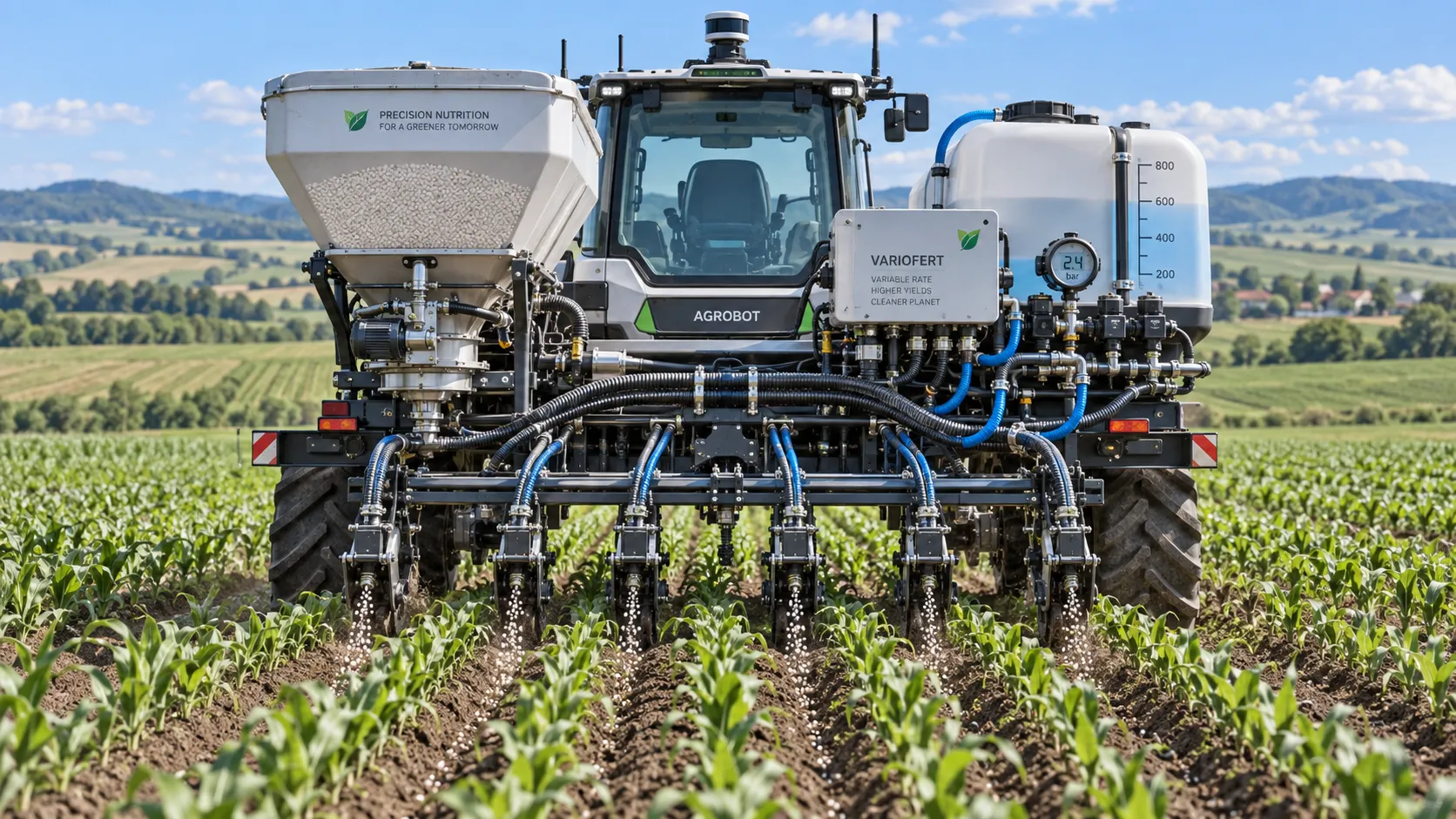
How Sensor Feedback Enables Accurate Variable-Rate Fertilization in Field Conditions
Precision fertilization systems with sensor feedback improve variable-rate accuracy by verifying flow, managing latency, and ensuring reliable field application.
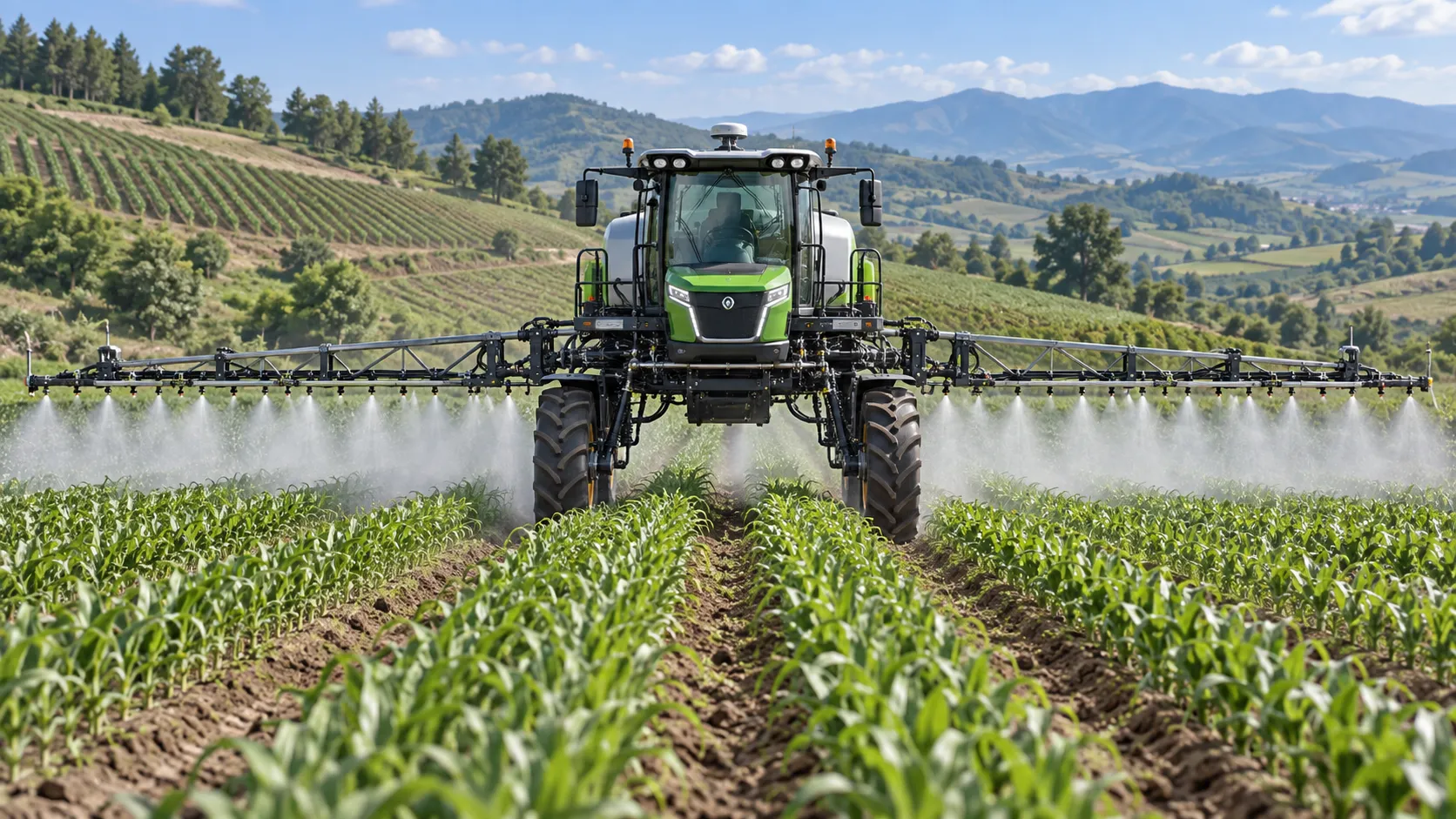
How to Select Precision Crop Protection Equipment for Variable Field Conditions
Precision crop protection equipment selection made simple: compare terrain, canopy, weather, control accuracy, and data workflows for reliable applications.
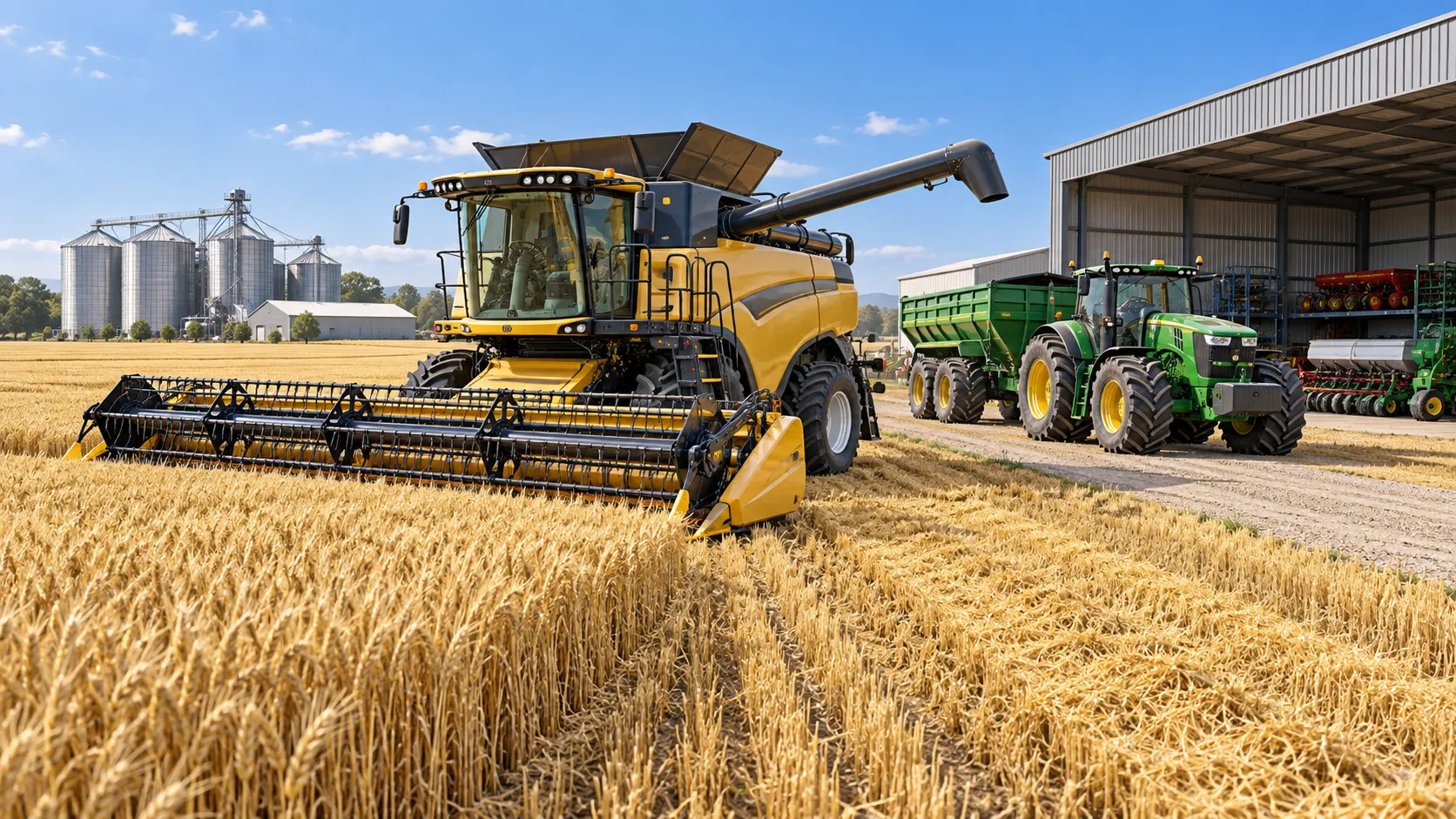
When Does Agricultural Machinery Leasing Cost Less Than Owning Equipment?
Agricultural machinery leasing can lower farm costs when use is seasonal or uncertain. Compare utilization, maintenance, cash flow, and risk to make a smarter equipment decision.
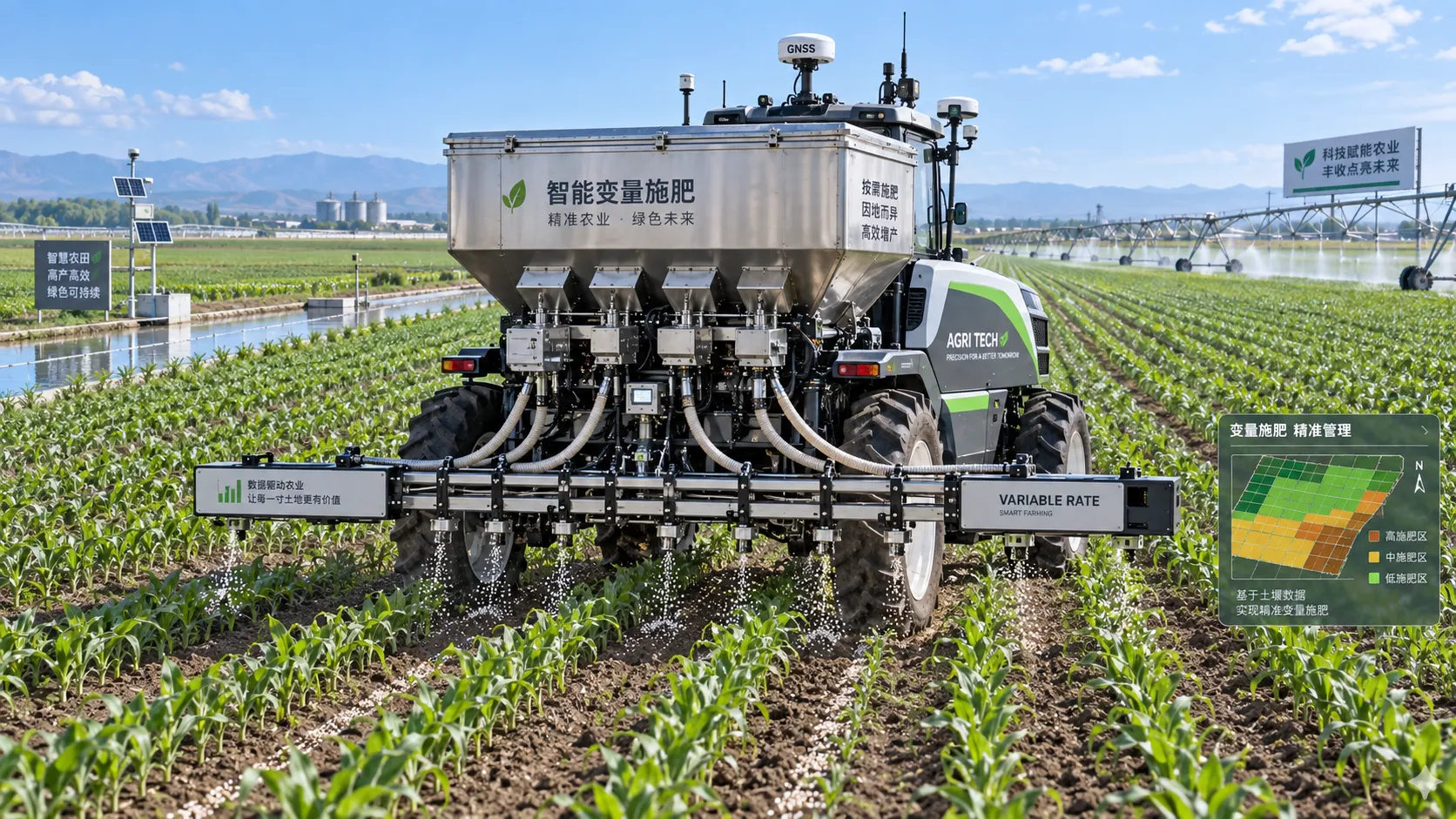
How to Evaluate Precision Fertilization System Suppliers for Farm-Scale Deployment
Precision fertilization systems suppliers: learn how to compare accuracy, integration, uptime, service, and total cost for confident farm-scale deployment.
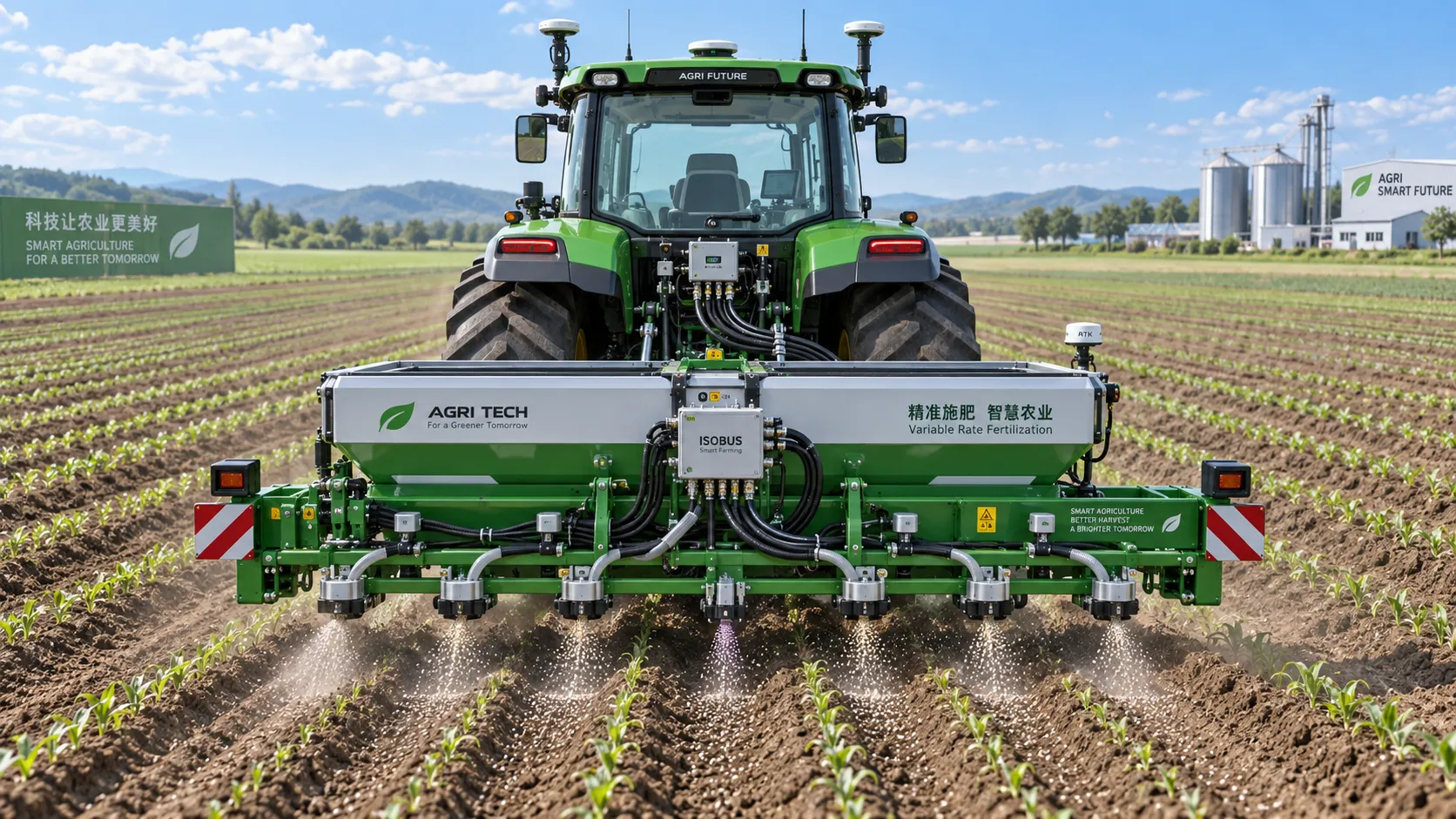
ISOBUS for Smart Agriculture: How It Connects Tractors, Implements, and Farm Data
ISOBUS for smart agriculture connects tractors, implements, terminals, and farm data—helping growers improve precision, documentation, and smarter field decisions.
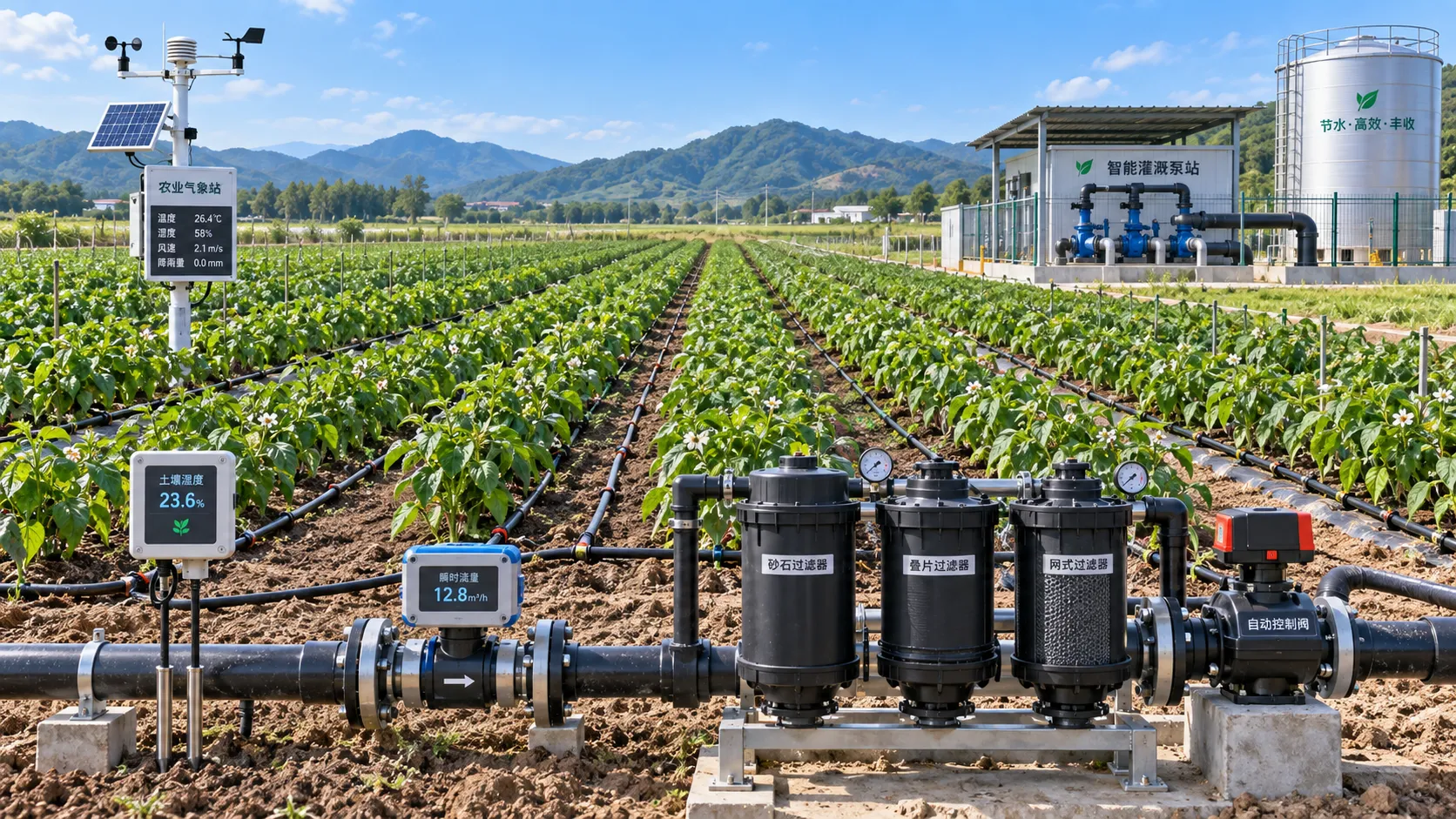
Automated Water-Saving Irrigation: How to Cut Water Use Without Reducing Crop Yields
Automated water-saving irrigation helps farms cut water use, protect crop yields, improve scheduling, and gain reliable control with sensors, flow monitoring, and smart zones.
Related News
- 00
0000-00
How Digital Agriculture Platforms Turn Field Data Into Better Input Decisions - 00
0000-00
When Does Agricultural Machinery Leasing Cost Less Than Owning Equipment? - 00
0000-00
Selecting Grain Farm Equipment by Acreage, Crop Mix, and Harvest Window - 00
0000-00
Poultry Equipment Selection: Evaluating Durability, Cleaning, and Compatibility - 00
0000-00
How to Select Heavy-Duty Farm Implements for High-Acreage, High-Horsepower Operations
Popular Tags
Ms. Elena Rodriguez
Weekly Insights
Stay ahead with our curated technology reports delivered every Monday.