
Product Specification Guidance for Temperature Control: Which Parameters Matter Most?
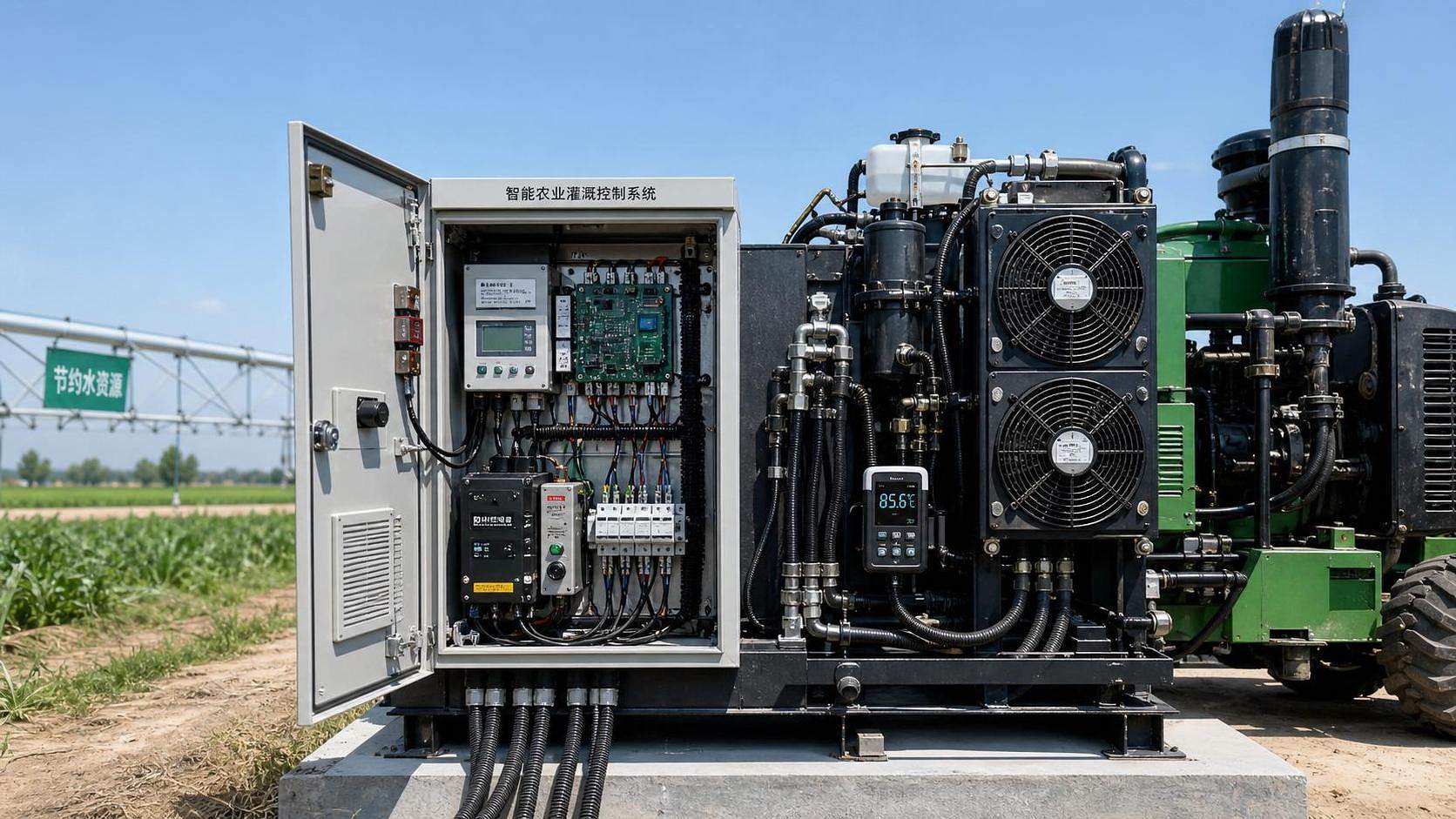




Product Specification Guidance for Temperature Control: Which Parameters Matter Most?
For quality control and safety work, product specification guidance temperature control is not a narrow engineering topic.
It shapes reliability, compliance, maintenance cost, and field performance across agricultural machinery and irrigation systems.
In practice, the right temperature limits prevent electronic drift, lubricant breakdown, material fatigue, and premature component failure.
That matters even more when equipment works through dust, solar load, heavy torque, and long operating cycles.
A useful specification should tell teams what to measure, where the risk sits, and how to judge acceptable thermal behavior.
The real question is simple: which parameters deserve the closest attention before approval, purchase, or release?
Why temperature specifications are a frontline control point
Temperature touches almost every subsystem in modern farm equipment.
Engines, hydraulic circuits, battery packs, sensors, drives, control boards, bearings, and irrigation valves all respond differently to heat.
If product specification guidance temperature control is vague, inspection teams usually miss the most important failure triggers.
A label saying “operating temperature: high” or “heat resistant” offers no control value.
A proper document links temperature performance to function, load, environment, and protection measures.
From recent equipment trends, the signal is clearer.
Agriculture 4.0 systems combine higher power density with more electronics and tighter emissions or efficiency targets.
That leaves less margin for poorly defined thermal specifications.
The core parameters that matter most
Good product specification guidance temperature control starts with a short set of measurable parameters.
These are the ones that usually decide whether a specification is useful or misleading.
1. Operating temperature range
This is the basic range where the product performs its intended function without loss of safety or accuracy.
It should be stated with clear upper and lower limits, not a marketing phrase.
For controllers, the range should also reflect signal stability and response consistency.
2. Storage temperature range
Storage limits are often ignored, but they matter during shipping, yard storage, and seasonal downtime.
A component may survive operation yet crack seals, warp housings, or lose calibration after poor storage.
This is especially important for sensors, polymer parts, batteries, and irrigation controllers.
3. Maximum surface temperature
Surface temperature affects operator safety, nearby cable routing, and ignition risk around dust or dry residues.
In product specification guidance temperature control, this figure should be tied to test conditions and exposure time.
Without that context, the number can hide serious field risk.
4. Internal component temperature limit
Some failures begin inside the enclosure long before the outside looks acceptable.
Semiconductors, coils, bearings, and hydraulic fluids each have their own critical thresholds.
The specification should identify the monitored hotspot, not just ambient air temperature.
5. Temperature rise above ambient
Absolute temperature matters, but temperature rise often tells a better story.
It shows how much heat the product generates under a known load.
That makes comparisons between suppliers or models much more meaningful.
6. Thermal cycling tolerance
Field equipment rarely lives at a steady temperature.
Cold mornings, midday heat, shutdown cooling, and washdown exposure create repeated expansion and contraction.
A product specification guidance temperature control document should define cycle count, rate, and acceptable degradation.
7. Response time and recovery time
For cooling systems and thermal protection devices, speed matters as much as the limit itself.
A system that recovers too slowly can still damage seals, circuits, or crop-handling mechanisms.
This point is often missing from weak specifications.
What quality and safety teams should verify first
In actual review work, not every temperature number carries the same decision value.
A practical screening sequence helps teams find gaps faster.
- Check whether operating temperature and storage temperature are separated clearly.
- Confirm whether limits refer to ambient, surface, fluid, winding, chip, or enclosure hotspot temperature.
- Review the load condition behind each value, including duty cycle, pressure, speed, and solar exposure.
- Look for derating rules above certain temperatures.
- Verify alarm points, shutdown points, and recovery thresholds.
- Check whether the supplier states test methods, sensor positions, and acceptance criteria.
If those items are missing, product specification guidance temperature control becomes difficult to audit and harder to trust.
That usually leads to disputes after failure, not before procurement.
Common specification mistakes that create field risk
Several recurring mistakes weaken technical documents across mechanical and electro-hydraulic products.
- Using one temperature range for every subsystem.
- Ignoring enclosed heat accumulation.
- Listing a peak value without time duration.
- Failing to define sensor location.
- Treating laboratory airflow as field airflow.
- Not linking temperature limits to humidity, dust, vibration, or pressure conditions.
These mistakes become more serious in combines, tractors, and irrigation control cabinets.
Those systems often face simultaneous heat from engines, motors, sunlight, electronics, and restricted ventilation.
So product specification guidance temperature control has to describe real operating context, not only ideal bench conditions.
How to apply temperature control guidance in agricultural equipment
Different agricultural systems emphasize different parameters.
That is why product specification guidance temperature control should be adapted by application.
Combine harvesters
Focus on hydraulic oil temperature, bearing hotspot temperature, exhaust-adjacent surface temperature, and controller enclosure temperature.
Dust buildup can sharply change heat rejection performance.
Tractor chassis and heavy-duty drivetrains
Transmission fluid limits, brake thermal load, seal material tolerance, and cooling recovery time deserve close review.
Torque spikes often create hidden thermal stress before visible failure appears.
Intelligent farm tools
Sensor drift, GPS module stability, battery pack temperature, and circuit board derating are the priority issues.
High precision tasks can fail from small thermal deviation, not only extreme overheating.
Water-saving irrigation systems
Valve actuator temperature, pump motor temperature rise, cabinet ventilation, and solar-heated outdoor enclosure limits matter most.
In remote networks, a weak thermal spec can become a maintenance and uptime problem very quickly.
A simple decision table for specification review
What stronger specifications look like
The best documents do not stop at listing limits.
They connect temperature thresholds with expected life, inspection method, alarm logic, and corrective action.
They also explain what changes when ambient temperature rises above the normal design point.
That may include power derating, slower cycle speed, reduced duty period, or extra cooling requirements.
This is where product specification guidance temperature control becomes a decision tool, not a paperwork formality.
Final takeaways for better review and procurement decisions
When reviewing product specification guidance temperature control, start with the parameters that reveal actual thermal stress.
Operating range, storage range, surface temperature, internal hotspot limits, temperature rise, cycling tolerance, and recovery time form the core set.
Then check the context behind every value.
Ask how it was measured, under what load, in which enclosure, and with what acceptance criteria.
In complex agricultural equipment, those details often separate a durable system from an expensive weak point.
A tighter temperature control review process supports safer approval, smarter sourcing, and more stable field performance over time.
- Agriculture 4.0
- tractor chassis
- intelligent farm tools
- water-saving irrigation
- agricultural machinery
- farm equipment
- combine harvesters
- water-saving irrigation systems
- product specification guidance
- agricultural equipment
- product specification guidance temperature control
- Agriculture 4.0 systems
- irrigation systems
Related News
Climate-Smart Farming for Drought: A Practical Plan for Protecting Yields
Climate-smart farming for drought: build smarter water budgets, protect critical crop stages, improve irrigation uniformity, and safeguard yields with practical field-proven strategies.
How Digital Agriculture Platforms Turn Field Data Into Better Input Decisions
Digital agriculture platforms turn field data into smarter fertilizer, water, seed, and equipment decisions—helping farms cut risk, improve margins, and scale sustainability.
GPS-Guided Farm Machinery: Where It Delivers Measurable Field Efficiency Gains
Agri-mechanization GPS guided systems deliver measurable field efficiency gains through reduced overlap, precise planting, smarter inputs, and reliable farm data.
How Sensor Feedback Enables Accurate Variable-Rate Fertilization in Field Conditions
Precision fertilization systems with sensor feedback improve variable-rate accuracy by verifying flow, managing latency, and ensuring reliable field application.
How to Select Precision Crop Protection Equipment for Variable Field Conditions
Precision crop protection equipment selection made simple: compare terrain, canopy, weather, control accuracy, and data workflows for reliable applications.
When Does Agricultural Machinery Leasing Cost Less Than Owning Equipment?
Agricultural machinery leasing can lower farm costs when use is seasonal or uncertain. Compare utilization, maintenance, cash flow, and risk to make a smarter equipment decision.
How to Evaluate Precision Fertilization System Suppliers for Farm-Scale Deployment
Precision fertilization systems suppliers: learn how to compare accuracy, integration, uptime, service, and total cost for confident farm-scale deployment.
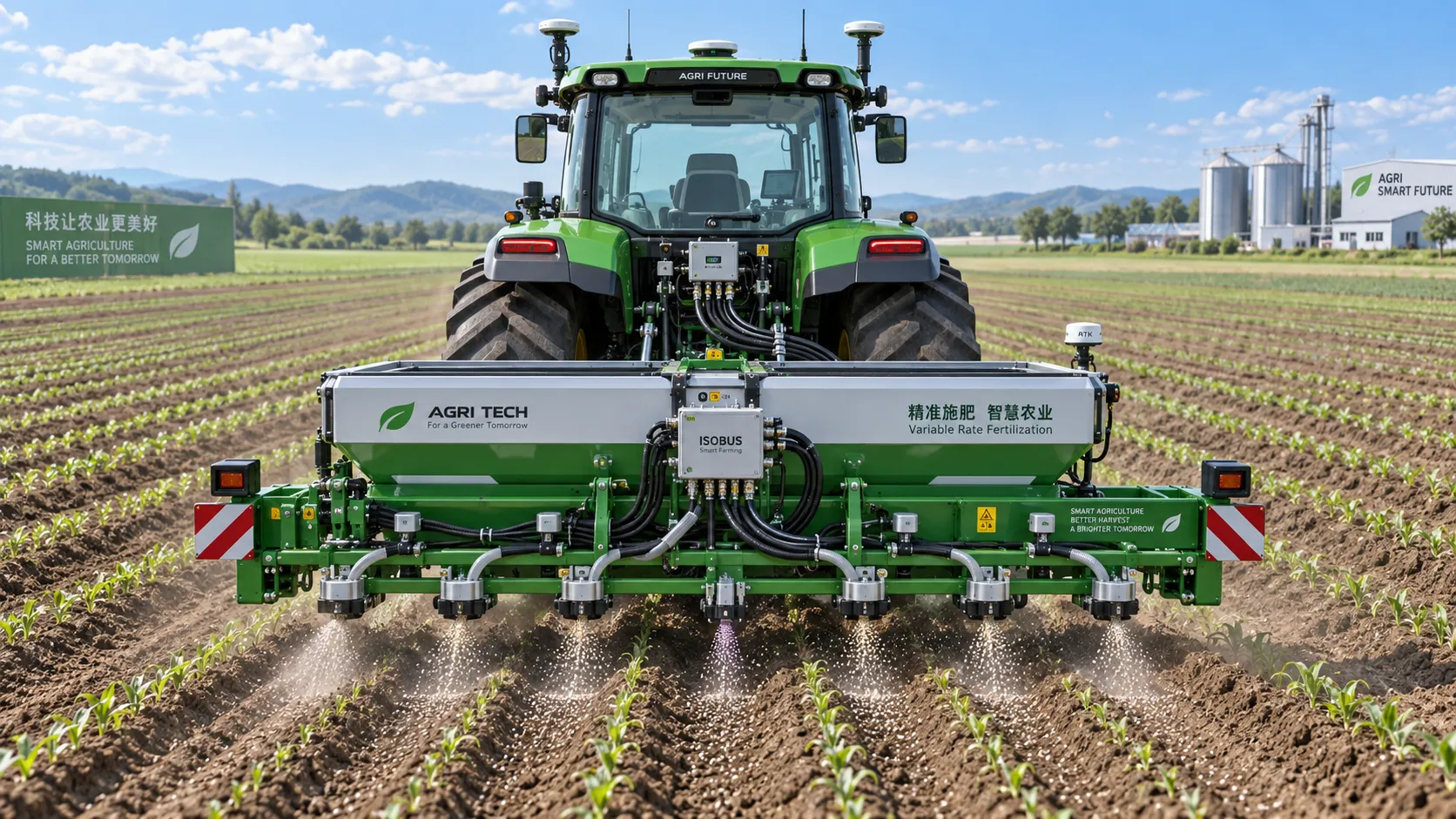
ISOBUS for Smart Agriculture: How It Connects Tractors, Implements, and Farm Data
ISOBUS for smart agriculture connects tractors, implements, terminals, and farm data—helping growers improve precision, documentation, and smarter field decisions.
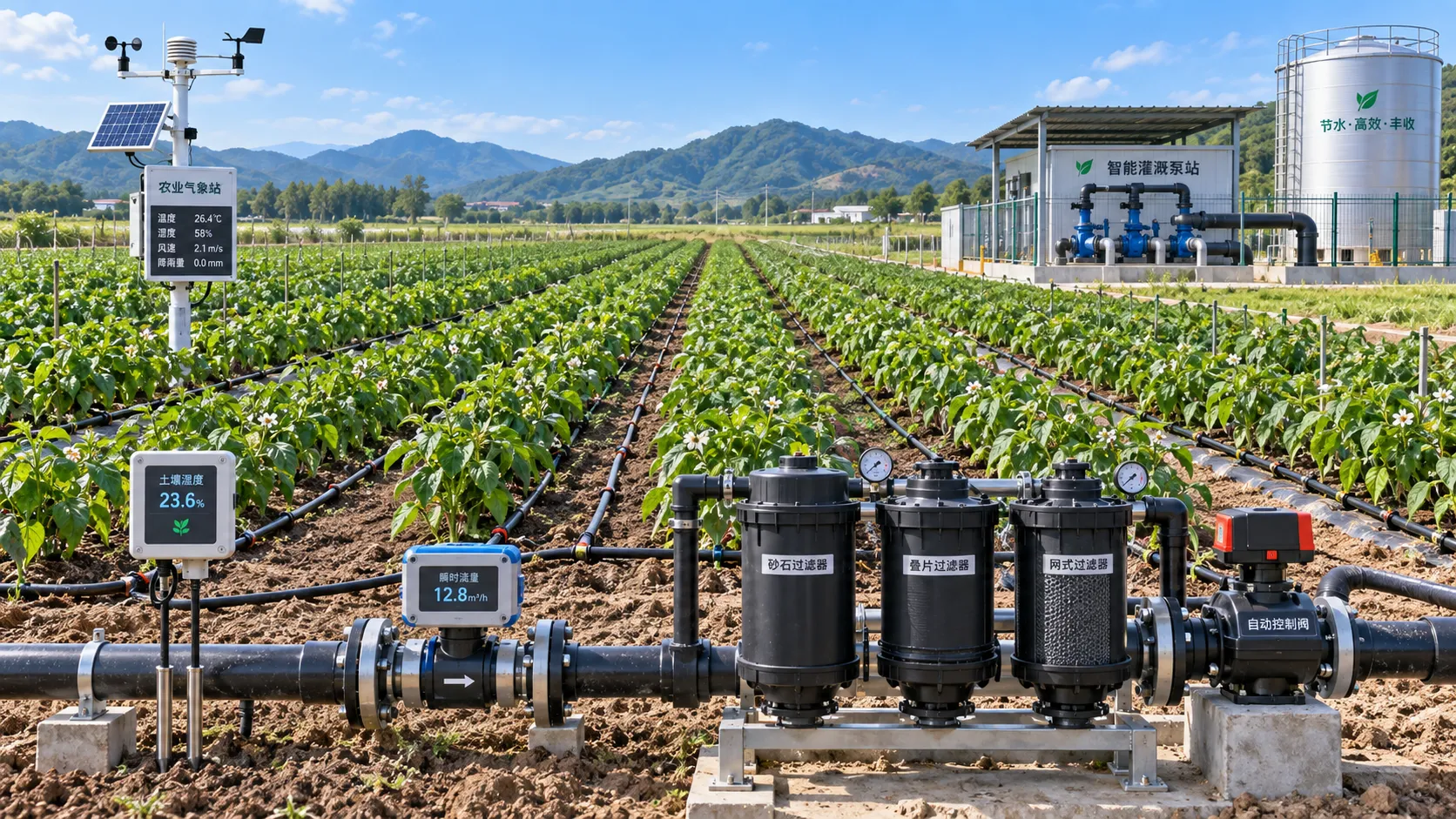
Automated Water-Saving Irrigation: How to Cut Water Use Without Reducing Crop Yields
Automated water-saving irrigation helps farms cut water use, protect crop yields, improve scheduling, and gain reliable control with sensors, flow monitoring, and smart zones.
Related News
- 00
0000-00
How Digital Agriculture Platforms Turn Field Data Into Better Input Decisions - 00
0000-00
When Does Agricultural Machinery Leasing Cost Less Than Owning Equipment? - 00
0000-00
Selecting Grain Farm Equipment by Acreage, Crop Mix, and Harvest Window - 00
0000-00
Poultry Equipment Selection: Evaluating Durability, Cleaning, and Compatibility - 00
0000-00
How to Select Heavy-Duty Farm Implements for High-Acreage, High-Horsepower Operations
Popular Tags
Ms. Elena Rodriguez
Weekly Insights
Stay ahead with our curated technology reports delivered every Monday.