
How to Build a Supplier Capability Evaluation Process for Agricultural Equipment Sourcing
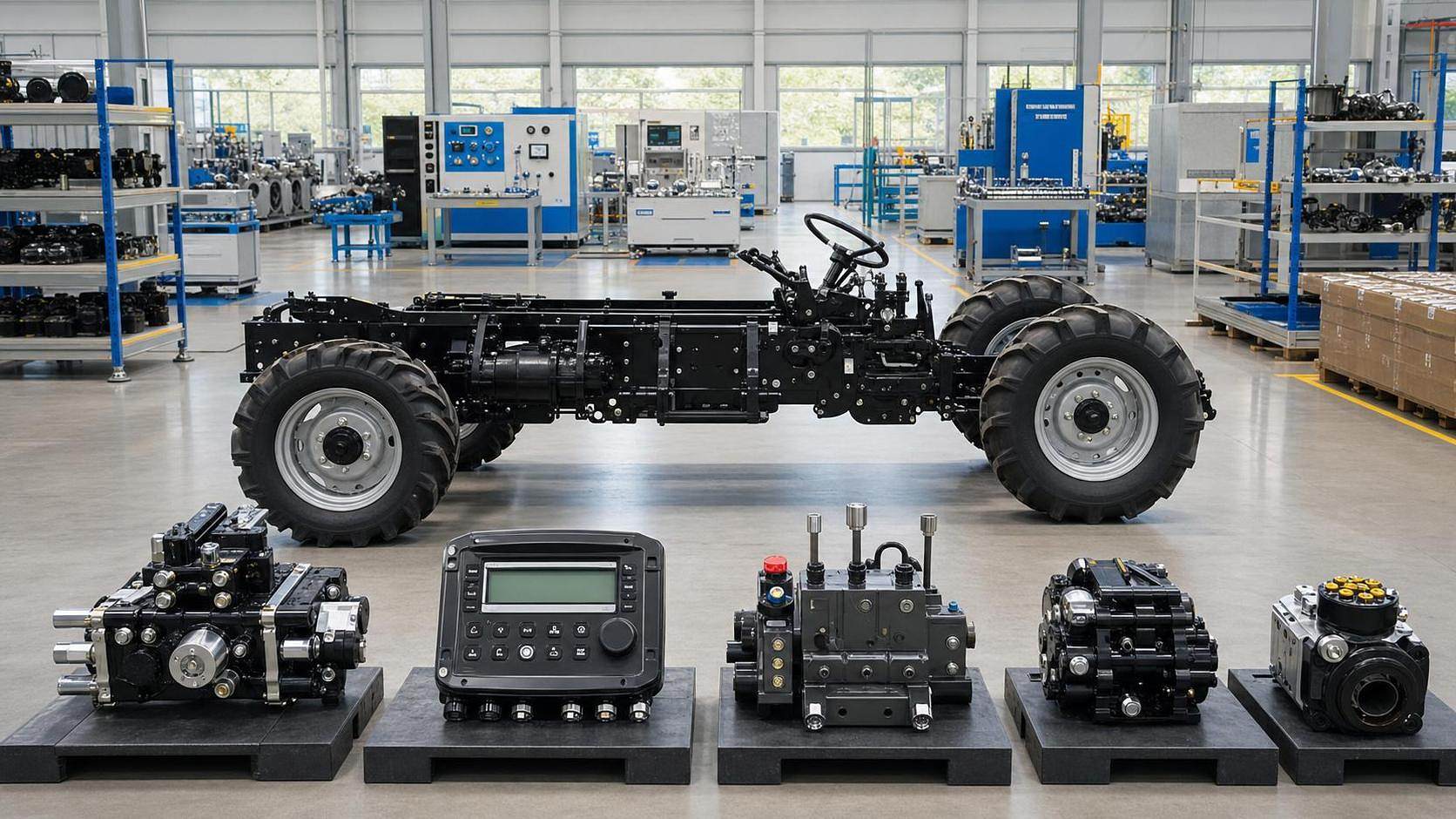




Why does a supplier capability evaluation process matter so much in agricultural equipment sourcing?
Agricultural equipment sourcing carries more risk than many standard industrial buys.
A failed gearbox, unstable hydraulic system, or weak irrigation controller can interrupt an entire operating season.
That is why a supplier capability evaluation process should measure far more than quoted price.
In practice, the real question is simple.
Can this supplier deliver consistent equipment performance, reliable lead times, and technical support across changing field conditions?
For large-scale machinery, combine harvesters, tractor chassis, smart farm tools, and water-saving irrigation systems, the answer depends on capability depth.
A disciplined supplier capability evaluation process helps compare that depth in a structured way.
It also supports better decisions when global supply chains face steel cost swings, emissions rules, electronics shortages, or regional policy changes.
This is where AP-Strategy’s perspective is useful.
Its intelligence focus on mechanization, precision farming algorithms, and sustainability shows why supplier capability must be judged against operating reality, not brochure language.
A good framework reduces hidden cost, protects uptime, and strengthens supply chain resilience over several purchase cycles.
What should be included in a practical supplier capability evaluation process?
A workable model usually starts with six capability blocks.
These blocks keep the supplier capability evaluation process balanced and easier to defend internally.
- Technical capability: design strength, material selection, tolerance control, testing methods, and product upgrade capacity.
- Production capability: capacity planning, process stability, bottleneck management, and changeover speed.
- Quality capability: defect prevention, traceability, inspection discipline, corrective action, and warranty performance.
- Supply capability: lead-time control, sub-supplier management, logistics consistency, and spare parts readiness.
- Commercial capability: pricing transparency, cost structure logic, payment flexibility, and contract discipline.
- Strategic capability: investment direction, digital adoption, compliance readiness, and long-term fit with market demand.
The weighting should change by category.
For combine harvesting technology, cleaning loss control and field reliability may matter more than cosmetic finish.
For irrigation systems, software stability, sensor compatibility, and water-efficiency verification become central.
For tractor chassis sourcing, transmission durability, hydraulic integration, and service documentation often decide lifecycle value.
A useful supplier capability evaluation process does not treat all categories the same.
It adapts criteria to failure risk, replacement difficulty, and operating intensity.
A simple evaluation table helps keep scoring consistent
Before site visits or final comparisons, a shared scorecard keeps discussion focused on evidence.
How do you tell whether a supplier is genuinely capable, not just well presented?
The difference usually appears in evidence quality.
A polished presentation may describe advanced machining, smart assembly, and full traceability.
A strong supplier capability evaluation process asks for proof behind each claim.
Look for consistency across documents, factory observation, and actual performance data.
For example, if a supplier says it supports precision agriculture platforms, check software update cycles, sensor integration history, and failure response times.
If the claim involves durability, request field test conditions, not just lab pass results.
The most reliable clues are often operational, not promotional.
- Stable process indicators over several quarters.
- Corrective actions linked to recurring defect patterns.
- Named engineers who can explain design trade-offs clearly.
- Service parts planning for peak agricultural seasons.
- Clear visibility into critical sub-suppliers and sourced electronics.
AP-Strategy’s sector lens is relevant here because agri-equipment performance is tied to field complexity.
Dust, vibration, uneven terrain, moisture shifts, and operator variability all test supplier maturity.
A capable supplier understands those conditions and builds around them.
Where do most supplier evaluation mistakes happen?
The biggest mistake is treating price as the decision, rather than one decision factor.
Lower unit cost can hide higher downtime, more warranty claims, slower spare parts supply, or redesign expense later.
Another common mistake is copying one supplier capability evaluation process across all categories.
Hydraulic components, structural fabrications, precision sensors, and drip irrigation control units do not fail in the same way.
The third mistake is relying only on audit snapshots.
A factory may look organized during a visit but still struggle with schedule pressure or component shortages later.
More subtle errors also appear often.
- Ignoring software and firmware support in intelligent farm tools.
- Overlooking regulatory exposure in engines, electrical systems, or water-use equipment.
- Failing to review sub-supplier dependency for castings, chips, pumps, or valves.
- Skipping total cost analysis during high-season breakdown risk.
- Not defining what acceptable recovery time looks like after a field failure.
A strong supplier capability evaluation process closes these gaps before final negotiation starts.
It forces difficult questions early, when changing direction is still possible.
How should cost, timing, and implementation be handled without slowing sourcing down?
The concern is valid.
If the supplier capability evaluation process becomes too heavy, it delays sourcing and creates internal friction.
The better approach is staged evaluation.
Start with a short desktop screen using commercial documents, certifications, product data, and reference projects.
Only suppliers that pass this screen move to deeper review.
That second stage can include factory audit, sample testing, pilot order tracking, and service response checks.
The final stage should focus on contractable commitments.
Examples include lead-time tolerance, spare parts availability, root-cause closure time, and engineering support windows.
This phased model keeps the supplier capability evaluation process practical and cost-aware.
It also fits long-cycle agricultural equipment sourcing, where one wrong supplier can create multi-season consequences.
When timelines are tight, prioritize the highest-risk categories first.
For example, evaluate safety-critical systems, electronics, and wear-intensive assemblies before standard fabrications.
A practical rollout often follows this sequence
- Define category-specific risk and required performance outcomes.
- Build a weighted supplier capability evaluation process for each priority category.
- Collect evidence using the same scorecard across all shortlisted suppliers.
- Validate high-risk claims through audit, testing, or pilot order data.
- Link final approval to measurable service and delivery commitments.
What does a strong final decision look like?
It usually looks less dramatic than people expect.
A strong final decision is not the cheapest quote or the best presentation.
It is the supplier that can support performance, continuity, and adaptation over time.
In agricultural equipment, that often means choosing the supplier with steadier quality systems, clearer engineering ownership, and better field support.
The supplier capability evaluation process should end with a decision record.
That record should explain why the chosen supplier fits operational needs, where the risks remain, and which controls are needed after award.
This matters even more as Agriculture 4.0 pushes more integration between machinery, sensors, data, and sustainability targets.
AP-Strategy’s view of the market reinforces that point.
Mechanical strength alone is no longer enough.
Suppliers increasingly need to align with precision control, resource efficiency, and shifting global compliance expectations.
If the current supplier capability evaluation process is still price-led and generic, the next step is clear.
Map equipment categories by risk, build a weighted scorecard, verify evidence in stages, and document post-award controls.
That approach creates better sourcing decisions today and a more resilient supplier base for future seasons.
- combine harvesting technology
- Agriculture 4.0
- precision farming algorithms
- tractor chassis
- intelligent farm tools
- water-saving irrigation
- combine harvesters
- water-saving irrigation systems
- agricultural equipment sourcing
- supplier capability evaluation
- agricultural equipment
- supplier capability evaluation process
- precision agriculture platforms
- irrigation systems
Related News
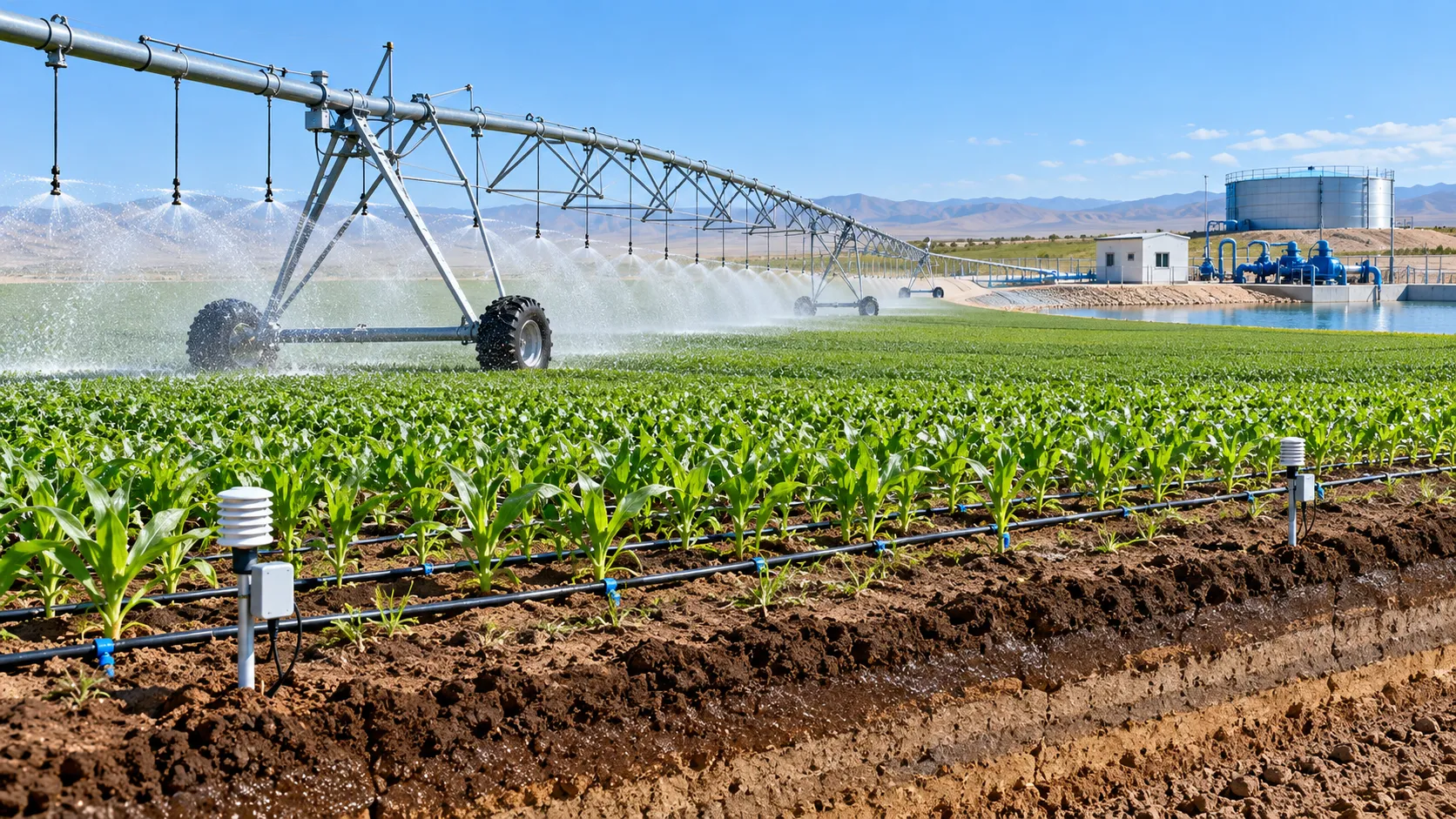
Climate-Smart Farming for Drought: A Practical Plan for Protecting Yields
Climate-smart farming for drought: build smarter water budgets, protect critical crop stages, improve irrigation uniformity, and safeguard yields with practical field-proven strategies.
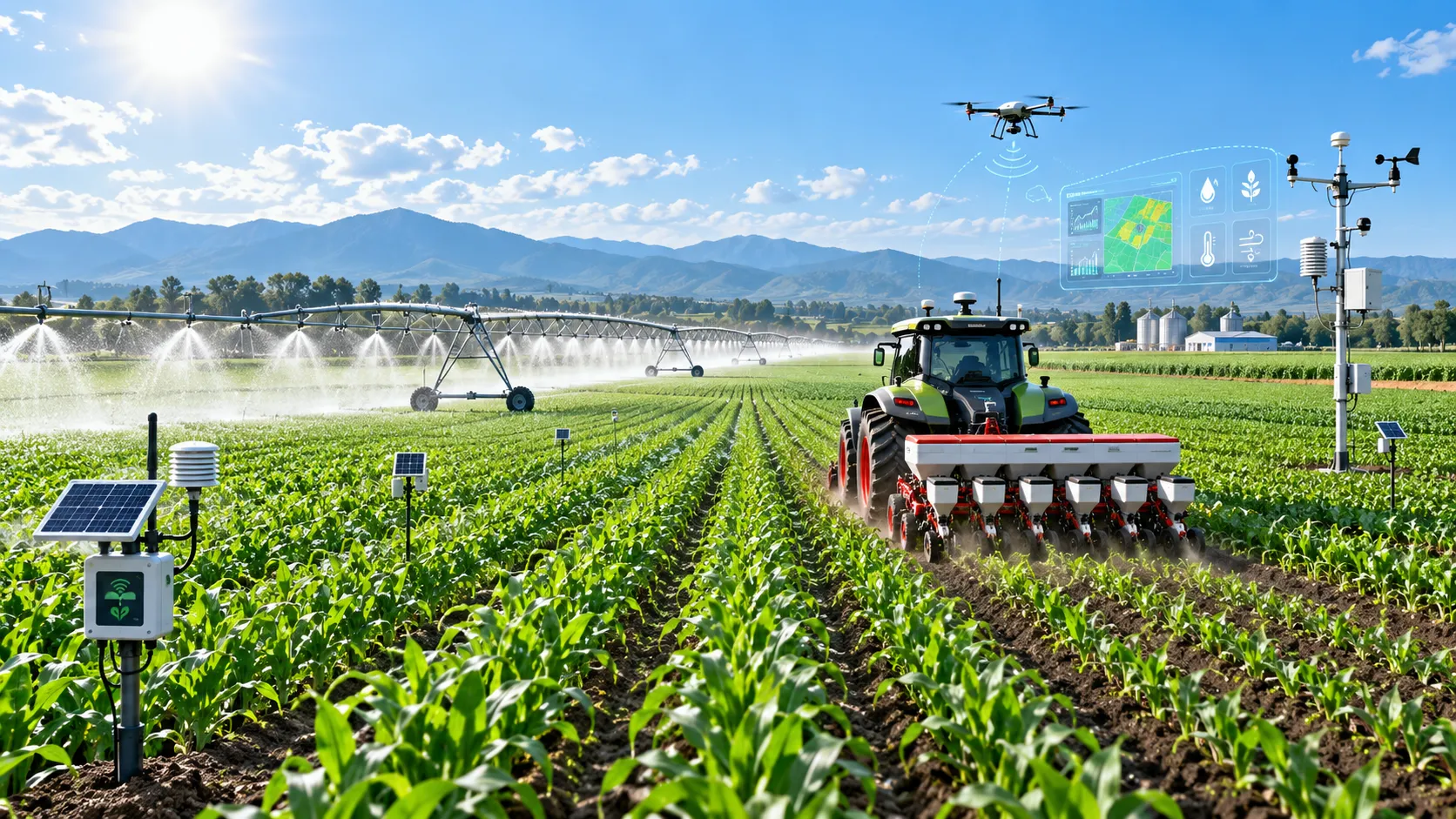
How Digital Agriculture Platforms Turn Field Data Into Better Input Decisions
Digital agriculture platforms turn field data into smarter fertilizer, water, seed, and equipment decisions—helping farms cut risk, improve margins, and scale sustainability.
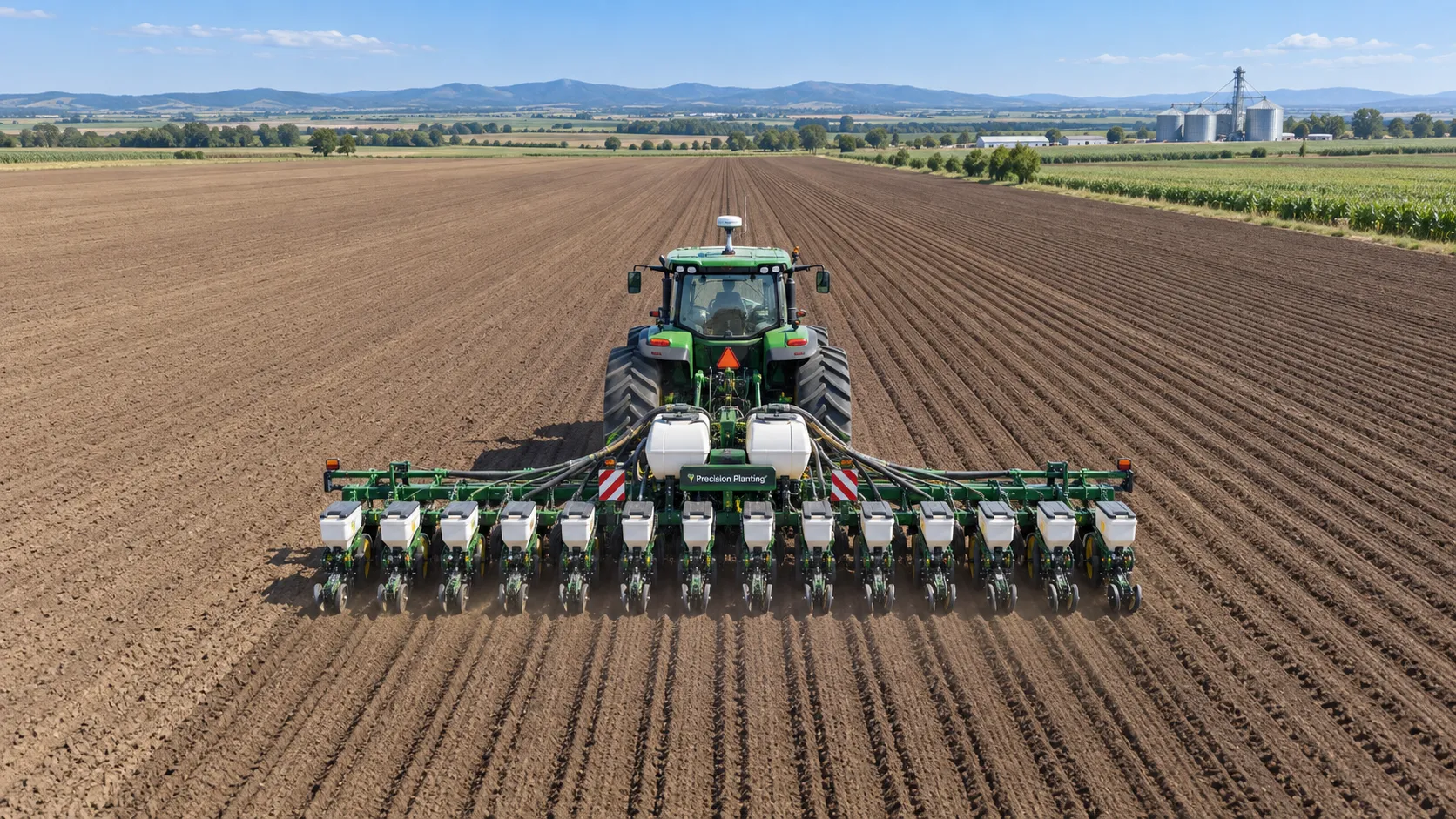
GPS-Guided Farm Machinery: Where It Delivers Measurable Field Efficiency Gains
Agri-mechanization GPS guided systems deliver measurable field efficiency gains through reduced overlap, precise planting, smarter inputs, and reliable farm data.
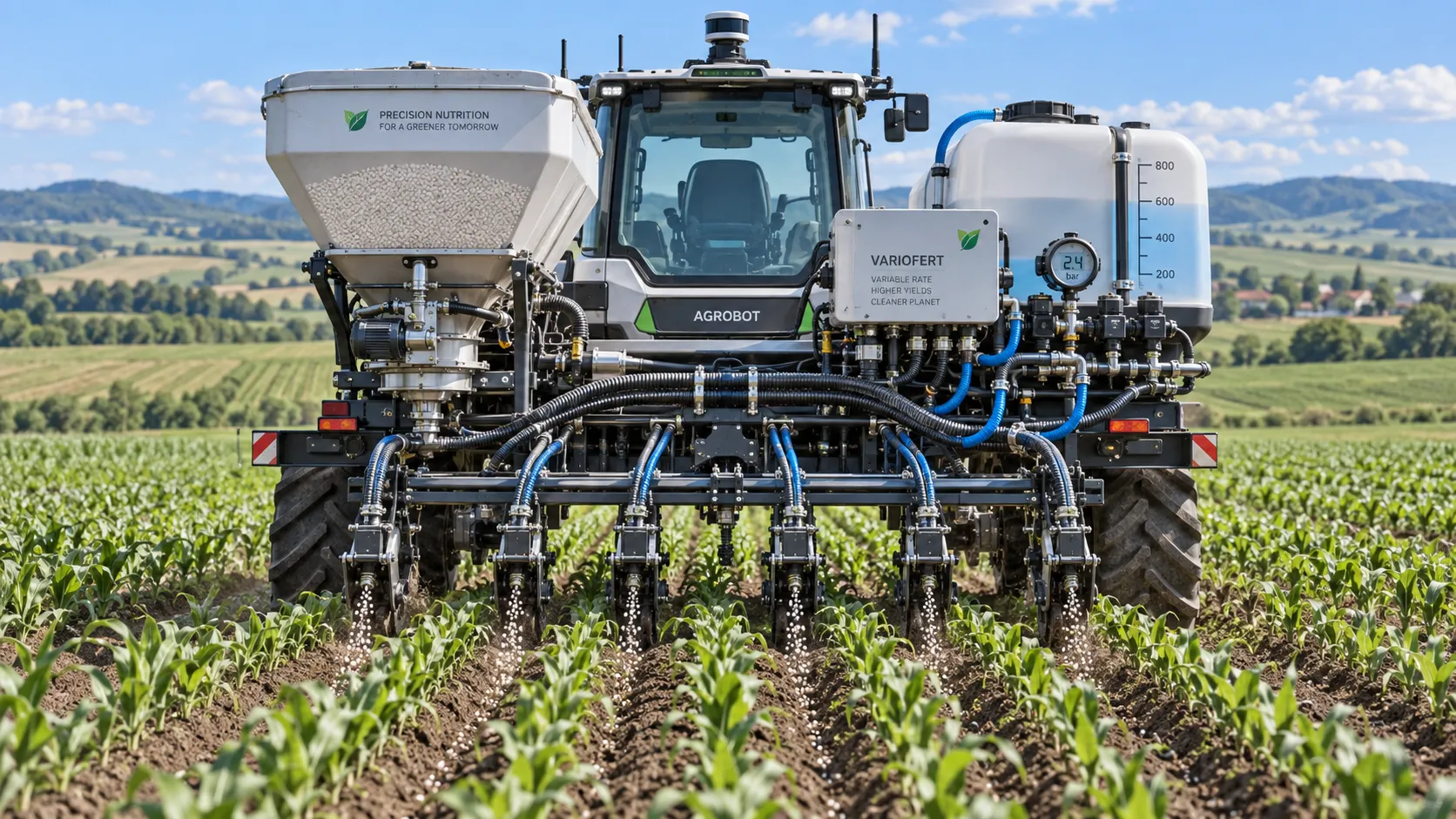
How Sensor Feedback Enables Accurate Variable-Rate Fertilization in Field Conditions
Precision fertilization systems with sensor feedback improve variable-rate accuracy by verifying flow, managing latency, and ensuring reliable field application.
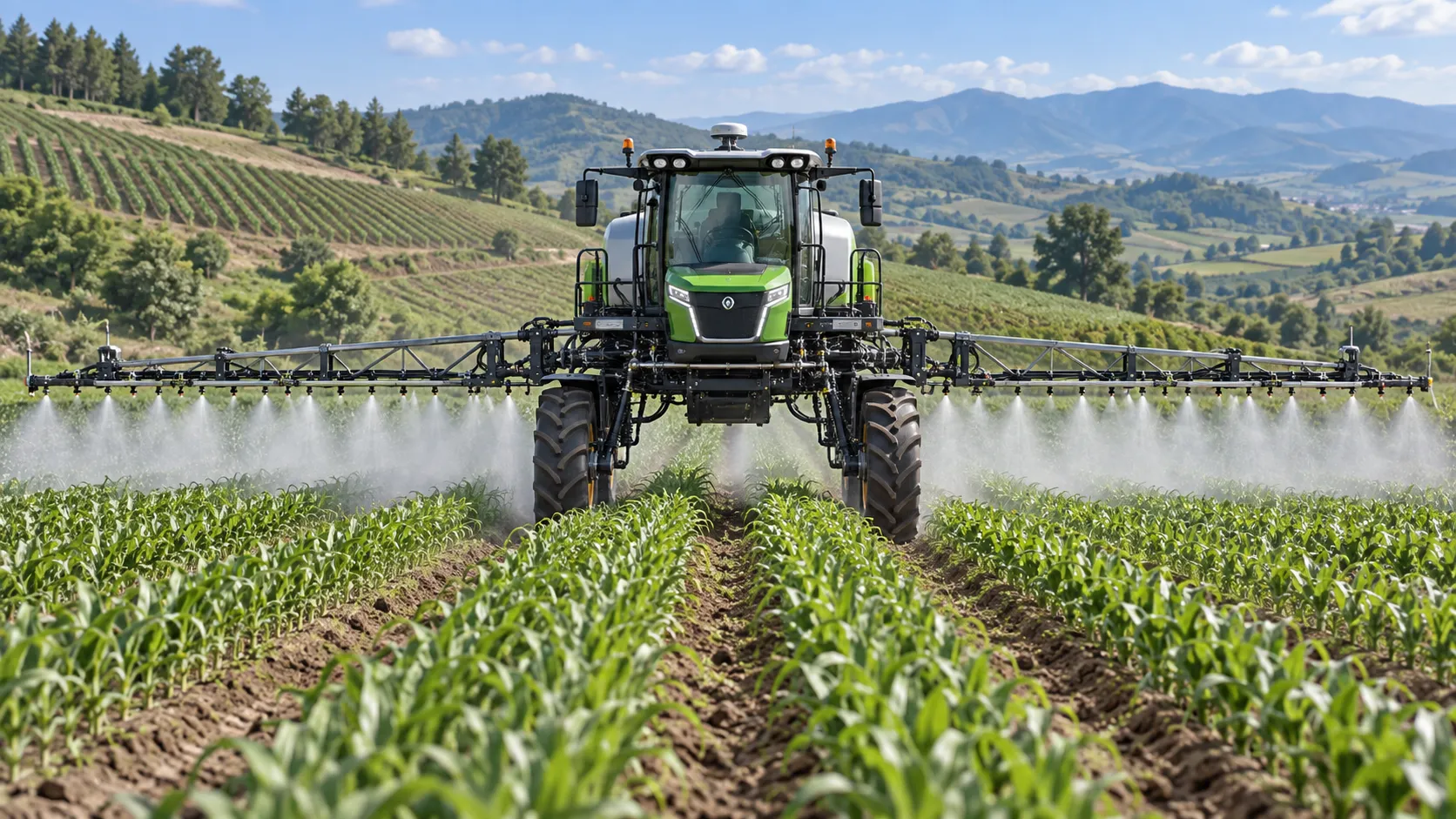
How to Select Precision Crop Protection Equipment for Variable Field Conditions
Precision crop protection equipment selection made simple: compare terrain, canopy, weather, control accuracy, and data workflows for reliable applications.
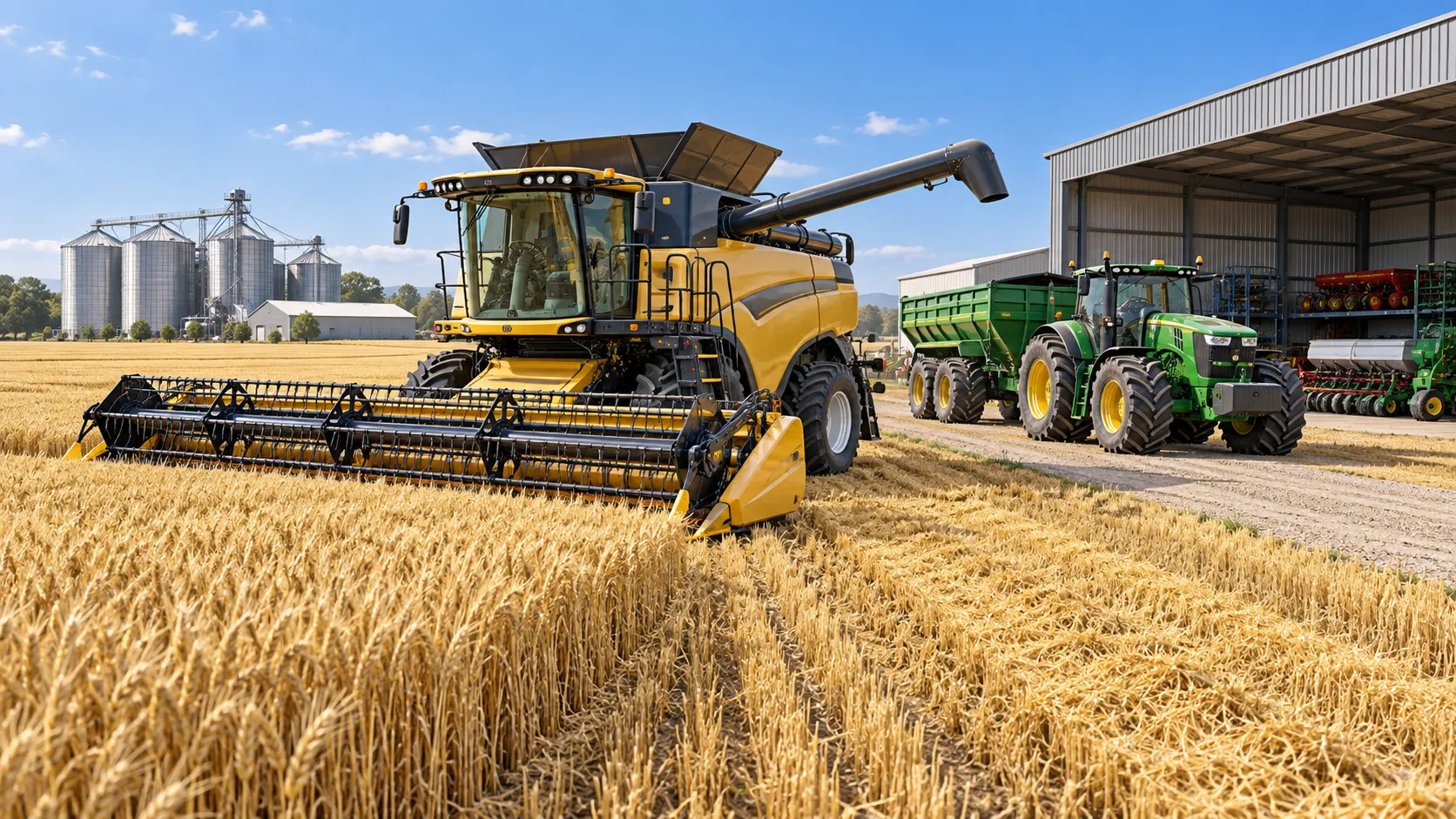
When Does Agricultural Machinery Leasing Cost Less Than Owning Equipment?
Agricultural machinery leasing can lower farm costs when use is seasonal or uncertain. Compare utilization, maintenance, cash flow, and risk to make a smarter equipment decision.
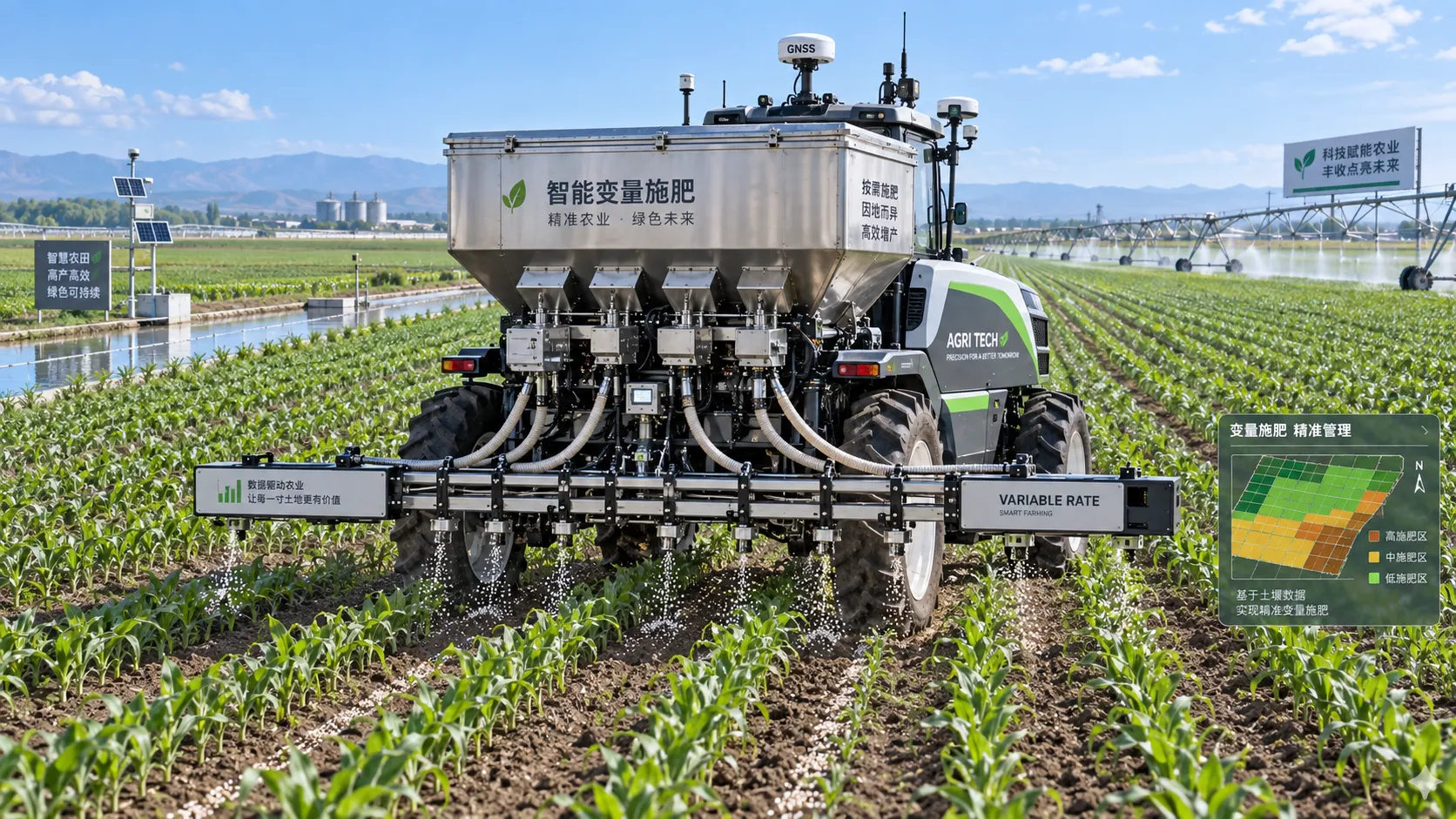
How to Evaluate Precision Fertilization System Suppliers for Farm-Scale Deployment
Precision fertilization systems suppliers: learn how to compare accuracy, integration, uptime, service, and total cost for confident farm-scale deployment.
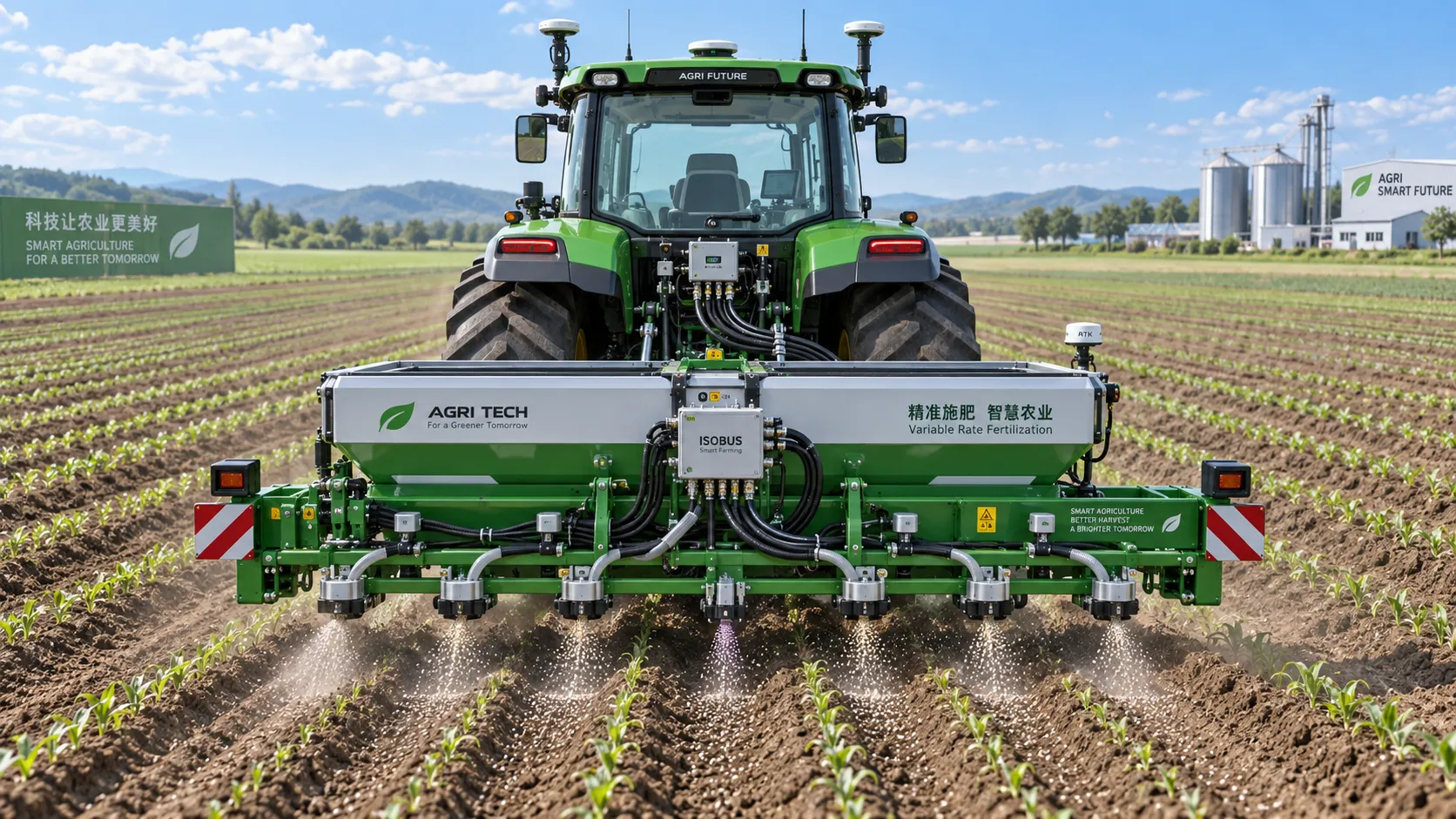
ISOBUS for Smart Agriculture: How It Connects Tractors, Implements, and Farm Data
ISOBUS for smart agriculture connects tractors, implements, terminals, and farm data—helping growers improve precision, documentation, and smarter field decisions.
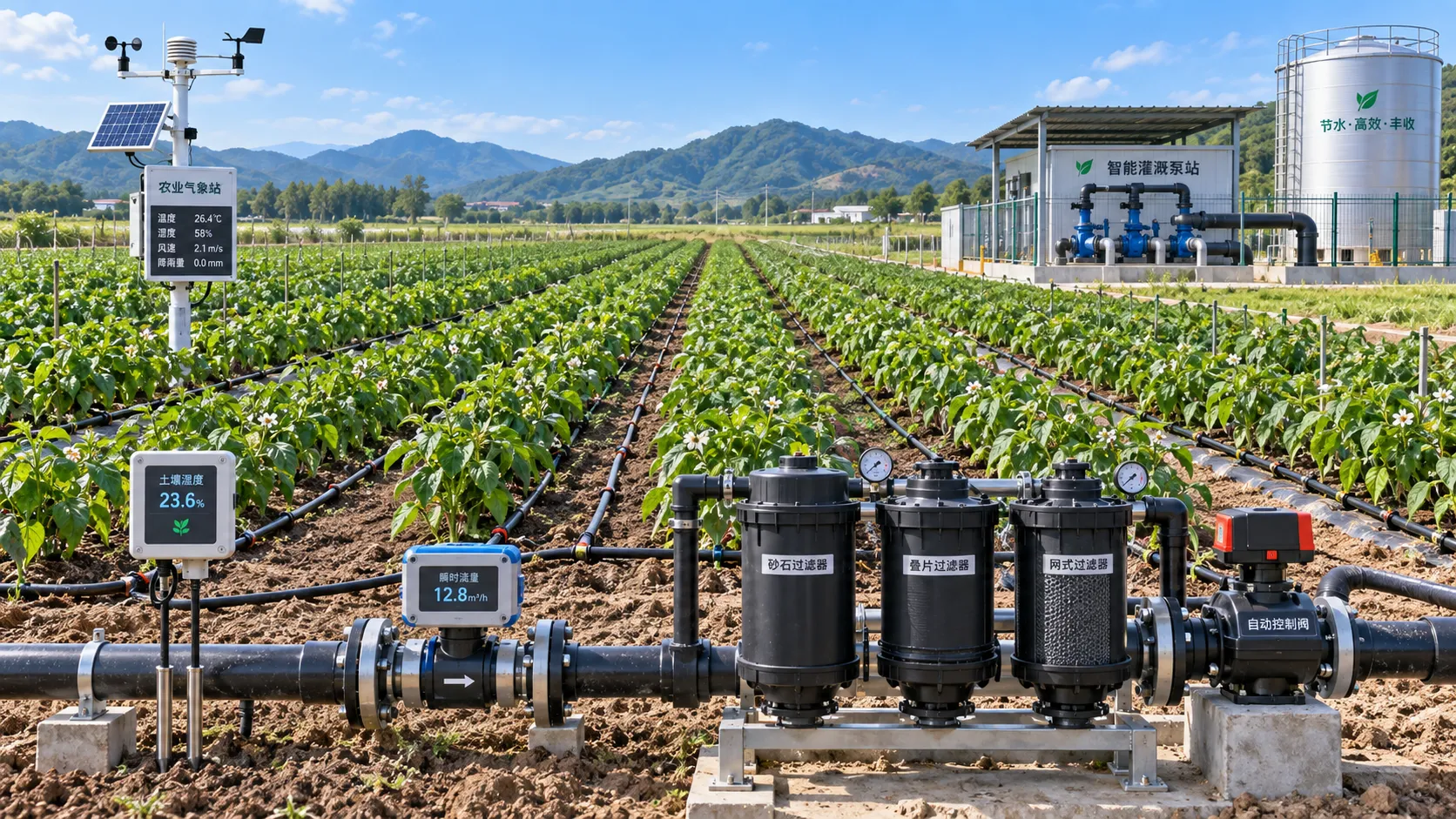
Automated Water-Saving Irrigation: How to Cut Water Use Without Reducing Crop Yields
Automated water-saving irrigation helps farms cut water use, protect crop yields, improve scheduling, and gain reliable control with sensors, flow monitoring, and smart zones.
Related News
- 00
0000-00
How Digital Agriculture Platforms Turn Field Data Into Better Input Decisions - 00
0000-00
When Does Agricultural Machinery Leasing Cost Less Than Owning Equipment? - 00
0000-00
Selecting Grain Farm Equipment by Acreage, Crop Mix, and Harvest Window - 00
0000-00
Poultry Equipment Selection: Evaluating Durability, Cleaning, and Compatibility - 00
0000-00
How to Select Heavy-Duty Farm Implements for High-Acreage, High-Horsepower Operations
Popular Tags
Ms. Elena Rodriguez
Weekly Insights
Stay ahead with our curated technology reports delivered every Monday.