
How an Intelligent Irrigation Equipment Exporter Supports Multi-Region Projects and Compliance
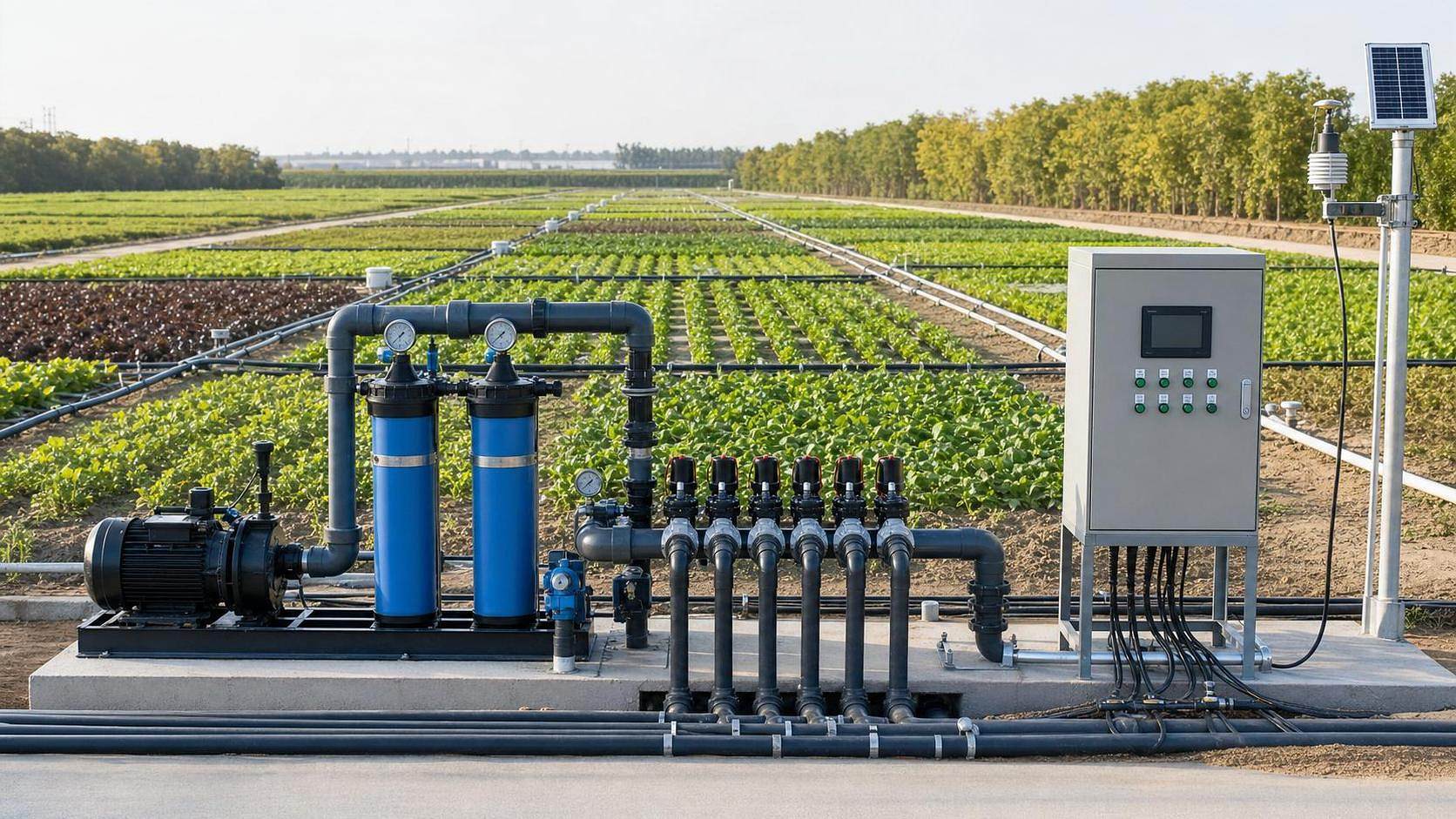




Cross-border irrigation projects now sit at the intersection of agronomy, digital control, water policy, and trade regulation. That is why selecting an intelligent irrigation equipment exporter has become a broader strategic decision. The question is no longer whether pumps, valves, filters, and controllers can operate in the field. The real issue is whether the exporter can adapt a system to regional conditions, document compliance clearly, and support reliable execution across different markets.
In practical terms, an intelligent irrigation equipment exporter helps connect technical design with local operating realities. Climate pressure, stricter efficiency rules, and larger agricultural investments have raised the cost of poor specification. A project may look sound on paper, yet still fail through incompatible voltage standards, missing certifications, unstable telemetry, or weak after-delivery support.
This is where the broader Agriculture 4.0 context matters. AP-Strategy tracks how mechanization, precision farming algorithms, and sustainability standards are converging. Within that landscape, water-saving irrigation systems are no longer isolated products. They are part of a larger farm operating network linked to sensors, power systems, crop planning, and resource management.
What an intelligent irrigation equipment exporter actually delivers
A capable exporter does more than ship hardware. It translates irrigation requirements into a deployable package that fits local water conditions, crop patterns, digital infrastructure, and regulatory expectations.
That package may include drip lines, sprinklers, filtration units, fertigation modules, automated valves, pressure regulators, pumps, remote controllers, software interfaces, and sensor-linked monitoring tools. Yet equipment scope alone does not define project value.
The stronger differentiator is integration discipline. An intelligent irrigation equipment exporter should be able to align hydraulic performance, data logic, and documentation requirements before the first container leaves port.
In multi-region work, this means converting a generic irrigation offer into a region-ready system. Soil salinity, water source quality, power reliability, and communications coverage can all reshape the final configuration.
Why the market pays closer attention now
Several trends have made exporter capability more visible. Water stress is increasing in major agricultural zones, while project investors expect measurable efficiency gains rather than general sustainability claims.
At the same time, digital irrigation systems now generate operational data that can influence subsidy eligibility, environmental reporting, and asset management. A failure in data continuity may become a compliance issue, not just a maintenance issue.
Trade conditions have also changed. Import procedures, local certification, product traceability, and electrical safety rules differ across regions. When the exporter lacks regulatory awareness, delays tend to appear late, when correction is expensive.
AP-Strategy’s intelligence focus is useful here because irrigation decisions are shaped by wider farm modernization patterns. A smart irrigation network often needs to work alongside tractors, power systems, field sensors, and precision application tools. Compatibility is therefore operational, not cosmetic.
Regional adaptation is usually the first real test
An intelligent irrigation equipment exporter proves value when a system performs under different field conditions without becoming over-engineered or under-protected. That balance is harder than it sounds.
For arid regions, water efficiency and clog resistance may dominate system design. For tropical areas, corrosion exposure, biological fouling, and unstable power supply may require stronger protection measures.
For large grain operations, centralized control and sectional automation may matter more than fine-grained greenhouse precision. In orchards or high-value crops, emitter uniformity and fertigation responsiveness can carry greater weight.
A useful exporter usually adjusts around factors such as:
- Water source quality, including sediment, hardness, and organic load
- Climate profile, including evaporation pressure and seasonal rainfall swings
- Crop type and planting density
- Power supply, voltage standards, and backup requirements
- Connectivity options for telemetry and remote control
- Local maintenance capability and spare-parts access
Without this adaptation work, even sophisticated equipment may deliver weak irrigation uniformity, frequent downtime, or poor water-use reporting.
Compliance is not a final checkpoint
Many project teams still treat compliance as a paperwork stage near shipment. In reality, compliance starts much earlier, often during component selection and system architecture.
An intelligent irrigation equipment exporter should understand which requirements affect market entry and which affect field operation after installation. Those are not always the same.
Depending on the market, attention may fall on electrical conformity, pressure vessel rules, water-contact material safety, electromagnetic compatibility, software integrity, labeling, and documentation language.
More importantly, compliance support should be structured. That means certificate management, bill-of-material traceability, test records, user manuals, and change control should all remain accessible during project review.
Typical compliance concerns in multi-region irrigation projects
When this foundation is weak, the system may still arrive on site, but implementation becomes slower, riskier, and more expensive.
Operational value goes beyond water saving
The business case for a strong intelligent irrigation equipment exporter is often wider than direct water reduction. Smart irrigation affects labor planning, crop consistency, energy use, and even financing credibility.
In large projects, remote visibility matters almost as much as hydraulic efficiency. Teams need to know whether pressure is stable, whether application volumes match schedule, and whether anomalies are being flagged early.
That is why many buyers look for exporters able to support sensor feedback, controller interoperability, and practical data outputs. Data has to be usable, not merely collected.
AP-Strategy often frames this as part of a larger resource-saving transition. In the same way that combine harvesters are now judged by loss control and tractor systems by performance efficiency, irrigation systems are being judged by measurable water intelligence.
Where exporter quality becomes visible in real projects
Not every irrigation project exposes the same risks. However, several scenarios consistently reveal whether an intelligent irrigation equipment exporter is prepared for complex delivery.
Large farm modernization programs
These projects often involve phased installation, integration with existing pumping assets, and strict reporting milestones. Exporters need disciplined documentation and dependable commissioning support.
Climate-stressed agricultural zones
Here, system resilience is central. Filtration quality, pressure management, and predictive irrigation logic can determine whether the project delivers usable water savings.
Multi-country dealer or distributor networks
The challenge is repeatability. One exporter may need to support different labels, manuals, spare kits, and local approvals without losing technical consistency.
Public or semi-public agricultural infrastructure
These tend to require stronger audit trails, transparent specifications, and clearer proof of lifecycle support. The exporter’s documentation discipline becomes highly visible.
How to assess an exporter with fewer blind spots
A useful evaluation process should test engineering credibility, compliance maturity, and delivery practicality at the same time. Looking only at price or nominal feature lists usually hides the main risks.
- Ask for region-specific configuration logic, not only catalog specifications.
- Review certification scope at component level, especially for controls and powered equipment.
- Check how telemetry, sensors, and controllers integrate with existing farm systems.
- Verify spare-parts strategy, service response path, and update management.
- Look for evidence of past multi-region execution, including documentation quality.
- Test whether water-efficiency claims are linked to measurable field parameters.
It also helps to compare exporters on failure handling. A strong intelligent irrigation equipment exporter can explain what happens when sensors drift, filters clog, pressure fluctuates, or communications fail.
A more reliable next step
For multi-region irrigation investments, the safest path is to judge the exporter as a technical and compliance partner, not simply as an equipment source. That perspective changes the evaluation criteria in useful ways.
A capable intelligent irrigation equipment exporter should show how system design, local adaptation, certification readiness, and lifecycle support fit together. When those elements are aligned, implementation risk falls and project visibility improves.
The next review step is usually straightforward: map regional requirements, define critical operating conditions, and compare exporters against those realities rather than against generic product claims. In a market shaped by Agriculture 4.0, that is where better decisions begin.
Related News
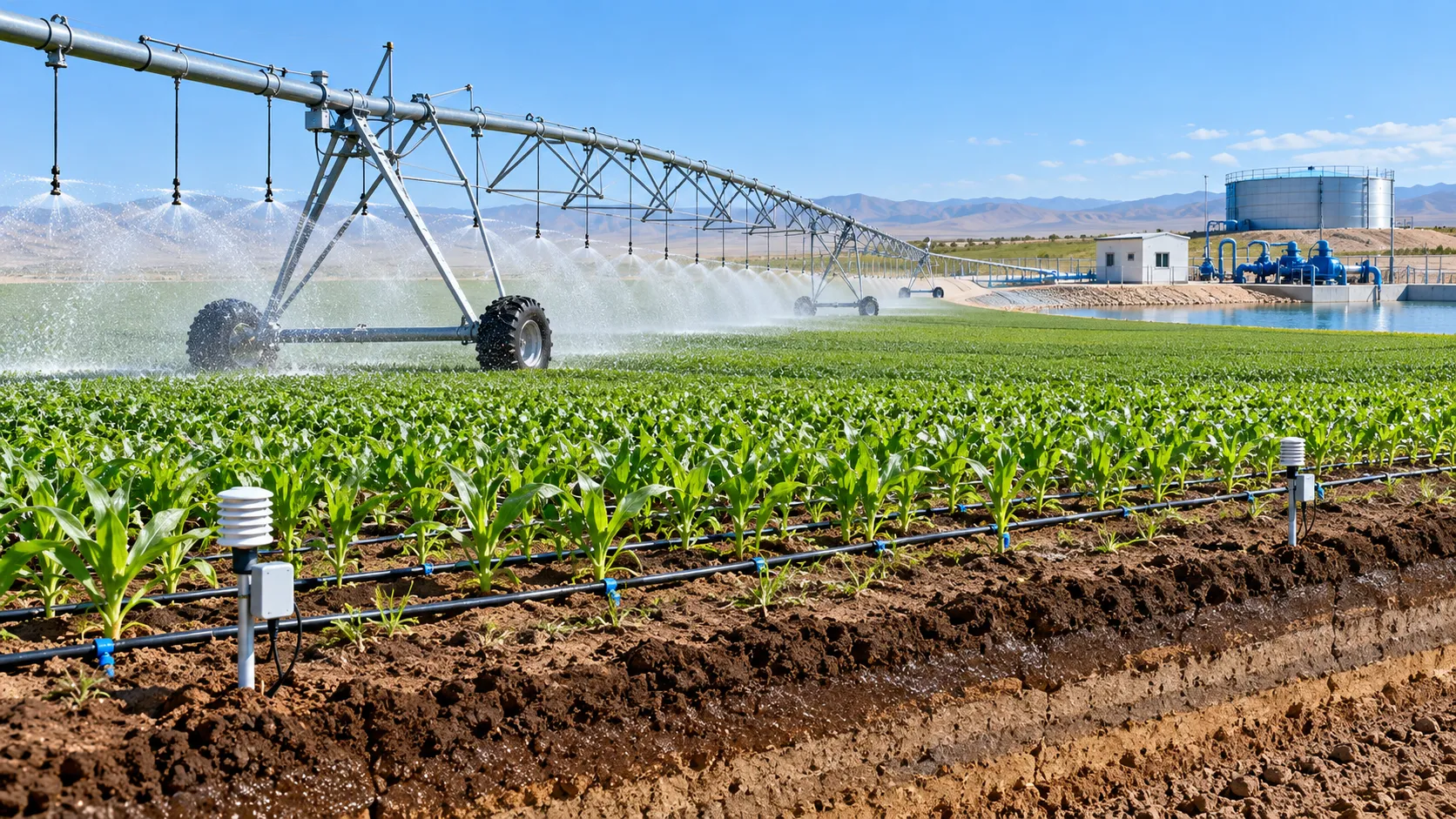
Climate-Smart Farming for Drought: A Practical Plan for Protecting Yields
Climate-smart farming for drought: build smarter water budgets, protect critical crop stages, improve irrigation uniformity, and safeguard yields with practical field-proven strategies.
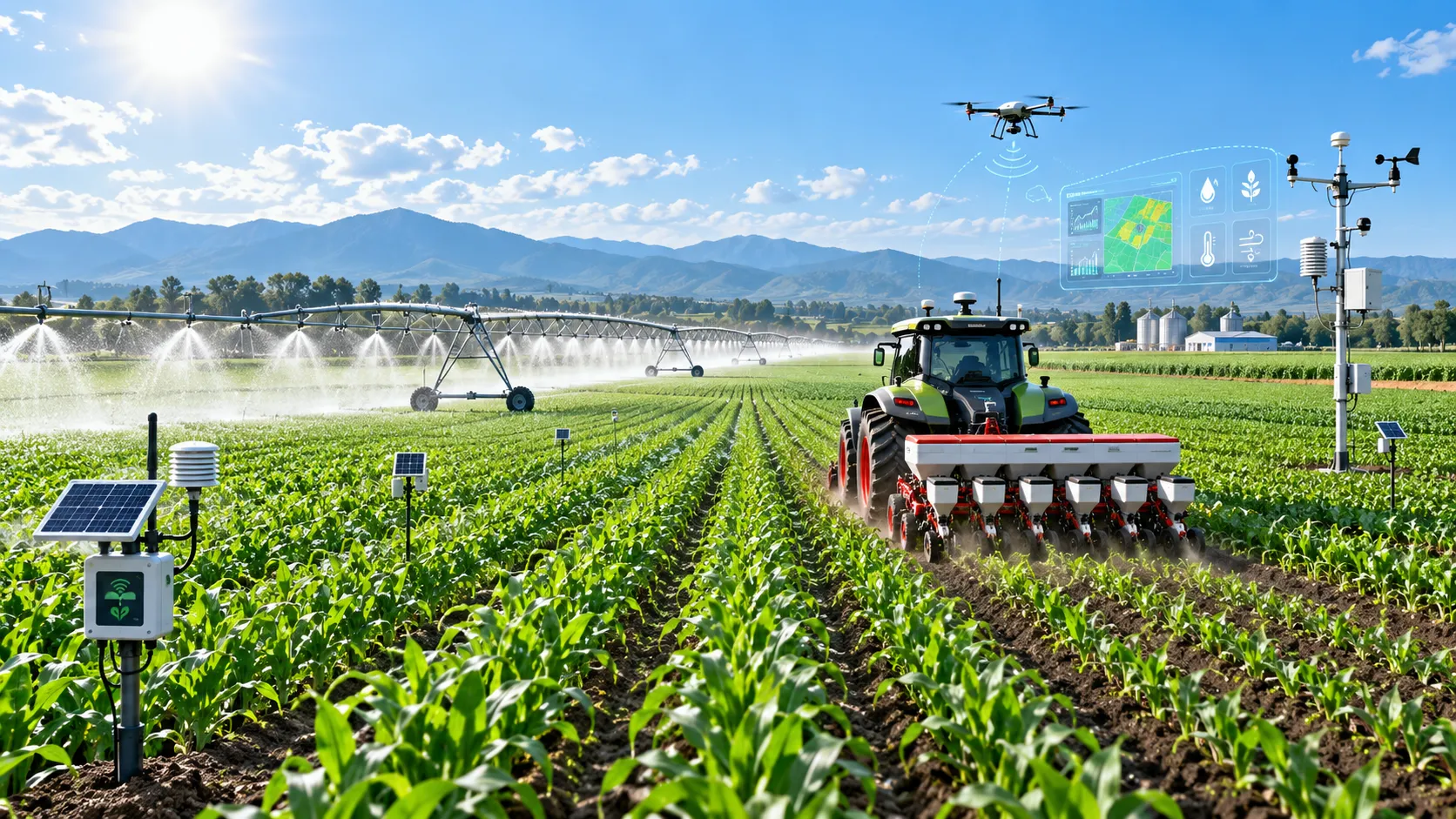
How Digital Agriculture Platforms Turn Field Data Into Better Input Decisions
Digital agriculture platforms turn field data into smarter fertilizer, water, seed, and equipment decisions—helping farms cut risk, improve margins, and scale sustainability.
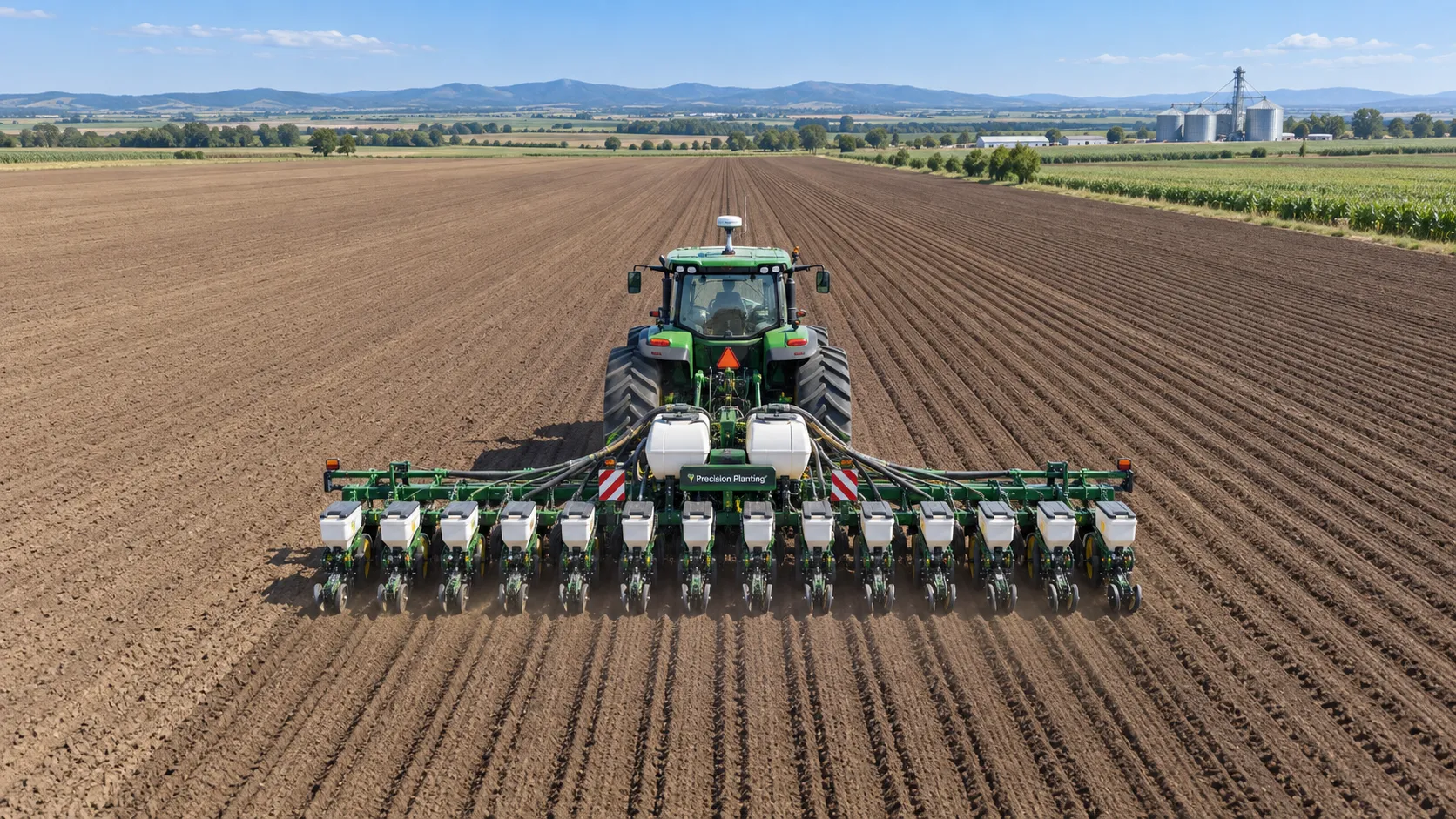
GPS-Guided Farm Machinery: Where It Delivers Measurable Field Efficiency Gains
Agri-mechanization GPS guided systems deliver measurable field efficiency gains through reduced overlap, precise planting, smarter inputs, and reliable farm data.
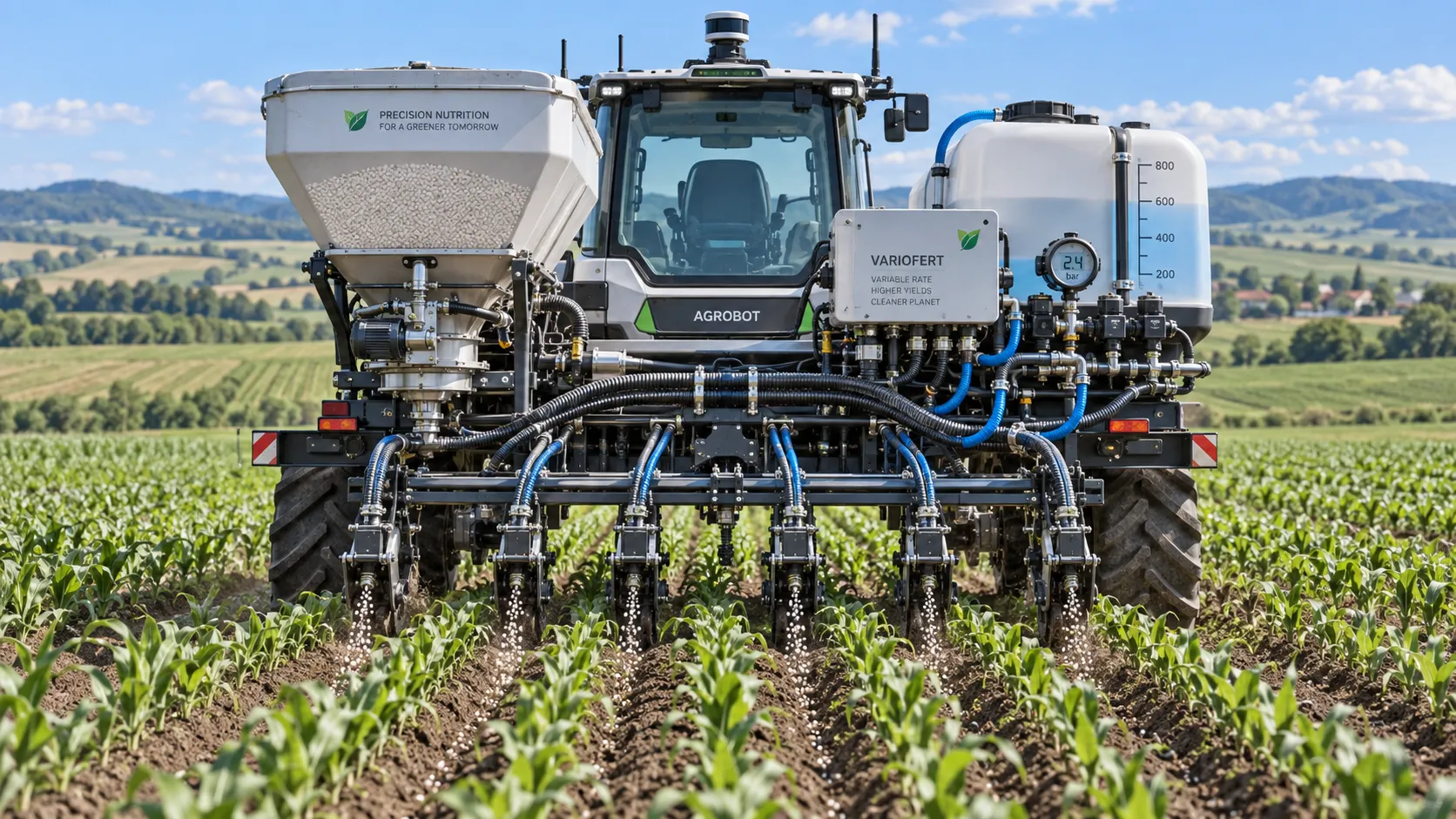
How Sensor Feedback Enables Accurate Variable-Rate Fertilization in Field Conditions
Precision fertilization systems with sensor feedback improve variable-rate accuracy by verifying flow, managing latency, and ensuring reliable field application.
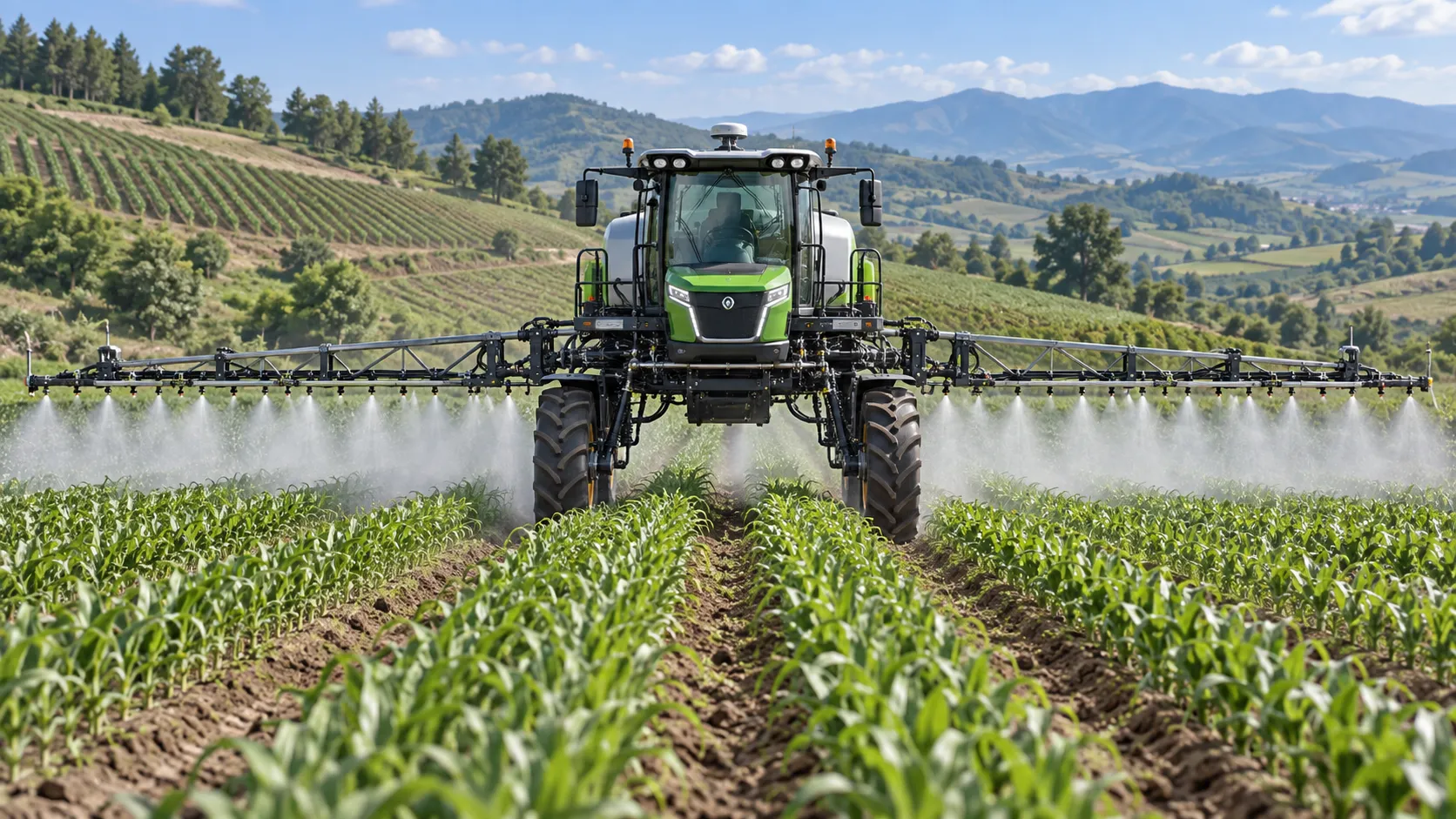
How to Select Precision Crop Protection Equipment for Variable Field Conditions
Precision crop protection equipment selection made simple: compare terrain, canopy, weather, control accuracy, and data workflows for reliable applications.
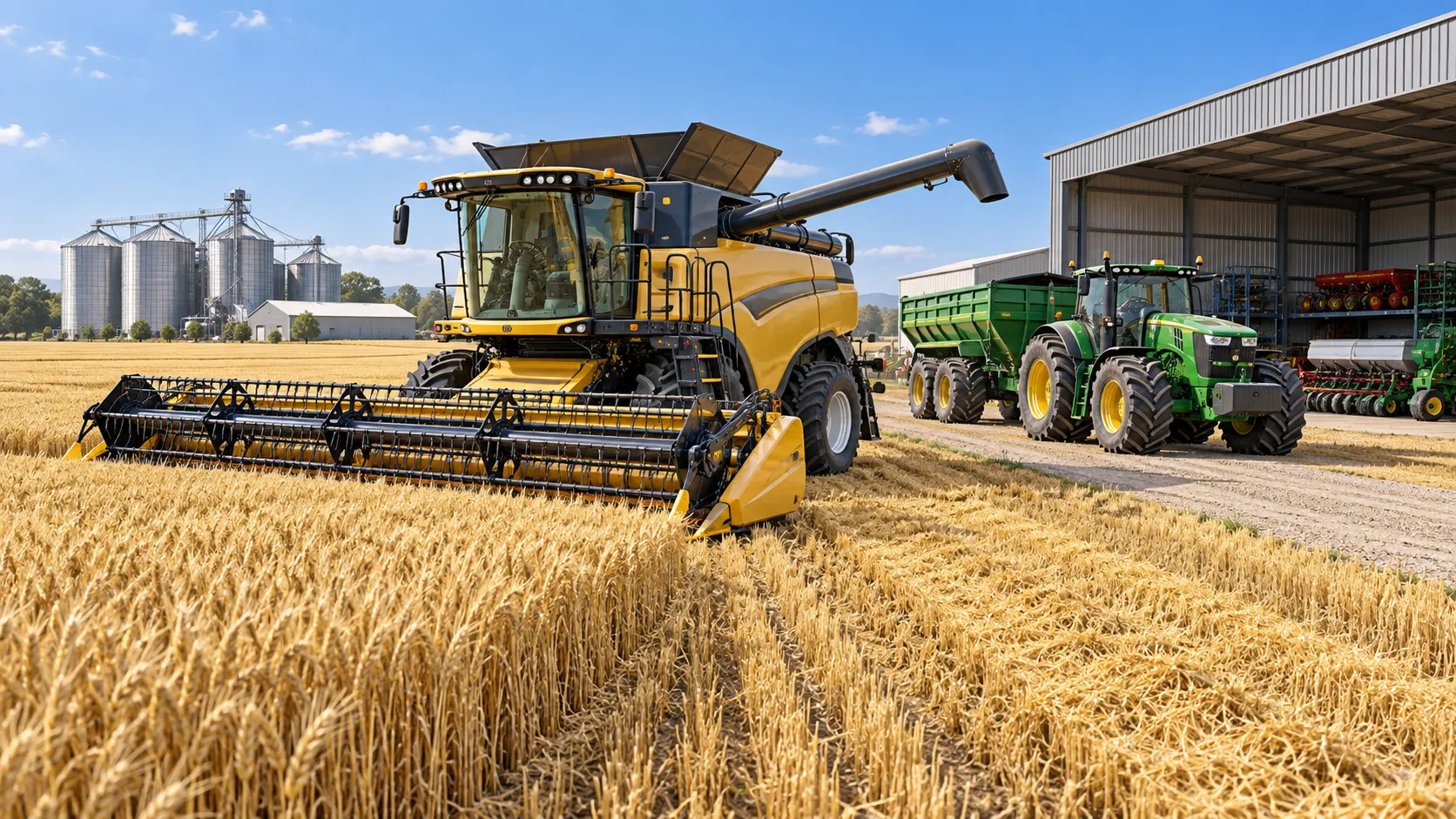
When Does Agricultural Machinery Leasing Cost Less Than Owning Equipment?
Agricultural machinery leasing can lower farm costs when use is seasonal or uncertain. Compare utilization, maintenance, cash flow, and risk to make a smarter equipment decision.
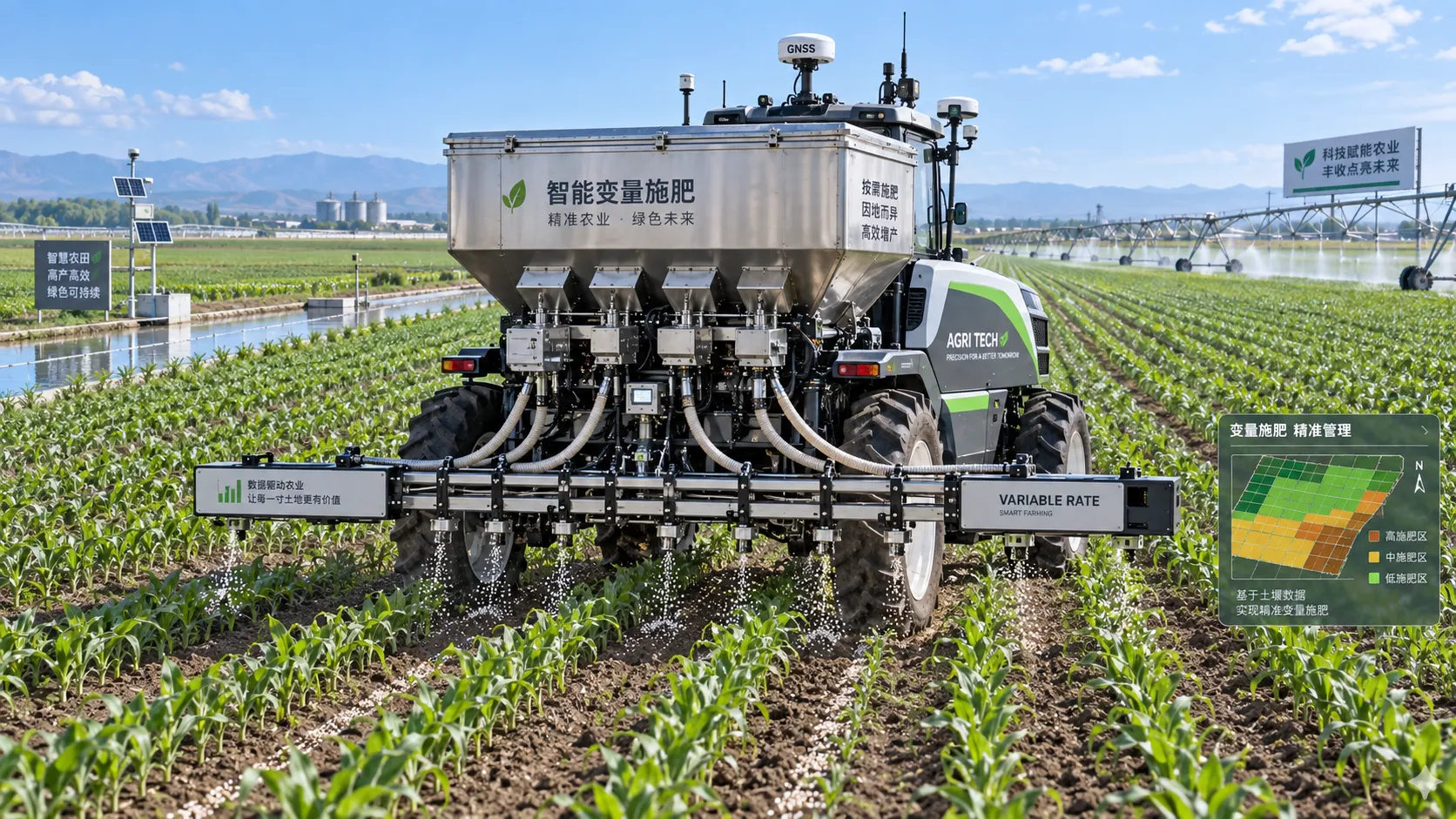
How to Evaluate Precision Fertilization System Suppliers for Farm-Scale Deployment
Precision fertilization systems suppliers: learn how to compare accuracy, integration, uptime, service, and total cost for confident farm-scale deployment.
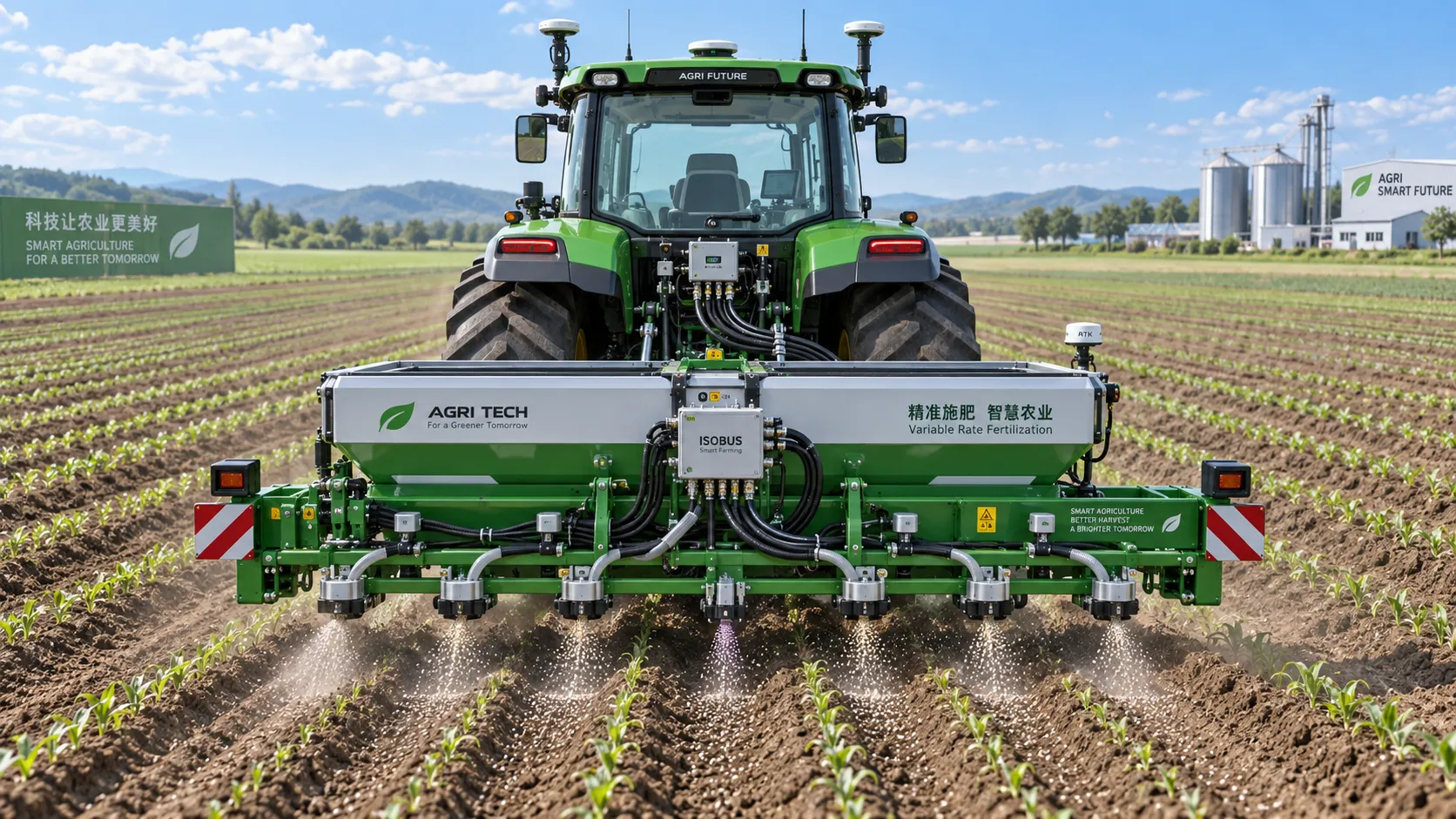
ISOBUS for Smart Agriculture: How It Connects Tractors, Implements, and Farm Data
ISOBUS for smart agriculture connects tractors, implements, terminals, and farm data—helping growers improve precision, documentation, and smarter field decisions.
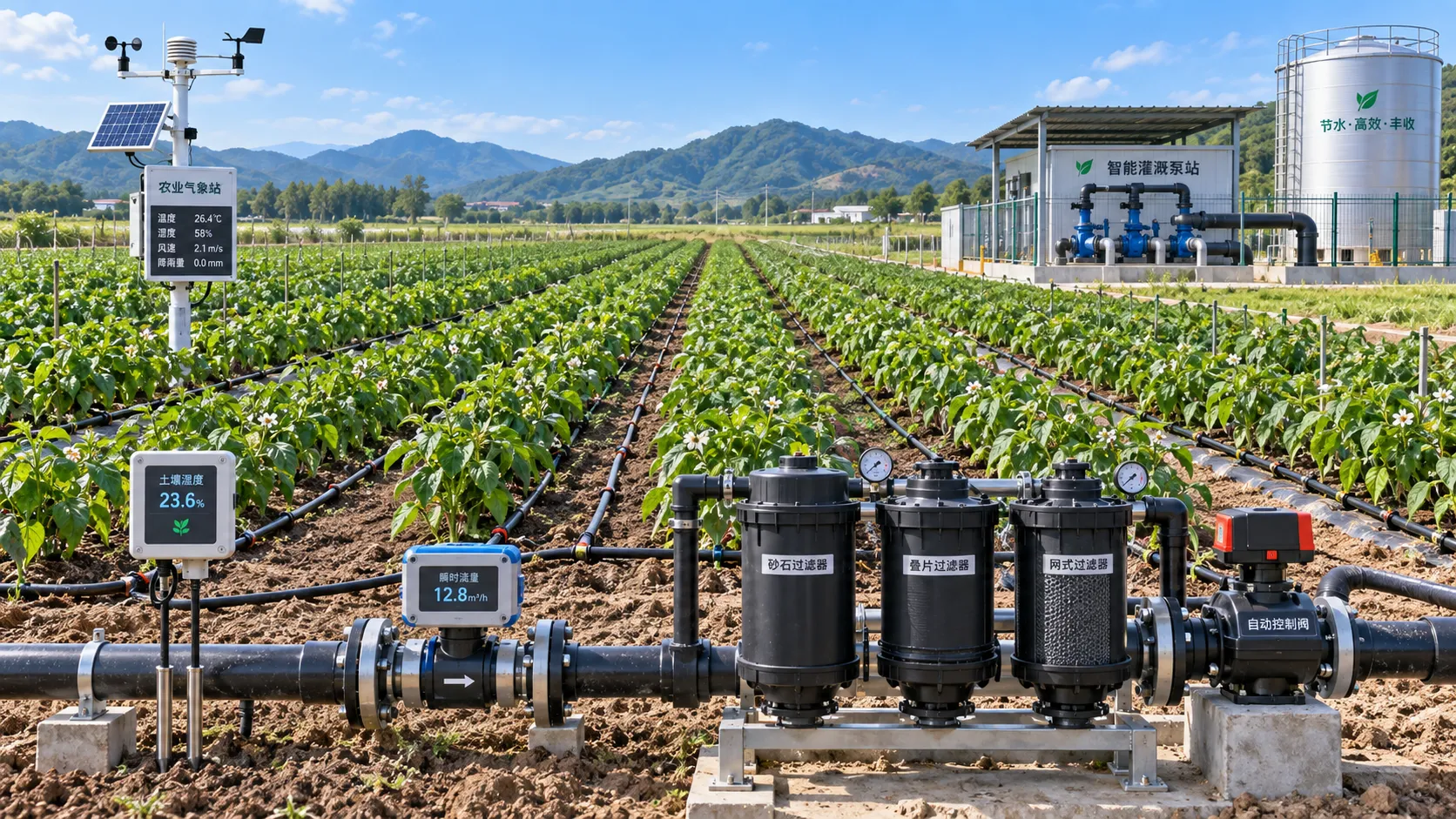
Automated Water-Saving Irrigation: How to Cut Water Use Without Reducing Crop Yields
Automated water-saving irrigation helps farms cut water use, protect crop yields, improve scheduling, and gain reliable control with sensors, flow monitoring, and smart zones.
Related News
- 00
0000-00
How Digital Agriculture Platforms Turn Field Data Into Better Input Decisions - 00
0000-00
When Does Agricultural Machinery Leasing Cost Less Than Owning Equipment? - 00
0000-00
Selecting Grain Farm Equipment by Acreage, Crop Mix, and Harvest Window - 00
0000-00
Poultry Equipment Selection: Evaluating Durability, Cleaning, and Compatibility - 00
0000-00
How to Select Heavy-Duty Farm Implements for High-Acreage, High-Horsepower Operations
Popular Tags
Ms. Elena Rodriguez
Weekly Insights
Stay ahead with our curated technology reports delivered every Monday.