
What Drives Sustainable Farming Practices Cost: Labor, Inputs, Equipment, and Certification




Why does sustainable farming practices cost deserve closer review now?
Sustainable farming practices cost is no longer a side calculation.
It now shapes operating resilience, compliance exposure, and asset performance across modern agriculture.
For many operations, the real question is not whether sustainability adds cost.
It is which costs arrive upfront, which costs fade over time, and which risks become easier to control.
That matters even more in Agriculture 4.0 environments.
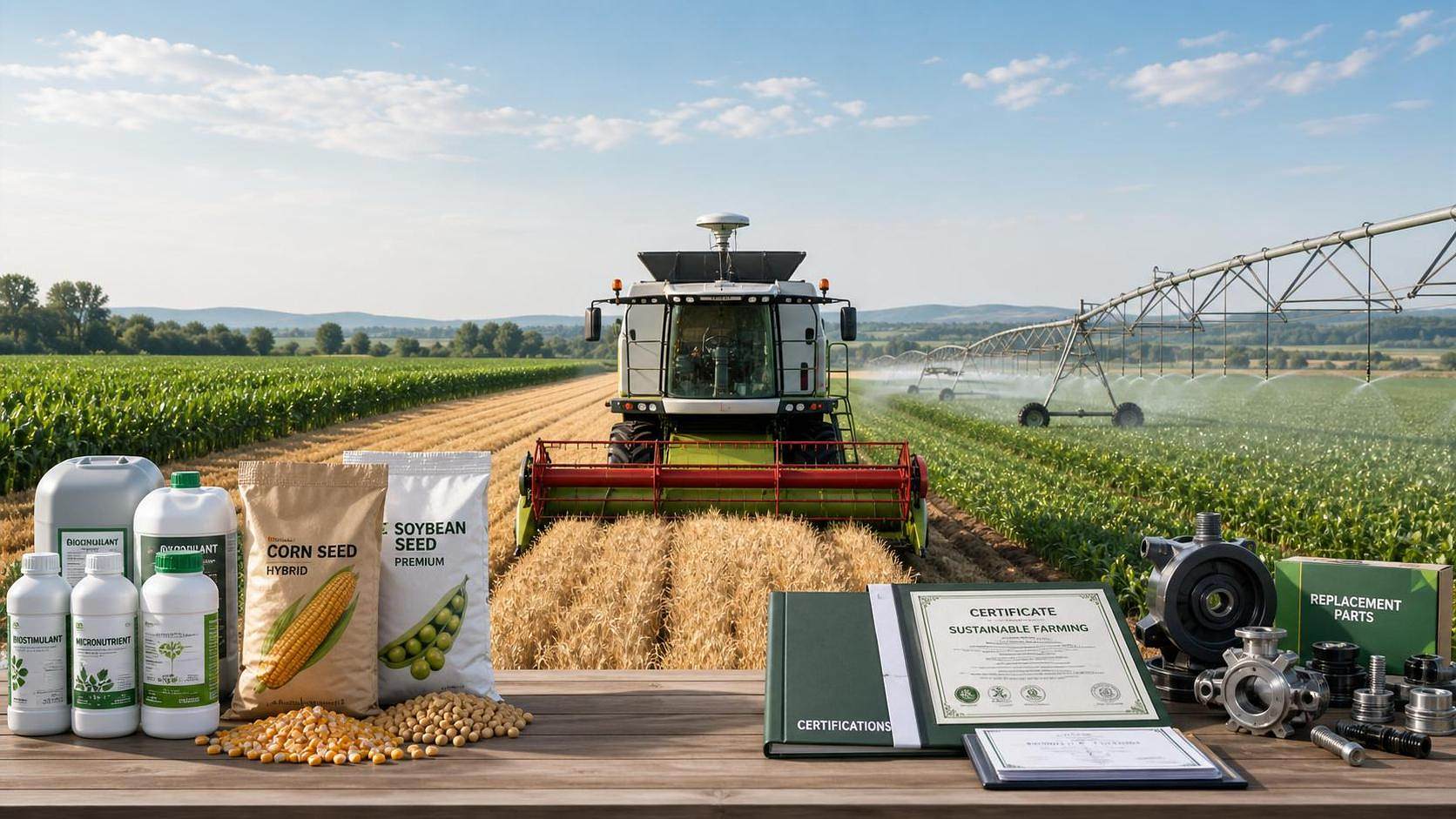
Large-scale machinery, combine harvesters, smart irrigation, and sensor-led field tools change the cost structure itself.
AP-Strategy often tracks this shift through equipment intelligence, field efficiency signals, and evolving environmental standards.
Seen that way, sustainable farming practices cost is tied to labor availability, input precision, machine utilization, and certification readiness.
A narrow budget view can miss the bigger picture.
A broader review usually reveals which spending improves productivity and which spending only adds administrative load.
Where do the biggest cost increases usually come from?
Most farms see four main cost drivers.
They are labor, inputs, equipment, and certification.
Labor often rises first.
More field monitoring, recordkeeping, soil management, and selective treatment can require added hours.
That is especially true during transition years.
Inputs create a more mixed pattern.
Biological products, specialty seed, precision fertilizer programs, and water-saving systems may cost more per unit at first.
Yet blanket application costs often fall when placement improves.
Equipment can be the largest capital line.
Auto-steer upgrades, section control, irrigation automation, low-disturbance tools, and telemetry platforms need careful utilization planning.
Certification is smaller in absolute spend, but it is rarely just a paperwork fee.
It includes audits, documentation systems, traceability effort, staff training, and occasional process redesign.
A practical way to read these cost lines
This is why sustainable farming practices cost should be modeled as a timeline, not a single invoice total.
Does labor always make sustainable farming more expensive?
Not always, but labor is usually the most underestimated variable.
In early adoption, tasks multiply before systems mature.
Teams may spend more time on scouting, calibration, moisture checks, irrigation tuning, and documentation.
However, labor pressure can drop when sustainable programs are paired with precision tools.
Section control reduces overlap.
Variable-rate application cuts unnecessary passes.
Smart irrigation avoids manual water scheduling.
Modern combine analytics can also reduce harvest loss reviews and reactive adjustments.
The more common mistake is approving a sustainability plan without checking labor redesign.
If the operating model stays manual, sustainable farming practices cost can stay stubbornly high.
If workflows are digitized and machine hours are optimized, labor cost may stabilize faster than expected.
How should input and equipment costs be judged together?
This is where many cost reviews go wrong.
Inputs and equipment are often approved in separate discussions, even though they affect each other directly.
A precision nutrient program, for example, has limited value without accurate application hardware and reliable field data.
The same logic applies to water-saving irrigation.
Drip systems, moisture sensing, and evapotranspiration models work best as one operating system.
AP-Strategy follows these linked decisions closely because machinery performance and agronomic efficiency are no longer separate questions.
A better judgment method is to compare cost per effective acre, not cost per component.
- Check whether the new input reduces total application volume.
- Measure whether equipment shortens passes, fuel use, or crop loss.
- Review whether the package lowers weather-related exposure.
- Test whether data quality supports repeatable decisions.
When these links are clear, sustainable farming practices cost becomes easier to defend over a longer planning cycle.
Is certification cost minor, or does it change the whole business case?
Certification is often treated as a small finishing step.
In reality, it can reshape the business case.
The direct fee may be modest.
The indirect cost can be much larger if records, field boundaries, storage flows, and supplier documentation are not ready.
Certification also affects timing.
Some standards require transition periods before claims or premiums can be realized.
That delay changes cash-flow expectations and return calculations.
On the other hand, certification may open access to buyers that value traceable production, water stewardship, or lower emissions intensity.
The right question is not whether certification costs money.
It is whether certification supports a measurable pricing, compliance, or market-access advantage.
Without that link, sustainable farming practices cost can rise without strategic payoff.
Questions worth checking before approval
- Which standard is being targeted, and in which market?
- How long is the transition before recognized value appears?
- What internal reporting process must change?
- Will the farm need separate storage, handling, or audit support?
What signals show the cost is strategic rather than inflated?
A useful answer comes from performance signals, not marketing claims.
The strongest cases usually show one of three patterns.
First, the spend reduces exposure to rising resource constraints.
Water efficiency, nutrient precision, and controlled traffic can matter more when climate volatility increases.
Second, the spend lifts machine productivity.
That includes lower harvest loss, fewer duplicate passes, and better uptime from integrated machine intelligence.
Third, the spend improves decision quality.
Better field data can tighten irrigation, fertilizer, and harvest timing decisions across seasons.
A weak case looks different.
Costs are fragmented, metrics are vague, and no one can explain how the new practice changes field execution.
That is when sustainable farming practices cost tends to drift upward without durable return.
How can the next approval cycle be made more reliable?
Start by separating one-time transition cost from recurring operating cost.
That prevents short-term implementation spend from distorting the long-term picture.
Then connect every major cost line to a field outcome.
Examples include fuel reduction, irrigation savings, yield preservation, lower residue loss, or compliance readiness.
It also helps to review equipment and agronomy together.
That approach fits the way AP-Strategy analyzes modern agriculture: machinery, data, and sustainability now move as one system.
Before the next decision round, build a short evaluation sheet covering:
- Transition period and expected cash-flow effect
- Labor redesign needs during implementation
- Equipment utilization rate after deployment
- Input savings supported by real field data
- Certification value tied to actual market channels
In plain terms, sustainable farming practices cost should be judged as a managed investment path.
The better the links between labor, inputs, equipment, and certification, the stronger the approval logic becomes.
The next step is to compare planned spend against measurable operating outcomes and timeline risks before capital is committed.
Related News
Climate-Smart Farming for Drought: A Practical Plan for Protecting Yields
Climate-smart farming for drought: build smarter water budgets, protect critical crop stages, improve irrigation uniformity, and safeguard yields with practical field-proven strategies.
How Digital Agriculture Platforms Turn Field Data Into Better Input Decisions
Digital agriculture platforms turn field data into smarter fertilizer, water, seed, and equipment decisions—helping farms cut risk, improve margins, and scale sustainability.
GPS-Guided Farm Machinery: Where It Delivers Measurable Field Efficiency Gains
Agri-mechanization GPS guided systems deliver measurable field efficiency gains through reduced overlap, precise planting, smarter inputs, and reliable farm data.
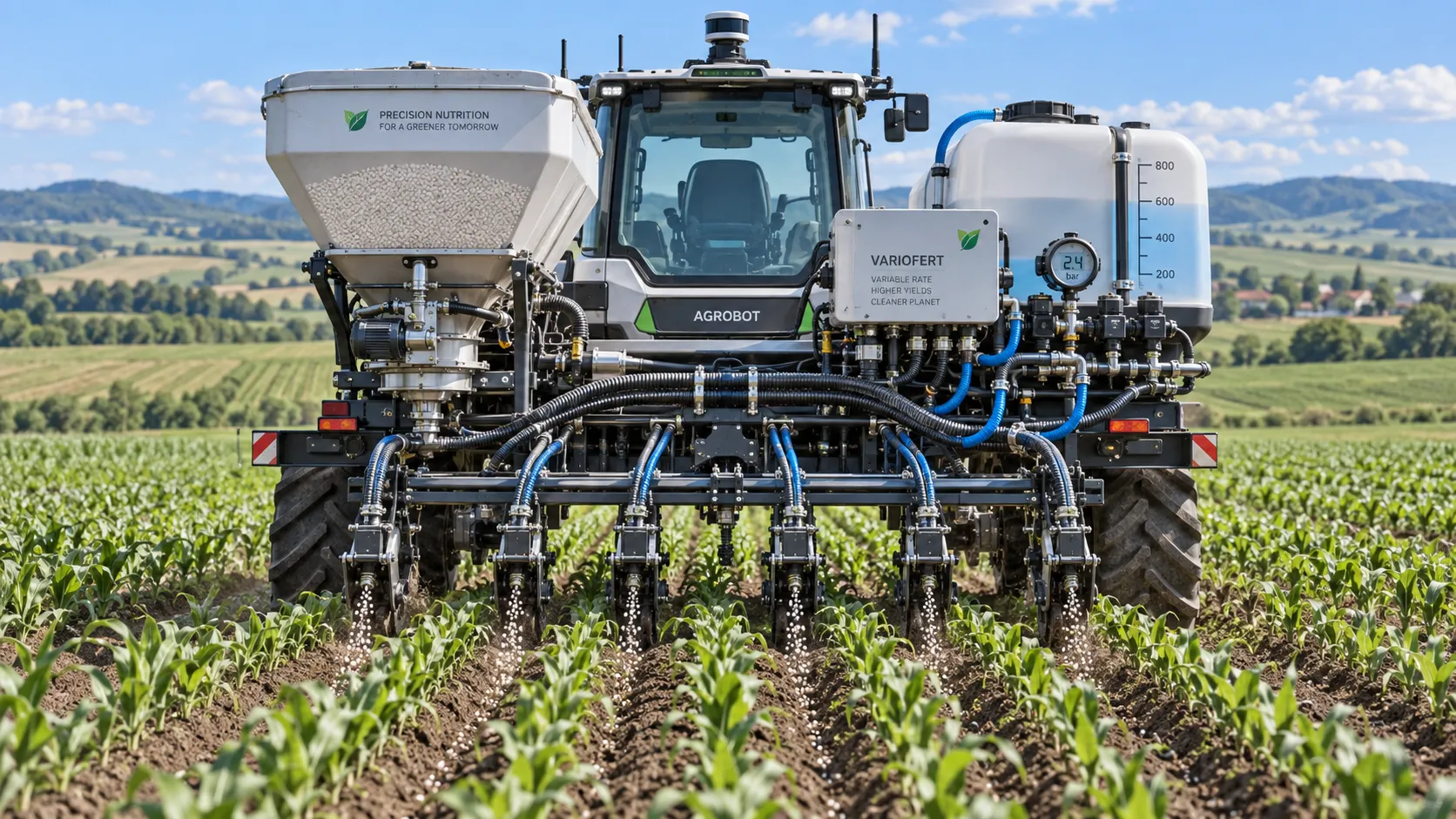
How Sensor Feedback Enables Accurate Variable-Rate Fertilization in Field Conditions
Precision fertilization systems with sensor feedback improve variable-rate accuracy by verifying flow, managing latency, and ensuring reliable field application.
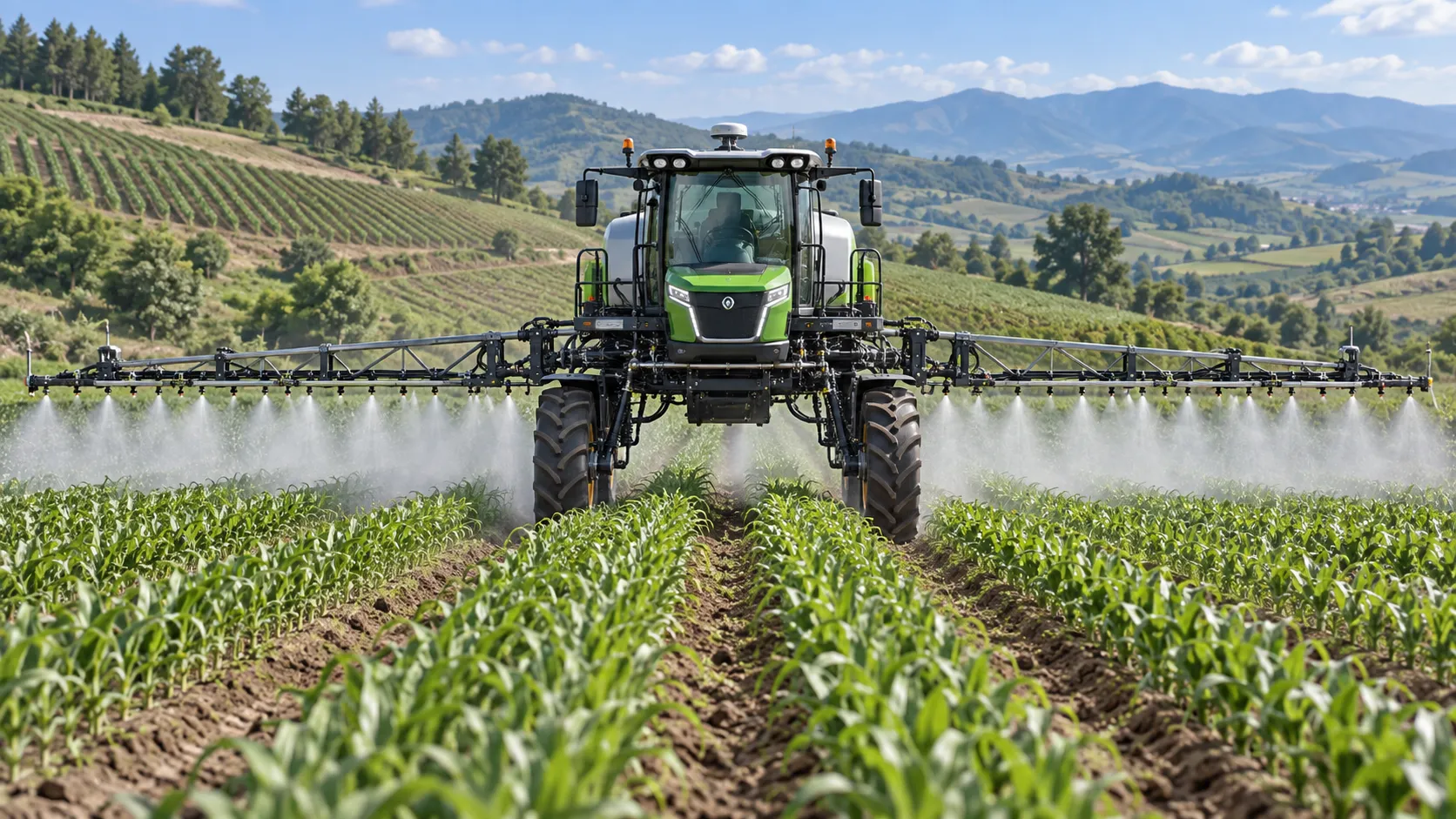
How to Select Precision Crop Protection Equipment for Variable Field Conditions
Precision crop protection equipment selection made simple: compare terrain, canopy, weather, control accuracy, and data workflows for reliable applications.

When Does Agricultural Machinery Leasing Cost Less Than Owning Equipment?
Agricultural machinery leasing can lower farm costs when use is seasonal or uncertain. Compare utilization, maintenance, cash flow, and risk to make a smarter equipment decision.

How to Evaluate Precision Fertilization System Suppliers for Farm-Scale Deployment
Precision fertilization systems suppliers: learn how to compare accuracy, integration, uptime, service, and total cost for confident farm-scale deployment.

ISOBUS for Smart Agriculture: How It Connects Tractors, Implements, and Farm Data
ISOBUS for smart agriculture connects tractors, implements, terminals, and farm data—helping growers improve precision, documentation, and smarter field decisions.
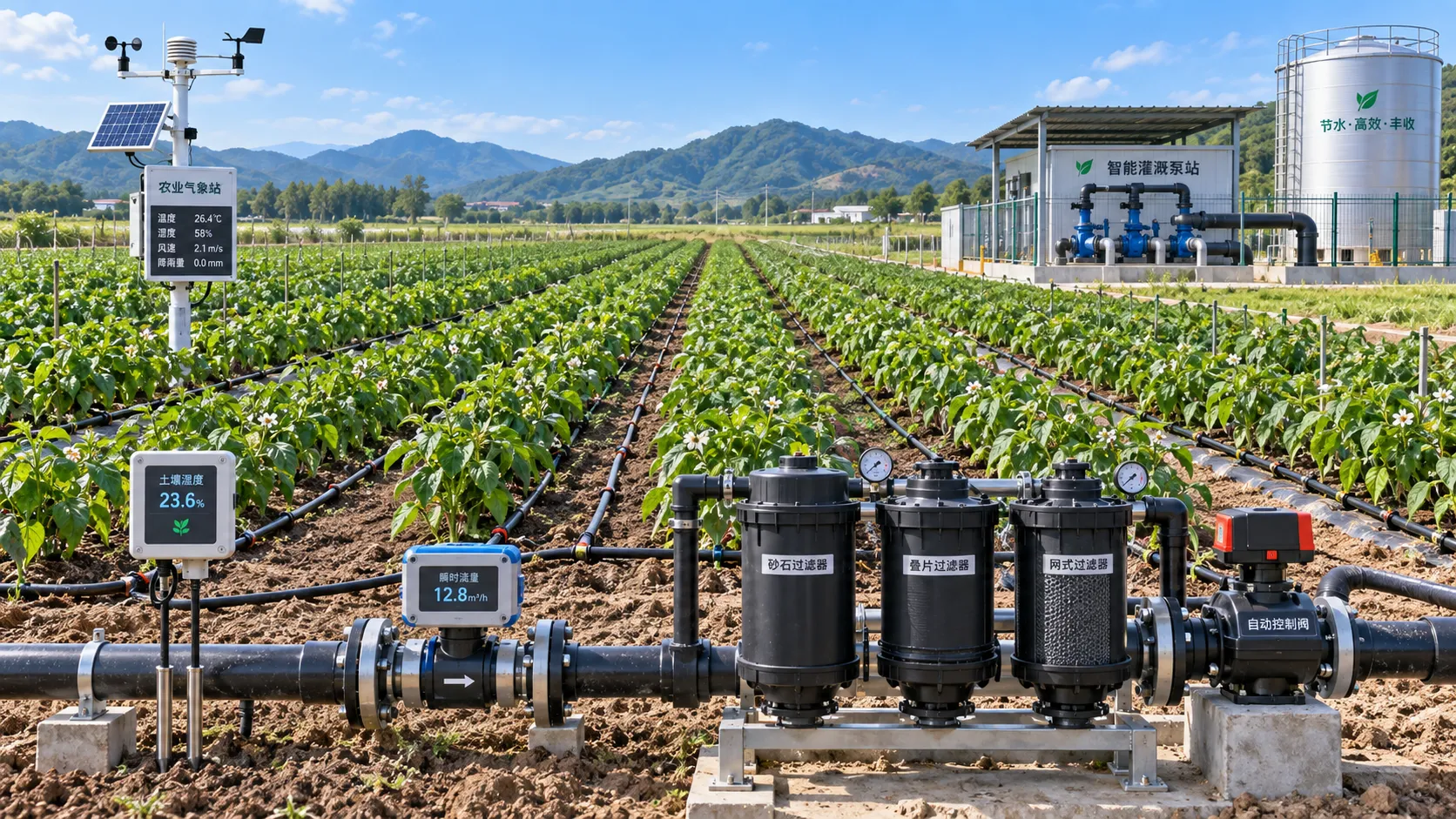
Automated Water-Saving Irrigation: How to Cut Water Use Without Reducing Crop Yields
Automated water-saving irrigation helps farms cut water use, protect crop yields, improve scheduling, and gain reliable control with sensors, flow monitoring, and smart zones.
Related News
- 00
0000-00
How Digital Agriculture Platforms Turn Field Data Into Better Input Decisions - 00
0000-00
When Does Agricultural Machinery Leasing Cost Less Than Owning Equipment? - 00
0000-00
Selecting Grain Farm Equipment by Acreage, Crop Mix, and Harvest Window - 00
0000-00
Poultry Equipment Selection: Evaluating Durability, Cleaning, and Compatibility - 00
0000-00
How to Select Heavy-Duty Farm Implements for High-Acreage, High-Horsepower Operations
Popular Tags
Ms. Elena Rodriguez
Weekly Insights
Stay ahead with our curated technology reports delivered every Monday.