
How to Evaluate Agricultural Equipment Sourcing Companies for Large Farm Procurement
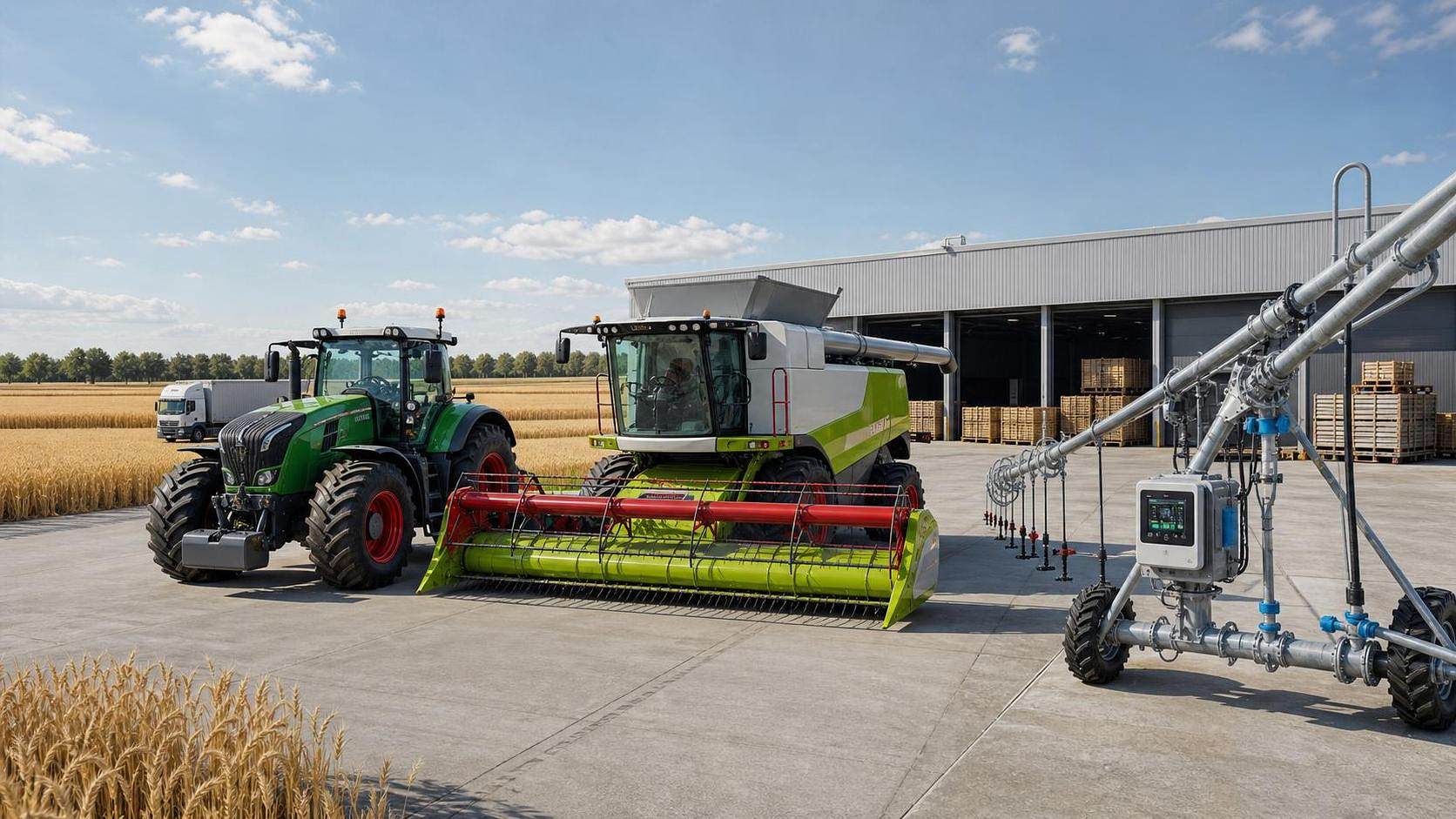




How to Evaluate Agricultural Equipment Sourcing Companies for Large Farm Procurement
For large farm procurement, supplier choice shapes cost, uptime, and long-term field performance.
That is why evaluating agricultural equipment sourcing companies requires more than comparing quotes.
A low purchase price can hide weak service coverage, slow parts support, or poor technical matching.
In practical buying cycles, those issues usually cost more than the initial discount.
The better approach is to assess sourcing partners through performance, supply resilience, and commercial discipline.
Start with Fit, Not Catalog Size
Many agricultural equipment sourcing companies promote wide product ranges as a major advantage.
Range matters, but farm fit matters more.
A supplier should understand crop type, field scale, soil conditions, labor availability, and seasonal pressure.
This is especially important for combines, tractor chassis, irrigation systems, and precision tools.
Ask whether the company recommends equipment based on operating data or simply pushes available inventory.
A credible sourcing partner will ask detailed questions before offering a shortlist.
- Expected annual working hours
- Peak harvest or planting window
- Fuel efficiency targets
- Required automation or GPS integration
- Water use efficiency goals for irrigation assets
If that discovery step is missing, the sourcing process is already weak.
Check Technical Depth and Product Validation
Strong agricultural equipment sourcing companies do more than broker transactions.
They understand machine architecture, field performance, and failure patterns.
This becomes critical when comparing similar models with different drivetrain, hydraulic, or control systems.
Recent market shifts make this even more important.
Large farms now expect compatibility with precision farming platforms, sensor inputs, and telematics dashboards.
That means buyers should request evidence, not broad technical claims.
- Field test records under similar crop or climate conditions
- Maintenance schedules and expected wear-part cycles
- Data on fuel use, grain loss, water efficiency, or operating capacity
- Compliance documents, safety standards, and emissions certifications
- Software support details for connected or semi-autonomous equipment
The best agricultural equipment sourcing companies can explain why one machine fits a workload better than another.
Evaluate Supply Chain Stability and Delivery Risk
Procurement cost is not limited to unit price.
Late delivery can disrupt land preparation, seeding, crop care, or harvest timing.
For that reason, agricultural equipment sourcing companies must be reviewed as supply chain operators.
Look at their manufacturing relationships, export history, logistics partners, and spare parts stocking model.
A company may sell quality equipment but still fail on delivery reliability.
In real buying situations, this is often where hidden risk appears.
Ask for actual examples of delayed shipments and how the company handled them.
Measure Service Capacity After the Sale
Service is where average agricultural equipment sourcing companies separate from strong ones.
Large farms cannot afford long downtime during narrow seasonal windows.
That makes post-sale support a procurement issue, not just an operations issue.
Review whether the supplier provides remote diagnostics, field technician coordination, and operator training.
For smart irrigation and intelligent farm tools, software support is equally important.
A machine with advanced features loses value if the farm team cannot use them properly.
- Warranty terms with clear coverage boundaries
- Time-to-response commitments for breakdown support
- Training materials for operators and maintenance staff
- Access to firmware updates or calibration support
- Escalation path for urgent technical cases
Service level terms should be written into commercial agreements wherever possible.
Compare Total Cost of Ownership, Not Purchase Price Alone
This is where many sourcing decisions go off track.
Agricultural equipment sourcing companies often compete aggressively on upfront pricing.
However, large farm procurement should focus on total cost over the asset lifecycle.
A cheaper machine may consume more fuel, require more labor, or face more frequent stoppages.
That changes the real economics very quickly.
Build a side-by-side cost model before selecting agricultural equipment sourcing companies.
- Purchase price and financing terms
- Freight, import duty, and installation cost
- Fuel, energy, or water consumption
- Planned maintenance and wear parts cost
- Downtime exposure during critical farm windows
- Residual value or resale potential
This framework also makes supplier discussions more objective and easier to defend internally.
Assess Commercial Transparency and Risk Sharing
Reliable agricultural equipment sourcing companies are transparent about price structure and delivery obligations.
Unclear quotations usually create problems later.
Review whether the offer separates equipment value, accessories, shipping, commissioning, and service costs.
Also check payment milestones and cancellation terms.
A mature supplier is usually willing to share some delivery or performance risk.
That may include penalty clauses, spare parts commitments, or acceptance testing standards.
When agricultural equipment sourcing companies avoid specifics, that hesitation is itself useful data.
Look for Strategic Value Beyond the Transaction
The strongest agricultural equipment sourcing companies help buyers make better long-range decisions.
They bring market intelligence, technology trend awareness, and realistic upgrade planning.
This matters as farms adopt automation, data-driven maintenance, and resource-saving equipment standards.
For example, a useful partner can explain when to prioritize autonomous guidance, variable-rate application, or smarter irrigation control.
That kind of guidance supports better capital allocation across multiple procurement cycles.
It also aligns equipment investment with productivity, sustainability, and labor efficiency targets.
A Practical Shortlist Process
To compare agricultural equipment sourcing companies fairly, use a structured scoring model.
Keep the model simple enough for internal alignment, but detailed enough for real decisions.
- Define technical requirements by crop, acreage, and operating window.
- Invite three to five agricultural equipment sourcing companies to respond.
- Score each supplier on fit, service, cost, delivery, and compliance.
- Request customer references from similar farm operations.
- Validate parts support and escalation contacts before contract award.
- Use total cost and operational risk as final tie-breakers.
This process reduces bias toward brand image or headline discounts.
More importantly, it improves the quality of procurement decisions under time pressure.
In the current market, the right agricultural equipment sourcing companies are not just vendors. They are risk managers, technical filters, and long-term procurement partners. Evaluate them with that standard, and large farm investments become easier to justify, easier to operate, and far more resilient over time.
Related News
GPS-Guided Farm Machinery: Where It Delivers Measurable Field Efficiency Gains
Agri-mechanization GPS guided systems deliver measurable field efficiency gains through reduced overlap, precise planting, smarter inputs, and reliable farm data.
How Sensor Feedback Enables Accurate Variable-Rate Fertilization in Field Conditions
Precision fertilization systems with sensor feedback improve variable-rate accuracy by verifying flow, managing latency, and ensuring reliable field application.
How to Select Precision Crop Protection Equipment for Variable Field Conditions
Precision crop protection equipment selection made simple: compare terrain, canopy, weather, control accuracy, and data workflows for reliable applications.
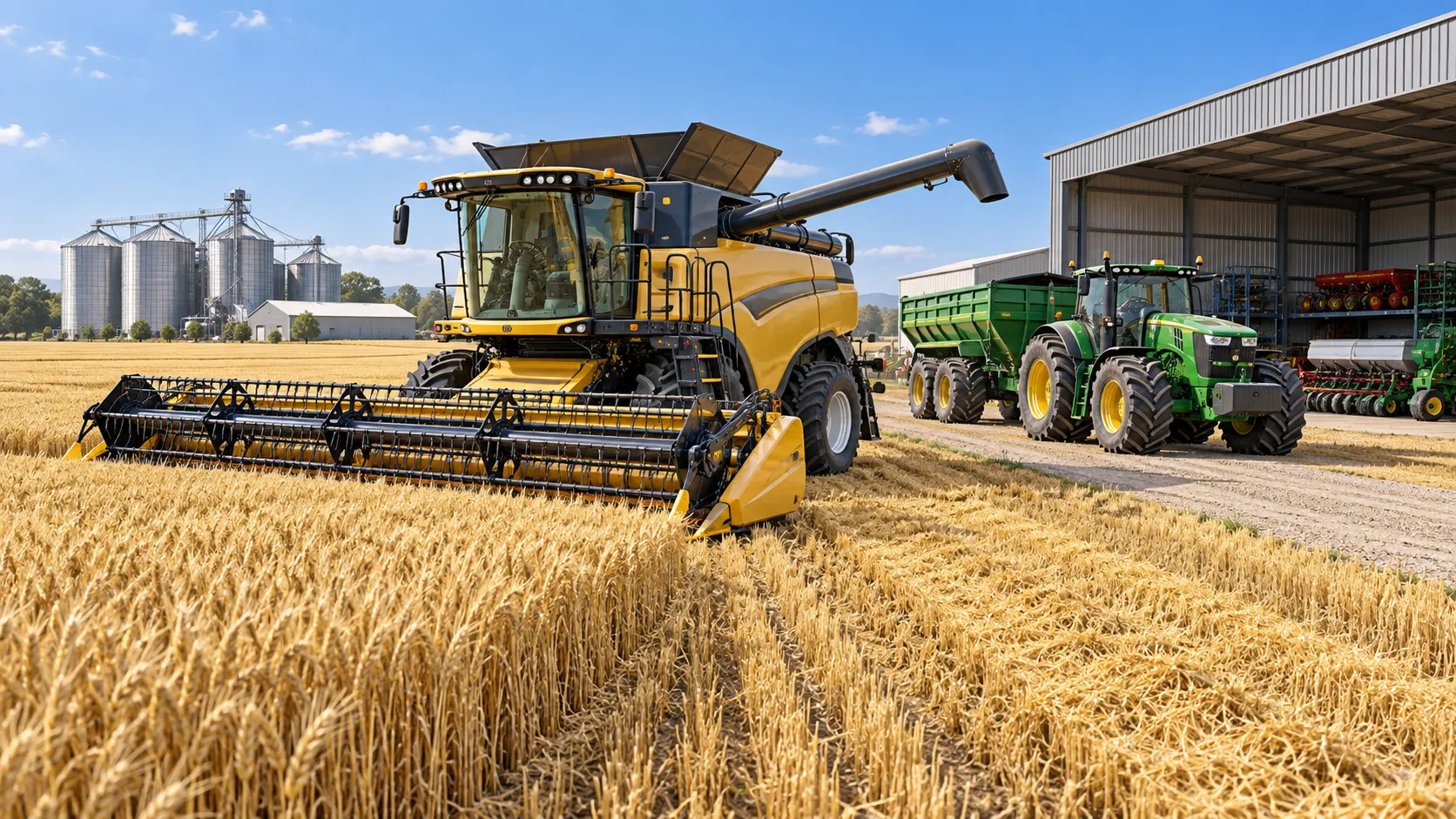
When Does Agricultural Machinery Leasing Cost Less Than Owning Equipment?
Agricultural machinery leasing can lower farm costs when use is seasonal or uncertain. Compare utilization, maintenance, cash flow, and risk to make a smarter equipment decision.
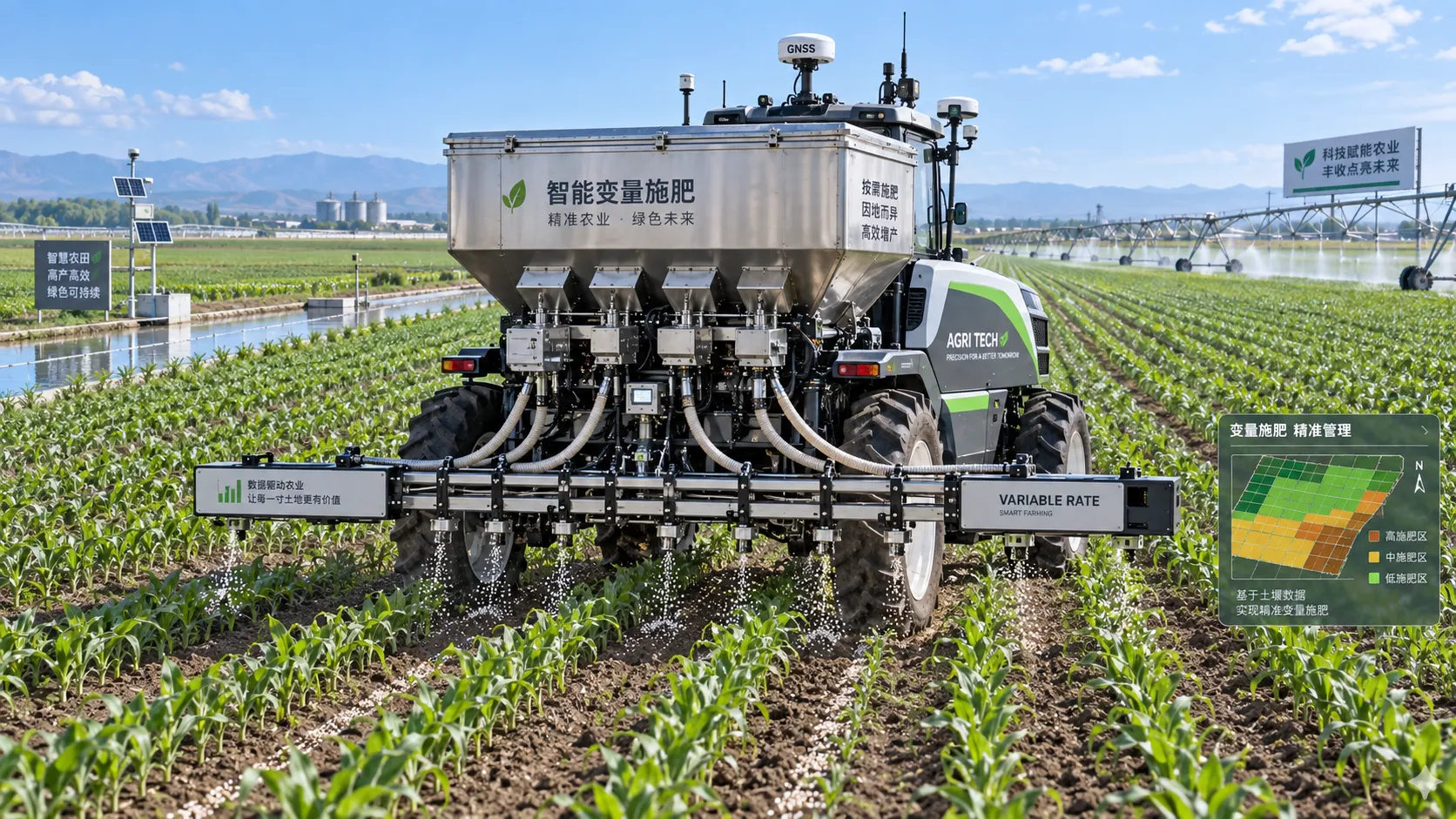
How to Evaluate Precision Fertilization System Suppliers for Farm-Scale Deployment
Precision fertilization systems suppliers: learn how to compare accuracy, integration, uptime, service, and total cost for confident farm-scale deployment.
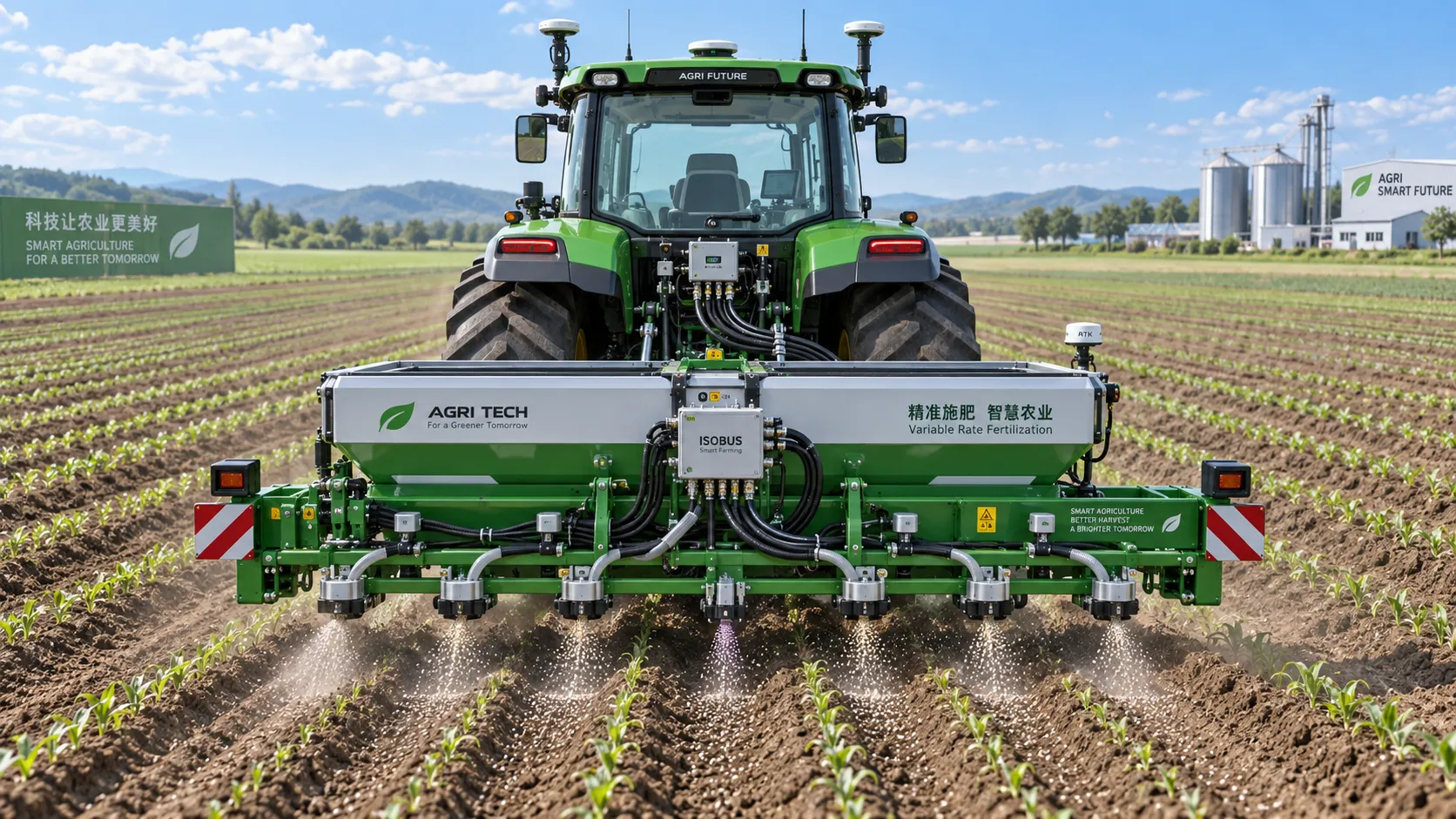
ISOBUS for Smart Agriculture: How It Connects Tractors, Implements, and Farm Data
ISOBUS for smart agriculture connects tractors, implements, terminals, and farm data—helping growers improve precision, documentation, and smarter field decisions.
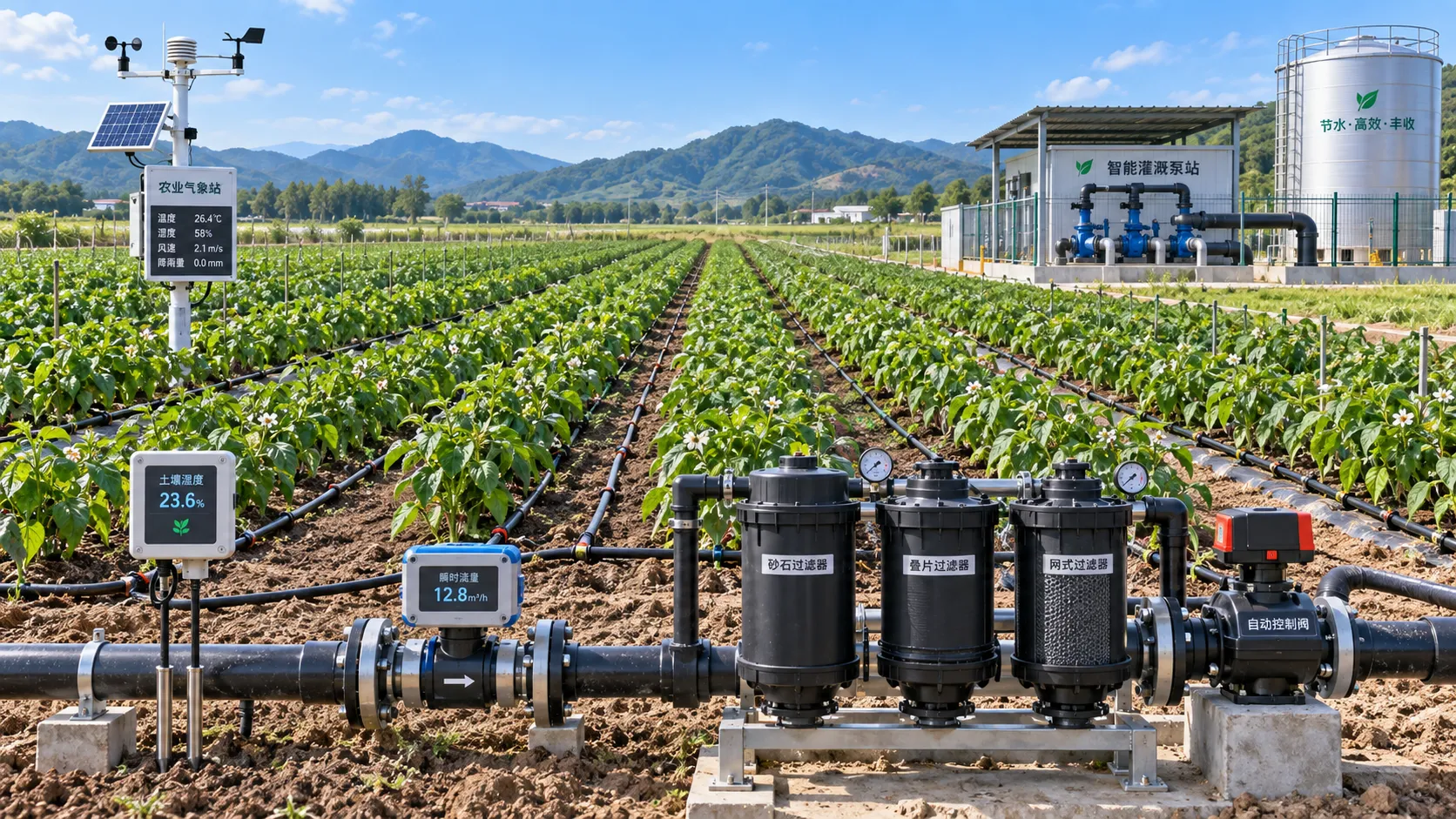
Automated Water-Saving Irrigation: How to Cut Water Use Without Reducing Crop Yields
Automated water-saving irrigation helps farms cut water use, protect crop yields, improve scheduling, and gain reliable control with sensors, flow monitoring, and smart zones.
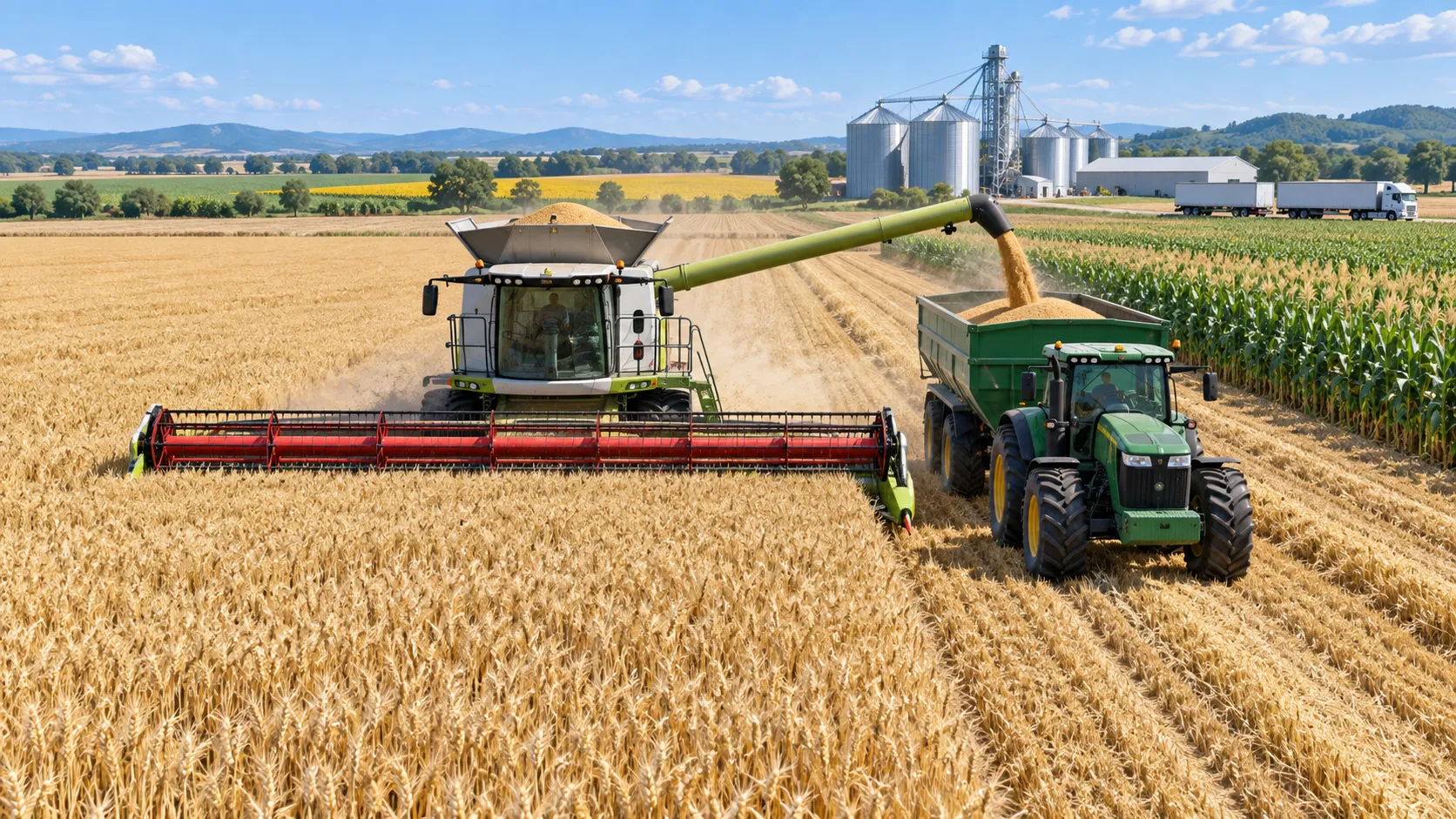
Selecting Grain Farm Equipment by Acreage, Crop Mix, and Harvest Window
Agricultural equipment selection for grain farming: match machinery to acreage, crop mix, and harvest windows to improve uptime, efficiency, and returns.
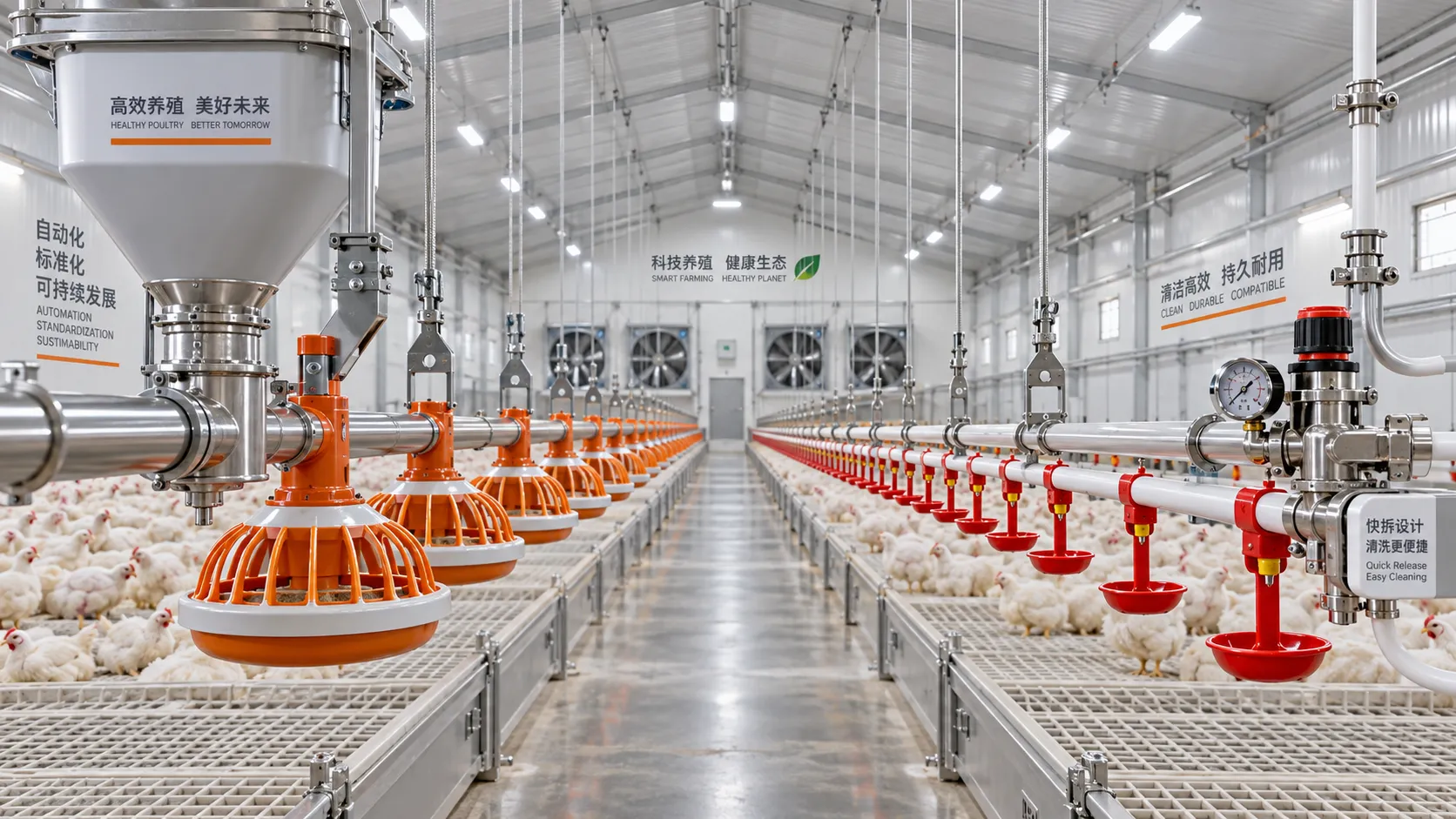
Poultry Equipment Selection: Evaluating Durability, Cleaning, and Compatibility
Poultry equipments selection guide: evaluate durability, cleaning access, and system compatibility to improve hygiene, reduce downtime, and support efficient flock management.
Related News
- 00
0000-00
When Does Agricultural Machinery Leasing Cost Less Than Owning Equipment? - 00
0000-00
Selecting Grain Farm Equipment by Acreage, Crop Mix, and Harvest Window - 00
0000-00
Poultry Equipment Selection: Evaluating Durability, Cleaning, and Compatibility - 00
0000-00
How to Select Heavy-Duty Farm Implements for High-Acreage, High-Horsepower Operations - 00
0000-00
Smart Farming Technology for Dairy Farms: Where Automation Delivers Measurable ROI
Popular Tags
Ms. Elena Rodriguez
Weekly Insights
Stay ahead with our curated technology reports delivered every Monday.