
How to Evaluate a Tractor Chassis Manufacturer: Materials, Load Capacity, and OEM Support
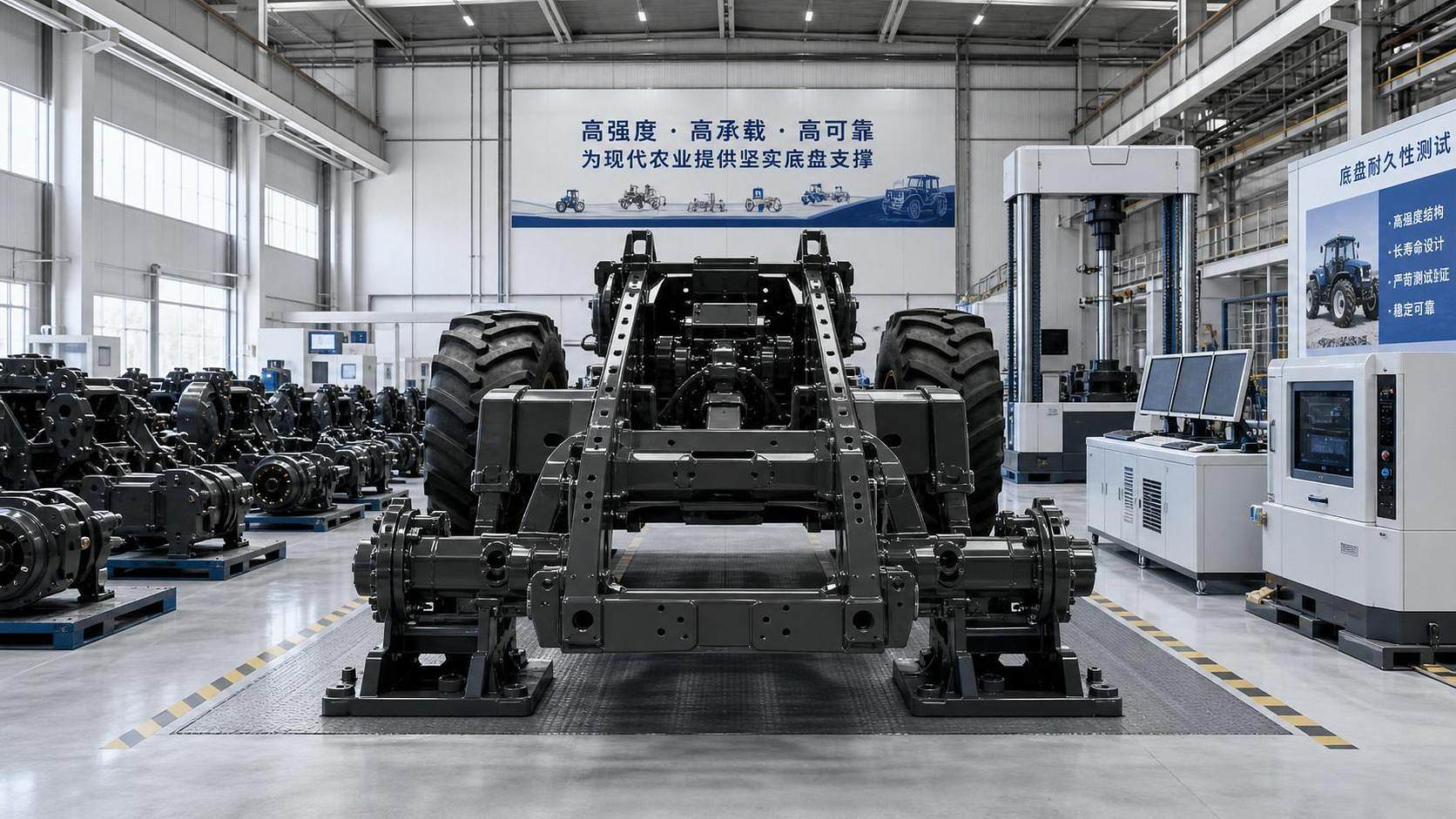




Selecting a tractor chassis manufacturer is rarely a simple price comparison. In agricultural equipment, the chassis carries torque, shock, ballast, mounted tools, and long seasonal duty cycles. That makes material quality, verified load capacity, and OEM support central to any sound sourcing decision.
The issue matters even more as Agriculture 4.0 pushes tractors into heavier, smarter, and more connected work. AP-Strategy tracks this shift across large-scale machinery, intelligent farm tools, and sustainability-driven equipment planning, where chassis reliability influences uptime, service life, and total operating cost.
Why the chassis deserves closer attention
A tractor chassis is more than a frame. It is the structural platform that connects powertrain, axles, hydraulics, cab systems, and mounted implements under real field stress.
When the chassis is underspecified, failures do not stay isolated. Cracks, misalignment, vibration, and premature wear can spread into driveline components, hydraulic routing, steering response, and operator comfort.
This is why a qualified tractor chassis manufacturer should be evaluated as a long-term engineering partner, not only as a metal parts supplier.
Materials tell the first part of the story
Material selection sets the baseline for structural strength, fatigue resistance, corrosion behavior, and repairability. Yet many supplier comparisons stop at generic steel grades, which is not enough.
Look beyond the label
A capable tractor chassis manufacturer should specify exact material standards, yield strength, tensile strength, thickness ranges, and heat-treatment conditions where relevant.
The difference between standard structural steel and high-strength low-alloy steel can be significant. Weight reduction may improve fuel efficiency, but only if weld integrity and fatigue performance remain stable.
Check process consistency
Raw material quality is only one layer. Cutting precision, forming methods, weld sequence control, stress relief, and surface treatment all affect final performance.
In practice, buyers should ask for material certificates, weld procedure specifications, coating details, and traceability records by batch or serial lot.
Corrosion is a practical cost issue
Field equipment faces fertilizer residue, water exposure, mud abrasion, and transport contamination. A tractor chassis manufacturer that cannot explain coating thickness, pretreatment, and salt-spray performance creates avoidable lifecycle risk.
Load capacity should be proven, not assumed
Load capacity is often presented as a headline number. For evaluation purposes, that number only matters when the test basis, load case, and safety assumptions are clearly defined.
Static and dynamic loads are not the same
A chassis may handle static weight in a controlled environment, yet fail early under dynamic impacts from uneven terrain, mounted implements, towing loads, and transport speed changes.
That is why a tractor chassis manufacturer should provide evidence from fatigue analysis, field simulation, and durability testing, not just nominal carrying capacity.
The interface matters as much as the frame
Load paths run through brackets, mounting points, axle connections, and hydraulic support areas. Weakness often begins at transitions, holes, and weld zones rather than in the main beam.
This is especially important for machines using front loaders, sprayer tanks, precision toolbars, or autonomous retrofit kits.
A useful supplier discussion should connect these figures to actual use cases, not abstract engineering claims.
OEM support changes the risk profile
Even a strong product can become a weak procurement choice if OEM support is thin. Support quality affects launch timing, customization speed, warranty handling, and replacement planning.
Design collaboration is part of supply quality
A serious tractor chassis manufacturer should be able to work from application loads, packaging constraints, transmission layouts, and hydraulic routing requirements.
This is increasingly valuable where electric auxiliaries, sensor systems, and smart implement interfaces require tighter platform integration.
Documentation reduces hidden delays
OEM support should include drawings, revision control, PPAP-style quality files where needed, inspection reports, and clear change notification procedures.
Without that structure, a design update or material substitution can create assembly mismatch and downstream warranty disputes.
After-sales capability still matters
Service parts availability, root-cause support, and response time for failure analysis should be part of the original assessment. This is often overlooked when sourcing decisions focus too narrowly on unit cost.
What the current market is paying attention to
The global agri-equipment market is asking more from every structural component. Larger implements, precision farming add-ons, and pressure for lower fuel use are reshaping chassis requirements.
AP-Strategy’s intelligence coverage highlights the same pattern across harvesting systems, irrigation infrastructure, and power platforms: equipment value is moving toward integrated performance, not isolated specifications.
For a tractor chassis manufacturer, that means stronger expectations around hybrid-ready structures, improved weight distribution, digital traceability, and lifecycle sustainability.
- Higher payload demands from larger mounted or towed implements
- Greater sensitivity to downtime during narrow planting and harvesting windows
- More scrutiny on steel use, coating performance, and resource efficiency
- Rising need for platform compatibility with sensors and control systems
How to compare suppliers in a usable way
A practical comparison model should combine technical evidence, production discipline, and support depth. Looking at only quotations can hide the real cost of quality variation.
Questions worth asking early
- Which steel grades and treatment processes are standard for this chassis family?
- What test method supports the stated load capacity?
- How are welds inspected and recorded?
- What design changes can be supported under OEM programs?
- What is the lead time for prototypes, serial production, and replacement parts?
- How are nonconformities, warranty claims, and field failures handled?
Useful signs of a mature tractor chassis manufacturer
Consistency is often more valuable than aggressive promises. A mature tractor chassis manufacturer usually provides stable documentation, clear tolerances, realistic capacity limits, and application-specific recommendations.
It also tends to speak in engineering detail. Vague language around “heavy duty” or “high quality” is a warning sign when no supporting data follows.
Turning evaluation into a sourcing decision
The best decision usually comes from matching supplier capability to machine duty cycle, attachment mix, target market conditions, and service expectations.
For some programs, a standard platform from a reliable tractor chassis manufacturer is the right fit. In other cases, custom reinforcement, coating upgrades, or revised mounting geometry justify a different choice.
A structured scorecard helps. Weight material traceability, load validation, quality control, OEM engineering support, and long-term parts response against the actual business need.
That approach makes supplier discussions more objective and easier to defend internally. It also fits the broader AP-Strategy view that modern agri-equipment decisions should connect mechanical reality with long-cycle commercial intelligence.
Before moving to final sourcing, narrow the field to suppliers that can document their materials, prove load assumptions, and support OEM collaboration over time. That is usually where a dependable tractor chassis manufacturer begins to stand apart.
Related News
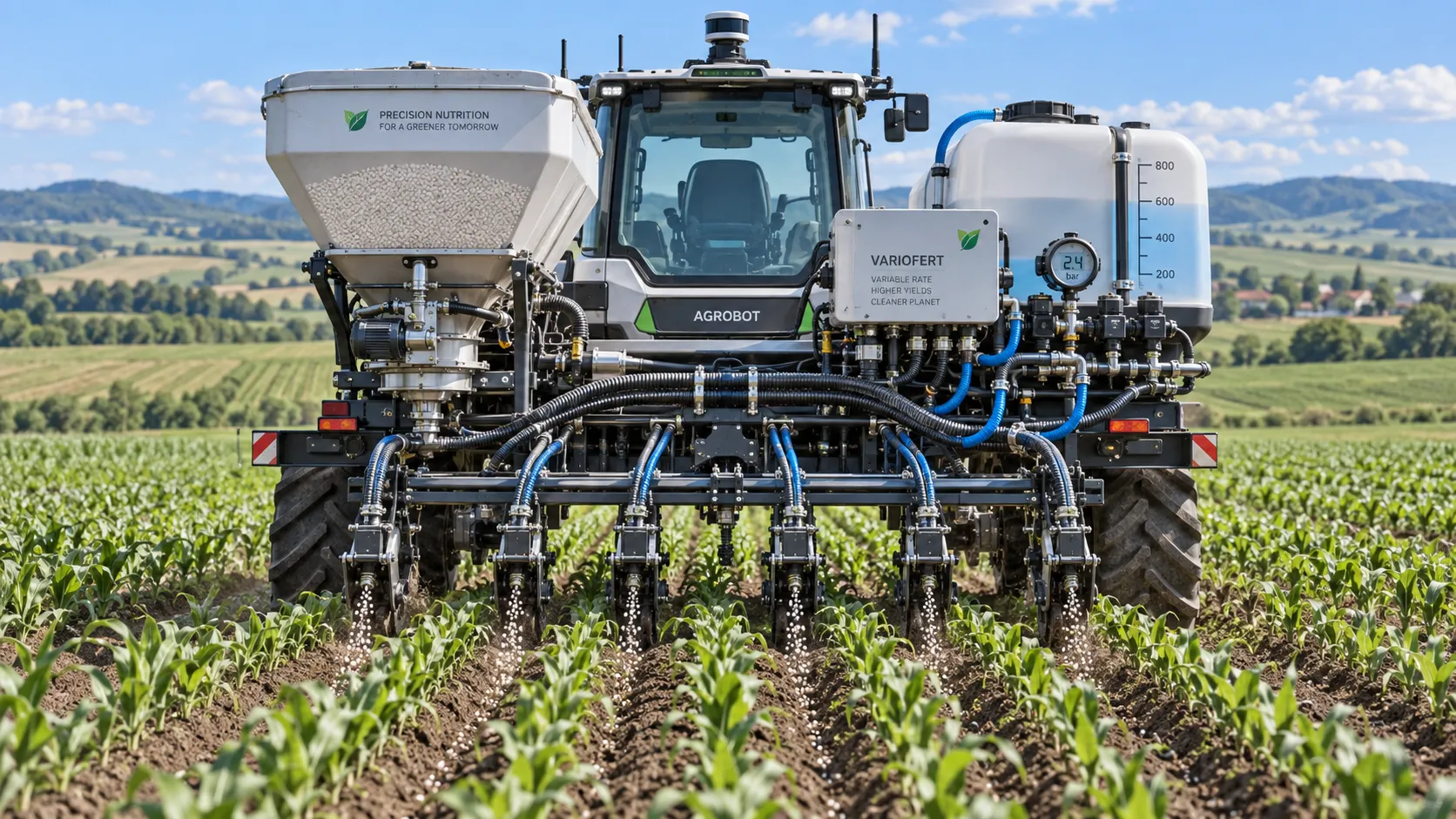
How Sensor Feedback Enables Accurate Variable-Rate Fertilization in Field Conditions
Precision fertilization systems with sensor feedback improve variable-rate accuracy by verifying flow, managing latency, and ensuring reliable field application.
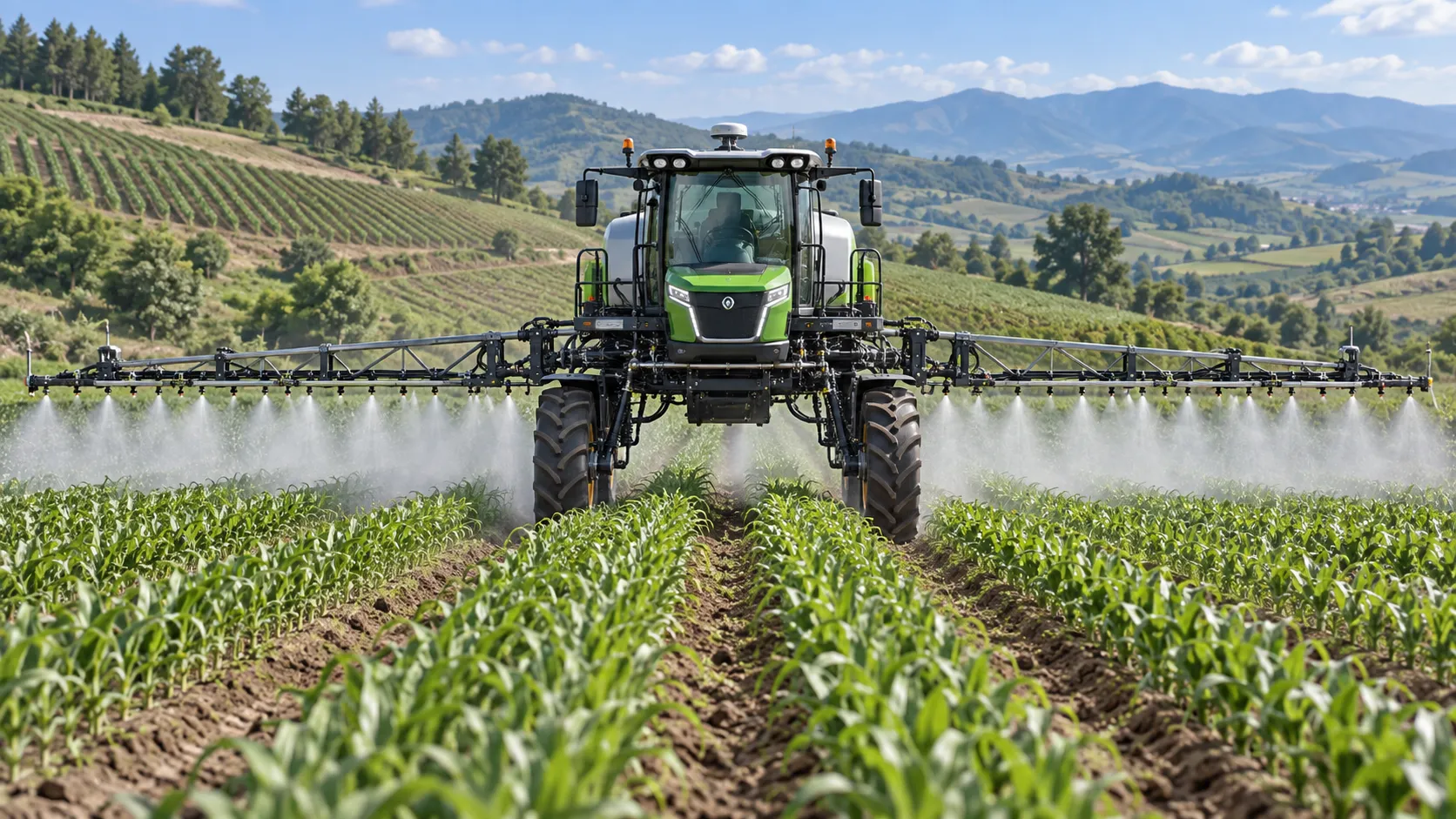
How to Select Precision Crop Protection Equipment for Variable Field Conditions
Precision crop protection equipment selection made simple: compare terrain, canopy, weather, control accuracy, and data workflows for reliable applications.

When Does Agricultural Machinery Leasing Cost Less Than Owning Equipment?
Agricultural machinery leasing can lower farm costs when use is seasonal or uncertain. Compare utilization, maintenance, cash flow, and risk to make a smarter equipment decision.

How to Evaluate Precision Fertilization System Suppliers for Farm-Scale Deployment
Precision fertilization systems suppliers: learn how to compare accuracy, integration, uptime, service, and total cost for confident farm-scale deployment.
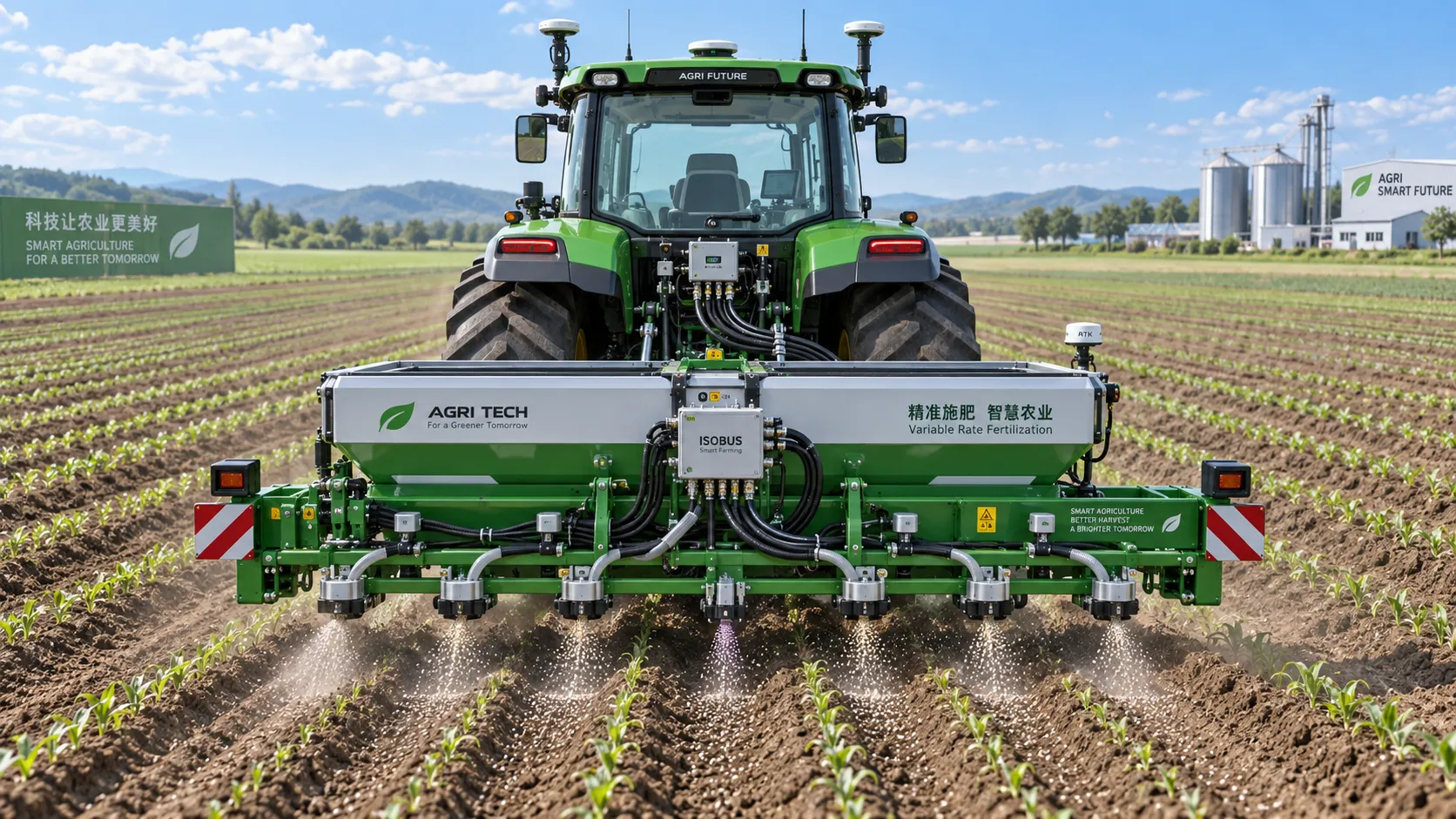
ISOBUS for Smart Agriculture: How It Connects Tractors, Implements, and Farm Data
ISOBUS for smart agriculture connects tractors, implements, terminals, and farm data—helping growers improve precision, documentation, and smarter field decisions.
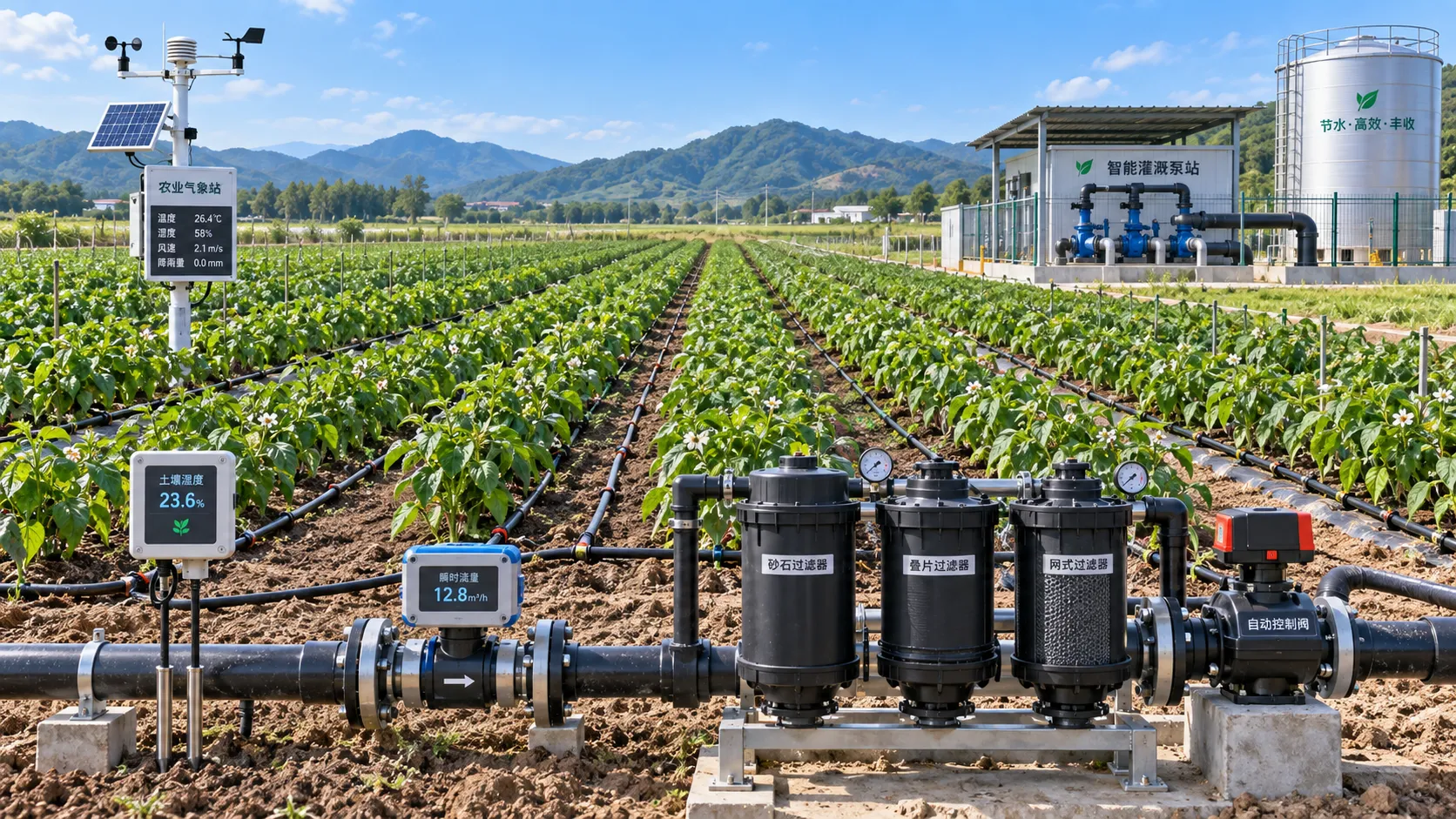
Automated Water-Saving Irrigation: How to Cut Water Use Without Reducing Crop Yields
Automated water-saving irrigation helps farms cut water use, protect crop yields, improve scheduling, and gain reliable control with sensors, flow monitoring, and smart zones.
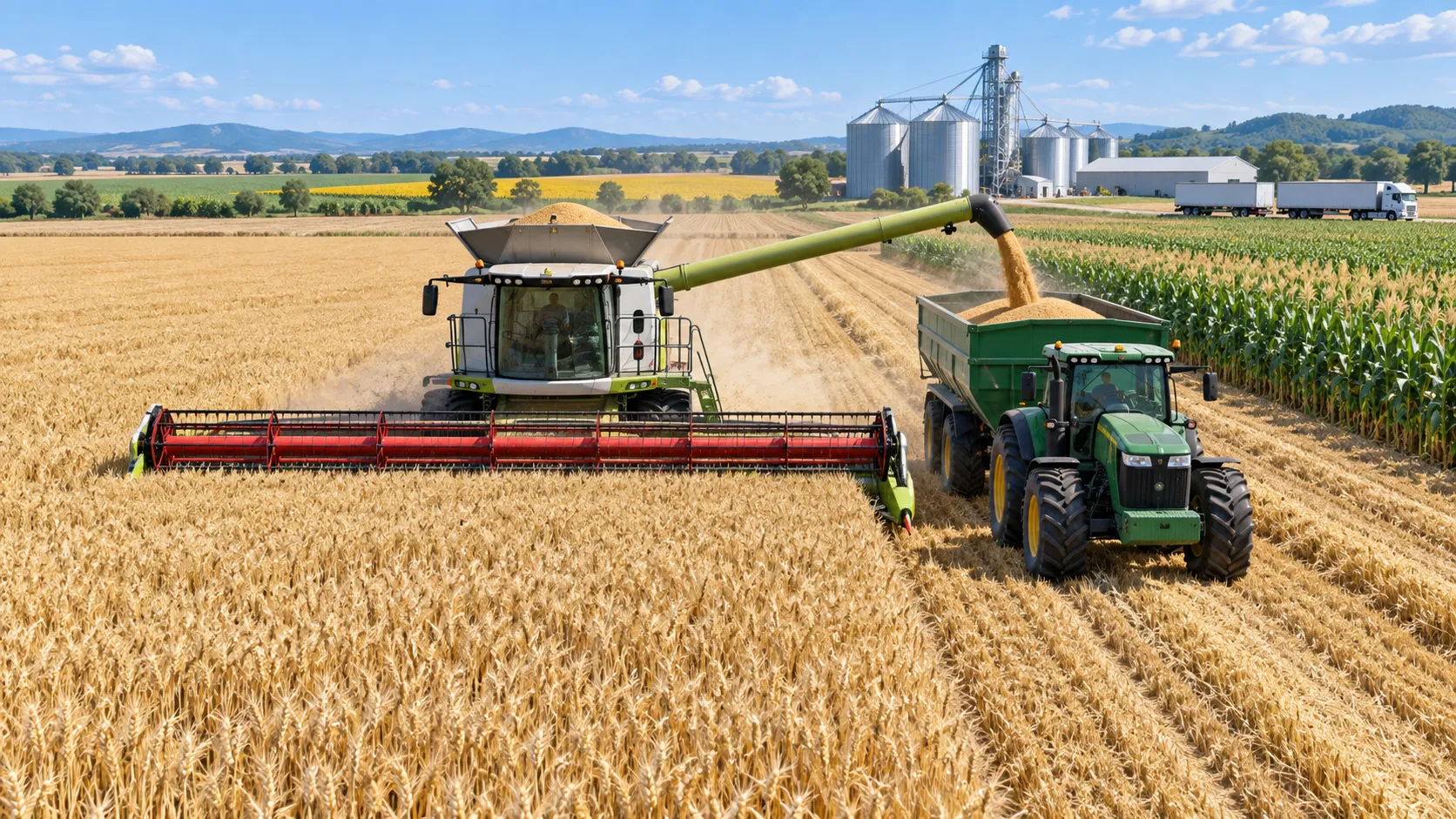
Selecting Grain Farm Equipment by Acreage, Crop Mix, and Harvest Window
Agricultural equipment selection for grain farming: match machinery to acreage, crop mix, and harvest windows to improve uptime, efficiency, and returns.
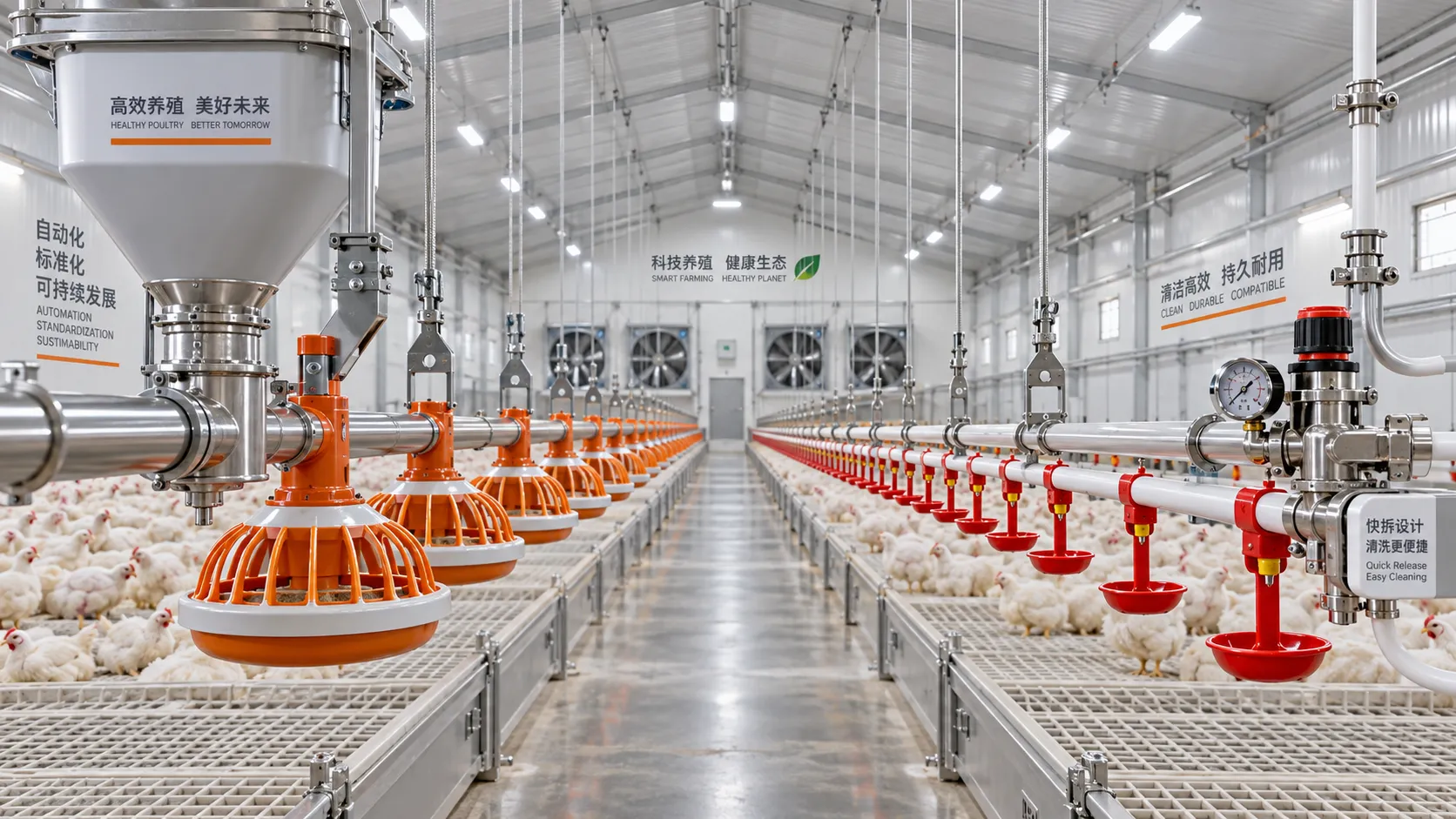
Poultry Equipment Selection: Evaluating Durability, Cleaning, and Compatibility
Poultry equipments selection guide: evaluate durability, cleaning access, and system compatibility to improve hygiene, reduce downtime, and support efficient flock management.
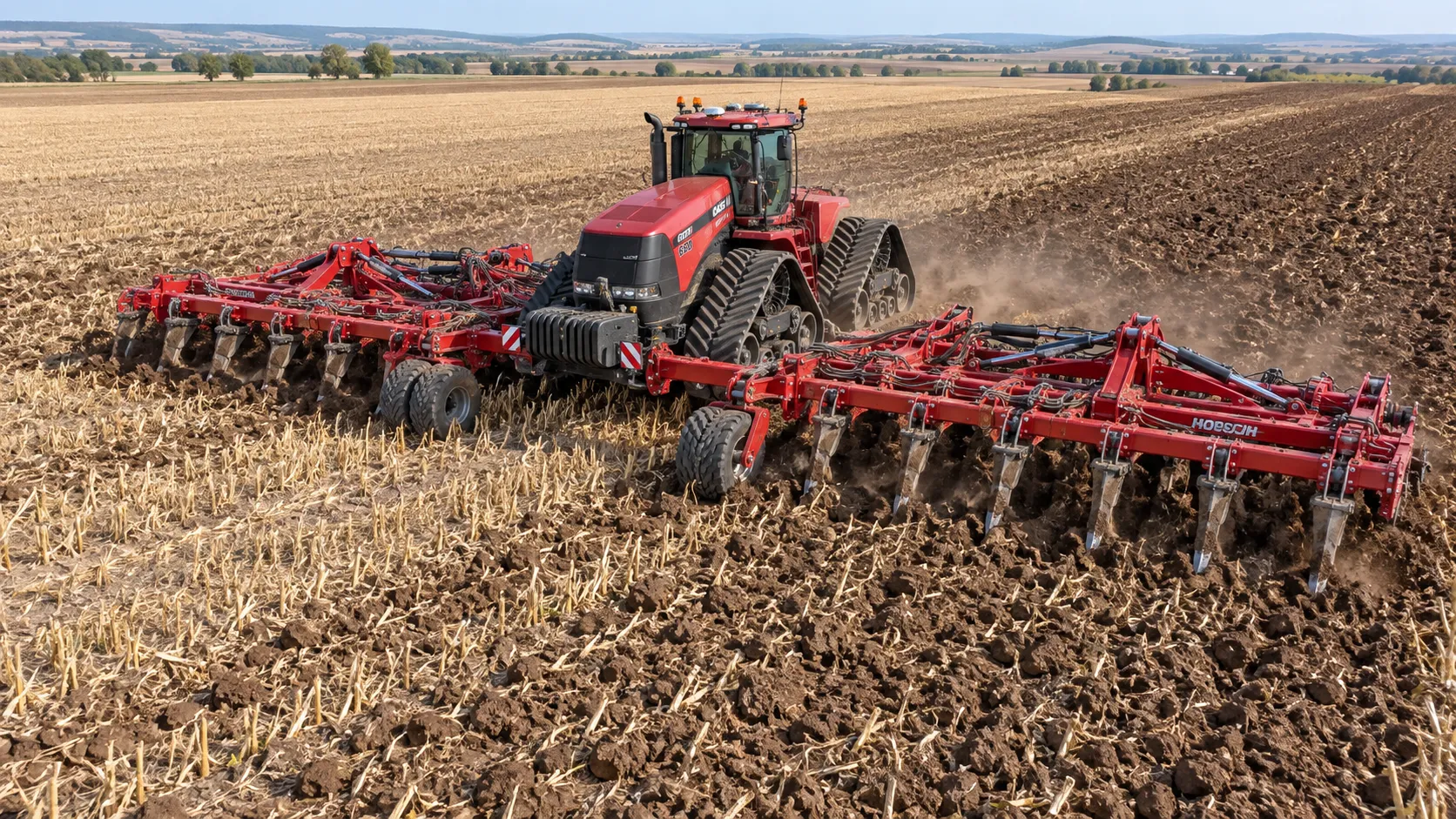
How to Select Heavy-Duty Farm Implements for High-Acreage, High-Horsepower Operations
Heavy duty farm implements: learn how to match draft, hydraulics, hitch capacity, frame strength, and field conditions for reliable high-acreage performance.
Related News
- 00
0000-00
When Does Agricultural Machinery Leasing Cost Less Than Owning Equipment? - 00
0000-00
Selecting Grain Farm Equipment by Acreage, Crop Mix, and Harvest Window - 00
0000-00
Poultry Equipment Selection: Evaluating Durability, Cleaning, and Compatibility - 00
0000-00
How to Select Heavy-Duty Farm Implements for High-Acreage, High-Horsepower Operations - 00
0000-00
Smart Farming Technology for Dairy Farms: Where Automation Delivers Measurable ROI
Popular Tags
Ms. Elena Rodriguez
Weekly Insights
Stay ahead with our curated technology reports delivered every Monday.