
Climate Smart Farming Cost Breakdown: What Drives ROI for Mid- to Large-Scale Farms?




Why does climate smart farming cost matter more on larger farms?
Climate smart farming cost is no longer a side calculation. It shapes cash flow, asset timing, and operating resilience across the whole farm system.
On smaller acreages, one weak season hurts. On mid- to large-scale farms, one weak season can distort machinery utilization, irrigation efficiency, and financing assumptions.
That is why the real discussion is not only about purchase price. It is about whether the investment improves yield stability, reduces input waste, and protects long-cycle returns.
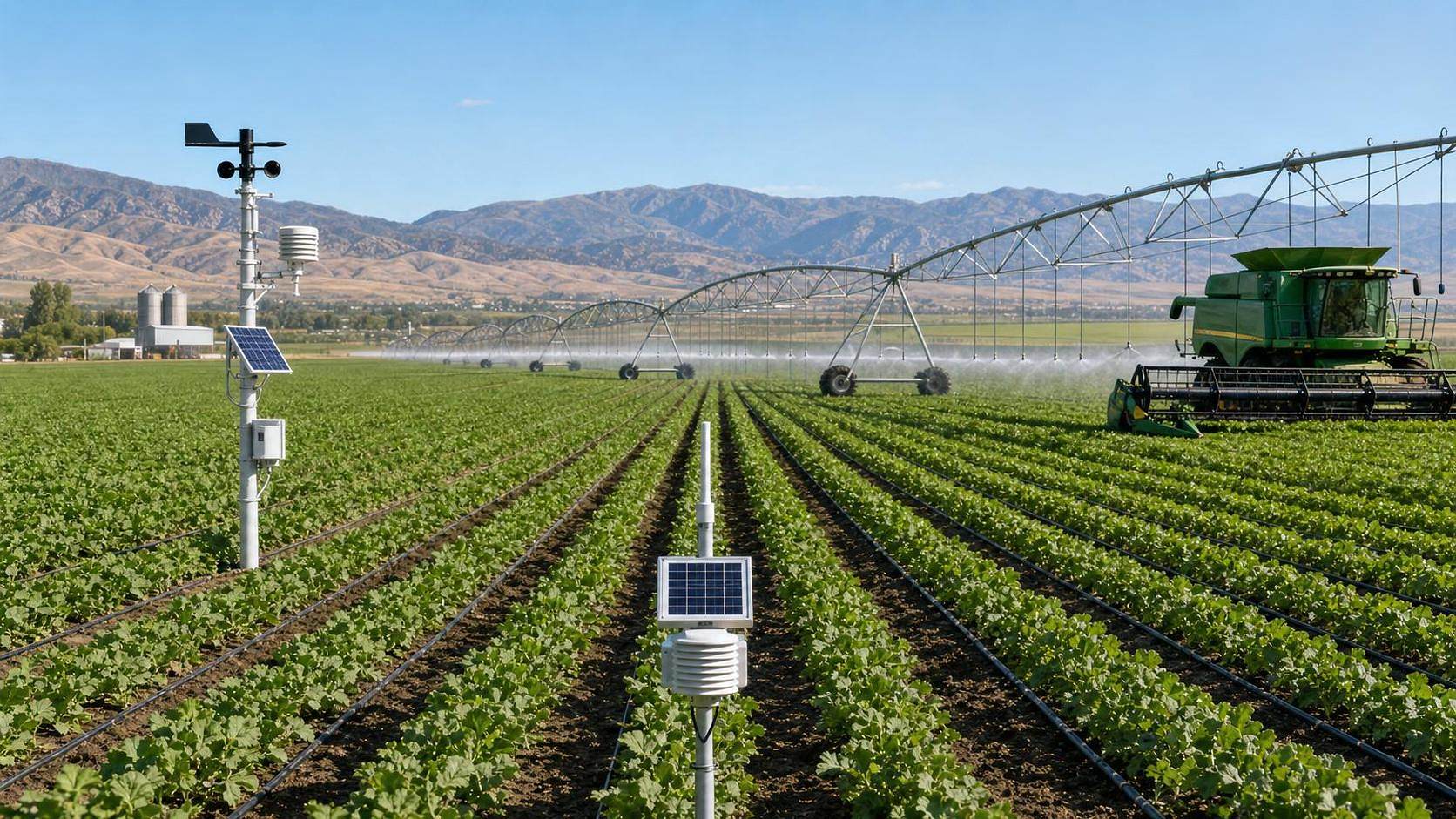
In practice, climate-smart investments often sit across several categories at once. Irrigation upgrades, sensor networks, combine optimization, tractor guidance, and data platforms all interact.
A farm may save water through variable irrigation, then unlock cleaner harvest windows through better field condition visibility. That changes labor scheduling and machine productivity as well.
This broader systems view is where AP-Strategy’s perspective is useful. Its coverage connects machinery performance, precision algorithms, and sustainability pressures instead of treating them separately.
What actually sits inside climate smart farming cost?
Many cost estimates fail because they count hardware and ignore implementation. A better approach is to separate climate smart farming cost into four practical layers.
1. Capital equipment and field infrastructure
This includes drip or pivot upgrades, telemetry modules, weather stations, soil sensors, guidance systems, spray controllers, and retrofit kits for tractors or harvesters.
2. Software, connectivity, and data services
Subscription fees matter more than many teams expect. Farm management platforms, mapping tools, satellite feeds, and irrigation analytics can become a material annual line item.
3. Integration and operating change
This is often underestimated. Wiring equipment, calibrating sensors, training operators, redesigning field workflows, and synchronizing data across brands take time and money.
4. Maintenance, replacement, and downtime risk
Batteries fail, probes drift, valves clog, and connectivity drops. Climate smart farming cost must include the recurring expense of keeping precision tools accurate in real conditions.
A simple planning table helps keep the budget honest.
Which factors drive ROI more than the headline price?
The headline price matters, but it rarely decides the outcome alone. ROI usually moves faster with three operational variables.
Field variability
The more variation in soil, moisture, slope, and crop response, the more value precision tools can unlock. Uniform fields usually deliver slower payback.
Scale of repeatable use
A solution used across many acres, multiple crops, or several operating seasons spreads cost better. Idle technology is expensive technology.
Input intensity and risk exposure
Water-scarce regions, high fertilizer programs, and volatile harvest windows tend to improve the economics of climate-smart investment.
For example, a smart irrigation system may show only moderate water savings on paper. Yet it may protect crop quality during heat stress and reduce pumping hours.
Likewise, combine harvesting technology with loss monitoring may not transform revenue every day. It becomes highly valuable when crop moisture and weather timing tighten the harvest window.
This is why AP-Strategy often frames investment choices through equipment performance, algorithm quality, and regional operating context rather than generic efficiency claims.
How should climate smart farming cost be compared across solution types?
Not every climate-smart tool should be judged with the same payback lens. Some reduce direct cost quickly. Others protect margin through better resilience.
A practical comparison starts with the dominant value driver.
- Precision irrigation usually wins through water efficiency, energy reduction, and crop consistency.
- Guidance and controlled application systems usually win through fuel, overlap reduction, and input placement.
- Combine and harvesting intelligence usually wins through lower grain loss, cleaner sample quality, and tighter harvest scheduling.
- Data platforms win when they improve cross-season decisions, not when they only collect more screens of information.
The table below is useful when comparing proposals that look similar on the surface.
Where do larger farms most often misjudge the cost picture?
The biggest mistake is treating climate smart farming cost as a one-time purchase. In reality, cost and value both depend on adoption quality.
Another common error is overvaluing data collection and undervaluing execution. Sensors do not create returns unless irrigation schedules, machine settings, or application maps actually change.
There is also a tendency to buy isolated tools from multiple suppliers. That can create fragmented datasets, duplicated subscriptions, and weak interoperability.
On the machinery side, retrofits are often judged only by upfront savings. Yet older tractor chassis, hydraulic systems, or electrical architecture may limit the value of advanced controls.
A final blind spot is timing. If implementation starts just before planting or harvest, training and calibration usually suffer, and first-season ROI looks worse than it should.
- Budget for support, not just equipment.
- Test compatibility across brands before signing.
- Use baseline field data from at least one prior season.
- Tie each technology to one measurable operating decision.
What is a practical way to judge ROI before committing capital?
Start with a narrow business case, not a broad sustainability promise. The strongest proposals solve a specific operational bottleneck first.
For one farm, that may be irrigation under water constraints. For another, it may be harvest loss exposure or uneven input application across variable fields.
A disciplined review usually includes five checks.
- Define the cost baseline per acre, per ton, or per machine hour.
- Separate direct savings from resilience value.
- Model adoption over two or three seasons, not one month.
- Stress-test ROI against commodity price swings and weather variability.
- Verify service depth, spare parts access, and software continuity.
This is where a strategic intelligence source can add discipline. AP-Strategy’s focus on combine efficiency, intelligent tools, tractor performance, and water-saving systems supports more grounded comparison work.
The most reliable climate smart farming cost decision is rarely the cheapest option. It is the one that fits field conditions, machine architecture, and execution capacity.
Before moving forward, build a short evaluation sheet. List target acres, required integrations, expected savings, implementation timing, and failure risks. That turns climate smart farming cost from a vague trend topic into a measurable investment decision.
Related News
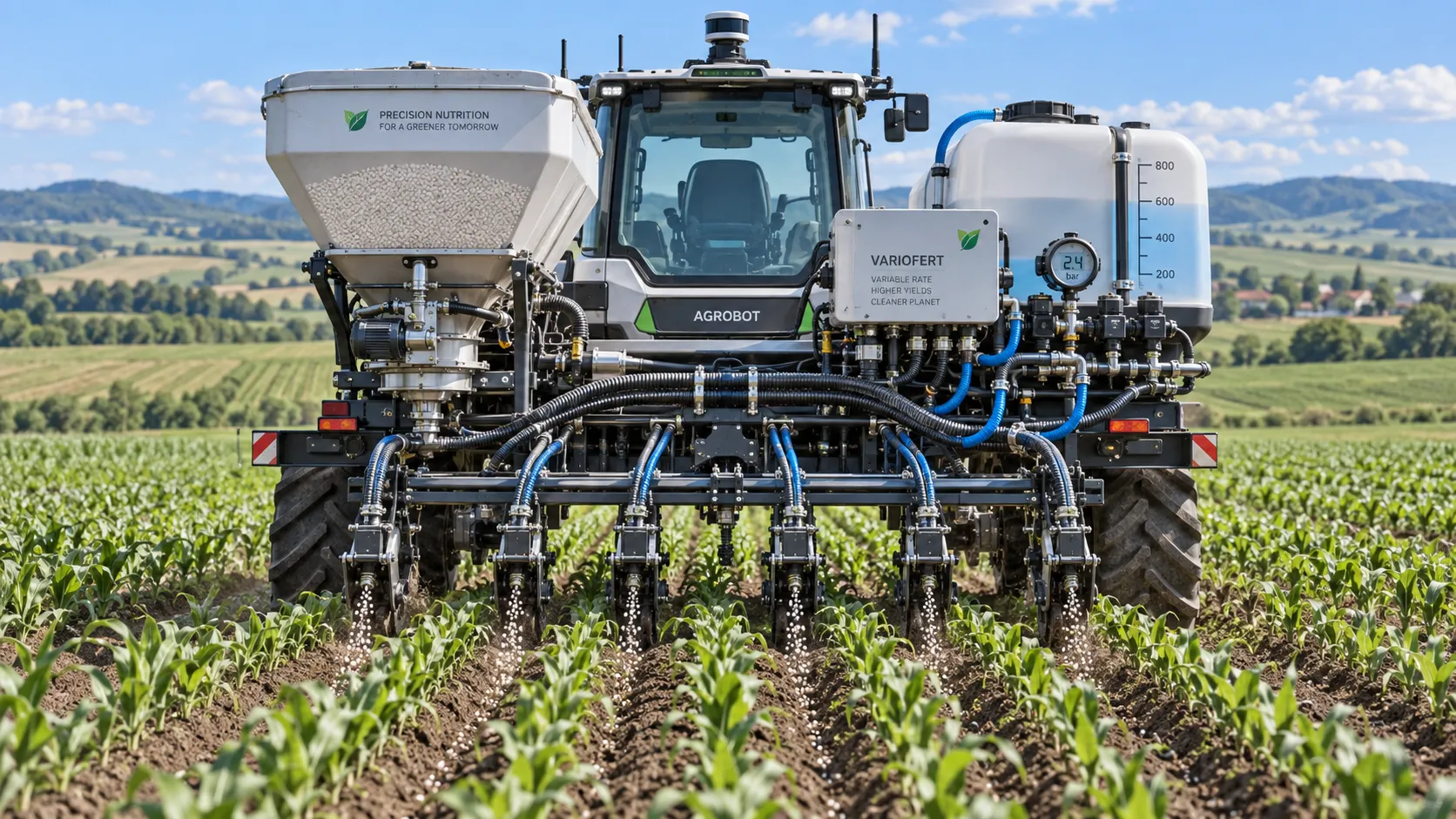
How Sensor Feedback Enables Accurate Variable-Rate Fertilization in Field Conditions
Precision fertilization systems with sensor feedback improve variable-rate accuracy by verifying flow, managing latency, and ensuring reliable field application.
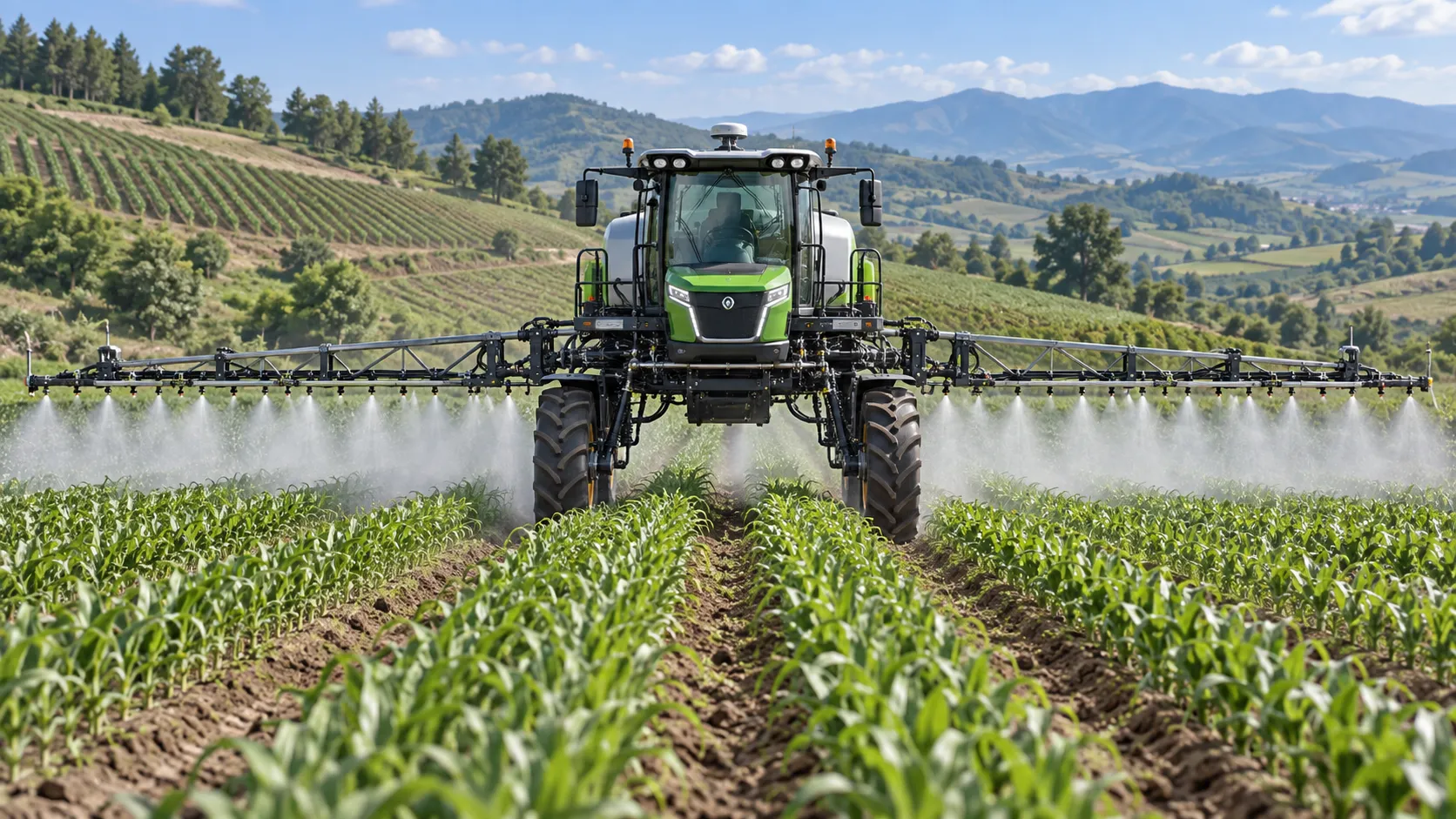
How to Select Precision Crop Protection Equipment for Variable Field Conditions
Precision crop protection equipment selection made simple: compare terrain, canopy, weather, control accuracy, and data workflows for reliable applications.

When Does Agricultural Machinery Leasing Cost Less Than Owning Equipment?
Agricultural machinery leasing can lower farm costs when use is seasonal or uncertain. Compare utilization, maintenance, cash flow, and risk to make a smarter equipment decision.
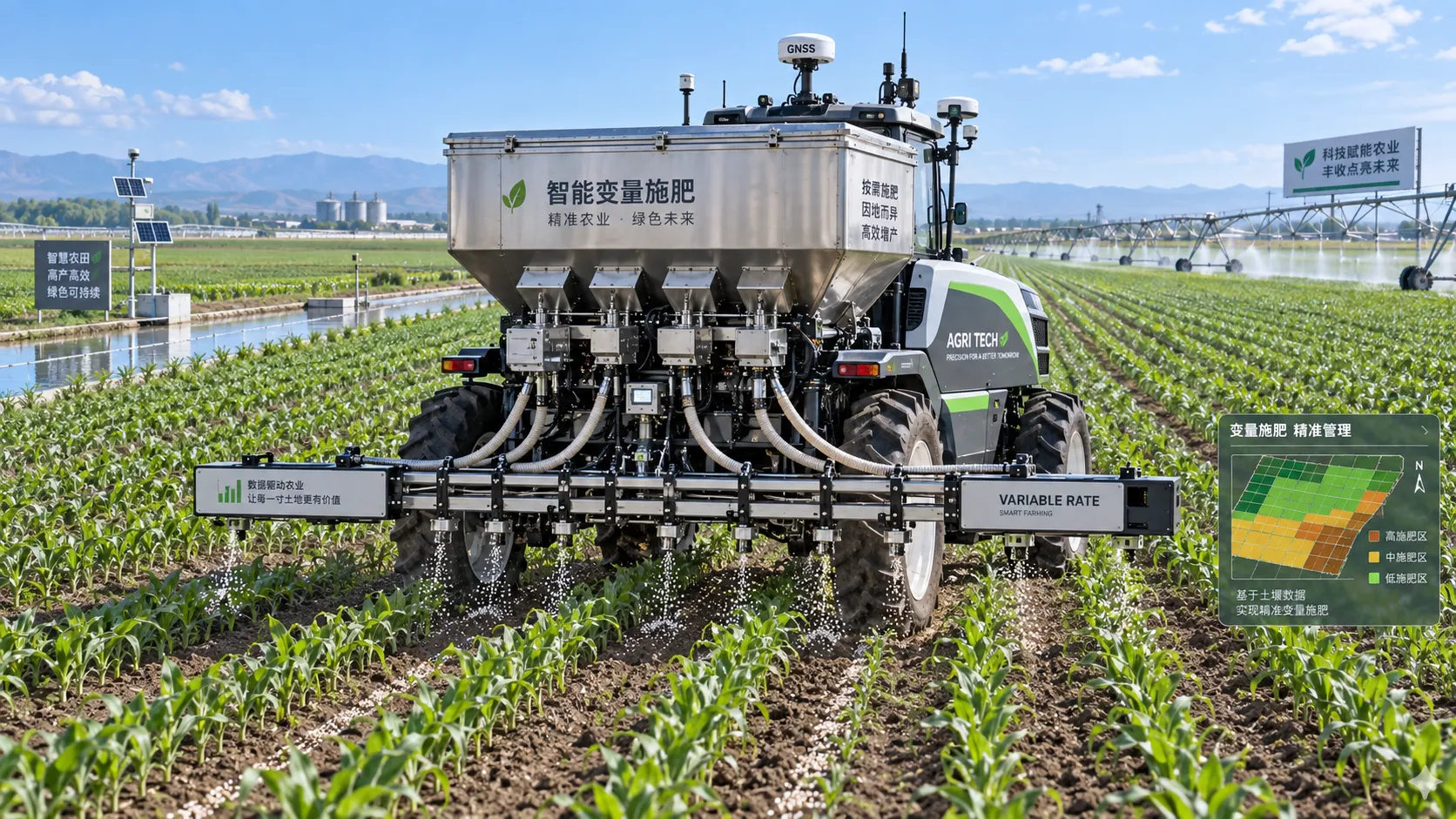
How to Evaluate Precision Fertilization System Suppliers for Farm-Scale Deployment
Precision fertilization systems suppliers: learn how to compare accuracy, integration, uptime, service, and total cost for confident farm-scale deployment.
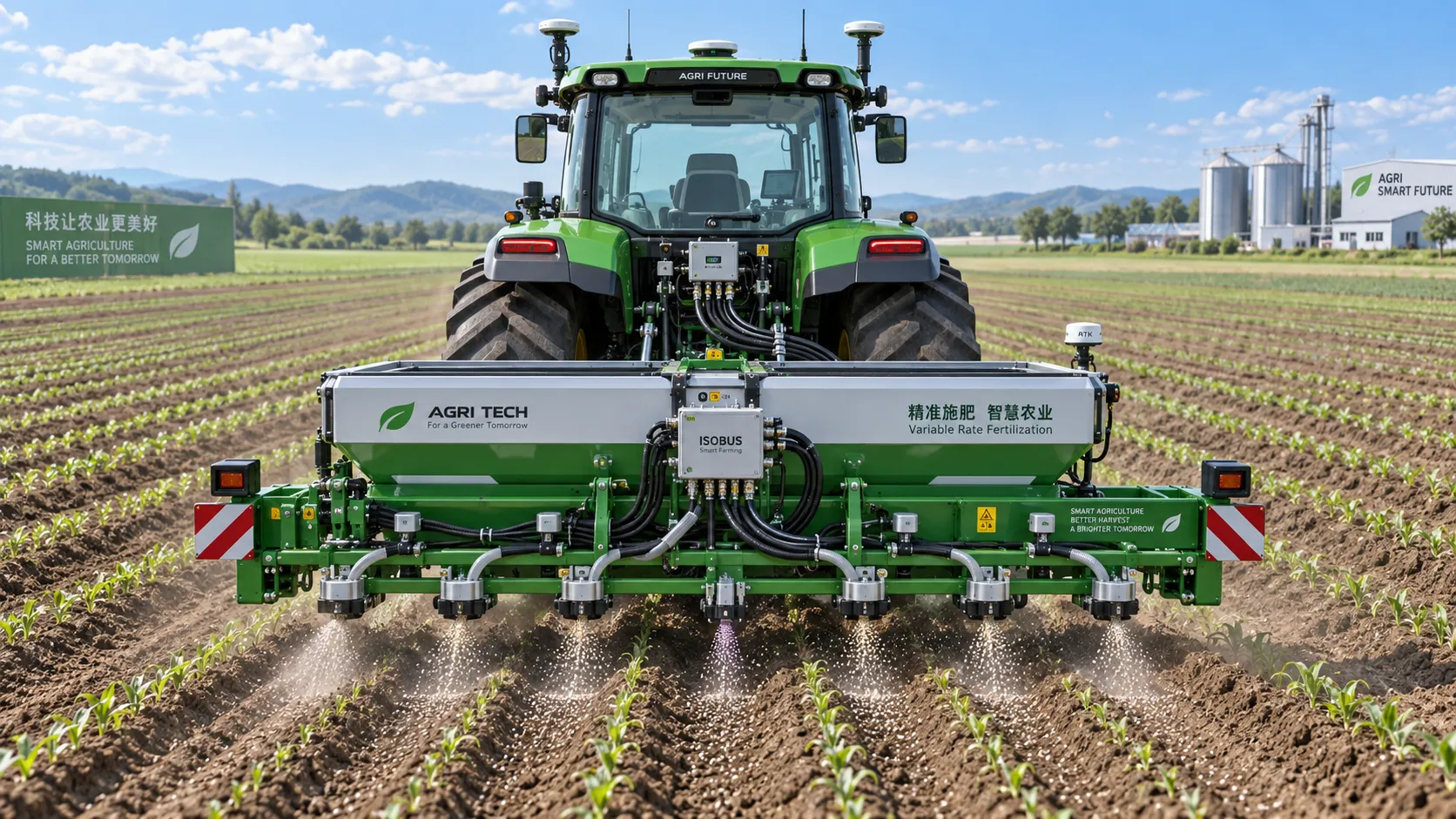
ISOBUS for Smart Agriculture: How It Connects Tractors, Implements, and Farm Data
ISOBUS for smart agriculture connects tractors, implements, terminals, and farm data—helping growers improve precision, documentation, and smarter field decisions.
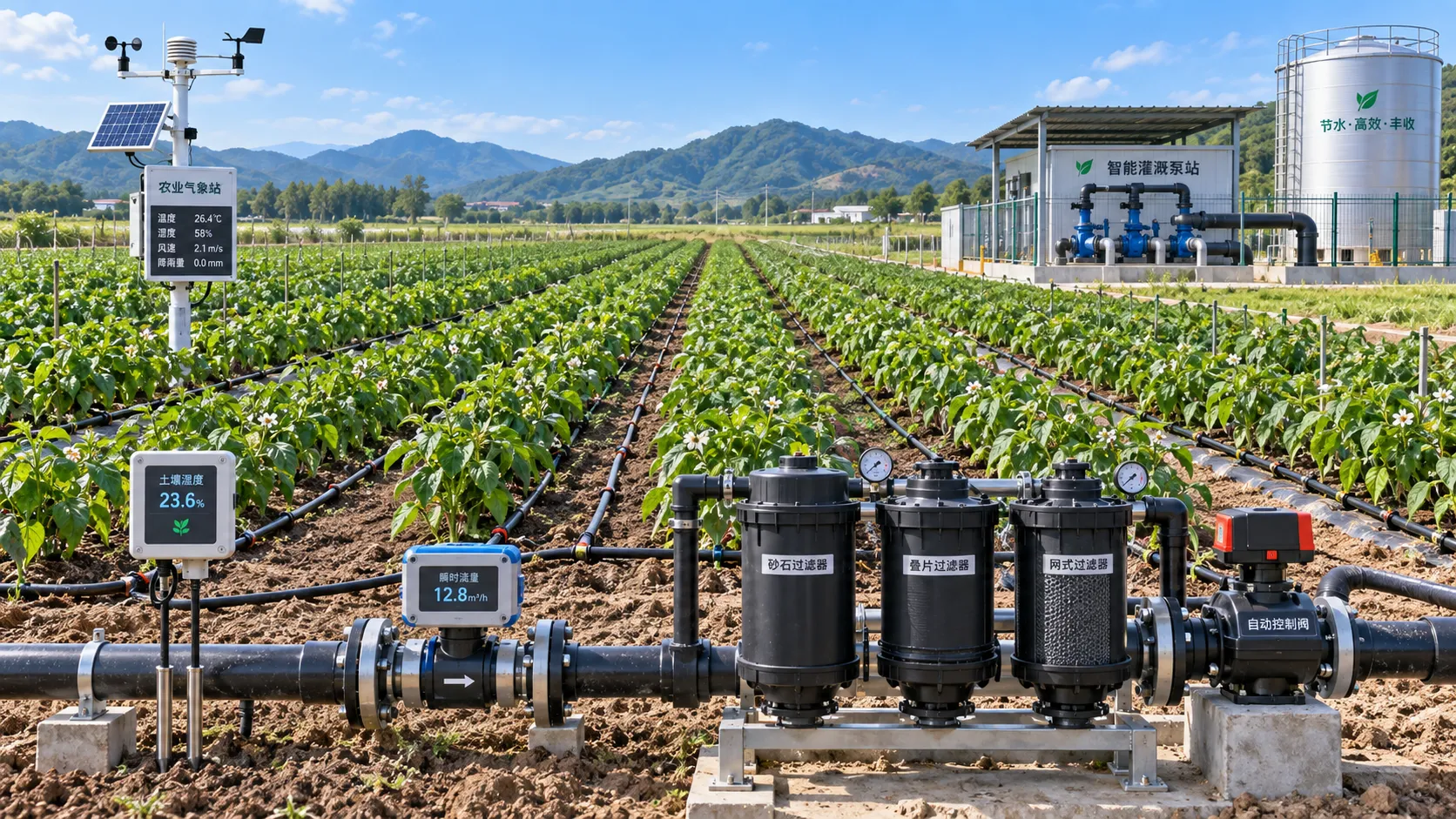
Automated Water-Saving Irrigation: How to Cut Water Use Without Reducing Crop Yields
Automated water-saving irrigation helps farms cut water use, protect crop yields, improve scheduling, and gain reliable control with sensors, flow monitoring, and smart zones.
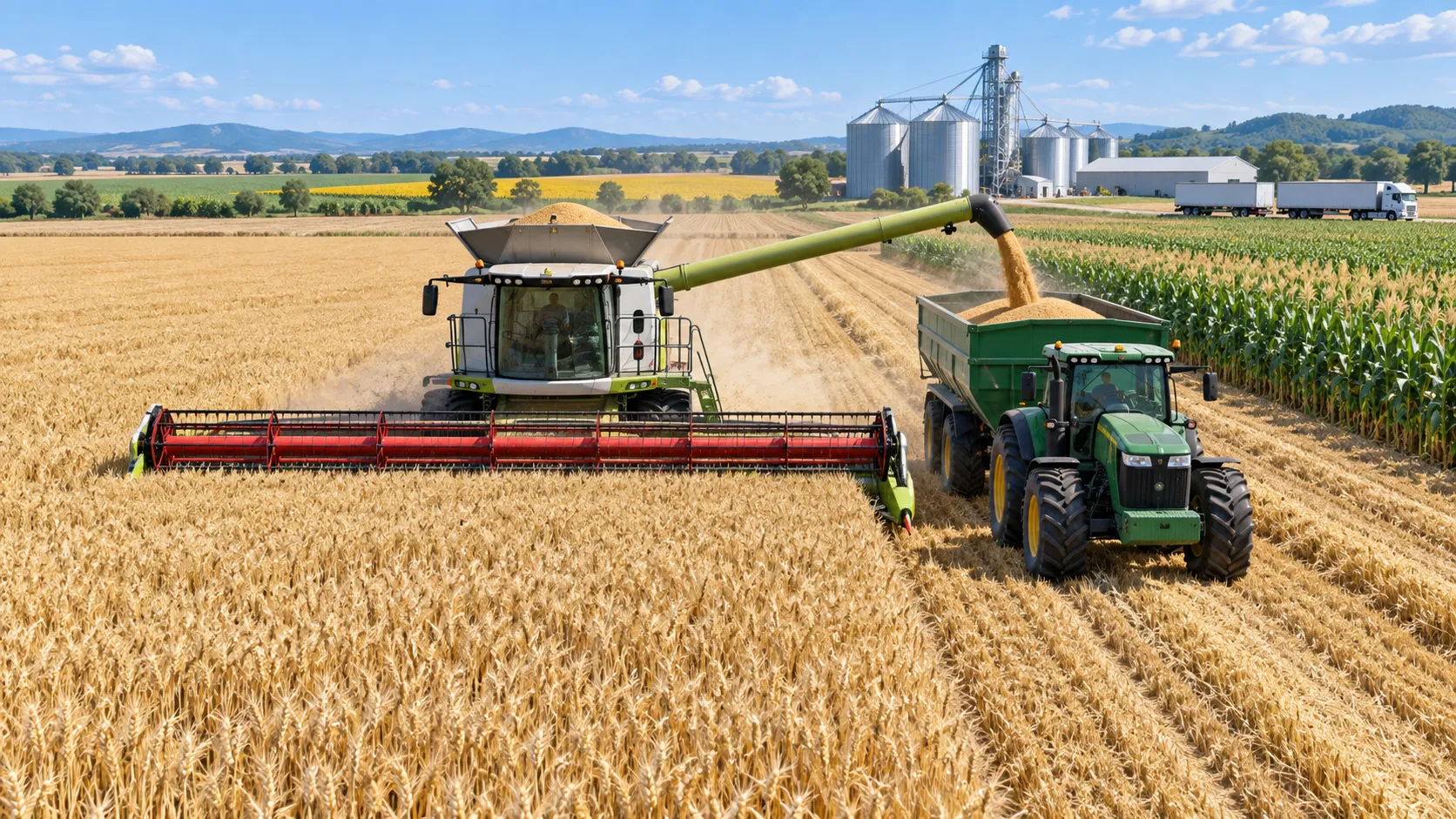
Selecting Grain Farm Equipment by Acreage, Crop Mix, and Harvest Window
Agricultural equipment selection for grain farming: match machinery to acreage, crop mix, and harvest windows to improve uptime, efficiency, and returns.
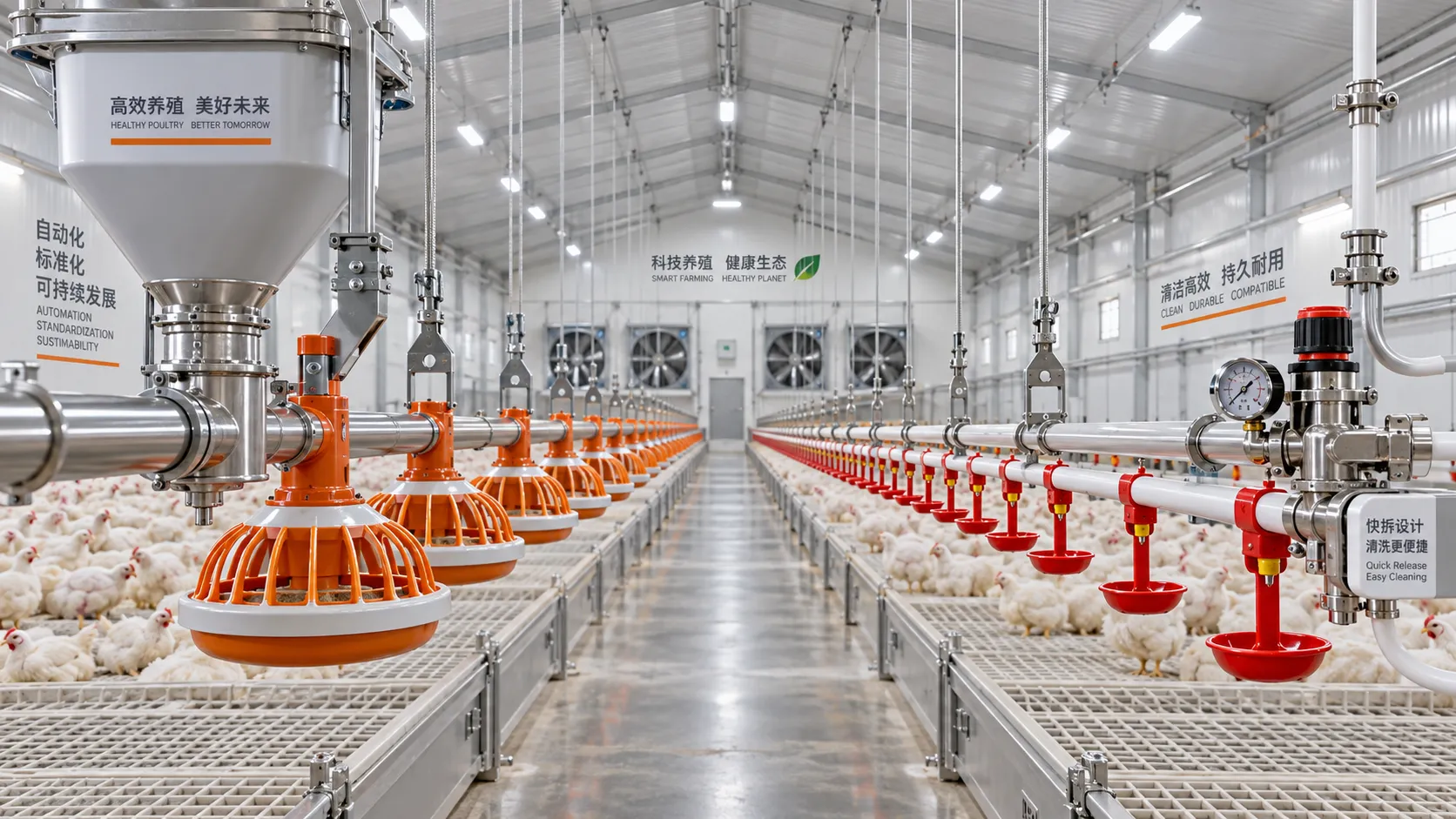
Poultry Equipment Selection: Evaluating Durability, Cleaning, and Compatibility
Poultry equipments selection guide: evaluate durability, cleaning access, and system compatibility to improve hygiene, reduce downtime, and support efficient flock management.
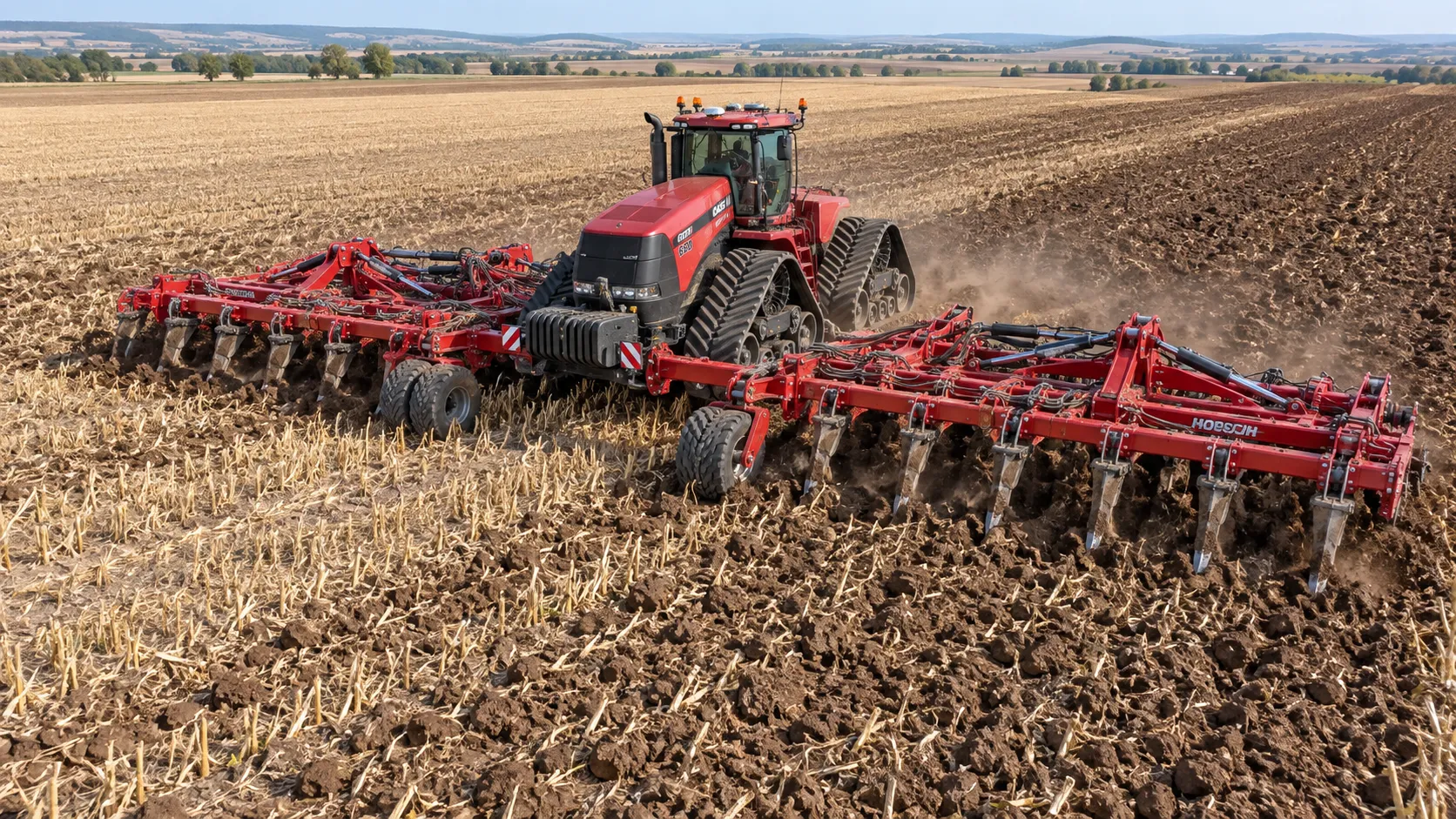
How to Select Heavy-Duty Farm Implements for High-Acreage, High-Horsepower Operations
Heavy duty farm implements: learn how to match draft, hydraulics, hitch capacity, frame strength, and field conditions for reliable high-acreage performance.
Related News
- 00
0000-00
When Does Agricultural Machinery Leasing Cost Less Than Owning Equipment? - 00
0000-00
Selecting Grain Farm Equipment by Acreage, Crop Mix, and Harvest Window - 00
0000-00
Poultry Equipment Selection: Evaluating Durability, Cleaning, and Compatibility - 00
0000-00
How to Select Heavy-Duty Farm Implements for High-Acreage, High-Horsepower Operations - 00
0000-00
Smart Farming Technology for Dairy Farms: Where Automation Delivers Measurable ROI
Popular Tags
Ms. Elena Rodriguez
Weekly Insights
Stay ahead with our curated technology reports delivered every Monday.